

Impact of Urban Morphology on PM2.5 Concentrations in High-Density Urban Areas: A Case Study of the Main Urban Area of Urumqi, an Arid-Region City
|
LIU Song, Ph.D., is a professor and doctoral supervisor in the College of Architecture and Urban Planning (CAUP), Tongji University, and deputy director of the National Master of Landscape Architecture Education Steering Committee. Her research focuses on urban-rural green space system planning, and technical approach to landscape planning |
|
JIU Jiangtao is a Ph.D. candidate in the College of Architecture and Urban Planning (CAUP), Tongji University, and a lecturer in the College of Forestry and Landscape Architecture, Xinjiang Agricultural University. His research focuses on landscape planning and design, urban microclimate, and digital landscape |
|
LIU Dizi is a Ph.D. candidate in the College of Architecture and Urban Planning (CAUP), Tongji University. His research focuses on optimization of rural landscape systems in metropolitan fringe areas, and digital landscape |
|
DONG Chanchan, Master, is a lecturer in the College of Forestry and Landscape Architecture, Xinjiang Agricultural University. Her research focuses on healthcare landscape and urban microclimate |
Received date: 2025-09-16
Revised date: 2025-12-08
Online published: 2026-03-12
Copyright
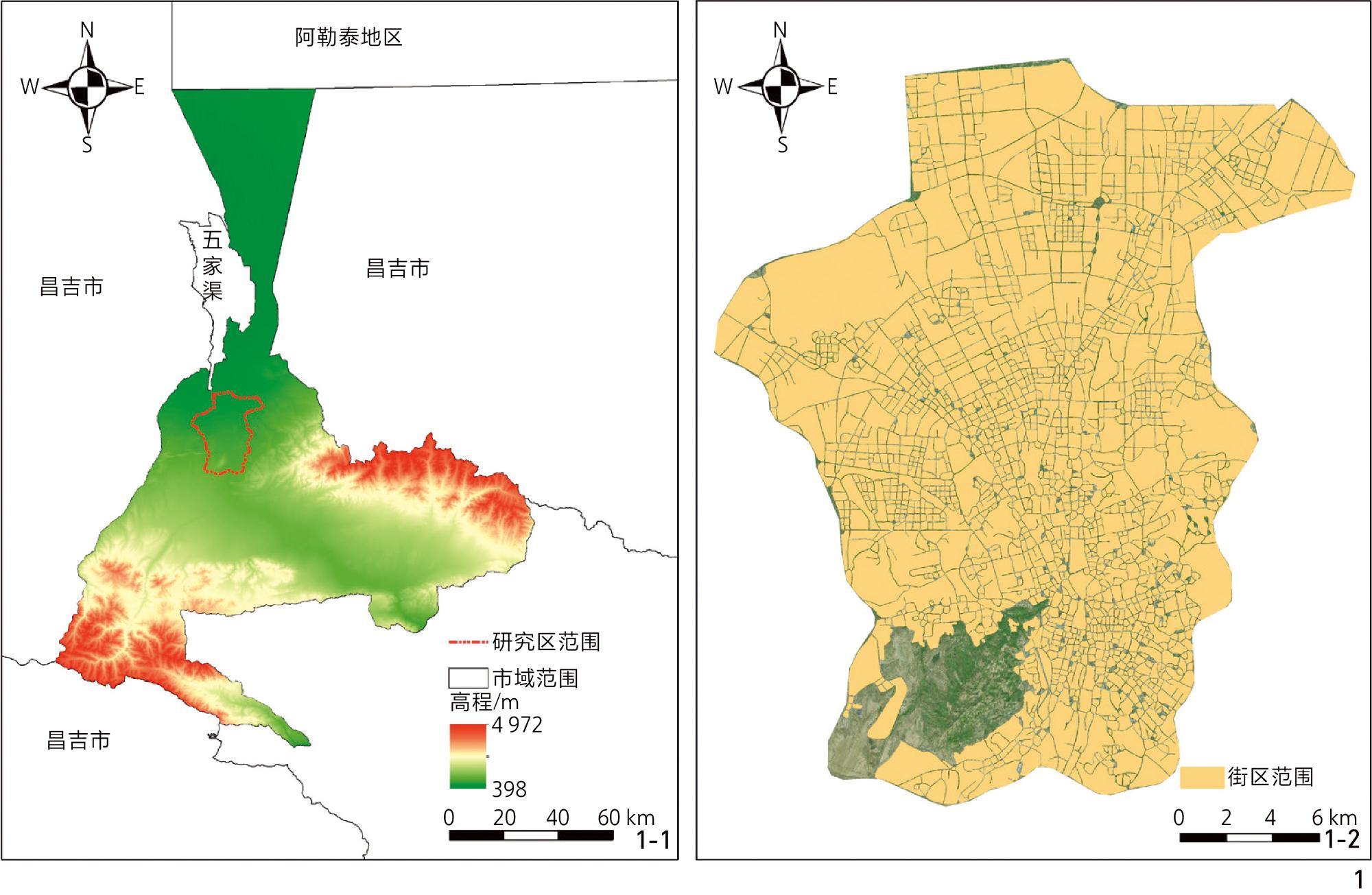
Rapid urbanization in arid regions presents distinctive challenges for air quality management, particularly concerning fine particulate matter (PM2.5). This study aims to systematically quantify the seasonal dynamics of PM2.5 concentrations across different local climate zone (LCZ) types within a high-density arid city. It seeks to elucidate how two-dimensional landscape patterns and three-dimensional urban morphological characteristics jointly influence the spatial distribution of PM2.5, and to identify the dominant drivers and their nonlinear mechanisms in this unique climatic context.
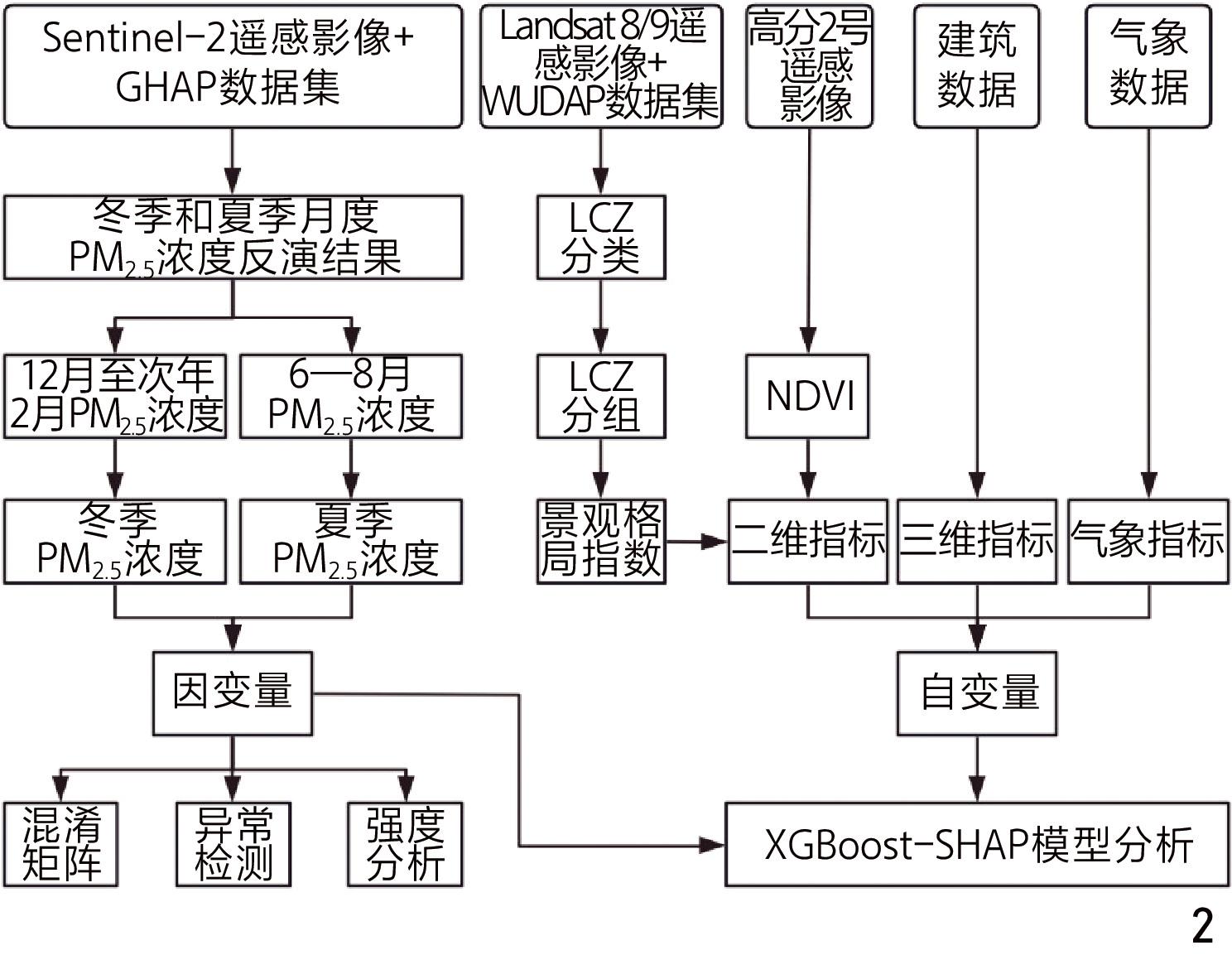
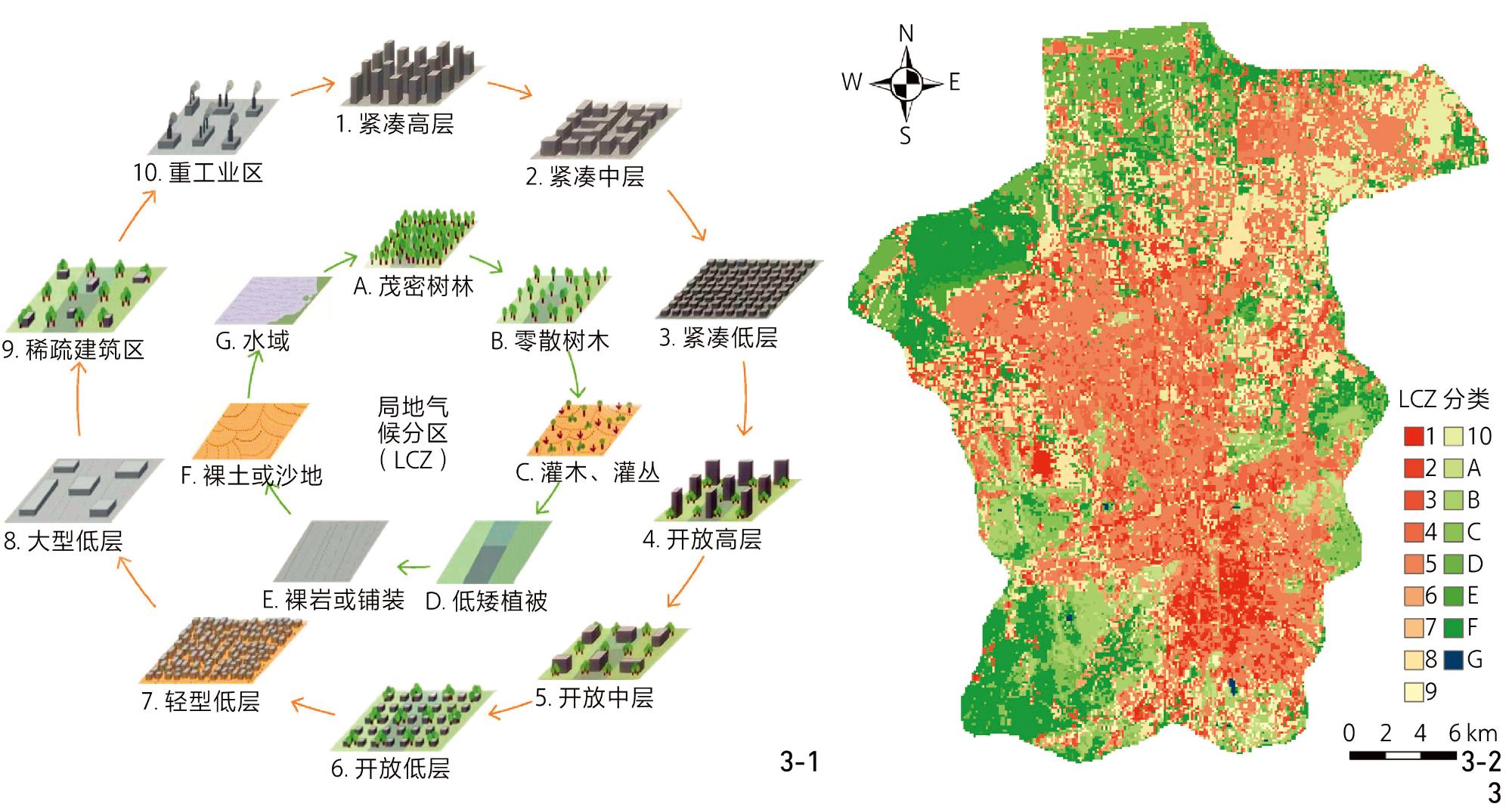
The main urban area of Urumqi, a representative high-density city in the arid northwest of China, was selected as the case study. A multi-source data fusion framework was constructed, integrating satellite remote sensing data (Sentinel-2 and Landsat 8/9 imagery), vector-based architectural data, ground-based meteorological observations, and high-resolution topographic data. Methodologically, the study proceeded in two main stages within the overarching LCZ framework. First, a random forest (RF) model was employed to generate high-resolution (30-meter) seasonal PM2.5 concentration maps through inversion techniques and to perform a precise LCZ classification for the study area. Second, an eXtreme Gradient Boosting (XGBoost) machine learning regression model, coupled with the SHapley Additive exPlanations (SHAP) interpretability framework, was applied. This advanced analytical approach was used to deconvolve the relative importance and, more importantly, the nonlinear dependence and threshold effects of a comprehensive set of influencing factors. These factors encompassed two-dimensional landscape metrics, three-dimensional urban morphological indicators, elevation, and key meteorological parameters.
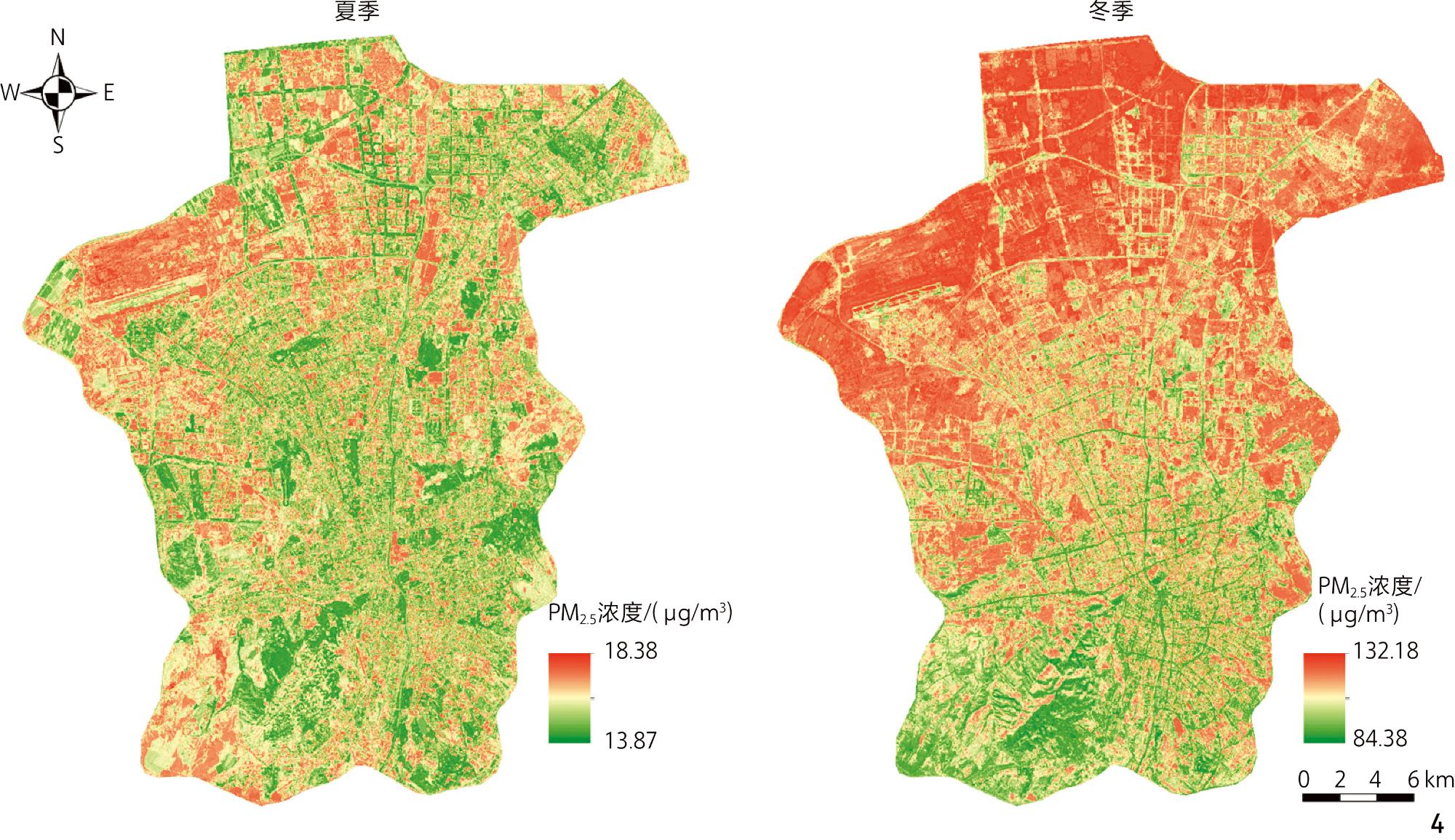
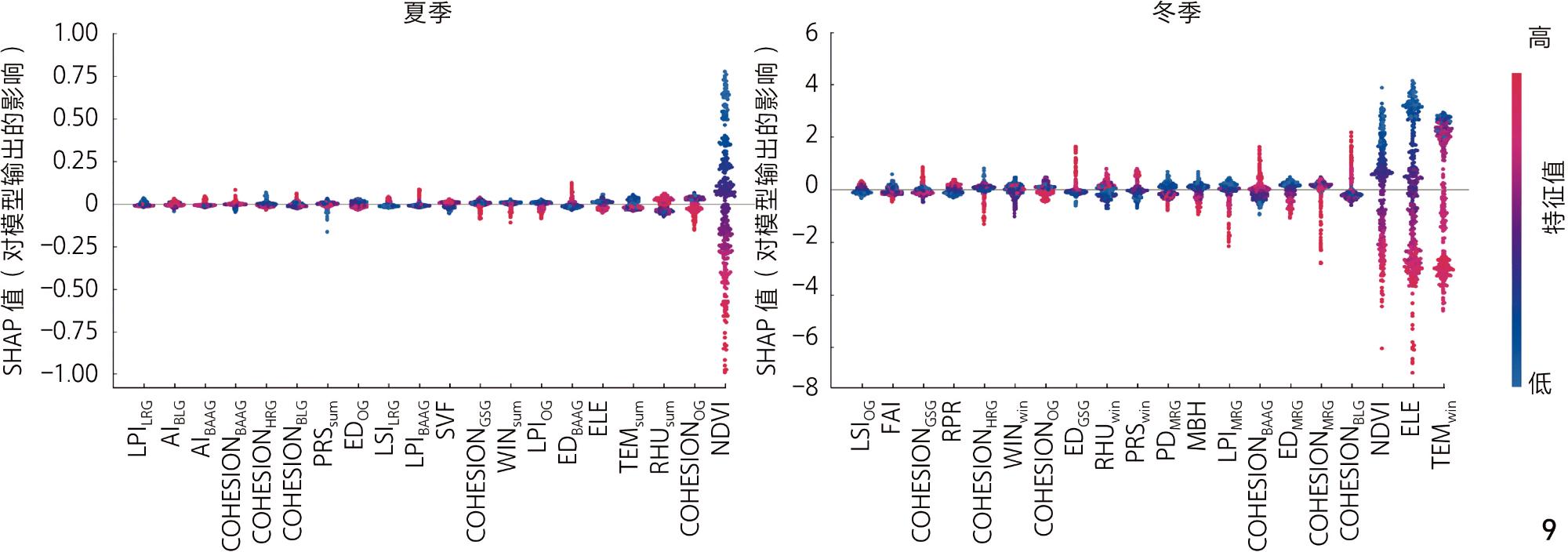
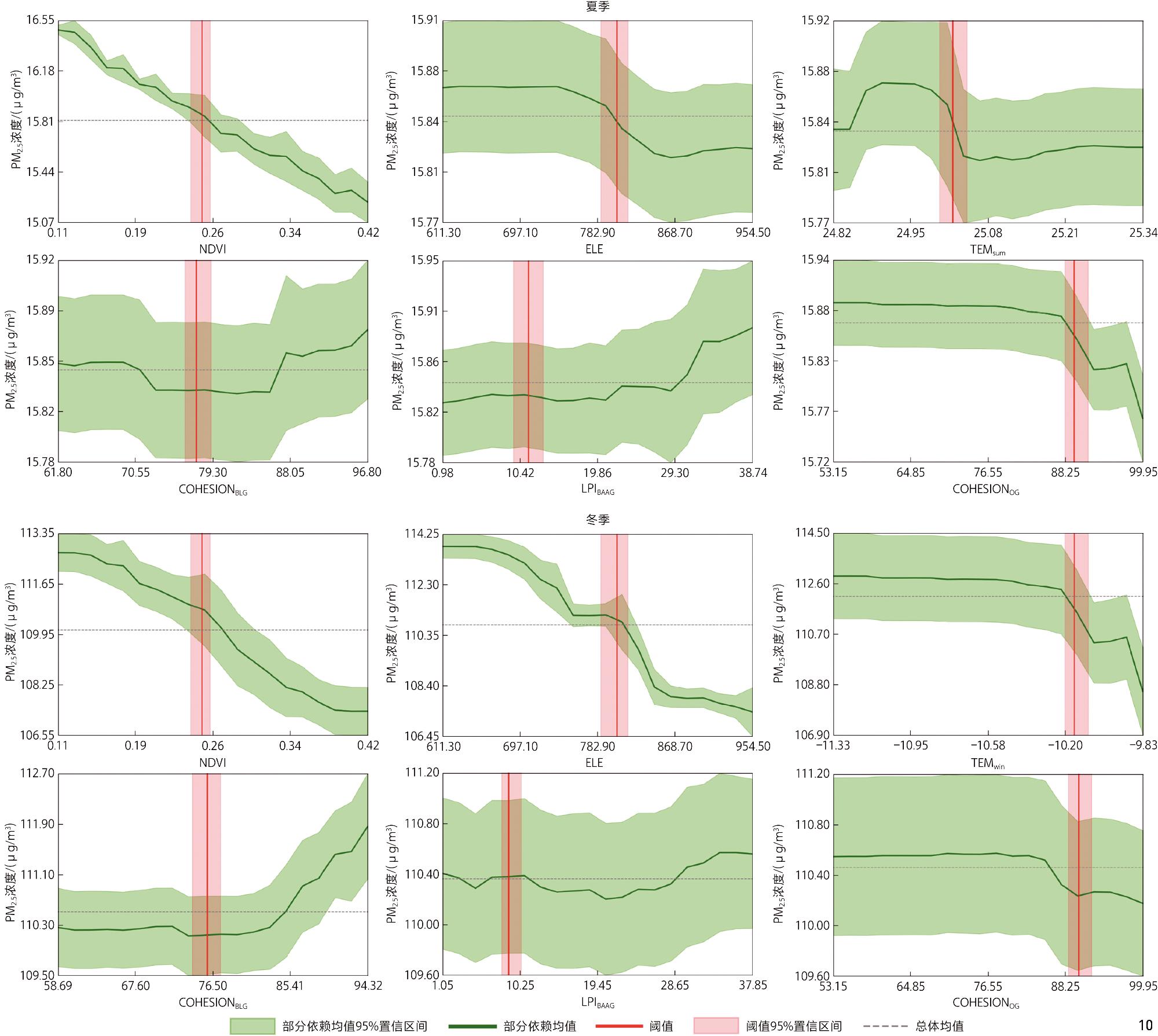
The analysis revealed a pronounced seasonal pattern of “higher PM2.5 concentrations in winter and lower in summer” in Urumqi’s main urban area, coupled with a spatial distribution characterized by “higher concentrations in the north than in the south, and in built-up areas compared to green spaces”. Significant differences in PM2.5 levels were observed among LCZ types. LCZ 10 (heavy industry) and the compact built types (LCZ 2, compact mid-rise and LCZ 3, compact low-rise) were identified as persistent high-pollution zones. In contrast, forested LCZ types (LCZ A, dense trees and LCZ B, scattered trees) exhibited a significant capacity to mitigate PM2.5, maintaining consistently low concentrations. Factor importance analysis indicated seasonal shifts in the dominant controls. The NDVI emerged as the most influential factor in summer, demonstrating a linear negative correlation with PM2.5. A threshold effect was observed, with NDVI values greater than 0.25 leading to a marked enhancement of its purifying effect during both seasons. In winter, air temperature and elevation became the predominant factors. Temperatures below −10.2 °C strongly favored the formation of temperature inversions, trapping pollutants near the surface. Concurrently, areas with elevations below 800 m, particularly in the northern basin, were prone to forming “cold-air pools” that exacerbated pollution accumulation. Other key nonlinear thresholds were identified: a bare land cohesion index (COHESIONBLG) exceeding 85 in winter led to a sharp increase in dust emission potential; an open group LCZ cohesion index (COHESIONOG) greater than 88 facilitated better pollutant dispersion; and a temperature above 25 °C in summer promoted vertical mixing and PM2.5 diffusion. Furthermore, the LCZ compact group consistently showed significantly higher pollution levels than the LCZ open group, highlighting the role of urban morphology in modulating air quality. SHAP analysis further quantified several other key nonlinear thresholds: a Bare Soil/Sand group cohesion index (COHESIONBLG) exceeding 85 in winter led to a sharp increase in dust emission potential; an open group LCZ cohesion index (COHESIONOG) greater than 88 facilitated better pollutant dispersion; and a temperature above 25 °C in summer promoted vertical atmospheric mixing and PM2.5 dispersion. Furthermore, the LCZ compact group (LCZ 1−3) consistently exhibited significantly higher pollution levels than the LCZ open group (LCZ 4−6), unequivocally highlighting the decisive role of urban morphology compactness in modulating local air quality.
This study provides a comprehensive and quantitative analysis of the complex interplay between multi-dimensional urban morphology and PM2.5 pollution in an arid, high-density city, leveraging the standardized LCZ framework. It successfully advances the application of the LCZ scheme in arid-region air pollution research, moving beyond qualitative associations to delineate clear seasonal divergences in underlying controlling mechanisms. The principal contribution lies in the innovative integration of explainable machine learning (specifically, XGBoost-SHAP), which enabled precise quantification of critical nonlinear thresholds of key morphological, topographic, and meteorological factors. These findings transcend a merely deeper mechanistic understanding. The findings yield concrete, quantitative scientific evidence that can directly inform the development of precise, LCZ-type-specific and seasonally-adapted PM2.5 management strategies. Consequently, this study offers a robust, evidence-based foundation for optimizing urban spatial planning and urban design in Urumqi and other arid-region cities that face similar air quality challenges.
LIU Song , JIU Jiangtao , LIU Dizi , DONG Chanchan . Impact of Urban Morphology on PM2.5 Concentrations in High-Density Urban Areas: A Case Study of the Main Urban Area of Urumqi, an Arid-Region City[J]. Landscape Architecture, 2026 , 33(1) : 34 -46 . DOI: 10.3724/j.fjyl.LA20250571
表1 数据来源及说明Tab. 1 Data sources and notes |
| 数据类型 | 时间 | 分辨率 | 来源 | 用途 |
|---|---|---|---|---|
| Sentinel-2、Landsat 8/9遥感影像 | 2023—2024年 | Sentinel-2:10 m/20 m; Landsat 8/9:30 m | Google Earth Engine(GEE)平台 | 季节性PM2.5浓度反演(生成30 m分辨率影像) 及LCZ分类 |
| 世界城市数据库与访问门户工具(world urban database and access portal tools, WUDAPT) 数据集 | 2018年 | — | WUDAPT官方平台(www.wudapt.org) | 辅助LCZ分类,优化模型参数以提升分类精度 |
| 开放街道地图(open street map, OSM) 路网数据、建筑数据 | 2024年 | — | OSM开源平台 (www.openstreetmap.org) | 构建街区评价单元,辅助LCZ分类 |
| 气温、气压、相对湿度、 风速观测数据 | 2023—2024年 | — | 国家气象信息中心中国气象数据网 (data.cma.cn) | 探究气象因子对PM2.5浓度的影响 |
| 高分2号遥感影像 | 2023—2024年 | 0.8 m | 国家遥感数据与应用服务平台 (www.cpeos.org.cn) | 用于街区绿地分类,计算7个景观格局指数以 量化与PM2.5浓度的相关性 |
表2 基于LCZ的建成区与自然区景观指标分组Tab. 2 Landscape metric grouping for built-up areas and natural areas based on LCZ |
| 序号 | 组别 | LCZ类型 | 特征描述 | |
|---|---|---|---|---|
| 1 | 建成区“综合”组(built-up area aggregated group, BAAG) | LCZ 1~6、8 | 排除LCZ 9、10,覆盖多数建成区类型,分析建成区景观指标对PM2.5浓度的综合影响 | |
| 2 | 紧凑度控制组 | 高紧凑度相似组(compact group, CG) | LCZ 1~3 | 控制高紧凑度差异 |
| 3 | 低紧凑度(开放)相似组(open group, OP) | LCZ 4~6 | 控制低紧凑度差异 | |
| 4 | 高度控 制组 | 低层相似组(low-rise group, LRG) | LCZ 3、6 | 控制建筑高度差异 |
| 5 | 中层相似组(mid-rise group, MRG) | LCZ 2、5 | 控制建筑高度差异 | |
| 6 | 高层相似组(high-rise group, HRG) | LCZ 1、4 | 控制建筑高度差异 | |
| 7 | 自然区域“综合”组(natural area aggregated group, NAAG) | LCZ 9、A~F | 覆盖核心自然覆被类型(LCZ A~F)及特殊吸附汇(LCZ 9和高植被覆盖LCZ类型) | |
| 8 | 绿地组(green space group, GSG) | LCZ 9、A~D | 具有污染物吸附净化生态功能的相似组 | |
| 9 | 裸地组(bare land group, BLG) | LCZ E、F | 干旱区典型空气颗粒物来源(“源”)景观组 | |
表3 多维城市形态因子指标体系Tab. 3 Indicator system for multidimensional urban morphology factors |
| 指标类型 | 指标名称 |
|---|---|
| 二维指标 | 建筑密度(building density, BD) |
| 归一化植被指数(normalized difference vegetation index, NDVI) | |
| 斑块密度(patch density, PD) | |
| 最大斑块指数(largest patch index, LPI) | |
| 边缘密度(edge density, ED) | |
| 景观形状指数(landscape shape index, LSI) | |
| 聚集指数(aggregation index, AI) | |
| 聚合度指数(cohesion index, COHESION) | |
| 三维指标 | 平均建筑高度(mean building height, MBH) |
| SVF | |
| GVI | |
| 建筑紧凑度(building compactness, BC) | |
| 迎风面积指数(frontal area index, FAI) | |
| 海拔(elevation, ELE) |
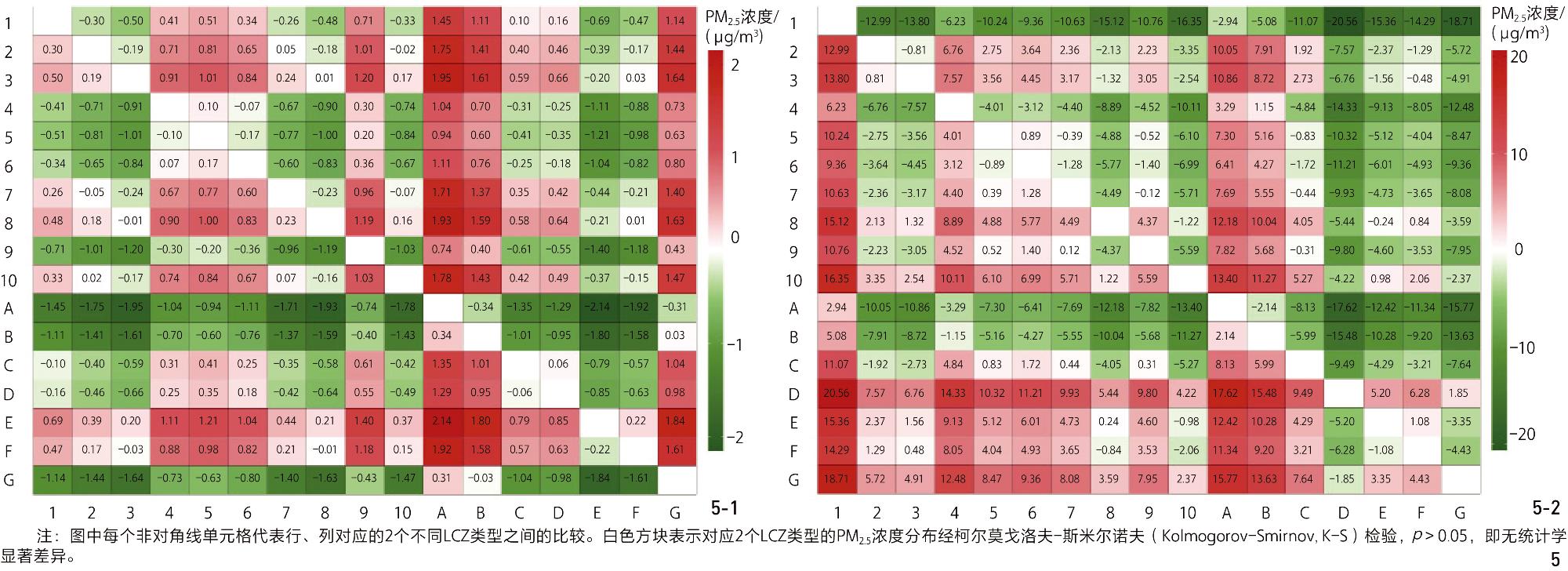
图5 夏季(5-1)和冬季(5-2)不同LCZ类型间PM2.5浓度差异Fig. 5 PM2.5 concentration differences among different LCZ categories in summer (5-1) and winter (5-2) |
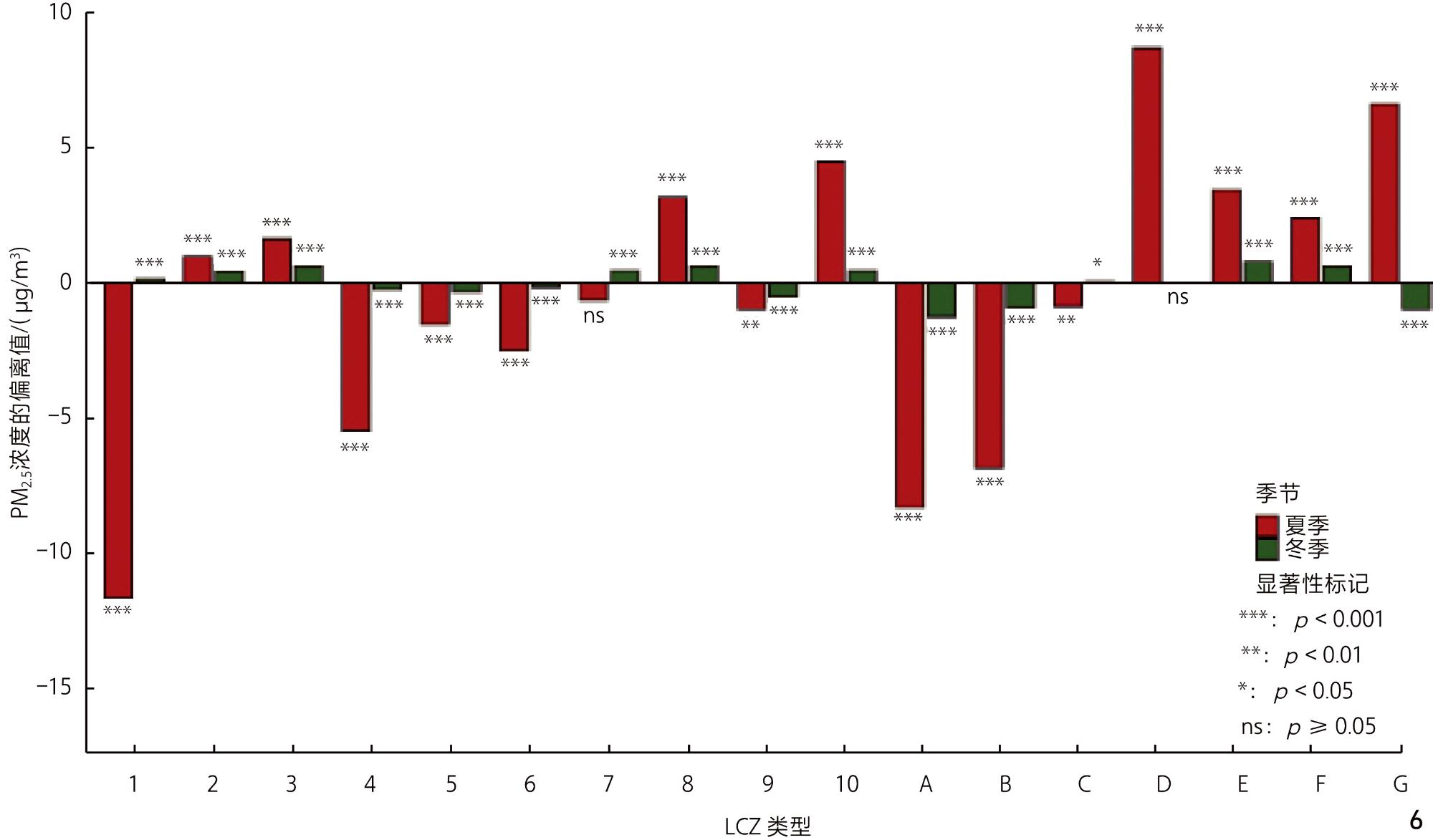
图6 LCZ异常检测:与横向平均PM2.5浓度的偏离值Fig. 6 LCZ anomaly detection: deviation values from the horizontal average PM2.5 concentration |
1、首次在干旱区高密度城市中,基于LCZ框架整合多维城市形态与气象因子对PM2.5浓度的影响,揭示了“夏季植被净化主导、冬季逆温-地形阻滞主导”的特有季节分异机制,弥补了LCZ框架在干旱区空气污染研究中的应用缺口。
2、整合XGBoost-SHAP模型构建“预测-解析”框架,突破传统线性分析局限,精准量化干旱区影响PM2.5浓度核心因子的非线性调控阈值,为精准控污提供专属定量依据。
3、提出“LCZ类型适配-季节差异化”的空间优化策略,明确了不同LCZ类型PM2.5浓度的具体调控参数与优化策略,为同类城市规划提供参考。
| [1] |
O’REGAN A C, GRYTHE H, HELLEBUST S, et al. Data Fusion for Enhancing Urban Air Quality Modeling Using Large-Scale Citizen Science Data[J]. Sustainable Cities and Society, 2024, 116: 105896.
|
| [2] |
SHU X C, CAO J X, LIU Q, et al. Global Trends and Hotspots in the Research of the Effects of PM2.5 on Asthma: A Bibliometric and Visualized Analysis[J]. Journal of Epidemiology and Global Health, 2024, 14(4): 1720-1736.
|
| [3] |
ZHAO S, XU Y. Exploring the Dynamic Spatio-temporal Correlations Between PM2.5 Emissions from Different Sources and Urban Expansion in Beijing–Tianjin–Hebei Region[J]. International Journal of Environmental Research and Public Health, 2021, 18(2): 608.
|
| [4] |
DUAN M, SUN Y F, ZHANG B Z, et al. PM2.5 Concentration Prediction in Six Major Chinese Urban Agglomerations: A Comparative Study of Various Machine Learning Methods Based on Meteorological Data[J]. Atmosphere, 2023, 14(5): 903.
|
| [5] |
ZHU S L, WANG Z W, QU K, et al. Spatial Characteristics and Influence of Topography and Synoptic Systems on PM2.5 in the Eastern Monsoon Region of China[J]. Aerosol and Air Quality Research, 2023, 23(10): 220393.
|
| [6] |
CHEN W B, ZHANG F Q, SHANG X, et al. The Effects of Surface Vegetation Coverage on the Spatial Distribution of PM2.5 in the Central Area of Nanchang City, China[J]. Environmental Science and Pollution Research, 2023, 30(60): 125977-125990.
|
| [7] |
LI Z X, CHU Y Q, SHI Y, et al. Impact of Urban Green Infrastructure on the Respiratory Health of Older Adults in Shenyang, China[J]. Forests, 2025, 16(1): 41.
|
| [8] |
陈明, 戴菲. 基于MSPA的城市绿色基础设施空间格局对PM2.5的影响[J]. 中国园林, 2020, 36(10): 63-68.
CHEN M, DAI F. Effects of Urban Green Infrastructure Spatial Pattern on PM2.5 Based on MSPA[J]. Chinese Landscape Architecture, 2020, 36(10): 63-68.
|
| [9] |
ZHAO W Y, XUAN L, LI W R, et al. Comprehensive Impact of Different Urban Form Indices on Land Surface Temperature and PM2.5 Pollution in Summer and Winter, Based on Urban Functional Zones: A Case Study of Taiyuan City[J]. Sustainability, 2025, 17(14): 6618.
|
| [10] |
LIU Q Q, HANG T, WU Y F. Unveiling Differential Impacts of Multidimensional Urban Morphology on Heat Island Effect Across Local Climate Zones: Interpretable CatBoost-SHAP Machine Learning Model[J]. Building and Environment, 2025, 270: 112574.
|
| [11] |
CHEN M, REN Z Y, BI S B. Impact of Green Space Patterns on PM2.5 Levels: A Local Climate Zone Perspective[J]. Journal of Cleaner Production, 2024, 478: 143975.
|
| [12] |
STEWART I D, OKE T R. Local Climate Zones for Urban Temperature Studies[J]. Bulletin of the American Meteorological Society, 2012, 93(12): 1879-1900.
|
| [13] |
JIANG R Y, XIE C K, MAN Z H, et al. LCZ Method Is More Effective Than Traditional LUCC Method in Interpreting the Relationship Between Urban Landscape and Atmospheric Particles[J]. Science of the Total Environment, 2023, 869: 161677.
|
| [14] |
WANG W W, CHEN H, LAI Y. Modeling Airflow Dynamics and Their Effects on PM2.5 Concentrations in Urban Ventilation Corridors of Hangzhou[J]. Science of the Total Environment, 2024, 957: 177794.
|
| [15] |
LIN Y, AN X, YUAN J C, et al. The Impact of the Urban Landscape on PM2.5 from LCZ Perspective: A Case Study of Shenyang[J]. Urban Climate, 2024, 57: 102107.
|
| [16] |
MOSTAGHIM M, IMAM A, FALLATAH A, et al. Seasonal Outdoor PM10 Changes Based on the Spatial Local Climate Zone Distribution[J]. Urban Climate, 2024, 58: 102148.
|
| [17] |
JIANG R Y, XIE C K, MAN Z H, et al. Effects of Urban Green and Blue Space on the Diffusion Range of PM2.5 and PM10 Based on LCZ[J]. Land, 2023, 12(5): 964.
|
| [18] |
BRUSSELEERS L, NGUYEN V G, VU K C, et al. Assessment of the Impact of Local Climate Zones on Fine Dust Concentrations: A Case Study from Hanoi, Vietnam[J]. Building and Environment, 2023, 242: 110430.
|
| [19] |
LI Z Y, WANG Y, XU Z L, et al. Characteristics and Sources of Atmospheric Pollutants in Typical Inland Cities in Arid Regions of Central Asia: A Case Study of Urumqi City[J]. PLoS One, 2021, 16(4): e0249563.
|
| [20] |
LIANG K, GUI S Y, QIAO J C, et al. Association Between Air Pollution Exposure and Daily Outpatient Visits for Dry Eye Disease: A Time-Series Study in Urumqi, China[J]. Atmosphere, 2023, 14(1): 90.
|
| [21] |
ZHU C Y, HE Q, ZHAO Z J, et al. Comparative Analysis of Ozone Pollution Characteristics Between Urban Area and Southern Mountainous Area of Urumqi, China[J]. Atmosphere, 2023, 14(9): 1387.
|
| [22] |
ZHANG X L, KASIMU A, LIANG H W, et al. Construction of Urban Thermal Environment Network Based on Land Surface Temperature Downscaling and Local Climate Zones[J]. Remote Sensing, 2023, 15(4): 1129.
|
| [23] |
YU H G, YANG Y, ZHAO J Y, et al. Dynamic Urban Morphology Mapping in Chinese Cities Based on Local Climate Zone Approach[J]. Scientific Data, 2025, 12: 181.
|
| [24] |
YANG H O, LENG Q M, XIAO Y F, et al. Investigating the Impact of Urban Landscape Composition and Configuration on PM2.5 Concentration Under the LCZ Scheme: A Case Study in Nanchang, China[J]. Sustainable Cities and Society, 2022, 84: 104006.
|
| [25] |
ALEXANDER P J, MILLS G. Local Climate Classification and Dublin’s Urban Heat Island[J]. Atmosphere, 2014, 5(4): 755-774.
|
| [26] |
BECHTEL B, ALEXANDER P J, BECK C, et al. Generating WUDAPT Level 0 Data: Current Status of Production and Evaluation[J]. Urban Climate, 2019, 27: 24-45.
|
| [27] |
CLINTON N, GONG P. MODIS Detected Surface Urban Heat Islands and Sinks: Global Locations and Controls[J]. Remote Sensing of Environment, 2013, 134: 294-304.
|
| [28] |
冯叶涵, 陈亮, 贺晓冬. 基于百度街景的SVF计算及其在城市热岛研究中的应用[J]. 地球信息科学学报, 2021, 23(11): 1998-2012.
FENG Y H, CHEN L, HE X D. Sky View Factor Calculation Based on Baidu Street View Images and Its Application in Urban Heat Island Study[J]. Journal of Geo-Information Science, 2021, 23(11): 1998-2012.
|
| [29] |
BAI Y J, DONG Y T, WANG W W, et al. Air Pollutant Dispersion in Street Canyons Based on an Outdoor Scale Model and Machine Learning[J]. Urban Climate, 2023, 47: 101381.
|
| [30] |
ZHANG J F, WAN Y, TIAN M, et al. Comparing Multiple Machine Learning Models to Investigate the Relationship Between Urban Morphology and PM2.5 Based on Mobile Monitoring[J]. Building and Environment, 2024, 248: 111032.
|
| [31] |
LIN X S, FU Y F, PENG D Z, et al. CFD- and BPNN- Based Investigation and Prediction of Air Pollutant Dispersion in Urban Environment[J]. Sustainable Cities and Society, 2024, 100: 105029.
|
| [32] |
LI Y, ZHOU L, LIU H F, et al. Disparities in Precipitation Effects on PM2.5 Mass Concentrations and Chemical Compositions: Insights from Online Monitoring Data in Chengdu[J]. Journal of Environmental Sciences, 2025, 156: 421-434.
|
| [33] |
DUAN J Y, WANG Y Y, XIE X, et al. Influence of Pollutants on Activity of Aerosol Cloud Condensation Nuclei (CCN) During Pollution and Post-Rain Periods in Guangzhou, Southern China[J]. Science of the Total Environment, 2018, 642: 1008-1019.
|
| [34] |
LIANG D, MA C, WANG Y Q, et al. Quantifying PM2.5 Capture Capability of Greening Trees Based on Leaf Factors Analyzing[J]. Environmental Science and Pollution Research, 2016, 23(21): 21176-21186.
|
| [35] |
LU S W, YANG X B, LI S N, et al. Effects of Plant Leaf Surface and Different Pollution Levels on PM2.5 Adsorption Capacity[J]. Urban Forestry & Urban Greening, 2018, 34: 64-70.
|
| [36] |
LI F, RUBINATO M, ZHOU T, et al. Numerical Simulation of the Influence of Building-Tree Arrangements on Wind Velocity and PM2.5 Dispersion in Urban Communities[J]. Scientific Reports, 2022, 12: 16378.
|
| [37] |
SHAO M, XU X Y, LU Y T, et al. Spatio-temporally Differentiated Impacts of Temperature Inversion on Surface PM2.5 in Eastern China[J]. Science of the Total Environment, 2023, 855: 158785.
|
| [38] |
WALLACE J, KANAROGLOU P. The Effect of Temperature Inversions on Ground-Level Nitrogen Dioxide (NO2) and Fine Particulate Matter (PM2.5) Using Temperature Profiles from the Atmospheric Infrared Sounder (AIRS)[J]. Science of the Total Environment, 2009, 407(18): 5085-5095.
|
| [39] |
裴子懿.城区绿色空间格局与PM2.5浓度相关性研究: 以长江中下游九个城市为例[D].武汉: 华中科技大学, 2021.
PEI Z Y. Research on the Correlation Between Urban Green Space Pattern and PM2.5 Concentration: A Case Study of Nine Cities in the Middle and Lower Reaches of the Yangtze River[D]. Wuhan: Huazhong University of Science and Technology, 2021.
|
| [40] |
MEI S J, HU J T, LIU D, et al. Wind Driven Natural Ventilation in the Idealized Building Block Arrays with Multiple Urban Morphologies and Unique Package Building Density[J]. Energy and Buildings, 2017, 155: 324-338.
|
| [41] |
ZHENG S, WANG Y, ZHAI Z Q , et al. Characteristics of Wind Flow Around a Target Building with Different Surrounding Building Layers Predicted by CFD Simulation[J]. Building and Environment, 2021, 201: 107962.
|
| [42] |
GUO X, ZHANG M J, GAO Z, et al. Neighborhood-Scale Dispersion of Traffic-Related PM2.5: Simulations of Nine Typical Residential Cases from Nanjing[J]. Sustainable Cities and Society, 2023, 90: 104393.
|
| [43] |
ZHAO Y, JIANG C W, SONG X C. Numerical Evaluation of Turbulence Induced by Wind and Traffic, and Its Impact on Pollutant Dispersion in Street Canyons[J]. Sustainable Cities and Society, 2021, 74: 103142.
|
| [44] |
LEE C H, LUNG S C, CHEN J P. Three-Dimensional Spatial Inhomogeneity of Traffic-Generated Urban PM2.5 in Street Canyons[J]. Atmospheric Pollution Research, 2023, 14(5): 101748.
|
| [45] |
PAN J Y, JI J N. Influence of Building Height Variation on Air Pollution Dispersion in Different Wind Directions: A Numerical Simulation Study[J]. Applied Sciences, 2024, 14(3): 979.
|
| [46] |
ZALAKEVICIUTE R, LÓPEZ-VILLADA J, RYBARCZYK Y. Contrasted Effects of Relative Humidity and Precipitation on Urban PM2.5 Pollution in High Elevation Urban Areas[J]. Sustainability, 2018, 10(6): 2064.
|
| [47] |
MEGARITIS A G, FOUNTOUKIS C, CHARALAMPIDIS P E, et al. Linking Climate and Air Quality over Europe: Effects of Meteorology on PM2.5 Concentrations[J]. Atmospheric Chemistry and Physics, 2014, 14(18): 10283-10298.
|
| [48] |
ZHANG Q Q, MA Q, ZHAO B, et al. Winter Haze over North China Plain from 2009 to 2016: Influence of Emission and Meteorology[J]. Environmental Pollution, 2018, 242: 1308-1318.
|
| [49] |
WANG L L, WANG H, LIU J K, et al. Impacts of the Near-Surface Urban Boundary Layer Structure on PM2.5 Concentrations in Beijing During Winter[J]. Science of the Total Environment, 2019, 669: 493-504.
|
/
| 〈 |
|
〉 |