

Mechanisms and Pathways of Participatory Planning in Driving Integrated Collaborative Community Development: A Case Study of Dongfeng Village, Shunde District, Foshan City, Guangdong Province
|
RUI Guangye, Master, is a lecturer in the School of Art and Design, Guangdong University of Technology, a Certified Urban and Rural Planner, and executive secretary-general of FAAN NGOK Community Design Center. Her research focuses on participatory planning, community design |
|
LI Ziming, Ph.D., is a lecturer in the Innovation School of Greater Bay Area, Guangzhou Academy of Fine Arts (GAFA), and a senior engineer of Guangzhou Urban Planning and Design Survey Research Institute (GZPI). Her research focuses on collaborative planning and urban-rural community governance |
Received date: 2025-10-17
Online published: 2026-03-12
Copyright
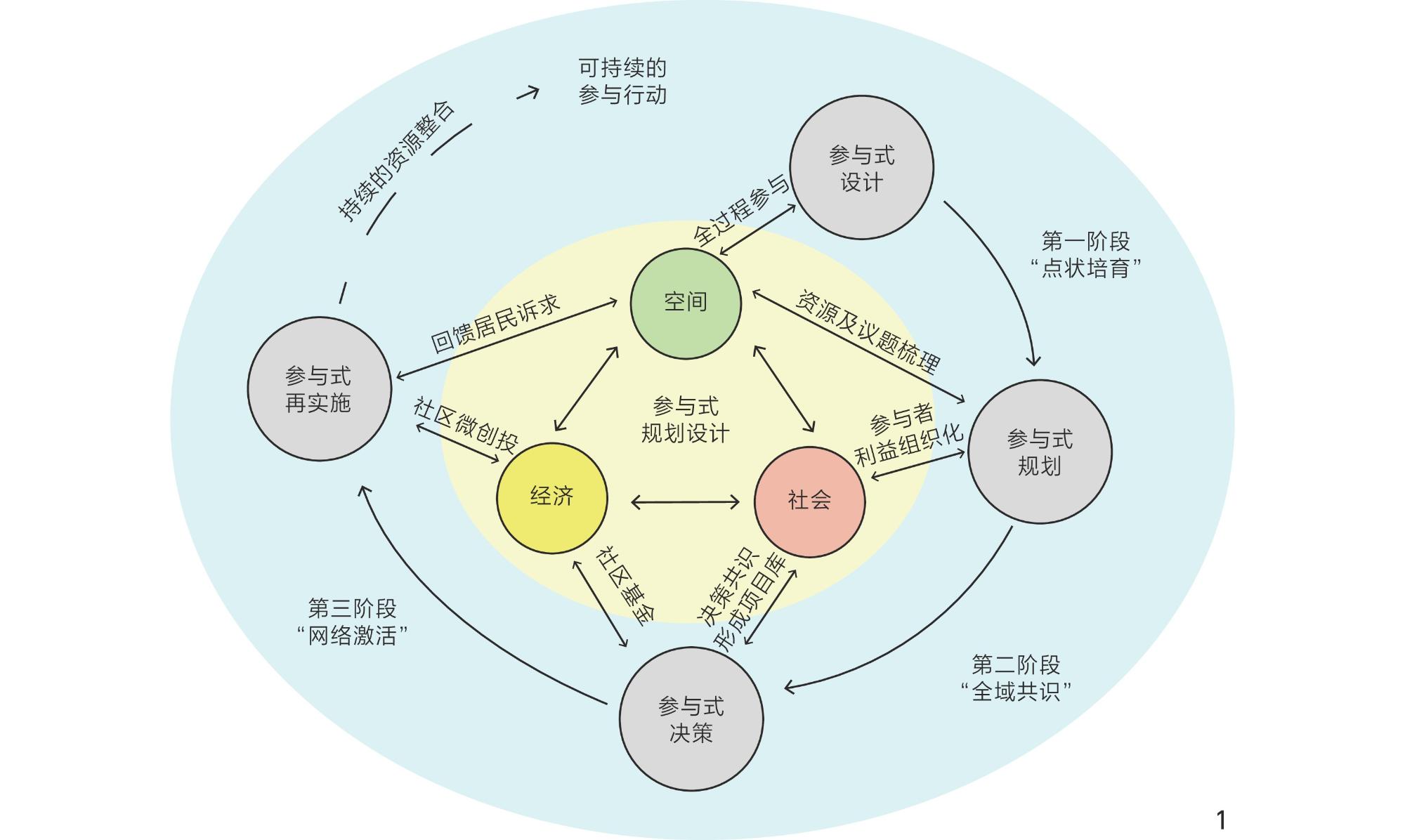
This study aims to comprehensively examine the mechanisms and practical pathways through which participatory planning and design can effectively integrate and coordinate the three-dimensional development of community space, society, and economy. It also seeks to establish a sustainable framework for co-creation, co-governance, and shared benefits. Focusing on the transformative case of Dongfeng Village in Shunde District, Foshan City, Guangdong Province, the research specifically addresses two interrelated research questions that bridge critical gaps in current community planning literature and practice. First, it investigates how participatory methodologies can simultaneously deliver multi-dimensional outcomes, including tangible physical environmental improvements, the cultivation of robust social capital and community cohesion, and the stimulation of endogenous economic vitality. Second, it explores the design of iterative institutional mechanisms that facilitate a fundamental transition from initial community awareness and capacity building to a self-sustaining, long-term governance model that embodies the principles of autonomous community-led development. Situated within the national policy context advocating “people’s cities built by and for the people” and addresses the persistent challenge of moving beyond tokenistic public participation to achieve genuine, multi-faceted community regeneration.
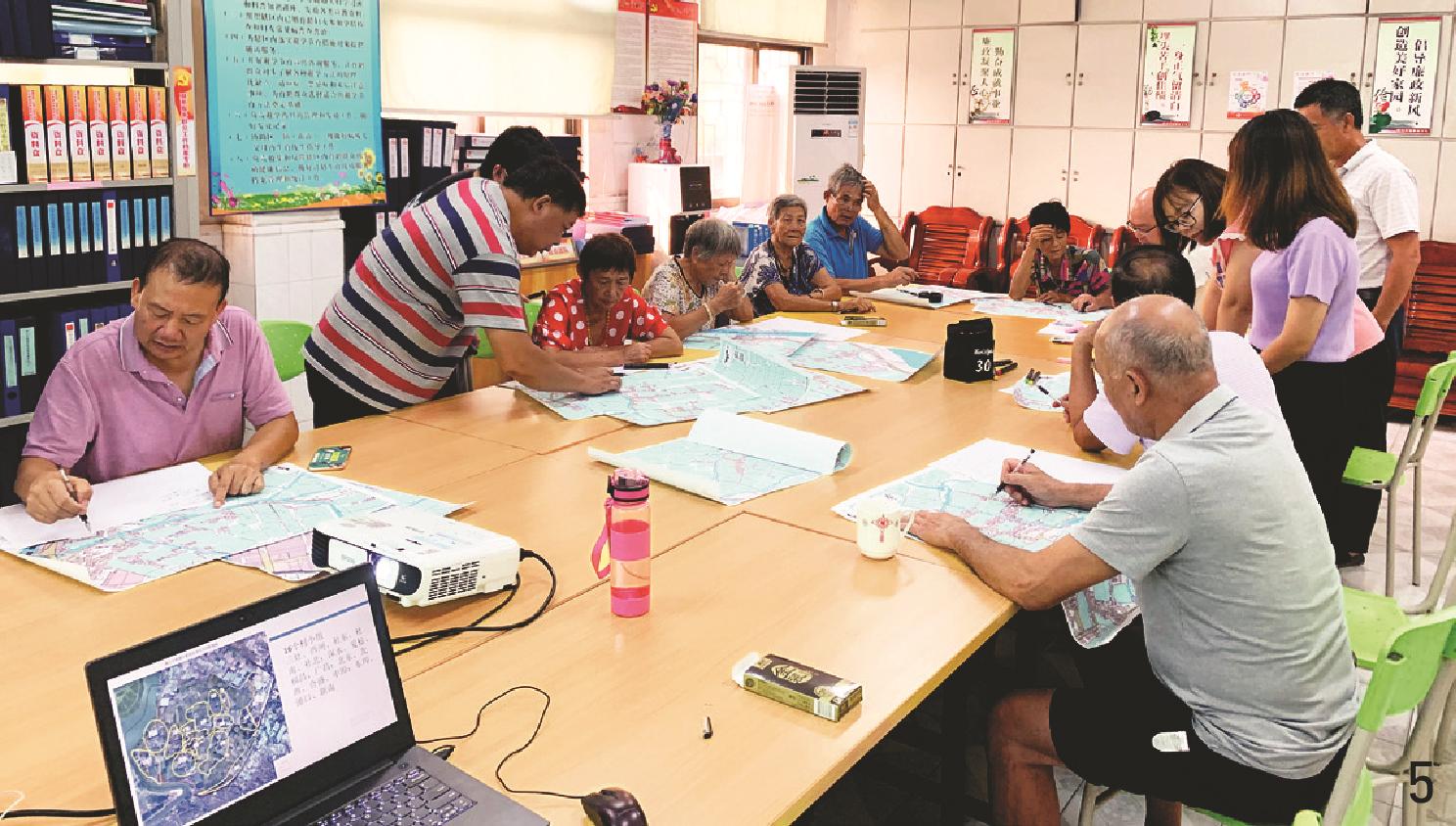
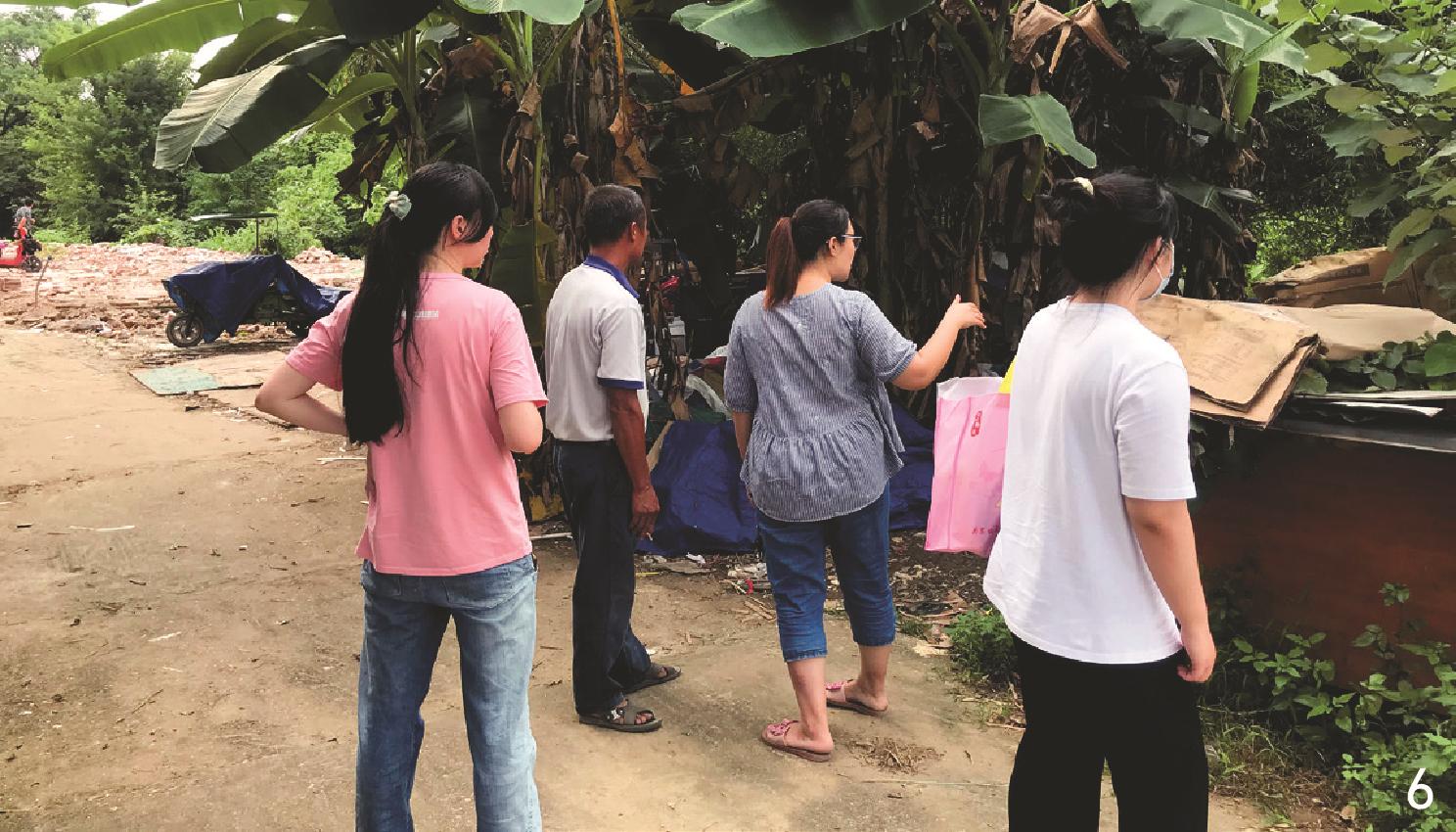
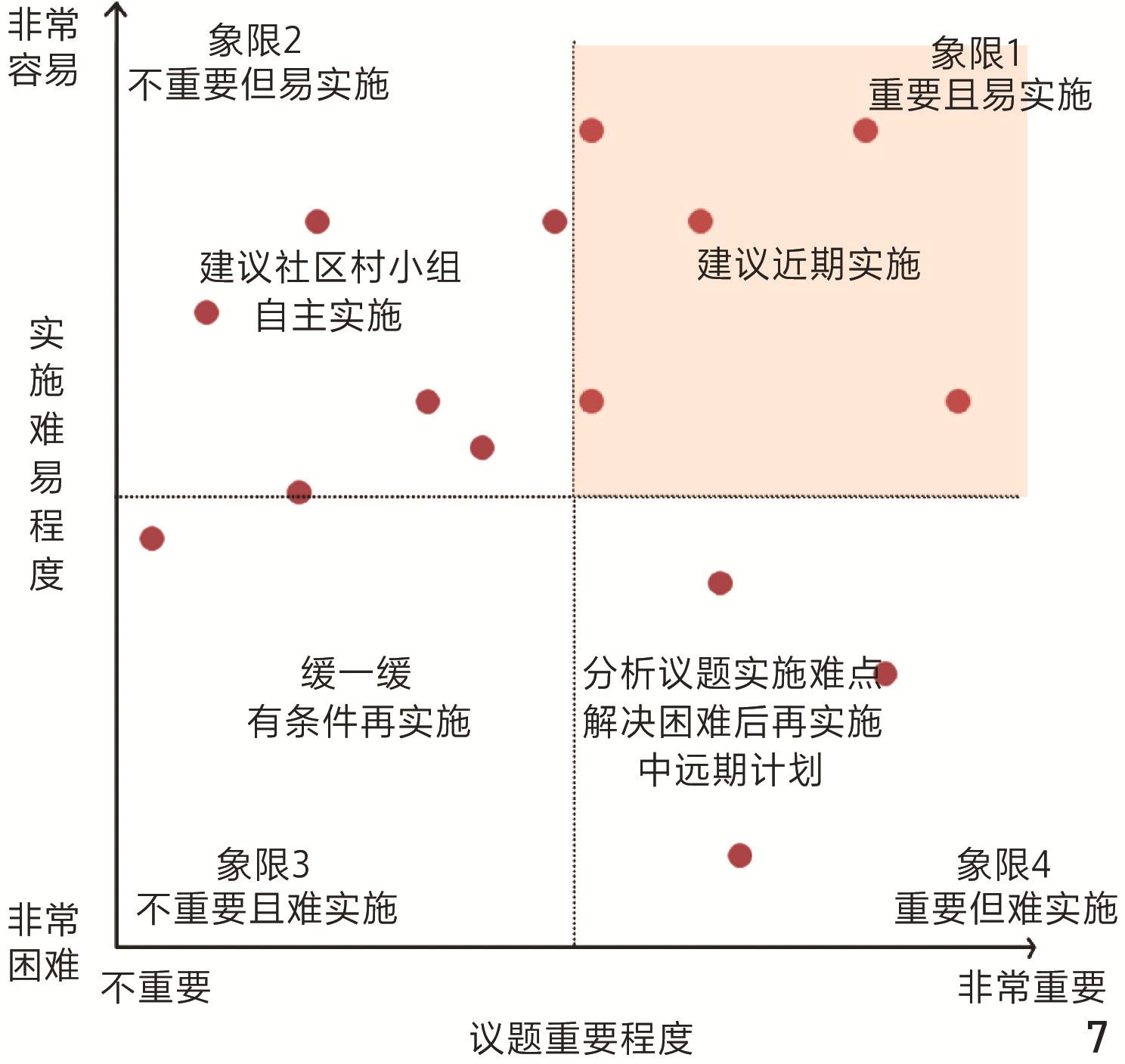
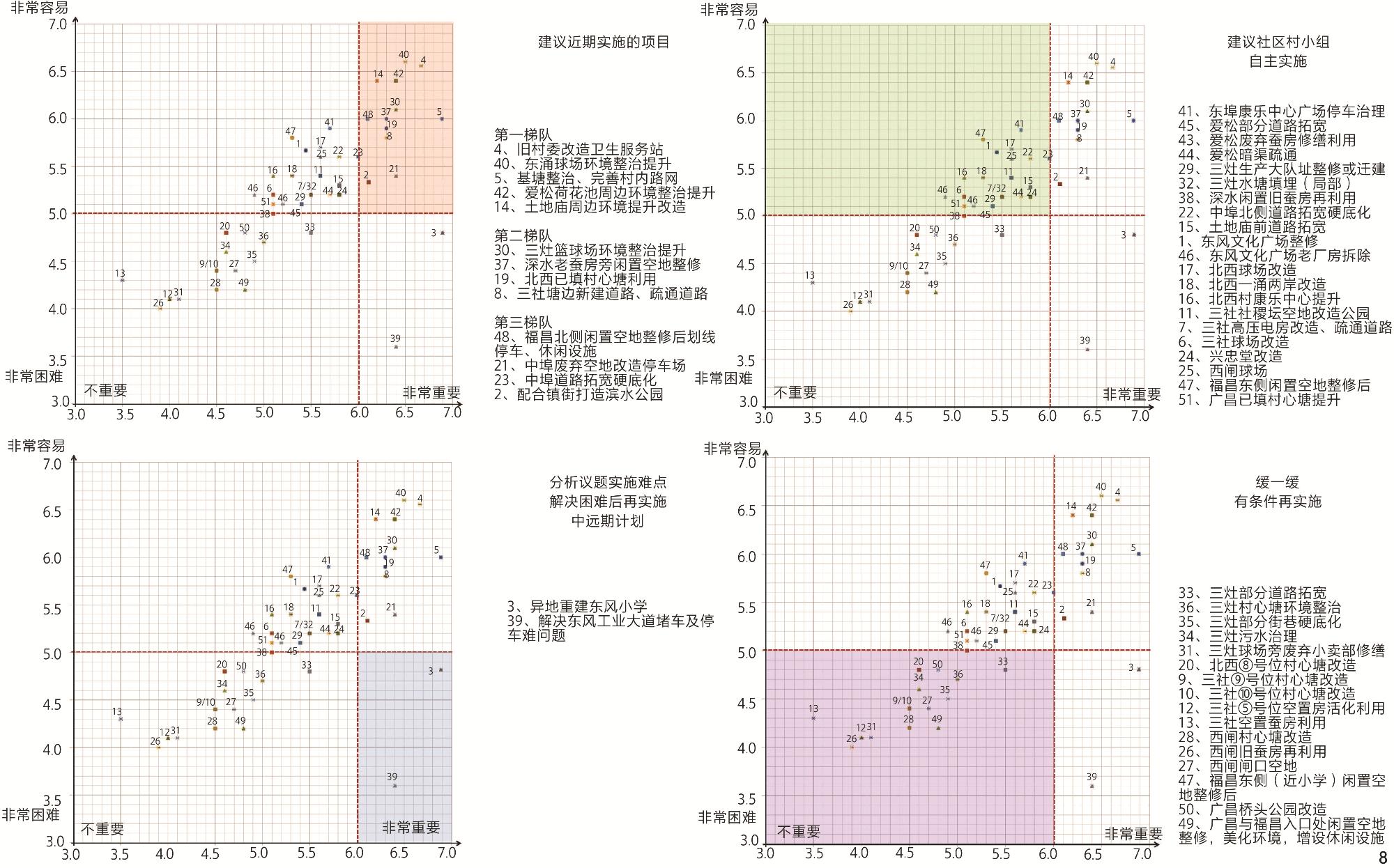
This investigation is grounded in a longitudinal, in-depth action research methodology. From 2020 to 2024, the researcher assumed the role of an embedded community planner within Dongfeng Village, enabling direct facilitation and immersive observation of the entire participatory planning process. A robust mixed-methods approach was systematically deployed to gather comprehensive data. This included the design, facilitation, and documentation of 23 structured participatory workshops; the execution of extensive community diagnostic surveys which yielded 367 actionable suggestions from residents; a series of semi-structured in-depth interviews with key informants including village cadres, group leaders, and active residents; and sustained ethnographic-style participatory observation. The study operationalized the “point cultivation−global consensus−network activation” analytical framework, employing specific participatory tools such as co-mapping exercises, design charrettes, and the “importance−feasibility” evaluation matrix to structure the intervention and collect evidence. This methodological design ensured the collection of rich, triangulated data, allowing for a nuanced analysis of the processes, causal mechanisms, and multi-scalar outcomes associated with the participatory intervention.
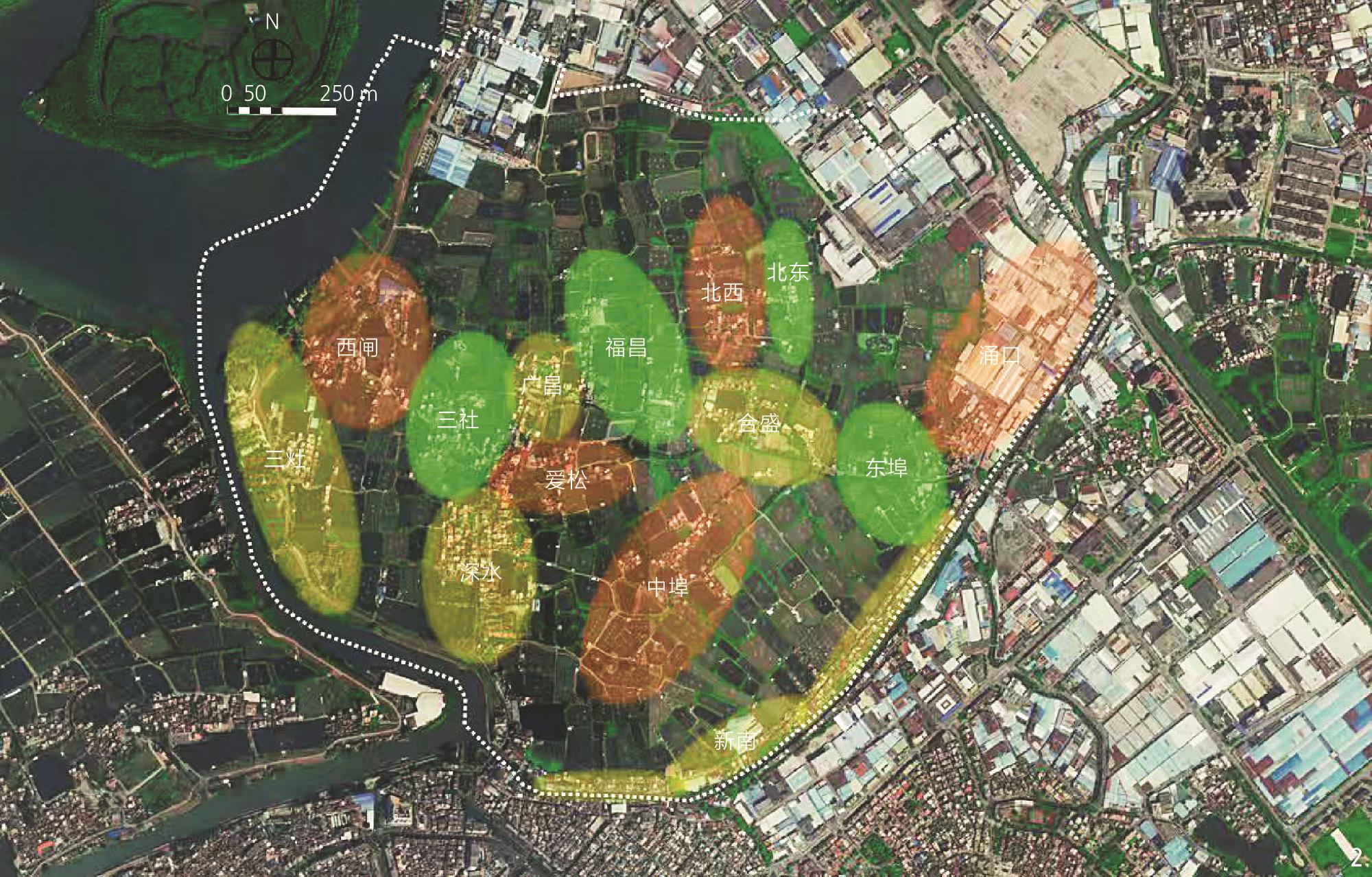
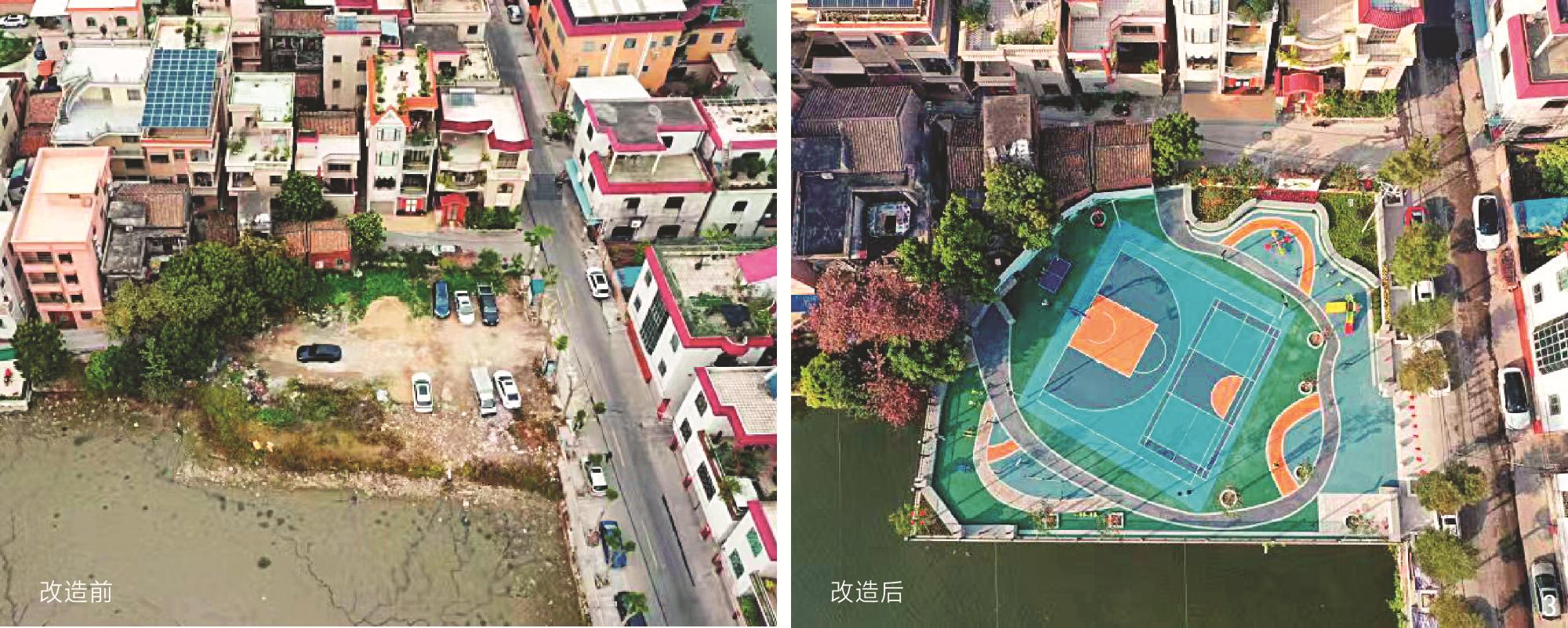
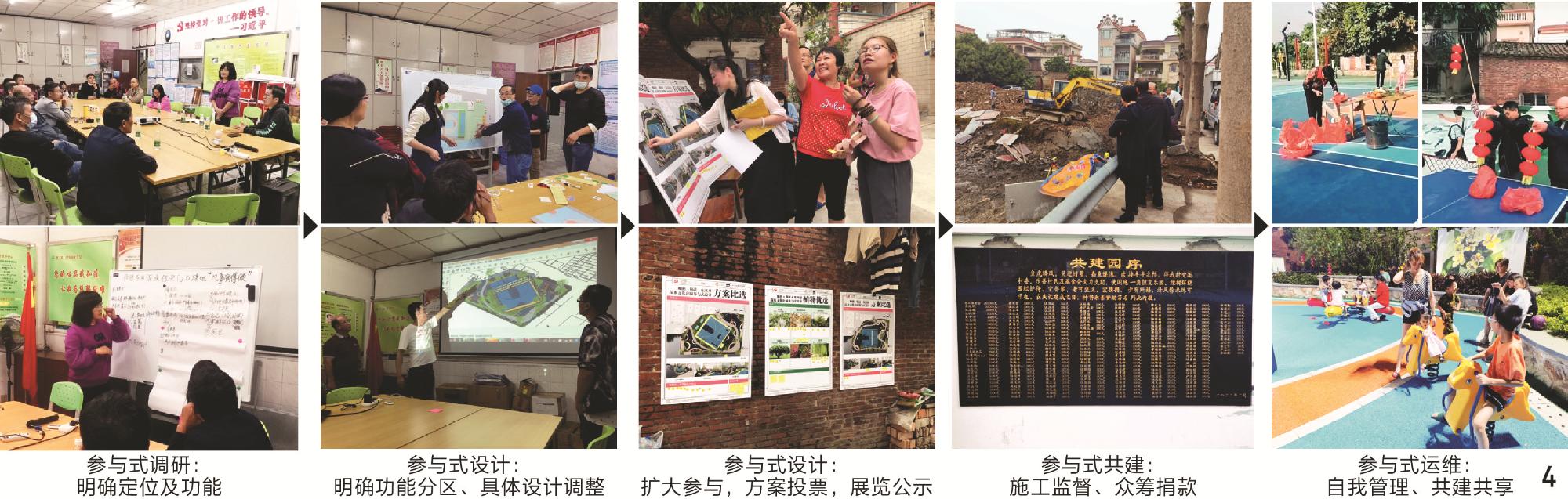
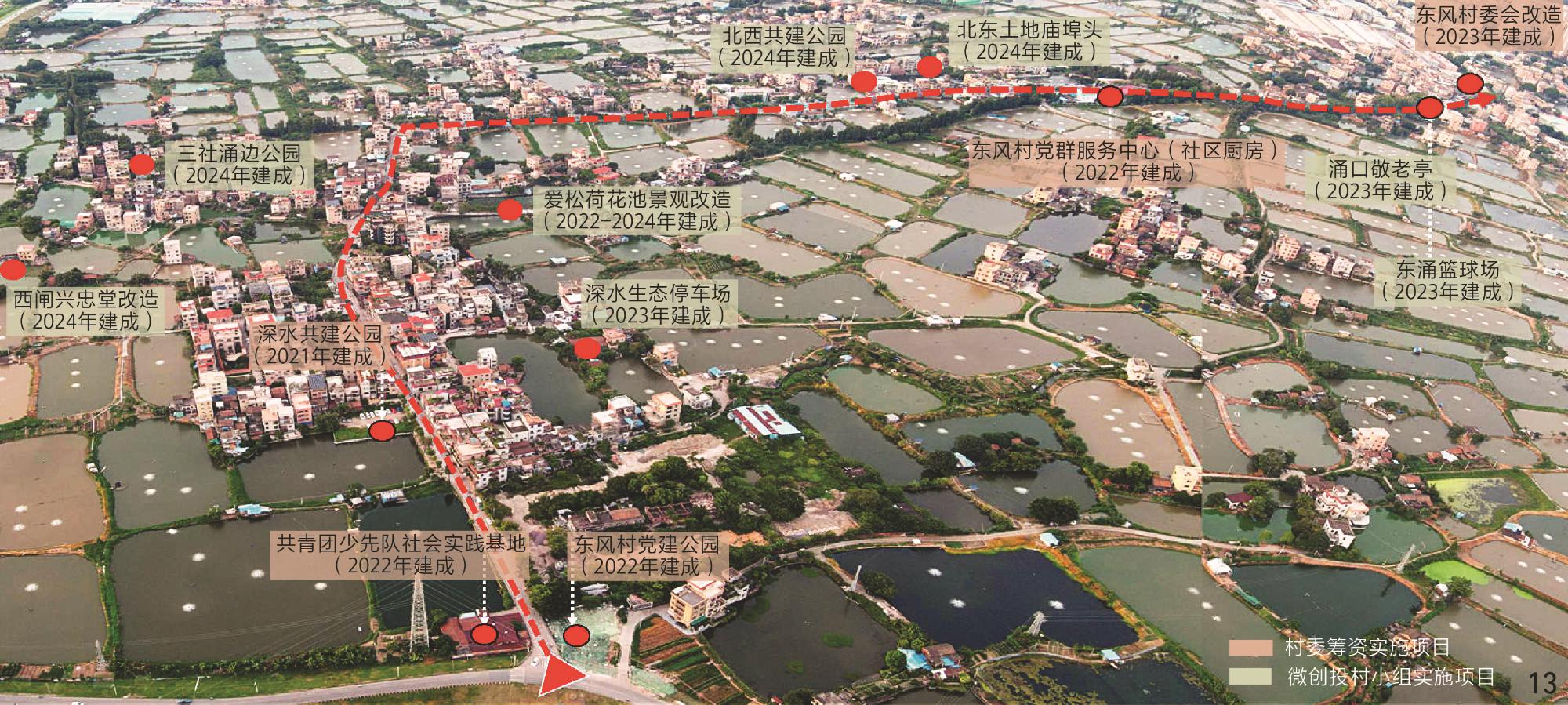
The implementation of the three-phase participatory framework in Dongfeng Village engendered a profound and systemic socio-spatial-economic transformation. The initial point cultivation phase strategically leveraged a localized crisis—the contentious vacant lot in Shenshui village group—as a catalytic entry point. Through a series of five iterative co-design workshops, public scheme exhibitions, and a final community vote, the participatory redesign process for Shenshui Park not only resolved an immediate spatial grievance but, more significantly, incubated foundational community agency and trust. The demonstrable commitment of residents, evidenced by their self-raised contribution of RMB 144,200 towards the project, marked a pivotal shift from passive complaint to active co-creation, establishing essential social capital. Capitalizing on this nascent momentum, the global consensus phase systematically scaled the participatory approach to the entire village of 16 resident groups. This phase employed a sophisticated “interest-organized” stratified participation strategy to ensure inclusive yet efficient engagement. The systematic application of the “importance−feasibility” assessment model transformed 367 raw community suggestions into a visually clear, collectively prioritized project portfolio. This transparent, evidence-based decision-making process effectively mediated potential inter-group resource conflicts, fostered a stronger village-wide collective identity over parochial group interests, and constructed a legitimate, shared roadmap for future development, thereby solidifying the social and institutional foundation for coordinated action. The culminating network activation phase focused on institutionalizing sustainability through innovative financial and governance architectures. The establishment of the Dongfeng Village Co-construction Fund provided a permanent financial engine for community development. This was synergistically coupled with a matching “community micro-investment” scheme. It catalyzed the formation of multiple “co-construction teams,” leading to a cascade of resident-led projects, including the community kitchen, elderly service center, and various public space enhancements. This created a self-reinforcing, iterative cycle of “design−planning−decision−re-implementation.” The fund’s capital structure exemplified successful multi-stakeholder resource mobilization. Consequently, Dongfeng Village underwent a remarkable metamorphosis from a fragmented, low-trust “lagging village” plagued by governance challenges into a widely recognized district-level model community, achieving synergistic gains in upgraded physical infrastructure, deepened social cohesion, and a vibrant, self-sustaining economic foundation for ongoing development.
The empirical evidence from Dongfeng Village conclusively demonstrates that a meticulously structured, phase-based participatory planning framework—“point cultivation, global consensus, network activation” —offers a viable and effective pathway to transcend superficial consultation and achieve integrated, sustainable community development across spatial, social, and economic dimensions. The case elucidates several critical success factors: the necessity of designing institutionalized participatory feedback loops that continuously translate resident agency into concrete collective action; the strategic deployment of financial instruments like community funds and matching grants to incentivize participation, ensure accountability, and guarantee long-term operational viability; and the indispensable synergy between receptive, adaptive local leadership (“two village committees”) and committed, skilled external professional facilitation. While acknowledging the role of unique contextual elements, such as the village’s specific economic structure that provided a reservoir of mobilizable social capital, the core participatory methodology, governance innovations, and the overarching framework possess significant transferable value. This study provides a detailed, evidence-based model for other communities seeking to transition from disjointed, project-driven interventions to a holistic system of community empowerment and endogenous development. Future research should focus on conducting comparative studies to rigorously test the adaptability and efficacy of this framework across diverse socio-economic, cultural, and institutional contexts. Furthermore, scholarly inquiry should explore the expansion of this integrated model to incorporate additional critical dimensions of sustainable development, thereby contributing to a more robust and comprehensive theoretical and practical understanding of participatory community revitalization in the era of urban-rural integration.
RUI Guangye , LI Ziming . Mechanisms and Pathways of Participatory Planning in Driving Integrated Collaborative Community Development: A Case Study of Dongfeng Village, Shunde District, Foshan City, Guangdong Province[J]. Landscape Architecture, 2026 , 33(2) : 59 -67 . DOI: 10.3724/j.fjyl.LA20250644
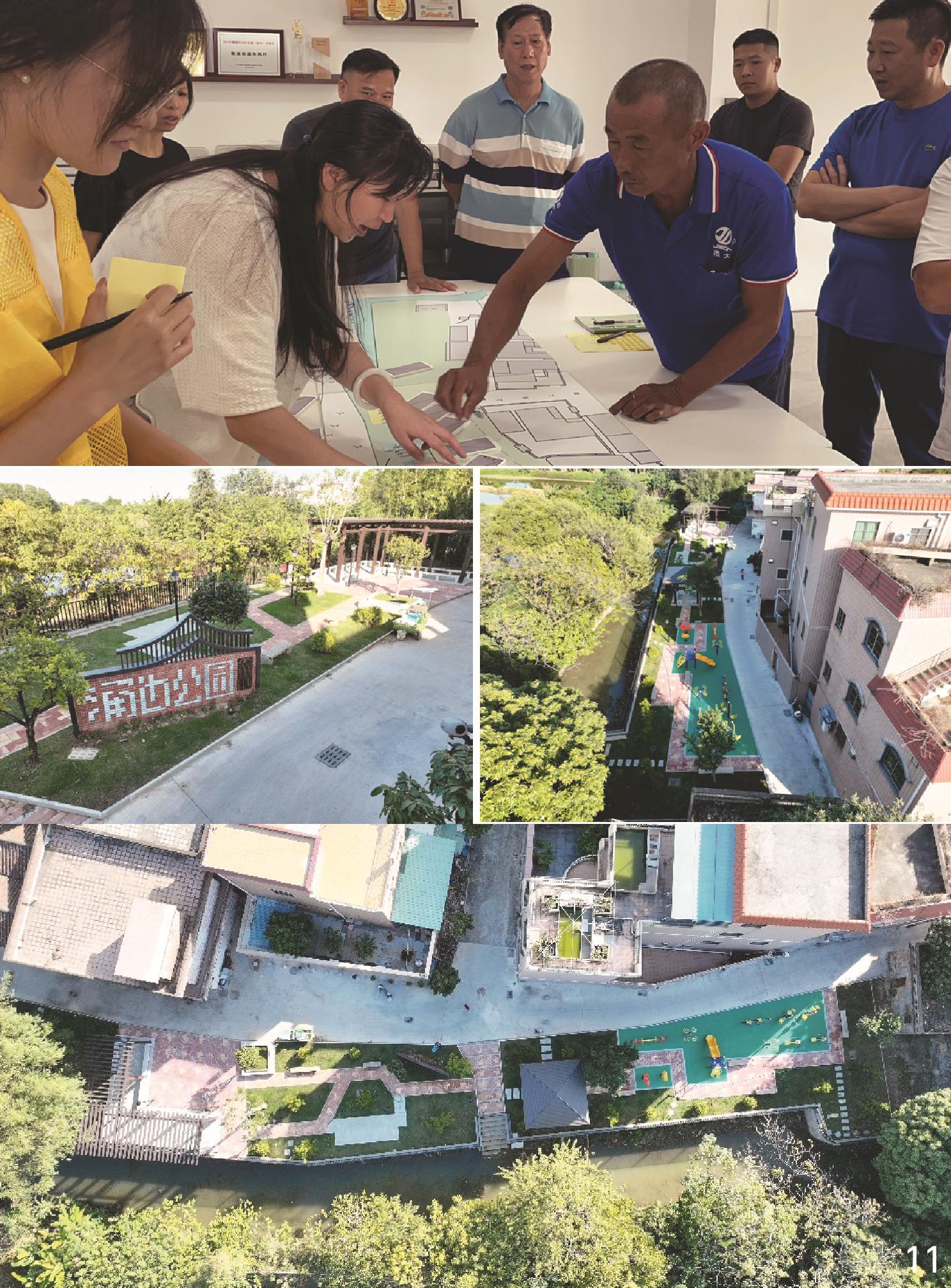
图11 三社村小组——涌边公园参与式设计Fig. 11 Sanshe Village—participatory design of the Chongbian Park |
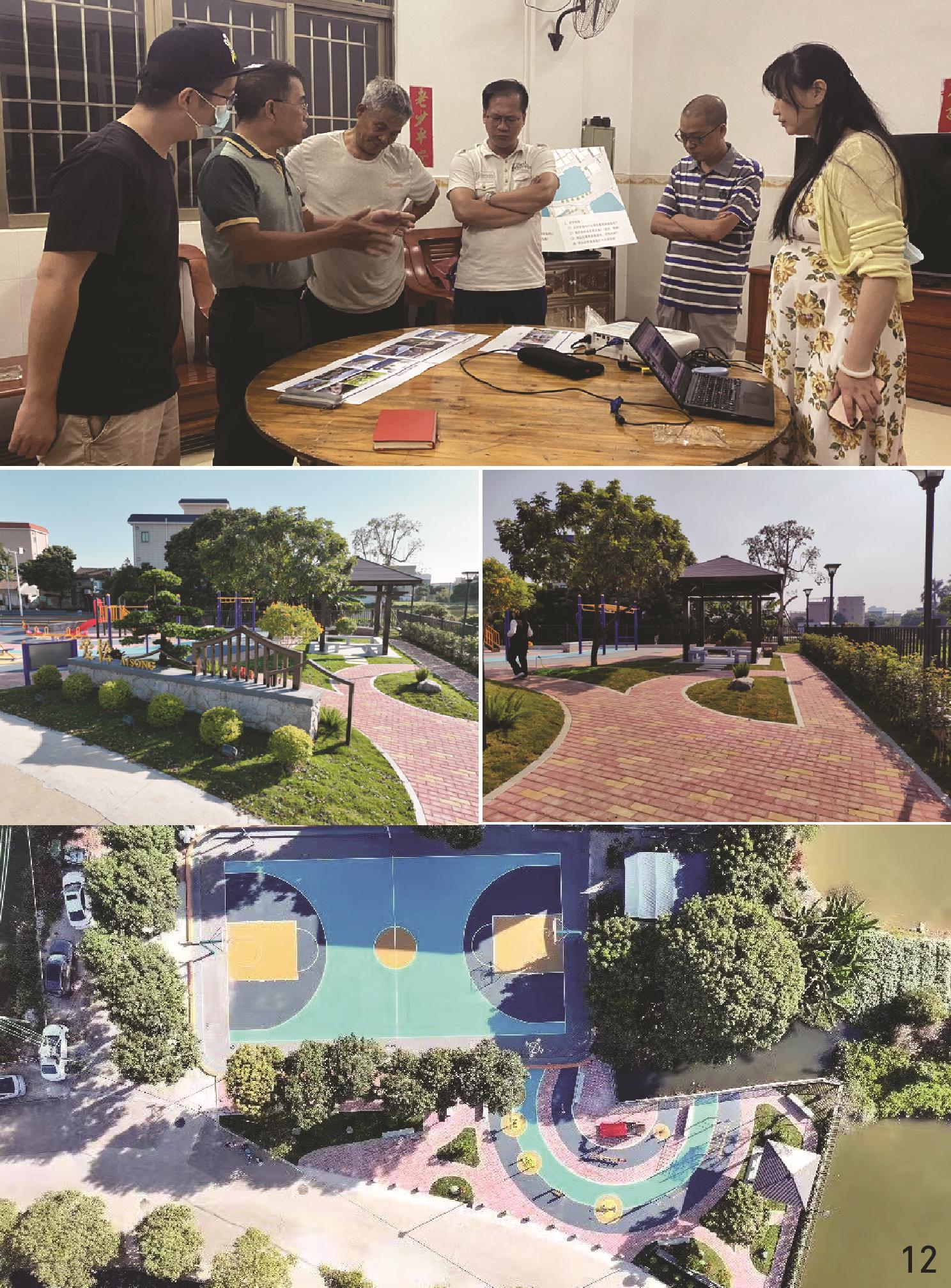
图12 爱松村小组——爱松公园参与式设计Fig. 12 Aisong Village—participatory design of the Aisong Park |
1、以渐进式路径突破多维协同难题。提出“点状培育—全域共识—网络激活”三阶段框架,系统解决“空间-社会-经济”三维协同难题。通过渐进式路径“以空间改造建立信任—参与式决策形成共识—社区基金与微创投激活内生动力”,实现了社区可持续发展。
2、以治理工具创新实现社区自我“造血”及可复制模式。创新运用“重要性-可实施性”模型、社区基金与微创投等工具,东风村社区基金筹集总额达1 474.96万元,自筹资金中村民捐款参与率达95%。该案例为存量更新背景下的城乡社区治理提供了可操作、可推广的制度创新范本。
| [1] |
芮光晔. 基于行动者的社区参与式规划“转译”模式探讨: 以广州市泮塘五约微改造为例[J]. 城市规划, 2019, 43 (12): 88-96.
RUI G Y. Study of the “Translation” Mode of Actor-Based Participatory Community Planning: A Case Study of Puntoon Wuyue Microregeneration in Guangzhou[J]. City Planning Review, 2019, 43 (12): 88-96.
|
| [2] |
刘佳燕, 沈毓颖. 社区规划: 参与式社会空间再造实践[J]. 世界建筑, 2020 (2): 10-15.
LIU J Y, SHEN Y Y. Community Planning: Practice of Participatory Socio-Spatial Reconstruction[J]. World Architecture, 2020 (2): 10-15.
|
| [3] |
李晴, 林妮. “人民城市”视角下社区微更新参与式规划设计的新模式探索: 以上海市YF里弄微更新为例[J]. 城市规划学刊, 2023 (6): 87-96.
LI Q, LIN N. New Model of Participatory Planning and Design for Community Renewal in the Perspective of the “People’s City”: A Case Study of YF Lane Renewal in Shanghai, China[J]. Urban Planning Forum, 2023 (6): 87-96.
|
| [4] |
王世福, 梁潇亓. 中国城市设计的治理转向[J]. 城市规划, 2024, 48 (2): 38-44.
WANG S F, LIANG X Q. The Governance Turn of Urban Design in China[J]. City Planning Review, 2024, 48 (2): 38-44.
|
| [5] |
袁媛, 柳叶, 林静. 国外社区规划近十五年研究进展: 基于Citespace软件的可视化分析[J]. 上海城市规划, 2015 (4): 26-33.
YUAN Y, LIU Y, LIN J. Review on Community Planning Research of Foreign Countries in the Past 15 Years: A Visualized Analysis Based on Citespace Software[J]. Shanghai Urban Planning Review, 2015 (4): 26-33.
|
| [6] |
姚瑞, 于立, 陈春. 简化规划程序, 启动“邻里规划”: 英格兰空间规划体系改革的经验与教训[J]. 国际城市规划, 2020, 35 (5): 106-113.
YAO R, YU L, CHEN C. Simplifying Planning Process, Initiating “Neighbourhood Planning”: Experience and Lessons from England Spatial Planning System Reform[J]. Urban Planning International, 2020, 35 (5): 106-113.
|
| [7] |
MARRIS P. Meaning and Action: Community Planning and Conceptions of Change[M]. London: Routledge, 2022.
|
| [8] |
ARNSTEIN S R. A Ladder of Citizen Participation[J]. Journal of the American Institute of Planners, 1969, 35 (4): 216-224.
|
| [9] |
新华社.中共中央关于坚持和完善中国特色社会主义制度 推进国家治理体系和治理能力现代化若干重大问题的决定[EB/OL].(2019-11-07)[2025-09-21]. https: //www.qstheory.cn/yaowen/2019-11/07/c_1125202003.htm.
Xinhua News Agency. Decision of the Central Committee of the Communist Party of China on Upholding and Improving the System of Socialism with Chinese Characteristics and Advancing the Modernization of China’s System and Capacity for Governance[EB/OL]. (2019-11-07) [2025-09-21]. https://www.qstheory.cn/yaowen/2019-11/07/c_1125202003.htm.
|
| [10] |
章征涛, 罗赤, 孙萍遥, 等. 参与式社区规划理念和方法实践: 以珠海红旗社区参与式规划为例[J]. 城市发展研究, 2019, 26 (8): 1-7.
ZHANG Z T, LUO C, SUN P Y, et al. The Concept, Method and Practice of Participatory Community Planning: A Case Study of Zhuhai’s Pilot Project of Participatory Community Plan[J]. Urban Development Studies, 2019, 26 (8): 1-7.
|
| [11] |
刘威, 温暖. “组织化共益”: 居民参与构建社区治理共同体何以可为?[J]. 南开学报(哲学社会科学版), 2024 (6): 43-54.
LIU W, WEN N. “Organized Common Benefits”: What Can Resident Participation Contribute to Community Governance?[J]. Journal of Nankai University (Philosophy, Literature and Social Science Edition), 2024 (6): 43-54.
|
| [12] |
俞祖成, 彭扬. 社区居民参与的本土理论构建与实践发展动向[J]. 上海行政学院学报, 2024, 25 (4): 26-38.
YU Z C, PENG Y. Indigenous Theoretical Frameworks and Practical Development Trends of Community Resident Participation[J]. The Journal of Shanghai Administration Institute, 2024, 25 (4): 26-38.
|
| [13] |
王思嘉, 汤爽爽, 李晨. 多中心治理视角下中国老旧社区微更新多方共治机制研究: 以南京市秦淮区为例[J]. 自然资源学报, 2025, 40 (1): 118-133.
WANG S J, TANG S S, LI C. Multi-party Co-governance Mechanism of Micro-renewal in China’s Old Communities from the Perspective of Polycentric Governance: A Case Study of Qinhuai District in Nanjing[J]. Journal of Natural Resources, 2025, 40 (1): 118-133.
|
| [14] |
王向荣. 参与式设计, 自下而上的对话[J]. 中国园林, 2025, 41 (5): 2-3.
WANG X R. Participatory Design: A Bottom-Up Dialogue[J]. Chinese Landscape Architecture, 2025, 41 (5): 2-3.
|
| [15] |
鹤斯特.造坊有理: 社区设计的梦想与实践[M].张圣琳, 译.台北: 远流出版社, 1999.
HESTER R T. Community Design Primer[M]. ZHANG S L, translated. Taipei: Yuan-Liou Publishing Co., Ltd., 1999.
|
| [16] |
国际城市(县)管理协会, 美国规划协会.地方政府规划实践[M].张永刚, 施源, 陈贞, 等, 译.北京: 中国建筑工业出版社, 2006.
International City/County Management Association, American Planning Association. The Practice of Local Government Planning[M]. ZHANG Y G, SHI Y, CHEN Z, et al, translated. Beijing: China Architecture & Building Press, 2006.
|
| [17] |
《社区营造及社区规划工作手册》写作小组.社区营造及社区规划工作手册[M].北京: 清华大学出版社, 2019
Community Building and Community Planning Handbook Writing Group. Community Building and Community Planning Handbook[M]. Beijing: Tsinghua University Press, 2019.
|
| [18] |
赵楠楠, 刘玉亭, 王世福. 社会资本视角下社区规划转型挑战与应对: 以广州H社区为例[J]. 城市规划, 2024, 48 (8): 35-43.
ZHAO N N, LIU Y T, WANG S F. Challenges and Strategies of Community Planning Transformation from the Perspective of Social Capital: A Case Study of H Community in Guangzhou[J]. City Planning Review, 2024, 48 (8): 35-43.
|
| [19] |
刘佳燕, 沈毓颖, 房莉杰. 社会—空间视角下城市层级社区规划研究[J]. 上海城市规划, 2024 (1): 1-8.
LIU J Y, SHEN Y Y, FANG L J. Research on Community Planning at City Level Based on a Socio−Spatial Perspective[J]. Shanghai Urban Planning Review, 2024 (1): 1-8.
|
| [20] |
张燕. 经济的追求和文化的维护同样重要: 日本“造乡运动”和中国台湾“社区营造”的启迪[J]. 装饰, 1996 (1): 50-53.
ZHANG Y. The Pursuit of Economy and the Maintenance of Culture Are Equally Important: Insights from Japan’s “Village Building Movement” and Taiwan’s “Community Empowerment”[J]. Decorative Arts, 1996 (1): 50-53.
|
| [21] |
蒋庆荣. 参与式治理: 地方政府公共决策的机制创新[J]. 广东行政学院学报, 2018, 30 (4): 41-44.
JIANG Q R. Participatory Governance: Mechanism Innovation in Local Government Public Decision-Making[J]. Journal of Guangdong Institute of Public Administration, 2018, 30 (4): 41-44.
|
/
| 〈 |
|
〉 |