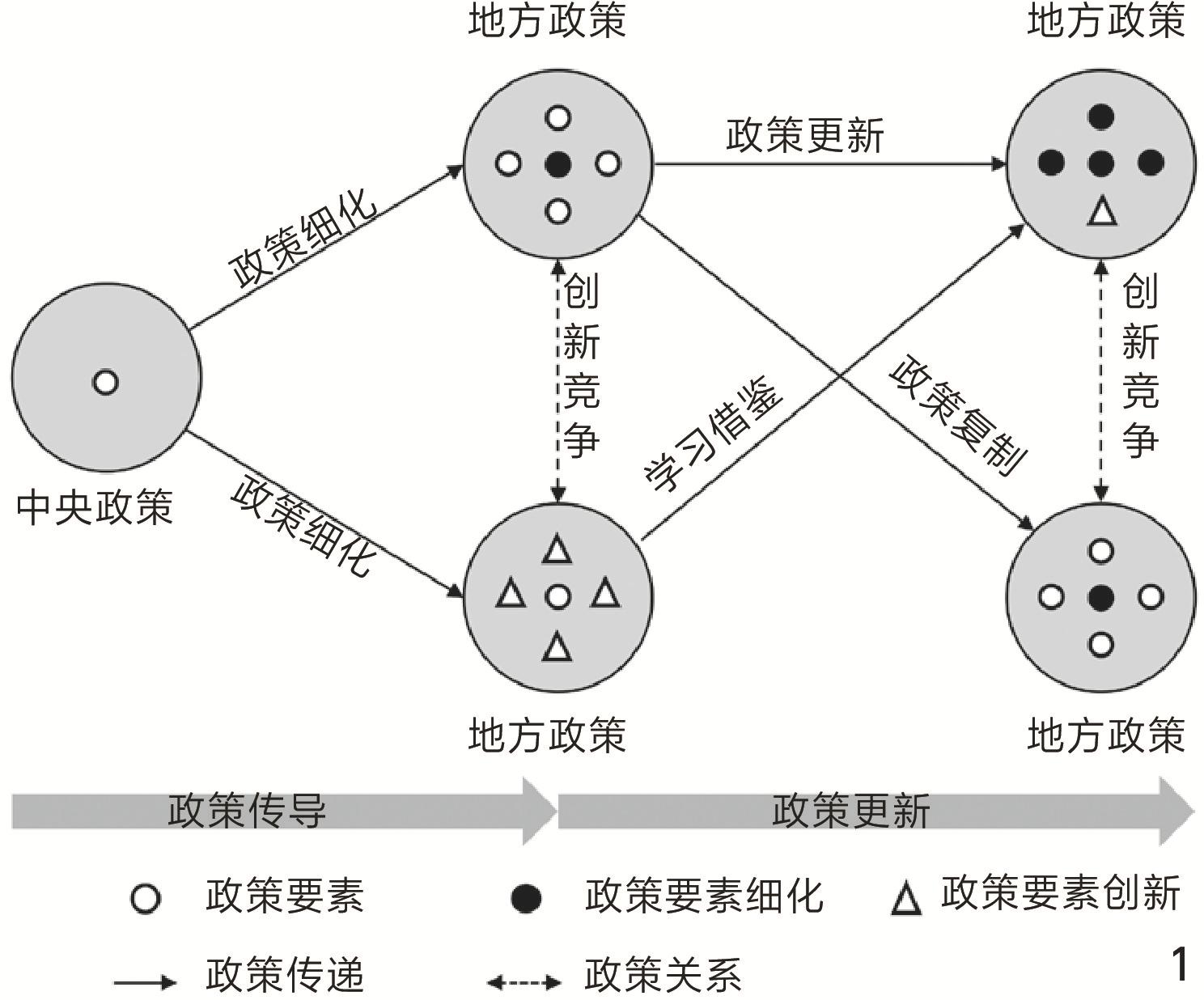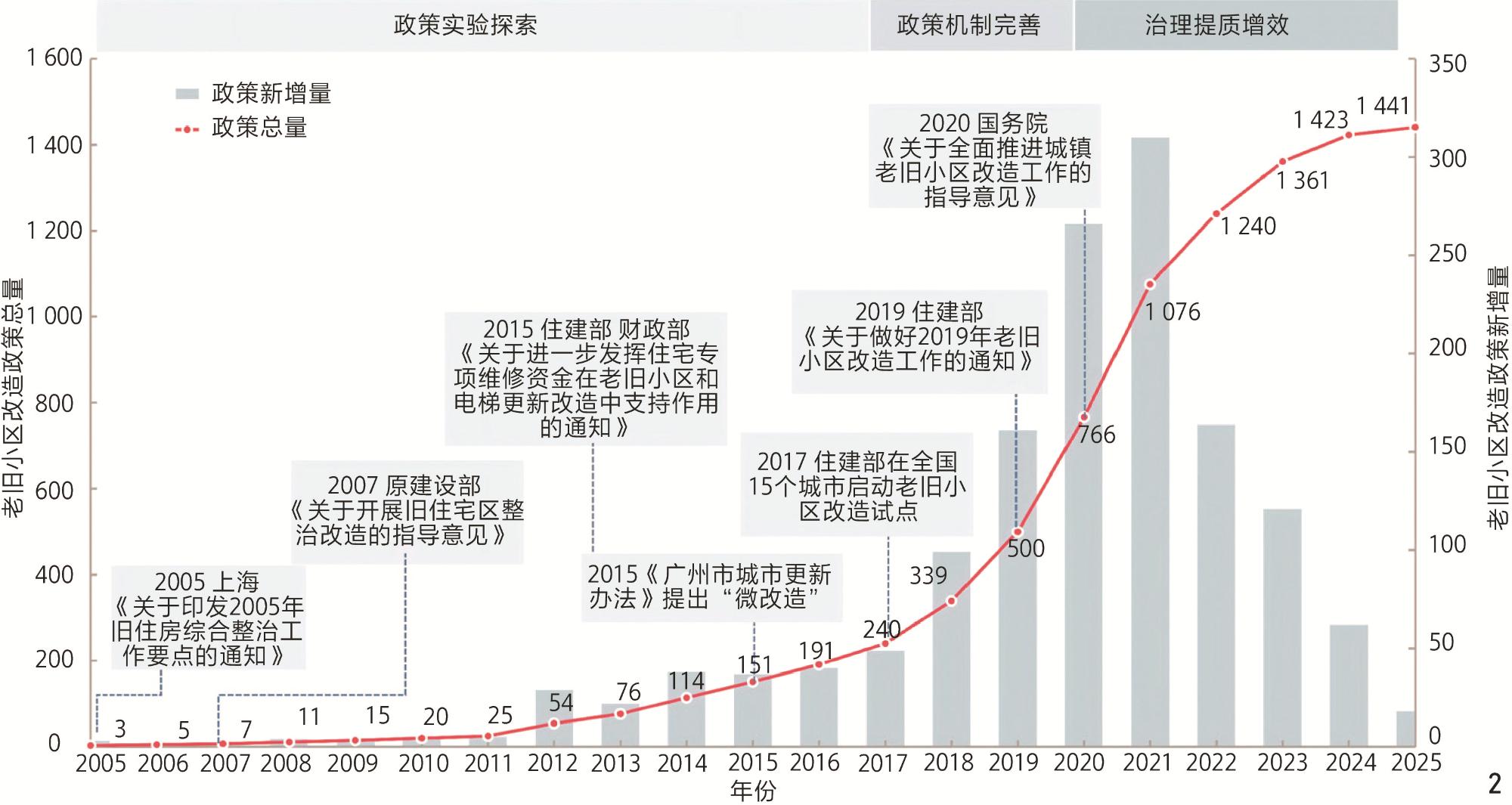


Discursive Evolution and Governance Transition in Renovating Old Residential Neighborhoods from the Perspective of Policy Reproduction
|
LIU Zheng, Ph.D., is a member of the State Key Laboratory of Subtropical Building and Urban Science, South China University of Technology, and an associate professor and doctoral supervisor in the School of Architecture, South China University of Technology. His research focuses on territorial spatial governance and planning policy studies |
|
LI Qianru is a master student in the School of Architecture, South China University of Technology. Her research focuses on planning policy transmission and comparison, and the renovation of old residential neighborhoods |
Received date: 2025-10-16
Online published: 2026-03-12
Copyright
China’s renovation of old residential neighborhood has entered a critical phase of governance transformation, requiring not only physical upgrading but also institutional refinement. This study aims to examine the evolutionary characteristics and urban variation of policies on old residential neighborhoods from 2005 to 2025. Specifically, it seeks to investigate how central and local governments, operating across multiple governance tiers, continuously adjust and refine policy content through processes of policy formulation, reinterpretation, and contextualized specification. By doing so, the study provides empirical evidence for understanding the mechanisms underlying the evolution of old residential neighborhood renovation policies in China and offers insights into future directions for institutional improvement and governance innovation.
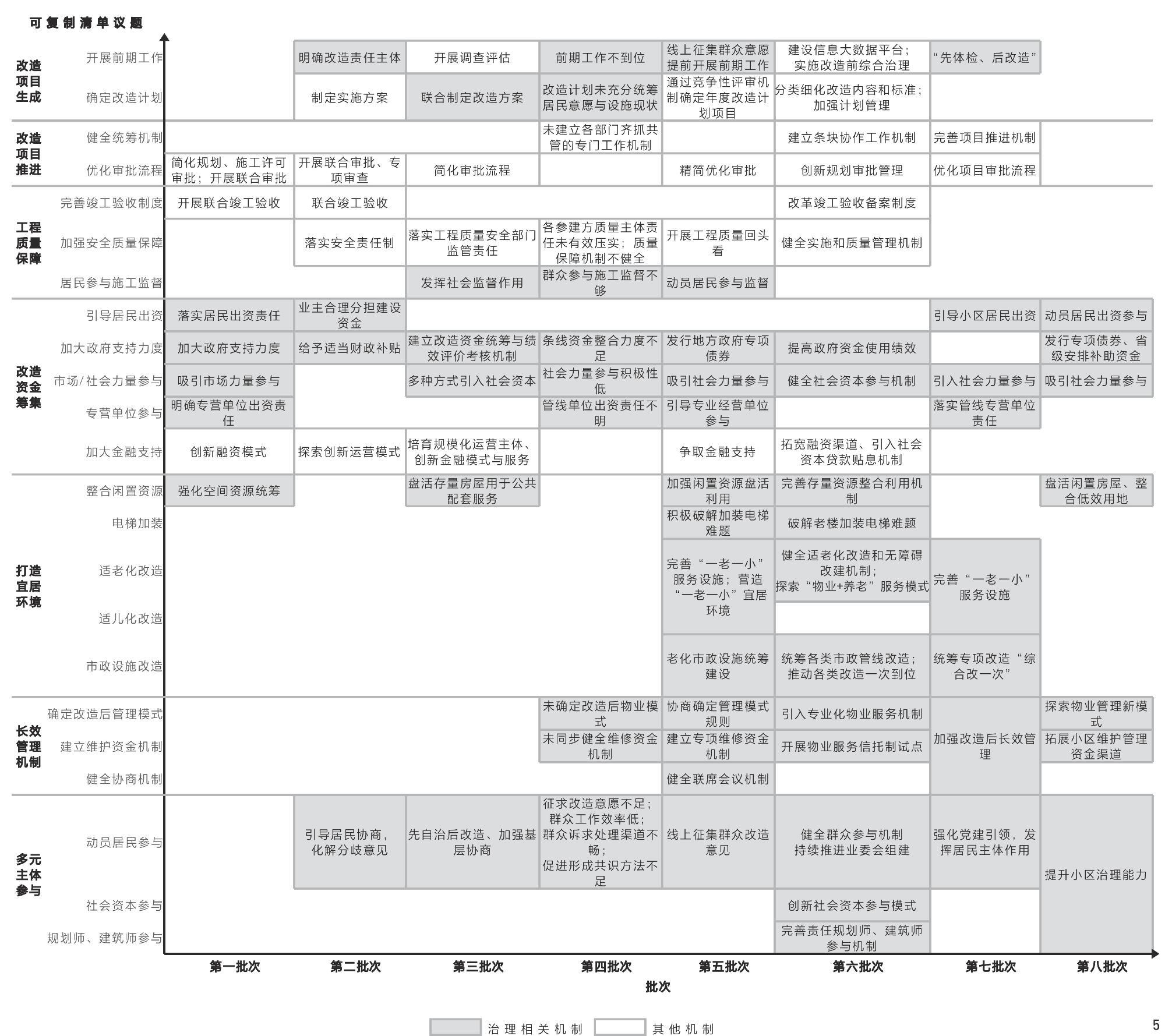
The study constructs a comprehensive policy corpus covering central and local renovation policies issued between 2005 and 2025. A hybrid natural language processing framework, combining Latent Dirichlet Allocation (LDA) topic modeling and Word2Vec word-embedding analysis, is employed to extract the latent thematic structures of policies and identify changes in policy discourse across different stages. LDA is used to obtain the dominant policy themes at each historical phase, forming a document−topic−word matrix that captures the core governance concerns. Word2Vec is then applied to train semantic vector spaces based on contextual co-occurrence, enabling the calculation of cosine similarity between themes. In addition, the study systematically analyzes the most recent eight batches of List of replicable policies and mechanisms for old residential neighborhood renovation issued by the Ministry of Housing and Urban-Rural Development (MOHURD) through close qualitative reading. These Lists serve as an institutional mechanism through which the central government identifies, abstracts, and institutionalizes best practices generated at the local level. By examining their thematic distribution and governance features, the study further identifies the current discursive composition and institutional characteristics of China’s renovation policies.
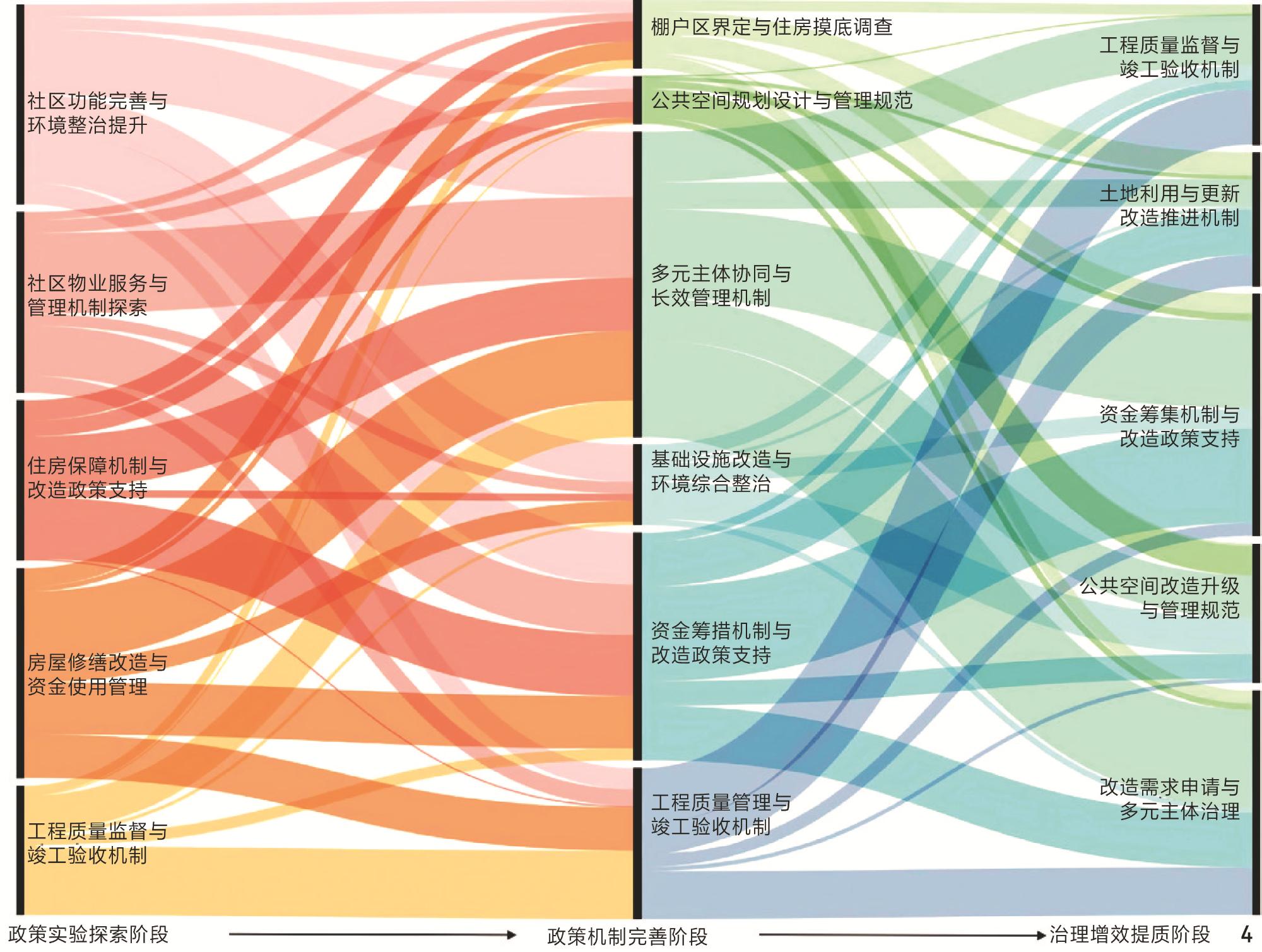
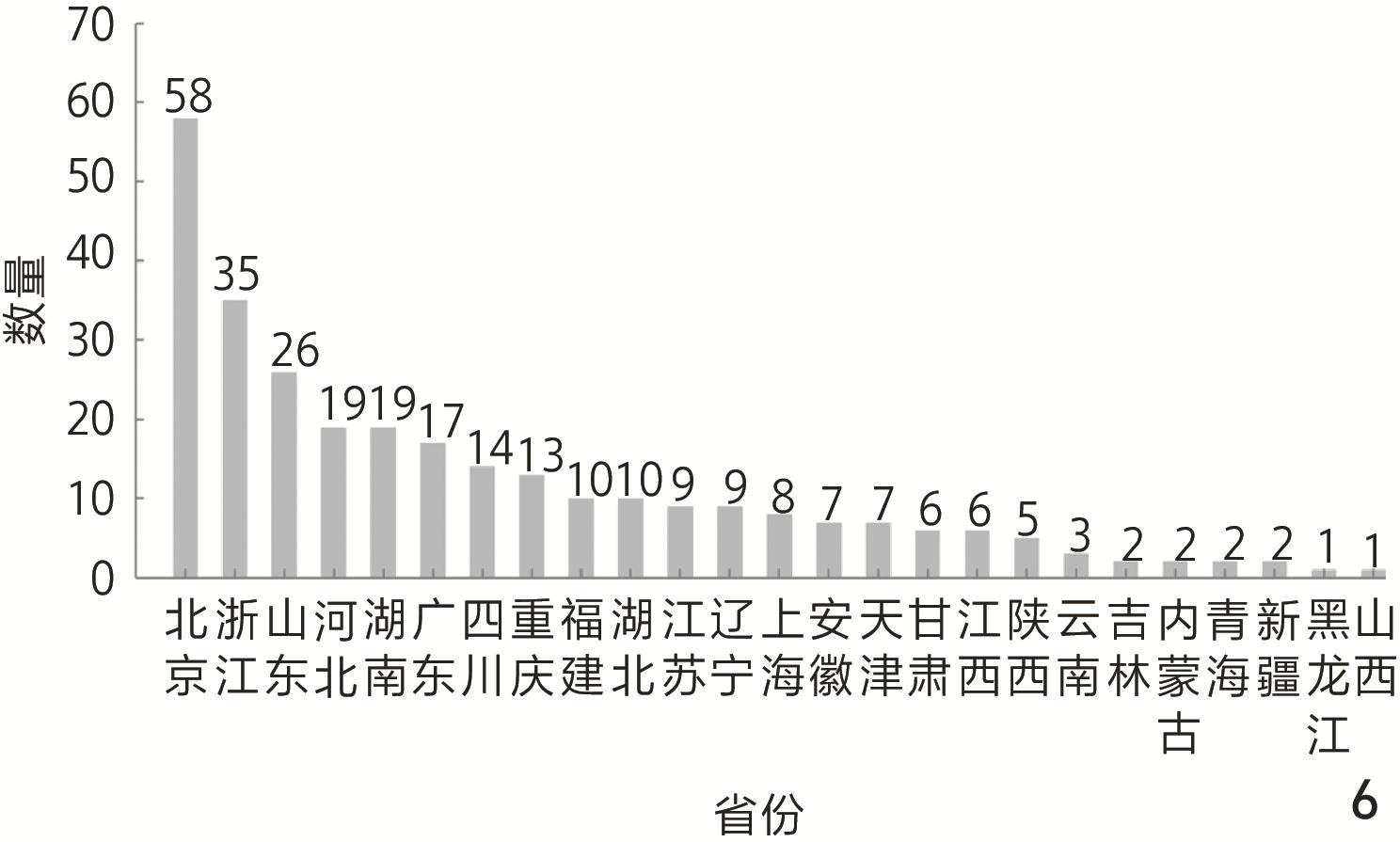
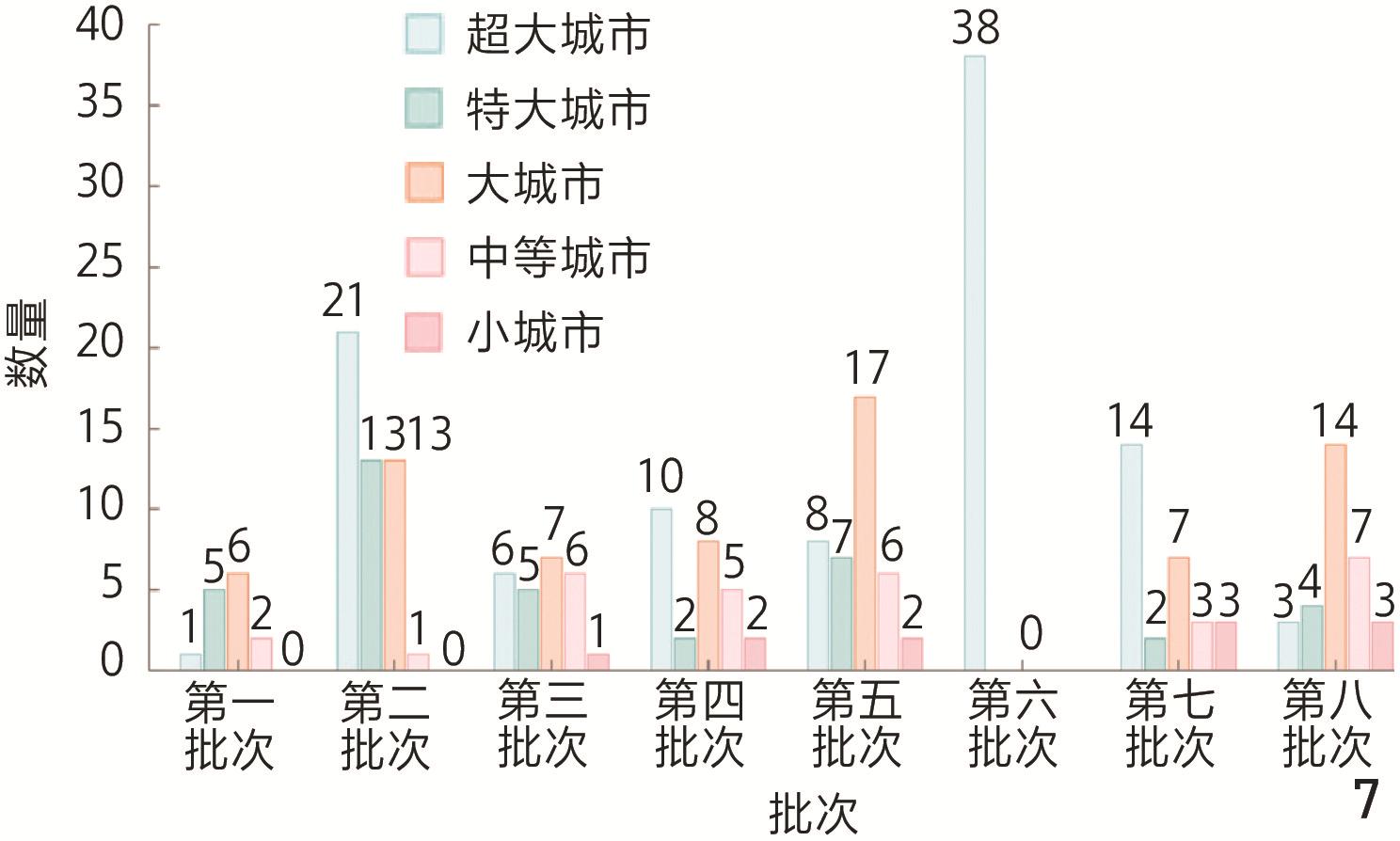
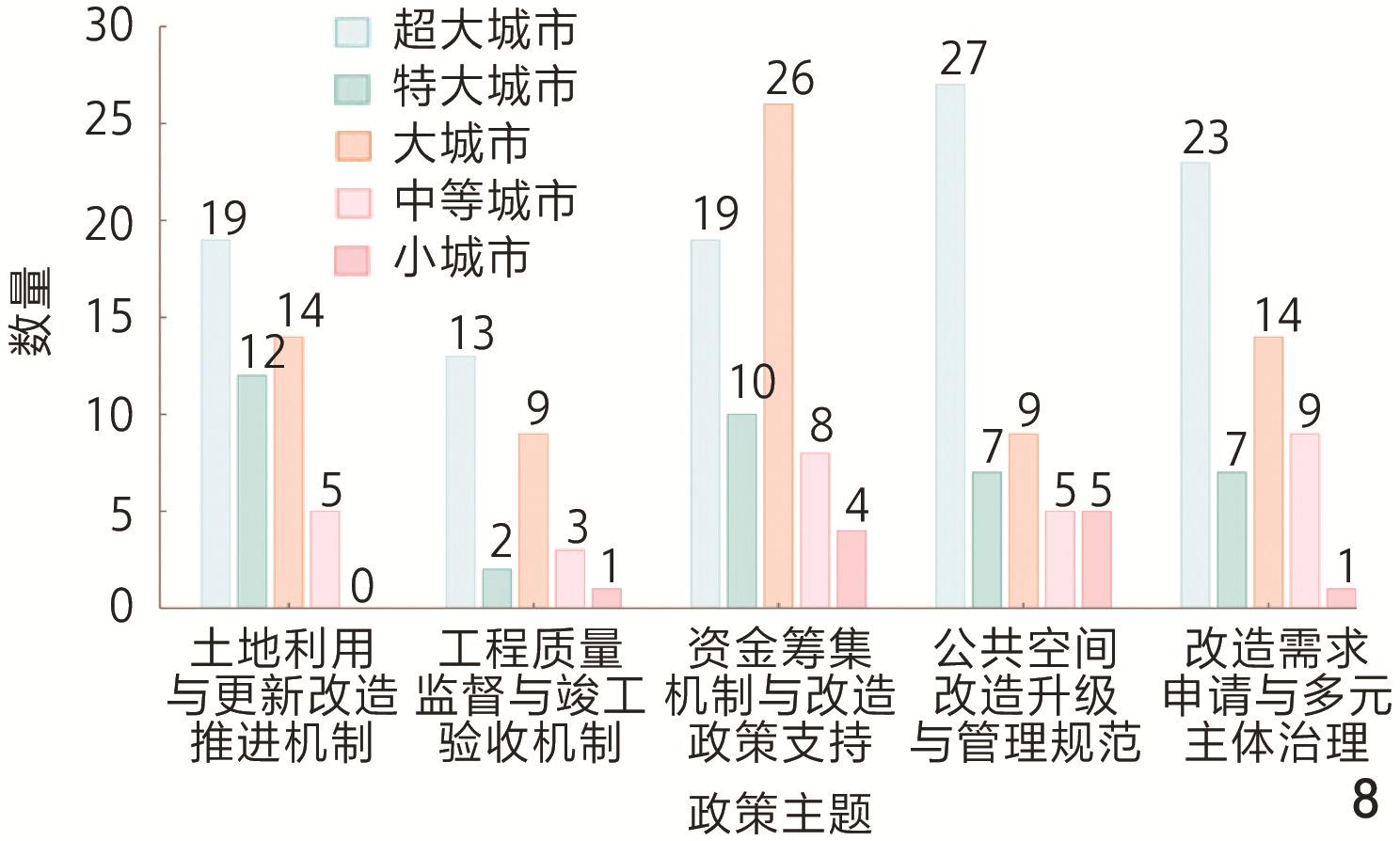
The findings reveal a clear staged evolution in the overall policy discourse on old residential neighborhood renovation. Policy priorities have shifted from an initial emphasis on basic institutional construction-such as spatial renovation, property management, and funding mechanisms-to a more comprehensive refinement of governance instruments. In recent years, the discourse increasingly highlights multi-actor collaborative governance, long-term operation and maintenance, resident participation, and integrated resource mobilization, reflecting a broader transition from project-based administrative management towards more participatory, coordinated, and institutionalized governance approaches. At the local level, policy development initially exhibited significant differentiation shaped by cities’ varying governance capacities, fiscal conditions, and neighborhood characteristics. Megacities and super-large cities pioneered innovations in complex areas including financial integration, responsibility allocation, and long-term management mechanisms, whereas many medium and small cities first prioritized spatial quality enhancement and funding security. Over time, these differentiated policy explorations have gradually converged towards deeper institutionalization; local policy frameworks increasingly aligned around coordinated governance mechanisms, clearer stakeholder responsibilities, and sustainable management arrangements. List of replicable policies and mechanisms represents a policy instrument through which the central government identifies, validates, and institutionalizes best practices emerging from local contexts. The List provide modular, operable, and governance-oriented policy solutions that serve as important references for cities nationwide. Empirical analysis shows that, since the fourth batch, the List have increasingly foregrounded governance-oriented themes, including collaborative decision-making, stakeholder coordination, operational sustainability, and procedural standardization. Further analysis of the provincial- and city-level distribution of experience sources indicates that, in compiling the List of replicable policies and mechanisms, the central government tends to draw more heavily on practices from regions with substantial renovation demands and relatively mature policy frameworks. In particular, the List predominantly select cases from megacities and large cities as representative examples.
The study concludes that the formulation of old residential neighborhood renovation policies in China has undergone a systemic transformation, evolving from localized policy experimentation toward more comprehensive institutional construction. Governance investment has continued to intensify, driving the policy system toward clearer governance logic, more standardized mechanisms, and greater emphasis on collaborative, sustainable, and resident-centered approaches. Within this transformation, the discursive composition of the Replicable Mechanism Lists reflects a clear shift in the attention of higher-level governments, with governance innovation and institutional refinement emerging as central focal points in advancing subsequent stages of renovation. By recognizing and showcasing exemplary practices, the Lists also generate incentive effects that stimulate renewed local governance innovation across different regions. Looking ahead, integrating the concept of design governance into old residential neighborhood renovation provides a promising pathway for addressing increasingly complex governance challenges. By enhancing problem identification, improving scheme formulation, and strengthening communication among diverse actors, the concept of “design governance” can effectively support the shift toward multi-actor collaboration and high-quality governance. Taken together, these efforts can contribute to building high-performance governance systems, fostering high-quality living environments, and advancing the sustainable transformation of China’s urban regeneration agenda.
LIU Zheng , LI Qianru . Discursive Evolution and Governance Transition in Renovating Old Residential Neighborhoods from the Perspective of Policy Reproduction[J]. Landscape Architecture, 2026 , 33(2) : 40 -49 . DOI: 10.3724/j.fjyl.LA20250639
表1 老旧小区改造政策文本节选Tab. 1 Selected policy texts for old residential neighborhood renovation |
| 政策层级 (文本数量) | 政策效力 | 政策数量 | 代表性文件 | 年份 | 制定部门 |
|---|---|---|---|---|---|
| 中央(19) | 行政法规 | 1 | 《关于全面推进城镇老旧小区改造工作的指导意见》 | 2020 | 国务院 |
| 部门规范文件 | 6 | 《关于进一步发挥住宅专项维修资金在老旧小区和电梯更新改造中支持作用的通知》 | 2015 | 住房和城乡建设部、财政部 | |
| 《关于加强城镇老旧小区改造配套设施建设的通知》 | 2021 | 国家发展改革委、住房和城乡建设部 | |||
| 部门工作文件 | 12 | 《关于开展旧住宅区整治改造的指导意见》 | 2007 | 原建设部 | |
| 《关于进一步明确城镇老旧小区改造工作要求的通知》 | 2021 | 国家发展改革委、住房和城乡建设部、财政部 | |||
| 地方(687) | 地方政府规章 | 1 | 《杭州市老旧小区住宅加装电梯管理办法》 | 2021 | 杭州市人民政府 |
| 地方规范性文件 | 195 | 《关于加快推进老旧小区综合整治规划建设试点工作的指导意见》 | 2018 | 北京市规划和国土资源管理委员会 | |
| 《关于积极推进老旧小区住宅加装电梯工作的实施意见》 | 2021 | 杭州市人民政府 | |||
| 地方工作文件 | 491 | 《关于印发2005年旧住房综合整治工作要点的通知》 | 2005 | 上海市房屋土地资源管理局 | |
| 《关于印发老旧小区物业基础设施整治改造和物业管理覆盖工作计划的通知》 | 2011 | 郑州市人民政府 |
表2 政策实验探索阶段政策主题-词分布结果Tab. 2 Topic−word distribution in the policy experimentation and exploration phase |
| 地方改造政策主题 | 主题概率/% | 主题前20位高频特征词 |
|---|---|---|
| 社区功能完善与环境整治提升 | 30 | 提升、绿化、验收、配套、工程、完善、设计、道路、条件、物业、社区、街道、规划、业主、治理、目标、管线、破损、用房、清理 |
| 房屋修缮改造与资金使用管理 | 27 | 工程、维修资金、使用、节能、房屋、业主、协调、街道、抗震、验收、监督、安全、更新、拆除、政策、落实、施工、领导小组、年度、问题 |
| 社区物业服务与管理机制探索 | 24 | 物业、服务、业主、街道、企业、社区、改善、考核、管道、补贴、规划、机制、房屋、业主大会、试点、成立、费用、规定、覆盖、专业 |
| 工程质量监督与竣工验收机制 | 10 | 工程、施工、设计、验收、质量、备案、材料、施工单位、竣工、招标、检验、使用、企业、规定、房屋、合格、制度、监督、工程质量、技术 |
| 住房保障机制与改造政策支持 | 9 | 保障、发展、居住、租赁、征收、社区、规划、安置、市场、物业、完善、机制、修缮、服务、公共、补贴、配套、保障性、重点、优化 |
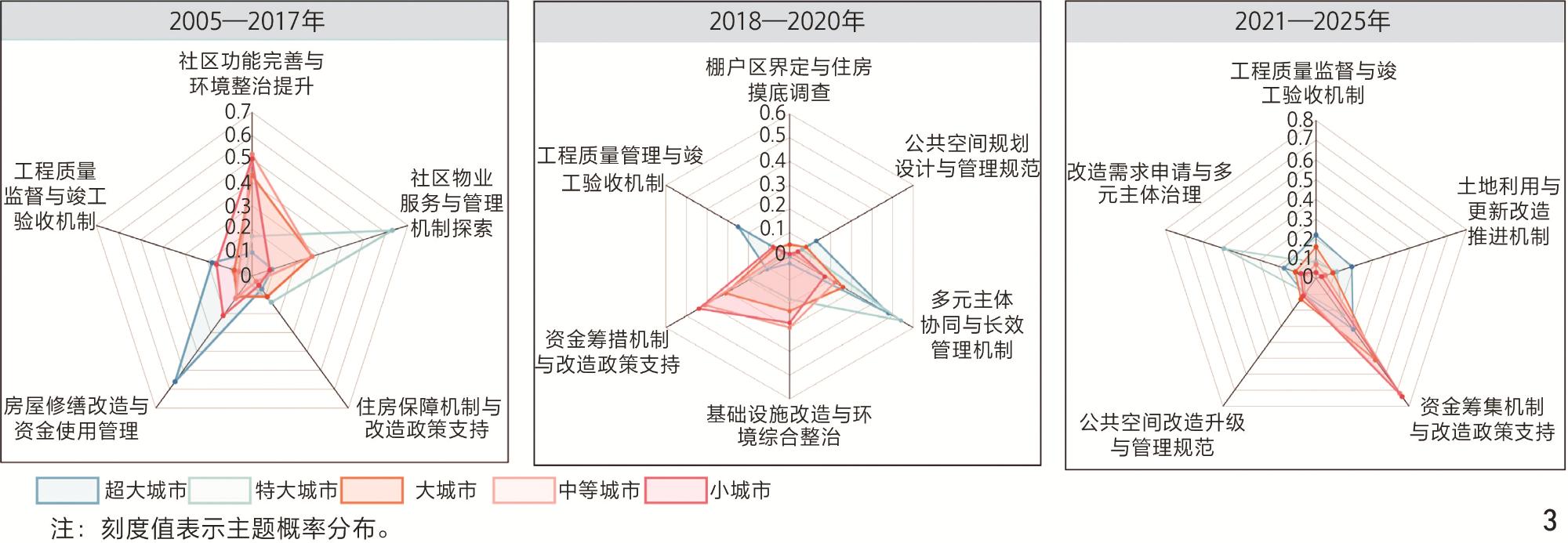
表3 城市老旧小区改造政策阶段演进特征Tab. 3 Evolutionary characteristics of urban old residential neighborhood renovation policies across phases |
| 阶段划分 | 城市类型 | 阶段特征 |
|---|---|---|
| 政策实验探索 阶段 | 超大城市 | 突破物质空间改造,探索资金筹措机制 |
| 特大城市 | 聚焦物业管理机制与政策保障完善 | |
| 大城市 | 关注空间改造、管理机制、政策支持等多元议题,侧重物质空间改造指导 | |
| 中等城市 | 关注空间改造、管理机制两大议题;尤其侧重物质空间改造指导 | |
| 小城市 | 重点聚焦物质空间改造和工程质量监督 | |
| 政策机制完善 阶段 | 超大城市 | 强调协同治理与长效管理、保障工程质量安全;政策制定呈现明显治理转向趋势 |
| 特大城市 | 延续管理机制探索、深化协同治理;加强改造资金筹措与环境改造提升,政策体系更加完善 | |
| 大城市 | 延续空间改造引导、逐步加强协同治理机制与资金机制探索 | |
| 中等城市 | 重点关注改造资金机制与空间改造,治理机制逐步完善 | |
| 小城市 | 深化资金筹措机制、延续空间改造引导,对治理机制关注相对较弱 | |
| 治理增效提质 阶段 | 超大城市 | 政策议题多元、引领城市土地政策与过程机制创新;关注改造需求与治理机制完善、强化资金筹集机制 |
| 特大城市 | 持续深化治理机制完善、聚焦改造需求与多元治理 | |
| 大城市 | 重点保障改造工程质量与资金筹集机制 | |
| 中等城市 | 重点关注资金筹措机制,治理机制有待完善 | |
| 小城市 | 政策议题高度聚焦资金筹措机制,多元治理机制有待进一步深化完善 |
表4 政策机制完善阶段主题-词分布结果Tab. 4 Topic−word distribution in the policy-mechanism refinement phase |
| 地方改造政策主题 | 主题概率/% | 主题前20位高频特征词 |
|---|---|---|
| 资金筹措机制与改造政策支持 | 30 | 支持、鼓励、住房、统筹、发展、政策、引导、审批、规划、出资、公共服务、补助、管线、产权、专项、企业、服务设施、投资、财政、模式 |
| 多元主体协同与长效管理机制 | 21 | 物业、业主、街道、委员会、企业、办事处、群众、协调、体制、验收、住房、标准、长效管理、监督、治理、意见、施工、规划、成立、使用 |
| 公共空间规划设计与管理规范 | 19 | 设计、道路、系统、规定、满足、规范、控制、公共、技术、管线、标准、屋面、使用、施工、增设、绿化、设备、消防、影响、室外 |
| 基础设施改造与环境综合整治 | 16 | 管线、标准、破损、道路、领导小组、楼道、绿化、协调、维修、功能、规范、供电、清理、增设、宣传、安装、修缮、拆除、居住、施工 |
| 工程质量管理与竣工验收机制 | 9 | 施工、验收、办理、规划、设计、质量、竣工、房屋、规定、手续、征收、标准、工程质量、招标、审批、住房、备案、使用、补偿、监督 |
| 棚户区界定与住房摸底调查 | 5 | 棚户区、摸底、房屋、住房、界定、标准、使用、现场、重点、发展、区域、专项、统计、安全隐患、部署、集中、居住、年限、危旧房、群众 |
表5 治理增效提质阶段政策主题-词分布结果Tab. 5 Topic−word distribution in the governance efficiency-improvement phase |
| 地方改造政策主题 | 主题概率/% | 主题前20位高频特征词 |
|---|---|---|
| 资金筹集机制与改造政策支持 | 49 | 资金、支持、配套、指导、机制、社会、规划、统筹、发展、鼓励、企业、物业、积极、政策、财政、出资、环境、专业、协调、引导 |
| 公共空间改造升级与管理规范 | 25 | 道路、设计、公共、满足、系统、增设、规范、屋面、标准、技术、环境、规定、管道、街道、更换、安装、照明、雨水、无障碍、老人 |
| 改造需求申请与多元主体治理 | 10 | 业主、物业、加装、物业管理、住宅、资金、规定、企业、意见、申请、主管部门、补助、申请人、财政、公示、指导、监督、街道、主体、费用 |
| 工程质量监督与竣工验收机制 | 9 | 施工、质量、检查、验收、设计、工程质量、责任、街道、监督、严格、问题、监理、施工现场、施工单位、确保、竣工、作业、措施、监管、制度 |
| 土地利用与更新改造推进机制 | 7 | 规划、更新、用地、主体、房屋、办理、土地、规定、意见、配套、利用、资源、手续、更新改造、审查、拆除、公共服务、范围、保护、评估 |
图6 各省份实践经验纳入老旧小区改造可复制政策机制清单数量Fig. 6 Number of provincial practices included in the list of replicable policies and mechanisms for old residential neighborhood renovation |
文中所有图表均由作者绘制。
1、基于大规模政策文本的语义挖掘,系统梳理中国老旧小区改造政策在不同阶段政策议题的演进路径与结构特征,为理解老旧小区改造提供实证依据,并为大样本的规划政策分析提供方法借鉴。
2、通过对可复制政策机制清单进行系统分析,论证上级政府在政策制定中持续加大治理投入、实现治理效能提升的价值偏好与政策转向,为持续深化存量提质阶段的更新改造提供了创新政策工具。
| [1] |
王世福, 易智康. 以制度创新引领城市更新[J]. 城市规划, 2021, 45 (4): 41-47.
WANG S F, YI Z K. Urban Regeneration Led by Institutional Innovation[J]. City Planning Review, 2021, 45 (4): 41-47.
|
| [2] |
王世福, 梁潇亓. 中国城市设计的治理转向[J]. 城市规划, 2024, 48 (2): 38-44.
WANG S F, LIANG X Q. The Governance Turn of Urban Design in China[J]. City Planning Review, 2024, 48 (2): 38-44.
|
| [3] |
黄卫东. 城市治理演进与城市更新响应: 深圳的先行试验[J]. 城市规划, 2021, 45 (6): 19-29.
HUANG W D. Response of Urban Regeneration to the Evolution of Urban Governance: A Pioneering Experiment of Shenzhen[J]. City Planning Review, 2021, 45 (6): 19-29.
|
| [4] |
住房和城乡建设部.国务院政策例行吹风会[EB/OL].(2020-07-21)[2025-09-01]. https://www.gov.cn/xinwen/2020zccfh/7/index.htm.
Ministry of Housing and Urban-Rural Development of the People’s Republic of China. Regular Press Conference on State Council Policies[EB/OL]. (2020-07-21)[2025-09-01]. https://www.gov.cn/xinwen/2020zccfh/7/index.htm.
|
| [5] |
冉奥博, 刘佳燕. 政策工具视角下老旧小区改造政策体系研究: 以北京市为例[J]. 城市发展研究, 2021, 28 (4): 57-63.
RAN A B, LIU J Y. Policy System of China’s Old Residential Community Renovation from the Perspective of Policy Tool[J]. Urban Development Studies, 2021, 28 (4): 57-63.
|
| [6] |
赵楠楠, 刘玉亭. “结构-活动” 政策工具视角下老旧小区改造的政策演进与规划实效分析[J]. 城市发展研究, 2023, 30 (11): 75-82.
ZHAO N N, LIU Y T. Institutional Arrangements and Planning Models of Old Community Renovation: A “Structure-Agency” Analytical Framework[J]. Urban Development Studies, 2023, 30 (11): 75-82.
|
| [7] |
刘垚, 周可斌, 陈晓雨. 广州老旧小区微改造实施评估及延伸思考: 实践、成效与困境[J]. 城市发展研究, 2020, 27 (10): 116-124.
LIU Y, ZHOU K B, CHEN X Y. Implementation Evaluation and Extension Thinking of Micro-transformation of Old Urban Community in Guangzhou: Practice, Effectiveness and Difficulties[J]. Urban Development Studies, 2020, 27 (10): 116-124.
|
| [8] |
MCCANN E, WARD K. Relationality/Territoriality: Toward a Conceptualization of Cities in the World[J]. Geoforum, 2010, 41 (2): 175-184.
|
| [9] |
ROBINSON J. “Arriving at” Urban Policies: The Topological Spaces of Urban Policy Mobility[J]. International Journal of Urban and Regional Research, 2015, 39 (4): 831-834.
|
| [10] |
花菲菲, 白凯, CRANG M, 等. 政策流动性的理论进路与研究展望[J]. 地理学报, 2023, 78 (11): 2694-2717.
HUA F F, BAI K, CRANG M, et al. Theoretical Approaches and Research Prospect on Policy Mobility[J]. Acta Geographica Sinica, 2023, 78 (11): 2694-2717.
|
| [11] |
王法硕, 王如一. 中国地方政府如何执行模糊性政策?: 基于A市 “厕所革命” 政策执行过程的个案研究[J]. 公共管理学报, 2021 (4): 10-21,166.
WANG F S, WANG R Y. How Do Chinese Local Governments Implement Ambiguous Policy?: A Case Study of the “Toilet Revolution” Policy in the City A[J]. Journal of Public Management, 2021 (4): 10-21,166.
|
| [12] |
满小欧, 薛增鑫, 甘甜. 因何而异: 层级治理体系下政策再生产的策略逻辑: 基于G省数字政府建设的纵向多案例研究[J]. 公共管理学报, 2025, 22 (2): 75-87.
MAN X O, XUE Z X, GAN T. How It Varies: Strategic Types and Logics of Policy Reproduction Within a Hierarchical Governance System: A Longitudinal Multi-case Study Based on Digital Government Construction in G Province[J]. Journal of Public Management, 2025, 22 (2): 75-87.
|
| [13] |
杨志, 曹现强. 地方政策再创新的策略类型及生成机理: 基于从“河长制 到“X长制” 演化过程的追踪分析[J]. 中国行政管理, 2023, 39 (7): 100-109.
YANG Z, CAO X Q. The Strategy Type and Formation Mechanism of Local Policy Re-innovation: Based on the Tracing Analysis of Evolution Process from River-Chief System to X-Chief System[J]. Chinese Public Administration, 2023, 39 (7): 100-109.
|
| [14] |
张海柱, 林华旌. 政策扩散中“政策再创新”的生成路径与内在逻辑: 基于16个案例的定性比较分析[J]. 公共管理学报, 2022, 19 (1): 27-39.
ZHANG H Z, LIN H J. Formation Path and Internal Logic of “Policy Re-innovation” in Policy Diffusion: A Qualitative Comparative Analysis Based on 16 Cases[J]. Journal of Public Management, 2022, 19 (1): 27-39.
|
| [15] |
林雪霏. 政府间组织学习与政策再生产: 政策扩散的微观机制: 以“城市网格化管理”政策为例[J]. 公共管理学报, 2015, 12 (1): 11-23.
LIN X F. Organizational Learning Among Governments and the Policy Reproduction: The Microscopic Mechanisms of Policy Diffusion: A Case Study on the Policy of “City Grid Management”[J]. Journal of Public Management, 2015, 12 (1): 11-23.
|
| [16] |
杜其君. 政策细化: 一种政策适应性的再生产方式[J]. 公共管理评论, 2023, 5 (1): 25-44.
DU Q J. Policy Refinement: A Mode to Reproduce Policy Adaptability[J]. China Public Administration Review, 2023, 5 (1): 25-44.
|
| [17] |
宋彦, 唐瑜, 丁国胜, 等. 规划文本评估内容与方法探讨: 以美国城市总体规划文本评估为例[J]. 国际城市规划, 2015, 30 (S1): 71-76.
SONG Y, TANG Y, DING G S, et al. Content and Methods of Plan Document Evaluation: Case Study of the US Cities[J]. Urban Planning International, 2015, 30 (S1): 71-76.
|
| [18] |
SALAZAR-MIRANDA A, TALEN E. An AI-Based Analysis of Zoning Reforms in US Cities[J]. Nature Cities, 2025, 2 (4): 304-315.
|
| [19] |
BLEI D M, NG A Y, JORDAN M I. Latent Dirichlet allocation[J]. Journal of Machine Learning Research, 2003, 3 (1): 9931022
|
| [20] |
殷成志, 刘露雅, 黄钰荀. 中国海绵城市政策文本主题挖掘与演化特征研究[J]. 城市发展研究, 2025, 32 (4): 75-82.
YIN C Z, LIU L Y, HUANG Y X. Topic Mining and Evolution Characteristics Study of Policy Texts of Chinese Sponge Cities[J]. Urban Development Studies, 2025, 32 (4): 75-82.
|
| [21] |
何炬, 谌丽, 张文忠, 等.城市更新背景下老旧小区改造的政府响应模式及其影响因素: 以北京市核心区为例[J/OL].地理研究: 1-21(2025-12-26)[2025-10-14]. https://doi.org/10.11821/dlyj020241208.
HE J, CHEN L, ZHANG W Z, et al. Government Response Patterns and Influencing Factors in Old Residential Community Regeneration Under Urban Renewal: A Case Study of the Core Area of Beijing[J/OL]. Geographical Research: 1-21(2025-12-26)[2025-10-14]. https://doi.org/10.11821/dlyj020241208.
|
| [22] |
方放, 赵罗衣. 基于LDA2Vec模型的国际区域合作标准化政策扩散研究[J]. 科研管理, 2025, 46 (5): 142-151.
FANG F, ZHAO L Y. Research on the Diffusion of Standardization Policies in International Regional Cooperation Based on the LDA2Vec Model[J]. Science Research Management, 2025, 46 (5): 142-151.
|
| [23] |
胡泽文, 韩雅蓉, 王梦雅. 基于LDA-Word2Vec的图书情报领域机器学习研究主题演化与热点主题识别[J]. 现代情报, 2024, 44 (4): 154-167.
HU Z W, HAN Y R, WANG M Y. Topic Evolution and Hot Topic Identification of Machine Learning Research in the Field of Library and Information Science Based on LDA-Word2Vec[J]. Modern Information, 2024, 44 (4): 154-167.
|
| [24] |
汤懿鸣, 唐燕, 袁磊, 等. 老旧小区微利可持续的更新模式与实施路径分析[J]. 城市规划学刊, 2024 (6): 70-78.
TANG Y M, TANG Y, YUAN L, et al. Model and Pathway of Meager-Profit Sustainable Renewal of Old Residential Areas[J]. Urban Planning Forum, 2024 (6): 70-78.
|
| [25] |
邵永威, 戚冬瑾. 老旧小区自主更新的权利构建与规划机制探究[J]. 城市规划, 2025, 49 (1): 59-68.
SHAO Y W, QI D J. An Exploration of the Rights System and Planning Mechanism for Autonomous Regeneration in Old Neighborhood[J]. City Planning Review, 2025, 49 (1): 59-68.
|
| [26] |
董亦楠, 韩冬青. 居住类地段更新的类型、历程与关键问题: 以南京为例[J]. 城市规划, 2024, 48 (4): 34-42.
DONG Y N, HAN D Q. Types, Processes, and Key Issues of Residential Area Regeneration: A Case Study of Nanjing[J]. City Planning Review, 2024, 48 (4): 34-42.
|
| [27] |
仝德, 徐珩, 邱君丽, 等. 地方响应国家城市更新行动的区域差异: 基于LDA模型的政策文本量化分析[J]. 城市发展研究, 2024, 31 (9): 1-6.
TONG D, XU H, QIU J L, et al. Regional Differences in Local Responses to National Urban Regeneration Actions: A Quantitative Analysis of Policy Texts based on the LDA Model[J]. Urban Development Studies, 2024, 31 (9): 1-6.
|
| [28] |
CARMONA M. Design Governance: Theorizing an Urban Design Sub-field[J]. Journal of Urban Design, 2016, 21 (6): 705-730.
|
| [29] |
王世福, 刘联璧, 刘铮. 本土都市主义的概念模型及中国式规划前瞻[J]. 城市规划, 2024, 48 (12): 38-46,63.
WANG S F, LIU L B, LIU Z. Conceptual Framework of Indigenous Urbanism and Prospects for Chinese Planning[J]. City Planning Review, 2024, 48 (12): 38-46,63.
|
| [30] |
祝贺, 唐燕. 英国城市设计运作的半正式机构介入: 基于CABE的设计治理实证研究[J]. 国际城市规划, 2019, 34 (4): 120-126.
ZHU H, TANG Y. The Intervention of Semi-formal Institution in Britain’s Urban Design Process: An Empirical Study of Design Governance Based on CABE[J]. Urban Planning International, 2019, 34 (4): 120-126.
|
| [31] |
刘铮, 段梦男, 王世福. 新冠疫情回顾与城市健康韧性思考: 基于中国316市实证[J]. 城市规划学刊, 2023 (4): 69-76.
LIU Z, DUAN M N, WANG S F. Covid-19 and Reflections on Urban Health Resilience: An Empirical Study of 316 Chinese Cities[J]. Urban Planning Forum, 2023 (4): 69-76.
|
/
| 〈 |
|
〉 |