

Heritage Interpretation System Construction and Pluralistic Heritage Cognition Research from the Perspective of Landscape Anthropology: A Case Study of Suzhou Gardens
|
ZHOU Xiang, Ph.D., is an associate professor and master supervisor in the School of Architecture, Southeast University. His research focuses on digital research of landscape heritage and cultural landscape, landscape perception and visual landscape, and urban renewal and community empowerment |
|
LIU Yaxu is a master student in the School of Architecture, Southeast University. Her research focuses on landscape heritage and digital landscape |
|
XIE Yiming is a master student in the School of Architecture, Southeast University. Her research focuses on landscape heritage and digital landscape |
|
CHANG Jingchao, Ph.D., is a lecturer and master supervisor in the School of Marxism, Capital University of Economics and Business. Her research focuses on law-based socialist culture |
Received date: 2024-05-13
Revised date: 2024-08-19
Online published: 2025-12-16
Copyright
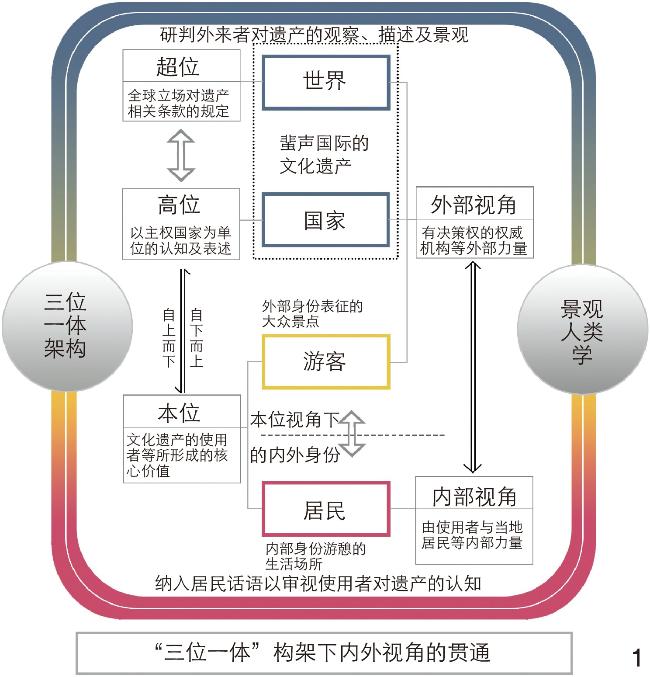
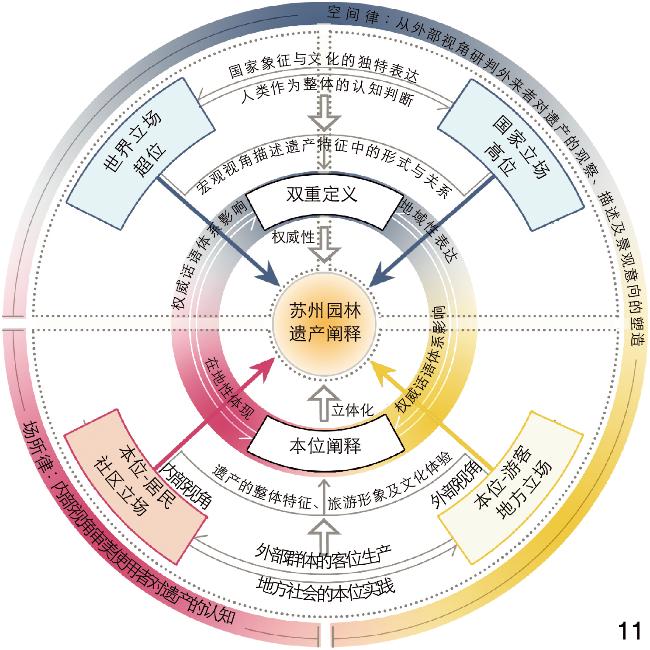
[Objective] This research explores the modern concept of heritage, combining objective existence and subjective perception, within a global-national-local framework. Heritage interpretations often overlap and conflict due to varying perspectives across these levels. Landscape anthropologist Hirotake Kawai’s “Multi-phase” concept explains the cognitive collisions and integrations that occur during heritage discourse exchanges. Landscape anthropology distinguishes between “space” (globalization) and “place” (localization), reflecting how external forces shape environments versus how locals perceive and construct their surroundings. In this context, heritage interpretation involves reconciling diverse cultural perspectives.The research uses Suzhou Gardens as a case study to develop a multi-subject heritage interpretation system within a pluralistic discourse framework. Suzhou Gardens are selected for their cultural duality and rich environment. The aim is to reconstruct the heritage discourse, facilitating dialogue between Suzhou Gardens and the world heritage system while considering the cognitive differences of various stakeholders, including local communities. This approach enhances the integration of internal and external perspectives in landscape anthropology and fosters a multi-party dialogue mechanism.
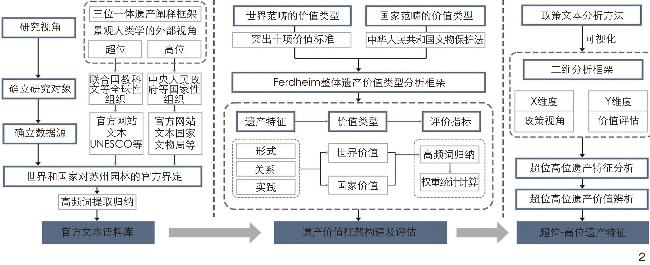
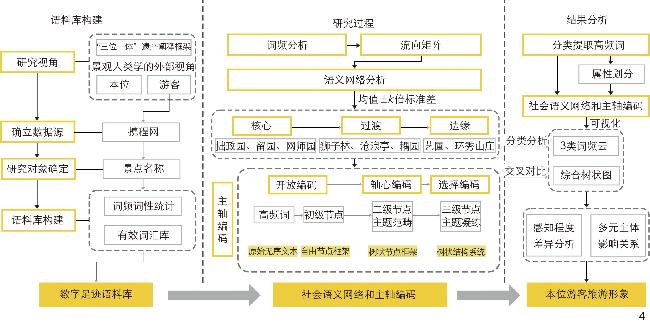
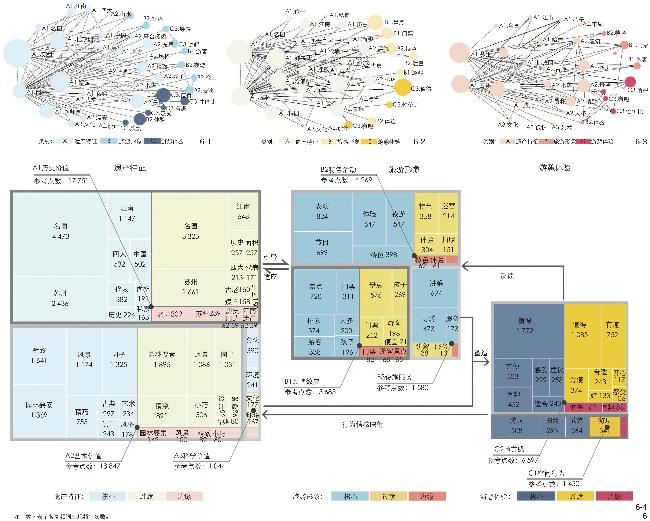
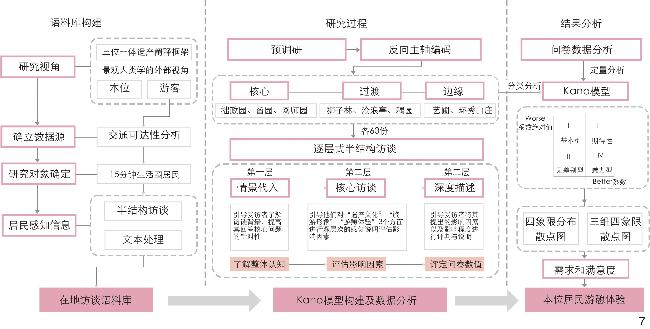
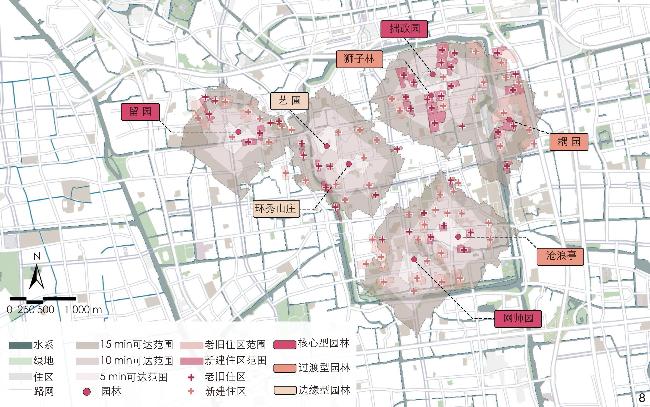
[Methods] Methodologically, the research focuses on three groups: supra-local authorities, tourists, and residents. It analyzes heritage discourse through two dimensions: “space production” by external entities and “place construction” by local society. Official texts are examined using a heritage value framework and word frequency-weighting methods to create a policy-value analysis for the supra-local and higher-level perspectives.Tourist perspectives are analyzed through digital footprint data, categorizing gardens into core, transitional, and peripheral types. Semantic network analysis evaluates heritage cognition. Resident perspectives are studied via garden classification, semi-structured interviews, and coding systems. The Kano model is applied to categorize residents’ heritage cognition into demand attributes, refining the overall interpretive framework.
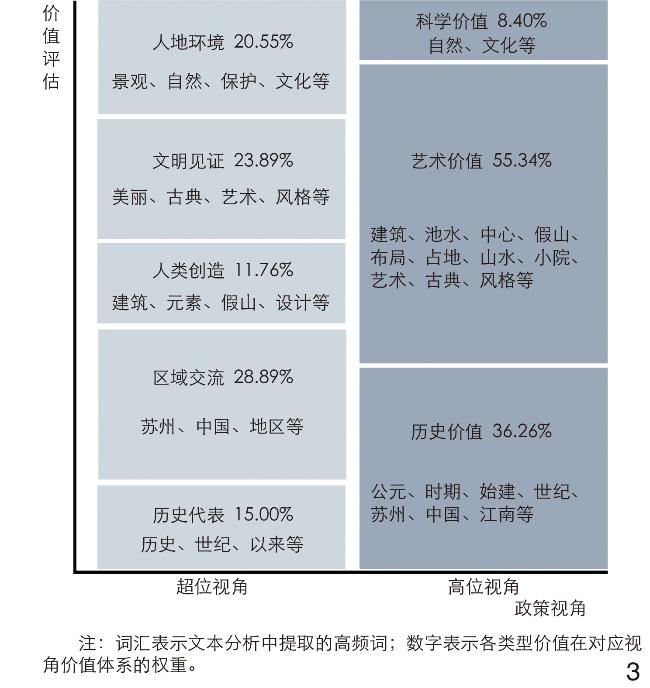
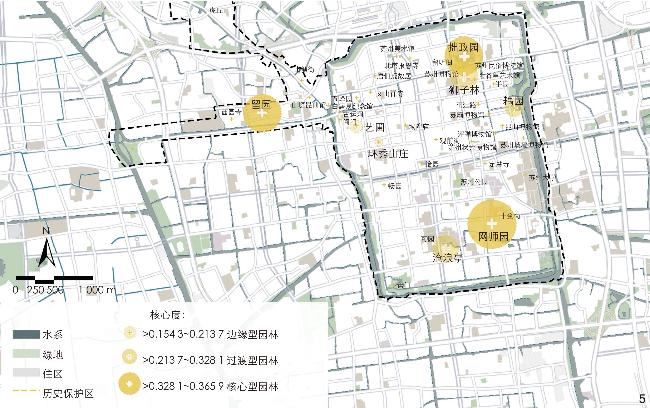
[Results] The research finds that the supra-national and national perspectives, which correspond to the “ space” principle in landscape anthropology, emphasize describing heritage forms and relationships from a macro-level viewpoint. The supra-national perspective focuses on regional representation and cross-cultural exchange in heritage, while the national perspective highlights national symbolism and the artistic value of Chinese aesthetic ideals in Suzhou Gardens. From the local perspective, tourists’ heritage cognition is primarily influenced by supra-national and national perspectives, with heritage characteristics becoming the most perceived elements during visits. However, deeper cultural experiences and local perceptions are often weakened by superficial visits, leading to fragmented heritage interpretation. Tourists thus form their classification system for heritage sites during visits, abstracting historical and artistic values as the primary content of Suzhou Gardens’ heritage interpretation. In core gardens, tourists and residents share similar heritage values, but the influx of tourists compresses the ability of local residents to construct the connotation of gardens, turning these gardens into spaces of heritage consumption. In transitional gardens, there is overlap but also divergence in the needs of tourists and residents, creating potential for symbiotic space – place relationships. In peripheral gardens, significant differences in values between tourists and residents suggest a shift toward place construction by locals, reflecting the self-construction process of the local society.
[Conclusion] This research demonstrates that a heritage interpretation method under a pluralistic discourse framework can break free from authoritative heritage discourse that typically focuses on management and indoctrination, and can encourage the inclusion of multiple stakeholders who consider the public attributes of heritage protection. The structural relationships and conflicts between local practice and external production in Suzhou Gardens show that heritage landscapes involve both local self-construction (place) and external social production (space). For sustainable world heritage protection, it is essential to balance expert-driven heritage value assessments with public engagement, particularly by incorporating local emotions and community memories into heritage discourse. This may facilitate the creation of a more integrated and diversified heritage system that better reflects the complexity of contemporary heritage values and supports its sustainable development.
Xiang ZHOU , Yaxu LIU , Yiming XIE , Jingchao CHANG . Heritage Interpretation System Construction and Pluralistic Heritage Cognition Research from the Perspective of Landscape Anthropology: A Case Study of Suzhou Gardens[J]. Landscape Architecture, 2024 , 31(10) : 17 -27 . DOI: 10.3724/j.fjyl.202405130262
表1 超位-高位视角下遗产价值评价体系Tab. 1 Heritage value evaluation system from the supra-national-national perspective |
| 遗产特征 | 超位视角 | 高位视角 | |||||
| 价值类型 | 高频词 | 权重/% | 价值类型 | 高频词 | 权重/% | ||
| 形式——时空代表的 苏州古典园林 | 历史代表 突出价值标准(Ⅳ) | 历史、世纪、 以来等 | 15.00 | 历史价值 | 公元、时期、始建、 世纪、苏州、中国、 江南等 | 36.26 | |
| 区域交流 突出价值标准(Ⅱ) | 苏州、中国、 地区等 | 28.89 | |||||
| 关系——精巧设计的 中华意境投射 | 人类创造 突出价值标准(Ⅰ) | 建筑、元素、假山、 设计、创造等 | 11.67 | 艺术价值 | 建筑、池水、中心、 假山、布局、占地、 山水、小院、艺术、 古典、风格等 | 55.34 | |
| 文明见证 突出价值标准(Ⅲ) | 美丽、古典、 艺术、风格等 | 23.89 | |||||
| 实践——源远流长的 人与自然实践 | 实用功能 突出价值标准(Ⅴ) | 景观、自然、 保护、文化等 | 20.55 | 科学价值 | 自然、文化等 | 8.40 | |
表2 情景代入式半结构访谈框架Tab. 2 Scenario-based semi-structured interview framework |
| 内容 层次 | 问题描述 | 目的 | 理想质性资料提取 |
| 情景 代入 | 作为居住在某园林附近的居民,您对该园林有何整体印象? | 引导受访者了解访谈背景,提高其回答核心问题的针对性 | 居民对园林遗产的整体认知情况 |
| 核心 访谈 | 您如何认知该园林的遗产特征? 您如何认知该园林的旅游形象? 您如何认知该园林的游憩体验? | 使受访者进一步了解访谈的目的,并且在不局限他们思维的基础上,引导他们对“遗产特征”“旅游形象”“游憩体验”3个方面进行深层次的感知说明 | 三方面是否存在影响;主范畴下包含的影响因素 |
| 深度 描述 | 关于您提到的相关要素,您认为它对整体感知有着怎样的影响 | 针对访谈内容,引导受访者对其提出的影响因素以及影响程度进行评判与说明,为后续研究提供资料基础 | 深度评定各方面影响因素程度 |
表3 Kano模型影响指标Tab. 3 Impact indicators of Kano model |
| 影响层次 | 影响指标 |
| 遗产特征 | A1 历史价值 A2 艺术价值 A3 科学价值 |
| 旅游形象 | B1 品牌效应 B2 特色活动 B3 设施服务 |
| 游憩体验 | C1 空间行为 C2 地方感 C3 游憩频率 |
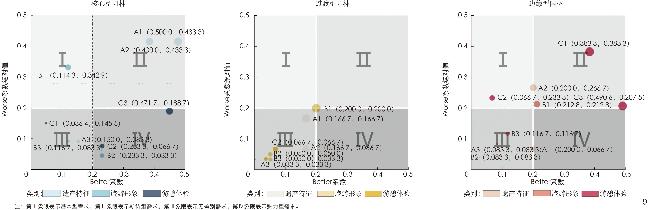
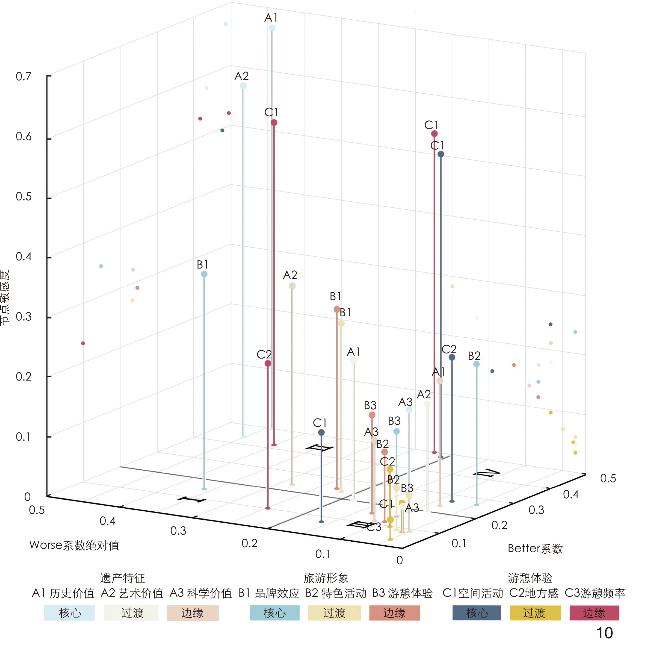
图9 居民视角下遗产阐释四象限散点图Fig. 9 Four-quadrant scatter plot of heritage interpretation from the perspective of residents |
表4 居民遗产认知节点敏感度排序Tab. 4 Sensitivity ranking of residents’ heritage cognition nodes |
| 园林类型 | 第Ⅰ象限: 基本型需求 | 第Ⅱ象限: 期待型需求 | 第Ⅲ象限: 无差别型需求 | 第Ⅳ象限: 魅力型需求 |
| 注:“—”代表该类型园林在对应象限中无需求指标。 | ||||
| 核心型 | B1 | A1>A2 | A3>C1>B3 | C3>C2>B2 |
| 过渡型 | B1 | A1>A2>C2>B2>B3>C1>A3>C3 | — | — |
| 边缘型 | C2 | B3>A3=B2 | C1>C3>A2>B1 | A1 |
文中图表均由作者绘制,其中
| [1] |
曹永茂, 李和平. 城市历史景观视角下遗产价值认知框架构建[J]. 城市发展研究, 2023, 30(4): 80-87.
CAO Y M, LI H P. Construction of Heritage Value Cognitive Framework from the Perspective of Historic Urban Landscape[J]. Urban Development Studies, 2023, 30(4): 80-87.
|
| [2] |
于佳平, 张朝枝. 遗产与话语研究综述[J]. 自然与文化遗产研究, 2020, 5(1): 18-26.
YU J P, ZHANG C Z. Review on Heritage Discourse[J]. Study on Natural and Cultural Heritage, 2020, 5(1): 18-26.
|
| [3] |
彭兆荣. 以民族—国家的名义: 国家遗产的属性与限度[J]. 贵州社会科学, 2008(2): 5-12.
PENG Z R. The Nation − State Paradigm: Characteristics and Boundaries of National Heritage[J]. Guizhou Social Sciences, 2008(2): 5-12.
|
| [4] |
彭兆荣, 李春霞. 遗产认知的共时向度与维度[J]. 贵州社会科学, 2012(1): 5-11.
PENG Z R, LI C X. The Synchronic Dimension and the Dimension of Heritage Cognition[J]. Guizhou Social Sciences, 2012(1): 5-11.
|
| [5] |
徐欣云, 徐梓又. 本土遗产话语重构路径评析[J]. 文博学刊, 2023(3): 123-132.
XU X Y, XU Z Y. A Review of the Reconstruction Path of Local Heritage Discourse[J]. Journal of Archaeology and Museology, 2023(3): 123-132.
|
| [6] |
侯松, 吴宗杰. 遗产研究的话语视角: 理论·方法·展望[J]. 东南文化, 2013(3): 6-13.
HOU S, WU Z J. The Discursive Approach to Heritage Studies: Theory, Method and Prospect[J]. Southeast Culture, 2013(3): 6-13.
|
| [7] |
KIRSHENBLATT-GIMBLETT B. World Heritage and Cultural Economics[M]//KARP I, KRATZ C A, SZWAJA L, et al. Museum Frictions: Public Cultures/Global Transformations. New York: Duke University Press, 2006: 161-202.
|
| [8] |
河合洋尚. 景観人類学入門[M].東京: 風響社, 2020: 3-11.
KAWAI H. Introduction to Landscape Anthropology[M]. Tokyo: Fukyousha, 2020: 3-11.
|
| [9] |
周详, 李哲. “空间生产”与“场所建构”: 基于社会学理论的风景园林专业社会实践路径探究[J]. 新建筑, 2024(1): 148-154.
ZHOU X, LI Z. Space Production and Place Construction: Research on the Social Practice Method of Landscape Architecture Based on Sociological Theory[J]. New Architecture, 2024(1): 148-154.
|
| [10] |
河合洋尚, 周星.景观人类学的动向和视野[J].广西民族大学学报(哲学社会科学版), 2015, 37(4): 44-59.
KAWAI H N, ZHOU X. Trends and Scope of Landscape Anthropology[J]. Journal of Guangxi Minzu University (Philosophy and Social Science Edition), 2015, 37(4): 44-59.
|
| [11] |
徐桐. 景观研究的文化转向与景观人类学[J]. 风景园林, 2021, 28(3): 10-15.
XU T. Cultural Turn in Landscape Studies and the Anthropology of Landscape[J]. Landscape Architecture, 2021, 28(3): 10-15.
|
| [12] |
陈永明, 张智钰. 渔船、船厝与骑楼流动性视角下的厦港水上人居住类型变迁[J]. 时代建筑, 2021(5): 32-40.
CHEN Y M, ZHANG Z Y. Fishing Boat, Boat-House, and Arcade Building the Changing Residential Typology of Boat People in Xiamen from the Perspective of Mobility[J]. Time + Architecture, 2021(5): 32-40.
|
| [13] |
张世琦, 沈丽萍, 吴飞. 口述档案在建构世界文化遗产记忆中的作用及参与路径: 以苏州古典园林口述档案采集为例[J]. 档案与建设, 2023(4): 70-72.
ZHANG S Q, SHEN L P, WU F. The Role and the Participation Path of Oral Archives in Constructing the Memory of World Cultural Heritage[J]. Archives & Construction, 2023(4): 70-72.
|
| [14] |
周苏宁. 提高世界遗产监测有效性的思考和研究: 以苏州古典园林监测为例[J]. 中国园林, 2015, 31(11): 55-58.
ZHOU S N. Thinking and Research on Improving the Effectiveness of the World Heritage Monitoring: A Case Study of Suzhou Classical Gardens Monitoring[J]. Chinese Landscape Architecture, 2015, 31(11): 55-58.
|
| [15] |
李燕. 发展中的江苏省世界文化遗产保护事业[J]. 东南文化, 2005(5): 76-79.
LI Y. The Conservation of World Cultural Heritage in Jiangsu Province is Under Development[J]. Southeast Culture, 2005(5): 76-79.
|
| [16] |
LI F, ZHANG Q P, TANG Y Z, et al. Assessment of Urbanization Impact on Cultural Heritage Based on A Risk-Based Cumulative Impact Assessment Method[J]. Heritage Science, 2023, 11: 177
|
| [17] |
JIANG J, ZHOU T C, HAN Y R, et al. Urban Heritage Conservation and Modern Urban Development from the Perspective of the Historic Urban Landscape Approach: A Case Study of Suzhou[J]. Land, 2022, 11(8): 1251
|
| [18] |
马小宾, 章锦河. 国外游客对世界文化遗产苏州园林的形象认知研究: 基于自然语言处理的不同粒度分析[J]. 中国生态旅游, 2022, 12(4): 550-565.
MA X B, ZHANG J H. A Study on International Tourists’ Perception of World Cultural Heritage Suzhou Garden’s Image: An Application of Different Granularity Analyses in Natural Language Processing[J]. Journal of Chinese Ecotourism, 2022, 12(4): 550-565.
|
| [19] |
张维亚, 陶卓民, 秦立, 等. 基于网络游记的苏州园林旅游者数字足迹空间响应研究[J]. 资源开发与市场, 2016, 32(7): 886-891.
ZHANG W Y, TAN Z M, QIN L, et al. Space Response of Tourists’ Digital Footprint in Suzhou Ancient Garden Based on Online Travel Note[J]. Resource Development & Market, 2016, 32(7): 886-891.
|
| [20] |
周永博, 沈敏, 魏向东, 等. 遗产旅游地意象媒介传播机制: 苏州园林与江南古镇的比较研究[J]. 旅游学刊, 2012, 27(10): 102-109.
ZHOU Y B, SHEN M, WEI X D, et al. Research on Media Communication Mechanism of Heritage Tourism Destination Image: A Comparative Study of Suzhou Gardens and JiangnanWater Towns[J]. Tourism Tribune, 2012, 27(10): 102-109.
|
| [21] |
顾至欣, 张青萍. 主客感知视角下的文化遗产功能价值评价研究: 以苏州园林为例[J]. 资源开发与市场, 2021, 37(7): 883-890.
GU Z X, ZHANG Q P. Research on Residents’ and Visitors’ Perception Evaluation of Functional Value of Cultural Heritage: A Case Study of Suzhou Gardens[J]. Resource Development & Market, 2021, 37(7): 883-890.
|
| [22] |
史密斯, 侯松, 谢洁怡. 反思与重构: 遗产、博物馆再审视: 劳拉简·史密斯教授专访[J]. 东南文化, 2014, 2: 11-16.
SMITH L, HOU S, XIE J Y. Reflection and Reconstruction: Rethinking Heritage and Museum: An Interview with Prof. Laurajane Smith[J]. Southeast Culture, 2014, 2: 11-16.
|
| [23] |
燕海鸣, 解立. 标准化的多样性: 云南哈尼梯田文化景观的世界遗产话语和“去地方化”进程[J]. 东南文化, 2020, 2: 6-12.
YAN H M, XIE L. The Standardization of Diversity: The World Heritage Discourse and the “Delocalization” of Cultural Landscape of Hani Rice Terraces[J]. Southeast Culture, 2020, 2: 6-12.
|
| [24] |
孙华. 遗产价值的若干问题: 遗产价值的本质、属性、结构、类型和评价[J]. 中国文化遗产, 2019(1): 4-16.
SUN H. Key Issues Related to Heritage Value: Natural, Intrinsic, Structural, Typological Aspects and the Assessment of Such Value[J]. China Cultural Heritage, 2019(1): 4-16.
|
| [25] |
王巍, 吴葱. 浅析中国文化遗产的价值体系: 基于价值的特点、关系和本土语境[J]. 中国文化遗产, 2019(1): 62-67.
WANG W, WU C. A Concise Examination of the Value System of Chinese Cultural Heritage: Based on the Characteristics, Relations and Local Context of Value[J]. China Cultural Heritage, 2019(1): 62-67.
|
| [26] |
FREDHEIM L, KHALAF M. The Significance of Values: Heritage Value Typologies Re-examined[J]. International Journal of Heritage Studies, 2016, 22(6): 466-481.
|
| [27] |
STEPHENSON, J. The Cultural Values Model: An Integrated Approach to Values in Landscapes[J]. Landscape and Urban Planning, 2008, 84(2): 127-139.
|
| [28] |
贺雪.社工执行留守儿童关爱政策的文本分析及访谈研究[D].重庆: 重庆大学, 2022.
HE X. A Thesis Submitted to Chongqing University in Partial Fulfillment of the Requirement for the Master of Social Work[D]. Chongqing: Chongqing University, 2022.
|
| [29] |
TSUBAKI, A. Migrants and the Landscape of Migrants[M]//KAWAI H. Landscape Anthropology: Body, Politics, Matirality, Tokyo: Fukyousha, 2016: 39-66.
|
| [30] |
周详, 刘轩轩, 孙泽仪. 数字足迹在城市空间研究中的潜力与价值[J]. 国际城市规划, 2023, 38(4): 58-64.
ZHOU X, LIU X X, SUN Z Y. Discussion on the Potential and Value of Digital Footprint in Urban Space Studies[J]. Urban Planning International, 2023, 38(4): 58-64.
|
| [31] |
张振刚, 罗泰晔.基于在线评论数据挖掘和Kano模型的产品需求分析[J].管理评论.2022, 34(11): 109-117.
ZHANG Z G, LUO T Y. Product Demand Analysis Based on Online Review Data Mining and Kano Model[J]. Management Review. 2022, 34(11): 109-117.
|
| [32] |
BERGER C, BLAUTH R, BOGER D, et al. Kano’s Methods for Understanding Customer-Defined Quality[J]. Computer Science, 1993, 2(4): 2-36.
|
| [33] |
SMITH L. Emotional Heritage: Visitor Engagement at Museums and Heritage Sites[M]. London: Routledge, 2021.
|
| [34] |
杨华刚, 刘阳, 张可寒, 等. 景观人类学视角下的福建洪坑土楼遗产地栖居景观保护与再创生研究[J]. 中国文化遗产, 2023, 5: 41-50.
YANG H G, LIU Y, ZHANG K H, et al. A Study on Inhabited Landscape Preservation and Re-creation at Hongkeng Tulou Heritage Site of Fujian Province from the Perspective of Anthropology of Landscape[J]. China Cultural Heritage, 2023, 5: 41-50.
|
/
| 〈 |
|
〉 |