

Creating Emotions in Virtual Reality:An Evidence-Based Exploration of Micro-renewal Designs for Healing and Vitality Streets
|
ZHANG Zhen is a Ph.D. candidate in the College of Architecture and Urban Planning (CAUP), Tongji University. Her research focuses on environment-behavior studies, community empowerment, and urban renewal |
|
XU Leiqing, Ph.D., is a professor and doctoral supervisor in the College of Architecture and Urban Planning (CAUP), Tongji University, director of the Urban Renewal Center, National Modernization Institute, and deputy director of the Committee of Environment-Behavior of the Architectural Society of China. His research focuses on urban renewal, urban design, environment-behavior studies, environmental psychology, human engineering, and community empowerment |
Received date: 2024-01-25
Online published: 2025-12-15
Copyright
[Objective] Healing and vitality are two common design concepts aimed at creating environments that benefit individual physical and mental health. Being not interchangeable, they may create different affective atmospheres and emotional experiences to meet different needs and preferences. This research aims to explore how to create streetscapes with healing and vital atmospheres in micro-renewal design by the method of evidence-based design.
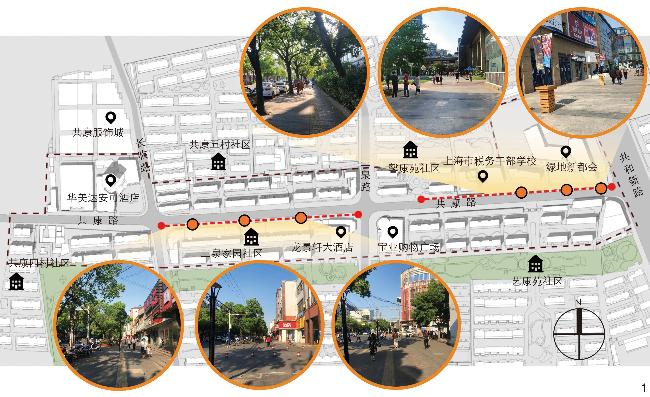
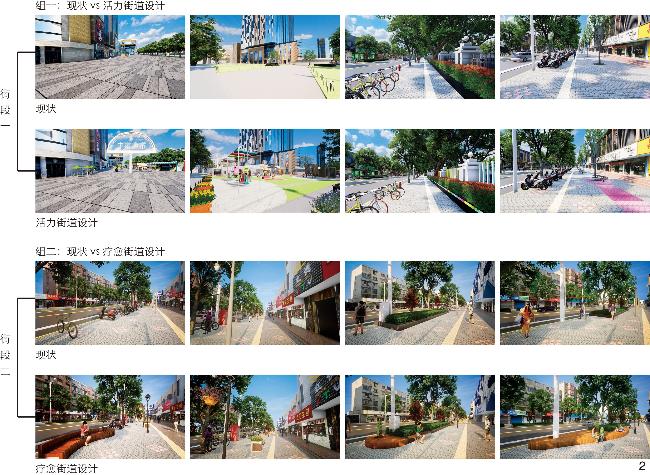
[Methods] The 408 Research Group of Tongji University, in collaboration with the government of Miaohang Town, Baoshan District, Shanghai City, organized a participatory workshop to conduct street micro-renewal designs with the goal of enhancing affective atmospheres. The workshop undertakes the design of two segments of Gongkang Road in Miaohang Town, and sets the design concepts for each segment as “vitality” and “healing” based on the current issues of the segments and the teaching objectives of promoting research-oriented design. To achieve the intended design outcomes, the workshop first conducts thorough data collection, including site information gathering and resident interviews. The collected data is then analyzed to extract key information and identify design issues. Based on the research and analysis results, design proposals are proposed and developed. Finally, the conceptual design is presented in VR to prepare for the evaluation of the design outcomes. During the evaluation phase, stakeholders, mainly residents and community staff, are invited to experience the street environment before and after the design in VR. Using both self-reported emotional questionnaire and physiological indicators such as SCL (skin conductance level) of EDA (electrodermal activity), mHR (mean heart rate), RMSSD (the root mean square of successive differences between normal heartbeats) and HFnorm/LFnorm (ratio of LFnorm to HFnorm) of HRV as measures of emotion, laboratory experiments are conducted to test whether the healing and vitality street designs presented by VR have different effects on participants’ emotions, and to assess whether the designed environment has achieved the desired affective atmosphere.
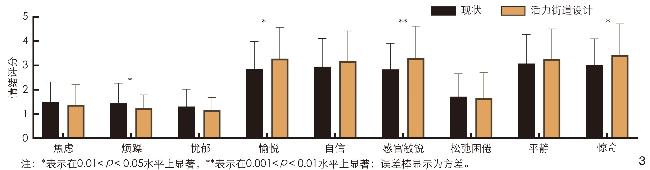
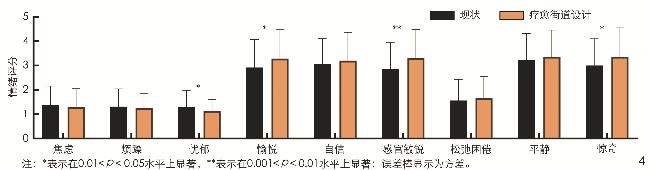
[Results] The research results show that compared to the simulated replication of the real environment, both street atmospheres can significantly enhance residents’ positive emotions (joy and alertness), as well as surprise in other affective states. However, the improvement in negative emotions differs: The healing street design significantly reduces residents’ downheartedness, while the vitality street design significantly reduces irritability. At the physiological level, the vitality street design significantly increases SCL, while the healing street design significantly increases HFnorm/LFnorm. On one hand, the experimental results partly confirm the effectiveness of the design proposals for the two street segments. Specifically, the combination of “high-quality activity nodes and lively design elements” can create a vital street atmosphere, while that of “natural elements, street furniture with biophilic design, and recreation facilities” can contribute to a healing street atmosphere. In the early stages of street micro-renewal design, it is important to deeply understand the emotional attitudes of local residents toward the street environment as well as their needs and suggestions for renewal, and to set appropriate goals for creating emotional atmospheres, select design strategies and elements accordingly, and verify the design effects through scientific methods. On the other hand, it also suggests that VR environmental experiences can help designers verify early environment can creates the desired emotional atmosphere. The process of evidence-based design is defined as a cyclic structure, consisting of four steps: evidence collection, programming, design, and evaluation. With the assistance of VR technology, the evaluation phase in this research shifts from the post-implementation stage to the pre-implementation stage, overcoming the constraints of real-world construction, use, and post-occupancy evaluation in terms of construction costs and time. This means that multiple rounds of evidence-based cycles can be achieved in a virtual environment. The use of wearable physiological sensors provides more convincing data support for the design. The outcome evaluation model, which combines public participation workshops with empirical experiments based on VR devices and wearable physiological sensors, significantly reduces the cost of evidence-based design, enhances the scientificity and precision of design, and accelerates the accumulation of experience and knowledge.
[Conclusion] The research provides empirical evidence for the different effects of “healing” and “vital” street atmospheres on emotions and provides a new reference for evidence-based design processes. In the current era, where there is a need for a more detailed transformation of urban construction models and people’s emotions require soothing in the post-pandemic era, designers should pay more attention to creating emotional atmospheres in urban spaces. Therefore, design practices aimed at accurately creating specific emotional atmospheres, theoretical and empirical reseach that can provide supporting evidence for the aforesaid aim, as well as methods and pathways for achieving this aim, should be given more attention by designers and researchers and become one of the focal points of their work.
ZHANG Zhen , XU Leiqing . Creating Emotions in Virtual Reality:An Evidence-Based Exploration of Micro-renewal Designs for Healing and Vitality Streets[J]. Landscape Architecture, 2024 , 31(4) : 53 -60 . DOI: 10.3724/j.fjyl.202401250060
表1 疗愈街道与活力街道的情感氛围营造对比Tab. 1 Comparison between healing streets and vitality streets in the creation of affective atmosphere |
| 街道类型 | 目标 | 氛围 | 调性 | 受众 |
|---|---|---|---|---|
| 疗愈街道 | 提供有助于人们从紧张和疲劳状态中恢复的环境 | 温和、安全、舒适、自然的氛围,支持休息和恢复 | 注重舒适的个人空间以及提供私密性和放松的场所 | 适用于需要休息和恢复的人 |
| 活力街道 | 创造有助于增强活力和精力的环境 | 充满活力、鼓舞人心,促进积极的情感和活跃的生活方式 | 注重开放的社交空间,以激发创造力和社交互动 | 适用于寻求能量、动力和积极体验的人 |
表2 现状vs活力街道设计:生理指标的配对样本t检验结果Tab. 2 Difference in t-test results of paired samples of physiological indicators between the current scene and the vitality street design scene |
| 指标 | 均值 | t | p | |
|---|---|---|---|---|
| 现状 | 活力设计 | |||
| 注:*表示在0.01<p<0.05水平上显著。 | ||||
| SCL/μs | 3.219 | 4.209 | −2.401 | 0.019* |
| mHR/次·min-1 | 76.910 | 76.810 | 0.042 | 0.967 |
| RMSSD | 316.936 | 360.220 | −0.681 | 0.498 |
| HFnorm/LFnorm | 0.906 | 0.973 | −0.588 | 0.558 |
表3 现状vs疗愈街道设计:生理指标的配对样本t检验结果Tab. 3 Difference in t-test results of paired samples of physiological indicators between the current scene and the healing street design scene |
| 指标 | 均值 | t | p | |
|---|---|---|---|---|
| VR现状 | 疗愈设计 | |||
| 注:*表示在0.01<p<0.05水平上显著。 | ||||
| SCL/μs | 3.205 | 2.847 | 0.975 | 0.333 |
| mHR/次·min-1 | 79.000 | 78.690 | 0.169 | 0.866 |
| RMSSD | 236.818 | 260.181 | −0.630 | 0.531 |
| HFnorm/LFnorm | 1.018 | 1.257 | −2.588 | 0.012* |
文中图表均由作者绘制。
| [1] |
DEGEN M M, ROSE G. The Sensory Experiencing of Urban Design: The Role of Walking and Perceptual[J]. Urban Studies, 2012, 49 (15): 3271-3287.
|
| [2] |
HOLLANDER J B, ANDERSON E C. The Impact of Urban Façade Quality on Affective Feelings[J]. Archnet-IJAR: International Journal of Architectural Research, 2020, 14 (2): 219-232.
|
| [3] |
ANDERSON B. Affective Atmospheres[J]. Emotion Space & Society, 2009, 2 (2): 77-81.
|
| [4] |
ABUSAADA H. Strengthening the Affectivity of Atmospheres in Urban Environments: The Toolkit of Multi-sensory Experience[J]. Archnet-IJAR: International Journal of Architectural Research, 2020, 14 (3): 379-392.
|
| [5] |
THIBAUD J P. The Backstage of Urban Ambiances: When Atmospheres Pervade Everyday Experience[J]. Emotion, Space and Society, 2015, 15: 39-46.
|
| [6] |
白雪燕, 童明. 城市微更新: 从网络到节点, 从节点到网络[J]. 建筑学报, 2020 10: 8-14.
BAI X Y, TONG M. Micro Urban Regeneration: From the Networks to Nodes and Vice Versa[J]. Architectural Journal, 2020 10: 8-14.
|
| [7] |
华霞虹, 庄慎. 以设计促进公共日常生活空间的更新: 上海城市微更新实践综述[J]. 建筑学报, 2022 (3): 1-11.
HUA X H, ZHUANG S. Promoting Everyday Public Space Through Design: A Review of Urban Micro-regeneration Practices in Shanghai[J]. Architectural Journal, 2022 (3): 1-11.
|
| [8] |
黄舒晴, 徐磊青. 社区街道活力的影响因素及街道活力评价: 以上海市鞍山社区为例[J]. 城市建筑, 2017 11: 31-34.
HUANG S Q, XU L Q. Influencing Factors of Community Street Vitality and Evaluation of Street Vitality: A Case Study of Anshan Community in Shanghai[J]. Urbanism and Architecture, 2017 11: 31-34.
|
| [9] |
冯月, 余翩翩. 社区街道活力评价及影响因子辨析: 以成都市为例[J]. 西部人居环境学刊, 2019, 34 (6): 18-24.
FENG Y, YU P P. Evaluation of Community Street Vitality and Its Impact Factors Analysis: A Case Study of Chengdu[J]. Journal of Human Settlements in West China, 2019, 34 (6): 18-24.
|
| [10] |
罗帆, 汪原. 日常生活视野下的城市街道微改造设计研究: 以武汉市首义路为例[J]. 华中建筑, 2021, 39 (1): 106-109.
LUO F, WANG Y. Urban Street Micro-Reconstruction Design from the Perspective of Daily Life: Taking Wuhan Shouyi Road as an Example[J]. Huazhong Architecture, 2021, 39 (1): 106-109.
|
| [11] |
NOWOSIELSKI M, NOWOSIELSKA A. “Cold, Stony, Dehumanized”: Unexpected Outcomes of Revitalization on the Sensory Landscape and Ambience of Public Space: The Case of Cathedral Street (Ulica Tumska) in Płock[J]. Urbani Izziv, 2020, 31 (1): 66-77.
|
| [12] |
言语, 郭蓉春, 徐磊青. 塘桥社区启示录: 转型背景中社区公共空间营造教学工作坊的参与进程及其思考[J]. 新建筑, 2018 (2): 32-39.
YAN Y, GUO R C, XU L Q. Tangqiao Community Ispiration: Community Place-Making Design Studio’s Social Engagement Process and Relevant Thinking in the Context of Social Transformation of China[J]. New Architecture, 2018 (2): 32-39.
|
| [13] |
廖菁菁, 刘悦来, 冯潇. 公众参与老旧社区微更新的实现途径探索: 以上海杨浦创智片区政立路580弄社区为例[J]. 风景园林, 2020, 27 (10): 92-98.
LIAO J J, LIU Y L, FENG X. Approaches to Public Participation in Micro-renewal of Old Communities: A Case Study of Lane 580 Community, Zhengli Road, Yangpu Chuangzhi District in Shanghai[J]. Landscape Architecture, 2020, 27 (10): 92-98.
|
| [14] |
BROWN R D, CORRY R C. Evidence-Based Landscape Architecture: The Maturing of a Profession[J]. Landscape and Urban Planning, 2011, 100 (4): 327-329.
|
| [15] |
徐磊青, 孟若希, 黄舒晴, 等. 疗愈导向的街道设计: 基于VR实验的探索[J]. 国际城市规划, 2019, 34 (1): 38-45.
XU L Q, MENG R X, HUANG S Q, et al. Healing Oriented Street Design: Experimental Explorations via Virtual Reality[J]. Urban Planning International, 2019, 34 (1): 38-45.
|
| [16] |
叶宇, 周锡辉, 王桢栋. 高层建筑低区公共空间社会效用的定量测度与导控以虚拟现实与生理传感技术为实现途径[J]. 时代建筑, 2019 (6): 152-159.
YE Y, ZHOU X H, WANG Z D. A Quantitative Approach for Measuring Positive Social Impacts of Tall Buildings’ Lower Public Space Utilizing Virtual Reality and Biosensors Techniques[J]. Time + Architecture, 2019 (6): 152-159.
|
| [17] |
邵钰涵, 薛贞颖, 殷雨婷, 等. 街道景观视觉补偿公平性研究: 以上海市城市低等级街道为例[J]. 风景园林, 2020, 27 (9): 109-115.
SHAO Y H, XUE Z Y, YIN Y T, et al. Research on the Fairness of Streetscape Visual Compensation: Taking Shanghai Low Hierarchical Street as a Case Study[J]. Landscape Architecture, 2020, 27 (9): 109-115.
|
| [18] |
徐磊青. 街道转型: 一部公共空间的现代简史[J]. 时代建筑, 2017 (6): 6-11.
XU L Q. Transition of Street: A Brief History of Public Space[J]. Time + Architecture, 2017 (6): 6-11.
|
| [19] |
王金玲, 赵晓龙. 国内街道活力研究热点与演进: 基于citespace的知识图谱分析[J]. 住区, 2022 (4): 130-137.
WANG J L, ZHAO X L. Research Hotspots and Evolution of Domestic Street Vitality: A Quantitative Study of Atlas Based on Citespace[J]. Design Community, 2022 (4): 130-137.
|
| [20] |
高富丽, 王成芳, 杨若梅. 城市活力研究进展: 尺度、测度与机制[J]. 新建筑, 2023 (6): 10-14.
GAO F L, WANG C F, YANG R M. Research Progress in Urban Vitality: Scale, Measurement and Mechanism[J]. New Architecture, 2023 (6): 10-14.
|
| [21] |
KAPLAN S, TALBOT J F. Psychological Benefits of a Wilderness Experience[M]//ALTMAN I, WOHLWILL J F, et al. Human Behavior and Environment. New York: Plenum Press, 1983: 163-203.
|
| [22] |
TABRIZIAN P, BARAN P K, SMITH W R, et al. Exploring Perceived Restoration Potential of Urban Green Enclosure Through Immersive Virtual Environments[J]. Journal of Environmental Psychology, 2018, 55: 99-109.
|
| [23] |
YU C P, LEE H Y, LUO X Y. The Effect of Virtual Reality Forest and Urban Environments on Physiological and Psychological Responses[J]. Urban Forestry & Urban Greening, 2018, 35: 106-114.
|
| [24] |
YIN J, ARFAEI N, MACNAUGHTON P, et al. Effects of Biophilic Interventions in Office on Stress Reaction and Cognitive Function: A Randomized Crossover Study in Virtual Reality[J]. Indoor Air, 2019, 29 (6): 1028-1039.
|
| [25] |
徐磊青, 何南, 孟丹诚. 疗愈建筑学都市疗愈中的建筑环境及其指标[J]. 时代建筑, 2022 (5): 6-14.
XU L Q, HE N, MENG D C. Healing Architecture The Index and Factors of Built Environment in Urban Healing[J]. Time + Architecture, 2022 (5): 6-14.
|
| [26] |
徐磊青, 胡滢之. 疗愈街道一种健康街道的新模型[J]. 时代建筑, 2020 (5): 33-41.
XU L Q, HU Y Z. Healing Street: A New Model of Healthy Street[J]. Time + Architecture, 2020 (5): 33-41.
|
| [27] |
殷雨婷, 邵钰涵, 薛贞颖, 等. 疗愈性街景元素识别与评价研究[J]. 景观设计学, 2020, 8 (4): 76-89.
YIN Y T, SHAO Y H, XUE Z Y, et al. An Explorative Study on the Identification and Evaluation of Restorative Streetscape Elements[J]. Landscape Architecture Frontiers, 2020, 8 (4): 76-89.
|
| [28] |
LINDAL J P, HARTIG T. Effects of Urban Street Vegetation on Judgments of Restoration Likelihood[J]. Urban Forestry & Urban Greening, 2015, 14 (2): 200-209.
|
| [29] |
徐磊青, 孟若希, 陈筝. 迷人的街道: 建筑界面与绿视率的影响[J]. 风景园林, 2017, 24 (10): 27-33.
XU L Q, MENG R X, CHEN Z. Fascinating Streets: The Impact of Building Facades and Green View[J]. Landscape Architecture, 2017, 24 (10): 27-33.
|
| [30] |
ZHAO J W, WU J X, WANG H D. Characteristics of Urban Streets in Relation to Perceived Restorativeness[J]. Journal of Exposure Science Environmental Epidemiology, 2020, 30 (2): 309-319.
|
| [31] |
严雅琦, 田莉. 漫步四平: 上海社区微更新之街道空间的活化[J]. 人类居住, 2019 (2): 38-41.
YAN Y Q, TIAN L. Strolling in Siping: Vitalization of Street Space in the Micro-renewal of Communities in Shanghai[J]. Human Settlements, 2019 (2): 38-41.
|
| [32] |
王艳婷, 邱月泳. 城市针灸术: 天津街道空间微型疗愈环境设计探究[J]. 艺术与设计(理论), 2023, 2 (1): 70-72.
WANG Y T, QIU Y Y. Urban Acupuncture: An Exploration on the Design of Miniature Healing Environment in Tianjin Street Space[J]. Art and Design, 2023, 2 (1): 70-72.
|
| [33] |
LINDAL P J, HARTIG T. Architectural Variation, Building Height, and the Restorative Quality of Urban Residential Streetscapes[J]. Journal of Environmental Psychology, 2013 33: 26-36.
|
| [34] |
LI L, CHEN J H. Emotion Recognition Using Physiological Signals[C]//PAN Z G, CHEOK A, HALLER M, et al. International Conference on Artificial Reality and Tele-Existence. Berlin: Springer, 2006: 437-446.
|
| [35] |
DZEDZICKIS A, KAKLAUSKAS A, BUCINSKAS V. Human Emotion Recognition: Review of Sensors and Methods[J]. Sensors, 2020, 20 (3): 592.
|
| [36] |
STIGSDOTTER U K, SIDENIUS U. Keeping Promises: How to Attain the Goal of Designing Health-Supporting Urban Green Space[J]. Landscape Architecture Frontiers, 2020, 8 (3): 78-89.
|
/
| 〈 |
|
〉 |