

Analysis of Urban Historical Soundscape from the Perspectives of “Nativeness” and “Otherness”: A Case Study of Modern Hankou
|
XIAO Manyu gained her master’s degree from Wuhan University of Technology, and is a member of Power China Sichuan Electronic Power Engineering Co., Ltd. Her research focuses on architectural design and theory, and urban acoustic environment |
|
GUO Jian, Ph.D., is an associate professor in the School of Civil Engineering and Architecture, Wuhan University of Technology. His research focuses on historical city protection, and history of urban planning in China |
|
YU Zeyang, Ph.D., is a lecturer in the School of Civil Engineering and Architecture, Wuhan University of Technology. His research focuses on modern city and architecture |
Received date: 2023-03-16
Online published: 2025-12-15
Copyright
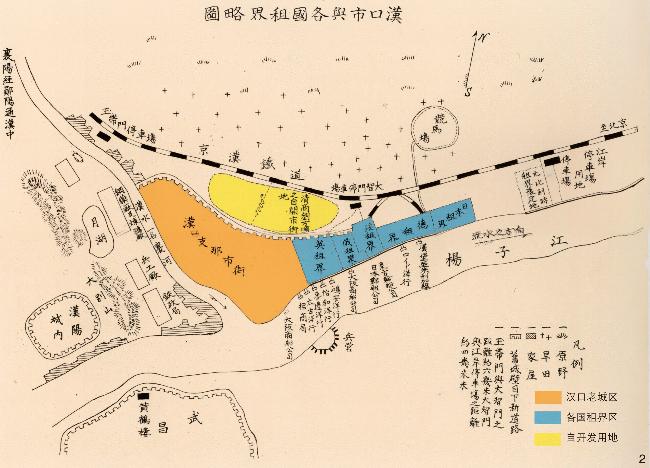
[Objective] The soundscape heritage of historical and cultural cities is an intangible cultural landscape heritage, which profoundly influences the tracing of the original historical context of cities, the expansion of the depth and breadth of urban context, and the enhancement of the vitality and driving power of urban culture. Hankou was forcibly opened in 1861, following which various countries established foreign concessions along the Yangtze River in Hankou. The conflict and collision of Chinese and Western cultures here contributed to the germination and development of Hankou’s early modern urban planning and construction, making Hankou’s urban texture, street interface morphology, and public activity space present distinct characteristics from other existing urban districts. Hankou’s urban acoustic environment has also changed, showing obvious characteristics of times and region. Taking modern Hankou as an example, this research reviews and comparatively analyzes the historical soundscape of modern Hankou based on the perspectives of “nativeness” and “otherness”, with a focus on the differences in the acoustic environment within Hankou’s urban space over nearly 80 years from 1861 to 1938, so as to interpret the characteristics of the two forms of soundscape (traditional soundscape and emerging soundscape) in the process of development and change of urban soundscape under different spatial types, lifestyles and management systems, and thus explore the humanistic attributes of historical soundscape in early modern urban space and expand the connotation of historical urban protection from multiple dimensions.
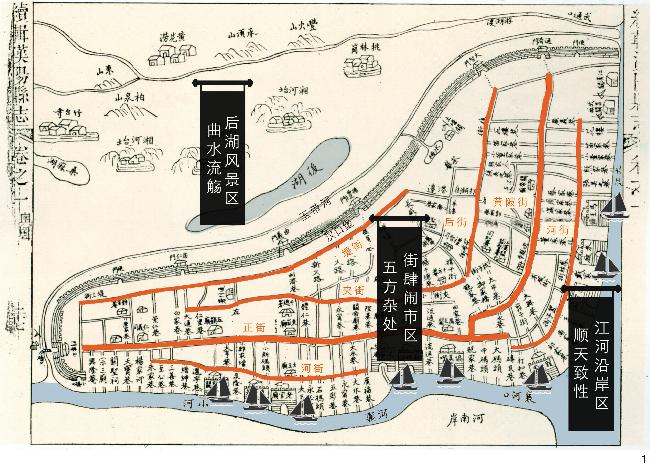
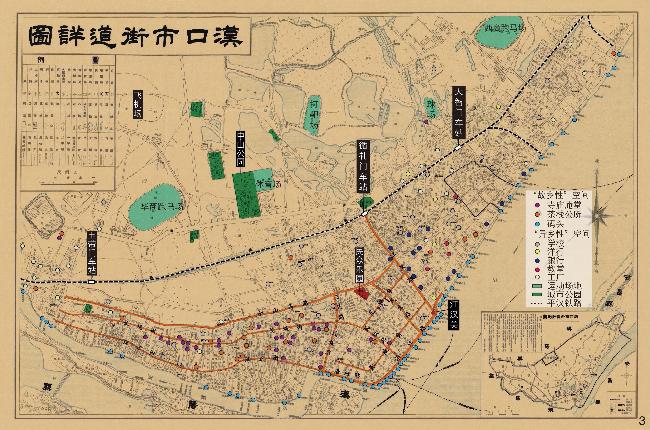
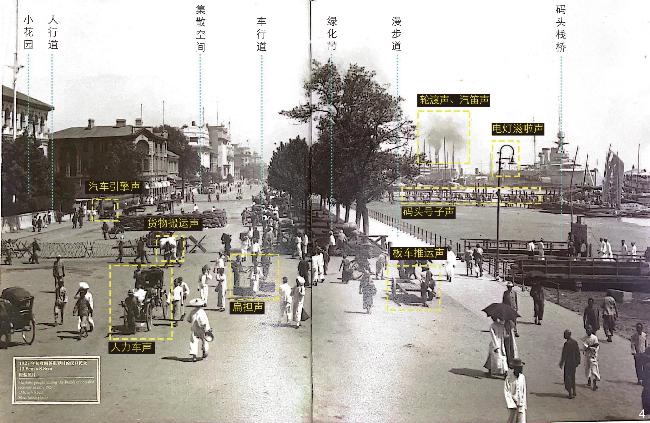
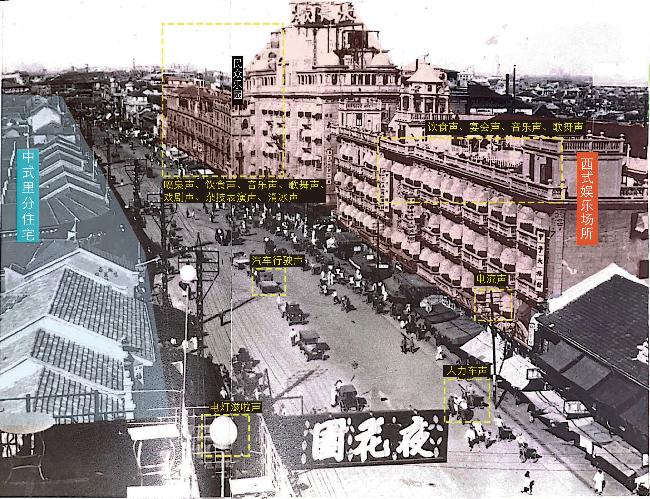
[Methods] Through the investigation of historical literature and the methods of descriptive statistical analysis, visual analysis, and comparative research, this research uses Hankou Bamboo Branch Songs as the primary sample to analyze the traditional soundscape of Hankou. It integrates other historical documents such as local chronicles, urban construction records, and cartographic scrolls to extract and deduce contextual information, spatial details, and soundscape characteristics of various sound sources in Hankou’s traditional soundscape. By comparing the evolution of historical maps of Hankou, the research delves into the urban spatial functions in depth, and visually analyzes the acoustic environmental elements of emerging soundscape by combining documentary records, urban functional layouts, and old photographs. Moreover, based on the “nativeness” and “otherness” aspects of the soundscape, the research categorizes the urban space of modern Hankou into three types (waterfront spaces, urban streets, and recreational green spaces) for comparative analysis.
[Results] By analyzing the soundscape atmosphere characteristics of the three types of spaces above, the research finds that the evolution from the traditional soundscape characterized by “Shun Tian Zhi Xing” (conforming to nature), “Wu Fang Za Chu” (congregation of people from all walks of life), and “Qu Shui Liu Shang” (wine cup drifting along a flowing canal) to the emerging soundscape represented by “Zhi Xu Jing Ran ” (orderliness), “Jian Rong Bing Xu” (inclusiveness), and “Ren Yu Ma Si” (hustle and bustle), is a process that first reflects a shift in human attitudes from conforming with destiny and respecting nature to orderly planning and remaking nature, which demonstrates humanity’s continuous adaptation and reshaping of the environment. Furthermore, it represents a progression from the integration of diverse local indigenous cultures to the coexistence of Chinese and foreign cultures, illustrating the balance and harmony among various cultural elements within the city. Additionally, it signifies an expansion from the elegant and leisurely lifestyle to the exploration of exotic and novel experiences, reflecting the persistent pursuit of new lifestyle and curiosity towards fresh things in human society. Ultimately, this complex yet regular change of historical soundscape ultimately shapes unique and vibrant cultural landscapes. Research results reveal the transformational features and driving mechanisms of historical soundscape in urban spaces, indicating that the transformation of historical soundscape in early modern urban space involves a dualistic juxtaposition of “nativeness” and “otherness”.
[Conclusion] By further understanding the “nativeness” and “otherness” in historical soundscape, it is possible to deeply contemplate the individual’s needs for acoustic experience and emotional connection in urban environments, comprehensively understand the diversity and complexity of urban soundscape, and guide urban renewal efforts to consider the original urban acoustic environment in order to shape identity and urban belonging. Additionally, researching the historical changes in urban spatial soundscape may help deepen the understanding of urban social, technological, and cultural innovations, thus enriching the overall understanding of urban history by urban subjects. It may also offer inspiration and material for artists and creators to articulate the historical and cultural significance of cities. Therefore, historical soundscape should be universally included in the research on cultural landscape heritage, and the “nativeness” and “otherness” of historical soundscape deeply embedded in urban memory should be given sufficient attention.
XIAO Manyu , GUO Jian , YU Zeyang . Analysis of Urban Historical Soundscape from the Perspectives of “Nativeness” and “Otherness”: A Case Study of Modern Hankou[J]. Landscape Architecture, 2024 , 31(4) : 125 -132 . DOI: 10.3724/j.fjyl.202303160127
表1 《汉口竹枝词》中的历史声景分析Tab. 1 Analysis of historical soundscape in Hankou Bamboo Branch Songs |
| 声景分类 | 声源 | 描写次数 | 代表情境 | 典型诗句 | 空间信息 | |
|---|---|---|---|---|---|---|
| 注:“—”代表诗句中无具体对应的空间信息。 | ||||||
| 自 然 声 | 地理声 | 风声 | 15 | 微风吹拂 | 小河齐放水灯红,整整斜斜水面风 | 河岸边 |
| 寒风凛凛 | 仲冬天气肃风霜,腊肉腌菜尽出缸 | 街巷 | ||||
| 水声 | 25 | 汉江急浪 | 龙王庙口汉江连,急浪惊泷似箭穿 | 码头 | ||
| 平湖涨水 | 水涨平湖景致多,远霞红透晚来波 | 后湖 | ||||
| 划桨压水 | 大江浪起白头鲜,划子随风一叶颠 | 江面 | ||||
| 流水无情 | 半随流水半成烟,半入泥沙半压船 | — | ||||
| 雨声 | 1 | 檐下听雨 | 月余大雨似盆倾,檐际长闻瀑布声 | 檐下 | ||
| 生物声 | 野禽声 | 4 | 野鸭啄麦 | 冬日野凫春麦啄,尚和酒客结因缘 | — | |
| 人 工 声 | 人声 | 话语声 | 14 | 寒暄客套 | 几句寒暄通套语,舌尖透出十分春 | — |
| 谈笑声 | 4 | 谈笑大方 | 大方全不避生人,茗碗烟筒笑语亲 | — | ||
| 叫卖声 | 7 | 吆喝叫卖 | 芝麻馓子叫凄凉,巷口鸣锣卖小糖 | 街巷 | ||
| 人类活动声 | 饮食声 | 20 | 茶余用膳 | 四座无言丝肉脆,望湖泉外月如霜 | 茶馆 | |
| 做工声 | 3 | 斧椎之声 | 锯屑霜飞撕板料,椎声雷震打烟筒 | 街巷 | ||
| 弹棉花声 | 败絮残花弹不了,飞灰容易呛喉咙 | |||||
| 宴会声 | 8 | 丧喜宴乐 | 丧仪喜事及良辰,乐户安排鼓吹新 | 街巷 | ||
| 琵琶声 | 1 | 琵琶笙歌 | 琵琶遮面秋波溜,郎自吃茶侬自歌 | 后湖 | ||
| 歌舞声 | 7 | 弦歌之声 | 沿湖茶肆夹花庄,终岁笙歌拟教坊 | 后湖 | ||
| 戏曲声 | 16 | 动物戏法 | 猴子狗熊顽棍棒,雀儿老鼠打秋千 | 后湖 | ||
| 戏剧表演 | 芦棚试演梁山调,纱幔轻遮木偶场 | |||||
| 器物声 | 铜铃声 | 1 | 铜铃叮当 | 门上铜铃闲出入,一开一闭响锒铛 | 街巷 | |
| 碰击声 | 3 | 银钱落地 | 银钱落地不粘鞋,地板重将木栅排 | — | ||
| 交通声 | 脚步声 | 12 | 摩肩擦踵 | 四通八达巷如塍,路窄墙高脚响腾 | 街巷 | |
| 车轿声 | 车轿喧阗 | 下街宅宇总临街,车轿喧阗室有埃 | 街巷 | |||
| 行船声 | 舳舻相接 | 廿里长街八码头,陆多车轿水多舟 | 码头 | |||
| 社会声 | 锣鼓声 | 12 | 冬令查夜 | 捕营鼓角二更摧,栅子重重上锁才 锣不停敲梆乱打,怕他查夜委员来 | 街巷 | |
| 炮竹声 | 5 | 炮竹喧天 | 千艘万楫聚塘坳,炮竹声喧沸海潮 | 码头 | ||
| 祭祀声 | 11 | 求神敬神 | 岳神诞日进香来,人海人山挤不开 | 寺庙 | ||
| 祭祀先祖 | 终岁何曾祭祀供,中元包袱万家同 | 街巷 | ||||
| 寺院钟声 | 1 | 鸣钟晓夜 | 十点钟鸣夜气凉,内庭筵宴始收场 | 街巷 | ||
| 磬声 | 2 | 岁末磬响 | 铁磬一声街上过,过年消息此中探 | 街巷 | ||
表2 近代汉口的传统声景与新兴声景Tab. 2 Traditional and emerging soundscapes in modern Hankou |
| 声景分类 | “故乡性”传统声景(19世纪50年代) | “异乡性”新兴声景(20世纪30年代) |
|---|---|---|
| 注:声景分类均属于表1中的人工声,根据不同功能的声景进行归类与对比。 | ||
| 商贸声 | 叫卖声、响器声、扁担声、货物搬运声、摊位摆放及拆卸声、手工制作声、饮食声、行帮聚会声、方言交谈声 | 洋行交易声、电声、工业声、机械声 |
| 交通声 | 脚步声、车轿声、行船声、纤夫拉纤声、码头号子声 | 人力车声、汽车引擎声、铁路轮轨声、鸣笛声、轮渡声、汽笛声、飞机轰鸣声 |
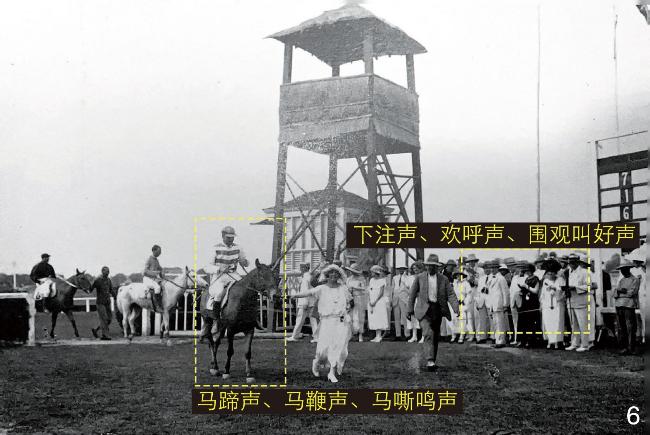
| 游憩声 | 戏法杂耍声、评书声、吃茶喝酒声、骑马射箭声、斗鸡遛鸟声、吟咏作画声、闹灯会声、围观叫好声 | 音乐声、歌舞声、戏剧表演声、跑马声、照相声、电影放映声、球类运动声、打靶声 |
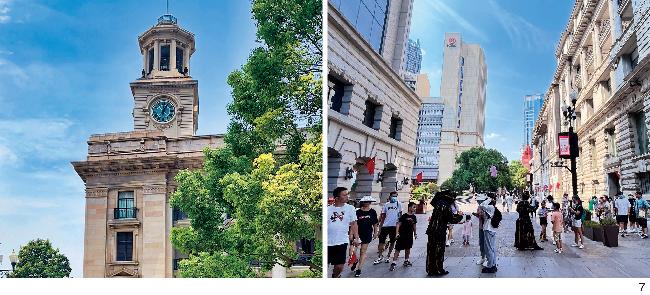
| 社会声 | 管弦乐声、戏曲声、锣鼓声、炮竹声、寺庙钟声、诵经声、木鱼声、铃铎声、祭祀声 | 江汉关钟声、教堂礼拜声、唱诗声 |
| [1] |
巴莫曲布嫫. “无形文化遗产”: 定义与保护[EB/OL].(2006-08-08)[2024-02-19].http://iel.cass.cn/fwzwhycbh/yczs/200608/t20060808_2763801.shtml
BAMO Q. “Intangible Cultural Heritage”: Definition and Protection[EB/OL].(2006-08-08)[2024-02-19].http://iel.cass.cn/fwzwhycbh/yczs/200608/t20060808_2763801.shtml
|
| [2] |
秦佑国. 声景学的范畴[J]. 建筑学报, 2005 (1): 45-46.
QIN Y G. The Category of Soundscape[J]. Architectural Journal, 2005 (1): 45-46.
|
| [3] |
MANOHARAN P, OTHMAN J A. The Soundscape of “Bermulanya Di Sini...Kedah Tua”![J]. Wacana Seni Journal of Arts Discourse, 2019, 18 (1): 33-38.
|
| [4] |
DJIMANTORO M I, MARTOKUSUMO W, POERBO H W, et al. The Historical Soundscape Analysis of Fatahillah Square, Jakarta[J]. Acoustics, 2020, 2 (4): 847-867.
|
| [5] |
FIRAT H B, MASULLO M, MAFFEI L, et al. The Soundscape Reconstructions of the Early 20th Century Vendor Cries in Streets of Istanbul and Naples with Two 3D Sound Spatialization Approaches[C]//Institute of Noise Control Engineering. INTER-NOISE and NOISE-CON Congress and Conference Proceedings. Seoul: [s.n.], 2020: 3465-3476.
|
| [6] |
许晓青, 周宏俊. 明末清初黄山历史声景初探[J]. 中国园林, 2018, 34 (11): 25-31.
XU X Q, ZHOU H J. Research of Mount Huangshan Historical Soundscape from Late Ming to Early Qing Dynasties[J]. Chinese Landscape Architecture, 2018, 34 (11): 25-31.
|
| [7] |
季睿, 林守伟, 李胜, 等. 西湖风景区水乐洞声景变迁探析[J]. 中国园林, 2022, 38 (5): 139-144.
JI R, LIN S W, LI S, et al. Study on the Changes of Soundscape of Shuile Cave in the West Lake Scenic Spot[J]. Chinese Landscape Architecture, 2022, 38 (5): 139-144.
|
| [8] |
郑新尧, 傅凡. 香山静宜园历史声景研究[J]. 中国园林博物馆学刊, 2021 (0): 52-56.
ZHENG X Y, FU F. A Study on the Historical Soundscape of Xiangshan Jingyi Garden[J]. Journal of the Museum of Chinese Gardens and Landscape Architecture, 2021 (0): 52-56.
|
| [9] |
蒲宝婧, 沈金辉, 许晓青. 上海秋霞圃古今声景对比研究[J]. 园林, 2022, 39 (10): 20-27.
PU B J, SHEN J H, XU X Q. Comparative Study of Ancient and Modern Soundscape in Shanghai Qiuxia Garden[J]. Landscape Architecture Academic Journal, 2022, 39 (10): 20-27.
|
| [10] |
槙文彦, 胡慧琴. 现代城市与建筑的质量[J]. 建筑学报, 1993 12: 47-50.
FUMIHIKO M, HU H Q. The Quality of Modern Cities and Architecture[J]. Architectural Journal, 1993 12: 47-50.
|
| [11] |
李百浩, 薛春莹, 王西波, 等. 图析武汉市近代城市规划(1861~1949)[J]. 城市规划汇刊, 2006(6): 23-28,79.
LI B H, XUE C Y, WANG X B, et al. Analysis on Early Modern Urban Planning of Wuhan City (1861−1949)[J]. Urban Planning Forum, 2006(6): 23-28,79.
|
| [12] |
叶调元. 汉口竹枝词校注[M].徐明庭, 马昌松, 校注. 武汉: 湖北人民出版社, 1985: 239.
YE D Y. Annotations on Hankou Bamboo Branch Songs[M]. XU M T, MA C S, proofread and annotated. Wuhan: Hubei People's Press, 1985: 239.
|
| [13] |
徐明庭. 叶调元与《汉口竹枝词》[J]. 武汉文史资料, 2008 (4): 56-60.
XU M T. Ye Diaoyuan and Hankou Bamboo Branch Songs[J]. Wuhan Cultural & Historical Data, 2008 (4): 56-60.
|
| [14] |
《武汉历史地图集》编纂委员会. 武汉历史地图集[M]. 北京: 中国地图出版社, 1998: 143.
Wuhan Historical Atlas Compilation Commission. Historical Atlas of Wuhan[M]. Beijing: Sino Maps Press, 1998: 143.
|
| [15] |
林晶. 汉正街系列研究之声景研究[D]. 武汉: 华中科技大学, 2008.
LIN J. Monographs on the Social Spatiality of Hanzheng Jie Area of Wuhan City: Soundscape Research[D]. Wuhan: Huazhong University of Science and Technology, 2008.
|
| [16] |
范锴. 汉口丛谈校释[M].江浦, 等, 校注. 武汉: 湖北人民出版社, 1990.
FAN K. Annotations on Hankou Talks[M]. JIANG P, et al, proofread and annotated. Wuhan: Hubei People’s Press, 1990.
|
| [17] |
樊枫. 绝代风华: 一部用艺术链接的城市史[M]. 武汉: 武汉出版社, 2015.
FAN F. Peerless Beauty: A History of the City Linked by Art[M]. Wuhan: Wuhan Publishing House, 2015.
|
| [18] |
李百浩, 徐宇甦, 吴凌. 武汉近代里分住宅研究[J]. 华中建筑, 2000 (3): 116-117.
LI B H, XU Y S, WU L. Research of Wuhan Modem Li-Fen Residence[J]. Huazhong Architecture, 2000 (3): 116-117.
|
| [19] |
武汉地方志编纂委员会. 武汉市志: 城市建设志[M]. 武汉: 武汉大学出版社, 1996: 840-841.
Wuhan Local Chronicles Compilation Commission. Wuhan Chronicles: Urban Construction Chronicle[M]. Wuhan: Wuhan University Press, 1996: 840-841.
|
| [20] |
康健, 杨威. 城市公共开放空间中的声景[J]. 世界建筑, 2002 (6): 76-79.
KANG J, YANG W. Soundscape in Urban Open Public Spaces[J]. World Architecture, 2002 (6): 76-79.
|
| [21] |
林广思, 吴安格, 蔡珂依. 场所依恋研究: 概念、进展和趋势[J]. 中国园林, 2019, 35 (10): 63-66.
LIN G S, WU A G, CAI K Y. Research on Place Attachment: Concept, Progress and Trend[J]. Chinese Landscape Architecture, 2019, 35 (10): 63-66.
|
/
| 〈 |
|
〉 |