

Multi-dimensional Element Graph Construction and Spatial Representation of Gardens in the Fuhai Area of Yuanmingyuan Based on Literary Cartography
|
CAO Yuchao is a Ph.D. candidate in the School of Architecture, Tianjin University. Her research focuses on architectural design theory, and garden history and theory |
|
ZHANG Nan, Ph.D., is an assistant researcher in the School of Architecture, Tianjin University. Her research focuses on architectural design and theory thereof, and visual mechanism of classical gardens and graphic representation thereof |
|
KONG Yuhang, Ph.D., is a chair professor in the School of Architecture, Tianjin University. His research focuses on architectural design and theory thereof, and contemporary methods for translating traditional architecture |
Received date: 2024-07-27
Revised date: 2025-02-14
Online published: 2025-12-14
Copyright
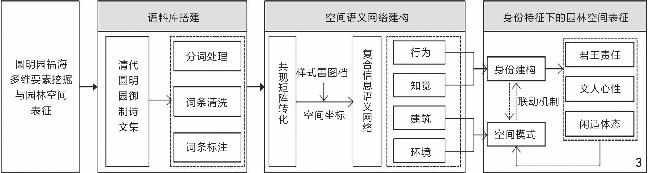
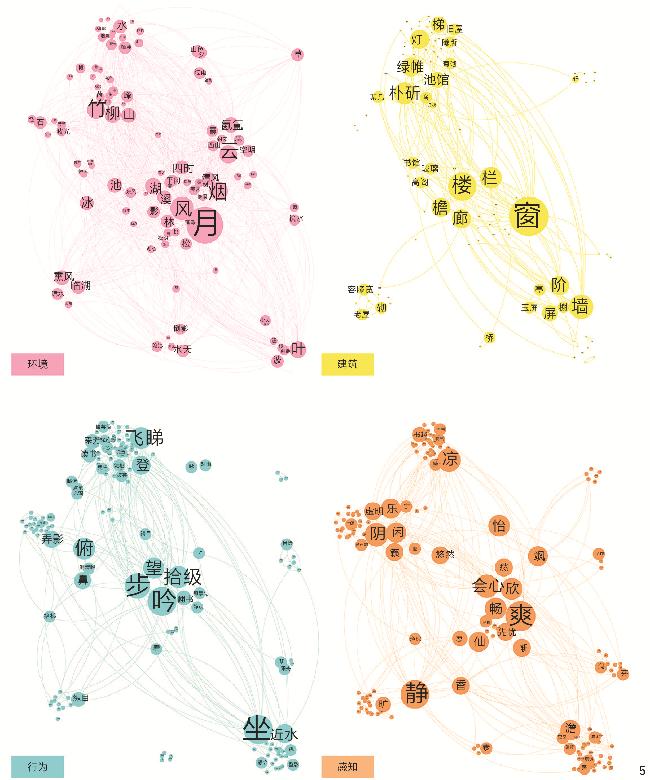
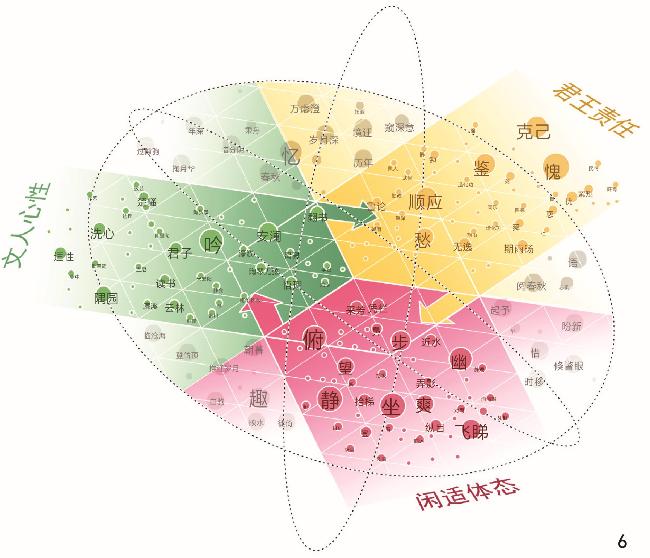
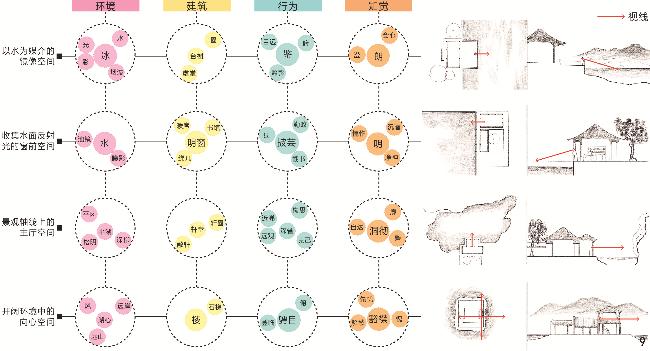
Objective The integrated knowledge system of “environment – architecture – behaviour – perception” embedded in classical Chinese gardens has not been systematically recognized in the contemporary research system dominated by the study of material entities and combined with the contemporary design theory system, resulting in the disconnection between ontology research and design research of classical gardens, and the inefficiency of the transformation and application of research results. Aiming at the problem of excavating and characterizing multi-dimensional elements in classical gardens, this research reviews imperial poems in the Fuhai area of Yuanmingyuan Garden, summarizes the coupling relationship of key elements, and puts forward a suitable method of knowledge characterization, so as to expand the research path of “immaterial” gardens depicted in the poems. Methods The utilization of text mining, knowledge graph and associated technologies, in conjunction with the Forty Scenes of Yuanmingyuan and the Yangshi Lei Archives, along with other historical materials, facilitates the characterization of the imperial poetry texts regarding the Fuhai area in Yuanmingyuan during the Qianlong period. This characterization employs literary cartography and semantic network analysis to elucidate the linkage mechanism between the objective material elements in the ten scenes of the Fuhai area and the subjective behavioral perceptions. Initially, the aforesaid poems are subject to the steps of physical lexicon production, word division, word annotation, and data cleaning. The four types of elements, namely architecture, environment, behavior and perception, are then extracted. These elements are then combined with the 3D spatial model to create a layout map and to map the local semantic network corresponding to the physical object and the spatial layout. Secondly, the four types of elements are automatically recognized by software, supplemented by manual recognition and correction, to obtain the strength of semantic association between the elements, establish the binary matrix relationship, and form the Node-Edge reflecting the interrelationships of the words and phrases. The semantic information mapped by the words and their relative positions in the Node-Edge is then used to carry out clustering, and the connectivity of the elements is determined according to the semantic and syntactic associations to form the associated element library. The final stage of the analysis involves the clustering of behavioral and perceptual information according to different identity consciousnesses and emotional tendencies. Three typical identities are selected for identity space mapping: Emperor, literati and loiterer. This is done so that the “environment – architecture” elements associated with “perception – behavior” under each typical identity can be excavated. The material space elements associated with “perception – behavior” under each typical identity are then explored. The spatial patterns under the three types of identities are constructed from the levels of spatial element, organizational structure, and behavioral perception, combined with the spatial information in the Yangshi Lei Archives and the Forty Scenes of Yuanmingyuan. Results The research has constructed a multi-dimensional elements graph of “environment − architecture − behavior − perception” in the Fuhai area, and has restored the spatial usage scenarios of Fuhai through spatial semantic analysis. The “behavior – perception” characteristics of three typical identity consciousnesses — emperor's responsibility, literati’s mentality, and loiterer's posture — are extracted, and the corresponding spatial semantic network of the garden is constructed. Conclusion The research proposes a novel methodology for the analysis of classical gardens, with a particular focus on the identification of spatial information and subjective perception data embedded within textual, visual, and physical elements. The proposed methodology involves a systematic exploration of the relationship between behavior, perception, environment, and architecture, with the objective of enhancing the understanding of the multifacetedness of these cultural spaces. The methodology outlined in this research addresses the challenges associated with the classification, correlation, and representation of garden information, offering a comprehensive framework for the analysis of classical gardens. The research sheds light on the spatial design principles employed during the reign of the Qianlong Emperor, providing a detailed insight into the construction of classical gardens. The research on the single-level coupling elements of traditional gardens is broken, and the synergistic response mechanism of “environment – architecture – behaviour – perception” is constructed, thereby overcoming the bottleneck of information synthesis and multi-objective computation regarding classical gardens. This provides methodological support for the cognition of classical gardens and quantification of multi-source information.
CAO Yuchao , ZHANG Nan , KONG Yuhang . Multi-dimensional Element Graph Construction and Spatial Representation of Gardens in the Fuhai Area of Yuanmingyuan Based on Literary Cartography[J]. Landscape Architecture, 2025 , 32(4) : 133 -142 . DOI: 10.3724/j.fjyl.202407270414
表1 “知觉-行为”原始词库的身份属性提取及词频排序Tab. 1 Identity attributes extraction and word frequency ranking of the original “perception − behavior” thesaurus |
| 身份意识 | 特征词 | 频次 |
|---|---|---|
| 君王 | 愧 | 7 |
| 鉴 | 7 | |
| 顺应 | 6 | |
| 克己 | 5 | |
| 愁 | 4 | |
| 先忧 | 4 | |
| 期雨旸 | 4 | |
| 无逸 | 4 | |
| 惭 | 4 | |
| 恧 | 3 | |
| 絜矩 | 3 | |
| 勉 | 3 | |
| 鲁论 | 3 | |
| 文人 | 吟 | 14 |
| 翻/读书(芸) | 10 | |
| 安澜(隅园) | 14 | |
| 籁 | 5 | |
| 泉石鸣(韵)/琤琮/淙 | 5 | |
| 楚骚(离骚) | 5 | |
| 书趣 | 5 | |
| 幽 | 5 | |
| 适性 | 4 | |
| 君子 | 4 | |
| 洗心 | 4 | |
| 陶琴无弦 | 3 | |
| 悟理 | 3 | |
| 闲人 | 坐 | 17 |
| 爽 | 15 | |
| 阴 | 15 | |
| 俯 | 14 | |
| 静 | 12 | |
| 闲 | 12 | |
| 拾级 | 10 | |
| 步 | 10 | |
| 畅 | 9 | |
| 凉 | 8 | |
| 望 | 8 | |
| 飞睇 | 7 | |
| 登 | 7 |
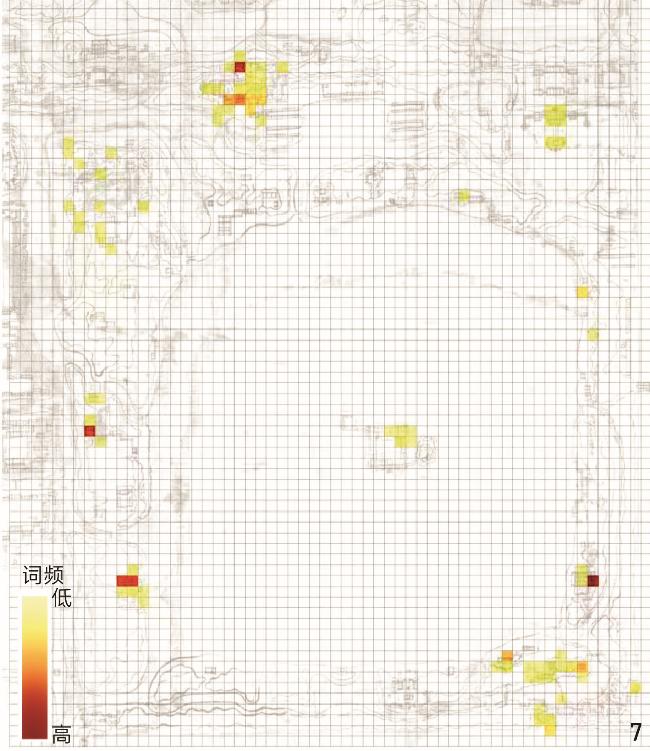
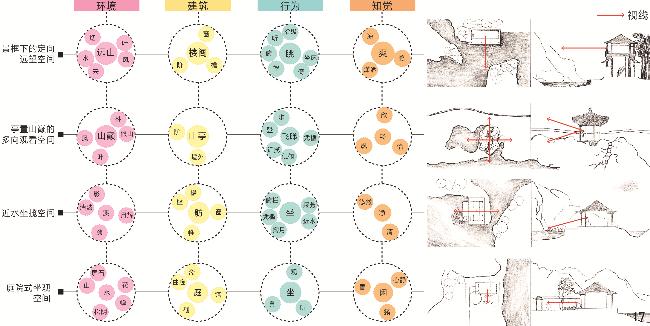
图7 君王身份意识特征词词频的空间热力图Fig. 7 Spatial heatmap of word frequency of emperor identity consciousness |
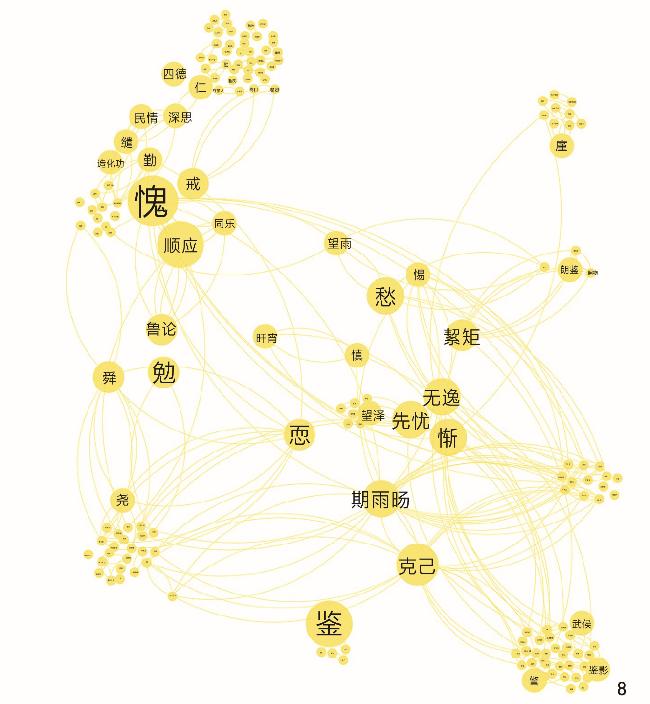
图8 君王身份意识相关的“行为-知觉”语义网络Fig. 8 Semantic network of “behavior – perception” related to emperor identity consciousness |
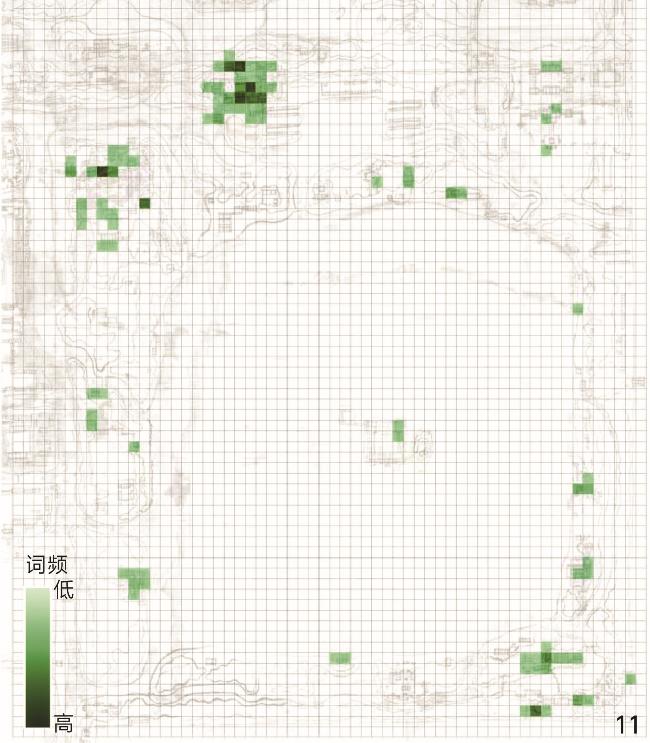
图11 文人身份意识特征词词频的空间热力图Fig. 11 Spatial heatmap of word frequency of literati identity consciousness |
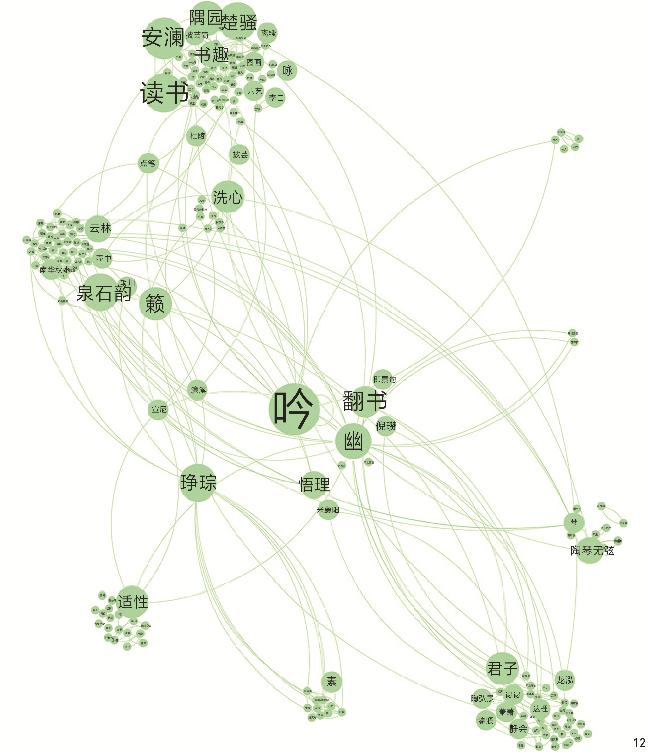
图12 文人身份意识相关“行为-知觉”的空间语义网络Fig. 12 Semantic network of “behavior – perception” related to literati identity consciousness |
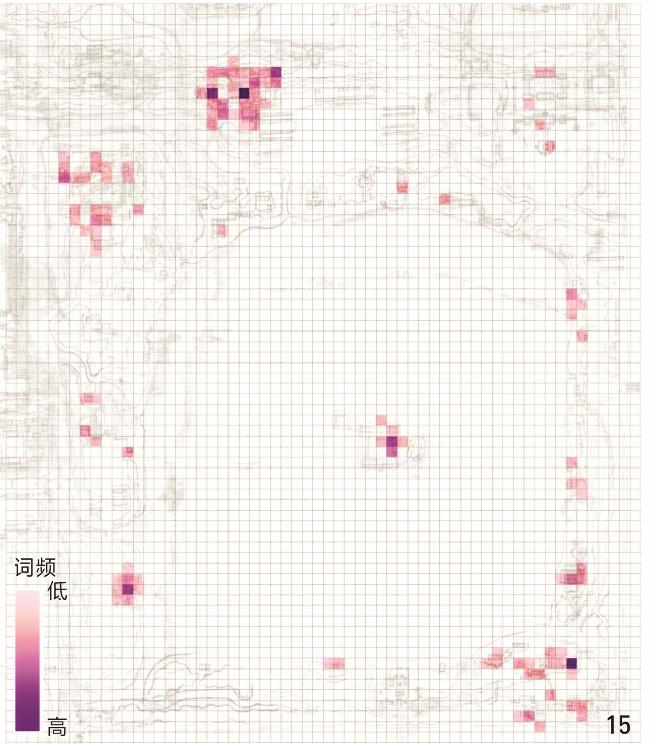
图15 闲人身份意识特征词词频的空间热力图Fig. 15 Spatial heatmap of word frequency of loiterer identity consciousness |
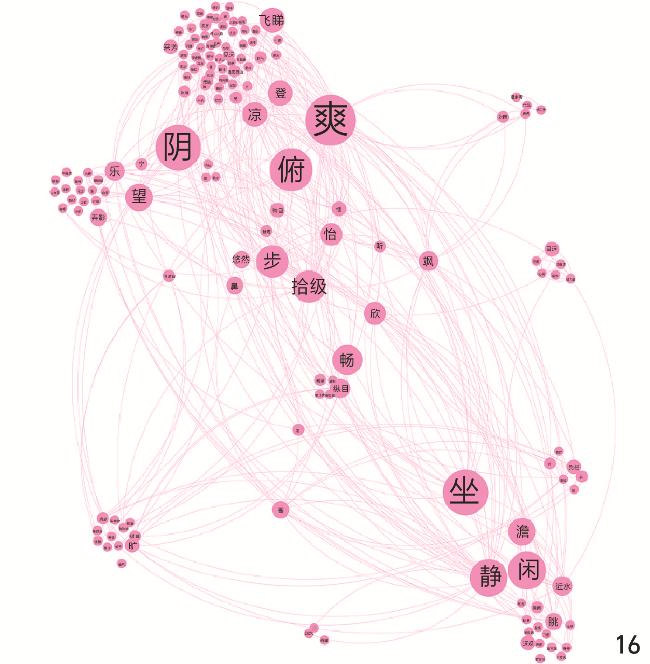
图16 闲人身份意识相关“行为-知觉”的空间语义网络Fig. 16 Semantic network of “behavior – perception” related to loiterer identity consciousness |
| [1] |
张凤梧, 阴帅可. 圆明园研究史初探(1930年至今)[J]. 中国园林, 2013, 29(10):121-124.
ZHANG F W, YIN S K. Analysis of the Research History of Yuanmingyuan (Since 1930)[J]. Chinese Landscape Architecture, 2013, 29(10):121-124.
|
| [2] |
中国圆明园学会. 圆明园(全五册)[M]. 北京: 中国建筑工业出版社, 2007.
China Society of Yuanmingyuan. Yuanmingyuan (Five Volumes)[M]. Beijing: China Architecture & Building Press, 2007.
|
| [3] |
张凤梧. 样式雷圆明园图档综合研究[D]. 天津: 天津大学, 2010.
ZHANG F W. Comprehensive Research on Yangshi Lei Archives of Yuanming Yuan[D]. Tianjin: Tianjin University, 2010.
|
| [4] |
贾珺. 圆明园造园艺术探微[M]. 北京: 中国建筑工业出版社, 2015.
JIA J. Exploration of the Landscape Art of Yuanmingyuan[M]. Beijing: China Architecture & Building Press, 2015.
|
| [5] |
郭黛姮. 重拾瑰宝圆明园[M]. 北京: 人民文学出版社, 2022.
GUO D H. An Appreciation of the Old Summer Palace[M]. Beijing: People’s Literature Publishing House, 2022.
|
| [6] |
辛俊婕, 魏菲宇, 郭奕瑶. “桃源”意象在古典园林中的空间表达探究: 以“武陵春色” 和“缘溪行”为例[J]. 古建园林技术, 2021(1):73-78.
XIN J J, WEI F Y, GUO Y Y. Exploration on the Spatial Expression of the Image of “Peach Garden” in Classical Gardens: A Case Study of “Wuling Chunse” and “Yuanxixing”[J]. Traditional Chinese Architecture and Gardens, 2021(1):73-78.
|
| [7] |
蔡燕丹, 朱蕾. 圆明园夹镜鸣琴意象解析[J]. 中国园林, 2022, 38(11):140-144.
CAI Y D, ZHU L. Imagery Analysis of Jiajing-Mingqin in Yuanmingyuan[J]. Chinese Landscape Architecture, 2022, 38(11):140-144.
|
| [8] |
王琳, 王雪, 崔山. 面面江村画意迎: 清帝御制诗中圆明园北远山村的水路游观[J]. 中国园林, 2022, 38 S2):126-129.
WANG L, WANG X, CUI S. Every Perspective of the Fishing Village to Visitors Likes a Landscape Painting: The Waterway Tour of Beiyuan Village in Yuanmingyuan in the Imperial Poems of Qing Dynasty[J]. Chinese Landscape Architecture, 2022, 38 S2):126-129.
|
| [9] |
王琳, 宋凤, 陈业东. 《圆明园四十景图》中的田园景观营造探究[J]. 城市建筑, 2020, 17(5):155-157.
WANG L, SONG F, CHEN Y D. Study on the Construction of Rural Landscape in Forty Pictures of the Old Summer Palace[J]. Urbanism and Architecture, 2020, 17(5):155-157.
|
| [10] |
LUCHETTA S. Exploring the Literary Map: An Analytical Review of Online Literary Mapping Projects[J]. Geography Compass, 2017, 11(1):e12303
|
| [11] |
THACKER A. The Idea of a Critical Literary Geography[J]. New Formations, 2005(57):56-73.
|
| [12] |
尹以俗, 刘娟娟. 基于“感知-偏好-人格” 的传统园林花木人格化研究: 以《全唐诗》松树为例[J]. 中国园林, 2024, 40(4):139-144.
YIN Y S, LIU J J. A Study of Traditional Garden Plant Personification Based on “Perception-Preference-Personality”: The Example of Pine Trees in the Complete Tang Poems[J]. Chinese Landscape Architecture, 2024, 40(4):139-144.
|
| [13] |
陈明坤, 冯黎, 卢奕芸, 等. 基于诗词解析的成都公园城市花木场景营建[J]. 风景园林, 2023, 30(11):44-50.
CHEN M K, FENG L, LU Y Y, et al. Construction of Flower and Tree Scenes in Chengdu Park City Based on Poetry Analysis[J]. Landscape Architecture, 2023, 30(11):44-50.
|
| [14] |
肖遥, 邵明, 马源. 基于古文献语义分析的清代北京城人居环境游憩活动及空间研究[J]. 风景园林, 2022, 29(2):134-139.
XIAO Y, SHAO M, MA Y. Research on Recreational Activities and Space of Human Settlements of Beijing in Qing Dynasty Based on Semantic Analysis of Ancient Literature[J]. Landscape Architecture, 2022, 29(2):134-139.
|
| [15] |
谢恬子, 傅凡, 郑德昊, 等. 基于诗词文本的北京西山文化景观格局研究[J]. 风景园林, 2024, 31(2):129-136.
XIE T Z, FU F, ZHENG D H, et al. Research on the Pattern of Cultural Landscape in the West Mountain of Beijing Based on Poetry Texts[J]. Landscape Architecture, 2024, 31(2):129-136.
|
| [16] |
徐涛, 徐斌, 张亚平, 等. 基于自然语言处理的钱塘江诗路唐诗景观要素挖掘与场景呈现[J]. 中国园林, 2023, 39(7):139-144.
XU T, XU B, ZHANG Y P, et al. Exploration of Landscape Elements in Tang Poetry and Scene Representation of Qiantang River Poetry Road Based on Natural Language Processing[J]. Chinese Landscape Architecture, 2023, 39(7):139-144.
|
| [17] |
杨伟昊, 张卫, 周洳帆. 语义网络视角下唐长安城佛寺空间形制特点[J]. 南方建筑, 2023(11):41-49.
YANG W H, ZHANG W, ZHOU R F. A Semantic Network Exploration of Spatial Features of Tang Dynasty Buddhist Temples in Chang’an City[J]. South Architecture, 2023(11):41-49.
|
| [18] |
吴潇, 李鑫, 赵炜. 基于唐诗文本挖掘的关中地区人文景观格局研究[J]. 风景园林, 2019, 26(12):52-57.
WU X, LI X, ZHAO W. Research on Cultural Landscape Patterns of Guanzhong Area Based on Text Mining of Tang Poetry[J]. Landscape Architecture, 2019, 26(12):52-57.
|
| [19] |
郭佳欣, 马昭仪, 肖天意, 等. 《长安十二时辰》对唐长安城市空间的当代重构: 一种文学制图的视角[J]. 数字人文研究, 2021, 1(2):9-20.
GUO J X, MA Z Y, XIAO T Y, et al. The Contemporary Reconstruction of Tang Chang’an Urban Space in The Longest Day in Chang’an: A perspective of Literary Cartography[J]. Digital Humanities Research, 2021, 1(2):9-20.
|
| [20] |
马昭仪, 何捷, 刘帅帅. 中国古典叙事文学的时空叙事数字模型研究: 以《李娃传》为例[J]. 地球信息科学学报, 2020, 22(5):967-977.
MA Z Y, HE J, LIU S S. Digital Model of Spatio-temporal Narratives of Chinese Classical Narrative Literature: A Case Study on the Tale of Li Wa[J]. Journal of Geo-Information Science, 2020, 22(5):967-977.
|
| [21] |
何重义, 曾昭奋. 圆明园园林艺术[M]. 北京: 中国大百科全书出版社, 2010.
HE C Y, ZENG Z F. Garden Art of Yuanmingyuan[M]. Beijing: Encyclopedia of China Publishing House, 2010.
|
| [22] |
何瑜. 清代圆明园御制诗文集: 第一辑[M]. 北京: 中国大百科全书出版社, 2020.
HE Y. Collection of Imperial Poems of Yuanmingyuan during the Qing Dynasty: the First Series[M]. Beijing: Encyclopedia of China Publishing House, 2020.
|
| [23] |
端木泓. 圆明园新证: 乾隆朝圆明园全图的发现与研究[J]. 故宫博物院院刊, 2009(1):22-36.
DUANMU H. New Evidence About Yuanming Yuan: The Discovery and Study of a Complete Map of the Garden Palace Complex from the Qianlong Period[J]. Palace Museum Journal, 2009(1):22-36.
|
| [24] |
孟凡玉. 从“诗意造园” 到“知夫画脉”: 寄畅园改园之较[J]. 建筑史学刊, 2023, 4(4):53-70.
MENG F Y. The Transition from “Poetic Gardening” to “Picturesque Gardening”: A Comparative Study of Jichang Garden[J]. Journal of Architecture History, 2023, 4(4):53-70.
|
| [25] |
埋田重夫. 白居易研究: 闲适的诗想[M]. 王旭东,译.西安: 西北大学出版社, 2019.
Shigeo Takeda. Study of Bai Juyi: The Poetic Imagination of Leisure[M]. WANG X D,translated. Xi’an: Northwest University Press, 2019.
|
/
| 〈 |
|
〉 |