

Inspiring Social Capital Through Community Green Space: Pathways and Implications
|
YE Lin is an associate professor in the Faculty of Architecture and Urban Planning, Chongqing University, and a member of the Key Laboratory of New Technology for Construction of Cities in Mountain Area, Ministry of Education. His research focuses on urban and rural ecological planning, and urban green space planning |
|
HE Shi is a master student in the Faculty of Architecture and Urban Planning, Chongqing University. Her research focuses on urban green space planning |
|
LI Yinghao is a master student of Faculty of Architecture and Urban Planning Chongqing University. His research focuses on urban green space planning |
|
YAN Zhaohui, Master, is director of and a professorate senior engineer in the No. 1 Planning Branch of the General Research Institute of Architecture & Planning Design Co., Ltd., Chongqing University. His research focuses on urban and rural ecological planning |
|
HUANG Lei, Master, is deputy director of the No. 1 Planning Branch of the General Institute of Architecture & Planning Design Co., Ltd., Chongqing University. His research focuses on urban and rural ecological planning |
Received date: 2024-06-27
Revised date: 2025-02-16
Online published: 2025-12-14
Copyright
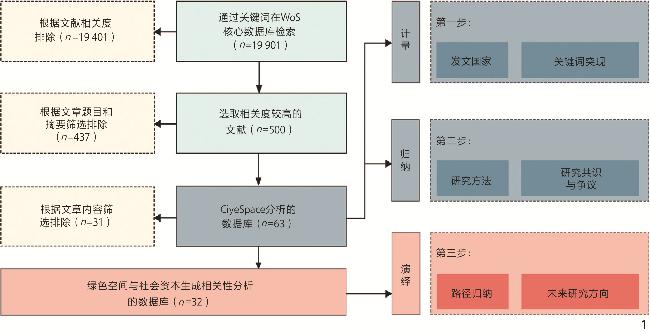
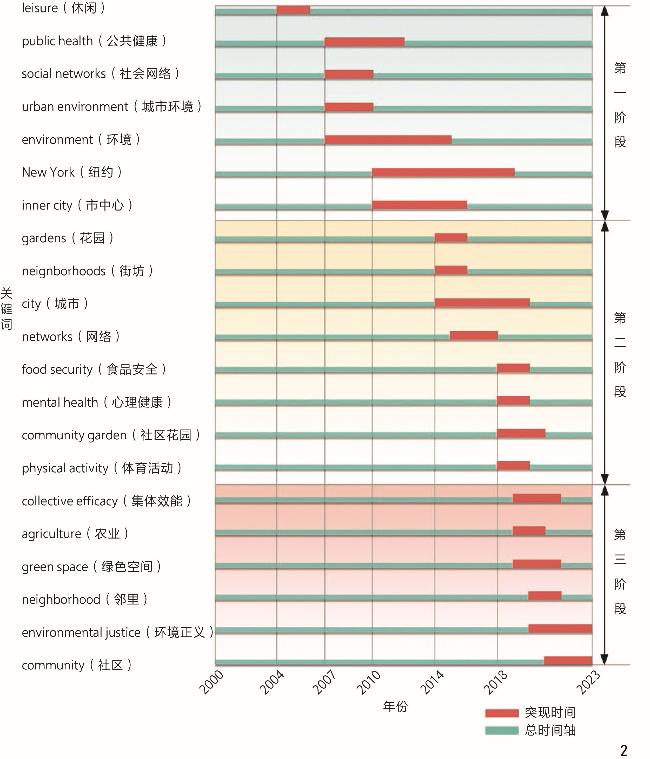
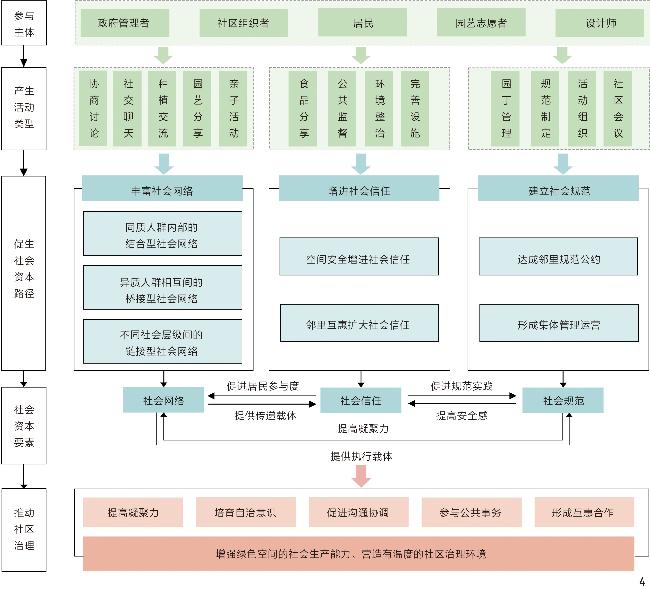
Objective The evolution of urban community governance in China has progressed through three distinct historical phases: The danwei (work unit) system under planned economy, the neighborhood committee system during market reform, and the current community-based governance model. These institutional transformations have fundamentally reshaped social relationship patterns, eroding traditional kinship-based connections and resulting in fragmented community networks and a continuous decline in residents’ sense of belonging. In recent years, urban renewal strategies have shifted from singular focus on physical space renovation to integrated approaches that actively cultivate social capital — collective assets embedded in social networks, mutual trust, and shared behavioral norms. Across Chinese cities, green space development initiatives (particularly community gardens and urban agriculture programs) are increasingly positioned as dual-purpose interventions that bridge physical environment improvement with social relationship reconstruction, often serving as neutral grounds for conflict resolution and collective identity formation. While these projects demonstrate potential in enhancing community cohesion and resident well-being, persistent challenges exist regarding sustainable operation funding models , quantifiable social outcomes, and equitable access across socioeconomic groups. Under China’s precision governance paradigm emphasizing data-driven policymaking, this research systematically investigates the operational mechanisms through which community green spaces inspire social capital, incorporating both grassroots practices and institutional innovations, based on which evidence-based optimization strategies for urban renewal practices are proposed. Methods This research combines visual mapping analysis based on CitieSpace software with a number of inductive and deductive review methods. The process involves three main stages. The first stage uses CitieSpace to analyze global research patterns by studying countries with largest research output and tracking changes in key research topics over time. The second stage carefully examines existing research to identify common research methods, areas of agreement among scholars, and ongoing debates in the field. The third stage creates a focused collection of studies that specifically explore how green spaces create social benefits, with a focus on the following three aspects: How people connect socially, how trust develops between community members, and how shared community rules form. For the data collection phase, English-language articles published between January 2000 and October 2023 are gathered from the Web of Science database using search terms related to social connections and green spaces. The search strategy is TS = (“social capital*” OR “social network”) AND (“green space*” OR “garden” OR “park”). The research selects 63 articles that clearly link green spaces to community social benefits after removing duplicate entries and unrelated research. After a thorough evaluation, the research selects 32 articles specifically explaining how green spaces foster social connections for final analysis. Results Geographical distribution analysis reveals concentrated research output from Western countries: The United States contributes 22 studies (34.9%), followed by Canada (8), Australia (5), and the United Kingdom (4), collectively representing 72% of total publications. Temporal keyword evolution identifies three developmental stages: The early phase (2000–2010) emphasized macro-level urban green infrastructure planning and public health outcomes; the middle phase (2010–2018) shifted focus to micro-level community gardens as mental health interventions and food security solutions; the current phase (post-2018) explores multifunctional green spaces as social capital incubators within precision governance frameworks. Researchers generally agree on four main findings. First, green spaces act as important gathering places that encourage social interaction. Second, the interaction of social networks, trust, and norms is facilitated by social interactions in green spaces. Third, higher quality green spaces tend to support stronger community relationships. Fourth, how people perceive and experience these spaces matters more than their physical characteristics alone. However, debates continue about whether the social benefits created in green spaces spread to other parts of the community and whether they reach all community groups equally. Conclusion The research identifies three primary ways community green spaces help build social connections. The first involves creating different types of social networks — strengthening bonds among similar groups, building bridges between different groups, and connecting people across social levels. The second focuses on developing trust through safer spaces and neighborly cooperation. The third centers on turning shared experiences in green spaces into formal community guidelines that guide how spaces are planned, used, and maintained. Building on these findings and considering current practices in Chinese community projects, three key recommendations emerge. The first suggests combining local community resources with outside support to create networks of shared interest. The second proposes starting with small-scale green space projects to build trust and maintain community engagement over time. The third emphasizes involving residents directly in managing green spaces to turn collective experiences into established community practices. These strategies aim to help communities better integrate social connection-building into green space development efforts while addressing ongoing challenges in project sustainability and effectiveness. Three prospective research directions are proposed based on the deficiencies and trends in international research: Enhancing the mechanisms through which green spaces cultivate social capital, identifying critical factors that affect social capital to guide the augmentation of the social impact of community green spaces; examining the disparities in green space requirements among various demographics; and investigating community governance strategies informed by green space interventions. Owing to regional disparities, pertinent research must be integrated with the current circumstances of community revitalization and governance in China, tackling genuine challenges and prospective development objectives.
YE Lin , HE Shi , LI Yinghao , YAN Zhaohui , HUANG Lei . Inspiring Social Capital Through Community Green Space: Pathways and Implications[J]. Landscape Architecture, 2025 , 32(4) : 79 -88 . DOI: 10.3724/j.fjyl.202406270351
| 网络 类型 | 网络开放性 | 成员社会 地位特征 | 连结 强弱 | 社会网络特征 | 典型活动 |
|---|---|---|---|---|---|
| 结合型 | 同质性 | 水平关系 | 强关系 | 具有较强烈的认同感以及共同目标,它能够促进成员间的承诺与互惠 | 家庭亲子活动、亲戚交往活动等 |
| 桥接型 | 异质性 | 弱关系 | 拥有共同利益者所形成的联结,能够促进相对异质之人群或团体间的联系与互动 | 邻居间的园艺互助、分享交流会、联欢会等 | |
| 链接型 | 异质性 | 垂直关系 | 弱关系 | 建立不同社会层级的个人或团体之间的关系,透过与不同层级之间的联结,从正式体制中获得讯息和资源 | 街道、社区居委会、业委会组织的社区会议、选举活动等 |
表2 发文量前10的国家Tab. 2 Top 10 countries in terms of publication volume |
| 数量 | 中心值 | 首次出现年份 | 国家 |
|---|---|---|---|
| 22 | 0.08 | 2005 | USA(美国) |
| 7 | 0 | 2004 | Canada(加拿大) |
| 7 | 0 | 2011 | Australia(澳大利亚) |
| 6 | 0.01 | 2011 | UK(英国) |
| 4 | 0.01 | 2014 | Germany(德国) |
| 4 | 0.01 | 2019 | Japan(日本) |
| 3 | 0 | 2019 | China(中国) |
| 3 | 0.02 | 2021 | Iran(伊朗) |
| 3 | 0 | 2014 | Netherlands(荷兰) |
| 2 | 0 | 2022 | Finland(芬兰) |
| 2 | 0 | 2021 | Poland(波兰) |
表3 讨论社区绿色空间促生社会资本的文献[16, 24, 27-34, 40-42, 45-63]Tab. 3 Literature on social capital inspiration through green space[16, 24, 27-34, 40-42, 45-63] |
| 序号 | 研究方法 | 空间载体 | 涉及要素 | 国家 | 发表年月 | 参考文献 | ||
|---|---|---|---|---|---|---|---|---|
| 社会网络 | 社会信任 | 社会规范 | ||||||
| 1 | 叙事分析 | 社区花园 | √ | 美国 | 2004年4月 | [24] | ||
| 2 | 焦点小组访谈 | 社区花园 | √ | √ | 圣马力诺 | 2005年12月 | [47] | |
| 3 | 问卷调查 | 街区交叉口 | √ | √ | 美国 | 2009年1月 | [48] | |
| 4 | 分层线性和逻辑回归分析 | 社区花园 | √ | √ | 美国 | 2010年5月 | [45] | |
| 5 | 焦点小组访谈、相关性分析 | 贫民窟麻袋园艺 | √ | 肯尼亚 | 2013年9月 | [28] | ||
| 6 | 焦点小组访谈 | 贫民窟绿色空间 | √ | 印度 | 2014年4月 | [27] | ||
| 7 | 相关性分析 | 邻里树冠层 | √ | √ | 美国 | 2015年6月 | [49] | |
| 8 | 半结构化访谈、主题分析 | 社区花园 | √ | √ | 澳大利亚 | 2018年4月 | [34] | |
| 9 | 多元线性回归模型分析 | 社区花园 | √ | √ | 德国 | 2018年4月 | [50] | |
| 10 | 相关性分析 | 绿地 | √ | 美国 | 2018年6月 | [32] | ||
| 11 | 重复测量的纵向研究 | 贫民窟家庭花园 | √ | √ | 秘鲁 | 2018年8月 | [51] | |
| 12 | 问卷调查 | 家庭花园和社区花园 | √ | 澳大利亚 | 2018年9月 | [52] | ||
| 13 | 问卷调查、相关性分析 | 社区花园 | √ | 美国 | 2018年10月 | [53] | ||
| 14 | 半结构化访谈、焦点小组、 主题分析 | 社区花园 | √ | 美国 | 2018年12月 | [54] | ||
| 15 | 问卷调查,半结构化访谈 | 社区花园 | √ | √ | 新西兰 | 2019年2月 | [55] | |
| 16 | 半结构化访谈、问卷调研 | 社区花园 | √ | √ | 丹麦 | 2019年3月 | [56] | |
| 17 | 半结构化访谈、归纳演绎分析 | 城市绿道 | √ | 加拿大 | 2019年10月 | [29] | ||
| 18 | 半结构化访谈、主题分析 | 社区花园 | √ | √ | 澳大利亚 | 2020年3月 | [33] | |
| 19 | 回归模型分析 | 社区花园 | √ | 美国 | 2020年10月 | [57] | ||
| 20 | 半结构化访谈 | 社区花园 | √ | 美国 | 2020年11月 | [42] | ||
| 21 | 因子分析和回归分析 | 社区花园 | √ | 中国 | 2020年12月 | [30] | ||
| 22 | 文本分析 | 分配花园 | √ | 英国 | 2021年2月 | [58] | ||
| 23 | 相关性分析 | 城市公园 | √ | 伊朗 | 2021年3月 | [31] | ||
| 24 | 社会网络分析法 | 森林景观和退化土地 | √ | √ | √ | 伊朗 | 2021年9月 | [59] |
| 25 | 结果分析、线性回归分析 | 城市绿道 | √ | 爱尔兰 | 2021年12月 | [60] | ||
| 26 | 多元线性模型分析 | 公共空间 | √ | √ | 英国 | 2022年6月 | [61] | |
| 27 | 相关性分析 | 社区绿地 | √ | 新加坡 | 2022年11月 | [16] | ||
| 28 | 开放式访谈 | 社区花园 | √ | √ | √ | 美国 | 2022年12月 | [41] |
| 29 | 半结构化访谈、主题分析 | 社区花园 | √ | 英国 | 2023年1月 | [62] | ||
| 30 | 半结构化访谈、归纳演绎分析 | 社区农业 | √ | 巴西 | 2023年1月 | [40] | ||
| 31 | 多智能体模拟分析 | 城市公地 | √ | 荷兰 | 2023年2月 | [63] | ||
| 32 | 半结构化访谈 | 城市花园 | √ | √ | 加拿大 | 2023年4月 | [46] | |
| [1] |
LEFEBVRE H. The Production of Space[M]. Oxford: Blackwell, 1991,
|
| [2] |
张京祥, 邓化媛. 解读城市近现代风貌型消费空间的塑造: 基于空间生产理论的分析视角[J]. 国际城市规划, 2009, 24(1):43-47.
ZHANG J X, DENG H Y. On the Forming of Consumer Space in Modern Urban Historical & Cultural Areas: An Analysis from the Perspective of Spatial Production Theory[J]. Urban Planning International, 2009, 24(1):43-47.
|
| [3] |
罗丹, 卢怡吉. 城市绿地社会健康促进作用与增效路径研究综述[J]. 中国城市林业, 2023, 21(6):55-62.
LUO D, LU Y J. A Research Review of Promoting Effect of Urban Green Space on Social Health and Its Efficiency Enhancement Pathways[J]. Journal of Chinese Urban Forestry, 2023, 21(6):55-62.
|
| [4] |
匡晓明, 李崛, 陆勇峰. 基于“资产为本”理论的老旧社区更新路径与实践[J]. 规划师, 2022, 38(3):82-88.
KUANG X M, LI J, LU Y F. Old Community Renewal Path and Practice with “Asset-Based” Concept[J]. Planners, 2022, 38(3):82-88.
|
| [5] |
宋中英. 论社会资本概念的分类及其意义[J]. 齐鲁学刊, 2011(1):95-99.
SONG Z Y. On the Types of Social Capital and Its Significance[J]. Qilu Journal, 2011(1):95-99.
|
| [6] |
张侃, 徐逸伦, 杨青. 社会资本视角下的城市规划社会过程研究[J]. 城市规划, 2017, 41(10):23-30.
ZHANG K, XU Y L, YANG Q. The Research on Social Process of Urban Planning from the Perspective of Social Capital[J]. City Planning Review, 2017, 41(10):23-30.
|
| [7] |
张玉坤, 丁潇颖, 郑婕. 基于社会资本理论的社区农园功能与策略研究[J]. 风景园林, 2020, 27(1):97-103.
ZHANG Y K, DING X Y, ZHENG J. Research on Function and Strategy of Community Gardens Based on Social Capital Theory[J]. Landscape Architecture, 2020, 27(1):97-103.
|
| [8] |
胡一可, 丁梦月. 城市社区绿地空间研究进展[J]. 风景园林, 2021, 28(4):21-26.
HU Y K, DING M Y. Advances in Urban Community Green Space Researches[J]. Landscape Architecture, 2021, 28(4):21-26.
|
| [9] |
黄雯雯, 林广思. 城市绿地社会健康的概念、效益及影响因素[J]. 中国园林, 2023, 39(11):77-82.
HUANG W W, LIN G S. Concept, Benefits and Influencing Factors of Social Health Based on Urban Green Space[J]. Chinese Landscape Architecture, 2023, 39(11):77-82.
|
| [10] |
刘欣, 侯晓蕾. 以社区微花园绿色微更新为起点, 助力北京花园城市建设[J]. 中国园林, 2024, 40(3):27-33.
LIU X, HOU X L. Taking the Green Micro-renewal of Community Micro Gardens as a Starting Point to Help Build Beijing’s Garden City[J]. Chinese Landscape Architecture, 2024, 40(3):27-33.
|
| [11] |
方亚琴. 社区、居住空间与社会资本[M]. 北京: 中国社会科学出版社,2019: 27-31.
FANG Y Q. Community, Living Space and Social Capital[M]. Beijing: China Social Sciences Press,2019: 27-31.
|
| [12] |
PUTNAM R D. Bowling Alone: America’s Declining Social Capital[J]. Journal of Democracy, 1995, 6(1):65-78.
|
| [13] |
帕特南. 使民主运转起来: 现代意大利的公民传统[M]. 王列,赖海榕, 译.南昌: 江西人民出版社, 2001.
PUTNAM R D. Making Democracy Work[M]. WANG L,LAI H R, translated. Nanchang: Jiangxi People’s Publishing House, 2001.
|
| [14] |
MOULIN-DOOS C. Intercultural Gardens: The Use of Space by Migrants and the Practice of Respect[J]. Journal of Urban Affairs, 2014, 36(2):197-206.
|
| [15] |
GUO J, YANAI S, XU G. Community Gardens and Psychological Well-Being Among Older People in Elderly Housing with Care Services: The Role of the Social Environment[J]. Journal of Environmental Psychology, 2024, 94:102232
|
| [16] |
SAMSUDIN R, YOK T P, CHUA V. Social Capital Formation in High Density Urban Environments: Perceived Attributes of Neighborhood Green Space Shape Social Capital more Directly than Physical Ones[J]. Landscape and Urban Planning, 2022, 227:104527
|
| [17] |
FRASER E D G. Urban Ecology in Bangkok, Thailand: Community Participation, Urban Agriculture and Forestry[J]. Environments, 2002, 30:37-49.
|
| [18] |
王磊. 社会力量参与公共危机治理的路径探究: 基于社会资本理论[J]. 辽宁大学学报(哲学社会科学版), 2021, 49(2):50-57.
WANG L. The Path of Social Forces Participating in Public Crisis Management Based on Social Capital Theory[J]. Journal of Liaoning University (Philosophy and Social Sciences Edition), 2021, 49(2):50-57.
|
| [19] |
NAHAPIET J, GHOSHAL S. Social Capital, Intellectual Capital, and the Organizational Advantage[M/OL]./BONTIS N, CHOO C W.The Strategic Management of Intellectual Capital and Organizational Knowledge. New York: Oxford University Press, 2002: 673-697[2025-02-21]. https://doi.org/10.1093/oso/9780195138665.003.0038.
|
| [20] |
CHRISTENSEN S. Seeding Social Capital? Urban Community Gardening and Social Capital[J]. Civil Engineering and Architecture, 2017, 5(3):104-123.
|
| [21] |
WOOLCOCK M. Social Capital and Economic Development: Toward a Theoretical Synthesis and Policy Framework[J]. Theory and Society, 1998, 27(2):151-208.
|
| [22] |
顾慈阳. 社会资本理论及其应用研究[D]. 天津: 天津大学, 2004.
GU C Y. Study of Social Capital Theory with Applications[D]. Tianjin: Tianjin University, 2004.
|
| [23] |
陈霞, 李哲敏, 王玉庭. 农户社会资本与宅基地退出意愿: 基于抗险能力的中介效应分析[J]. 中国农业资源与区划, 2022, 43(10):232-245.
CHEN X, LI Z M, WANG Y T. Farmers’ Social Capital and Willingness to Withdraw from Rural Homesteads: Empirical Analysis Based on the Intermediary Effect of Risk Resistance[J]. Chinese Journal of Agricultural Resources and Regional Planning, 2022, 43(10):232-245.
|
| [24] |
GLOVER T D. Social Capital in the Lived Experiences of Community Gardeners[J]. Leisure Sciences, 2004, 26(2):143-162.
|
| [25] |
江海燕, 周春山. 国外城市公园绿地的社会分异研究[J]. 城市问题, 2010(4):84-88.
JIANG H Y, ZHOU C S. Social Differentiation of Foreign Urban Public Parks[J]. Urban Problems, 2010(4):84-88.
|
| [26] |
PONSTINGEL D. Community Gardens as Commons Through the Lens of the Diverse Economies Framework: A Case Study of Austin, TX[J]. Applied Geography, 2023, 154:102945
|
| [27] |
GOPAL D, NAGENDRA H. Vegetation in Bangalore’s Slums: Boosting Livelihoods, Well-Being and Social Capital[J]. Sustainability, 2014, 6(5):2459-2473.
|
| [28] |
GALLAHER C M, KERR J M, NJENGA M, et al. Urban Agriculture, Social Capital, and Food Security in the Kibera Slums of Nairobi, Kenya[J]. Agriculture and Human Values, 2013, 30(3):389-404.
|
| [29] |
COLINAS J, BUSH P, MANAUGH K. The Socio-environmental Impacts of Public Urban Fruit Trees: A Montreal Case-Study[J]. Urban Forestry & Urban Greening, 2019, 45:126132
|
| [30] |
DING X Y, ZHANG Y K, ZHENG J, et al. Design and Social Factors Affecting the Formation of Social Capital in Chinese Community Garden[J]. Sustainability, 2020, 12(24):10644
|
| [31] |
RAHIMI A, TARASHKAR M, JAHANTAB B. Contribution of Design Indicators in Perception of Social Capital, and Interference of Socio-demographic Information in the Process[J]. Sustainability, 2021, 13(7):3589
|
| [32] |
HONG A, SALLIS J F, KING A C, et al. Linking Green Space to Neighborhood Social Capital in Older Adults: The Role of Perceived Safety[J]. Social Science & Medicine, 2018, 207:38-45.
|
| [33] |
KINGSLEY J, FOENANDER E, BAILEY A. “It’s About Community”: Exploring Social Capital in Community Gardens Across Melbourne, Australia[J]. Urban Forestry & Urban Greening, 2020, 49:126640
|
| [34] |
LIAMPUTTONG P, SANCHEZ E L. Cultivating Community: Perceptions of Community Garden and Reasons for Participating in a Rural Victorian Town[J]. Activities, Adaptation & Aging, 2018, 42(2):124-142.
|
| [35] |
郑传贵. 社会资本在社会发展中的作用: 兼论韩国新村运动提高社会资本的实践与思考[J]. 学术交流, 2006(11):127-131.
ZHENG C G. The Role of Social Capital in Social Development: Tentatively on the Practice of Increasing Social Capital in the South Korean New Village Movement[J]. Academic Exchange, 2006(11):127-131.
|
| [36] |
沈瑞英, 胡婷婷. 社会资本视角下的城市社会基层治理[J]. 秘书, 2020(1):27-41.
SHEN R Y, HU T T. Urban Social Grassroots Governance from the Perspective of Social Capital[J]. Secretary, 2020(1):27-41.
|
| [37] |
苗红娜. 社会资本研究: 分类与测量[J]. 重庆大学学报(社会科学版), 2015, 21(6):123-131.
MIAO H N. Social Capital Research: The Typologies and Measurement[J]. Journal of Chongqing University (Social Science Edition), 2015, 21(6):123-131.
|
| [38] |
WIJNANDS J S, NICE K A, THOMPSON J, et al. Streetscape Augmentation Using Generative Adversarial Networks: Insights Related to Health and Wellbeing[J]. Sustainable Cities and Society, 2019, 49:101602
|
| [39] |
MULLENBACH L E, LARSON L R, FLOYD M F, et al. Cultivating Social Capital in Diverse, Low-Income Neighborhoods: The Value of Parks for Parents with Young Children[J]. Landscape and Urban Planning, 2022, 219:104313
|
| [40] |
CALDAS L C, CHRISTOPOULOS T P. Social Capital in Urban Agriculture Initiatives[J]. Revista de Gestão, 2023, 30(1):92-105.
|
| [41] |
GORALNIK L, RADONIC L, GARCIA POLANCO V, et al. Growing Community: Factors of Inclusion for Refugee and Immigrant Urban Gardeners[J]. Land, 2023, 12(1):68
|
| [42] |
GLENNIE C. Growing Together: Community Coalescence and the Social Dimensions of Urban Sustainability[J]. Sustainability, 2020, 12(22):9680
|
| [43] |
KINGSLEY J, TOWNSEND M. “Dig in” to Social Capital: Community Gardens as Mechanisms for Growing Urban Social Connectedness[J]. Urban Policy and Research, 2006, 24(4):525-537.
|
| [44] |
RESLER M L, RAMOS LOBATO I, CANDY S. “We Don’t Meet [Any]where Else, Just Here”: Spatiality of Social Capital in Urban Allotments[J]. Social Inclusion, 2022, 10(3):273-283.
|
| [45] |
ALAIMO K, REISCHL T M, ALLEN J O. Community Gardening, Neighborhood Meetings, and Social Capital[J]. Journal of Community Psychology, 2010, 38(4):497-514.
|
| [46] |
ZUTTER C, STOLTZ A. Community Gardens and Urban Agriculture: Healthy Environment/Healthy Citizens[J]. International Journal of Mental Health Nursing, 2023, 32(6):1452-1461.
|
| [47] |
GLOVER T D, PARRY D C, SHINEW K J. Building Relationships, Accessing Resources: Mobilizing Social Capital in Community Garden Contexts[J]. Journal of Leisure Research, 2005, 37(4):450-474.
|
| [48] |
SEMENZA J C, MARCH T L. An Urban Community-Based Intervention to Advance Social Interactions[J]. Environment and Behavior, 2009, 41(1):22-42.
|
| [49] |
HOLTAN M T, DIETERLEN S L, SULLIVAN W C. Social Life Under Cover: Tree Canopy and Social Capital in Baltimore, Maryland[J]. Environment and Behavior, 2015, 47(5):502-525.
|
| [50] |
ROGGE N, THEESFELD I, STRASSNER C. Social Sustainability Through Social Interaction: A National Survey on Community Gardens in Germany[J]. Sustainability, 2018, 10(4):1085
|
| [51] |
KORN A, BOLTON S M, SPENCER B, et al. Physical and Mental Health Impacts of Household Gardens in an Urban Slum in Lima, Peru[J]. International Journal of Environmental Research and Public Health, 2018, 15(8):1751
|
| [52] |
POLLARD G, ROETMAN P, WARD J, et al. Beyond Productivity: Considering the Health, Social Value and Happiness of Home and Community Food Gardens[J]. Urban Science, 2018, 2(4):97
|
| [53] |
HOPKINS L C, HOLBEN D H. Food Insecure Community Gardeners in Rural Appalachian Ohio more Strongly Agree that Their Produce Intake Improved and Food Spending Decreased as a Result of Community Gardening Compared to Food Secure Community Gardeners[J]. Journal of Hunger & Environmental Nutrition, 2018, 13(4):540-552.
|
| [54] |
JACKSON J. Growing the Community: A Case Study of Community Gardens in Lincoln’s Abbey Ward[J]. Renewable Agriculture and Food Systems, 2018, 33(6):530-541.
|
| [55] |
SHIMPO N, WESENER A, MCWILLIAM W. How Community Gardens may Contribute to Community Resilience Following an Earthquake[J]. Urban Forestry & Urban Greening, 2019, 38:124-132.
|
| [56] |
CHRISTENSEN S, MALBERG DYG P, ALLENBERG K. Urban Community Gardening, Social Capital, and “Integration”: A Mixed Method Exploration of Urban “Integration-gardening” in Copenhagen, Denmark[J]. Local Environment, 2019, 24(3):231-248.
|
| [57] |
JETTNER J F, SECRET M C. Building Racial Bridges? Social Capital Among Community Gardeners in US Food Deserts[J]. International Journal of Social Welfare, 2020, 29(4):367-377.
|
| [58] |
DOBSON M C, REYNOLDS C, WARREN P H, et al. “My Little Piece of the Planet”: The Multiplicity of Well-Being Benefits from Allotment Gardening[J]. British Food Journal, 2021, 123(3):1012-1023.
|
| [59] |
GHORBANI M, AZADI H, JANEČKOVÁ K, et al. Sustainable Co-management of Arid Regions in southeastern Iran: Social Network Analysis Approach[J]. Journal of Arid Environments, 2021, 192:104540
|
| [60] |
HUNTER R F, ADLAKHA D, CARDWELL C, et al. Investigating the Physical Activity, Health, Wellbeing, Social and Environmental Effects of a New Urban Greenway: A Natural Experiment (the PARC Study)[J]. International Journal of Behavioral Nutrition and Physical Activity, 2021, 18(1):142
|
| [61] |
HOLY-HASTED W, BURCHELL B. Does Public Space have to Be Green to Improve Well-Being? An Analysis of Public Space Across Greater London and Its Association to Subjective Well-Being[J]. Cities, 2022, 125:103569
|
| [62] |
MOORE E J, THEW M. Exploring the Perspectives of “Young Adults” (18−24) Who have Been in Formal Care and Their Experiences of Attending a Socially Prescribed Community Allotment Gardening Group[J]. British Journal of Occupational Therapy, 2023, 86(1):26-32.
|
| [63] |
FEINBERG A, GHORBANI A, HERDER P M. Commoning Toward Urban Resilience: The Role of Trust, Social Cohesion, and Involvement in a Simulated Urban Commons Setting[J]. Journal of Urban Affairs, 2023, 45(2):142-167.
|
| [64] |
BEBBINGTON A. Sharp Knives and Blunt Instruments: Social Capital in Development Studies[J]. Antipode, 2002, 34(4):800-803.
|
| [65] |
FIRTH C, MAYE D, PEARSON D. Developing “Community” in Community Gardens[J]. Local Environment, 2011, 16(6):555-568.
|
| [66] |
车志晖, 张沛, 吴淼, 等. 社会资本视域下城市更新可持续推进策略[J]. 规划师, 2017, 33(12):67-72.
CHE Z H, ZHANG P, WU M, et al. Sustainable Strategy of Urban Renewal in Social Capital View[J]. Planners, 2017, 33(12):67-72.
|
| [67] |
赵楠楠, 刘玉亭, 王世福. 社会资本视角下社区规划转型挑战与应对: 以广州H社区为例[J]. 城市规划, 2024, 48(8):35-43.
ZHAO N N, LIU Y T, WANG S F. Challenges and Countermeasures of Community Planning Transformation from The Perspective of Social Capital: A Case Study of H Community in Guangzhou[J]. City Planning Review, 2024, 48(8):35-43.
|
| [68] |
刘悦来, 崔灵楠, 谢宛芸, 等. 城市微更新背景下社区治理研究进展及实践模式探索[J]. 中国园林, 2024, 40(3):6-14.
LIU Y L, CUI L N, XIE W Y, et al. Research Progress and Exploration of Practical Models for Community Governance Under the Context of Urban Micro-renewal[J]. Chinese Landscape Architecture, 2024, 40(3):6-14.
|
/
| 〈 |
|
〉 |