

Exploration of and Inspiration from Research Hotspots and Key Methods of Age-Friendly Green Spaces from a Global Perspective
|
LANG Leijie is a master student in the School of Architecture, Southeast University. Her research focuses on landscape planning and design |
|
CHENG Shi, Ph.D., is a “Zhishan” (“distinguished”) postdoctoral researcher in the Postdoctoral Research Station on Urban and Rural Planning, Southeast University, and an assistant research fellow in the Visual Image Research Base of Chinese Nation. His research focuses on urban design, and digital landscape |
Received date: 2023-08-12
Revised date: 2024-03-18
Online published: 2025-12-12
Copyright
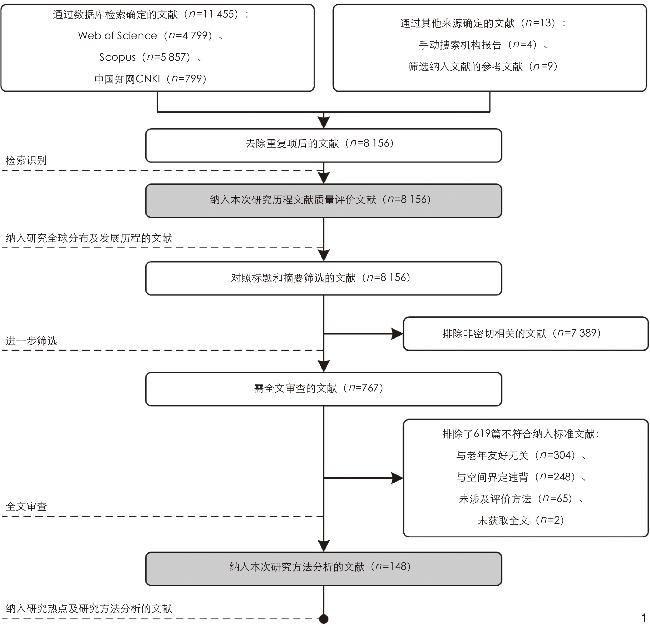
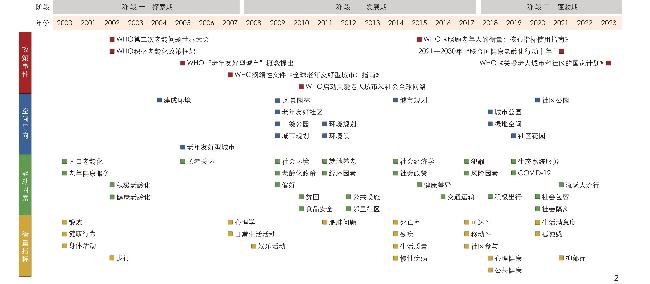
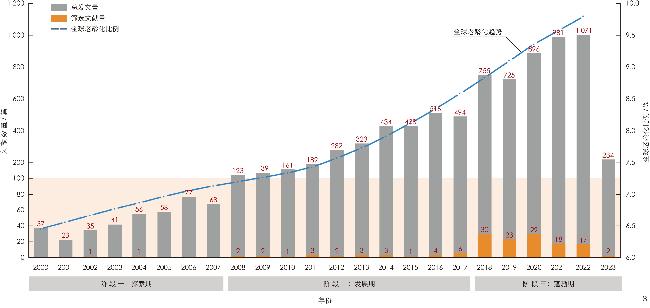
【Objective】Against the backdrop of global aging, numerous researches have demonstrated that urban green spaces have potentially positive benefits on both mental and physical wellness and human well-being. Small and medium-sized fragmented green spaces in high-density built-up areas are both an integral part of urban space and an essential component of age-friendly urban design, and are thus closely linked to the promotion of active aging from the perspective of design practice. As China’s aging process accelerates, age-friendly green spaces are progressively becoming a current concern with various challenges across policy, research and practice. This research aims to systematically review the development trends, focuses and methods of the research on age-friendly green spaces over the past 20 years from a global perspective, and to elucidate the multifaceted transformations in the development process of age-friendly green spaces. The main research contents include the following two aspects: 1) Clarification of the evolution of research hotspots and research methods in age-friendly green spaces across the globe; 2) review of the future research and practical directions of age-friendly green spaces in China under the demands of age-friendliness, and exploration of appropriate assessment and optimization methods for age-friendly green spaces in the current and future development stages.【Methods】This research focuses on the research of age-friendly green spaces after 2000. With Web of Science, CNKI and Scopus as paper databases, the research retrieves 8,156 research papers spanning the period from 2000 to 2023 that meet the criteria. Integrating dimensions such as publication quantity, policy events, spatial orientation, driving factors, and measurement indicators, the research explores the trends and changes in the research on age-friendly green spaces over time. Additionally, based on systematic literature review, 134 key papers about research methods are screened out. Through a detailed review of research methods, the research investigates the development and application of emerging methods.【Results】The research development journey can be divided into 3 stages: Exploratory stage, developmental stage and flourishing stage. Through the analysis of global research distribution and hotspot development, the research finds that the countries under research exhibit variations in terms of location and stage, in addition to a diversity of research interests. China maintains close scholarly ties with other countries throughout this process. Simultaneously, extensive academic research has been conducted by Chinese scholars on age-friendly green spaces, including researches on age-friendly spatial patterns, analysis of physical activities in parks, design and evaluation of age-friendly parks, and assessment of both physical and mental health. For research content, the hotspots can be divided into 8 categories based on analyses from spatial and population aspects: Pocket park, park-based moderate to vigorous physical activity, active travel, community garden, park usage, self-rated health, age-friendly community and residential satisfaction. The research further explores the changes in research hotspots over 3 developmental stages. Research in the exploratory period focuses on the development of age-friendly theories and policies, as well as the practical application of such theories and practices. In the developmental stage, researchers concentrate on diverse types of green spaces and the demands of the aging population regarding both physical and mental health. In the flourishing stage, research topics have become varied and in-depth, including context-specific review of the COVID-19 pandemic, mental health concerns, and analysis of socio-environmental impacts. Furthermore, the research classify the research methods into 3 categories according to the attributes of the research objects: Spatial features evaluation, population perception assessment, and mixed research assessment. Increasingly innovative methods are adopted in the research on age-friendly green spaces because of the diversification of research themes. On the spatial level, the research focuses gradually expand from individual micro-spatial elements to macro-spatial patterns, guiding the macro-planning and design of age-friendly green spaces. Regarding the population perception assessment, both the objectivity and scientificity of research have been steadily improving. The sources of research data have been transformed from early field observations and scale statistics to quantitative indicator statistics. A range of more scientific scales and data collection techniques have arisen for various evaluation aims. This facilitates the bottom-up design method, whereby planners and designers base their designs on people’s demands. Future research on age-friendly green spaces should make greater use of the hybrid research approach, which combines the assessment of crowd perception with the review of spatial attributes.【Conclusion】In summary, it is necessary for the research and construction of age-friendly green spaces to develop in line with the times and policies. Small and medium-sized green spaces in built-up areas have become highly accessible and comfortable for the elderly, and their utilization has increased dramatically, especially in recent years due to travel restrictions brought on by the COVID-19 pandemic and the widespread embrace of aging-in-place concepts. This has also promoted researchers to explore age-friendly green spaces at both spatial and population levels. Moreover, the current manifold coexistence of research themes propels the continual integration of emerging research methods in the review of age-friendly green spaces. Looking ahead, the research and practice direction of age-friendly green spaces in China will be guided by the friendly whole-process design practice, the exploration of multiple covariates from a holistic perspective, the comprehensive and differentiated evaluation, and the technological leadership for emerging methods. These initiatives will also foster the application of assessment and optimization methods better suited for China.
Leijie LANG , Shi CHENG . Exploration of and Inspiration from Research Hotspots and Key Methods of Age-Friendly Green Spaces from a Global Perspective[J]. Landscape Architecture, 2024 , 31(6) : 73 -81 . DOI: 10.3724/j.fjyl.202308120370
表1 重要研究国家发文统计及关键词Tab. 1 Statistics of publications in key research countries and corresponding research keywords |
| 国家 | 发文量 | 中心性 | 研究关键词 |
| 中国 | 1 421 | 0.08 | 人群感知、公共健康、心理健康、空间格局、公园使用 |
| 美国 | 1 358 | 0.23 | 城市规划、公共健康、体育活动、社会资本、少数民族、黑人种族 |
| 英国 | 574 | 0.12 | 城市规划、共同设计、公园使用 |
| 澳大利亚 | 374 | 0.14 | 可持续发展、都市农业 |
| 加拿大 | 325 | 0.16 | 社会资本、都市农业 |
表2 研究方法分类及统计Tab. 2 Classification and statistics of research methods |
| 研究方法类别 | 研究方法 | 研究工具 | 研究层面 | 使用 频次 |
| 空间特征评价 | ArcGIS空间分析 | 缓冲区分析法 | 空间 | 3 |
| 成本分析法 | 1 | |||
| 两步移动搜索法 | 空间/人群 | 3 | ||
| 空间句法分析 | 集成度分析 | 空间 | 2 | |
| 空间特征量表 | 社区环境审计工具 | 21 | ||
| 基于手机收集数据的创新公民科学方法 | 1 | |||
| 基于网络的公众参与地理信息系统 | 2 | |||
| 人群感知评价 | 身心健康评价 | 生活满意度量表 | 人群 | 7 |
| 关于幸福水平的社会生产工具量表 | 1 | |||
| SF-12v2健康评估工具量表 | 1 | |||
| 其他量表 | 1 | |||
| 心理健康评价 | 一般社会资本量表、社会互动量表 | 4 | ||
| 积极与消极情绪量表 | 2 | |||
| 心理健康评分(mental component summary, MCS) | 4 | |||
| 沃里克-爱丁堡心理健康量表 | 1 | |||
| 生理健康评价 | 社区游戏和娱乐观察系统(system for observing play and recreation in communities, SOPARC) | 2 | ||
| 计步器和加速度计运动统计 | 3 | |||
| 体力活动 | 3 | |||
| 生理健康评分(physical component summary, PCS) | 2 | |||
| 自评健康量表 | 3 | |||
| 功能限制水平 | 1 | |||
| 慢性疾病发病率等健康数据 | 2 | |||
| 混合研究评价 | 实地观察 | 空间/人群 | 13 | |
| 静态摄影 | 5 | |||
| 访谈与量表 | 15 | |||
文中图表均由作者绘制。
| [1] |
United Nations. Ageing[EB/OL]. [2024-04-25]. https://www.un.org/en/global-issues/ageing
|
| [2] |
国家卫生健康委全国老龄办. 2021年度国家老龄事业发展公报[EB/OL].(2022-10-09)[2023-07-23].https://www.gov.cn/xinwen/2022-10/26/content_5721786.htm.
National Health Commission’s National Ageing Office. 2021 Annual Report on the Development of National Ageing Services[EB/OL]. (2022-10-09)[2023-07-23]. https://www.gov.cn/xinwen/2022-10/26/content_5721786.htm.
|
| [3] |
World Health Organization. Global Age-Friendly Cities: A Guide[M]. Geneva: World Health Organization, 2007.
|
| [4] |
NIEBOER A P, CRAMM J M. Age-Friendly Communities Matter for Older People’s Well-Being[J]. Journal of Happiness Studies, 2018, 19(8): 2405-2420.
|
| [5] |
World Health Organization. Active Ageing: A Policy Framework[R]. Geneva: World Health Organization, 2002.
|
| [6] |
ZHANG H Y, HAN M X. Pocket Parks in English and Chinese Literature: A Review[J]. Urban Forestry & Urban Greening, 2021, 61: 127080.
|
| [7] |
REYES-RIVEROS R, ALTAMIRANO A, DE LA BARRERA F, et al. Linking Public Urban Green Spaces and Human Well-Being: A Systematic Review[J]. Urban Forestry & Urban Greening, 2021, 61: 127105.
|
| [8] |
HONG A, SALLIS J F, KING A C, et al. Linking Green Space to Neighborhood Social Capital in Older Adults: The Role of Perceived Safety[J]. Social Science & Medicine, 2018, 207: 38-45.
|
| [9] |
SUGIYAMA T, CARVER A, KOOHSARI M J, et al. Advantages of Public Green Spaces in Enhancing Population Health[J]. Landscape and Urban Planning, 2018, 178: 12-17.
|
| [10] |
谭少华, 何琪潇, 陈璐瑶, 等. 城市公园环境对老年人日常交往活动的影响研究[J]. 中国园林, 2020, 36(4): 44-48.
TAN S H, HE Q Q, CHEN L Y, et al. Study on the Influence of Urban Park Environment on the Elderly People’s Daily Communicative Activities[J]. Chinese Landscape Architecture, 2020, 36(4): 44-48.
|
| [11] |
常晓菲, 金荷仙, 赖峰. 中国老年住区室外环境研究进展[J]. 中国园林, 2015, 31(4): 41-45.
CHANG X F, JIN H X, LAI F. Research Review on Residential Outdoor Environment of the Elderly in China[J]. Chinese Landscape Architecture, 2015, 31(4): 41-45.
|
| [12] |
BARRY S J. Using Social Media to Discover Public Values, Interests, and Perceptions About Cattle Grazing on Park Lands[J]. Environmental Management, 2014, 53(2): 454-464.
|
| [13] |
ZHOU C H, ZHANG Y, FU L S, et al. Assessing Mini-park Installation Priority for Regreening Planning in Densely Populated Cities[J]. Sustainable Cities and Society, 2021, 67: 102716.
|
| [14] |
ZHOU C H, AN Y H, ZHAO J, et al. How Do Mini-parks Serve in Groups? A Visit Analysis of Mini-park Groups in the Neighbourhoods of Nanjing[J]. Cities, 2022, 129: 103804.
|
| [15] |
姜玉培, 甄峰, 孙鸿鹄, 等. 健康视角下城市建成环境对老年人日常步行活动的影响研究[J]. 地理研究, 2020, 39(3): 570-584.
JIANG Y P, ZHEN F, SUN H H, et al. Research on the Influence of Urban Built Environment on Daily Walking of Older Adults from a Perspective of Health[J]. Geographical Research, 2020, 39(3): 570-584.
|
| [16] |
GAIKWAD A, SHINDE K. Use of Parks by Older Persons and Perceived Health Benefits: A Developing Country Context[J]. Cities, 2019, 84: 134-142.
|
| [17] |
翟宇佳, 吴承照. 城市公园总体满意度主要影响因素识别: 基于不同年龄组使用者的分析[J]. 风景园林, 2021, 28(5): 57-62.
ZHAI Y J, WU C Z. Identification of Main Influencing Factors on Urban Park Overall Satisfaction: Based on Analysis of Users of Different Age Groups[J]. Landscape Architecture, 2021, 28(5): 57-62.
|
| [18] |
翟宇佳, 黎东莹, 王德. 社区公园对老年使用者体力活动参与和情绪改善的促进作用: 以上海市15座社区公园为例[J]. 中国园林, 2021, 37(5): 74-79.
ZHAI Y J, LI D Y, WANG D. The Role of Urban Community Park in Promoting Seniors’ Physical Activity and Positive Emotion: A Case Study of 15 Shanghai Community Parks[J]. Chinese Landscape Architecture, 2021, 37(5): 74-79.
|
| [19] |
JELOKHANI-NIARAKI M, HAJILOO F, SAMANY N N. A Web-Based Public Participation GIS for Assessing the Age-Friendliness of Cities: A Case Study in Tehran, Iran[J]. Cities, 2019, 95: 102471.
|
| [20] |
CHOI Y J. Age-Friendly Features in Home and Community and the Self-Reported Health and Functional Limitation of Older Adults: The Role of Supportive Environments[J]. Journal of Urban Health-Bulletin of the New York Academy of Medicine, 2020, 97(4): 471-485.
|
| [21] |
郭庭鸿.面向公众健康的高密度城市小型公园绿地研究[D].成都: 西南交通大学, 2018.
GUO T H. Research of Small Public Urban Green Space in High-Density City for Public Health[D]. Chengdu: Southwest Jiaotong University, 2018.
|
| [22] |
姜佳怡, 陈明, 章俊华. 上海市社区公园老年游客活动差异及影响因素探究[J]. 景观设计学, 2020, 8(5): 94-109.
JIANG J Y, CHEN M, ZHANG J H. Analyses of Elderly Visitors’ Behaviors to Community Parksin Shanghai and the Impact Factors[J]. Landscape Architecture Frontiers, 2020, 8(5): 94-109.
|
| [23] |
郭子一, 徐峰. 城市老年休闲绿地研究综述[J]. 城市问题, 2009 (8): 93-97.
GUO Z Y, XU F. Summarization on Leisure Green Space for Urban Old People[J]. Urban Problem, 2009 (8): 93-97.
|
| [24] |
United Nations. World Population Prospects 2022[EB/OL]. (2022) [2024-04-25]. https://population.un.org/wpp/.
|
| [25] |
王依明, 林中杰, 顾汝飞. 邻近自然环境接触在中老年人疫情压力与焦虑情绪关系中的调节作用[J]. 风景园林, 2022, 29(4): 89-93.
WANG Y M, LIN Z J, GU R F. The Moderating Effect of Nearby Nature Exposure on the Relationship Between Pandemic Stress and Anxiety of Middle-Aged and Elderly People[J]. Landscape Architecture, 2022, 29(4): 89-93.
|
| [26] |
MOORE J B, SCHULLER K, COOK A, et al. An Observational Assessment of Park-Based Physical Activity in Older Adults in Nanchang, China[J]. American Journal of Health Behavior, 2019, 43(6): 1119-1128.
|
| [27] |
ZHAI Y J, LI D Y, WANG D, et al. Seniors’ Physical Activity in Neighborhood Parks and Park Design Characteristics[J]. Frontiers In Public Health, 2020, 8: 322.
|
| [28] |
CHIESURA A. The Role of Urban Parks for the Sustainable City[J]. Landscape and Urban Planning, 2004, 68(1): 129-138.
|
| [29] |
SCHMIDT T, KERR J, SCHIPPERIJN J. Associations Between Neighborhood Open Space Features and Walking and Social Interaction in Older Adults: A Mixed Methods Study[J]. Geriatrics, 2019, 4(3): 41-58.
|
| [30] |
CHENG L, DE VOS J, ZHAO P J, et al. Examining Non-linear Built Environment Effects on Elderly’s Walking: A Random Forest Approach[J]. Transportation Research Part D: Transport and Environment, 2020, 88: 102552.
|
| [31] |
DENNIS M, COOK P A, JAMES P, et al. Relationships Between Health Outcomes in Older Populations and Urban Green Infrastructure Size, Quality and Proximity[J]. BMC Public Health, 2020, 20(1): 626-640.
|
| [32] |
YOTTI KINGSLEY J, TOWNSEND M. “Dig in” to Social Capital: Community Gardens as Mechanisms for Growing Urban Social Connectedness[J]. Urban Policy & Research, 2006, 24(4): 525-37.
|
| [33] |
KEMPERMAN A, TIMMERMANS H. Green Spaces in the Direct Living Environment and Social Contacts of the Aging Population[J]. Landscape And Urban Planning, 2014, 129: 44-54.
|
| [34] |
陈济洲, 张健健. 社区公园空间与老年人户外活动特征关联研究[J]. 中国园林, 2022, 38(4): 86-91.
CHEN J Z, ZHANG J J. Research on the Relationship Between Community Park Space and Characteristics of Outdoor Activities of the Elderly[J]. Chinese Landscape Architecture, 2022, 38(4): 86-91.
|
| [35] |
张延龙, 牛立新, 张博通, 等. 康养景观与园林植物[J]. 园林, 2019, 35(2): 2-7.
ZHNAG Y L, NIU L X, ZHANG B T, et al. Health-Preserving Landscape and Garden Plants[J]. Landscape Architecture Academic Journal, 2019, 35(2): 2-7.
|
| [36] |
孙晶晶. 注重精神感知的疗愈景观环境设计[J]. 中国医院建筑与装备, 2013, 14(5): 29-33.
SUN J J. Healing Landscape Design Based on Embedded Spiritual Connotation[J]. Chinese Hospital Architecture & Equipment, 2013, 14(5): 29-33.
|
| [37] |
牟燕川, 王荻, 黄瓴. 社区建成环境审计: 推进健康社区的有效工具[J]. 国际城市规划, 2022, 37(2): 44-52.
MU Y C, WANG D, HUANG L. Community Built Environment Auditing: An Effective Approach to Healthy Community[J]. Urban Planning International, 2022, 37(2): 44-52.
|
| [38] |
SUN X Y, WANG L J, WANG F, et al. Behaviors of Seniors and Impact of Spatial Form in Small-Scale Public Spaces in Chinese Old City Zones[J]. Cities, 2020, 107: 102894.
|
| [39] |
WANG F, HE P W, YUAN C C, et al. Isolated or Integrated? Evaluation of Ageing-Friendly Communities in Old Beijing City Based on Accessibility, Social Inclusion and Equity[J]. Indoor And Built Environment, 2020, 29(3): 465-479.
|
| [40] |
BROWN G, KYTTA M. Key Issues and Research Priorities for Public Participation GIS (PPGIS): A Synthesis Based on Empirical Research[J]. Applied Geography, 2014, 46: 122-136.
|
| [41] |
BARRIE H, SOEBARTO V, LANGE J, et al. Using Citizen Science to Explore Neighbourhood Influences on Ageing Well: Pilot Project[J]. Healthcare, 2019, 7(4): 126-138.
|
| [42] |
JAKOBSSON U. Using the 12-Item Short Form Health Survey (SF-12) to Measure Quality of Life among Older People[J]. Aging Clinical and Experimental Research, 2007, 19(6): 457-464.
|
| [43] |
NIEBOER A, LINDENBERG S, BOOMSMA A, et al. Dimensions of Well-Being and Their Measurement: The SPF-IL Scale[J]. Social Indicators Research, 2005, 73(3): 313-353.
|
| [44] |
LU N, WU B. Perceived Neighborhood Environment, Social Capital and Life Satisfaction among Older Adults in Shanghai, China[J]. Scientific Reports, 2022, 12 (1): 6686.
|
| [45] |
LOO B P Y, LAM W W Y, MAHENDRAN R, et al. How Is the Neighborhood Environment Related to the Health of Seniors Living in Hong Kong, Singapore, and Tokyo? Some Insights for Promoting Aging in Place[J]. Annals of the American Association of Geographers, 2017, 107(4): 812-828.
|
| [46] |
CURL A, MASON P. Neighbourhood Perceptions and Older Adults’ Wellbeing: Does Walking Explain the Relationship in Deprived Urban Communities?[J]. Transportation Research Part A: Policy and Practice, 2019, 123: 119-129.
|
| [47] |
PLIAKAS T, HAWKESWORTH S, SILVERWOOD R J, et al. Optimising Measurement of Health Related Characteristics of the Built Environment: Comparing Data Collected by Footbased Street Audits, Virtual Street Audits and Routine Secondary Data Sources[J]. Health Place, 2017, 43: 75-84.
|
| [48] |
HUANG J H, HIPP J A, MARQUET O, et al. Neighborhood Characteristics Associated with Park Use and Park-Based Physical Activity Among Children in Low-Income Diverse Neighborhoods in New York City[J]. Preventive Medicine, 2020, 131: 105948.
|
| [49] |
STEELS S. Key Characteristics of Age-Friendly Cities and Communities: A Review[J]. Cities, 2015, 47: 45-52.
|
| [50] |
BUFFEL T, PHILLIPSON C. A Manifesto for the Age-Friendly Movement: Developing a New Urban Agenda[J]. Journal of Aging & Social Policy, 2018, 30(2): 173-192.
|
| [51] |
龙春英, 孙浙鑫, 王雨寒. 老年人散步行为与城市公园空间组织特征研究: 基于空间句法理论[J]. 建筑与文化, 2018 (9): 148-149.
LONG C Y, SUN Z X, WANG Y H. Study on the Walking Behavior of the Elderly and the Spatial Organization Characters of Urban Parks: Based on Space Syntax Theory[J]. Architecture and Culture, 2018 (9): 148-149.
|
| [52] |
周末, 王兰会. 公园绿地社会公平性变动及其驱动因素: 基于人口老龄化视角[J]. 中国园林, 2023, 39(2): 57-63.
ZHOU M, WANG L H. Change of Park Green Space Social Equity and Its Driving Forces: From the Perspective of Population Aging[J]. Chinese Landscape Architecture, 2023, 39(2): 57-63.
|
| [53] |
冯嘉燕, 林箐. 基于G2SFCA方法的广州中心城区老年人公园绿地空间公平性[J]. 中国城市林业, 2022, 20(1): 56-61.
FENG J Y, LIN Q. Spatial Equity of Park Green Spaces for the Elderly in Central Urban Area of Guangzhou Based on the G2SFCA Method[J]. Journal Of Chinese Urban Forestry, 2022, 20(1): 56-61.
|
| [54] |
CHENG L, SHI K B, DE VOS J, et al. Examining the Spatially Heterogeneous Effects of the Built Environment on Walking Among Older Adults[J]. Transport Policy, 2021, 100: 21-30.
|
| [55] |
World Health Organization. Measuring the Age-Friendliness of Cities: A Guide to Using Core Indicators[M]. Geneva: World Health Organization, 2015.
|
| [56] |
YU R, WONG M, WOO J. Perceptions of Neighborhood Environment, Sense of Community, and Self-Rated Health: An Age-Friendly City Project in Hong Kong[J]. Journal Of Urban Health-Bulletin of the New York Academy of Medicine, 2019, 96(2): 276-288.
|
| [57] |
KOWITT S D, AIELLO A E, CALLAHAN L F, et al. Associations Among Neighborhood Poverty, Perceived Neighborhood Environment, and Depressed Mood Are Mediated by Physical Activity, Perceived Individual Control, and Loneliness[J]. Health & Place, 2020, 62: 102278.
|
| [58] |
翟宇佳, 黎东莹, 吴承照. 城市综合公园老年人使用偏好与多重健康效益: 基于GPS、体力活动、情绪与血压数据[J]. 中国城市林业, 2022, 20(4): 22-29.
ZHAI Y J, LI D Y, WU C Z. Seniors’ Use Preference and Multiple Health Benefits of Comprehensive Urban Park Based on Data on GPS, Physical Activity, Mood and Blood Pressure[J]. Journal of Chinese Urban Forestry, 2022, 20(4): 22-29.
|
| [59] |
EVENSON K R, JONES S A, HOLLIDAY K M, et al. Park Characteristics, Use, and Physical Activity: A Review of Studies Using SOPARC (System for Observing Play and Recreation in Communities)[J]. Preventive Medicine, 2016, 86: 153-166.
|
| [60] |
陈春, 陈勇, 于立, 等. 为健康城市而规划: 建成环境与老年人身体质量指数关系研究[J]. 城市发展研究, 2017, 24(4): 7-13.
CHEN C, CHEN Y, YU L, et al. Planning for Healthy City: The Influence of the Built Environment on the Body Mass Index of the Elderly[J]. Urban Development Studies, 2017, 24(4): 7-13.
|
| [61] |
翟宇佳. 促进老年人散步行为的城市公园设计特征研究 基于内容分析法初探[J]. 风景园林, 2016, 23(7): 121-128.
ZHAI Y J. Urban Park Design Characteristics that Promote Seniors Walking: Exploration Based on Content Analysis Method[J]. Landscape Architecture, 2016, 23(7): 121-128.
|
| [62] |
宋聚生, 孙艺, 侯小冲. 人口高密度城区社区公园空间环境特征分析: 基于老年人活动分类[J]. 建筑学报, 2017 (5): 116-120.
SONG J S, SUN Y, HOU X C. Analysis of Spatial Environment Characteristics of Community Park in Densely Populated District: Based on Activity Classification of Elderly[J]. Architectural Journal, 2017 (5): 116-120.
|
| [63] |
曲艺, 张然, 刘畅, 等. 北方城市开放性公园空间适老化设计策略研究: 基于沈阳百鸟公园老年人四季行为时态调查[J]. 建筑学报, 2018 (2): 106-111.
QU Y, ZHANG R, LIU C, et al. Strategies of Spatial Optimization for Open Urban Parks in North China: An Investigation of the Behaviors of the Elderly at All Seasons in Bainiao Park in Shenyang[J]. Architectural Journal, 2018 (2): 106-111.
|
| [64] |
楼宇青, 金荷仙, 张丽. 杭州春季城市公园老年人行为抽样调查与分析[J]. 中国园林, 2019, 35(3): 66-70.
LOU Y Q, JIN X H, ZHANG L. Sampling Survey and Analysis of the Elderly Behaviors in City Parks of Hangzhou in Spring[J]. Chinese Landscape Architecture, 2019, 35(3): 66-70.
|
| [65] |
王小月, 杨东峰. 绿地建成环境对老年人活动的影响及优化策略[J]. 规划师, 2022, 38(1): 56-63.
WANG X Y, YANG D F. The Impact of Green Built Environment on Senior People’s Behavior and the Improvement Strategy[J]. Planners, 2022, 38(1): 56-63.
|
| [66] |
王小月, 杨东峰. 建成环境如何影响老年人绿地使用频率: 基于可达性和吸引力双重视角[J]. 中国园林, 2020, 36(11): 62-66.
WANG X Y, YANG D F. How the Built Environment Affect the Frequency of Green Space Used by the Elderly: Based on the Dual Perspective of Accessibility and Attractiveness[J]. Chinese Landscape Architecture, 2020, 36(11): 62-66.
|
| [67] |
ESTHER H K Y, WINKY K O H, EDWIN H W C. Elderly Satisfaction with Planning and Design of Public Parks in High Density Old Districts: An Ordered Logit Model[J]. Landscape and Urban Planning, 2017, 165: 39-53.
|
| [68] |
KABISCH N, HAASE D. Green Justice or Just Green? Provision of Urban Green Spaces in Berlin, Germany[J]. Landscape and Urban Planning, 2014, 122: 129-139.
|
| [69] |
刘正莹, 杨东峰. 为健康而规划: 环境健康的复杂性挑战与规划应对[J]. 城市规划学刊, 2016 (2): 104-110.
LIU Z Y, YANG D F. Planning for Health:Complexity of Environmental Health and the Planning Responses[J]. Urban Planning Forum, 2016 (2): 104-110.
|
| [70] |
郭昱, 崔哲, 史清江, 等. 适老建筑环境的情绪健康理论及研究方法综述[J]. 住宅科技, 2020, 40(9): 35-43.
GUO Y, CUI Z, SHI Q J, et al. Overview of Emotional Health Theory and Research Methods of the Environment of the Elderly Suitable Building[J]. Housing Science, 2020, 40(9): 35-43.
|
| [71] |
GUI Y B, ZHOU B, XIE X Y, et al. GAN-Based Method for Generative Design of Visual Comfort in Underground Space[J]. IOP Conference Series: Earth and Environmental Science, 2021, 861 (7): 072015.
|
/
| 〈 |
|
〉 |