

Ecological Design Approach for Urban Green Space in Arid and Semi-arid Areas in Northwest China Based on Habitat and Vegetation Characteristics Thereof
|
XU Bowen is a Ph.D. candidate in the College of Architecture, Xi’an University of Architecture and Technology. His research focuses on landscape planning and design |
|
LIU Hui, Ph.D., is a professor and doctoral supervisor in the College of Architecture, Xi’an University of Architecture and Technology, and an editorial board member of this journal. Her research focuses on theories and methods for landscape planning and design of fragile ecological environment in northwest China, and history and theory of Chinese landscape culture |
|
WANG Jingmao, Ph.D., is an associate professor in the College of Architecture, Xi’an University of Architecture and Technology. Her research focuses on the landscape planning and design |
|
CAO Shuo is a Ph.D. candidate in the College of Architecture, Xi’an University of Architecture and Technology. His research focuses on landscape planning and design |
Received date: 2023-12-31
Revised date: 2024-04-21
Online published: 2025-12-12
Copyright
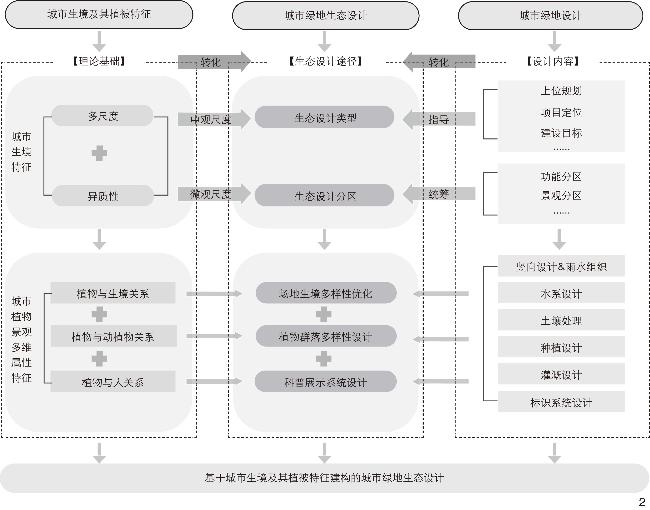
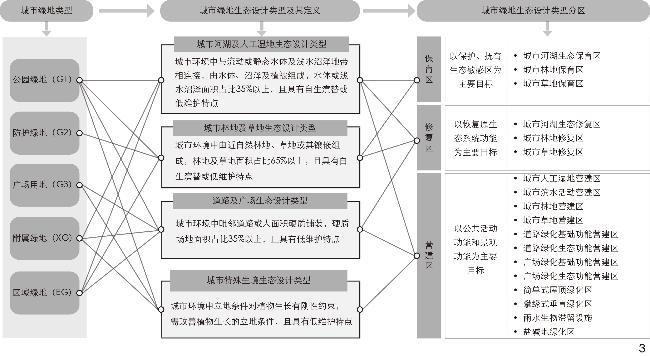
【Objective】Faced with the constraints of fragile natural ecological conditions, urban development in the arid and semi-arid areas in northwest China requires the establishment of new ecological processes under artificial interventions. The interaction between the arid and semi-arid natural environment and the complex and variable artificial environment provides the possibility and necessity of diverse habitat conditions for urban built environment. Urban green space is the basis for providing suitable urban biodiversity. Based on the perspective of urban habitats and their vegetation characteristics, this research proposes a methodology and strategy that can guide the practice of ecological design of urban green space, aiming to provide theoretical support and technical guidance for the ecological construction of urban green space in the arid and semi-arid areas in northwest China.【Methods】The heterogeneous characteristics of urban habitats are recognized at the medium and small scales, and their matching relationships with the design levels and contents of urban green space are sorted out, and then, from the perspective of urban green space design practice, the formation and maintenance mechanisms of urban habitats and their vegetation characteristics at the medium and small scales are transformed into the strategies for ecological design of urban green space.【Results】First, based on the multi-scale and heterogeneous characteristics of urban habitats and the multi-dimensional attributes of urban plantscape, a framework for the ecological design of small and medium-scale urban green spaces is constructed. Second, based on the moisture conditions and vegetation characteristics, as well as the types and construction needs of urban green spaces, the ecological design types of urban green space in the arid and semi-arid areas in northwest China are divided into four categories: Ecological design type of urban river, lake and artificial wetland, ecological design type of urban woodland and grassland, ecological design type of road and square, and ecological design type of urban specific habitat; and three types of ecological design zones (conservation zone, restoration zone and construction zone) and their ecological design strategies are proposed. Based on the aforesaid four ecological design types, the three types of ecological design zones are refined into 18 specific ecological design zones that can be applied to arid and semi-arid areas in northwest China. Finally, the strategies for optimized design of site habitat diversity, design of plant community diversity and design of the science popularization display system are proposed. 1) In the optimal design of site habitat diversity, the “water” factor is taken as the core content of the optimal design of site habitat for urban green spaces in arid and semi-arid areas, and design strategies applicable to different types of ecological design of urban green spaces and their zoning are proposed in three aspects, namely vertical design, rainwater organization and water retention design, as well as soil treatment and irrigation design. 2) In the plant community diversity design, the basic principles for plant community design and the strategies for plant species selection and plant community design are proposed for restoration and camping areas of different ecological design types, and recommended planting types are proposed based on the natural vegetation types of major cities in arid and semi-arid areas in northwest China. 3) In the design of the science popularization display system, the knowledge content and spatial layout strategy of four types of science popularization display, namely comprehensive guide of ecological information, display of natural environment features and ecological environment protection, display of ecological practice, and warning of ecological protection, are proposed.【Conclusion】Transforming the formation and maintenance mechanisms as well as vegetation characteristics of small and medium-scale urban habitats into the ecological design approaches for urban green space can provide theoretical support and technical guidance for ecological construction of urban green space in the arid and semi-arid areas in northwest China. Different types of ecological design and zoning of urban green space may serve as the basic unit for the construction of macro-scale habitat pattern, and as the basis for the design of micro-scale urban habitat diversity, which can become the bridge between macro-scale and micro-scale habitat creation. The design of plant community diversity can make full use of heterogeneous and diverse urban habitats to shape low-cost, high-efficiency, resilient and sustainable plantscape. The construction of multi-scale and heterogeneous urban habitats and their vegetation characteristics can link different landscape patterns to form a functionally continuous biodiversity pattern that can bring higher ecosystem service functions and social benefits as an important part of urban green infrastructure.
Bowen XU , Hui LIU , Jingmao WANG , Shuo CAO . Ecological Design Approach for Urban Green Space in Arid and Semi-arid Areas in Northwest China Based on Habitat and Vegetation Characteristics Thereof[J]. Landscape Architecture, 2024 , 31(6) : 12 -18 . DOI: 10.3724/j.fjyl.202312310601
表1 城市生境多样性优化设计策略Tab. 1 Strategies for optimal design of urban habitat diversity |
| 设计内容 | 总体策略 | 具体策略与作用机理 | 适用城市绿地的生态设计类型及分区 |
| 竖向设计及雨水组织、保水设计 | 将生境营造及种植设计综合考虑,统筹设计 | 基于种植分区及其植物需水量特点,组织雨水径流,充分利用雨水资源营造适宜的土壤水分条件 | 城市滨水活动营建区;城市林地修复区与营建区;城市草地修复区与营建区;道路绿化生态功能营建区;广场绿化生态功能营建区;雨水生物滞留设施等 |
| 在常年风速较大的地域,结合挡风墙、微地形设计,营造具有挡风功能的生境条件,减少土壤水分蒸发 | 城市林地修复区与营建区;城市草地修复区与营建区等 | ||
| 在长时间受强日照辐射的地域,利用城市建、构筑物与绿地方位关系形成的阴影生境,减少土壤水分蒸发 | 道路绿化基础功能与生态功能营建区;广场绿化基础功能与生态功能营建区;攀缘式垂直绿化区;雨水生物滞留设施等 | ||
| 在蒸发量较大的地域,推广使用渗水盲沟和地下渗蓄坑以提高保水能力,减少水分蒸发 | 道路绿化基础功能与生态功能营建区;广场绿化基础功能与生态功能营建区等 | ||
| 土壤处理 | 根据植被景观营建需求,确定相应的土壤保留、改良和客土置换分区 | 因表层土壤具有良好的理化性质,有利于植物生长,保留熟土等表层土壤资源 | 城市滨水活动营建区;城市林地营建区;城市草地营建区等 |
| 具有较强渗透性的场地,对局部重要植物景观节点的土壤进行人工改良或换填,从而提高土壤的持水能力 | 道路绿化基础功能营建区;广场绿化基础功能营建区等 | ||
| 灌溉设计 | 结合种植分区面积和植物需水量特点,进行水量平衡计算;根据场地供水条件和现场地形特征选择灌溉类型并确定其空间分布 | 采用在植物成活养护期进行灌溉、成活后一般不灌溉的短期养护灌溉措施,不设固定灌溉装置 | 城市河湖生态修复区;城市林地修复区;城市草地修复区等 |
| 根据植物需水量,从移栽到植物成活后都要进行灌溉的长期养护灌溉,设置节水灌溉装置 | 各生态设计类型的营建区 | ||
| 在春季返青和秋季封冻的关键阶段进行充分灌溉,其他阶段可采取非充分灌溉 | 各生态设计类型的营建区 |
表2 西北干旱半干旱区主要城市自然植被类型及推荐种植类型Tab. 2 Existing types and recommended types of natural vegetation in major cities in arid and semi-arid areas in northwest China |
| 自然植被类型 | 城市/地区 | 推荐种植类型 | |
| 大类 | 亚类 | ||
| 暖温带北部落叶栎林 | 庆阳市、延安市 | 生态乔木林 | ·乔-灌-草林、乔-灌林、乔-草林 ·落叶乔木林、常绿乔木林、落叶常绿混交林 ·(2种及以上树种)混交密林、混交疏林 ·(单一树种)密林疏林 ·鸟嗜林、食源林 |
| 暖温带南部落叶栎林 | 天水市、临夏回族自治州、甘南藏族自治州、西安市、铜川市、宝鸡市、咸阳市、渭南市 | ||
| 高寒灌丛、高寒草甸 | 黄南藏族自治州、果洛藏族自治州、玉树藏族自治州 | 生态灌木林 | ·灌丛、灌-草丛 ·落叶灌木林、常绿灌木林、落叶常绿混交灌木林 ·(2种及以上物种)混交灌木密林、(2种及以上物种)混交灌木疏林 ·(单一树种)灌木密林、(单一树种)灌木疏林 ·灌-草密林、灌-草疏林 |
| 暖温带灌木、半灌木荒漠 | 巴音郭楞蒙古自治州 | ||
| 暖温带灌木、半灌木极干旱荒漠 | 吐鲁番市、哈密市、阿克苏地区、克孜勒苏柯尔克孜自治州、喀什地区、和田地区 | ||
| 温带半灌木、灌木草原化荒漠 | 乌海市 | ||
| 温带半灌木、小半乔木荒漠 | 乌鲁木齐市、克拉玛依市、昌吉回族自治州、伊犁哈萨克自治州、博尔塔拉蒙古自治州、自治区直辖县级市 | ||
| 温带灌木、半灌木荒漠 | 嘉峪关市、武威市、金昌市、酒泉市、张掖市 | ||
| 温带灌木、半灌木极干旱荒漠 | 海西蒙古族藏族自治州 | ||
| 高寒草原 | 阿里地区 | 草地及草甸 | ·疏林草地、灌-草丛、野花草地、缀花草甸 |
| 暖温带典型草原 | 呼和浩特市、包头市、乌兰察布市、鄂尔多斯市 | ||
| 暖温带荒漠草原 | 白银市、巴彦淖尔市、阿拉善盟、银川市、石嘴山市、吴忠市、中卫市 | ||
| 温性草原 | 拉萨市、日喀则市、山南市 | ||
| 中温带草甸草原 | 兰州市、平凉市、定西市、赤峰市、固原市、西宁市、海东市、海北藏族自治州、海南藏族自治州、榆林市 | ||
| 中温带典型草原 | 呼伦贝尔市、通辽市、兴安盟、锡林郭勒盟 | ||
表3 科普展示类型的科普知识内容及空间布局策略Tab. 3 Scientific knowledge content and spatial layout strategy of science popularization display |
| 展示类型 | 科普知识内容 | 空间布局策略 |
| 生态信息综合导览 | 项目所包含的生态设计类型及主要生态节点的导览信息等 | 1)城市绿地主要出入口处; 2)游客服务中心、小卖部、公共厕所等公共设施处; 3)规模较大的铺装集散广场、主要游览者集散地; 4)绿地内主要道路交叉路口处 |
| 自然环境特征与生态环境保护展示 | 生态文明、气候、水文、地貌、土壤、指示物种、生态系统等 | 1)绿地中的代表性生态区域,如主要林地、草地、湿地、河道等的醒目位置; 2)绿地中主要生态修复场地,如土壤改良、湿地修复、盐碱地修复等的醒目位置; 3)绿地中主要雨洪管理设施节点处,如生物滞留设施、雨水花园等; 4)绿地中西北干旱半干旱区动植物典型生境区域的醒目位置; 5)其他可以作为生态代表性景观的节点 |
| 生态实践展示 | 各生态设计类型的植物群落、植物种类、动物栖息地等 | |
| 生态保护警示 | 公共安全、动植物保护保育、水质保护要求等 | 1)城市河湖及人工湿地生态设计类型中涵盖的生态敏感地带,如河漫滩、河道河湾、水陆交错带的醒目位置; 2)城市林地及草地生态设计类型中涵盖的生态敏感地带,如原生物种、珍稀濒危物种栖息地、原生植被与土壤保护区的醒目位置; 3)道路及广场生态设计类型中涵盖的雨洪管理设施的醒目位置; 4)城市特殊生境生态设计类型中屋顶绿化、生物滞留设施和盐碱地涵盖的土壤改良与植物种植的醒目位置 |
文中图表均由作者绘制。
| [1] |
国家统计局.中国统计年鉴2021[M].北京: 中国统计出版社, 2022.
National Bureau of Statistics. China Statistical Yearbook 2021[M]. Beijing: China Statistics Press, 2022.
|
| [2] |
李园园, 宋于洋. 基于景观的干旱区绿洲石河子市绿地结构特征分析[J]. 西北林学院学报, 2015, 30(3): 258-262.
LI Y Y, SONG Y Y. Analysis of Green Space Structural Features of Shihezi City in Arid Zone Oasis Based on Landscape[J]. Journal of Northwest Forestry University, 2015, 30(3): 258-262.
|
| [3] |
武文丽, 黄春波, 付宗驰, 等. 干旱区绿地适宜性评价研究: 以新疆北屯市为例[J]. 西北林学院学报, 2018, 33(5): 236-244.
WU W L, HUANG C B, FU Z C, et al. Green Space Suitability Evaluation in Arid Area: A Case Study of Beitun City, Xinjiang[J]. Journal of Northwest Forestry University, 2018, 33(5): 236-244.
|
| [4] |
魏家星, 张昱镇, 梁继业, 等. 干旱区绿洲城镇绿色基础设施网络构建研究: 以新疆阿拉尔市为例[J]. 中国园林, 2020, 36(5): 24-29.
WEI J X, ZHANG Y Z, LIANG J Y, et al. Construction in Oasis City in Arid Regions Research on Green Infrastructure Network: A Case Study of Alar City[J]. Chinese Landscape Architecture, 2020, 36(5): 24-29.
|
| [5] |
方圆, 张卓林. 干旱区城市防护林景观化更新提升策略研究[J]. 西部人居环境学刊, 2020, 35(6): 95-100.
FANG Y, ZHANG Z L. Study on Transformation Strategies of Protection Forest in Arid Area[J]. Journal of Human Settlements in West China, 2020, 35(6): 95-100.
|
| [6] |
周静, 严成, 郭瑞增, 等. 干旱砾漠区防护绿地植物群落配置模式研究[J]. 干旱区研究, 2021, 38(3): 812-820.
ZHOU J, YAN C, GUO R Z, et al. Plant Community Allocation Modes of Protection Greenbelt in an Arid Gravel Desert Region[J]. Arid Zone Research, 2021, 38(3): 812-820.
|
| [7] |
李晨, 苏晓蕾, 张妍, 等. 干旱半干旱地区城市节水景观营造策略[J]. 中国城市林业, 2016, 14(5): 64-67.
LI C, SU X L, ZHANG Y, et al. Strategies for Water-Saving Landscape Establishments in Cities at Arid and Semi-Arid Area[J]. Journal of Chinese Urban Forestry, 2016, 14(5): 64-67.
|
| [8] |
怀梯克.群落与生态系统[M].姚璧君, 译.北京: 科学出版社, 1977.
WHITTAKER R H. Communities and Ecosystems[M]. YAO B J, translated. Beijing: Science Press, 1977.
|
| [9] |
刘晖, 许博文, 陈宇. 城市生境及其植物群落设计: 西北半干旱区生境营造研究[J]. 风景园林, 2020, 27(4): 36-41.
LIU H, XU B W, CHEN Y. Urban Habitat and Plant Community Design: Research on Habitat-Site Design and Construction in Semi-Arid Areas in Northwest China[J]. Landscape Architecture, 2020, 27(4): 36-41.
|
| [10] |
王晶懋, 刘晖, 范李一璇, 等. 城市场地生境营造与植物群落设计评述[J]. 中国城市林业, 2022, 20(6): 41-47.
WANG J M, LIU H, FAN L Y X, et al. Urban Habitat Construction and Plant Community Design[J]. Journal of Chinese Urban Forestry, 2022, 20(6): 41-47.
|
| [11] |
宋永昌.城市生态学[M].上海: 华东师范大学出版社, 2020.
SONG Y C. Urban Ecology[M]. Shanghai: East China Normal University Press, 2020.
|
| [12] |
毛齐正, 马克明, 邬建国, 等. 城市生物多样性分布格局研究进展[J]. 生态学报, 2013, 33(4): 1051-1064.
MAO Q Z, MA K M, WU J G, et al. An Overview of Advances in Distributional Pattern of Urban Biodiversity[J]. Acta Ecologica Sinica, 2013, 33(4): 1051-1064.
|
| [13] |
福尔曼. 城市生态学: 城市之科学[M]. 邬建国, 刘志锋, 黄甘霖, 等, 译. 北京: 高等教育出版社, 2017.
FORMAN R T T. Urban Ecology: Science of Cities[M]. WU J G, LIU Z F, HUANG G L, et al, translated. Beijing: Higher Education Press, 2017.
|
| [14] |
胡远东, 宋坤.生境营造与城市绿地生物多样性提升[J].科学, 2023, 75(6): 6-10, 4.
HU Y D, SONG K. Create Habitats to Boost Biodiversity in Urban Greening[J]. Science, 2023, 75(6): 6-10, 4.
|
| [15] |
TRAVIS B. Principles of Ecological Landscape Design[M]. Washington: Island Press, 2013.
|
| [16] |
刘晖, 王晶懋, 吴小辉. 生境营造的实验性研究[J]. 中国园林, 2017, 33(3): 19-23.
LIU H, WANG J M, WU X H. An Experimental Research Approach on the Habitat-Site Design[J]. Chinese Landscape Architecture, 2017, 33(3): 19-23.
|
| [17] |
韩宝龙, 束承继, 蔡文博, 等. 植被群落特征对城市生态系统服务的影响研究进展[J]. 生态学报, 2021, 41(24): 9978-9989.
HAN B L, SHU C J, CAI W B, et al. Research Advances in the Impact of Vegetation Community Characteristics on Urban Ecosystem Services[J]. Acta Ecologica Sinica, 2021, 41(24): 9978-9989.
|
| [18] |
王晶懋, 刘晖, 吴小辉, 等. 基于场地小气候特征的草本植物群落设计研究[J]. 风景园林, 2018, 25(4): 98-102.
WANG J M, LIU H, WU X H, et al. A Research on Herbaceous Plant Community Fabric Design Based on Site Microclimate Characteristic[J]. Landscape Architecture, 2018, 25(4): 98-102.
|
| [19] |
李仓拴, 刘晖, 杨伊婷, 等. 西北干旱城市破碎化绿地生境的植物群落设计途径研究[J]. 风景园林, 2019, 26(2): 88-93.
LI C S, LIU H, YANG Y T, et al. Plant Community Design Approaches for Fragmented Green Space Habitats in Northwest China Arid Cities[J]. Landscape Architecture, 2019, 26(2): 88-93.
|
/
| 〈 |
|
〉 |