

Identification of Characters of Cultural Landscape in Wuyishan National Park from the Perspective of Stratification
|
TU Yuqian gained her master degree in Huazhong Agricultural University, and is a staff member of the Longyan Garden Greening Center. Her research focuses on landscape planning and design |
|
ZHANG Jingya, Ph.D., is s an associate professor in the College of Horticulture & Forestry Sciences, Huazhong Agricultural University, and a member of the Key Laboratory of Urban Agriculture in Central China, Ministry of Agriculture and Rural Affairs. Her research focuses on landscape planning and design |
Received date: 2023-08-28
Revised date: 2023-12-10
Online published: 2025-12-11
Copyright
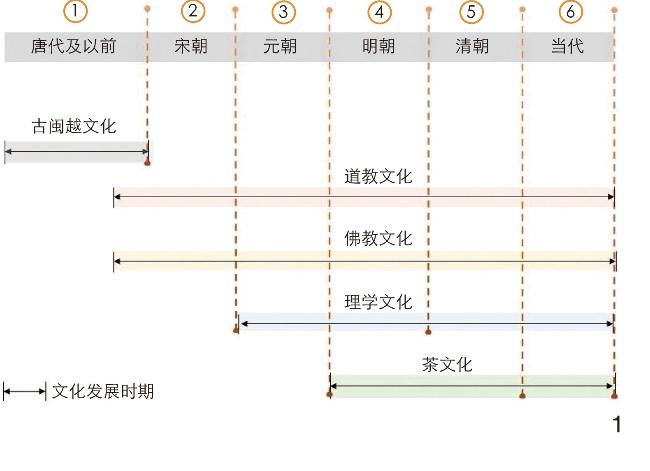
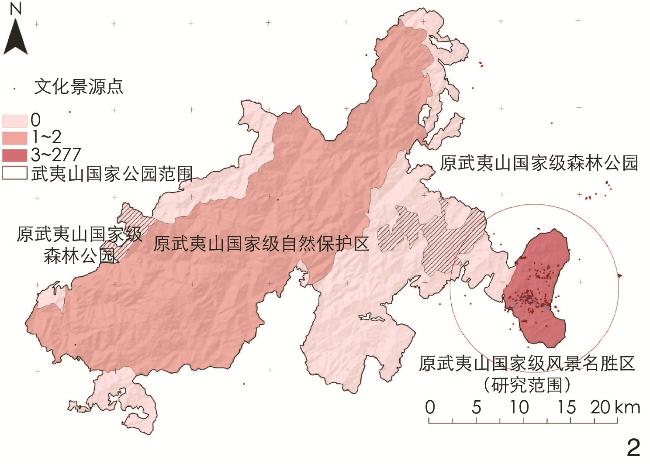
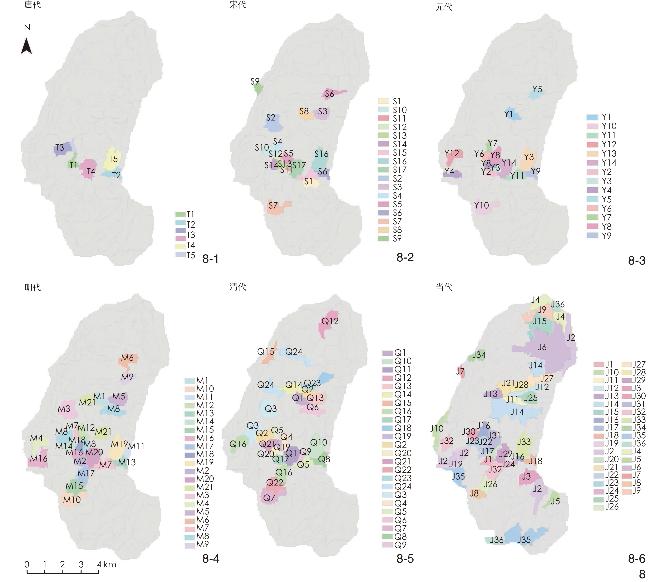
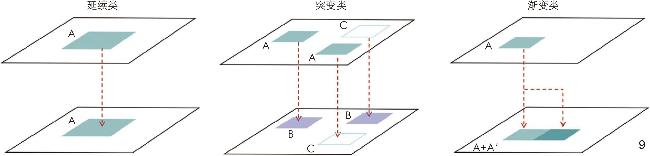
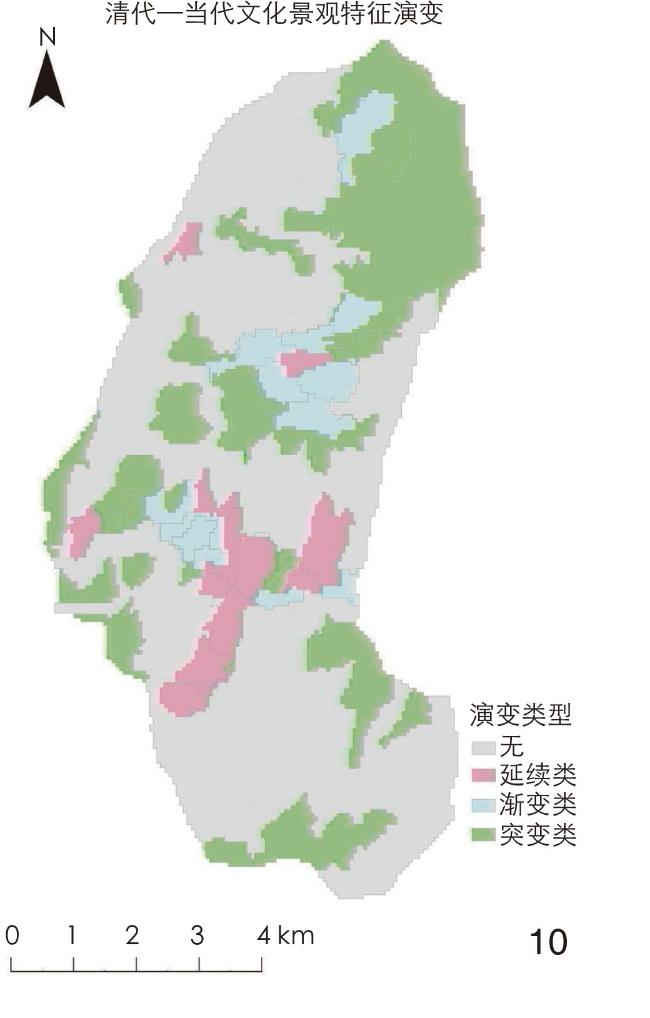
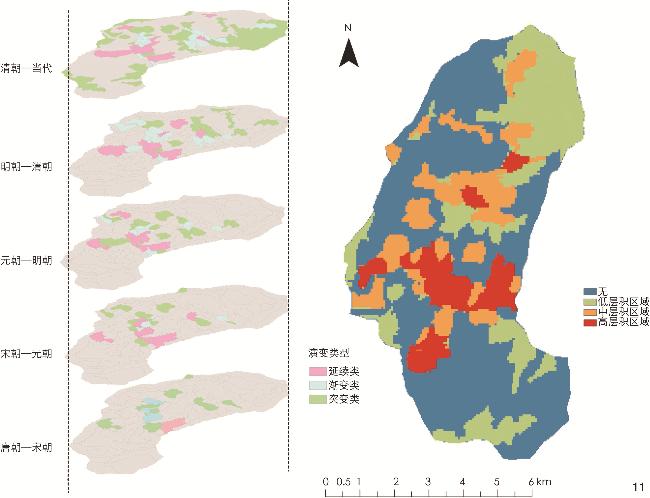
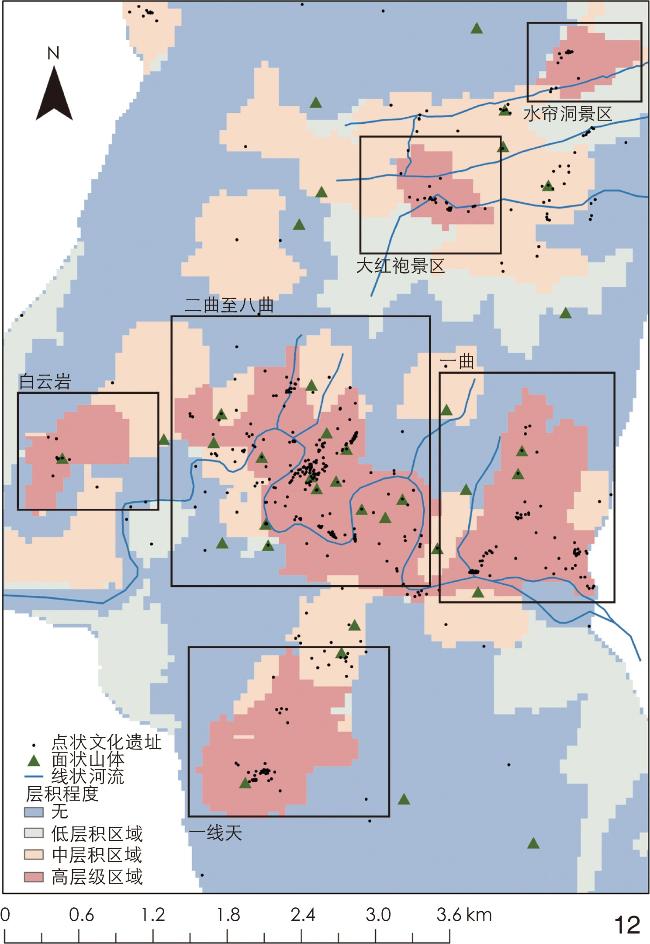
[Objective] China’s protected areas have dual attributes of nature and humanity. Cultural landscape, as a synthesis of humanistic material elements and their combination forms in the natural environment, reflects the relationship between man and nature at typical historical nodes. Foreign research on the cultural value of protected areas involves a number of fields. To effectively identify the cultural value of protected areas, it is necessary to combine the two methods of landscape character assessment (LCA) and historic landscape characterization (HLC), which can not only take full advantage of digital and spatial information technology, but also identify the types and characters of local historical landscape in a fully covered manner from the bottom up, thus providing a scientific basis for the identification of cultural value of protected areas. In China, the research on the cultural value of protected areas is mainly concentrated in the fields of scenic spots, traditional mountains and heritage sites, with the evaluation of spot scenic resources being the main research method for identification, while the analysis of the dynamic evolution characteristics of cultural landscape is lacking. The key to the spatial planning and the overall management and protection of natural protected areas in China is to identify the characters of cultural landscape systematically, objectively and visually, and to realize the regional and visual analysis. [Methods] Taking Wuyishan National Park as an example, this research, based on the dynamic and stratified characters of cultural landscape, adopts the methods of LCA and HLC in the landscape character identification stage to identify the characters of cultural landscape in multiple typical historical periods, interprets the stratified evolution process of cultural landscape in Wuyishan National Park in terms of time series structure, and defines the high-stratification cultural area, namely the area with the most significant cultural stratification characteristics. At the same time, considering that most domestic and foreign researches select identification elements from the two aspects of nature and culture, while paying less attention to scientificity and objectivity, this research introduces the technology of GeoDetector to screen character identification elements to provide a reference for the quantitative identification of cultural resources in China’s national parks and the scientific judgment of landscape representation. [Results] The results show that: From the static historical node, Wuyishan National Park presents 6 categories, 17 categories, 14 categories, 21 categories, 24 categories and 36 categories of cultural landscape characters in Tang, Song, Yuan, Ming and Qing dynasties and contemporary times respectively. From the perspective of long-term evolution law, the number of cultural landscape shows a rising trend from Tang Dynasty to contemporary times. The number of cultural landscape increased significantly in Song, Ming and Qing dynasties, with the Taoist and neo-Confucianism cultural landscapes occupying a dominant position in all the aforesaid dynasties. In terms of space, the spatial structure of cultural landscape is becoming more and more perfect. The contemporary Wuyishan National Park has formed a “T-shaped” structure of nine curved streams and a “sheeted” cluster in the north of the mountain. In terms of form, the cultural landscape as a whole presents the evolution law of “single fixed – multiple coexistence – alternating change”. It is identified that the high-stratification area of cultural landscape in the Mount Wuyi is located in the central and eastern parts of the Jiuqu River (from the first to the seventh curved section of the river) as well as the north and south banks of the river, including 243 cultural landscape source points, 19 faceted mountain caves and 9 linear rivers. The high-stratification area of cultural landscape reflects the core landscape value of the Mount Wuyi and is an important area representing the landscape in the national park. The reasons for the stratification differences of the cultural landscape in Wuyishan National Park include nature and humanity. Specifically, river system and topographic conditions are the main natural factors, and political belief, economic development, cultural integration and personal communication are the main human factors that produce the stratification differences of the cultural landscape in Wuyishan National Park. [Conclusion] Compared with previous researches, this research provides a new research idea for identification of the representation of cultural landscape in national parks in three aspects: identification elements, identification process and application of results from the perspective of stratification evolution. In terms of identification elements, the analysis of the correlation between cultural landscape distribution and natural environment elements is taken as a prerequisite, and character identification elements are selected by GeoDetector, which increases the natural – cultural integrity and scientificity of relevant indicators. In the process of identification, the research starts from the six typical historical nodes of Wuyishan National Park, broadens the historical time dimension, constructs a grading standard for the time hierarchy of cultural landscape, and identifies the high-stratification area of cultural landscape in the national park. In terms of result application, the research provides a scientific quantitative and spatial means to clarify the regional cultural value, which is helpful for the classification and control of cultural resources in national parks, and provides a reference basis for the scientific identification of stratification research and landscape representation.
Yuqian TU , Jingya ZHANG . Identification of Characters of Cultural Landscape in Wuyishan National Park from the Perspective of Stratification[J]. Landscape Architecture, 2024 , 31(1) : 71 -79 . DOI: 10.3724/j.fjyl.202308280386
表1 研究区域文化景观特征识别数据Tab. 1 Data on character identification of cultural landscape in research area |
| 名称 | 形式 | 数据来源 |
| 高程 | 栅格(精度30 m) | 地理空间数据云(www.gscloud.cn) |
| 坡度 | ||
| 地形起伏度 | ||
| 地质岩性 | 《武夷山丹霞地貌》 | |
| 河流水系分布 | Bigemap官网(www.bigemap.com) | |
| 土地利用类型 | 地理遥感生态官网 | |
| 文化山水格局 | 矢量 | 《武夷山志》《武夷山名胜图绘》《南平县志》《武夷山市志》等古籍,《武夷山名胜图绘》《中国古代地图集》等舆图,以及当代文献,并结合田野调查获取 |
| 文化景观点 | ||
| 感知意向 | 文本 | 田野调查、网络文本爬取 |
表2 国内外景观特征识别指标Tab. 2 Indicators of landscape character identification at home and abroad |
| 项目 | 类型 | 特征指标 |
| LCA导则 | 自然要素 | 动物和植物、地质、水温、地形、土壤、空气和气候 |
| 文化社会要素 | 土地利用、聚落、土地所有、圈地、时间深度 | |
| 文化关联要素 | 艺术、文学、信仰、宗教、媒体 | |
| ELCAI实践 | 自然要素 | 地质、地形、气候、水文、土壤、植被 |
| 文化社会要素 | 土地覆盖、建筑、生物多样性、土地利用、土地管理、空间形态、土地动态、时间深度 | |
| 文化关联要素 | 场所感、完整性、审美偏好 | |
| 国内相关文献 | 地形地貌 | 高程、起伏度、山水格局、地质 |
| 自然气候 | 水文、降雨、温度 | |
| 社会经济 | 农业/林业产业、三产类型、社会(人口、人群、宗教等)、设施(交通、水电等)、聚落、建筑民居、地名、遗址遗迹、文化民俗、视觉感知 |
表3 因子探测器分析结果Tab. 3 Analysis results of the Factor Detector |
| 自变量 X | q值 | p值 |
| 地质岩性 | 0.09 | 0.00 |
| 高程 | 0.05 | 0.00 |
| 坡度 | 0.12 | 0.00 |
| 地形起伏度 | 0.01 | 0.00 |
| 河流关系 | 0.16 | 0.00 |
表4 研究区域文化景观特征识别指标Tab. 4 Character identification indicators of cultural landscape in research area |
| 类型 | 指标 | 分类内容 | 应用 |
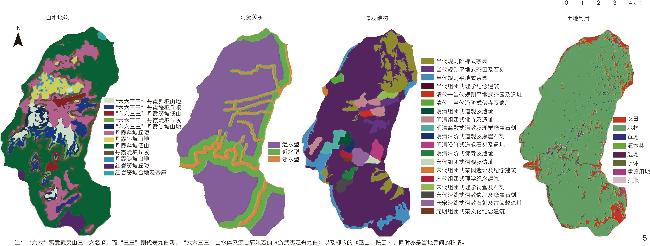
| 自然类 | 山水地貌 | 丹霞地貌缓坡低山、丹霞地貌缓坡丘陵、丹霞地貌陡坡丘陵、丹霞地貌斜坡山地、丹霞地貌陡坡山地等 | 历代及当代文化景观特征识别 |
| 河流关系 | 邻水型、近水型、远水型 | ||
| 文化类 | 景观结构 | 沿线规则平地式宋清茶园、组团式明清佛寺、组团式宋代理学祠堂及石刻、组团式宋代茶文化遗址及纪念建筑、沿线式清代佛寺及石刻、规则阶梯式当代茶园、沿线式宋明道教古闽越遗址等 | |
| 土地利用 | 耕地、园地、草地、水域、灌木林、林地、聚落民居、商业街区、其他建设用地、荒地 | 当代文化景观特征识别 | |
| 感知意向 | 视觉、嗅觉、听觉、情感意向等 | 当代文化景观特征命名与描述 |
表6 研究区域文化景观高层积区域空间格局Tab. 6 Spatial pattern of high-stratification area of cultural landscape in research area |
| 类型 | 文化景观 |
| 面状山体 | 大王峰、接笋峰、隐屏峰、苍屏峰、仙掌峰、玉华峰、白云岩、虎啸岩、凌霄峰、幔亭峰、玉女峰、大小藏峰、天游峰、晚对峰、丹霞嶂等19处 |
| 线状河流 | 橘树涧、松鼠涧、流香涧、倒水坑、悟源涧、章堂涧等9条 |
| 点状遗迹 | 武夷宫、万春园、小桃源、开源道观、武夷精舍、止止庵、三贤祠、摩崖石刻、架壑船棺、水云寮、幼溪草庐、御茶园、大红袍等243个 |
文中图表均由作者绘制,其中
| [1] |
EAGLES P F J. Research Priorities in Park Tourism[J]. Journal of Sustainable Tourism, 2014, 22(4): 528-549.
|
| [2] |
陈战是, 于涵, 邓武功, 等.自然保护地和乡村社区协同发展规划[M].北京: 中国建筑工业出版社, 2022.
CHEN Z S, YU H, DENG W G, et al. Coordinated Development Planning of Natural Protected Areas and Rural Communities[M]. Beijing: China Architecture & Building Press, 2022.
|
| [3] |
李和平, 肖竞. 我国文化景观的类型及其构成要素分析[J]. 中国园林, 2009, 25(2): 90-94.
LI H P, XIAO J. Analysis on the Types and Components of Cultural Landscape in China[J]. Chinese Landscape Architecture, 2009, 25(2): 90-94.
|
| [4] |
张婧雅, 张玉钧. 自然保护地的文化景观价值演变与识别: 以泰山为例[J]. 自然资源学报, 2019, 34(9): 1833-1849.
ZHANG J Y, ZHANG Y J. The Evolution and Identification of Cultural Landscape Value in Protected Areas: A Case of Mount Tai[J]. Journal of Natural Resources, 2019, 34(9): 1833-1849.
|
| [5] |
DUNCAN J S. The Superorganic in American Cultural Geography[J]. Annals of the Association of American Geographers, 1980, 70(2): 181-198.
|
| [6] |
赵智聪.作为文化景观的风景名胜区认知与保护[D].北京: 清华大学, 2012.
ZHAO Z C. Perception and Conservation of Chinese National Parks as Cultural Landscapes[D]. Beijing: Tsinghua University, 2012.
|
| [7] |
MARTÍNEZ S, RAMIL P, CHUVIECO E. Monitoring Loss of Biodiversity in Cultural Landscapes: New Methodology Based on Satellite Data[J]. Landscape and Urban Planning, 2010, 94(2): 127-140.
|
| [8] |
刘文平, 宇振荣. 北京市海淀区景观特征类型识别及评价[J]. 生态学杂志, 2016, 35(5): 1338-1344.
LIU W P, YU Z R. Recognition and Evaluation of Landscape Characteristic Types in Haidian District, Beijing[J]. Chinese Journal of Ecology, 2016, 35(5): 1338-1344.
|
| [9] |
汪伦, 张斌. 景观特征评估: LCA体系与HLC体系比较研究与启示[J]. 风景园林, 2018, 25(5): 87-92.
WANG L, ZHANG B. Comparative Study of Landscape Character Assessment and Historic Landscape Characterisation and Its Inspiration to China[J]. Landscape Architecture, 2018, 25(5): 87-92.
|
| [10] |
ANTROP M, EETVELDE V V. Landscape Perspectives: The Holistic Nature of Landscape[M]. Berlin: Springer, 2017.
|
| [11] |
孙乔昀, 张玉钧. 自然区域景观特征识别及其价值评估: 以青海湖流域为例[J]. 中国园林, 2020, 36(9): 76-81.
SUN Q Y, ZHANG Y J. Landscape Character Identification and Its Value Assessment in Natural Areas: A Case Study of Qinghai Lake Basin[J]. Chinese Landscape Architecture, 2020, 36(9): 76-81.
|
| [12] |
杨俊, 张青萍. 南京钟山历史文化景观层积认知研究[J]. 城市发展研究, 2018, 25(11): 86-92.
YANG J, ZHANG Q P. Study on Layering Cognition of Zhongshan Historical and Cultural Landscape in Nanjing[J]. Urban Development Research, 2018, 25(11): 86-92.
|
| [13] |
裴昱, 杨锐, 党安荣. 基于城市历史景观方法的榆林古城历史层积过程解译与价值评估[J]. 城市发展研究, 2002, 29(7): 128-136.
PEI Y, YANG R, DANG A R. Historic Layering Process Interpretation and Value Assessment of the Ancient City of Yulin Based on Historic Urban Landscape Approach[J]. Urban Development Research, 2002, 29(7): 128-136.
|
| [14] |
刘祎绯, 黄川壑, 李雄. 基于历史信息转译的古城内部结构变迁分析方法探索: 以定兴古城为例[J]. 风景园林, 2017(6): 49-58.
LIU Y F, HUANG C H, LI X. Analysis Method of Internal Structure Change of Ancient City Based on Historical Information Translation: A Case Study of Dingxing Ancient City[J]. Landscape Architecture, 2017(6): 49-58.
|
| [15] |
罗, 韩锋, 徐青. 《欧洲风景公约》: 关于“文化景观”的一场思想革命[J]. 中国园林, 2007(11): 10-15.
ROE M, HAN F, XU Q. The European Landscape Convention: A Revolution in Thinking About “Cultural Landscapes”[J]. Chinese Landscape Architecture, 2007(11): 10-15.
|
| [16] |
傅凡, 姜佳莉, 李春青. 文化景观的共时性与历时性: 对香山遗产价值构成多维度认知[J]. 中国园林, 2019, 36(10): 18-22.
FU F, JIANG J L, LI C Q. Synchronism and Diachronism of Cultural Landscape: A Multi-Dimensional Understanding of the Heritage Values of the Fragrant Hill[J]. Chinese Landscape Architecture, 2019, 36(10): 18-22.
|
| [17] |
田梦瑶, 郑文俊, 艾烨, 等. 桂林山水城市历史景观“锚固-层积”时空过程解译[J]. 中国园林, 2022, 38(3): 26-31.
TIAN M Y, ZHENG W J, AI Y, et al. The Interpretation of the Spatial-Temporal Process of “Anchoring-Layering” Structure of Guilin Landscape City Historical Urban Landscape[J]. Chinese Landscape Architecture, 2022, 38(3): 26-31.
|
| [18] |
王云才, 陈照方, 成玉宁. 新时期乡村景观特征与景观性格的表征体系构建[J]. 风景园林, 2021, 28(7): 107-113.
WANG Y C, CHEN Z F, CHENG Y N. The Representation System of Rural Landscape Character and Personality in the New Era[J]. Landscape Architecture, 2021, 28(7): 107-113.
|
| [19] |
云翃, 林浩文. 文化景观动态变化视角下的遗产村落保护再生途径[J]. 国际城市规划, 2021, 36(4): 91-98.
YUN H, LIN H W. The Conservation and Regeneration Approaches of Historical Villages Under Dynamic Perspective of Cultural Landscapes[J]. Urban Planning International, 2021, 36(4): 91-98.
|
| [20] |
李亚娟, 钟林生, 虞虎. 全球国家公园资源分类和评价体系特征分析与借鉴[J]. 世界林业研究, 2017, 30(4): 35-40.
LI Y J, ZHONG L S, YU H. Characteristics Analysis of Resource Classification and Evaluation System for Global National Park and Its Implication[J]. World Forestry Research, 2017, 30(4): 35-40.
|
| [21] |
赵智聪, 彭琳, 杨锐. 国家公园体制建设背景下中国自然保护地体系的重构[J]. 中国园林, 2016, 32(7): 11-18.
ZHAO Z C, PENG L, YANG R. Reconstruction of Protected Area System in the Context of the Establishment of National Park System in China[J]. Chinese Landscape Architecture, 2016, 32(7): 11-18.
|
| [22] |
王应临. 英格兰国家公园居民社区规划政策评述: 以峰区国家公园为例[J]. 风景园林, 2015(11): 101-107.
WANG Y L. Review on the Settlements Policies of National Parks in England Take Peak District National Park for Example[J]. Landscape Architecture, 2015(11): 101-107.
|
| [23] |
钟乐, 杨锐, 赵智聪. 国家公园的一半是暗夜: 暗夜星空研究的美国经验及中国路径[J]. 风景园林, 2019, 26(6): 85-90.
ZHONG L, YANG R, ZHAO Z C. Half the Park Is After Dark: America’s Experience and China’s Route in the Study of Night Skies[J]. Landscape Architecture, 2019, 26(6): 85-90.
|
| [24] |
肖练练, 钟林生, 周睿, 等. 近30年来国外国家公园研究进展与启示[J]. 地理科学进展, 2017, 36(2): 244-255.
XIAO L L, ZHONG L S, ZHOU R, et al. Review of International Research on National Parks as an Evolving Knowledge Domain in Recent 30 Years[J]. Progress in Geography, 2017, 36(2): 244-255.
|
| [25] |
唐芳林, 王梦君, 李云, 等. 中国国家公园研究进展[J]. 北京林业大学学报(社会科学版), 2018, 17(3): 17-27.
TANG F L, WANG M J, LI Y, et al. A Review of the Research on National Parks in China[J]. Journal of Beijing Forestry University (Social Sciences), 2018, 17(3): 17-27.
|
| [26] |
福建省地方史志编纂委员会.福建省志·武夷山志[M].北京: 方志出版社, 2004.
Compilation Committee of Fujian Provincial Historiography. Annals of Fujian Province: Annals of Wuyishan[M]. Beijing: China Local Records Publishing, 2004.
|
| [27] |
黄进.武夷山丹霞地貌[M].北京: 科学出版社, 2010.
HUANG J. Danxia Landform in Mount Wuyi[M]. Beijing: Science Press, 2010.
|
| [28] |
王劲峰, 徐成东. 地理探测器: 原理与展望[J]. 地理学报, 2017, 72(1): 116-134.
WANG J F, XU C D. Geodetector: Principle and Prospect[J]. Acta Geographica Sinica, 2017, 72(1): 116-134.
|
| [29] |
杨叠川.多尺度风景特质类型与区域识别研究: 以鄱阳湖至庐山为例[D].武汉: 华中农业大学, 2020.
YANG D C. Multi-Scaled Identification of Landscape Character Types and Areas: An Empirical Study from Poyang Lake to Lushan[D]. Wuhan: Huazhong Agricultural University, 2020.
|
| [30] |
孙悦. 基于eCognition的卫星遥感影像分析技术[J]. 无线电工程, 2014, 44(3): 35-39.
SUN Y. Satellite Remote Sensing Image Analysis Technology Based on eCognition[J]. Radio Engineering, 2014, 44(3): 35-39.
|
| [31] |
王云才, 石忆邵, 陈田. 传统地域文化景观研究进展与展望[J]. 同济大学学报(社会科学版), 2009, 20(1): 18-24.
WANG Y C, SHI Y S, CHEN T. Research Progress and Prospects of Traditional Territory Cultural Landscape[J]. Journal of Tongji University (Social Science Edition), 2009, 20(1): 18-24.
|
| [32] |
VLAMI V, KOKKORIS I P, ZOGARIS S, et al. Cultural Landscapes and Attributes of “Culturalness” in Protected Areas: An Exploratory Assessment in Greece[J]. Science of the Total Environment, 2017, 595: 229-243.
|
| [33] |
肖竞, 李和平, 曹珂. 文化景观、历史景观与城市遗产保护: 来自美国的经验启示[J]. 上海城市管理, 2018, 27(1): 73-79.
XIAO J, LI H P, CAO K. Cultural Landscape, Historical Landscape and City Heritage Protection[J]. Shanghai Urban Management, 2018, 27(1): 73-79.
|
| [34] |
赵智聪, 刘雪华, 杨锐. 作为文化景观的风景名胜区认知与保护问题识别[J]. 中国园林, 2013, 29(11): 30-33.
ZHAO Z C, LIU X H, YANG R. Identification of the Perception and Conservation of Chinese National Parks as Cultural Landscapes[J]. Chinese Landscape Architecture, 2013, 29(11): 30-33.
|
| [35] |
付建新, 曹广超, 郭文炯. 1980—2018年祁连山南坡土地利用变化及其驱动力[J]. 应用生态学报, 2020, 31(8): 2699-2709.
FU J X, CAO G C, GUO W J. Land Use Change and Its Driving Force on the Southern Slope of Qilian Mountains from 1980 to 2018[J]. Chinese Journal of Applied Ecology, 2020, 31(8): 2699-2709.
|
/
| 〈 |
|
〉 |