

Human-Oriented Scene-Based City Building: Construction Pathway for Beijing’s Garden Scene from the Perspective of the Theory of Scenes
|
MENG Lingjun, Master, is an engineer in Beijing Municipal Institute of City Planning & Design. Her research focuses on garden city, urban design, urban renewal and integrated rail transit |
|
HE Qin, Bachelor, is vice president of and a senior engineer in Beijing Municipal Institute of City Planning & Design. Her research focuses on garden cities and territorial spatial planning |
|
GUO Jing, Master, is a senior engineer in Beijing Municipal Institute of City Planning & Design. Her research focuses on urban planning, urban design, urban renewal, and public space design & fine governance |
|
YAN Xurui, Master, is an assistant engineer in Homedale Urban Planning & Architects Co., Ltd. of BPICPD. Her research focuses on garden city, and spatial and temporal patterns of population mobility and their impact mechanisms |
Received date: 2025-01-26
Revised date: 2025-07-28
Online published: 2025-12-10
Copyright
[Objective] This research aims to explore the systematic application pathway of the theory of scenes in the construction of Beijing Garden City. Addressing current deficiencies in Beijing’s green space development, such as insufficient integration of greenery perception and function, lack of distinctive character, low ecological efficiency of urban spaces, and inadequate scene operation capabilities, the research constructs a human-oriented garden scene construction framework for Beijing, grounded in the theory of scenes and oriented towards planning practice. The core objectives are to facilitate the transformation of Beijing’s urban spaces from a singular “garden landscape” model, primarily focusing on parks and green spaces, towards a comprehensive “garden scene” model that covers the entire urban area and integrates diverse functions. This transformation seeks to enhance citizens’ sense of well-being and belonging, ultimately achieving the high-quality development goal of harmonious coexistence between humans and nature.
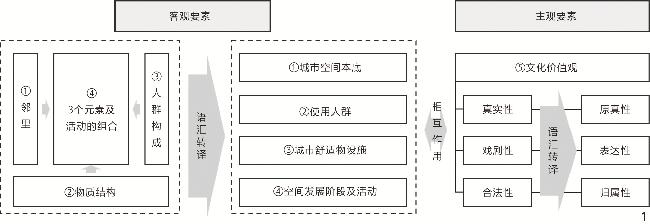
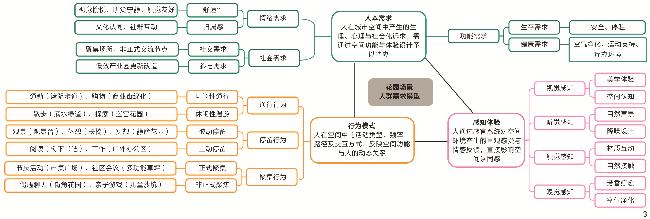
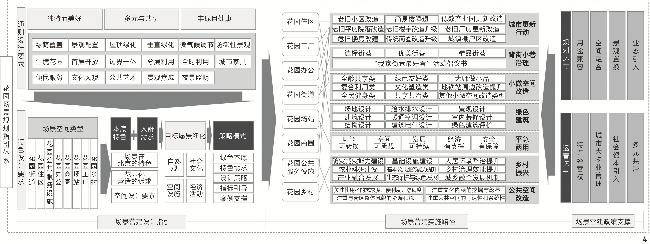
[Methods] The research employs an interdisciplinary approach, integrating knowledge from such disciplines as environmental psychology, sociology, ecology, urban planning, and landscape architecture. The theory of scenes is utilized to analyze the spatial form and functional development of the Garden City. Firstly, the conceptual framework of the theory of scenes, including its subjective and objective elements and their interrelationships, is systematically reviewed, and its semantic expressions are localized for the Chinese context. A literature review is conducted on the theory’s application and research in Garden City construction, with a focus on the following three key directions: Emphasizing subjective dimension value analysis, addressing both the overall requirements of garden scenes and the differentiated needs of specific scene types, and highlighting the synergistic role of green spaces in landscape character, social interaction, and ecological performance. Questionnaire surveys are used to decipher Beijing citizens’ subjective value orientations towards garden scenes. The Beijing’s Garden Scene vision system is explored through the lenses of authenticity, expressiveness, and belongingness. Applying the objective elements of Scene Theory to establish a research process: “Characterizing Spatial Contexts — Identifying User Demands — Developing Amenity Systems — Integrating Activities across Developmental Stages”. This framework technically translates the garden scene vision, detailing the construction elements, characteristics, and directions for eight types of garden scenes. Finally, the theory of scenes framework and survey findings are innovatively synthesized into a tripartite planning practice system comprising “design guidelines — implementation pathways — policy support”, forming the core of the Beijing's Garden Scene planning and design guidance system.
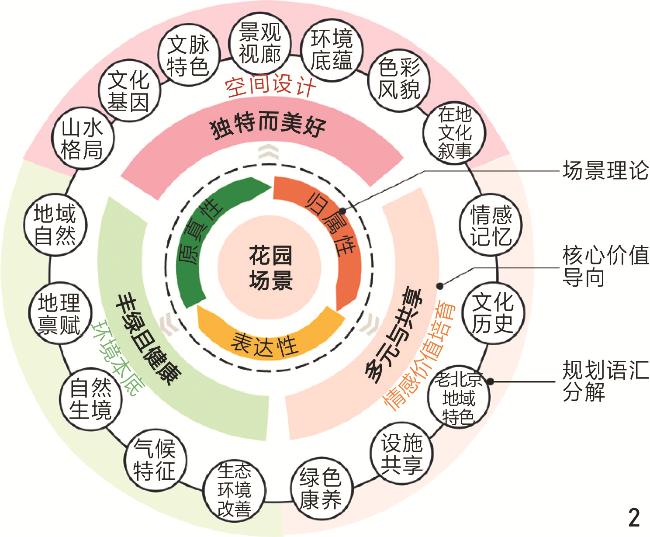
[Results] The research yields the following key outcomes: 1) Value System Construction: Through the localized translation of the theory of scenes’s subjective dimensions and aligning them with Beijing’s capital character, “Beijing flavor” culture, and North China regional characteristics, the core value vision of “Lush & Healthy, Diverse & Shared, Unique & Beautiful” for Beijing’s Garden Scenes is proposed. 2) Amenity Module Innovation: Based on the objective elements of the theory of scenes, an amenity framework featuring 17 distinct modules is innovatively constructed, involving canopy coverage, microclimate regulation, boundary integration, and therapeutic landscapes, etc. This system provides universal technical strategies for creating ecological, human-centered, and distinctive spaces. 3) Differentiated Strategies for Scene Types: Tailored core construction strategies and planning pathways are formulated, closely integrating the spatial background characteristics, green space development features, and human demand models of Beijing’s eight garden scene types. These strategies integrate design guideline principles with specific scene requirements and embed them within existing initiatives like urban renewal. 4) Implementation and Policy System: Recognizing the spatio-temporal evolution characteristics of scenes (progressing through Environmental Improvement → Functional Implantation → Catalyst Activation stages), the research explores an eight-faceted policy framework covering aspects like optimized green space metrics, landscape replacement policies, adaptable green space controls, etc. These policies ensure the effective translation of planning concepts into implementation and management controls.
[Conclusion] Garden scene construction represents the refined implementation and effective operationalization of the planning concept of Beijing Garden City at the urban spatial level. The process of scene building translates the macro concept of human-nature symbiosis into tangible, perceptible, and enjoyable micro-spatial experiences within citizens’ daily life. The research constructs a garden scene construction pathway framework for Beijing guided by the theory of scenes, led by core values, grounded in amenity modules, characterized by scene-specific strategies, and secured by implementation policies. This framework effectively addresses the current challenges of integrating function, ecology, and culture in green space development. It provides significant theoretical support and a practical paradigm for achieving high-quality, sustainable development of megacities like Beijing.
Lingjun MENG , Qin HE , Jing GUO , Xurui YAN . Human-Oriented Scene-Based City Building: Construction Pathway for Beijing’s Garden Scene from the Perspective of the Theory of Scenes[J]. Landscape Architecture, 2025 , 32(9) : 47 -56 . DOI: 10.3724/j.fjyl.LA20250056
表1 场景理论的4个客观要素及语汇转译Tab. 1 Analysis of the four objective elements of the theory of scenes |
| 场景理论的客观要素 | 场景理论内涵 | 语汇转译 | 内容阐释 |
| 邻里 | 城市空间要素 | 城市空间本底 | 城市某一特定形态构成和功能区域,如居住区、产业区、校园等 |
| 人群构成 | 参与主体 | 使用人群 | 人群的性别、职业、年龄、受教育程度等 |
| 物质结构 | 功能及设施 | 城市舒适物设施 | 一个地区自然的或人造的能满足人们关于享乐、审美、文化和游憩的功能设施,如公园、咖啡厅、书店、便利店、商场等 |
| 前3个元素及活动组合 | 行为要素 | 空间发展阶段及活动 | 空间的发展阶段及能承载的城市活动,如音乐节、教育科普活动、体育赛事、讲座、展览等城市社会活动 |
表2 场景理论的实践应用Tab. 2 Practical application of the theory of scenes |
| 年份 | 城市 | 场景理论应用 |
| 2020 | 深圳 | 以“山海连城计划”将自然生态空间与市民生活有效衔接,让绿色空间承载了更多活力 |
| 2022 | 重庆 | 提出了“场景营城规划行动”,以详细规划塑空间、设计做场景,形成“五态协同”的场景营造导则,营造充满情感的空间 |
| 2023 | 东京 | 发布的《东京2040》提出“提供所有人都可以生活的场所”“通过艺术、文化、体育创造新魅力”,《东京2050战略:开启更美好的未来》提出将“享受文化环境”的人口比例提高到75%以上,将参加文化活动的人口比例提高到40%或更多等指标 |
| 2023 | 成都 | 提出桥下空间、街旁空间、地下空间等七类剩余空间的场景化营造方法,提升存量空间价值 |
| 2023 | 上海 | 依托公园城市建设,提出公园街区、公园社区、公园校区、创新园区、公园乡村5类场景营建方法 |
| 2024 | 伦敦 | 通过提升市中心品质、打造并维系卓越社区、提供优质休闲设施,塑造鲜明的城市形象。以文化和创意为繁荣引擎,吸引并留住劳动力与商业投资,实现经济和美学上的双重效益 |
表3 场景空间本底特色提取(以住区空间为例)Tab. 3 Feature extraction of scene space background (taking residential space as an example) |
| 大类 | 小类 | 空间建设特点 | 绿色空间建设特征 | 建设趋势 |
| 住区空间 | 居住小区 | 点式高层与板楼混合; 存量小区占比高,老旧小区问题突出; 小区面积大,大院多; 以封闭小区为主 | 新建小区绿地率≥30%; 大间距保障日照,绿地呈现集中化; 绿地注重社会交往属性; 部分绿地不亲人,小微空间利用不足 | 通过“好房子”政策优化建筑标准, 优化形态与密度; 注重功能复合与全龄友好 |
| 院落胡同 | 空间紧凑、建筑密度大,服务设施不足; 传统肌理保护要求高,文化遗产丰富; 产权复杂,杂院多; 交通空间不足,通行空间拥挤 | 基本无实土绿化; 已形成“一院一树”的种植记忆; 居民认养管理庭前绿化(包括花箱及实土种植); 文化象征性植物多,如石榴、玉兰、紫藤、海棠等 | 注重功能复合与社区活化; 推动胡同微花园建设 |
表4 花园场景舒适物营建体系Tab. 4 Amenity construction system for garden scenes |
| 核心价值导向 | 舒适物模块 | 花园场景营建策略 |
| 丰绿且健康 | 绿荫覆盖 | 提升绿视率:提升视野中树木、垂直绿化等绿色要素占据视线画面的比例; 完整林荫覆盖:增加高大阔叶乔木种植,对人行走、停留空间进行完整的林荫覆盖; 绿道网络覆盖:加强无断点绿道建设,保障绿道在多场景体系中的连续性 |
| 景观配置 | 乔-灌-草混植:植物功能化与特色化混植,提升树种多样性,优化混植比例; 亮点花景:依据文化特质底蕴、四季彩化特色种植等要素打造亮点花景 | |
| 屋顶绿化 | 建筑地景化:借助地景建筑屋顶与平台实现景观体系与建筑的立体串联; 功能复合屋顶:利用高层建筑露台增加休闲交往、运动等多功能空间; 花园式屋顶:种植小型乔灌木、花卉,设置园路小品提供游览休憩空间 | |
| 垂直绿化 | 花园露台:临街建筑底层建设室外花园露台,打造局部生态阳台绿化; 立体绿化:加强沿街建筑及其附属设施的墙面、檐口和屋顶的立体绿化; 桥体绿化:选择耐阴性的本地植物,通过立体、柱体绿化等形式增加绿化; 花园阳台:采用花箱式、悬垂式、花堆式等种植方式加强阳台绿化水平 | |
| 微气候调节 | 下凹式绿地:选用耐涝喜湿植物,提升滞留雨水、降温净流的能力; 绿色清凉岛:优化种植秩序,减少硬质铺装面积 | |
| 防御性景观 | 防洪性丰枯景观:结合水生与陆生植物群落配置实现滨水景观季相变化; 海绵景观:通过置入各类绿色基础设施,强化绿地的生态效能; 低维护种植:通过选择适应性强的植物,构建稳定可持续的植物群落 | |
| 生境花园 | 低干预景观:减少对自然生态系统的破坏,实现景观和生态价值的最大化; 平急两用:通过植物配置、地形塑造等措施,将防洪、避难等功能融入景观建设 | |
| 多元与共享 | 首层开放 | 沿街建筑前区绿化:增加多层复合种植,利用花箱、绿植等营造花园场景; 绿色灰空间:建筑连廊、屋顶、灰空间、外立面等区域营造绿色空间; 绿荫连廊:景观结合步道、小型广场与休闲座椅等方式激活连廊功能 |
| 边界一体 | 围墙消隐透绿:通过种植攀缘植物、花篱或绿篱等方式进行围墙绿化覆盖; 退界开放:围墙(围栏)退界,将局部附属绿地对公众开放; 设施绿化消隐:在设施周围加强绿化手段以减少设施对周围环境视觉影响 | |
| 分层利用 | 空中连廊/地下空间开放:多层空间联动,集成立体绿化系统与生态网络; 桥下空间功能:植入观景平台、休憩驿站、漫步通廊等复合功能 | |
| 全时利用 | 附属绿地分时共享:结合疏散绿化布局,在非高峰时段实施功能转换; 鼓励商业夜间经济:鼓励商业周边绿地与商业设施夜间活动,激活经济 | |
| 城市家具 | 清凉/取暖设施:安装遮阳伞、喷泉、暖炉等设施提升户外空间舒适度; 绿色精细化设计:提供雨棚、座椅等设施,将场景附属空间用作人行空间的补充; 透水铺装建设:加强雨水的自然渗透和循环利用,减少地表径流 | |
| 便民服务 | 林荫停车场:加强停车场树冠的垂直投影遮蔽,提升绿色感知水平; 口袋公园:挖潜城区内边角地、空闲地、拆违腾退等空间增补口袋公园 | |
| 独特而美好 | 文化风貌 | 历史文脉承接:将传统园林造景与现代功能空间结合,延续城市的历史记忆; 古树名木保护设计:挖掘古树文化内涵,形成具有历史标识性的特色景观 |
| 公共艺术 | 沿街界面艺术设计:塑造艺术化、运动型、消费型的花园式场景; 大地艺术装置:突出山水本底,将自然景观与大地景观营造相结合 | |
| 景观疗愈 | 自然疗愈生境:营造康复花园等,促进医院就诊空间与疗愈生境的紧密结合; 文旅康养体验:依托自然资源,开发森林养生、滨水休闲、温泉疗愈等文旅活动; 无障碍景观步道:绿植引导缓坡,沿步道设置无障碍坡道、扶手及座椅 | |
| 夜景照明 | 提升夜间氛围活力:明确照明设计主题,强化城市活力空间夜间景观效果 |
表5 8类花园场景核心营建策略Tab. 5 Core construction strategies for 8 types of garden scenes |
| 序号 | 分类 | 核心营建策略 | |
| 1 | 花园住区 | 花园小区 | 推动社区级绿道建设;转化消极空间,提高公共空间绿色利用效率;建设生态景观、花园阳台、生境花园,提升多维景观环境;建设拥有开敞阳台、屋顶绿化、架空绿化、风雨连廊的高品质住宅;建设社区园艺中心,开展绿地认养、共建共享活动,强化邻里交往 |
| 花园院落 | 建设胡同微花园促进共建共治共享,优化胡同风貌景观;开展“一院一树”行动,推动城市文化记忆延续;通过打造30 cm非实土绿化带优化胡同景观品质 | ||
| 2 | 花园工厂 | 推广简式屋顶绿化与光伏屋顶;提升首层建筑空间的开放水平;建设健身场所空间、绿色展览活动空间,丰富园区绿色空间功能;建设下凹式绿地、透水铺装增强厂区绿地的生态系统服务调节能力;推动老旧厂区优化工业景观,以公共艺术美化传承工业记忆 | |
| 3 | 花园办公 | 鼓励屋顶绿化、平台绿化、立面垂直绿化,建设可感可视的生态建筑;鼓励开展下凹式绿地、透水铺装建设,提升多维生态系统调节能力;通过开放附属绿地、建筑首层空间提升空间一体共享水平 | |
| 4 | 花园街道 | 花园街道 | 建设连续并完全覆盖人行空间的林荫空间;鼓励沿街建筑的低层空间开展立体绿化,提升街巷绿化感知水平;通过乔-灌-草结构混植、建设景观微地形提升街巷多维景观环境;推动市政设施绿化消隐,提升城市家具与绿化空间的结合设计水平;开放公共建筑附属绿地,提升街道一体化水平;种植彩化植物、古树名木保护,展现街巷多元特色 |
| 花园滨水 | 建设亲水驳岸,强化特色种植,提升滨水空间绿化感知水平;通过加强三网融合、桥下空间利用,强化岸线空间融合联通;通过开放建筑首层,加强岸线一体化设计,提升空间开放和联通水平;丰富夜景照明,提升夜间滨河魅力和经济活力;通过低干预、防御性景观设计提升景观生态兼容性 | ||
| 5 | 花园场站 | 交通场站 | 提升轨道微中心景观活力,建设立体绿化,增加绿化覆盖水平 |
| 市政场站 | 推动市政场站地下化建设,地上开展生态公园建设以美化环境;提升防护绿地的生态服务功能 | ||
| 6 | 花园商圈 | 推动橱窗绿化、花园露台、屋顶绿化、连廊绿化等灵活的商绿融合绿化方式;沿街商业设置连续雨棚,推进商圈屋顶功能化,建设舒适共享的公共活动空间;通过分时共享等方式提升商业全时活力 | |
| 7 | 花园公共 服务设施 | 花园学校 | 增加乔木与立体绿化,提升校区绿化覆盖水平;通过围墙虚化、设施共享,推动校区空间内外接续融合 |
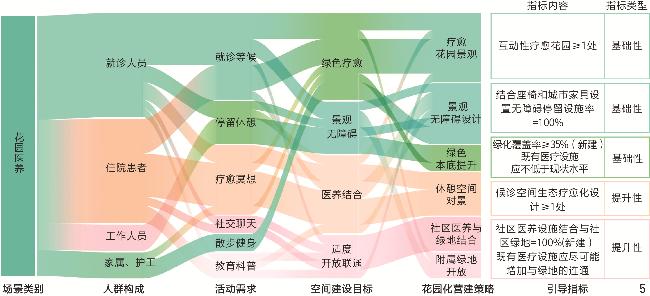
| 花园医养 | 建设互动性疗愈花园,增强绿地自然疗愈功能;将无障碍设施与景观设计结合,增绿提质 | ||
| 花园文体 | 通过建筑地景化、开放增绿等方式促进功能与景观无界融合;通过历史遗存再利用,推进设施环保更新 | ||
| 8 | 花园乡村 | 通过乡村蓝绿生态网络织补提升、乡村道路特色化种植、特色大地艺术设计、农业景观开放等方式展现乡村风貌特色;鼓励都市农旅、乡村文旅康养建设;推进村落基础设施景观艺术化、村落庭院及公共空间花园化建设 | |
文中图表均由作者绘制。
| [1] |
吴军. 城市社会学研究前沿: 场景理论述评[J]. 社会学评论, 2014, 2(2): 90-95.
WU J. The Latest Theoretical Paradigm of Urban Sociology: The Theory of Scenes[J]. Sociological Review of China, 2014, 2(2): 90-95.
|
| [2] |
石晓冬.北京总规实施第三阶段要面对的若干战略议题[EB/OL].(2025-04-22)[2025-07-28]. https://item.btime.com/41ffs17h4h09nqpl45or3tjdi9o?page=3.
SHI X D. Several Strategic Issues in the Third Phase of Beijing Master Plan Implementation. Beijing Radio & Television Network[EB/OL].(2025-04-22)[2025-07-28]. https://item.btime.com/41ffs17h4h09nqpl45or3tjdi9o?page=3.
|
| [3] |
吴军, 夏建中, 克拉克. 场景理论与城市发展: 芝加哥学派城市研究新理论范式[J]. 中国名城, 2013, 27(12): 8-14.
WU J, XIA J Z, CLARK T. Scene Theory and Urban Development: New Theoretical Paradigm of Chicago School of Urban Studies[J]. China Ancient City, 2013, 27(12): 8-14.
|
| [4] |
吴军, 克拉克.文化动力[M].北京: 人民出版社, 2016.
WU J, CLARK T N. Cultural Motivation[M]. Beijing: People’s Publishing House, 2016.
|
| [5] |
赵炜, 韩腾飞, 李春玲. 场景理论在成都城市社区更新中的在地应用: 以望平社区为例[J]. 上海城市规划, 2021(5): 38-43.
ZHAO W, HAN T F, LI C L. Scene Theory and Its Local Application in Urban Community Regeneration of Chengdu: A Case Study of Wangping Community[J]. Shanghai Urban Planning Review, 2021(5): 38-43.
|
| [6] |
汤诚, 刘晓霞, 王春迎.场景理论视域下的“+城市公共阅读空间”营建[J].图书情报知识, 2023, 40(4): 10-18, 31.
TANG C, LIU X X, WANG C Y. Constructing Integrated Urban Public Reading Space from the Perspective of the Theory of Scenes[J]. Documentation, Information & Knowledge, 2023, 40(4): 10-18, 31.
|
| [7] |
李和平, 靳泓, CLARK T N, 等. 场景理论及其在我国历史城镇保护与更新中的应用[J]. 城市规划学刊, 2022(3): 102-110.
LI H P, JIN H, CLARK T N, et al. A Preliminary Study on the Application of Scene Theory in the Conservation and Renewal of Historic Towns in China[J]. Urban Planning Forum, 2022(3): 102-110.
|
| [8] |
SILVER D, CLARK T N, NAVARRO YANEZ C J. Scenes: Social Context in an Age of Contingency[J]. Social Forces, 2010, 88(5): 2293-2324.
|
| [9] |
克拉克, 李鹭. 场景理论的概念与分析: 多国研究对中国的启示[J]. 东岳论丛, 2017, 38(1): 16-24.
CLARK T N, LI L. The Concept and Analysis of Scene Theory: Enlightenment of Multinational Studies to China[J]. Dongyue Tribune, 2017, 38(1): 16-24.
|
| [10] |
吴军. 场景理论: 利用文化因素推动城市发展研究的新视角[J]. 湖南社会科学, 2017(2): 175-182.
WU J. Scene Theory: A New Perspective of Using Cultural Factors to Promote Urban Development Research[J]. Social Sciences in Hunan, 2017(2): 175-182.
|
| [11] |
薄凡, 赵笛, 韩瑞栋. 中国式花园城市: 理论构建与实践路径[J]. 北京行政学院学报, 2024(3): 21-30.
BO F, ZHAO D, HAN R D. Chinese Garden City: Theoretical Construction and Practical Path[J]. Journal of Beijing Administration Institute, 2024(3): 21-30.
|
| [12] |
王忠杰, 吴岩, 景泽宇. 公园化城, 场景营城: “公园城市” 建设模式的新思考[J]. 中国园林, 2021, 37 S1 7 11
WANG Z J, WU Y, JING Z Y. Park Integrating City and Scenes Constructing City: New Thoughts on the Construction Model of “Park City”[J]. Chinese Landscape Architecture, 2021, 37 S1 7 11
|
| [13] |
陈明坤, 高歌, 苟丹丹, 等. 标准化视角下公园场景营造和业态融合策略与路径研究[J]. 园林, 2025, 42(4): 18-26.
CHEN M K, GAO G, GOU D D, et al. Research on the Strategy and Path of Park Scene Construction and Business Format Integration from the Perspective of Standardization[J]. Landscape Architecture Academic Journal, 2025, 42(4): 18-26.
|
| [14] |
蔡秋阳, 李艳华, 伍玲, 等. 公园城市建设视角下场景体系构建与营造指引研究: 以成都市武侯区为例[J]. 四川建筑, 2025, 45(3): 30-34.
CAI Q Y, LI Y H, WU L, et al. Research on Scene System Construction and Guidance Under the Perspective of Park City Development: A Case Study of Wuhou District, Chengdu[J]. Sichuan Architecture, 2025, 45(3): 30-34.
|
| [15] |
黄瓴, 夏梦. 基于场景理论的城市社区第三空间识别与营造路径: 以重庆市沙坪坝区中渡口社区为例[J]. 上海城市规划, 2024(3): 109-115.
HUANG L, XIA M. Identification and Construction Paths of Third Places in Urban Community Based on the Scene Theory: A Case Study of Zhongdukou Community in Shapingba District of Chongqing[J]. Shanghai Urban Planning Review, 2024(3): 109-115.
|
| [16] |
田雨泽.基于场景理论的创新街区公共空间评价与空间营造策略研究: 以北京德胜科技园区为例[D].北京: 北京建筑大学, 2024.
TIAN Y Z. Research on Public Space Evaluation and Space Construction Strategy of Innovative Blocks Based on Scene Theory: Taking Beijing Desheng Science and Technology Park as an Example[D]. Beijing: Beijing University of Civil Engineering and Architecture, 2024.
|
| [17] |
The Official Website for the City of London, Ontario. The London Plan (Official Plan)[EB/OL]. (2025-03-12)[2025-07-31]. https://london.ca/government/council-civic-administration/master-plans-strategies/london-plan-official-plan.
|
| [18] |
段瑜卓, 田晓濛, 杨春. 《东京2040》: 安全、多彩、智慧的新东京[EB/OL]. (2019-07-05) [2025-07-31]. https://www.thepaper.cn/newsDetail_forward_3847456.
DUAN Y Z, TIAN X M, YANG C . Tokyo 2040: A Safe, Colorful and Smart New Tokyo[EB/OL]. (2019-07-05) [2025-07-31]. https://www.thepaper.cn/newsDetail_forward_3847456.
|
| [19] |
Office of the Governor for Policy Planning. Tokyo Metropolitan Government. Tokyo 2050 Strategy: Unlocking a Better Future[EB/OL]. (2025-03-28)[2025-07-31]. https://www.english.metro.tokyo.lg.jp/w/000-101-004130.
|
| [20] |
吕攀. “化虚为实” 重庆场景营城的思考感悟[EB/OL]. (2022-08-10) [2025-07-31]. https://mp.weixin.qq.com/s/eXSM1p_C13ynk2zNXfjruQ.
LYU P. “Turning the Void into Reality”: Reflections on Scene-Based Urban Development in Chongqing[EB/OL]. (2022-08-10) [2025-07-31]. https://mp.weixin.qq.com/s/eXSM1p_C13ynk2zNXfjruQ.
|
| [21] |
深圳市人民政府. 什么是“山海连城计划”?[EB/OL]. ( 2021-06-15)[2025-07-31]. https://www.sz.gov.cn/hdjl/ywzsk/ghj/hygll/content/mpost_8861976.html.
Shenzhen Municipal People’s Government. Explaining Shenzhen’s “Mountain-Sea Connectivity Initiative”[EB/OL]. (2021-06-15) [2025-07-31]. https://www.sz.gov.cn/hdjl/ywzsk/ghj/hygll/content/mpost_8861976.html.
|
| [22] |
四川省人民政府. 聚焦公园城市标准化建设探索中国式现代化城市实践[EB/OL]. (2023-09-02) [2025-07-31]. https://www.sc.gov.cn/10462/14721/14724/14745/2023/9/2/2d76d80a41a54d9f8f2be66556fb13b8.shtml.
Sichuan Provincial People’s Government. Focusing on Park City Standardization: Exploring Chinese Modernization in Urban Practice[EB/OL]. (2023-09-02) [2025-07-31]. https://www.sc.gov.cn/10462/14721/14724/14745/2023/9/2/2d76d80a41a54d9f8f2be66556fb13b8.shtml.
|
| [23] |
上海市虹口区人民政府. 关于印发《上海市公园城市规划建设导则》的通知[EB/OL]. (2023-01-02) [2025-07-31]. https://lhsr.sh.gov.cn/zcqfzgh/20230102/50d0dffe-a7eb-4fcf-a92f-d05b75cb1339.html.
Hongkou District People’s Government of Shanghai. Notice on Issuing the “Shanghai Park City Planning and Construction Guidelines”[EB/OL]. (2023-01-02) [2025-07-31]. https://lhsr.sh.gov.cn/zcqfzgh/20230102/50d0dffe-a7eb-4fcf-a92f-d05b75cb1339.html.
|
| [24] |
李斌. 环境行为学的环境行为理论及其拓展[J]. 建筑学报, 2008(2): 30-33.
LI B. Theory of Environment-Behavior and Its Development in Environment-Behavior Studies[J]. Architectural Journal, 2008(2): 30-33.
|
| [25] |
盖尔.人性化的城市[M].欧阳文, 徐哲文, 译.北京: 中国建筑工业出版社, 2010.
GEHL J. Cities for People[M]. OUYANG W, XU Z W, translated. Beijing: China Architecture & Building Press, 2010.
|
| [26] |
林奇.城市意象[M].方益萍, 何晓军, 译.北京: 华夏出版社, 2001.
LYNCH K. The Image of the City[M]. FANG Y P, HE X J, translated. Beijing: Huaxia Publishing House, 2001.
|
| [27] |
王宁. 地方消费主义、城市舒适物与产业结构优化: 从消费社会学视角看产业转型升级[J]. 社会学研究, 2014, 29(4): 24 48, 242-243
WANG N. Place Consumerism, Urban Amenities and the Optimization of Industrial Structure: Industrial Upgrading Seen from the Perspective of the Sociology of Consumption[J]. Sociological Studies, 2014, 29(4): 24 48, 242-243
|
/
| 〈 |
|
〉 |