

Review and Prospect of Research on Urban Walking Safety and Environmental Influencing Factors Thereof
|
LI Lin is a Ph.D. candidate in the College of Architecture and Urban Planning (CAUP), Tongji University. Her research focuses on urban design and theory |
|
YE Yu, Ph.D., is a professor in the College of Architecture and Urban Planning (CAUP), Tongji University, and deputy director of the Key Laboratory of Ecology and Energy Saving Study of Dense Habitat, Ministry of Education. His research focuses on computational urban design |
|
CHEN Yong, Ph.D., is a professor in the College of Architecture and Urban Planning (CAUP), Tongji University. His research focuses on urban design and theory |
Received date: 2024-05-21
Revised date: 2024-12-20
Online published: 2025-12-07
Copyright
[Objective] Walking space is an important part of urban public space, and its spatial quality is a basis for the construction of walkable cities, which directly affects residents’ travel willingness and walking experience.
[Methods] This research takes relevant literature on walking safety screened from Web of Science and CNKI databases spanning the period from 1975 to 2022 as research object, and analyzes the distribution characteristics of literature related to the current research on walking safety and environmental influencing factors thereof, as well as such contents as research context and research hotspots.
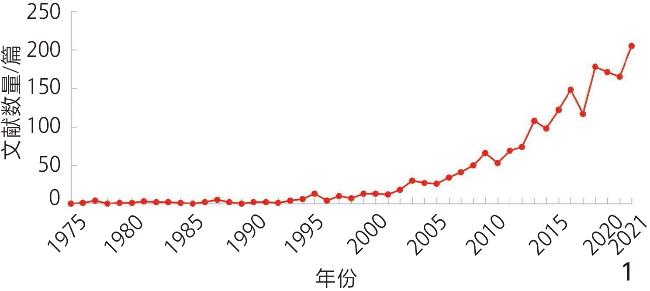
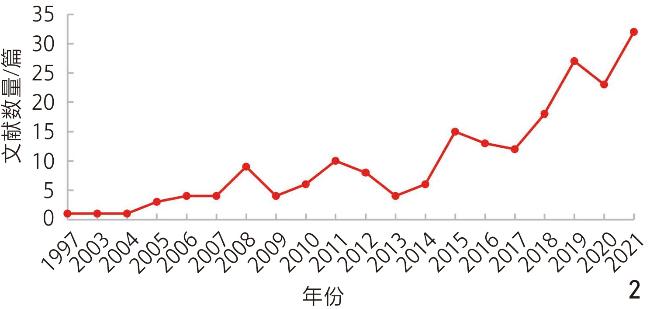
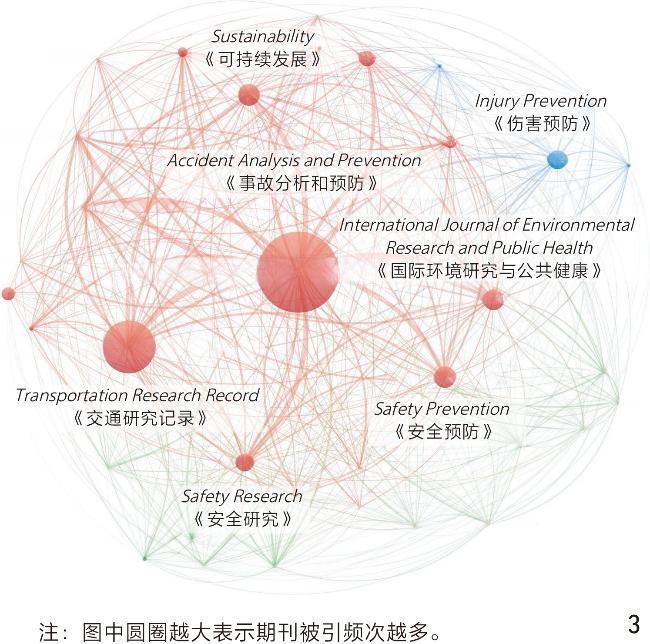
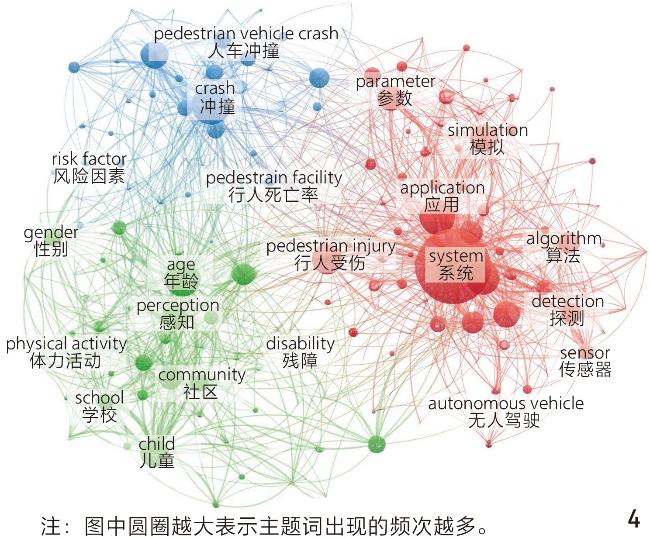
[Results] Firstly, from the perspective of literature distribution, a large number of works of scholars in such fields as traffic engineering, public health and sociology have been cited in literature on walking safety, reflecting that pedestrians’ activity safety, traffic safety and security needs are important directions to promote the research on walking safety. At present, the research on walking safety in developed countries is more active and fruitful. The advanced urbanization process and prominent social contradictions make developed countries and regions more capable of investing energy and funds in walking safety research, exploring the safety issues faced by vulnerable road users, and deepening the degree of research refinement. Secondly, from the perspective of research evolution, the research has the following findings. 1) The analysis results of highly cited literature concerns show that walking safety and walkers’ safety perception dominate the development direction of relevant research. 2) Based on WoS database, the analysis of theme words shows that taking accident analysis as the core, taking pedestrian characteristics as the perspective and taking new technology as the guidance are the three major topics in the field of walking safety research. New data and technologies support the analysis of core environmental factors influencing walking safety. 3) Based on CNKI database, the analysis of keywords shows that domestic research focuses on the spatial quality of walking environment and the special needs of vulnerable walkers, and it is urgent to establish a walking safety environment evaluation system in China. In addition, the keyword analysis also shows that the impact of built environment on pedestrian safety accidents and pedestrian safety perception has become a focus of attention. Thirdly, from the perspective of research hotspot, it can be seen form the three dimensions of activity safety, traffic safety and security that, different levels of environmental elements such as neighborhoods, streets and intersections, have important influence on walking safety. In recent years, the extensive application of quantitative analysis and data calculation methods has brought new ideas and technologies to the research. Especially in the field of data mining regarding urban form and walkers’ psychological perception, new technologies are helpful for in-depth analysis of the influence of built environment factors on walking safety. Finally, the research trend of walking safety is reflected in three aspects: Research object, content and method. Research object has expanded from collision accident to walkers’ psychological perception, and researchers increasingly pay attention to the influence of the safety quality of walking environment on pedestrian psychology. As the urban built environment is facing more and more complex conditions, the research focus extends from the analysis of individual collision accidents to the comprehensive urban environment construction. Research methods have also been developed from single-specialty technical analysis to multi-dimensional integrated research, which promotes the comprehensive application of research methods from such fields as environmental psychology, traffic safety and road engineering in the research on walking safety.
[Conclusion] This research reveals the development direction, main context and research hotspots on walking safety and environmental influencing factors thereof, highlights the significant influence of multi-level built environment factors on walking safety and walkers' safety perception, and provides theoretical support for empirical researches on walking safety environment. In future research, it is necessary to conduct collaborative thinking on walking safety and pedestrian safety perception, promote the applicability of relevant research technologies, and pay attention to the influence of the development of emerging transportation technologies on the safety quality of walking environment.
Lin LI , Yu YE , Yong CHEN . Review and Prospect of Research on Urban Walking Safety and Environmental Influencing Factors Thereof[J]. Landscape Architecture, 2025 , 32(2) : 86 -94 . DOI: 10.3724/j.fjyl.202405210283
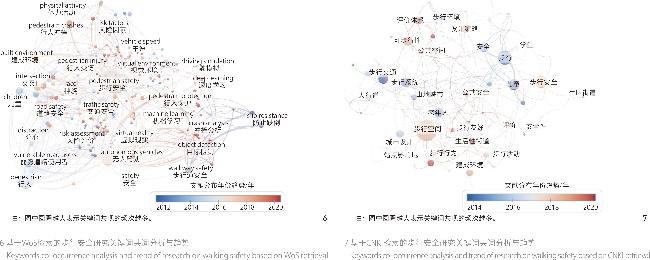
图4 基于WoS检索的步行安全主题词知识图谱Fig. 4 Knowledge graph of title terms on walking safety based on WoS retrieval |
表1 基于WoS检索的步行安全研究脉络Tab. 1 Research context of walking safety based on WoS |
| 年份 | 事故分析 相关研究 | 人群特征相关研究 | 新技术相关 研究 |
| 1978 | 交通安全的工程 做法 | 儿童出行安全 | |
| 1980 | 交叉口人车事故 | ||
| 1992 | 夜间人车事故 | ||
| 1994 | 行人流量建模仿真 | ||
| 1995 | 街道环境与犯罪 | ||
| 1996 | 人行道跌倒事故 | ||
| 1997 | 车速对事故的影响 | ||
| 1998 | 老年人出行安全;视障人士出行安全 | ||
| 2000 | 步行安全的社区 环境 | ||
| 2001 | 通学路的交通安全 | ||
| 2002 | 环境敏感型道路 设计 | ||
| 2008 | 虚拟现实技术搭建步行环境 | ||
| 2009 | 认知障碍人群的安全出行;行人安全感知 | ||
| 2010 | 轨交站点的行人 安全 | 社区环境的安全感知 | |
| 2011 | 感知、认知与出行行为 | ||
| 2013 | 街景图像技术用于碰撞事故研究 | ||
| 2017 | 行人社会属性与安全感知 | 空间句法技术用于碰撞事故研究 | |
| 2020 | 深度学习算法用于事故研究;大数据用于事故研究;自动驾驶技术与事故研究 | ||
| 2021 | 人工智能技术辅助过街研究 | ||
| 2022 | 街道布局等中观 环境的安全作用 | 虚拟现实技术辅助感知研究 |
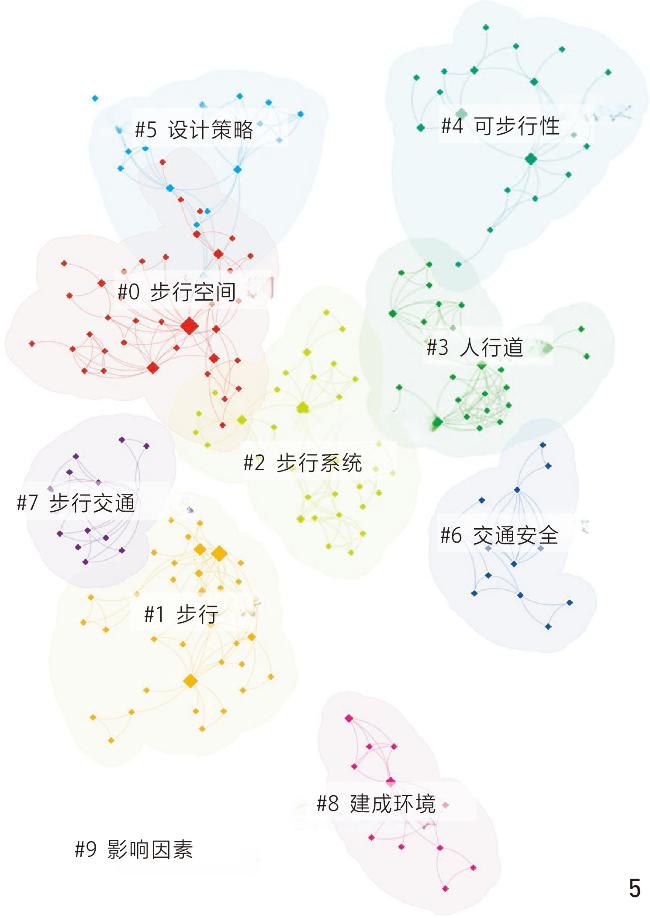
图5 基于CNKI检索的步行安全关键词聚类图谱Fig. 5 Clustering graph of keywords on walking safety based on CNKI retrieval |
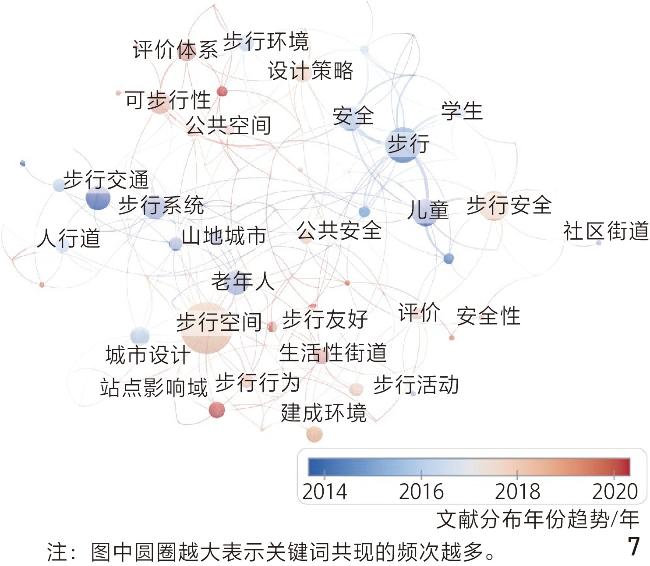
表2 基于CNKI检索的步行安全关键词频次与中心性统计Tab. 2 Centrality and frequency of keywords on walking safety based on CNKI retrieval |
| 关键词 | 频次 | 中心性 |
| 步行空间 | 17 | 0.24 |
| 步行 | 13 | 0.13 |
| 步行安全 | 11 | 0.12 |
| 儿童 | 10 | 0.11 |
| 步行交通 | 8 | 0.13 |
| 安全 | 8 | 0.12 |
| 可步行性 | 8 | 0.09 |
| 步行系统 | 8 | 0.24 |
| 老年人 | 7 | 0.16 |
| 评价体系 | 7 | 0.03 |
| 城市设计 | 7 | 0.15 |
| 建成环境 | 5 | 0.06 |
| 公共安全 | 5 | 0.05 |
| 交通安全 | 5 | 0.13 |
| 城市街道 | 5 | 0.05 |
| 山地城市 | 5 | 0.04 |
| 人行道 | 5 | 0.07 |
| 步行者 | 5 | 0.15 |
| 健康教育 | 4 | 0.01 |
| 优化策略 | 4 | 0.02 |
表3 步行安全环境影响要素研究框架Tab. 3 Research framework for environmental influencing factors of walking safety |
| 层级 | 要素维度 | 要素明细 | 环境指标 | 影响要素 |
| 注:●表示活动安全环境;▲表示交通安全环境;◆表示防卫安全环境;○表示活动安全感知;△表示交通安全感知;◇表示防卫安全感知。 | ||||
| 街区 | 空间肌理 | 街区地块 | 街区尺度 | ▲ |
| 土地利用 | 街区路网 | 路网密度 | ▲ | |
| 交叉口密度 | ▲ | |||
| 路网连通度 | ▲ | |||
| 街区功能 | 街区主导功能 | ▲ | ||
| 功能密度 | ▲ | |||
| 街区功能多样性 | ▲◆ | |||
| 街道 | 空间肌理 | 街段形态 | 路段长度 | ▲◆ |
| 土地利用 | 街道功能 | 街道主导功能 | ▲ | |
| 街道功能多样性 | ▲ | |||
| 步行设施 | 空间分配 | 人行道平均宽度 | ●○▲△ | |
| 基面品质 | 人行道表面维护 | ●○ | ||
| 无障碍设计 | ●○ | |||
| 界面形态 | 界面特征 | 界面透明度 | ◆◇ | |
| 界面围合度 | ◆◇ | |||
| 天空开敞度 | ◆◇ | |||
| 商业店面 | 每百米店铺数量 | ▲◆◇ | ||
| 景观照明 | 景观设施 | 高尺度景观占比 | ▲△◇ | |
| 低尺度景观占比 | ▲△◆◇ | |||
| 照明设施 | 路灯照度 | ▲△◆◇ | ||
| 道路机动化 | 空间分配 | 机动车道宽度 | ▲ | |
| 非机动车道宽度 | ▲△ | |||
| 路边停车 | 路边停车密度 | ▲△ | ||
| 机动车流量 | 交通饱和度 | ▲△ | ||
| 交叉口 | 空间形态 | 交叉口类型 | 岔口数量 | ▲ |
| 形态特征 | 街角半径 | ▲ | ||
| 过街距离 | △ | |||
| 步行设施 | 通行基面 | 人行横道宽度 | ▲△ | |
| 基面品质 | 人行安全岛面积 | ▲△ | ||
| 基面平整度 | ▲△ | |||
| 步行连通性 | ▲△ | |||
| 交通管控 | 管控设施 | 绿灯信号灯时长 | △ | |
文中所有图表均由作者绘制。
| [1] |
BURTON E, MITCHELL L. Inclusive Urban Design: Streets for Life[M]. Oxford: Architectural Press, 2006.
|
| [2] |
国家统计局普查中心. 中国基本单位统计年鉴-2022[M]. 北京: 中国统计出版社, 2022.
National Bureau of Statistics Census Center. China Basic Statistical Units Yearbook-2022[M]. Beijing: China Statistics Press, 2022.
|
| [3] |
毛媛媛, 戴慎志. 犯罪空间分布与环境特征: 以上海市为例[J]. 城市规划学刊, 2006 3): 85-93
MAO Y Y, DAI S Z. Research on Spatial and Environmental Characters of Crimes: Case Study of Shanghai[J]. Urban Planning Forum, 2006 3): 85-93
|
| [4] |
吴欧, 刘庆敏, 赵江磊, 等. 杭州市中学生步行时使用电子设备行为调查[J]. 中国学校卫生, 2017, 38(10): 1489-1492
WU O, LIU Q M, ZHAO J L, et al. Investigation of Using Electronic Equipment While Walking Among Middle School Students in Hangzhou[J]. Chinese Journal of School Health, 2017, 38(10): 1489-1492.
|
| [5] |
陈毕新, 陈彬, 曹丹妮, 等. 慢行优先、步行有道, 以需求为导向的道路建设: 上海市杨浦区道路安全项目案例分析[J]. 交通与港航, 2019, 6(3): 33-39
CHEN B X, CHEN B, CAO D N, et al. Case Study of Demand-oriented Road Safety Project of Yangpu District: Slow Traffic First and Walker in Its Way[J]. Communication & Shipping, 2019, 6(3): 33-39
|
| [6] |
谭少华, 李英侠. 住区街道步行安全影响因素实证研究[J]. 城市问题, 2014 8): 50-54
TAN S H, LI Y X. Factors of Residential Streets Pedestrian Safety[J]. Urban Problems, 2014 8): 50-54.
|
| [7] |
陈泳, 毛婕, 奚文沁, 等. 机动化时代大城市居民步行行为特征与需求分析: 以上海中心城区为例[J]. 现代城市研究, 2016 7): 103-112
CHEN Y, MAO J, XI W Q, et al. Pedestrian Travel Behavior and Needs in Large Chinese Cities in the Motorization Age: A Case Study of the Shanghai Central City[J]. Modern Urban Research, 2016 7): 103-112
|
| [8] |
RETTING R A, HOUTEN R V, MALENFANT L, et al. Special Signs and Pavement Markings Improve Pedestrian Safety[J]. Institute of Transportation Engineers, 1996, 66(12): 28-35.
|
| [9] |
KOEPSELL T, MCCLOSKEY L, WOLF M, et al. Crosswalk Markings and the Risk of Pedestrian-Motor Vehicle Collisions in Older Pedestrians[J]. Journal of the American Medical Association, 2002, 288(17): 2136-2143
|
| [10] |
PENMETSA P, ADANU E K, WOOD D, et al. Perceptions and Expectations of Autonomous Vehicles: A Snapshot of Vulnerable Road User Opinion[J]. Technological Forecasting and Social Change, 2019, 143 9-13
|
| [11] |
JACOBS J. The Death and Life of Great American Cities[M]. New York: Random House, 1961.
|
| [12] |
JEFFERY C R. Crime Prevention Through Environmental Design[J]. Criminology, 1973, 10(4): 472-472
|
| [13] |
NEWMAN O. Defensible Space; Crime Prevention Through Urban Design[M]. New York: Macmillan, 1972.
|
| [14] |
BLOCK R L, BLOCK C R. Space, Place, and Crime: Hot Spot Areas and Hot Places of Liquor-Related Crime[M]. New York: Willow Tree Press, 1995.
|
| [15] |
BLACKMAN T, VAN SCHAIK P, MARTYR A. Outdoor Environments for People with Dementia: An Exploratory Study Using Virtual Reality[J]. Ageing and Society, 2007, 27(6): 811-825
|
| [16] |
SCHNEIDER R J, WIERS H, SCHMITZ A. Perceived Safety and Security Barriers to Walking and Bicycling: Insights from Milwaukee[J]. Transportation Research Record, 2022, 2676(9): 325-338
|
| [17] |
DEB S, CARRUTH D W, HUDSON C R. How Communicating Features Can Help Pedestrian Safety in the Presence of Self-Driving Vehicles: Virtual Reality Experiment[J]. IEEE Transactions on Human-Machine Systems, 2020, 50(2): 176-186
|
| [18] |
HASAN R, HASAN R. Pedestrian Safety Using the Internet of Things and Sensors: Issues, Challenges, and Open Problems[J]. Future Generation Computer Systems, 2022, 134 187-203
|
| [19] |
HANDY S L, BOARNET M G, EWING R, et al. How the Built Environment Affects Physical Activity: Views from Urban Planning[J]. American Journal of Preventive Medicine, 2002, 23(2): 64-73
|
| [20] |
KIM J, PARK D, SUH Y, et al. Development of Sidewalk Block Pavement Condition Index (SBPCI) Using Analytical Hierarchy Process[J]. Sustainability, 2019, 11(24): 7086
|
| [21] |
LOUKAITOU-SIDERIS A. Is It Safe to Walk? 1 Neighborhood Safety and Security Considerations and Their Effects on Walking[J]. Journal of Planning Literature, 2006, 20(3): 219-232
|
| [22] |
MOUDON A V, LIN L, JIAO J F, et al. The Risk of Pedestrian Injury and Fatality in Collisions with Motor Vehicles, a Social Ecological Study of State Routes and City Streets in King County, Washington[J]. Accident Analysis & Prevention, 2011, 43(1): 11-24
|
| [23] |
OSAMA A, SAYED T. Evaluating the Impact of Connectivity, Continuity, and Topography of Sidewalk Network on Pedestrian Safety[J]. Accident Analysis & Prevention, 2017, 107 117-125.
|
| [24] |
SWIFT P, PAINTER D, GOLDSTEIN M. Residential Street Typology and Injury Accident Frequency[EB/OL]. [2025-1-10]. https://www.cnu.org/sites/default/files/swift_painter_goldstein_study.pdf.
|
| [25] |
HUANG H F, STEWART J R, ZEGEER C V. Evaluation of Lane Reduction “Road Diet” Measures on Crashes and Injuries[J]. Transportation Research Record, 2002, 1784(1): 80-90
|
| [26] |
MILES-DOAN R, THOMPSON G. The Planning Profession and Pedestrian Safety: Lessons from Orlando[J]. Journal of Planning Education and Research, 1999, 18(3): 211-220
|
| [27] |
DUMBAUGH E, GATTIS J L. Safe Streets, Livable Streets[J]. Journal of the American Planning Association, 2005, 71(3): 283-300
|
| [28] |
李琳, 叶宇, 陈泳. 基于多源数据的步行者交通安全环境研究: 以L市老城核心片区生活性街道为例[J]. 城市设计, 2024 1): 50-61
LI L, YE Y, CHEN Y. Pedestrian Traffic Safety Environment Research Based on Multi-source Data: A Case Study of Living Streets in the City Core Area[J]. Urban Design, 2024 1): 50-61.
|
| [29] |
TAY R, RIFAAT S M. Factors Contributing to the Severity of Intersection Crashes[J]. Journal of Advanced Transportation, 2007, 41(3): 245-265
|
| [30] |
王天青. 关于提高行人过街安全性的研究[J]. 规划师, 2006, 22(10): 78-80
WANG T Q. A Study on the Improvement of the Safety of Pedestrians Crossing the Street[J]. Planners, 2006, 22(10): 78-80
|
| [31] |
National Association of City Transportation Officials. Global Street Design Guide[M]. Washington, D. C.: Island Press, 2016.
|
| [32] |
郭嫚丽. 合肥市主城区街道夜间犯罪行为分布与环境影响因素研究[D]. 合肥: 安徽农业大学, 2022.
GUO M L. Research on the Distribution of Nighttime Criminal Behavior and Environment Influencing Factors in the Streets of the Main Urban Area of Hefei[D]. Hefei: Anhui Agricultural University, 2022.
|
| [33] |
毛媛媛, 丁家骏. 抢劫与抢夺犯罪行为时空分布特征研究: 以上海市浦东新区为例[J]. 人文地理, 2014, 29(1): 49-54
MAO Y Y, DING J J. Study on Spatial-Temporal Patterns of Robbery and Snatch: A Case Study of Pudong New Area, Shanghai[J]. Human Geography, 2014, 29(1): 49-54.
|
| [34] |
BLOCK R L, BLOCK C R. Space, Place and Crime: Hot Spot Areas and Hot Places of Liquor-Related Crime[M]//ECK J E, WEISBURD D. Crime and Place: NCJRS Virtual Library, 1995: 145-184.
|
| [35] |
LOUKAITOU-SIDERIS A. Hot Spots of Bus Stop Crime: The Importance of Environmental Attributes[J]. Journal of the American Planning Association, 1999, 65(4): 395-411
|
| [36] |
PERKINS D D, WANDERSMAN A, RICH R C, et al. The Physical Environment of Street Crime: Defensible Space, Territoriality and Incivilities[J]. Journal of Environmental Psychology, 1993, 13(1): 29-49
|
| [37] |
周丽. 基于安全性分析的城市生活性街道景观研究[D]. 南京: 南京工业大学, 2016.
ZHOU L. Study on Urban Street Landscape Based on the Security Analysis[D]. Nanjing: Nanjing Tech University, 2016.
|
| [38] |
苏书杰. 步行环境对出行安全感和出行行为的影响研究[D]. 西安: 长安大学, 2017.
SU S J. The Effects of Walking Environment on Pedestrian Security Requirement and Travel Activities[D]. Xi’an: Chang’an University, 2017.
|
| [39] |
张昭希, 陈泳.基于老龄人的人行道步行安全感知分析[C]//中国科学技术协会.2018世界交通运输大会论文集.北京: 中国科学技术协会, 2018: 1505-1517.
ZHANG Z X, CHEN Y. Analysis on the Influence of Street Design on Elderly People's Walking Safety[C]//China Association for Science and Technology. Proceedings of the 2018 World Transport Congress. Beijing: China Association for Science and Technology, 2018: 1505-1517.
|
| [40] |
李琳, 叶宇, 陈泳. 融合数据支持与具身循证技术的街道步行安全感知研究: 以上海市生活性街道为例[J]. 住宅科技, 2024, 44(4): 47-56
LI L, YE Y, CHEN Y. Research on Street Pedestrian Safety Perception Merging Data Support and Embodied Evidence-Based Technology: Taking the Life Street of Shanghai Municipality as an Example[J]. Housing Science, 2024, 44(4): 47-56
|
| [41] |
LANDIS B W, VATTIKUTI V R, OTTENBERG R M, et al. Modeling the Roadside Walking Environment: Pedestrian Level of Service[J]. Transportation Research Record, 2001, 1773(1): 82-88
|
| [42] |
RUNGE J W, COLE T B. Crosswalk Markings and Motor Vehicle Collisions Involving Older Pedestrians[J]. JAMA, 2002, 288(17): 2172-2174
|
| [43] |
WARR M. Fear of Victimization: Why Are Women and the Elderly more Afraid?[J]. Social Science Quarterly, 1984, 65(3): 681-702.
|
| [44] |
GEHL J. Cities for People[M]. Washington, D. C.: Island Press, 2010.
|
| [45] |
HARVEY C, AULTMAN-HALL L, HURLEY S E, et al. Effects of Skeletal Streetscape Design on Perceived Safety[J]. Landscape and Urban Planning, 2015, 142 18-28
|
| [46] |
许可. 生活性街道步行环境安全感知研究: 以大连为例[D]. 大连: 大连理工大学, 2021.
XU K. Research on Safety Perception of Walking Environment in Living Streets: A Case Study of Dalian[D]. Dalian: Dalian University of Technology, 2021.
|
| [47] |
叶宇, 戴晓玲. 新技术与新数据条件下的空间感知与设计运用可能[J]. 时代建筑, 2017 5): 6-13
YE Y, DAI X L. Spatial Perception and Design Potentials in the Context of New Analytical Techniques and New Data[J]. Time Architecture, 2017 5): 6-13.
|
| [48] |
龙瀛, 周垠. 街道活力的量化评价及影响因素分析: 以成都为例[J]. 新建筑, 2016 1): 52-57
LONG Y, ZHOU Y. Quantitative Evaluation on Street Vibrancy and Its Impact Factors: A Case Study of Chengdu[J]. New Architecture, 2016 1): 52-57
|
| [49] |
黄燕玲, 盛强, 雷涵博, 等. 街景地图对实测步行流量的替代性研究[J]. 新建筑, 2019 4): 137-141
HUANG Y L, SHENG Q, LEI H B, et al. An Analysis of Substitution on Measured Pedestrian Traffic by Street View Map[J]. New Architecture, 2019 4): 137-141
|
| [50] |
茅明睿, 储妍, 张鹏英, 等. 人迹地图: 数据增强设计的支持平台[J]. 上海城市规划, 2016 3): 22-29
MAO M R, CHU Y, ZHANG P Y, et al. Human Activity Map: The Platform for Data Augmented Design[J]. Shanghai Urban Planning Review, 2016 3): 22-29.
|
| [51] |
钮心毅, 吴莞姝, 李萌. 基于LBS定位数据的建成环境对街道活力的影响及其时空特征研究[J]. 国际城市规划, 2019, 34(1): 28-37
NIU X Y, WU G S, LI M. Influence of Built Environment on Street Vitality and Its Spatiotemporal Characteristics Based on LBS Positioning Data[J]. Urban Planning International, 2019, 34(1): 28-37
|
| [52] |
SHACH-PINSLY D. Measuring Security in the Built Environment: Evaluating Urban Vulnerability in a Human-Scale Urban Form[J]. Landscape and Urban Planning, 2019, 191 103412
|
| [53] |
SALESSES P, SCHECHTNER K, HIDALGO C A. The Collaborative Image of the City: Mapping the Inequality of Urban Perception[J]. PLoS One, 2013, 8(7): e68400
|
| [54] |
NAIK N, PHILIPOOM J, RASKAR R, et al. Streetscore-Predicting the Perceived Safety of One Million Streetscapes[C]//IEEE. 2014 IEEE Conference on Computer Vision and Pattern Recognition Workshops. Columbus: IEEE, 2014: 793-799.
|
| [55] |
曹俊, 杨俊宴. 面向精细化的尺度选择: 城市形态微观要素界定中的非定值缓冲法[J]. 国际城市规划, 2022, 37(2): 18-24
CAO J, YANG J Y. Toward Delicate Scale Selection: Non-Fixed Value Buffer Method in the Definition of Micro Morphological Elements of Urban Form[J]. Urban Planning International, 2022, 37(2): 18-24.
|
| [56] |
季惠敏, 丁沃沃. 基于量化的城市街廓空间形态分类研究[J]. 新建筑, 2019 6): 4-8
JI H M, DING W W. A Study on Classification of Urban Space in the Block Based on Quantification[J]. New Architecture, 2019 6): 4-8
|
| [57] |
叶宇. 新城市科学背景下的城市设计新可能[J]. 西部人居环境学刊, 2019, 34(1): 13-21
YE Y. The New Potentials of Urban Design in the Context of New Urban Science[J]. Journal of Human Settlements in West China, 2019, 34(1): 13-21.
|
| [58] |
张惠玲, 彭丹, 庞鲜鲜. 基于眼动特征的信号交叉口老年人等待过街精神负荷分析[J]. 科学技术与工程, 2023, 23(24): 10530-10539
ZHANG H L, PENG D, PANG X X. Mental Load Analysis of Elderly People Waiting to Cross the Street at Signalized Intersection Based on Eye-movement Characteristics[J]. Science Technology and Engineering, 2023, 23(24): 10530-10539
|
| [59] |
王心悦, 潘义勇, 陆妍琳, 等. 不同类型自行车骑行者眼动特性差异性分析[J]. 武汉理工大学学报(交通科学与工程版), 2023, 47(6): 987-991
WANG X Y, PAN Y Y, LU Y L, et al. Difference Analysis of Eye Movement Characteristics of Cyclists with Different Types of Bicycles[J]. Journal of Wuhan University of Technology (Transportation Science & Engineering), 2023, 47(6): 987-991.
|
| [60] |
HUMPHREYS J B, BOX P C, SULLIVAN T D, et al. Safety Aspects of Curb Parking: FHWA-RD-79-76[R]. Washington, D.C.: National Technical Information Service, 1978.
|
| [61] |
AGRAN P F, WINN D G, ANDERSON C L, et al. The Role of the Physical and Traffic Environment in Child Pedestrian Injuries[J]. Pediatrics, 1996, 98(6 Pt 1): 1096-1103.
|
| [62] |
MEEDER M, BOSINA E, WEIDMANN U. Autonomous Vehicles: Pedestrian Heaven or Pedestrian Hell[C]//STRC. 17th Swiss Transport Research Conference. Ascona: STRC, 2017: 17-19.
|
| [63] |
张凤. 基于深度学习的车辆和行人检测算法的研究[J]. 现代信息科技, 2021, 5(7): 59-62
ZHANG F. Research on Vehicle and Pedestrian Detection Algorithm Based on Deep Learning[J]. Modern Information Technology, 2021, 5(7): 59-62.
|
| [64] |
DE MIGUEL M Á, FUCHSHUBER D, HUSSEIN A, et al. Perceived Pedestrian Safety: Public Interaction with Driverless Vehicles[C]//IEEE. 2019 IEEE Intelligent Vehicles Symposium (IV). Paris: IEEE, 2019: 90-95.
|
/
| 〈 |
|
〉 |