

城市更新治理背景下的详细规划技术路径创新与体系机制优化
|
阳建强/男/博士/东南大学建筑学院教授、博士生导师/研究方向为城市更新 |
|
马晨曦/男/东南大学建筑学院在读博士研究生/研究方向为城市更新 |
Copy editor: 王一兰
收稿日期: 2025-10-16
网络出版日期: 2026-03-12
基金资助
国家自然科学基金“基于多目标多情景老城容量综合评估与优化决策方法研究”(52278049)
上海市决策咨询研究大都市规划建设专项课题“适应城市更新需求的控制性详细规划变革研究”(2025-LH-GH05-B)
版权
Innovation in Technical Pathways and Optimization of Systemic Mechanisms for Detailed Planning under the Governance Context of Urban Regeneration
|
YANG Jiangqiang, Ph.D., is a professor and doctoral supervisor in the School of Architecture, Southeast University. His research focuses on urban regeneration |
|
MA Chenxi is a Ph.D. candidate in the School of Architecture, Southeast University. His research focuses on urban regeneration |
Received date: 2025-10-16
Online published: 2026-03-12
Copyright
在国土空间规划体系改革与城市更新行动深入实施的背景下,对详细规划层面的城市更新治理路径创新与优化进行研究,以提升其实施效能,推动城市高质量发展。
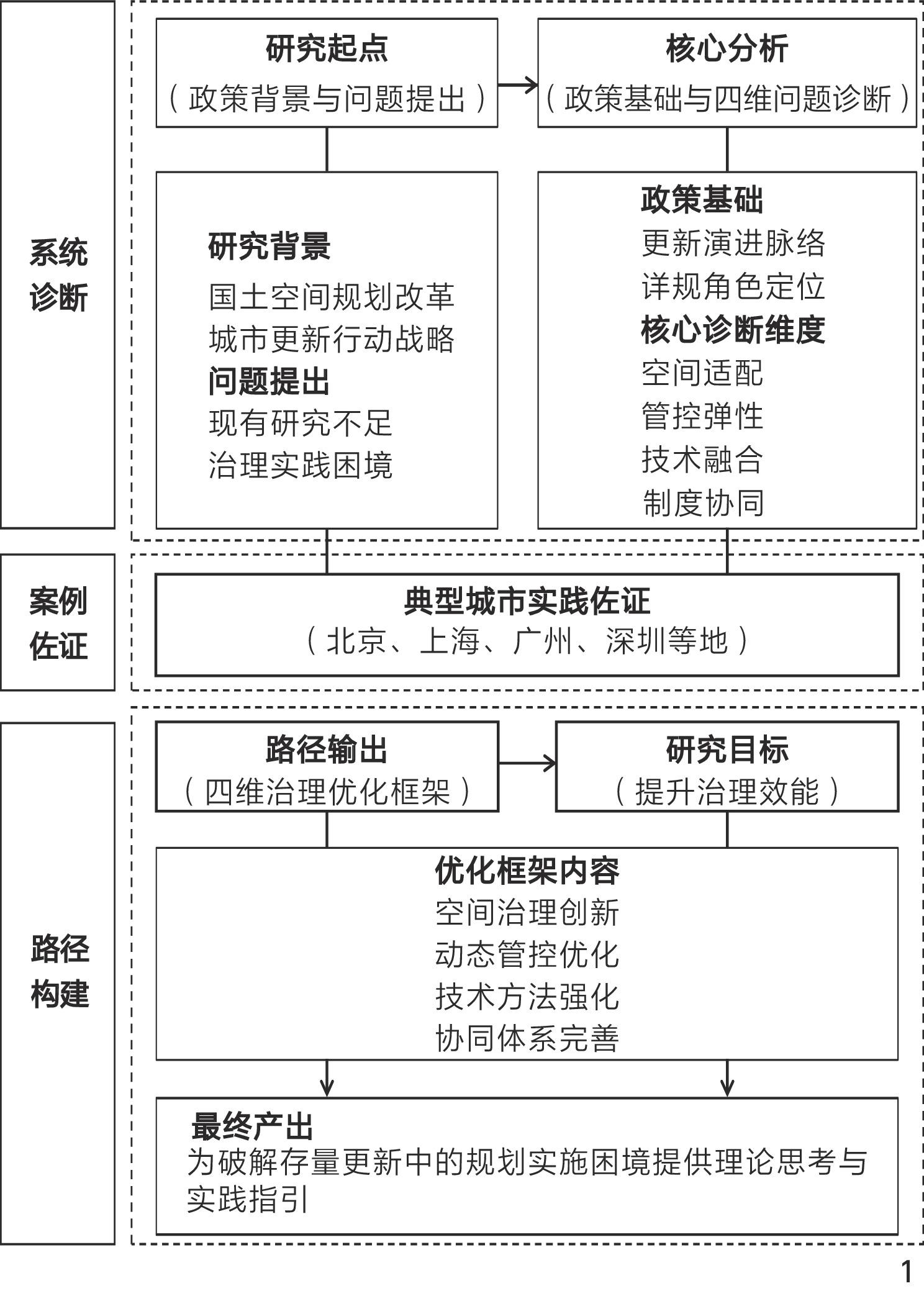
基于系统思维与治理视角,梳理城市更新政策演进与详细规划角色定位;识别空间维度、管控方式、技术方法与制度保障4个层面的现实困境,并结合北京、上海、广州、深圳等城市的实践进行佐证,最终提出多视角治理优化建议。
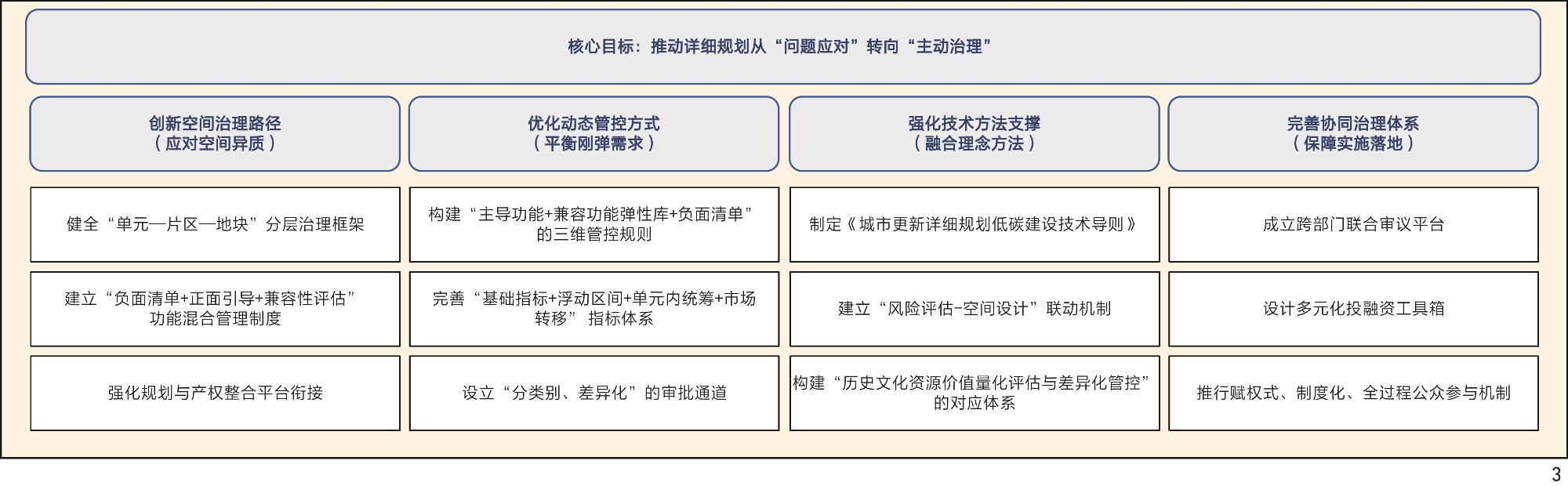
提出4条城市更新治理路径优化建议:1)构建分层级、差异化的精准治理模型;2)完善“基础+弹性”的动态管控与审批机制;3)强化低碳、韧性、文化等方面的技术支撑;4)健全跨部门协作、多元融资与公众参与机制等。
面向城市更新高质量发展目标,详细规划应从空间治理路径创新、动态管控方式优化、技术整合支撑强化以及协同治理体系完善4个层面系统推进改革,提升其适应性与治理效能,为构建中国特色的城市更新治理模式提供理论参考与实践指引。
阳建强 , 马晨曦 . 城市更新治理背景下的详细规划技术路径创新与体系机制优化[J]. 风景园林, 2026 , 33(2) : 12 -19 . DOI: 10.3724/j.fjyl.LA20250642
Against the backdrop of the deepening reform of the territorial and spatial planning system and the thorough implementation of urban regeneration initiatives, the urban development paradigm is shifting from “incremental expansion” to “stock optimization.” Detailed planning, as a crucial link connecting macro-level strategies to micro-level implementation, is undergoing a profound reshaping of its role and functions. However, advancing urban regeneration at the detailed planning level still faces multiple practical challenges. These challenges include the insufficient adaptability of standardized planning tools to highly heterogeneous spaces, the need to improve mechanisms for balancing rigid constraints with flexible demands, the inadequate integration of traditional planning tools with emerging development concepts, and the incomplete establishment of a cross-departmental, full-process collaborative governance system. This study aims to systematically analyze the core issues of urban regeneration governance at the detailed planning level. By integrating evidence from typical urban practices, it proposes targeted governance optimization pathways. The goals are to enhance the adaptability, operability, and governance efficacy of urban regeneration, promote higher-quality and more sustainable urban development, and provide theoretical references and practical guidance for advancing the modernization of urban governance with Chinese characteristics.
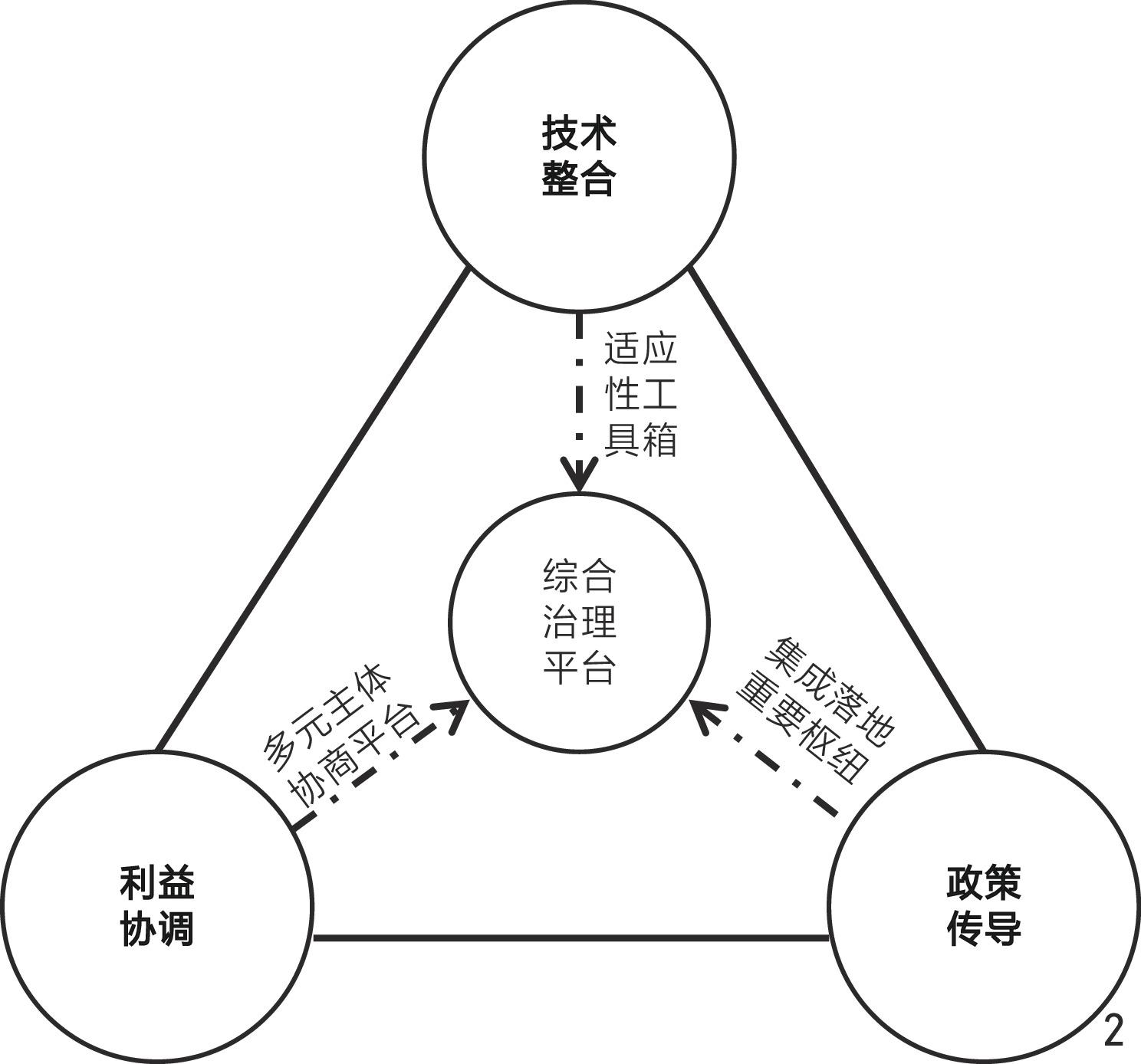
This research adopts a perspective of systematic thinking and governance innovation, employing a methodology that combines theoretical review and empirical analysis. First, it systematically examines the evolution of national urban regeneration policies since 2019, clarifying the transformation of detailed planning from a mere spatial regulatory tool into a comprehensive governance platform that coordinates multiple stakeholders and integrates diverse policy instruments. Second, it identifies practical dilemmas in urban regeneration governance at the detailed planning level across four dimensions: spatial aspects, regulatory approaches, technical methods, and institutional safeguards. This analysis is corroborated with case studies from urban regeneration practices in cities like Beijing, Shanghai, Guangzhou, and Shenzhen. For instance, examples such as the fragmented spatial governance in Beijing’s Huangcheng Jingshan Neighborhood, the challenges in development intensity regulation for Shanghai’s “Zhenru Zhixin” Project, and the mixed-use land management difficulties in Shenzhen’s “Industrial Upgrading” projects are used to illustrate the specific manifestations and root causes of these problems. Finally, based on this diagnostic analysis, the study constructs a four-dimensional optimization framework encompassing “Spatial Governance–Dynamic Regulation–Technical Support−Collaborative Governance” and puts forward systematic and actionable governance recommendations.
Through systematic analysis, this study identifies four core challenges of urban regeneration governance at the detailed planning level and proposes corresponding four-dimensional optimization pathways. In the spatial dimension, to address the challenge of mismatched standardized tools and heterogeneous spaces, it proposes innovative spatial governance pathways. This includes establishing a hierarchical management mechanism of “Planning Unit –Regeneration Area –Specific Plot,” and introducing a three-dimensional property rights model along with a functional mix management mechanism combining “Negative Lists + Positive Guidance + Compatibility Assessment” to enhance the precision and adaptability of spatial governance. Regarding the regulatory approach, to balance rigidity and flexibility, it advocates for optimized dynamic regulation. This involves constructing a multi-dimensional regulatory framework based on “Primary Function + Flexible Compatible Function Pool + Negative List,” refining a differentiated indicator system of “Baseline Indicators + Floating Ranges + Intra-unit Coordination + Market Transfer,” and establishing fast-track approval channels for small-scale regeneration projects. In the technical methods dimension, to facilitate the substantive integration of concepts like low-carbon development, resilience, and cultural heritage, it emphasizes strengthening technical support. This is achieved by developing operable technical guidelines and standards, translating these concepts into mandatory or guiding control elements within plan formulation. Concerning institutional safeguards, to resolve bottlenecks such as poor coordination, funding shortages, and ineffective participation, it calls for improving the collaborative governance system. Specific measures include establishing regular cross-departmental coordination platforms, innovating diversified investment and financing models, and implementing empowered whole-process public participation mechanisms, aiming to build a governance structure characterized by co-construction, co-governance, and shared benefits.
This study draws the following conclusions: First, within the context of territorial spatial planning system reform and deepening urban regeneration, the role of detailed planning has transformed from a traditional technical tool into a comprehensive governance platform connecting macro and micro levels, coordinates diverse interests, and integrates policies. Second, current governance practices still face structural challenges across the four dimensions of spatial adaptation, regulatory flexibility, technical integration, and institutional coordination, which constrain effectiveness of plan implementation. Third, to achieve high-quality development in urban regeneration, it is essential to systematically advance the the optimization and innovation of governance pathways for detailed planning. This requires coordinated reforms across the four dimensions of “Spatial Governance–Dynamic Regulation–Technical Support–Collaborative Governance” to comprehensively enhance the adaptability, operability and overall governance efficacy of detailed planning. These efforts will provide support for the construction of an urban regeneration governance model with Chinese characteristics and advancing the modernization of the urban governance system and governance capacity. In the future, in-depth exploration will be carried out on topics such as the improvement of theoretical systems, innovating technical methods, optimizing institutional designs, and expanding practical pathways, with the aim of promoting higher-quality and higher-level development in urban regeneration.
表1 2019年以来中国城市更新相关重要文件与会议要览Tab. 1 Relevant documents on urban regeneration in China since 2019 |
| 年月 | 文件/会议名称 |
|---|---|
| 2019年5月 | 《中共中央 国务院关于建立国土空间规划体系并监督实施的若干意见》 |
| 2021年3月 | 《中华人民共和国国民经济和社会发展第十四个五年规划和2035年远景目标纲要》 |
| 2021年6月 | 《国土空间规划城市体检评估规程》 |
| 2022年10月 | 中国共产党第二十次全国代表大会 |
| 2023年3月 | 自然资源部《关于加强国土空间详细规划工作的通知》 |
| 2023年11月 | 住房城乡建设部《关于全面开展城市体检工作的指导意见》 |
| 2023年12月 | 中央经济工作会议 |
| 2024年7月 | 中国共产党第二十届中央委员会第三次全体会议 |
| 2024年12月 | 中央经济工作会议 |
| 2024年12月 | 全国住房城乡建设工作会议 |
| 2025年1月 | 国务院常务会议 |
| 2025年1月 | 全国城市更新工作部署视频会议 |
| 2025年4月 | 《关于开展2025年度中央财政支持实施城市更新行动的通知》 |
| 2025年5月 | 《中共中央办公厅 国务院办公厅关于持续推进城市更新行动的意见》 |
| 2025年5月 | 自然资源部《国土空间规划城市体检评估规程》 |
| 2025年7月 | 中央城市工作会议 |
| 2025年12月 | 中央经济工作会议 |
| 专题学术主持人 Guest Editors of the Special | ||||
| 王世福 WANG Shifu | 刘铮 LIU Zheng | |||
| 华南理工大学建筑学院教授Professor in the School of Architecture, South China University of Technology | 华南理工大学建筑学院副教授Associate professor in the School of Architecture, South China University of Technology | |||
文中图表均为作者绘制。
1、构建了融合“空间-管控-技术-制度”四维度的整体性分析框架,阐释了详细规划从技术工具向“综合治理平台”的转型。
2、识别空间维度、管控方式、技术方法、制度保障4个层面的现实困境,并结合北京、上海、广州、深圳等城市的实践进行佐证。
3、提出了构建分层级、差异化的精准治理模型,完善“基础+弹性”的动态管控与审批机制,强化低碳、韧性、文化等方面的技术支撑,健全跨部门协作、多元融资与公众参与机制等优化建议。
| [1] |
马晨曦, 阳建强, 李震. 1995—2024年城市更新研究回顾与发展: 基于知识图谱分析[J]. 西部人居环境学刊, 2025, 40 (5): 108-118.
MA C X, YANG J Q, LI Z. A Review and Development of Urban Regeneration Research from 1995 to 2024: Based on Knowledge Graph Analysis[J]. Journal of Human Settlements in West China, 2025, 40 (5): 108-118.
|
| [2] |
朱杰, 朱蕾, 邹军, 等. “双轨型”城市更新规划体系构建与实践: 以扬州市为例[J]. 城市规划学刊, 2025 (2): 97-104.
ZHU J, ZHU L, ZOU J, et al. Establishment and Practice of a “Dual Track” Urban Renewal Planning System: A Case Study of Yangzhou City[J]. Urban Planning Forum, 2025 (2): 97-104.
|
| [3] |
姚之浩, 田莉, 吴军, 等. 城市更新规划的框架体系与内在逻辑研究: 以广深为例[J]. 城市规划, 2024, 48 (10): 64-73.
YAO Z H, TIAN L, WU J, et al. Framework and Logic of Urban Regeneration Planning: A Case Study of Guangzhou and Shenzhen[J]. City Planning Review, 2024, 48 (10): 64-73.
|
| [4] |
金山, 赵宝静, 乐芸, 等. 存量发展背景下上海控制性详细规划编制优化思路研究[J]. 上海城市规划, 2025 (1): 36-41.
JIN S, ZHAO B J, LE Y, et al. Research on the Optimization for the Planning of Shanghai’s Regulatory Detailed Plan Under the Background of Stock Development[J]. Shanghai Urban Planning Review, 2025 (1): 36-41.
|
| [5] |
安悦. 北京、上海城市更新地区的详细规划模式和技术要点比较研究[J]. 城市规划学刊, 2024 (S1): 61-69.
AN Y. Detailed Regulatory Planning Models and Technical Standards for Urban Renewal Areas: A Comparative Study of Beijing and Shanghai[J]. Urban Planning Forum, 2024 (S1): 61-69.
|
| [6] |
马晨曦, 阳建强, 许尊, 等. 国土空间规划语境下的控制性详细规划变革与适应性调整浅析[J]. 城市发展研究, 2025, 32 (1): 26-32.
MA C X, YANG J Q, XU Z, et al. A Preliminary Analysis of Controlled Detailed Planning Reform and Adaptive Adjustment in the Context of National Spatial Planning[J]. Urban Development Studies, 2025, 32 (1): 26-32.
|
| [7] |
许尊, 袁也, 王璇, 等. “规—建—治”融合导向下大城市详细规划单元编制的创新探索: 以邯郸市主城区为例[J]. 城市规划, 2025, 49 (7): 61-70.
XU Z, YUAN Y, WANG X, et al. Innovative Strategies for Detailed Planning Unit Compilation in Large Cities Guided by Planning, Construction, and Governance Integration: A Case Study of Handan’s Main Urban Area[J]. City Planning Review, 2025, 49 (7): 61-70.
|
| [8] |
杨浚, 唐燕, 何闽, 等. 北京“图则+规则”的详细规划用地功能管控路径[J]. 规划师, 2024, 40 (7): 22-31.
YANG J, TANG Y, HE M, et al. Land Use Function Management and Control Path in Detailed Planning with “Plans+Rules” in Beijing[J]. Planners, 2024, 40 (7): 22-31.
|
| [9] |
唐燕, 刘畅. 存量更新与减量规划导向下的北京市控规变革[J]. 规划师, 2021, 37 (18): 5-10.
TANG Y, LIU C. Reform of Regulatory Planning Amid Built-Up Area Regeneration and Reduction Planning in Beijing[J]. Planners, 2021, 37 (18): 5-10.
|
| [10] |
徐宁, 王朝宇, 梁家健, 等. 土地整备视角下存量地区详细规划模式研究: 基于广东省的城市实践分析[J]. 城市规划学刊, 2023 (6): 105-112.
XU N, WANG Z Y, LIANG J J, et al. Detailed Regulatory Planning for Existing Built Areas in the Context of Land Consolidation: Practices in Cities in Guangdong Province[J]. Urban Planning Forum, 2023 (6): 105-112.
|
| [11] |
赵民, 王理. 我国土地发展权与规划控制的关系初探[J]. 城市规划, 2023, 47 (11): 67-76.
ZHAO M, WANG L. A Preliminary Exploration on Relationship Between Land Development Rights and Planning Control in China[J]. City Planning Review, 2023, 47 (11): 67-76.
|
| [12] |
余颖, 李俐娟, 周觅. 城市更新背景下重庆详细规划更新[J]. 城市规划, 2023, 47 (10): 23-29.
YU Y, LI L J, ZHOU M. Update of Detailed Planning of Chongqing in the Context of Urban Regeneration[J]. City Planning Review, 2023, 47 (10): 23-29.
|
| [13] |
钱竞, 唐欣, 于洋洋, 等. 系统思维下国土空间规划与城市体检评估的协同路径: 以深圳市为例[J]. 规划师, 2025, 41 (3): 25-32.
QIAN J, TANG X, YU Y Y, et al. Synergistic Path Between Territorial Spatial Planning and Urban Physical Examination with Systematic Thinking: A Case Study of Shenzhen[J]. Planners, 2025, 41 (3): 25-32.
|
| [14] |
李晓楠, 任峰. 市县级国土空间规划体检评估探索与创新: 以沈阳市为例[J]. 规划师, 2022, 38 (5): 95-100.
LI X N, REN F. Physical Examination in City and County Level Territorial Space Planning: Shenyang Example[J]. Planners, 2022, 38 (5): 95-100.
|
| [15] |
吴松涛, 王婧媛, 文师鹏, 等. 层级·响应·协同: 中观工具优化导向下详细规划单元的演进与思考[J]. 城市规划, 2025, 49 (1): 97-107.
WU S T, WANG J Y, WEN S P, et al. Hierarchy, Response, and Collaboration: Evolution of and Reflections on Detailed Planning Units Guided by the Optimization of Mesoscopic Tools[J]. City Planning Review, 2025, 49 (1): 97-107.
|
| [16] |
徐碧颖, 吕海虹, 陈翯, 等. 系统传导与多元适应: 北京控规单元的演进与探索[J]. 城市发展研究, 2021, 28 (10): 73-80.
XU B Y, LYU H H, CHEN H, et al. System Conduction and Multiple Adaptation: Research and Exploration of Beijing Regulatory Planning Unit[J]. Urban Development Studies, 2021, 28 (10): 73-80.
|
| [17] |
周琳, 孙琦, 于连莉, 等. 统一国土空间用途管制背景下的城市设计技术改革思考[J]. 城市规划学刊, 2021 (3): 90-97.
ZHOU L, SUN Q, YU L L, et al. Some Thoughts on the Reform of Urban Design Under the Background of Unifying Territorial Spatial Development Regulation[J]. Urban Planning Forum, 2021 (3): 90-97.
|
| [18] |
陈璐. 规划与规则的协同: 国土空间详细规划制度建构方略[J]. 城市规划, 2024, 48 (5): 100-109.
CHEN L. Synergy Between Planning and Rules: Strategies for System Building in Territorial Detailed Planning[J]. City Planning Review, 2024, 48 (5): 100-109.
|
| [19] |
马红杰, 赵晔, 贾欣, 等. 推进以街区为单元的城市更新: 北京街区更新工作规划研究[J]. 北京规划建设, 2021 (4): 7-10.
MA H J, ZHAO Y, JIA X, et al. Advancing Neighborhood-Based Urban Regeneration: A Study on Beijing’s Neighborhood Regeneration Work Planning[J]. Beijing Planning Review, 2021 (4): 7-10.
|
| [20] |
赵晔. 北京城市更新的挑战与对策[J]. 北京规划建设, 2021 (1): 14-17.
ZHAO Y. Challenges and Countermeasures for Urban Regeneration in Beijing[J]. Beijing Planning Review, 2021 (1): 14-17.
|
| [21] |
莫霞, 魏沅. “留改拆”导向下历史风貌区控规编制策略探索: 以上海市静安区张园地区规划实践为例[J]. 上海城市规划, 2023 (3): 53-61.
MO X, WEI Y. On the Planning Innovation of Historic Landscape Area Under the Guidance of Reform and Demolition: A Case Study of Zhangjia Garden Area in Shanghai Jing’an District[J]. Shanghai Urban Planning Review, 2023 (3): 53-61.
|
| [22] |
杨一凡, 王朝宇, 李嘉仪, 等. 产业用地混合利用导向下详细规划编制与实施: 基于广东省城市实践探索[J]. 上海国土资源, 2024, 45 (3): 33-39,55.
YANG Y F, WANG Z Y, LI J Y, et al. Research on Preparation and Implementation of Detailed Planning for Mixed-Use of Industrial Land: Practices in Cities in Guangdong Province[J]. Shanghai Land & Resources, 2024, 45 (3): 33-39,55.
|
| [23] |
余倩雯, 古美莹, 郭萌.复杂历史建成环境下“蓝图”到“实景图”的实施机制: 以恩宁路永庆坊为例[C]//中国城市规划学会.面向高质量发展的空间治理: 2020中国城市规划年会论文集(13规划实施与管理).北京: 中国建筑工业出版社, 2021: 30-39.
YU Q W, GU M Y, GUO M. Implementation Mechanism from "Blueprint" to "Reality" in Complex Historic Built Environments: A Case Study of Yongqing Fang, Enning Road[C]//Urban Planning Society of China. Spatial Governance for High-Quality Development: Proceedings of the 2020 China Urban Planning Annual Conference (13 Planning Implementation and Management). Beijing: China Architecture & Building Press , 2021: 30-39.
|
| [24] |
黄卫东, 赵冠宁. 新时期城市更新制度演进与地方适应性创新探索[J]. 世界建筑导报, 2024 (5): 8-13.
HUANG W D, ZHAO G N. Evolution of Urban Regeneration Institutions in the New Era and Local Adaptive Explorations[J]. World Architecture Review, 2024 (5): 8-13.
|
| [25] |
赵宝静, 王睿, 奚文沁. 上海: 社区规划师在万里街道的探索实践[J]. 北京规划建设, 2021 (S1): 38-43.
ZHAO B J, WANG R, XI W Q. Shanghai: Exploration and Practice of Community Planners in Wanli Subdistrict[J]. Beijing Planning Review, 2021 (S1): 38-43.
|
| [26] |
周沫, 赵丹羽. 市属国企深度参与首都功能核心区平房(院落)城市更新: 以皇城景山街区为例[J]. 北京规划建设, 2023 (4): 168-174.
ZHOU M, ZHAO D Y. In-Depth Participation of Municipal State-Owned Enterprises in Urban Regeneration of Pingfang (Courtyard) Houses in the Capital’s Core Functional Areas: A Case Study of Huangcheng Jingshan Neighborhood[J]. Beijing Planning Review, 2023 (4): 168-174.
|
| [27] |
蒋婷, 戴俭, 鞠德东. 历史文化街区街巷更新转向街区更新的实施方法探索: 以北京市东直门内大街为例[J]. 城市问题, 2022 (9): 24-34.
JIANG T, DAI J, JU D D. Exploration of Implementation Methods for the Shift from Alley Renewal to Neighborhood Renewal in Historic and Cultural Districts: A Case Study of Dongzhimen Inner Street, Beijing[J]. Urban Problems, 2022 (9): 24-34.
|
| [28] |
古叶恒. “工业上楼”背景下深圳旧工业区的城市更新探索[J]. 规划师, 2024, 40 (S1): 59-65.
GU Y H. Exploration of Urban Renewal in the Old Industrial Zone of Shenzhen Under the Background of "Industrial Upstairs"[J]. Planners, 2024, 40 (S1): 59-65.
|
/
| 〈 |
|
〉 |