

基于国际经验比较的低碳社区政策实施路径研究
|
吴瑶/女/东南大学建筑学院在读博士研究生/研究方向为城市设计及理论、城市形态、城市更新 |
|
王川/男/博士/东南大学建筑学院副教授/研究方向为城市设计与城市更新 |
|
宋亚程/男/博士/东南大学建筑学院副教授/研究方向为城市形态的量化分析与设计、低碳城市与建筑设计、城市高密度建成环境更新 |
Copy editor: 李清清
收稿日期: 2025-01-15
修回日期: 2025-08-12
网络出版日期: 2025-12-10
基金资助
国家自然科学基金“基于动态行为测度的生活性街道更新空间优化研究”(52308014)
2023年度江苏省城乡建设发展专项资金(绿色建筑)科技支撑项目“低碳城市街区空间形态优化研究与实践应用”(7601009133)
国家重点研发计划“双碳目标下的建筑城市一体化与立体化关键技术研究”(2023YFC3804100)
“建筑城市一体化与立体化地段的形态机理及其演化”(2023YFC3804101)
江苏省自然科学基金“基于行为与感知高精测度的生活性街道界面更新评价模型及设计优化”(BK20230862)
东南大学至善青年学者支持计划(2242024RCB0033)
版权
Research on Implementation Paths for Low-Carbon Community Policies Based on International Comparisons
|
WU Yao is a Ph.D. candidate in the School of Architecture, Southeast University. Her research focuses on urban design and theory, urban form, and urban regeneration |
|
WANG Chuan, Ph.D., is an associate professor in the School of Architecture, Southeast University. His research focuses on urban design and urban regeneration |
|
SONG Yacheng, Ph.D., is an associate professor in the School of Architecture, Southeast University. His research focuses on quantitative analysis and design of urban form, low-carbon city and architectural design, and urban regeneration of high-density environment |
Received date: 2025-01-15
Revised date: 2025-08-12
Online published: 2025-12-10
Copyright
【目的】 低碳发展与生态环境优化是风景园林学科的重大使命。中国近年提出了若干低碳社区建设举措,但尚未形成可持续的中微观实践体系,尤其在设计引导反馈与项目转化方面存在不足。探讨国外相对成熟的政策实施路径,对中国低碳社区实践的可持续发展有积极意义。【方法】 建立“制度-策略-工具”分析框架,开展实施路径机制研究,解析国内外使用较为广泛的低碳社区政策,并选取影响广泛的美国LEED-ND与法国ÉcoQuartier政策进行深入对比。【结果】 不同制度孕育特定策略,相应构建实施工具;制度、策略、工具三要素的正向协同效应,形成长期有效的主体互动过程,最终对低碳发展在空间维度的实现提供支撑。【结论】 结合中国制度特点与建设现实,低碳社区政策实施中可结合标准化评价路径的量化指标与适应性治理路径的弹性互动特点,引入市场力量形成多元主体共建机制,通过技术交流与过程辅导强化设计互馈,构建促进源头降碳的空间与生态景观设计工具,推动中国低碳社区政策的空间效益与推广实施。
关键词: 低碳发展; 建成环境设计; 社区更新; 实施路径; “制度-策略-工具”框架
吴瑶 , 王川 , 宋亚程 . 基于国际经验比较的低碳社区政策实施路径研究[J]. 风景园林, 2025 , 32(10) : 107 -116 . DOI: 10.3724/j.fjyl.LA20250036
[Objective] The research on carbon neutrality, in an ecological – environmental perspective, is a major mission of the landscape architecture discipline. In the global pursuit of low-carbon urban development, communities play a pivotal role in advancing low-carbon initiatives at the meso – micro scale. Since 2015, China has initiated a series of pilot projects to establish low-carbon communities following the issuance of national guidelines. However, the current policy implementation paths in China are not yet mature, primarily relying on the organization of pilot programs in various regions, which poses certain challenges for the promotion and scaling-up of low-carbon community development. Relevant policies rely predominantly on operational indicators for evaluation, offering inadequate feedback to guide implementation and design. This research aims to explore effective implementation paths for low-carbon community policies to promote sustainable development and broader dissemination of low-carbon communities in China.
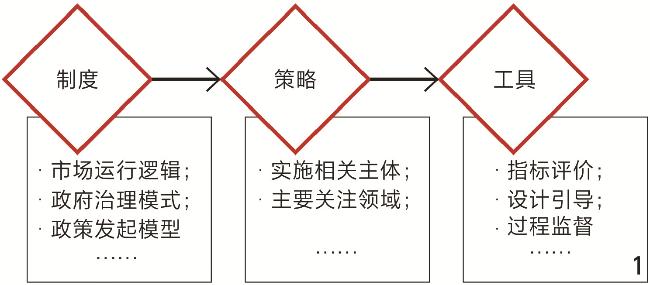
[Methods] This research employs an analytical framework of “institution – strategy – tool” (IST) to dissect policies related to low-carbon community development. Institutions, strategies, and tools are the three pivotal elements of an implementation pathway mechanism; the collaborative mode that these three elements jointly shape and the operational process thereof constitute the implementation paths discussed in this research. The research begins with a comparative overview of widely-used low-carbon community policies at home and abroad, highlighting their institutional backgrounds, strategic focuses, and implementation tools. Subsequently, the research conducts an in-depth analysis of two representative policies: LEED 4.0 Neighborhood Development (LEED-ND), a market-driven, standardized evaluation system developed by the U.S. Green Building Council (USGBC), and ÉcoQuartier, a government-led, adaptive governance initiative launched by the French Ministry of Ecology. Besides analyzing these two representative policies through the IST framework, the research compares these international models with China’s current practices, identifying gaps and opportunities for improvement in the Chinese context.
[Results] The results demonstrate that different institutional contexts give rise to distinct strategies, which in turn shape corresponding implementation tools and thereby generate divergent implementation paths. The positive synergy among their three core elements — institutions, strategies, and tools — is essential for the effective and efficient implementation of those policies. Strategies and tools are constructed under the foundational institutional conditions. The three elements then continuously influence and iteratively refine each other, progressively evolving into a well-integrated, mutually matched, and enduringly dynamic system for sustainable development. This sustained interaction fosters a long-term, effective process of stakeholder collaboration, enabling the transition of low-carbon community policies into its spatial interpretation. This can trigger a continuously accumulating positive spatial feedback loop.
[Conclusion] Both the indicator-based, highly quantified standardized evaluation pathways and the guidance-oriented, customized adaptive governance pathways have successfully engaged diverse social stakeholders, providing effective guidance or feedback mechanisms for low-carbon community development and forming a robust foundation for practical implementation and scaling-up. Therefore, to achieve the spatial grounding and positive accumulation of low-carbon development, the three elements — institutions, strategies, and tools — ought to be mutually aligned, forging a long-term, effective collaborative relationship among the stakeholders involved. Based on China’s current low-carbon community development, this research proposes three key optimization directions to enhance implementation effectiveness. This research argues that spatial – ecological landscape design tools that assist carbon reduction should be developed, thereby enhancing the spatial benefits and wider dissemination of China’s low-carbon community policies. First, to implement low-carbon community policies, market-based stakeholders should be incorporated to create a multi-stakeholder governance mechanism. Public funds should be strategically leveraged to attract social capitals, fostering a multi-stakeholder collaborative development mechanism. Unlike international practices, China’s current low-carbon community development relies heavily on direct government investment, resulting in significant financial burdens and limited scalability. To address this, mechanisms such as performance-based rewards and reputation marketing campaigns should be introduced to incentivize developers, businesses, and residents to actively participate in low-carbon projects. By ensuring all stakeholders perceive tangible benefits, broader support can be mobilized to collaboratively create sustainable communities. Second, technical exchanges and process-oriented coaching should be used to intensify design interactions. The fundamental purpose of developing a comprehensive indicator system is to achieve real carbon emission reductions in line with China’s “carbon peaking and carbon neutrality goals”. Technical exchanges and ongoing process support allow proven technical methods from pilot projects to be closely integrated with current project conditions, while progressively aligning low-carbon management practices and spatial design optimization requirements with each project’s renewal objectives. Only in this way can relatively abundant government funds be directed toward the specific and realistic needs of each project. Finally, policies should incorporate design strategies for spatial and ecological landscape optimization and tools tailored specifically to the community level, so as to ensure effective project implementation. International best practices demonstrate that spatial adjustments and optimizations can simultaneously enhance quality of life and reduce resource consumption, achieving low-carbon goals at a lower cost. Integrating spatial design elements into China’s low-carbon community policies, alongside existing technological carbon-reduction measures, can enable a more comprehensive and coordinated implementation of low-carbon strategies at the community level. This approach not only improves resource efficiency but also creates more livable and sustainable environments. This will align with global best practices while addressing the unique challenges and opportunities within China’s institutional and developmental context, ultimately contributing to the China’s broader climate goals.
表1 国际主要通行政策与中国部分地区政策分维度权重占比示意Tab. 1 Schematic diagram of the dimensional weight proportions of main international prevailing policies and some regional policies in China |
| 子目标与 策略维度 | BREEAM- Communities | CASBEE-UD | DGNB- Districts | ÉcoQuartier | LEED-ND | 北京《低碳社区 评价技术导则》 | 深圳《低碳社区 评价指南》 |
| 空间品质和更新 | 19.7 | 22.2 | 22.4 | 28.8 | 43.6 | 14.0 | 15.0 |
| 生态环境和景观 | 21.1 | 28.3 | 24.6 | 16.3 | 18.3 | 22.0 | 27.0 |
| 碳排管理和能源 | 21.6 | 15.1 | 9.4 | 10.6 | 12.7 | 38.0 | 28.0 |
| 社会发展和经济 | 28.2 | 26.3 | 33.7 | 19.2 | 12.7 | 8.0 | 10.0 |
| 公民参与和治理 | 9.4 | 8.1 | 9.9 | 25.1 | 12.7 | 18.0 | 20.0 |
| 策略维度 | 评价点类型 | 详细评价项目(评分) |
| 精明选址与连接性 (27) | 必要条件 | 1.精明选址;2.濒危物种和生态社区;3.湿地和水体保护;4.农业用地保护;5.涝原规避 |
| 得分点 | 6.优先场址(10);7.褐地改良(2);8.优良公共交通连接(7);9.自行车设施(1);10.居住和工作地点邻近(3);11.陡坡防护(1);12.场址设计-栖息地或湿地和水体保护(1);13.栖息地或湿地和水体恢复(1);14.栖息地或湿地和水体长远保护管理(1) | |
| 社区形态与设计 (44) | 必要条件 | 15.可步行街道;16.紧密型开发;17.关联和开放的社区 |
| 得分点 | 18.可步行街道(12);19.紧密型开发(6);20.邻里土地混合使用(4);21.住房类型和可支付住房(7);22.停车面积减量(1);23.关联和开放的社区(2);24.交通设施(1);25.交通需求管理(2);26.城区及公共空间的连接(1);27.康乐设施可达(1);28.可接待和全局通用设计(1);29.社区拓展和参与(2);30.食物本地生产(1);31.树木带和遮阴街道景观(2);32.邻近的学校(1) | |
| 绿色基础设施与建筑 (29) | 必要条件 | 33.绿色建筑认证、34.最低建筑能源表现、35.室内用水减量;36.施工污染防治 |
| 得分点 | 37.绿色建筑认证(5);38.优化建筑能效(2);39.室内用水减量(1);40.室外用水减量(1);41.建筑再利用(1);42.历史资源保护和适应性再利用(1);43.场址侵扰最小化(1);44.雨水管理(4);45.降低热岛效应(1);46.日照朝向(1);47.可再生能源生产(3);48.区域供热和供冷(2);49.基础设施能效(1);50.废水管理(2);51.基础设施循环再利用(1);52.固体废弃物管理(1);53.降低光污染(1) | |
| 创新与设计流程(6) | 得分点 | 54.创新(5);55.LEED®专业性加分(1) |
| 地域优先得分点(4) | 得分点 | 56.地域定义1(1);57.地域定义2(1);58.地域定义3(1);59.地域定义4(1) |
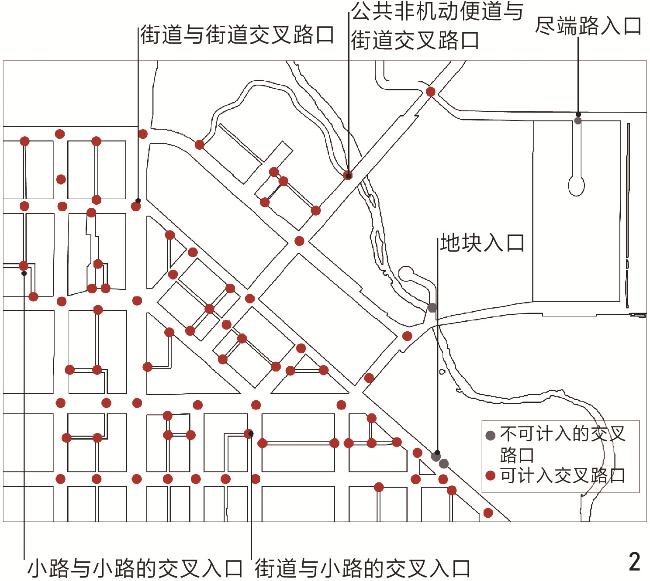
表3 “6.优先场址”中“周边(1/2英里范围内)应具备高连通度的街道网络”得分标准[12, 19]Tab. 3 Rating standard for the requirement of “being surrounded (within a scope of 1/2 mile) by a well-connected existing street network” in “6. Priority Site”[12, 19] |
| 交叉路口密度/(个/km2) | 得分 |
| 注:1英里≈1.61公里。 | |
| 518~647 | 1 |
| 648~777 | 2 |
| 777~906 | 3 |
| 907~1 036 | 4 |
| >1 036 | 5 |
表4 《发展宪章》制订的策略维度及指导方针(2023年版)[23]Tab. 4 Strategic dimensions and guidelines for the formulation of the Charte ÉcoQuartier (Version 2023)[23] |
| 策略维度 | 指导方针 |
| 一、机制和实施路径 | 1-尊重场地特点和所有主体需求;2-建立合适的管理与主导机制;3-邀请居民和使用者参与;4-对支出进行整体评价;5-评价与持续提升 |
| 二、生活和使用框架 | 6-基于现状既有条件营造社区;7-鼓励共享、团结互助与包容;8-注重居民身心健康;9-注重城市空间、景观及建筑品质;10-关注场地历史文脉与居民的身份认同,关注城市遗产 |
| 三、地方发展 | 11-推动经济、可再生、社会及团结互助的转型发展;12-关注邻里功能多样性;13-推动资源利用、发展地方特色产业及短链产业;14-鼓励可持续交通与慢行交通;15-保障数字化转型 |
| 四、环境与气候 | 16-提高气候韧性;17-减缓气候变化,关注可再生能源与节能;18-减少垃圾生产,推动再生与再利用;19-保护、管理与修复水资源;20-保护与修复土地资源、生态多样性及自然空间 |
表5 中国低碳社区相关政策与LEED-ND、ÉcoQuartier的实施路径比较Tab. 5 Comparison between LEED-ND, ÉcoQuartier and China’s relevant policies on low-carbon community in terms of implementation pathway |
| 实施模式 | 路径特征 |
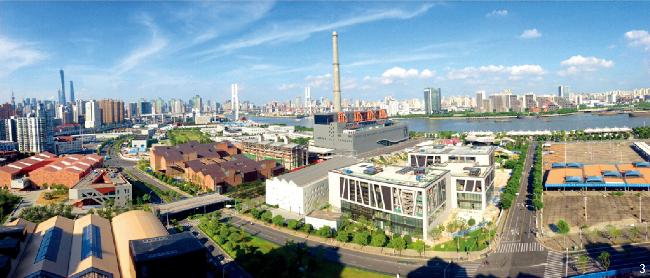
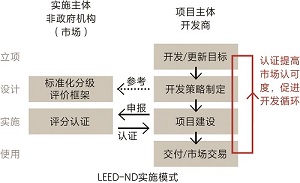 | 路径特征及应用效果:行业推动的标准化分等级认证,应用较广;关注建成环境,通过市场与社会价值提升与项目开发绑定,完成低碳社区的设计营建 制度要素:市场主导-专业技术领域的非营利性第三方机构;项目开发单位付费进行认证服务 策略要素:面向项目开发主体;关注空间优化设计,兼顾选址与联系、邻里设计、绿色基础设施等 工具要素:基于“基础指标-得分点加权评分-总分”的三级精细量化系统;指标指向选址、设计、建设等多个阶段 案例及其设计要点:上海世博园最佳城市实践区,行道树及城市热岛效应管理,自动化浇灌,雨水管理等 |
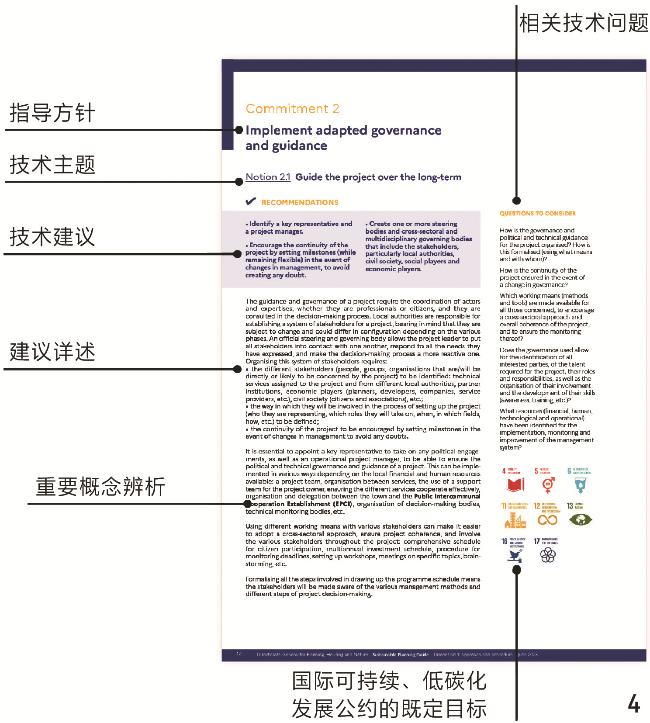
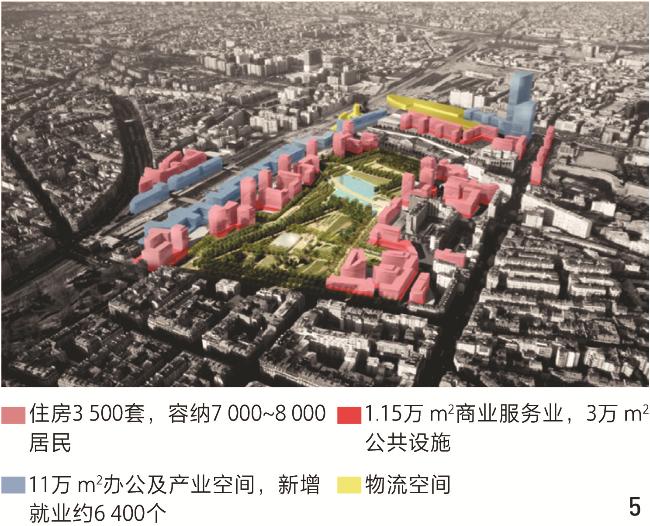
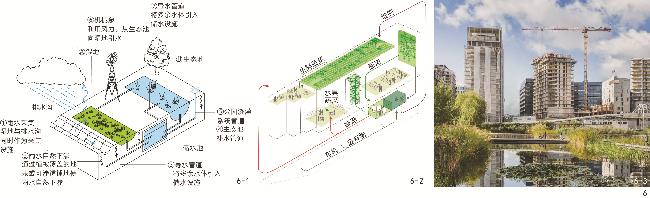
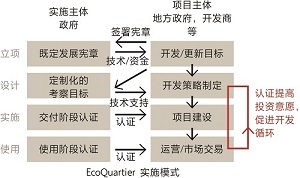 | 路径特征及应用效果:政府主导、社会参与的全过程适应性治理,应用较广;关注城市韧性与品质,通过技术与资金双重支持、实现市场与社会价值提升,与低碳社区的空间改造、设计、实施、使用全流程绑定 制度要素:欧盟形成共识-国家政府主导;政府提供项目补贴,项目开发引入社会资本 策略要素:面向多元主体;关注城市韧性与空间品质提升 工具要素:基于统一技术框架的定制化技术方案、评价方案与分阶段的引导考察方式;覆盖城市、建筑、景观、韧性的定制化技术辅导 案例及其设计要点:法国巴黎克里希生态社区,中央雨水公园,雨水循环管理、屋顶花园、立面绿化、共享循环种植等 |
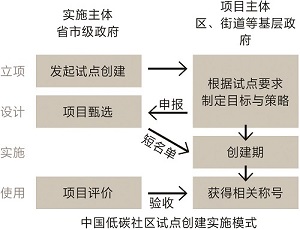 | 路径特征及应用效果:政府推动地方试点创建,推广受限;对建成环境关注不足,缺乏设计反馈,与开发无强绑定条件,无法有效完成低碳发展的空间实现 制度要素:面向社区基层;关注碳排检测与居民能源消费行为管理 策略要素:面向多元主体;关注城市韧性与空间品质提升 工具要素:约束性及引导性指标及其参考标准;以后端检测为主;部分地方政策引入权重分配 案例及设计要点:上海试点低碳社区改造,门窗、遮阳等建筑更新,雨水收集利用,垃圾分类回收,清洁能源及新能源充电桩的使用等 |
| [1] |
郑曦. 碳中和与设计应对策略[J]. 风景园林, 2022, 29(5): 8-9.
ZHENG X. Carbon Neutrality and Design Strategies[J]. Landscape Architecture, 2022, 29(5): 8-9.
|
| [2] |
李倞, 吴佳鸣, 汪文清. 碳中和目标下的风景园林规划设计策略[J]. 风景园林, 2022, 29(5): 45-51.
LI L, WU J M, WANG W Q. Landscape Planning and Design Strategies Under Carbon Neutrality Goal[J]. Landscape Architecture, 2022, 29(5): 45-51.
|
| [3] |
孙娟. 城市街区减碳规划方法集成体系[J]. 城市规划学刊, 2022(6): 102-109.
SUN J. Methodology of Integrated Planning Toward Urban Block-Level Carbon Reduction[J]. Urban Planning Forum, 2022(6): 102-109.
|
| [4] |
庞志宇, 韩冬青, 宋亚程, 等. 支持居住型历史地段规划建设专项工作衔接的多尺度层次框架[J]. 城市规划学刊, 2023(2): 103-109.
PANG Z Y, HAN D Q, SONG Y C, et al. A Multi-scale Hierarchical Framework for Integrating Specialized Planning and Development of Historic Residential Areas[J]. Urban Planning Forum, 2023(2): 103-109.
|
| [5] |
International Standardization Organization. Sustainable Development in Communities: Inventory of Existing Guidelines and Approaches on Sustainable Development and Resilience in Cities: ISO TR 37121: 2017[S/OL]. [2024-12-01]. https://www.iso.org/standard/63790.html.
|
| [6] |
International Standardization Organization. Sustainable Cities and Communities: Indicators for City Services and Quality of Life ISO 37120: 2018[S/OL]. [2024-12-01]. https://www.iso.org/standard/68498.html.
|
| [7] |
DOUSSARD C. Evaluer les ÉCo-Quartiers: Analyses Comparatives Internationales[D]. Paris: Université Panthéon-Sorbonne, 2017.
|
| [8] |
中华人民共和国国家发展和改革委员会.国家发展改革委关于开展低碳社区试点工作的通知[EB/OL].(2014-03-27)[2024-12-01]. https://www.gov.cn/xinwen/2014-03/27/content_2648003.htm.
National Development and Reform Commission. Notice on Construction of Low-Carbon Community Demonstration of National Development and Reform Commission[EB/OL]. (2014-03-27)[2024-12-01]. https://www.gov.cn/xinwen/2014-03/27/content_2648003.htm.
|
| [9] |
中华人民共和国国家发展和改革委员会.国家发展改革委办公厅关于印发低碳社区试点建设指南的通知[EB/OL].(2015-02-12)[2024-12-01]. https://zfxxgk.ndrc.gov.cn/web/iteminfo.jsp?id=2137.
National Development and Reform Commission. Notice of the General Office of the National Development and Reform Commission on Issuing the Guidelines for Pilot Construction of Low-Carbon Communities[EB/OL]. (2015-02-12)[2024-12-01]. https://zfxxgk.ndrc.gov.cn/web/iteminfo.jsp?id=2137.
|
| [10] |
余翔宇, 何京洋, 朱丹, 等. 既有社区低碳更新的路径与实践: 以上海7个社区为例[J]. 城市规划学刊, 2022(4): 111-119.
YU X Y, HE J Y, ZHU D, et al. Path and Practice of Low-Carbon Urban Renewal: A Case Study of Seven Communities in Shanghai[J]. Urban Planning Forum, 2022(4): 111-119.
|
| [11] |
陈一欣, 曾辉. 我国低碳社区发展历史、特点与未来工作重点[J]. 生态学杂志, 2023, 42(8): 2003-2009.
CHEN Y X, ZENG H. Development of Low-Carbon Community in China: Retrospect and Prospect[J]. Chinese Journal of Ecology, 2023, 42(8): 2003-2009.
|
| [12] |
U.S. Green Building Council. LEED Reference Guide for Neighborhood Development V4[S]. Portland: U.S. Green Building Council, 2018.
|
| [13] |
Ministère de la Transition Écologique et de la Cohésion des Territoires. Présentation de la Démarche ÉcoQuartier: 2023[S/OL]. [2024-12-01]. https://www.ecoquartiers.logement.gouv.fr/demarche/.
|
| [14] |
燕继荣. 制度、政策与效能: 国家治理探源: 兼论中国制度优势及效能转化[J]. 政治学研究, 2020(2): 2-13.
YAN J R. Institutions, Policies and Effectiveness as the Source of National Governance: In the Context of China’s System Advantages and Efficiency Transformation[J]. CASS Journal of Political Science, 2020(2): 2-13.
|
| [15] |
杜海龙, 李迅, 李冰. 中外典型绿色生态城区评价标准系统化比较研究[J]. 城市发展研究, 2020, 27(11): 57-65.
DU H L, LI X, LI B. Systematic Comparative Study on Evaluation Standards of Typical Green Ecological Urban Districts[J]. Urban Development Studies, 2020, 27(11): 57-65.
|
| [16] |
赵格. LEED-ND与CASBEE-City绿色生态城区指标体系对比研究[J]. 国际城市规划, 2017, 32(1): 99-104.
ZHAO G. The Comparative Study of LEED-ND and CASBEE-City Rating Systems for Green Ecological Districts[J]. Urban Planning International, 2017, 32(1): 99-104.
|
| [17] |
刘佳燕, 沈毓颖. 城市社区低碳更新研究与实践: 评述与策略建议[J]. 上海城市规划, 2023(4): 24-32.
LIU J Y, SHEN Y Y. Research and Practice of Urban Community Low-Carbon Regeneration: A Review and Strategic Suggestions[J]. Shanghai Urban Planning Review, 2023(4): 24-32.
|
| [18] |
容志, 谭晓芳. 适应性治理: 研究现状与未来展望[J]. 治理研究, 2024, 40(3): 111-126.
RONG Z, TAN X F. Adaptive Governance Research: Status and Future Prospects[J]. Governance Studies, 2024, 40(3): 111-126.
|
| [19] |
U.S. Green Building Council, Natural Resources Defense Council, and the Congress for the New Urbanism. A Citizen’s Guide to LEED for Neighborhood Development: How to Tell if Development is Smart and Green[R]. Washington, D.C.: U.S. Green Building Council, 2010.
|
| [20] |
U.S. Green Building Council. LEED Project Directory-Shanghai EXPO UBPA NB-R[EB/OL]. (2015-09-17)[2025-01-05]. https://www.usgbc.org/projects/shanghai-expo-ubpa-nb-r-0?view=overview.
|
| [21] |
U.S. Green Building Council. LEED Project Directory-Shanghai EXPO UBPA Development[EB/OL]. (2023-05-03)[2025-01-05]. https://www.usgbc.org/projects/shanghai-expo-ubpa-development-0.
|
| [22] |
城市最佳实践区.实践区主要低碳设计和绿色实践[EB/OL].(2014-12-26)[2025-01-05]. http://www.ubpa.com.cn/index.php?c=content&a=show&id=19.
Urban Best Practice Area. The Main Low-Carbon Designs and Green Practices in the Shanghai EXPO Urban Best Practices Area[EB/OL]. (2014-12-26)[2025-01-05]. http://www.ubpa.com.cn/index.php?c=content&a=show&id=19.
|
| [23] |
Ministère de la Transition Écologique et de la Cohésion des Territoires. Charte ÉcoQuartier 2023[R/OL]. Paris: Ministère de la Transition Écologique et de la Cohésion des Territoires, 2023. https://www.ecologie.gouv.fr/politiques-publiques/demarche-ecoquartier.
|
| [24] |
Ministère de la Transition Écologique et de la Cohésion des Territoires. Sustainable Planning Guide[R]. Paris: Ministère de la Transition Écologique et de la Cohésion des Territoires, 2023.
|
| [25] |
Ministère de la Transition Écologique et de la Cohésion des Territoires. ÉcoQuartier Pour Tous[R]. Paris: Ministère de la Transition écologique et de la Cohésion des territoires, 2023.
|
| [26] |
Ministère de la Transition Écologique et de la Cohésion des Territoires. Recueil des 101 projets labellisés en Livré et Vécu entre 2013 et 2023[R]. Paris: Ministère de la Transition écologique et de la Cohésion des territoires, 2023.
|
| [27] |
Municipal of Paris. Eco District Clichy-Batignolles 2018[R/OL]. Paris: Municipal of Paris, 2018. https://www.parisetmetropole-amenagement.fr/sites/default/files/2018-11/CB_ProjectPlan_EN_Web.pdf.
|
| [28] |
Municipal of Paris. Reinventer Paris: Clichy-Batignolles 2018[R/OL]. Paris: Municipal of Paris, 2016. https://www.parisetmetropole-amenagement.fr/fr/reinventer-paris-stream-building-142.
|
/
| 〈 |
|
〉 |