



|
张在鑫(2001—),男,山东省淄博人,硕士研究生,从事人工湿地水处理研究。E-mail: zzx17615738061@163.com |
收稿日期: 2024-07-09
修回日期: 2025-07-25
网络出版日期: 2026-03-12
版权
A review of the effects of plant harvesting on constructed wetland systems
Received date: 2024-07-09
Revised date: 2025-07-25
Online published: 2026-03-12
Copyright
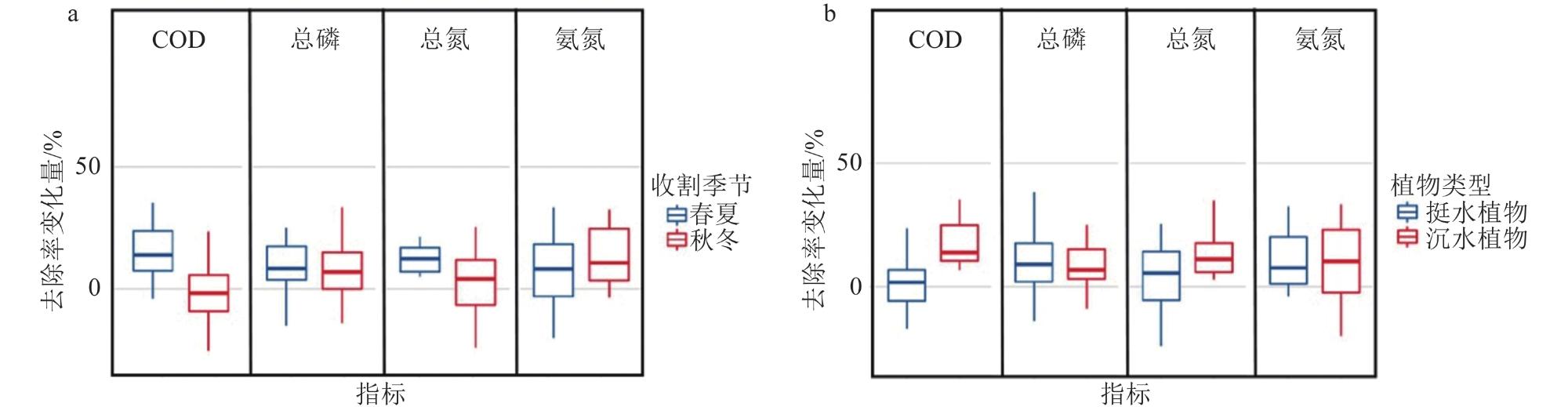
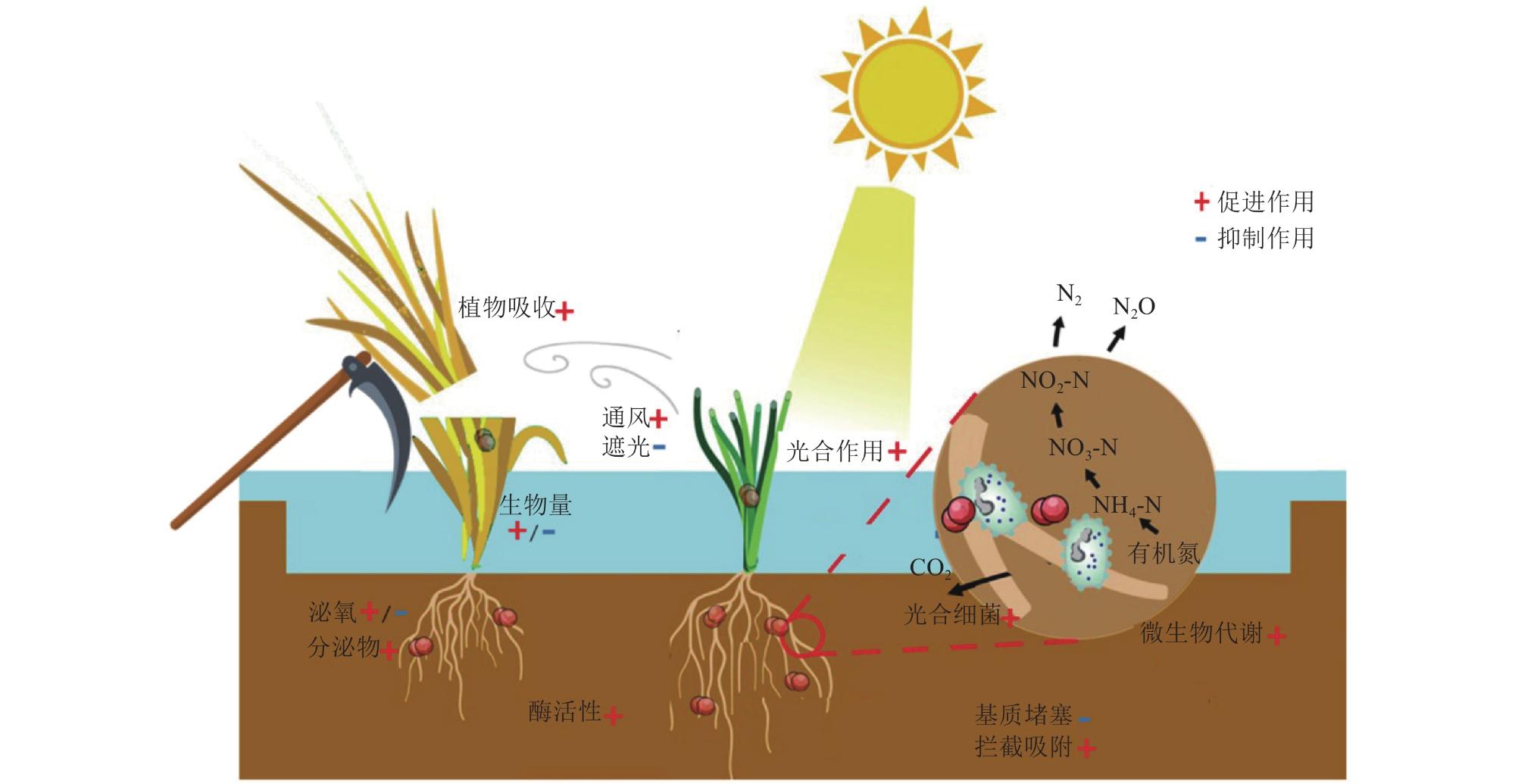
湿地植物是人工湿地系统发挥水质净化功能的重要组成部分。人工湿地中的植物枯萎后不及时收割会引发二次污染,甚至造成湿地堵塞,影响湿地系统稳定运行。本文综述了植物收割对人工湿地系统运行效果的影响,分析了植物收割影响污染物去除的机理,总结了不同种类植物的收割管理策略。植物收割对水质影响的季节性波动显著,春夏季收割可稳定提升人工湿地系统化学需氧量、总氮等污染物的去除效果,秋冬季收割则有利于总磷和氨氮的去除,但对化学需氧量、总氮的影响波动性较大。收割不仅会直接影响植物的生产力和生物学特征,还能通过改变植物根系泌氧水平、基质酶活性等间接影响湿地理化环境和微生物代谢过程,从而对植物−微生物−基质耦合作用和污染物的地球化学循环过程产生影响。植物收割对人工湿地运行的影响主要取决于收割时间、收割方式、收割频次、收割程度以及植物种类,在进行植物收割时应根据植物类型、湿地实际情况等选择适宜的收割策略。
张在鑫 , 李文颖 , 郑琳琳 , 姜腾龙 , 段嘉玮 , 余佳蓉 , 孔强 , 王倩 , 赵聪聪 . 植物收割对人工湿地系统的影响研究综述[J]. 湿地科学, 2025 , 23(5) : 1111 -1120 . DOI: 10.13248/j.cnki.wetlandsci.20240188
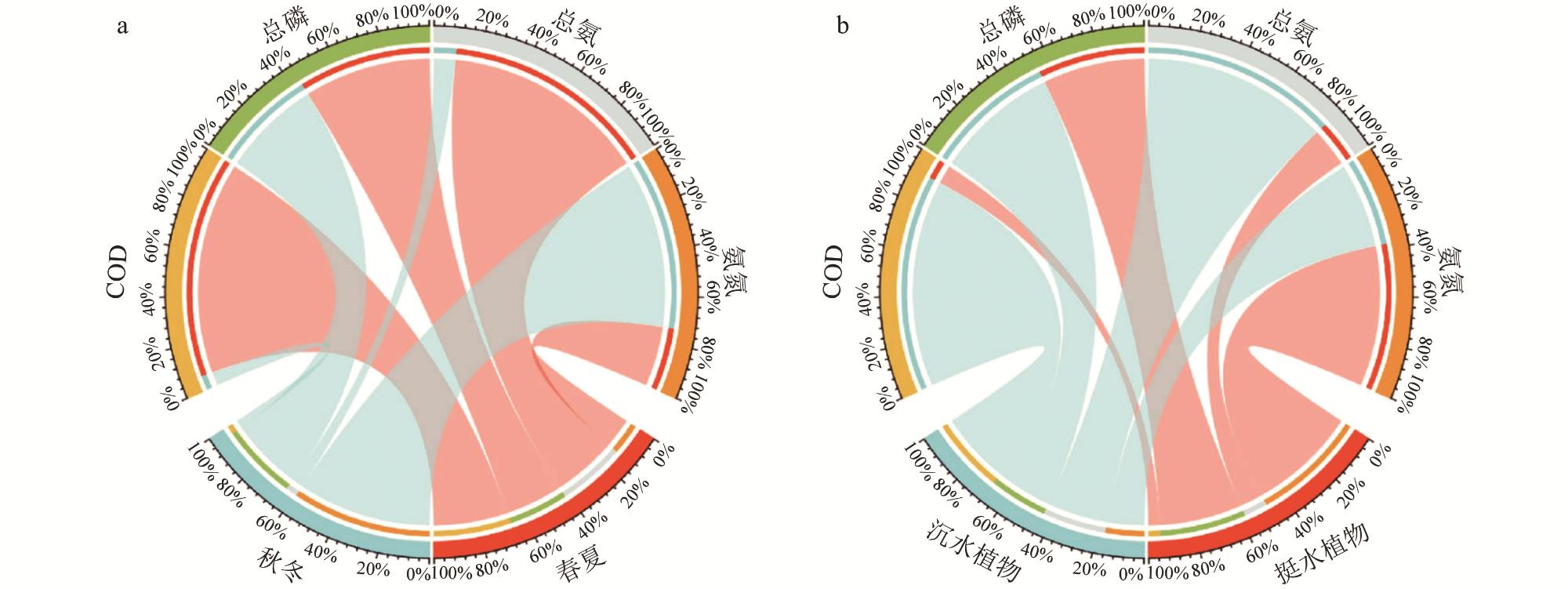
Under the background of environmental protection, constructed wetland, an ecological technology, is widely used in advanced treatment and ecological purification of various surface water bodies because of its low carbon, low consumption and high efficiency. Plants are considered to be important parts of constructed wetlands and play an important role in the process of water purification. Due to the growth characteristics of wetland plants, if the withered wetland plants can not be harvested in time, they will lead to secondary pollution, and even cause wetland blockage, which will affect the stable operation of wetland system. This paper summarized the influence of plant harvesting on the operation effect of constructed wetland system, analyzed the mechanism of plant harvesting affecting pollutant removal, and finally summarized the harvesting management strategies of different kinds of plants. This paper makes up the blank of this part through narration, which will better guide the harvesting process of constructed wetland plants. The seasonal fluctuation of plant harvesting on water quality is significant. Harvesting in spring and summer can stably improve the removal effect of pollutants such as chemical oxygen demand and total nitrogen in the system, while harvesting in autumn and winter is beneficial to the removal of total phosphorus and ammonia nitrogen, but the impact on chemical oxygen demand and total nitrogen fluctuates greatly. In terms of plant species, harvesting submerged plants is more conducive to removing four conventional pollutants (chemical oxygen demand, total nitrogen, total phosphorus, and ammonia nitrogen) compared to emergent plants, which facilitates better purification of constructed wetland water bodies. At the same time, through the second excavation of the article, it is found that there is a certain correlation between wetland plant species and seasons during harvesting. In addition, harvesting not only directly affects the productivity and biological characteristics of plants, but also indirectly affects the physical and chemical environment and microbial metabolism process of wetlands by changing the oxygen secretion level of plant roots and the activity of substrate enzymes, thus affecting the plant-microorganism-substrate coupling effect and the geochemical cycle process of pollutants, which makes the change of water purification efficiency in constructed wetlands. The influence of plant harvesting on the operation of constructed wetland mainly depends on harvesting time, harvesting mode, harvesting frequency, harvesting degree and plant species. When harvesting plants, appropriate harvesting strategies should be selected according to plant types and actual conditions of constructed wetlands, striving to achieve the optimal solution.
1 Purification effect of plant harvesting on wetland pollutants植物收割对湿地污染物的净化效果 |
| 地区 | 湿地类型 | 植物种类 | 收割时间 | 收割程度 | 去除效果 | 参考文献 |
| 注:−表示文献中未提及。 | ||||||
| 西安 | 表面流 人工湿地 | 芦苇 | 秋季(11月) | 基质表面 以上20 cm | 总氮、氨氮、总磷去除率分别 提高了5.4%、5.6%、6.6% | [16] |
| 大理 | 自然湿地 | 芦苇、菰 | 秋季 | 基质表面 | 对氮、磷去除效果提升明显, 移除氮8.5 t/a、磷1.7 t/a | [17] |
| 长沙 | 生态沟渠 | 粉美人蕉(Canna glauca) | 6月和9月 | 基质表面 | 多次收割生物量、氮、磷去除量是 单次收割的3.6~6.7倍 | [18] |
| 黑三棱(Sparganium stoloniferum)、 灯芯草(Juncus effusus) | 5月、9月和11月 | |||||
| 野天胡荽(Hydrocotyle vulgaris)、 狐尾藻(Myriophyllum verticillatum) | 4月、6月、 9月和11月 | |||||
| 济南 | 潜流人工湿地 | 芦苇 | 夏季(7月) 秋季(11月) | 基质表面 以上15 cm | 夏季收割提高,冬季收割降低化学 需氧量、氨氮的去除 | [19] |
| 中国南方某市 | 生态浮床 | 穗状狐尾藻(Myriophyllum spicatum)、 南美天胡荽(Hydrocotyle verticillata) | − | 基质表面 | 收割去除氮磷114.7 g/(m2·a), 显著高于不收割条件下的17.8 g/(m2·a) | [20] |
| 长沙 | 表面流 人工湿地 | 粉绿狐尾藻(Myriophyllum aquaticum) | 夏季(7月) 冬季(1月) | 新生芽 每隔2~4周 | 提高氮去除率,对低强度废水氮 去除贡献近100.0% | [21] |
| 英国 | 自然湿地 | 浮萍(Lemna minor) | 夏秋季节 | 整株 | 去除约39 kg磷 | [22] |
| 荷兰 | 水培湿地 | 穗状狐尾藻 | 春季(5月) 秋季(9月) | 基质表面 以上20 cm | 收割湿地对氮、磷、钾去除量略 高于6 g/m2、1 g/m2、3 g/m2 | [23] |
| 西班牙 | 表面流 人工湿地 | 宽叶香蒲(Typha latifolia) | 秋季 | 水面上2 cm | 总悬浮固体(TSS)和生化需氧量(BOD) 出水浓度分别降低了37.3%和49.2% | [24] |
| 美国 | 表面流 人工湿地 | 芦苇 | 秋季 | 基质表面 | 收割后每个湿地单元的磷含量 平均降低7.9 mg/kg | [25] |
| 美国 | 自然滨海湿地 | 香蒲 | 夏季(7月) | 基质表面 以上20 cm | 相较于未收割,收割使基质 水氨氮浓度下降了约2 mg/L | [26] |
1 Variation in pollutant removal rate after harvesting across different seasons (a) and types of plants (b)不同季节(a)、不同类型植物(b)收割后污染物去除率变化量 [ |
/
| 〈 |
|
〉 |