



|
何术锋(1995—),安徽省六安人,硕士,工程师,从事生态水力学研究。E-mail: sfhe@nhri.cn |
收稿日期: 2020-12-20
修回日期: 2020-04-03
网络出版日期: 2025-08-14
基金资助
国家重点研发计划项目(2022YFC3203900)
国家自然科学基金创新研究群体项目(52121006)
国家自然科学基金青年基金项目(52209094)
版权
Study on Plant Spatial Allocation in Wetland Park based on Waterfowl Habitat Demand: A Case Study of Lvshuiwan Wetland Park in Nanjing City
Received date: 2020-12-20
Revised date: 2020-04-03
Online published: 2025-08-14
Copyright
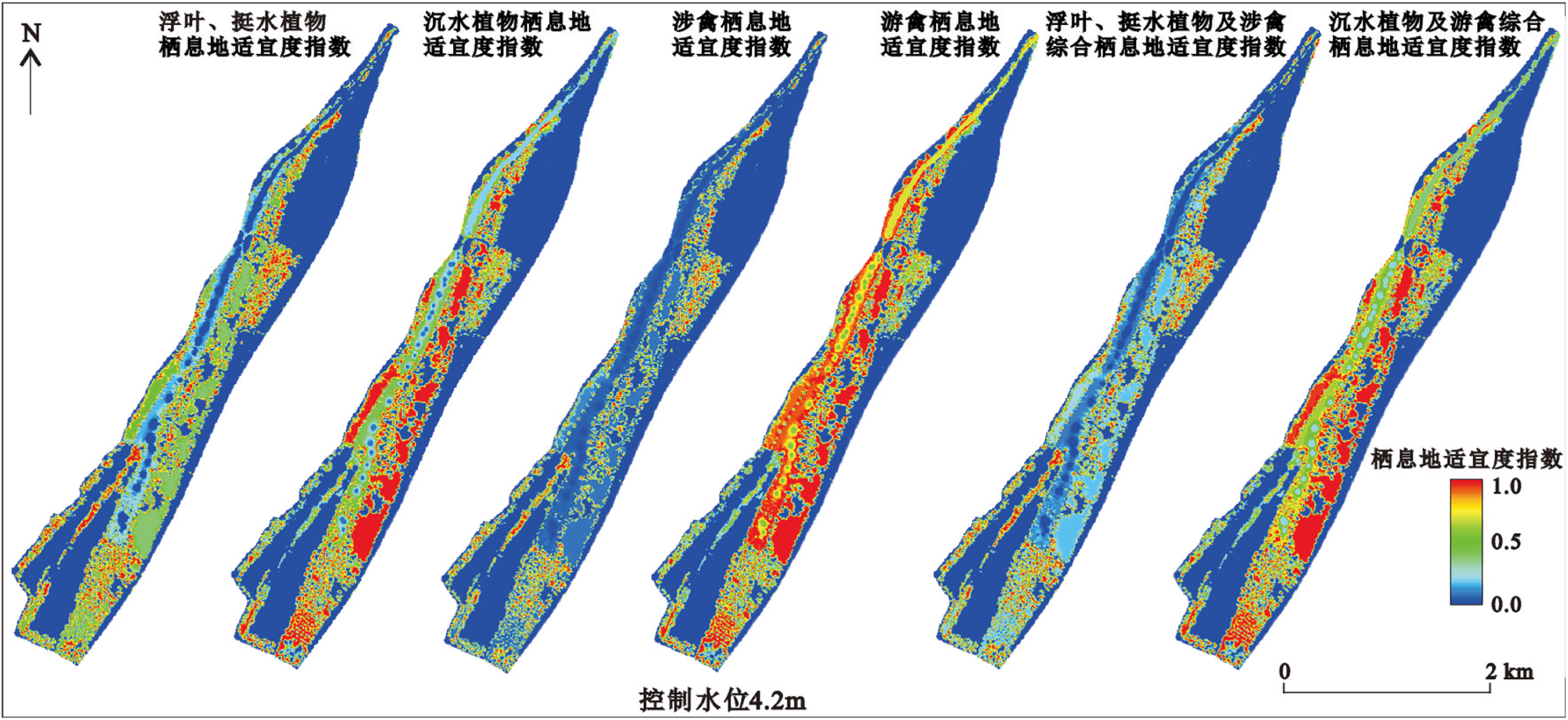
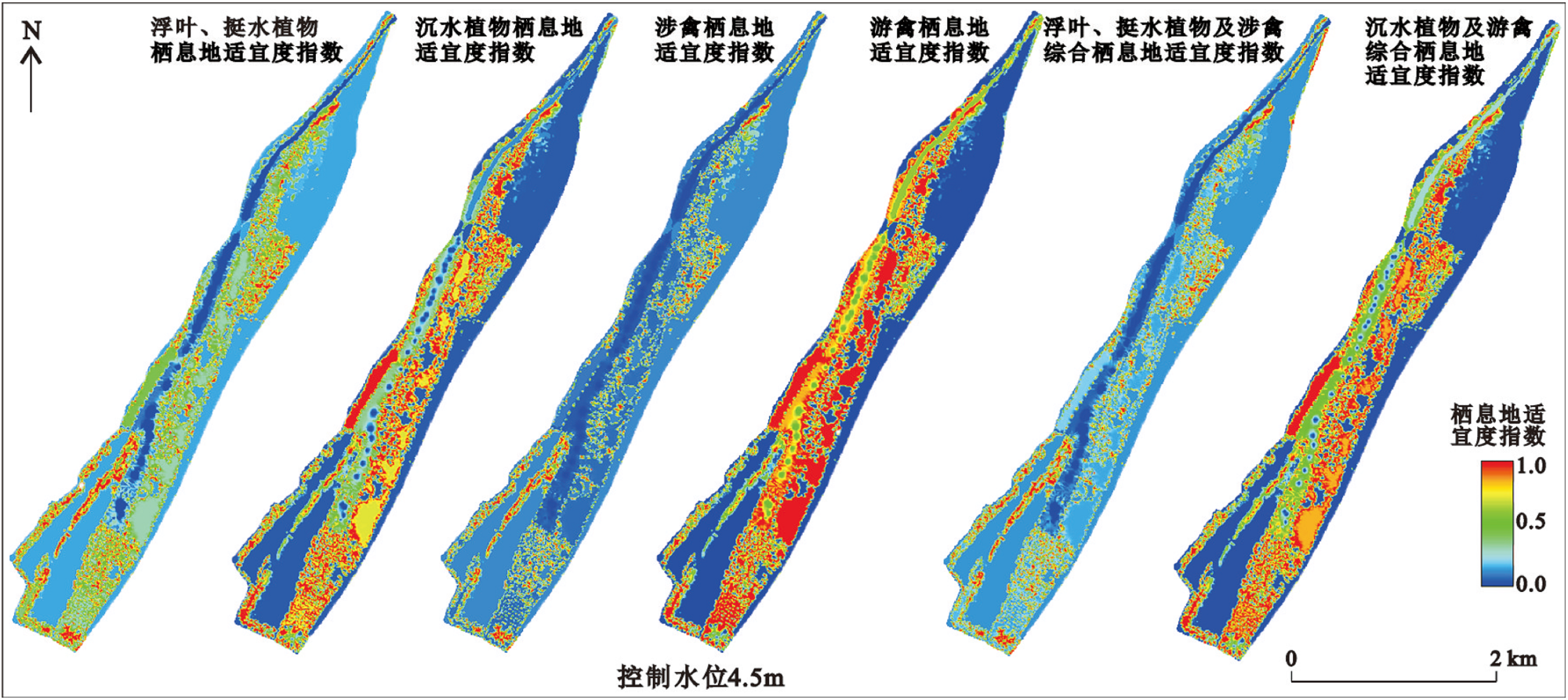
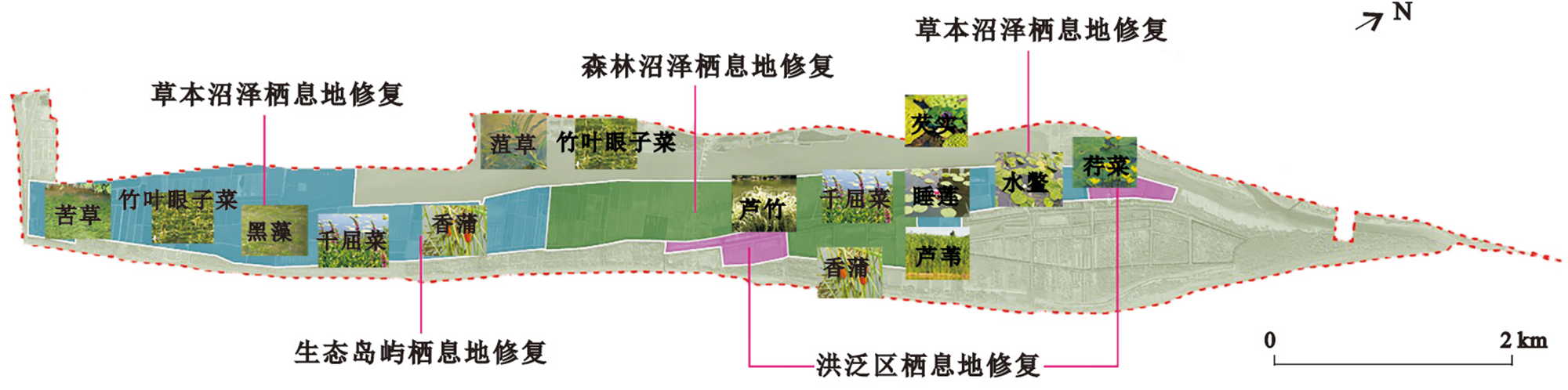
为了科学、准确地研究湿地公园植物空间配置方法,综合湿地植物及水鸟对关键生境因子水位的需求,构建了栖息地适宜度曲线,结合湿地水位空间分布,构建了基于湿地植物与水鸟栖息地需求的综合栖息地模型,模拟了南京市绿水湾湿地公园现状控制水位4.2 m及修复后控制水位4.5 m下的湿地植物及水鸟栖息地适宜性指数(Habitat Suitability Index, HIS)空间分布,同时计算了栖息地加权可利用面积(Weighted Usable Area, WUA)和高质量生境面积,分析对比了仅考虑植物生境和综合考虑植物及水鸟生境的2种方法,并提出了绿水湾湿地公园植物空间配置方案。研究结果表明,利用综合法计算得到的湿地植物高质量生境面积均比单一法得到的小,且浮叶植物和挺水植物的变幅大于沉水植物,水位的变幅对浮叶植物和挺水植物生境面积的影响大于沉水植物;综合植物及水鸟需求配置湿地公园植物的方法,为湿地公园的生态修复提供了参考依据。
何术锋 , 王清 , 林育青 , 佘星源 , 陈求稳 . 基于水禽栖息需求的湿地公园植物空间配置研究——以南京市绿水湾湿地公园为例[J]. 湿地科学, 2024 , 22(6) : 902 -910 . DOI: 10.13248/j.cnki.wetlandsci.2024.06.009
In order to scientifically and accurately study the spatial allocation of plants in wetland parks, a habitat suitability curve was established based on the requirements of wetland plants and waterfowls on water level of key habitat factors. Combined with the spatial distribution of wetland water level, a comprehensive habitat model based on the habitat requirements of wetland plants and waterfowls was constructed. The spatial distribution of Habitat suitability index (HIS) of wetland plants and waterfowls under the current control water level of 4.2 m and the restored control water level of 4.5 m in Nanjing Lvshuiwan Wetland Park was simulated. At the same time, the Weighted usable area (WUA) and the area of high-quality habitat were calculated, and the two methods considering only plant habitat and the comprehensive consideration of plant and waterfowls habitat were analyzed and compared, and the plant spatial allocation scheme was proposed. The results showed that the area of high-quality wetland plant habitat calculated by the comprehensive method was smaller than that obtained by the single method, and the variation amplitude of floating leaves and water-supporting plants was larger than that of submerged plants, and the impact of changing water level on the habitat area of floating leaves and water-supporting plants was greater than that of submerged plants. The method of plant allocation in wetland park based on the needs of plants and waterfowls provides a reference for ecological restoration of wetland park.
1 南京市绿水湾湿地公园不同水位下的单元分区水深和流速Water depth and flow velocity in different zones at various water levels in Lvshuiwan Wetland Park in Nanjing City |
| 单元分区 | 现状4.2 m水位 | 修复后4.5 m水位 | ||
| 平均水深/m | 平均流速/(m/s) | 平均水深/m | 平均流速/(m/s) | |
| 洲滩林 | 0.00 | 0.000 | 0.00 | 0.000 |
| 洪泛区 | 0.79 | 0.008 | 1.24 | 0.009 |
| 部队小圩泵站 | 0.86 | 0.007 | 1.12 | 0.006 |
| 森林沼泽 | 1.10 | 0.012 | 2.30 | 0.013 |
| 草本沼泽 | 1.79 | 0.006 | 2.19 | 0.006 |
| 夹江 | 2.51 | 0.021 | 2.81 | 0.021 |
| 平均值 | 1.18 | 0.009 | 1.61 | 0.009 |
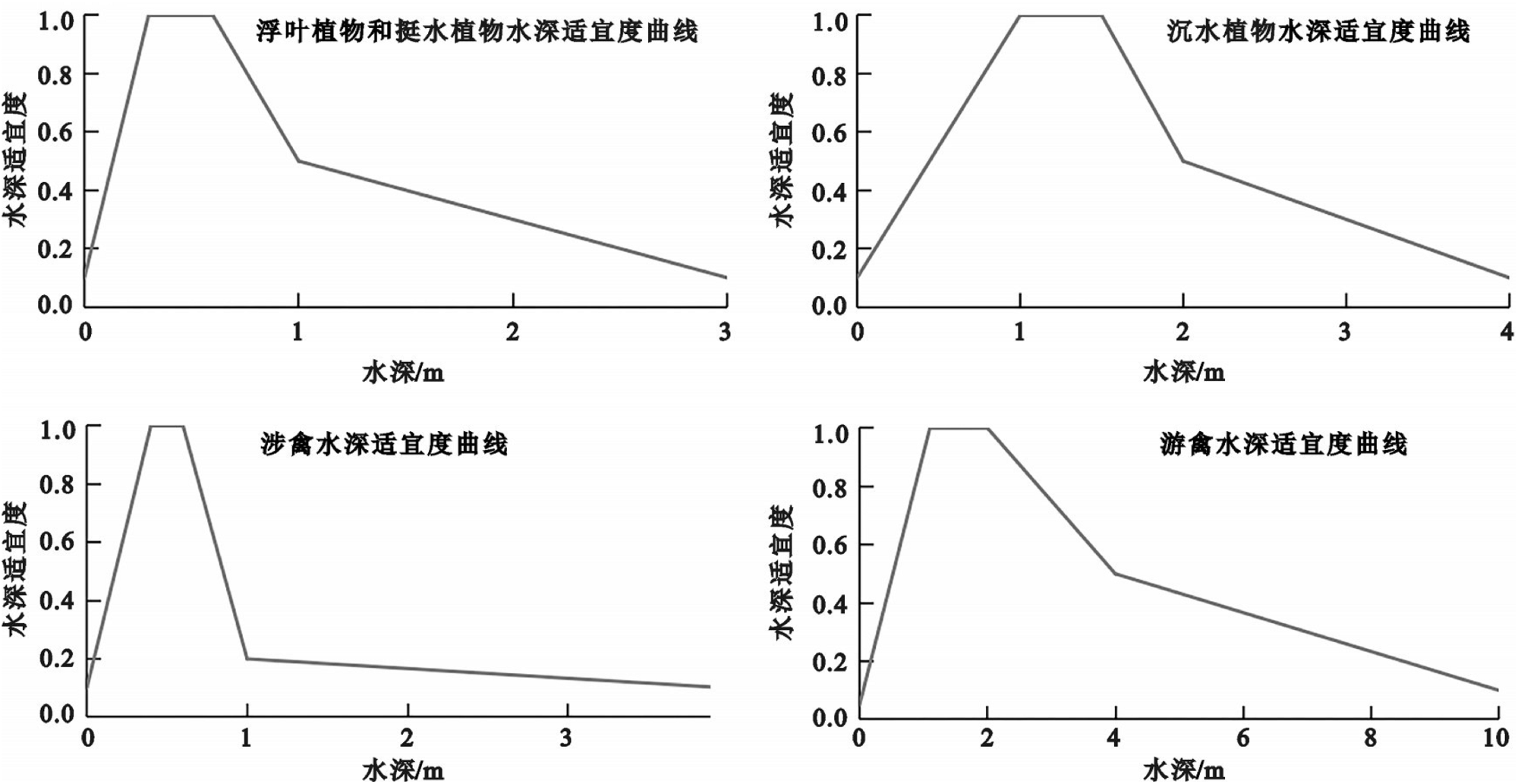
2 湿地植物及水鸟适宜水深Suitable water depth for wetland plants and waterfowls |
| 生态类群 | 代表物种 | 鸟类对植被的需求 | 适宜水深/m |
| 挺水植物 | 芦苇(Phragmites australis)、芦竹(Arundo donax)、双穗雀稗(Echinochloa crus-galli)、香蒲(Typha angustifolia)、千屈菜(Lythrum salicaria) | 0.3~0.6[26-27] | |
| 浮叶植物 | 荇菜(Nymphoides peltata)、睡莲(Nymphaea)、芡实(Euryale ferox)、水鳖(Brasenia schreberi) | 0.6~1.0[28-29] | |
| 沉水植物 | 菹草(Potamogeton crispus)[25]、黑藻(Zostera marina)[30]、竹叶眼子菜(Potamogeton maackianus)[30]、苦草(Sonchus)[25] | 1.0~2.0[25,30] | |
| 游禽水鸟 | 斑嘴鸭(Anas poecilorhyncha)、小䴙䴘(Tachybaptus ruficollis)、须浮鸥(Chlidonias hybrid)、普通鸬鹚(Phalacrocorax carbo) | 中高高度、密集、水生植物 | 0.2~2.0[31] |
| 涉禽水鸟 | 黑水鸡(Gallinula chloropus)、环颈鸻(Charadrius hiaticula)、白腰草鹬 (Gallinago gallinago)、白鹭(Ardea alba)、夜鹭(Nycticorax nycticorax) | 中高高度、密集、水生植物 | 0.1~0.4[31] |
3 不同控制水位下湿地植物加权可利用面积和高质量生境面积Weighted usable area and high-quality habitat area of wetland plants under different controlled water levels |
| 水位/m | 方法 | 浮叶植物、挺水植物 | 沉水植物 | ||||||||
| 加权可利用面积/hm2 | 高质量生境面积/hm2 | 加权可利用面积/hm2 | 高质量生境面积/hm2 | ||||||||
| 注:单一法仅考虑植物生境,综合法综合考虑了水鸟和植物生境;高质量可利用生境面积是HSI>0.95的区域面积。 | |||||||||||
| 4.2 | 单一法 | 401 | 136 | 493 | 254 | ||||||
| 综合法 | 310 | 103 | 519 | 231 | |||||||
| 4.5 | 单一法 | 512 | 118 | 580 | 219 | ||||||
| 综合法 | 396 | 91 | 618 | 215 | |||||||
/
| 〈 |
|
〉 |