

城市历史景观视角下的重庆大学历史校园景观演变及保护价值评估
|
徐村雨/女/重庆大学学士/研究方向为国家公园与健康景观 |
|
黄力为/男/重庆大学学士/研究方向为风景园林历史与风景园林设计理论 |
|
王瑜/女/重庆大学学士/研究方向为数字景观 |
|
肖竞/男/博士/重庆大学建筑城规学院副教授/研究方向为城市历史与文化、城乡历史环境保护技术与方法 |
|
彭琳/女/博士/重庆大学建筑城规学院副教授/研究方向为国家公园与风景区保护管理与规划设计、风景遗产保护 |
收稿日期: 2023-10-21
修回日期: 2024-08-08
网络出版日期: 2025-12-16
基金资助
中央高校基本科研业务费(2024CDJXY014)
版权
Landscape Evolution and Protection Value Assessment of the Historic Campus of Chongqing University from the Perspective of Historic Urban Landscape (HUL)
|
XU Cunyu gained her bachelor degree in Chongqing University. Her research focuses on national park and healthy landscape |
|
HUANG Liwei gained his bachelor degree in Chongqing University. His research focuses on history and theory of landscape architecture |
|
WANG Yu gained her bachelor degree in Chongqing University. Her research focuses on digital landscape |
|
XIAO Jing, Ph.D., is an associate professor in the Faculty of Architecture and Urban Planning, Chongqing University. His research focuses on urban history and culture, and technology and methodology for urban and rural historical environment protection |
|
PENG Lin, Ph.D., is an associate professor in the Faculty of Architecture and Urban Planning, Chongqing University. Her research focuses on protection and management as well as planning and design of national park and scenic area, and scenic heritage protection |
Received date: 2023-10-21
Revised date: 2024-08-08
Online published: 2025-12-16
Copyright
【目的】针对当前大学历史校园规划建设对校园景观保护价值认识不足且相应评估体系缺乏的问题,探索大学历史校园景观演变及保护价值评估框架与方法。【方法】借鉴城市历史景观(historic urban landscape, HUL)的整体时空观和动态层积性理念,构建包含景观构成分析、景观演变梳理、景观层积分析、保护价值评估4个方面的大学历史校园景观演变及保护价值评估框架。以重庆大学为例,运用历史文献解读和基于ArcGIS的历史地图转译法,并结合层次分析法、德尔菲法、问卷调查法,开展大学历史校园景观演变及保护价值评估应用。【结果】完成对重庆大学历史校园景观所有地块的保护价值评估,发现重庆大学历史校园各地块间景观保护价值分级和类型差异较大,建成时间久远、保存完好并承载较多师生活动的公共开敞空间和公共建筑被评估为校园内景观保护价值高或较高的区域,为景观保护价值不同的区域制定了差异化的保护措施。【结论】评估框架为大学历史校园景观保护价值识别提供了方法参考,评估结果可有效衔接校园空间规划,指导大学历史校园景观保护与更新。
徐村雨 , 黄力为 , 王瑜 , 肖竞 , 彭琳 . 城市历史景观视角下的重庆大学历史校园景观演变及保护价值评估[J]. 风景园林, 2024 , 31(9) : 127 -136 . DOI: 10.3724/j.fjyl.202310210478
[Objective] At present, the protection of historic campus is generally scattered and insufficient overall. Particularly, insufficient attention is paid to the landscape of historic campus with rich historical information and cultural connotation but relatively few material remains, which aggravates the problems of isolation of architectural heritage and fragmentation of historical information in the protection of historic campuses. From the perspective of historic urban landscape (HUL), this research aims to explore the framework and method for landscape evolution and protection value assessment of historic campus, which integrates nature and culture, physical and spiritual elements, as well as historical and present values.
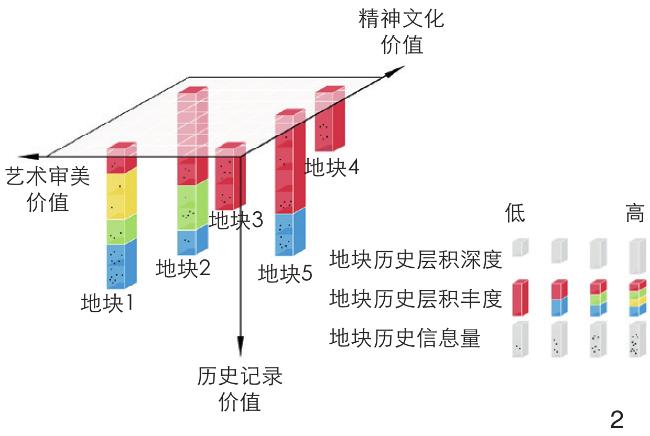
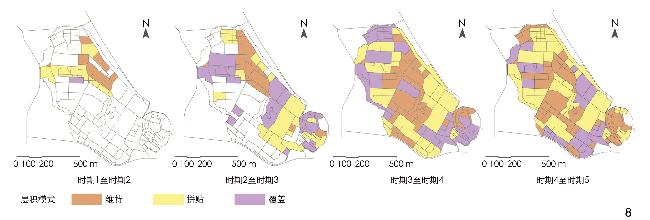
[Methods] Based on the overall time-space view and dynamic stratification concept, this research, from the perspective of HUL, constructs a framework for landscape evolution and protection value identification of university historical campus, which involves the four aspects of landscape composition analysis (including landscape pattern, landscape elements and associated information), landscape evolution combing, landscape stratification analysis, and plot-based protection value assessment (including historical record value, artistic aesthetic value and spiritual and cultural value). Then the case study of Chongqing University is carried out. Firstly, the landscape composition and evolution of the historic campus of Chongqing University are analyzed based on the interpretation of historical graphics and literature. The landscape in the aforesaid historical campus can be divided into the three parts of landscape pattern, landscape element, and associated information, with landscape pattern being subdivided into macro-regional landscape pattern and campus pattern, landscape element subdivided into three categories (buildings and structures, spatial places, and environmental landscapes) and 10 sub-categories, and associated information divided into the three categories of important historic events, celebrity deeds, and commemorative activities. On this basis, the period of landscape evolution is divided according to the historical chronology. In each historical period, the composition, corresponding characteristics, and overall evolution of landscapes in the historic campus are analyzed. Secondly, the driving force for the landscape evolution of the historic campus of Chongqing University is analyzed, and the plot-based stratification models are summarized. The stratification models of landscape elements can be summarized into three categories: maintenance, coverage, and collage. Finally, the ArcGIS superposition analysis method is used in protection value identification, which combines the qualitative interpretation and quantitative assessment of value characteristics.
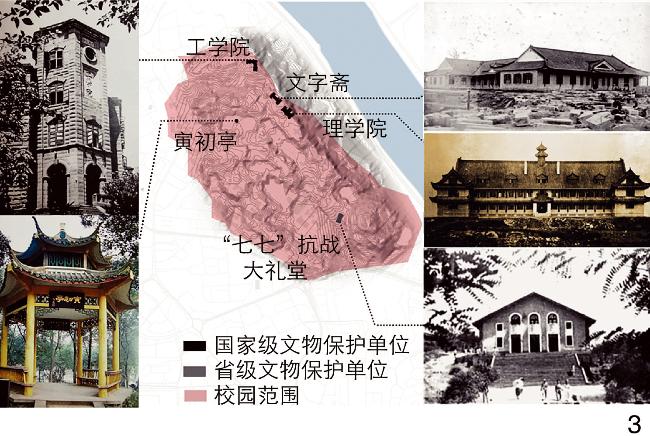
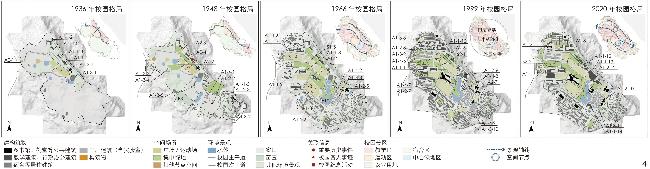
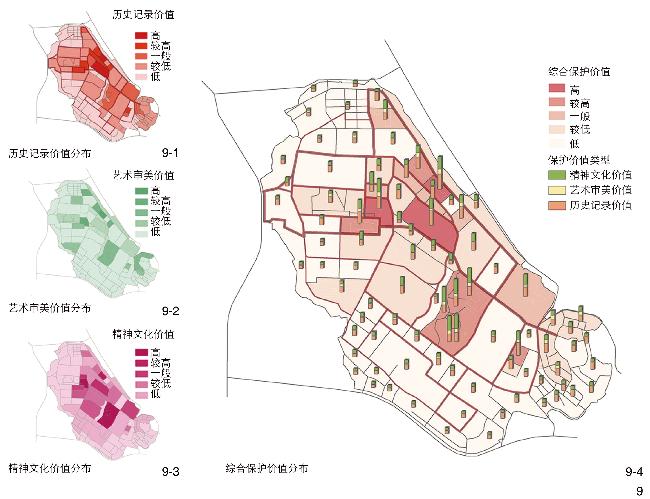
[Results] 1) In terms of landscape evolution, the landscape in the historic campus of Chongqing University was initially built along the river under the influence of natural factors such as landscape environment, and then gradually expanded to the interior area under the influence of social and humanistic factors such as special historical events including the Anti-Japanese War, as well as urban development and talent training needs. As a whole, the depth of historic stratification shows a decrease from the riverfront area to the interior area, with the overall landscape pattern remaining stable in the riverfront teaching area and the gully area (composed of Tuanjie Square, Siqun Square and Minzhu Lake), which confirms the important role of campus landscape in the protection and inheritance of campus history and culture. 2) In terms of protection value, the plots with certain landscape protection value account for 43.3% of the total campus area. Specifically, the plots with the highest comprehensive protection value account for 3.7% of the total area, those with high value account for 11%, those with medium value account for 5.3%, and those with low value accounts for 23.3%. Specifically, the plots with the highest or high value are distributed in the riverfront teaching area and the gully area. And most of them are public open spaces or important buildings that have been built for a long time, serving as the carrier of a lot of activities for teachers and students. In terms of value type, most land values are dominated by historic recording value and spiritual and cultural value, while artistic and aesthetic values are relatively low.
[Conclusion] The research results may provide theoretical reference and technical support for the identification of landscape protection value of historic campuses in Chongqing and the formulation of classified protection and management measures in spatial planning. In general, differentiated protection and management measures should be formulated according to different importance levels and types of protection value, and the protection and renewal of campus landscape should be comprehensively considered in the overall campus planning. In addition, the research may also provide reference for the protection of other historic campuses and even urban historical areas.
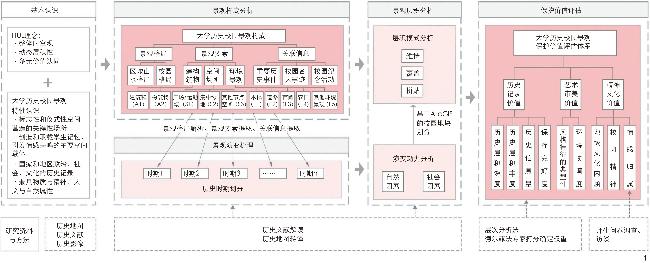
图1 HUL视角下的大学历史校园景观演变及保护价值评估框架Fig. 1 Framework for landscape evolution and protection value assessment of university historical campus from the perspective of HUL |
表1 1929—1936年校园关键景观要素特征Tab. 1 Characteristics of key landscape elements of the campus from 1929 to 1936 |
| 编号 | 关键景观要素 | 特征 | 保存状态 |
| 注:带*号要素为全国重点文物保护单位。 | |||
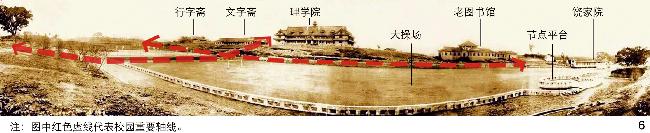
| A1-1-1 | 理学院* | 平面为山字形,为典型折中主义建筑 | 保存完好 |
| A1-1-2 | 工学院* | 平面为等边“L”形,具有浓厚西方古典主义风格 | 主体建筑保存完好 |
| A1-1-3 | 文字斋* | 平面布局类似于工字形,黑色砖瓦,红色柱廊 | 保存基本完好 |
| A1-1-4 | 行字斋 | 与文字斋相似,平面呈工字形 | 于20世纪60年代拆除 |
| A1-2-1 | 老图书馆 | 甲字形的中式小楼,砖木结构 | 现已拆除 |
| A1-3-1 | 饶家院 | 旧式坐宅,粉墙黛瓦,三重院落,飞檐翘角 | 于2003年被拆除 |
| A2-1 | 重庆大学校门 | 砖石结构,由4个底边约为2 m、削去了锥顶的四菱锥体门柱组成 | 保存完好 |
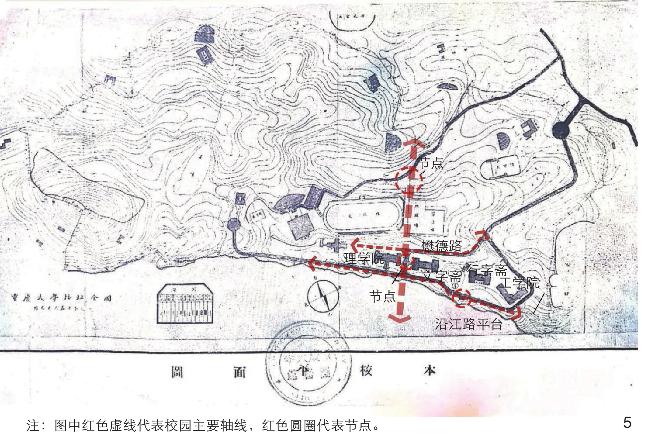
| S1-1 | 大操场 | 下沉式操场,黄葛树树根与青石紧密融合,操场边有圆形节点平台,新中国成立后刻有“团结广场”大字 | 保存完好 |
| E2-2-1 | 环校路 | 植白杨、洋槐 | 保存完好 |
表2 1929—1936年校园关联信息及文化内涵Tab. 2 Associated information and cultural connotation of the campus from 1929 to 1936 |
| 编号 | 景观要素 | 关联信息 | 文化内涵 |
| A1-3-1 | 饶家院 | 清代举人饶冕南府邸,丁肇中等名人曾居住于饶家院 | 巴渝文化、名人文化 |
| E2-1-1 | 懋德路 | 1932年,修建懋德路,纪念沈懋德 | 名人文化 |
表3 1937—1948年校园关键景观要素特征Tab. 3 Characteristics of key landscape elements of the campus from 1937 to 1948 |
| 编号 | 关键景观要素 | 特征 | 保存状态 |
| A1-2-2 | 松林坡礼堂 | 中西合璧式建筑,暖黄色墙体,红色门窗 | 保存基本完好 |
| A1-3-3 | 外教宿舍 | 周围绿树成荫,青砖外墙,双坡组合屋面,悬山屋顶 | 保存基本完好 |
| A2-2 | 寅初亭 | 最初是茅草亭,后重修为瓦顶亭,周边种植各种花卉 | 于1981年重建 |
| A2-4 | 防空洞 | 分布在沿江崖壁一带,前通操场,后通江岸 | 部分保存较好 |
表4 1937—1948年校园关联信息及文化内涵Tab. 4 Associated information and cultural connotation of the campus from 1937 to 1948 |
| 编号 | 景观要素 | 关联信息 | 文化内涵 |
| 注:带*号要素为全国重点文物保护单位。 | |||
| A1-1-1 | 理学院* | 1938年,沙磁文化区宣告成立 | 沙磁文化 |
| 1938年,“驱梁运动”和挽叶大会;1941年,国民党政府解散重庆大学;1947年,反内战反饥饿斗争 | 革命文化 | ||
| 1938年,抗敌后援会成立 | 抗战文化 | ||
| 1940年,马寅初告别演讲;1946年,章伯钧等名人来校演讲 | 革命文化、名人文化 | ||
| 1941年,马寅初祝寿会 | 名人文化 | ||
| A1-1-2 | 工学院* | 1939—1940年日军轰炸工学院 | 抗战文化 |
| A1-2-2 | 松林坡礼堂 | 1946年,抗议美军暴行运动 | 革命文化 |
| 1938—1939年,周恩来等多位名人来作抗战演讲 | 抗战文化、革命文化 | ||
| A2-2 | 寅初亭 | 1941年,修建寅初亭,营救马寅初 | 名人文化 |
| A2-4 | 防空洞 | 1940年,向防空洞转移图书、珍贵仪器、实验设备 | 抗战文化 |
| S1-1 | 大操场 | 1946年,“一·二五”游行;1947年,地下党组织秘密联络点建立;1949年,“四·二一”学生运动;团结营火晚会 | 革命文化 |
表5 1949—1977年校园关键景观要素特征Tab. 5 Characteristics of key landscape elements of the campus from 1949 to 1977 |
| 编号 | 关键景观要素 | 特征 | 保存状态 |
| A1-1-6 | 三教 | 建于高地,门前大台阶两侧植有高大乔木 | 保存完好 |
| A1-1-8 | 五教 | 融合苏联建筑风格与中国古典建筑韵律,斗篷式大屋顶 | 保存完好 |
| A1-1-9 | 六教 | “苏联建筑风格”和“新古典主义”交融 | 保存完好 |
| A1-2-5 | 风雨操场礼堂 | 坡屋顶、半圆形大拱门 | 已拆除重建 |
| A1-2-4 | 图书馆 | 外部深黄色,红檐黑瓦坡屋顶两层楼。正门前大台阶两侧有松柏掩映 | 保存完好 |
| A2-5 | 跳伞塔 | 立于思群广场西侧,金属材质,40多米高 | 已被拆除 |
| S1-3 | 思群广场 | 建于校园中央凹地处,依地势设置看台 | 保存完好 |
| S1-2 | 风雨操场 | 依地势而建的半环形露天剧场 | 保存完好 |
| S1-5 | 东方红广场 | 中心放置一尊毛主席雕像,有诗词墙刻写毛泽东诗词 | 雕像部分已被拆除 |
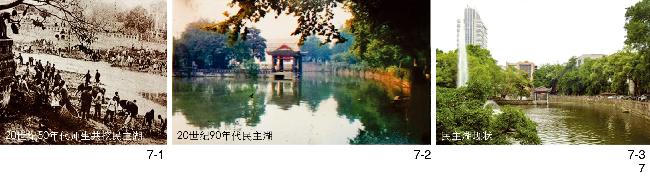
| E1-2 | 民主湖 | 湖中央有“湖心亭”,湖边有一处匍匐水面的老黄葛树,湖岸青石为巴渝传统工艺砌筑,体现巴渝传统园林风格 | 保存完好 |
表6 1949—1977年校园关联信息及文化内涵Tab. 6 Associated information and cultural connotation of the campus from 1949 to 1977 |
| 编号 | 景观要素 | 关联信息 | 文化内涵 |
| 注:“—”表示缺乏典型的文化内涵。 | |||
| A1-2-4 | 图书馆 | 1949年解放军入校住于新图书馆 | 革命文化 |
| S1-3 | 思群广场 | 郑思群校长带领学生建设新操场 | 名人文化 |
| S1-5 | 钟塔广场 | 1976年毛泽东追悼大会 | 名人文化 |
| S1-1 | 大操场 | 1976年周恩来追悼大会 | 革命文化、名人文化 |
| E1-2 | 民主湖 | 师生共挖民主湖 | — |
表7 1978—1999年校园关键景观要素特征Tab. 7 Characteristics of key landscape elements of the campus from 1978 to 1999 |
| 编号 | 景观要素 | 特征 | 保存状态 |
| 注:带*号要素为全国重点文物保护单位。 | |||
| A2-7 | 中央大学迁渝纪念亭 | 八根圆柱支撑亭顶,八级石阶拱卫亭门,花岗石碑矗立亭心 | 保存完好,但未开放 |
| A2-2 | 寅初亭(重建)* | 六角屋檐,有玻璃屋面和玻璃滴水,亭内为水磨石地面,亭上方有镂空的花格装饰,亭前种有菊花等各种花卉 | 保存完好 |
| A2-6 | 钟塔 | 位于广场中央的标志性构筑,由灰色瓷砖镶嵌,带有三块大钟 | 保存完好 |
| S1-5 | 钟塔广场 | 位于校园主干道中央,后有校训墙,四周是层次分明的喷泉彩灯 | 保存完好 |
| S2-1 | 梅岭 | 植有樟树林 | 保存完好 |
表8 重庆大学历史校园景观保护价值评价标准及权重Tab. 8 Evaluation criteria and weight of landscape protection value of the historical campus of Chongqing University |
| 价值类别 | 评价因子 | 评价内容 | 评分标准 | 权重 | ||||
| 5分 | 4分 | 3分 | 2分 | 1分 | ||||
| 注:“—”表示评价因子未进行该等级的评分。 | ||||||||
| 历史记录价值 | 历史层积深度 | 始建年份 | 1937年以前 | 1937—1948年 | 1949—1975年 | 1976—2000年 | 2000年以后 | 0.09 |
| 历史层积丰度 | 关键景观要素和关联信息所反映的时期数量 | >3个 | 3个 | 2个 | 1个 | 不涉及 | 0.05 | |
| 历史信息量 | 关联信息数量 | >7个 | 4~6个 | 2~3个 | 1个 | 无 | 0.08 | |
| 保存完好度 | 关键景观要素现状保存状态 | 保存完好 | 保存基本完好 | 有部分损坏 | 大部分已损坏 | 全部损坏 | 0.18 | |
| 艺术审美价值 | 风格特征的典型性 | 风格特征鲜明程度 | 特征鲜明 | 特征较为鲜明 | 特征性一般 | 特征性较弱 | 无典型特征 | 0.11 |
| 环境协调度 | 人工要素对自然环境的影响 | 充分尊重自然 环境 | — | 基本依据自然 环境修建 | — | 对自然环境的 改动大 | 0.05 | |
| 精神文化价值 | 地域文化内涵 | 高度关联的地域文化类型数量 | 3类以上 | 3类 | 2类 | 1类 | 无 | 0.13 |
| 校园精神 | 体现重庆大学校园精神文化内涵的程度 | 充分体现 | 较好体现 | 一定程度地体现 | 体现较弱 | 未体现 | 0.15 | |
| 情感归属度 | 师生情感归属度(Q)越高,代表多数师生对该地块情感和印象越深 | Q≥3.5 | 3≤Q<3.5 | 2.5≤Q<3 | 2≤Q<2.5 | Q<2 | 0.16 | |
| [1] |
陈晓恬, 任磊. 中国大学校园形态演变的回顾与展望[J]. 规划师, 2012, 28(2): 86-93.
CHEN X T, REN L. Chinese University Campus Morphology Transition Review and Prospect[J]. Planners, 2012, 28(2): 86-93.
|
| [2] |
李亮, 王鑫, 林家阳. 中国大学历史校园保护因素评析[J]. 城市发展研究, 2018, 25(2): 24-31.
LI L, WANG X, LIN J Y. Evaluation and Analysis on the Protection Factors of Chinese University Historical Campuses[J]. Urban Development Studies, 2018, 25(2): 24-31.
|
| [3] |
张天洁, 王凯来. 文化景观视野下的历史校园保护历程探析: 以世界遗产美国弗吉尼亚大学学术村为例[J]. 中国园林, 2018, 34(11): 32-37.
ZHANG T J, WANG K L. On the Course of Historical Campus Protection from the Cultural Landscape Perspective: A Case Study of the World Heritage Academic Village in the University of Virginia, USA[J]. Chinese Landscape Architecture, 2018, 34(11): 32-37.
|
| [4] |
单霁翔. 城市文化遗产保护与文化城市建设[J]. 城市规划, 2007(5): 9-23.
SHAN J X. Protection of Urban Cultural Heritage and Construction of Cultural City[J]. City Planning Review, 2007(5): 9-23.
|
| [5] |
黄明玉.文化遗产的价值评估及记录建档[D].上海: 复旦大学, 2009.
HUANG M Y. Evaluation and Documentation in Cultural Heritage Conservation[D]. Shanghai: Fudan University, 2009.
|
| [6] |
傅凡, 姜佳莉, 李春青. 文化景观的共时性与历时性: 对香山遗产价值构成多维度认知[J]. 中国园林, 2020, 36(10): 18-22.
FU F, JIANG J L, LI C Q. Synchronism and Diachronism of Cultural Landscape: A Multi-dimensional Understanding of the Heritage Values of the Fragrant Hill[J]. Chinese Landscape Architecture, 2020, 36(10): 18-22.
|
| [7] |
陈康琳, 钱云. 北京西郊“三山五园”文化景观遗产价值剖析[J]. 中国园林, 2018, 34(5): 115-118.
CHEN K L, QIAN Y. Study on the Evaluation of the Three Hills and Five Gardens in Beijing Western Suburbs as Cultural Landscapes[J]. Chinese Landscape Architecture, 2018, 34(5): 115-118.
|
| [8] |
张希, 蒋鑫, 张诗阳, 等. 大运河文化遗产利用的公众感知研究: 基于网络数据的语义分析[J]. 中国园林, 2022, 38(1): 52-57.
ZHANG X, JIANG X, ZHANG S Y, et al. Public Perception of the Grand Canal Cultural Heritage Development: Semantic Analysis Based on Big Data Media[J]. Chinese Landscape Architecture, 2022, 38(1): 52-57.
|
| [9] |
张杰, 陶金, 霍晓卫. 历史文化名城遗产保护价值评估: 意愿价值评估法在喀什老城中的运用[J]. 国际城市规划, 2013, 28(3): 106-110.
ZHANG J, TAO J, HUO X W. Conservation Value of Historic City of Kashigar: The Approach of Contingent Valuation Method[J]. Urban Planning International, 2013, 28(3): 106-110.
|
| [10] |
陶金, 张莎玮. 国内文化遗产价值的定量和定价评估方法研究综述[J]. 南方建筑, 2014(4): 96-101.
TAO J, ZHANG S W. A Review of Quantitative and Pricing Evaluation Methods of Culture Heritage in China[J]. South Architecture, 2014(4): 96-101.
|
| [11] |
宋刚, 杨昌鸣. 近现代建筑遗产价值评估体系再研究[J]. 建筑学报, 2013(S2): 198-201.
SONG G, YANG C M. Re-examining on the Value Assessment System of Modern Architectural Heritage[J]. Architectural Journal, 2013(S2): 198-201.
|
| [12] |
刘伯英, 李匡. 工业遗产的构成与价值评价方法[J]. 建筑创作, 2006(9): 24-30.
LIU B Y, LI K. Formation of Industrial Heritage and Method of Value Evaluation[J]. Archicreation, 2006(9): 24-30.
|
| [13] |
戴俊骋, 刘方宇. 线性文化遗产价值评估模型的构建研究: 以中国大运河为例[J]. 中国名城, 2023, 37(1): 90-96.
DAI J C, LIU F Y. Research on the Construction of Linear Cultural Heritage Value Evaluation Model: A Case Study of the Grand Canal of China[J]. China Ancient City, 2023, 37(1): 90-96.
|
| [14] |
阙维民, 宋天颖. 京西古道的遗产价值与保护规划建议[J]. 中国园林, 2012, 28(3): 84-88.
QUE W M, SONG T Y. Heritage Values of Jingxi Trail and Suggestions for Conservation Planning[J]. Chinese Landscape Architecture, 2012, 28(3): 84-88.
|
| [15] |
阳建强. 历史性校园的价值及其保护: 以东南大学、南京大学、南京师范大学老校区为例[J]. 城市规划, 2006(7): 57-62.
YANG J Q. Valued Protection of Historic Campus with Three Old Campuses in Nanjing as Cases[J]. City Planning Review, 2006(7): 57-62.
|
| [16] |
黄诗婕, 赵杨, 杜爽. 基于时空分布特征的近现代校园遗产体系整体性保护规划研究: 以上海市为例[J]. 园林, 2022, 39(7): 126-135.
HUANG S J, ZHAO Y, DU S. Integrated Protection Planning of Modern Campus Heritage System Based on Temporal and Spatial Distribution Characteristics: A Case Study of Shanghai[J]. Landscape Architecture Academic Journal, 2022, 39(7): 126-135.
|
| [17] |
王勇, 刘卫东. 沪江大学校园空间形态及历史建筑解析[J]. 建筑学报, 2008(7): 92-96.
WANG Y, LIU W D. Analysis of the Spatial Form of Campus and Historic Architecture of University of Shanghai[J]. Architectural Journal, 2008(7): 92-96.
|
| [18] |
卓智慧, 刘晖. 基于城市历史景观(HUL)的高校历史校园景观风貌保护更新[J]. 西部人居环境学刊, 2021, 36(2): 132-140.
ZHUO Z H, LIU H. The Preservation and Regeneration of Historic Campus on the Basis of Historic Urban Landscape Approach[J]. Journal of Human Settlements in West China, 2021, 36(2): 132-140.
|
| [19] |
POOR J P, SNOWBALL J D. The Valuation of Campus Built Heritage from the Student Perspective: Comparative Analysis of Rhodes University in South Africa and St. Mary’s College of Maryland in the United States[J]. Journal of Cultural Heritage, 2010, 11(2): 145-154.
|
| [20] |
曾娟, 熊诗琴, 刘原希, 等. 批判性遗产研究视角下校园建筑遗产学生感知与保护态度研究[J]. 现代城市研究, 2023(4): 55-61.
ZENG J, XIONG S Q, LIU Y X, et al. A Study on Students’ Perception and Protection Attitude Towards Campus Architectural Heritage from the Perspective of Critical Heritage Studies[J]. Modern Urban Research, 2023(4): 55-61.
|
| [21] |
UNESCO. Recommendation on the Historic Urban Landscape[R]. Paris: UNESCO’s General Conference. 2011.
|
| [22] |
班德林, 吴瑞梵.城市时代的遗产管理: 历史性城镇景观及其方法[M].上海: 同济大学出版社, 2017.
BANDRAIN R, WU R F. The Historic Urban Landscape Managing Heritage in an Urban Century[M]. Shanghai: Tongji University Press, 2017.
|
| [23] |
张兵. 历史城镇整体保护中的“关联性”与“系统方法”: 对“历史性城市景观”概念的观察和思考[J]. 城市规划, 2014, 38(S2): 42-48.
ZHANG B. Correlativity and Systematic Approach in Integral Conservation of Historic City: Understanding Historic Urban Landscape in China’s Context[J]. City Planning Review, 2014, 38(S2): 42-48.
|
| [24] |
奥尔斯, 韩锋, 王溪. 城市历史景观的概念及其与文化景观的联系[J]. 中国园林, 2012, 28(5): 16-18.
OERS R V, HAN F, WANG X. The Concept of Historic Urban Landscape (HUL) and lts Relation to Cultural Landscape[J]. Chinese Landscape Architecture, 2012, 28(5): 16-18.
|
| [25] |
张松, 镇雪锋. 从历史风貌保护到城市景观管理: 基于城市历史景观(HUL)理念的思考[J]. 风景园林, 2017, 24(6): 14-21.
ZHANG S, ZHEN X F. From Historical Features Preservation to Urban Landscape Management: Based on the Historic Urban Landscape Approach[J]. Landscape Architecture, 2017, 24(6): 14-21.
|
| [26] |
WHITRAP. The HUL Guide Book[R/OL]. Bad Ischl: The 15th World Conference of the League of Historical Cities. (2015-12)[2023-12-01]. http://www.historicurbanlandscape.com/index.php?classid=5355&id=170&t=show.
|
| [27] |
郭谦, 肖磊, 黄凯. 城市历史景观(HUL)视角下的肇庆端州府衙遗址保护研究[J]. 中国园林, 2023, 39(3): 99-105.
GUO Q, XIAO L, HUANG K. Research on the Conservation of the Historic Site of Duanzhou Government Office in Zhaoqing from the Perspective of Historic Urban Landscape(HUL)[J]. Chinese Landscape Architecture, 2023, 39(3): 99-105.
|
| [28] |
DONG C. Urban Historical Landscape Construction Methods and Designs: The Case of the Old Town of Jingdezhen[J]. Open House International, 2019, 44(3): 13-16.
|
| [29] |
雷泽鑫, 罗俊杰, 曹磊. 基于AHP-GIS的历史性城市景观价值评估量化研究: 以历史文化名城太原为例[J]. 太原理工大学学报, 2021, 52(4): 630-637.
LEI Z X, LUO J J, CAO L. Quantitative Research on Historic City Landscape Value Assessment Based on AHP-GIS: Taking Taiyuan, a Historic and Cultural City, as an Example[J]. Journal of Taiyuan University of Technology, 2021, 52(4): 630-637.
|
| [30] |
来昕, 刘阳, 张雅茹, 等. 层积性视角下北京天坛遗产价值评估[J]. 北京规划建设, 2022(5): 75-79.
LAI X, LIU Y, ZHANG Y R, et al. Evaluation of the Heritage Value of the Temple of Heaven in Beijing from the Perspective of Historical Layering[J]. Beijing Planning Review, 2022(5): 75-79.
|
| [31] |
张文卓, 韩锋. 城市历史景观(HUL)视角下的老工业区工业遗产评估与策略生成体系构建[J]. 中国名城, 2018(3): 16-26.
ZHANG W Z, HAN F. Industrial Heritage Assessment & Strategy Generating System for the Former Industrial Districts in China: An Application of the Historic Urban Landscape (HUL) Approach[J]. China Ancient City, 2018(3): 16-26.
|
| [32] |
WEEKLY E. An Etymological Dictionary of Modern English[M]. London: John Murray Press, 1921.
|
| [33] |
BROUSSARD E. The Power of Place on Campus[N]. The Chronicle of Higher Education, 2009-05-01(34).
|
| [34] |
库尔森, 罗伯茨, 泰勒.大学规划与校园建筑: 对尽善尽美的探求[M]北京: 电子工业出版社, 2014: 256.
COULSON J, ROBERTS P, TAYLOR I. University Planning and Architecture: The Search for Perfection[M]. Beijing: Publishing House of Electronics Industry, 2014:256.
|
| [35] |
CRAIG C A, FIXLER D N, KELLY S D. A Rubric for Campus Heritage Planning[J]. Planning for Higher Education, 2011, 39(3): 55-70.
|
| [36] |
刘亦师. 新中国早期的清华大学校园规划研究(1949—1966年)[J]. 建筑史学刊, 2021, 2(3): 135-148.
LIU Y S. Revisiting the Campus Design and Construction of Tsinghua University During the First Years of the People’s Republic[J]. Journal of Architecture History, 2021, 2(3): 135-148.
|
| [37] |
李和平, 付鹏. 城镇历史景观的层积规律解译及保护方法研究: 以重庆龙兴古镇为例[J]. 中国园林, 2020, 36(4): 49-54.
LI H P, FU P. The lnterpretation and Preservation Strategies of the Layering Laws of Historic Urban Landscape[J]. Chinese Landscape Architecture, 2020, 36(4): 49-54.
|
| [38] |
肖竞, 马春叶, 曹珂. 公共文化视角下城市历史公园景观演变、层积分析与遗产价值识别: 以重庆市沙坪公园为例[J]. 当代建筑, 2021, 23(11): 39-42.
XIAO J, MA C Y, CAO K. Landscape Evolution and Layering Analysis and Heritage Value Identifying of Historic Urban Public Parks Under the Civic Cultural Perspective: A Case Study of Shaping Park in Chongqing[J]. Contemporary Architecture, 2021, 23(11): 39-42.
|
| [39] |
刘祎绯.认知与保护城市历史景观的“锚固—层积”理论初探[D]. 北京: 清华大学, 2014
LIU Y F. The Anchoring-Layering Theory: For a Better Understanding and Conservation of Historic Urban Landscape[D]. Beijing: Tsinghua University, 2014.
|
| [40] |
RIEGL A. Der Moderne Denkmalskultus: Sein Wesen, Seine Entstehung[M]. Vienna: W. Braumüller, 1903 .
|
| [41] |
Australia ICOMOS. The Burra Charter 2013[EB/OL].(2013)[2023-12-01]. https://australia.icomos.org/wp-content/uploads/The-Burra-Charter-2013-Adopted-31.10.2013.pdf.
|
| [42] |
刘英杰.中国教育大事典(1840—1949)[M].杭州: 浙江教育出版社, 2011.
LIU Y J. Book of Major Educational Events in China (1840 − 1949)[M]. Hangzhou: Zhejiang Education Press, 2011.
|
| [43] |
肖铁岩.图说重庆大学: 老照片[M].重庆: 重庆大学出版社, 2019.
XIAO T Y. Illustrated History of Chongqing University[M]. Chongqing: Chongqing University Press, 2019
|
| [44] |
重庆大学校史编写组.重庆大学校史(上册)1929.10—1949.11[M].重庆: 重庆大学出版社, 1984.
Compilation Group of The History of Chongqing University. The History of Chongqing University (Volume 1) 1929.10 − 1949.11[M]. Chongqing: Chongqing University Press, 1984
|
| [45] |
重庆大学校史编委会.重庆大学校史(下册)[M].重庆: 重庆大学出版社, 1994.
Editorial Board of the History of Chongqing University. The History of Chongqing University (Volume 2)[M]. Chongqing: Chongqing University Press,1994.
|
| [46] |
郭剑锋.重庆高校校园规划及形态建设研究[D].重庆: 重庆大学, 2004.
GUO J F. Research on University Campus Planning and the Form Construction of Chongqing[D]. Chongqing: Chongqing University, 2004.
|
/
| 〈 |
|
〉 |