

从园艺疗法到自然疗愈:类型、发展、机理与展望
|
李树华/男/清华大学建筑学院教授、博士生导师/本刊编委/研究方向为园艺疗法与园林康养、植物景观与生态修复设计 |
|
姚亚男/女/博士/中国建筑设计研究院有限公司高级研究员/研究方向为风景园林与公共健康、适老适幼健康居住环境 |
|
孟令爽/女/清华大学建筑学院在读博士研究生/研究方向为风景园林与公共健康、亲自然设计 |
|
朱怀真/女/清华大学建筑学院在读博士研究生/研究方向为城市可视绿量与人体效益、园艺疗法与园林康养、植物景观规划设计 |
收稿日期: 2024-01-17
修回日期: 2024-04-10
网络出版日期: 2025-12-12
基金资助
国家自然科学基金面上项目“基于高压人群身心健康的工作环境绿地系统研究”(51978364)
清华丰田联合研究院交叉学科项目(20223930040)
版权
【目的】在“健康中国”战略的推动下,中国自然疗愈相关概念发展迅猛,亟待梳理中国现有的主要疗愈类型与发展历程,探究其共性作用机理。【方法】归纳中国现有的主要疗愈类型、共性机理,对比分析不同疗愈类型在概念、研究热点与前沿方向、学科基础、专业发展程度与研究深度、作用媒介、与人的关联度等方面的差异。【结果】当前中国正在形成一个包括园艺疗法、园林康养、农业康养及森林康养在内的多元化自然疗愈体系,该体系中以环境载体为基础的园林康养、农业康养、森林康养与依赖具体活动形式的园艺疗法并存。尽管各疗愈类型的研究焦点以及发展情状各异,但它们在促进人体健康方面具有共性机理,可分为神经调节与免疫调节两大路径。【结论】未来,从园艺疗法到自然疗愈全谱系的理论体系构建应更注重不同人群需求与行业发展特征,促进自然疗愈方法向精准化、个性化方向发展。同时,需深入探索这2种途径在不同自然疗愈类型中应用的效果与机理,以期为自然疗愈领域提供更加坚实的科学基础和理论支撑。
李树华 , 姚亚男 , 孟令爽 , 朱怀真 . 从园艺疗法到自然疗愈:类型、发展、机理与展望[J]. 风景园林, 2024 , 31(5) : 12 -16 . DOI: 10.3724/j.fjyl.202401170043
表1 5种疗愈类型的差异比较分析Tab. 1 Comparative analysis of differences across the five healing types |
| 疗愈类型 | 专业发展程度 | 学科基础 | 研究热点与前沿方向 | 作用媒介 | 与人的关联度 |
| 园艺疗法 | 较高 | 园艺学 | 园艺疗愈功效定性/定量研究; 疗愈性园艺环境设计与营建 | 植物种植及相应的园艺活动 | 高 |
| 园林康养 | 中高 | 风景园林学 | 园林康养功效定性/定量研究; 康养园林的景观设计与营建 | 园林环境体验 | 高 |
| 农业康养 | 中等 | 农学 | 农业与农村环境康养功效定性/定量研究;康养型农业、农村规划设计与营建 | 农业与农村环境体验 | 较高 |
| 森林康养 | 较高 | 林学 | 森林医学;森林康养基地、浴场、步道等规划设计与营建 | 森林环境体验 | 较高 |
| 自然疗愈 | 中等(涵盖多种疗愈类型) | 园艺学、风景园林学、农学、林学等 | 自然疗愈定性/定量研究; 自然疗愈环境规划设计与营建 | 自然环境体验 |
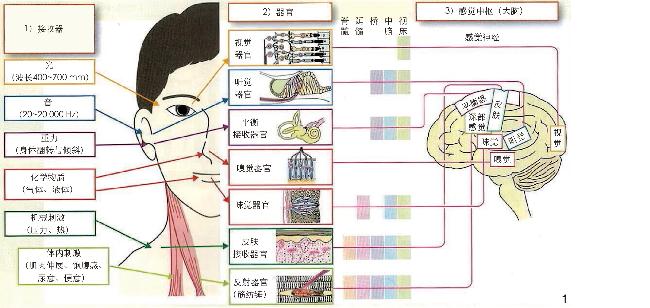
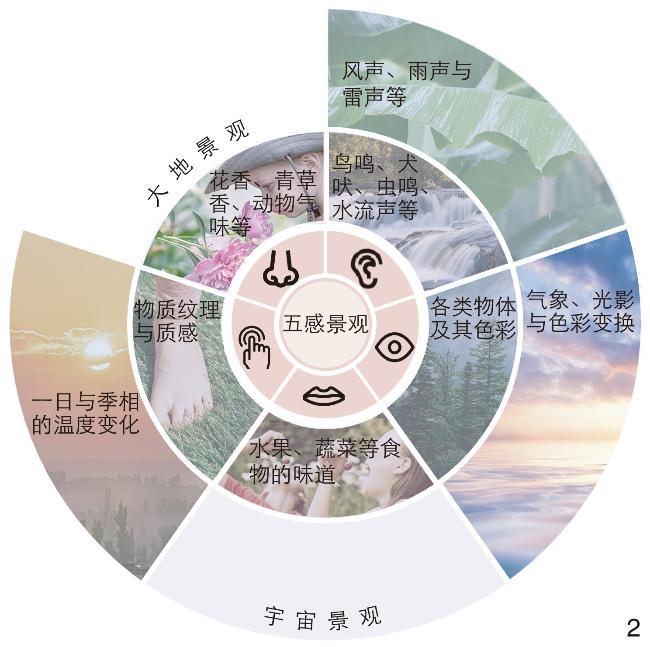
| 景观类型 | 感官刺激 | ||||
| 视觉 | 肤觉(含触觉) | 听觉 | 嗅觉 | 味觉 | |
| 大地景观 | 树木、花草、水、瀑布、溪流、岩石、大地、动物等斑斓的色彩 | 树木、花草、岩石、绵毛水苏毛茸茸的叶片、昆虫、鸟及其他小动物等 | 鸟鸣、犬吠、虫鸣、水流声等 | 花香、木材香、土香、青草香、动物气味、昆虫气味等 | 草的甜味、海水的咸味、矿泉水的甜味等 |
| 宇宙景观 | 灿烂的太阳、朝霞、晚霞、雨水、露水、云雾、星光、雪等 | 太阳、阴影、云雾、露水、霜、风、一日和季相的温度变化等 | 风声、雷声等 | ||
| 大地景观+宇宙景观 | 阳光普照的大地、波光粼粼的水面、阳光下的树荫、(随时间发生的)树木生长、四季变化等 | 淋湿的树木、霜打的花草、露水沾湿的花草、雨后大地、雨后岩石、霜降后的大地、白雪覆盖的大地等 | 雨打芭蕉、松涛阵阵、潺潺流水、森林中的鸟鸣等 | 梅花冷香、兰花幽香、随风飘来的香味、雨后空气中的土香、树木淋湿后的香味等 | |
| [1] |
FRUMKIN H, BRATMAN G N, BRESLOW S J, et al. Nature Contact and Human Health: A Research Agenda[J]. Environmental Health Perspectives, 2017, 125 (7): 075001.
|
| [2] |
CARRERA-BASTOS P, FONTES-VILLALBA M, et al. The Western Diet and Lifestyle and Diseases of Civilization[J]. Research Reports in Clinical Cardiology, 2011 (2): 15
|
| [3] |
GREENLEAF A T, BRYANT R M, POLLOCK J B. Nature-Based Counseling: Integrating the Healing Benefits of Nature into Practice[J]. International Journal for the Advancement of Counselling, 2014, 36(2): 162-174.
|
| [4] |
SHOEMAKER C A. Horticulture Therapy: Comparisons with Other Allied Therapies and Current Status of the Profession[J]. Acta Horticulturae, 2004, 639: 173-178.
|
| [5] |
ABRAHAM A, SOMMERHALDER K, ABEL T. Landscape and Well-Being: A Scoping Study on the Health-Promoting Impact of Outdoor Environments[J]. International Journal of Public Health, 2010, 55(1): 59-69.
|
| [6] |
HASSINK J, DIJK M V. Farming for Health: Green-Care Farming Across Europe and the United States of America[M]. Dordrecht: Springer, 2006.
|
| [7] |
LIN B B, PHILPOTT S M, JHA S, et al. Urban Agriculture as a Productive Green Infrastructure for Environmental and Social Well-Being[M]// TAN P Y, JIM C Y. Greening Cities: Forms and Functions. Singapore: Springer, 2017: 155-179.
|
| [8] |
RAJOO K S, KARAM D S, ABDULLAH M Z. The Physiological and Psychosocial Effects of Forest Therapy: A Systematic Review[J]. Urban Forestry & Urban Greening, 2020, 54: 126744.
|
| [9] |
HANSEN M M, JONES R, TOCCHINI K. Shinrin-Yoku (Forest Bathing) and Nature Therapy: A State-of-the-Art Review[J]. International Journal of Environmental Research and Public Health, 2017, 14 (8): 851.
|
| [10] |
SÖDERBACK I, SÖDERSTRÖM M, SCHÄLANDER E. Horticultural Therapy: The ‘Healing Garden’ and Gardening in Rehabilitation Measures at Danderyd Hospital Rehabilitation Clinic, Sweden[J]. Pediatric Rehabilitation, 2004, 7(4): 245-260.
|
| [11] |
DETWEILER M B, SHARMA T, DETWEILER J G, et al. What Is the Evidence to Support the Use of Therapeutic Gardens for the Elderly?[J]. Psychiatry Investigation, 2012, 9(2): 100-110.
|
| [12] |
HALLER R L, KRAMER C L. Horticultural Therapy Methods: Making Connections in Health Care, Human Service, and Community Programs[M]. New York: Haworth, 2006.
|
| [13] |
SIMSON S, STRAUS M. Horticulture as Therapy: Principles and Practice[M]. New Jersey: CRC Press, 1997.
|
| [14] |
GONZALEZ M T, HARTIG T, PATIL G G, et al. Therapeutic Horticulture in Clinical Depression: A Prospective Study[J]. Research and Theory for Nursing Practice, 2009, 23(4): 312-328.
|
| [15] |
MOONEY P, NICELL P L. The Importance of Exterior Environment for Alzheimer Residents: Effective Care and Risk Management[J]. Healthcare Management Forum, 1992, 5(2): 23-29.
|
| [16] |
GONZALEZ M T, KIRKEVOLD M. Benefits of Sensory Garden and Horticultural Activities in Dementia Care: A Modified Scoping Review[J]. Journal of Clinical Nursing, 2014, 23 19-20 2698-2715.
|
| [17] |
ULRICH R S, SIMONS R F, LOSITO B D, et al. Stress Recovery During Exposure to Natural and Urban Environments[J]. Journal of Environmental Psychology, 1991, 11(3): 201-230.
|
| [18] |
MCGEHEE N G. An Agritourism Systems Model: A Weberian Perspective[J]. Journal of Sustainable Tourism, 2007, 15(2): 111-124.
|
| [19] |
SZNAJDER M, PRZEZBÓRSKA L, SCRIMGEOUR F. Agritourism[M]. [S.l.]: CABI, 2009.
|
| [20] |
WICKS B, MERRETT C. Agritourism: An Economic Opportunity for Illinois[J]. Rural Research Report, 2003, 14(9): 1-8.
|
| [21] |
PHILLIP S, HUNTER C, BLACKSTOCK K. A Typology for Defining Agritourism[J]. Tourism Management, 2010, 31(6): 754-758.
|
| [22] |
FLANIGAN S, BLACKSTOCK K, HUNTER C. Agritourism from the Perspective of Providers and Visitors: A Typology-Based Study[J]. Tourism Management, 2014, 40: 394-405.
|
| [23] |
JIAO W, FULLER A M, XU S, et al. Socio-Ecological Adaptation of Agricultural Heritage Systems in Modern China: Three Cases in Qingtian County, Zhejiang Province[J]. Sustainability, 2016, 8 (12): 1260.
|
| [24] |
MURO A, FELIU-SOLER A, CANALS J, et al. Psychological Benefits of Forest Bathing During the COVID-19 Pandemic: A Pilot Study in a Mediterranean Forest Close to Urban Areas[J]. Journal of Forest Research, 2022, 27(1): 71-75.
|
| [25] |
SHEN H, SONG C, LI M, et al. Shaping Destination Images Through Social Networking Sites: A Case Study of Singapore[J]. Advances in Hospitality and Leisure, 2015, 11: 89-107.
|
| [26] |
CAPALDI C A, DOPKO R L, ZELENSKI J M. The Relationship Between Nature Connectedness and Happiness: A Meta-Analysis[J/OL]. Frontiers in Psychology, 2014, 5[2024-03-18]. https://www.frontiersin.org/journals/psychology/articles/10.3389/fpsyg.2014.00976/full.
|
| [27] |
MARCUS C C, BARNES M. Healing Gardens: Therapeutic Benefits and Design Recommendations[M]. New York: John Wiley & Sons, 1999.
|
| [28] |
鈴木孝仁. フォトサイエンス生物図録[M]. 3版. 東京: 数研出版, 2014.SUZUKI T. Photo Science Biology Catalogue[M]. 3rd ed. Tokyo: Suken Publishing Co., 2014.
|
| [29] |
浅野房世, 三宅祥介.安らぎと緑の公園づくり: ヒーリング·ランドスケープとホスピタリティ[M].東京: 鹿島出版会, 1999.
FUSAYO A, SHOSUKE M. Creating Peaceful and Green Parks: Healing Landscape and Hospitality[M].Tokyo: Kajima Publishing House,1999.
|
| [30] |
周娴.园艺疗法的教学实践初试及其疗愈机制初探[Z].中国园林康养与园艺疗法, 2021(6): 25-30.
ZHOU X. A Preliminary Study on the Teaching Practice of Horticultural Therapy and Its Healing Mechanism[Z].Chinese Garden Recreation and Horticultural Therapy,2021(6): 25-30.
|
| [31] |
KIECOLT-GLASER J K, MCGUIRE L, ROBLES T F, et al. Psychoneuroimmunology: Psychological Influences on Immune Function and Health[J]. Journal of Consulting and Clinical Psychology, 2002, 70(3): 537-547.
|
| [32] |
TAYLOR S E. Health Psychology[M]. 10th ed. New York: McGraw-Hill Education, 2018.
|
| [33] |
KUO M. How Might Contact with Nature Promote Human Health? Promising Mechanisms and a Possible Central Pathway[J]. Frontiers in Psychology, 2015, 6[2024-03-18]. https://www.frontiersin.org/journals/psychology/articles/10.3389/fpsyg.2015.01093/full.
|
| [34] |
ROOK G A. Regulation of the Immune System by Biodiversity from the Natural Environment: An Ecosystem Service Essential to Health[J]. Proceedings of the National Academy of Sciences, 2013, 110(46): 18360-18367.
|
| [35] |
SONG C, IKEI H, MIYAZAKI Y. Physiological Effects of Nature Therapy: A Review of the Research in Japan[J]. International Journal of Environmental Research and Public Health, 2016, 13 (8): 781.
|
/
| 〈 |
|
〉 |