

游戏化方法指导的城市公园数字经济运营策略
|
王兆辰/男/硕士/中国城市规划设计研究院风景园林和景观研究分院工程师/研究方向为风景园林规划与设计、风景园林工程信息化技术 |
Copy editor: 王一兰
收稿日期: 2024-09-18
修回日期: 2025-04-23
网络出版日期: 2025-12-10
基金资助
国家重点研发计划“城市蓝绿空间规划与生态系统服务功能优化技术”(2022YFC3802603)
版权
Strategies for Digital Economy Operation of Urban Parks Guided by Gamification Methods
|
WANG Zhaochen, Master, is an engineer in the Institute of Landscape Architecture, China Academy of Urban Planning & Design. His research focuses on landscape planning and design, and landscape architecture engineering information technology |
Received date: 2024-09-18
Revised date: 2025-04-23
Online published: 2025-12-10
Copyright
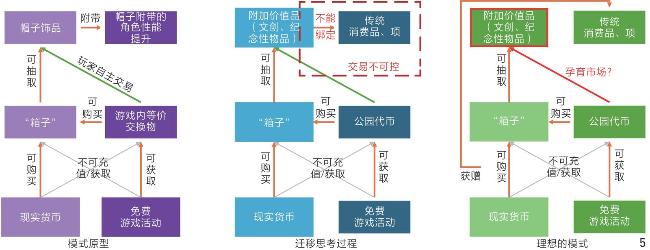
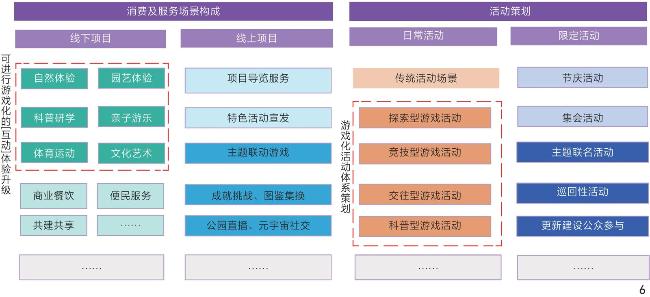
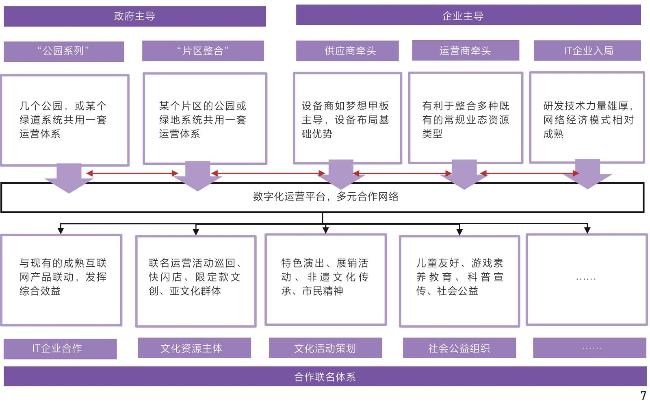
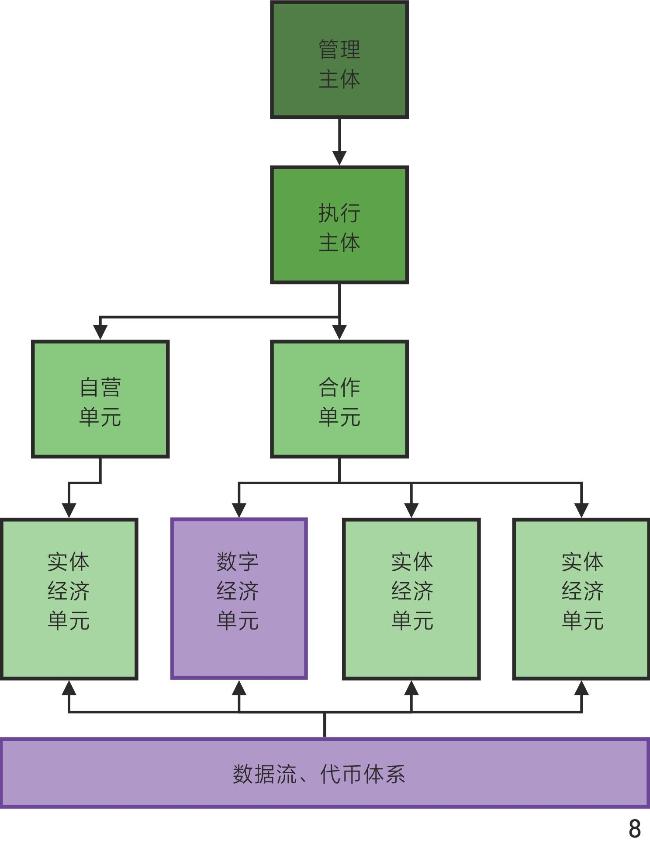
【目的】受城市公园自身条件及资金、政策等因素的制约,目前的公园运营策略很难充分利用绿地的潜在价值,实现更理想的营收能力。借助游戏化方法可为公园提供数字经济运营的新思路,挖掘城市公园的多元化价值。【方法】首先,分析公园运营发展的限制与机遇;其次,选取电子游戏这一数字经济与游戏化方法结合的典型领域,与风景园林领域进行对照;再次,运用本体论思维,梳理风景园林领域的游戏化方法体系;最后,用类比和迁移的方法建立游戏化的公园持续运营体系框架。【结果】提出3种风景园林领域的游戏化方法:互动体验导向的场景设计、基于共创关系的人本服务、持续营收的规则与运营。构思游戏化的公园运营体系:2种数字经济模式迁移思路、附加体验及价值品体系、消费服务场景及活动策划方向、支撑与保障体系建设等。【结论】1)从本体论出发的游戏化方法,涵盖了风景园林设计、服务、运营领域的游戏化应用场景,与既有应用领域互补,并支撑游戏化的公园运营体系建构。2)该运营体系有望促进公园绿地的经济、数据、文化等多元价值的挖掘。3)上述方法和体系有待更广泛的实践论证,并需关注过度商业化、文化审查等方面的政策风险。
王兆辰 . 游戏化方法指导的城市公园数字经济运营策略[J]. 风景园林, 2025 , 32(6) : 36 -43 . DOI: 10.3724/j.fjyl.202409180548
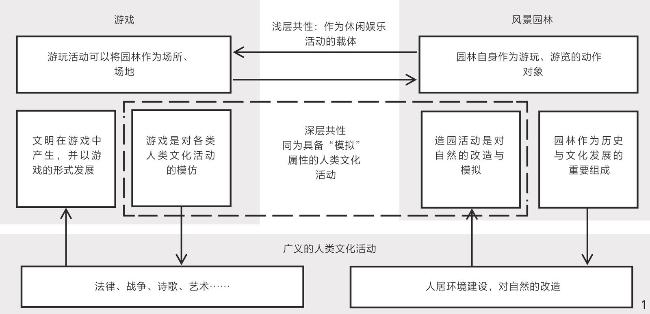
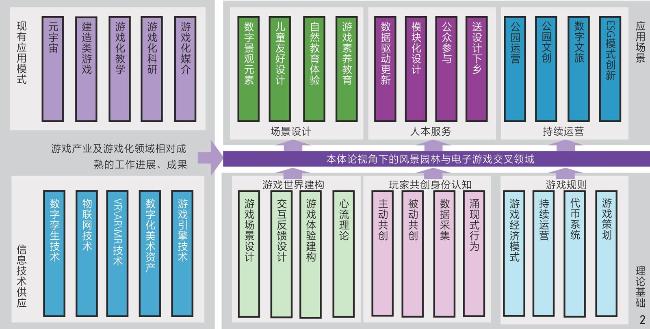
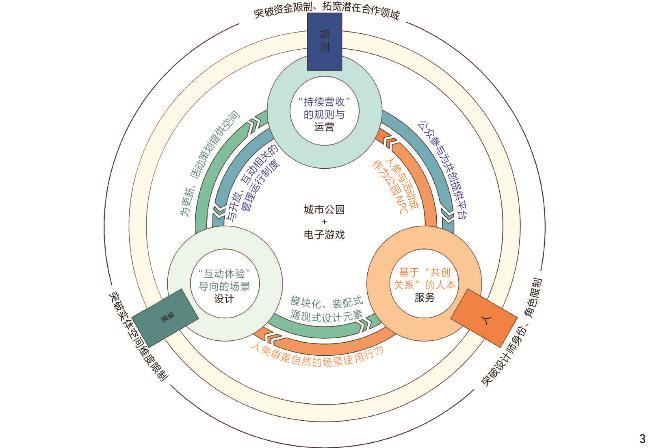
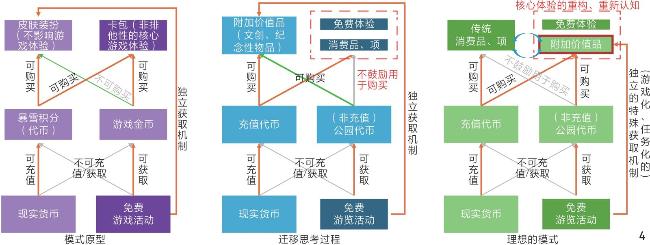
[Objective] In the mid-to-late stages of China’s urbanization process, the high-quality development of existing urban areas has placed higher demands on the functions and benefits of park green spaces, making operations a new focus for the renewal and construction of urban parks. However, due to constraints such as construction scale, resource endowment, location and transportation, customer base, as well as external factors like public welfare attributes, funding sources, and policies, existing urban park operation strategies can hardly fully utilize the potential value of green spaces and achieve the ideal revenue capacity needed to support continuous park operation. The rise of sectors such as integrated transportation and tourism, and the low-altitude economy, highlights the opportunities that entertainment consumption and new technologies bring to the construction industry. As a dynamic form of the digital economy, video games are exerting a significant radiating effect on the consumer service and cultural tourism sectors. This research explores the use of gamification methods to provide new ideas for digital economy operation of urban parks, with a view to seizing these emerging opportunities and unlocking the diverse values of urban parks. [Methods] The positive value of games is gaining wider recognition and serving as an important cultural and artistic medium across more interdisciplinary fields. Game researchers have begun to use spaces like natural wilderness areas, archives, and art galleries as platforms for promoting the positive value of games. Urban parks also possess the potential to serve as carriers of the positive value of games. In game studies, landscape architecture has always been an important research subject, providing materials and support from perspectives such as art and landscape history. Gamification methods and related technologies have already been applied in various forms in the teaching, research, and new display media within the field of landscape architecture. [Results] Like landscape architecture, games carry leisure and recreational functions and profound cultural attributes, with their design and operation reflecting simulations of the real world. Based on these common characteristics, this research uses mainstream ontological thinking from game studies to establish a shared ontological model for both games and landscape architecture. The model includes three core elements: environment, people, and rules Using these elements as a framework, the research explores gamification applications in three aspects: design, service, and operation. The results identify three categories of methods: Interactive experience-oriented scene design, human-centered service based on co-creation relationships, and rules and operations for sustained revenue. These methods not only provide a conceptual framework for park operations but also offer support for other work related to urban parks. Based on this system of methods, an analogy and transfer approach is used to create a framework for the sustainable operation of gamified parks within the digital economy. This includes conservative and radical digital economy mode transfer approaches, value-added products and token systems, consumption service scenarios and event planning directions, as well as the construction of support and security systems. [Conclusion] The gamification methods derived from ontological thinking in landscape architecture cover potential gamified application scenarios in the design, service, and operation domains of landscape architecture, complementing existing application areas and supporting the construction of a gamified digital economy operation system for parks. This system is expected to promote the exploration of diverse values, including economic, data, and cultural aspects of park green spaces, such as value-added development, revenue enhancement, data collection, and cultural exploration and display. However, the above methods and systems require broader practical verification and attention to risks related to over-commercialization and cultural censorship. Gamification methods can also help landscape architecture professionals explore new paths for industry transformation in terms of spatial limitations, identity constraints, and cooperation mechanisms. Green spaces can also leverage their open and shared attributes to become spaces for promoting positive game values and game literacy development. Relying on innovation in interdisciplinary fields, this approach can support the shift of the planning and construction industry from the “finite game” seeking incremental growth to the “infinite game” seeking continuous renewals.
Key words: urban park; video game; digital economy; park operation; park service
表1 风景园林与电子游戏交叉领域研究框架Tab. 1 Research framework at the intersection of landscape architecture and video games |
| 游戏研究本体论模型 | 游戏-风景园林本体论 | 启发的关键词 | 指导领域 |
| (游戏)世界 | 场景/场所/环境 | 互动体验 | 设计 |
| 玩家 | 人/使用者 | 共创关系 | 服务 |
| 游戏(规则) | 规则/机制 | 持续营收 | 运营 |
表2 不同运营策略的对比与借鉴Tab. 2 Comparison and reference of different operational strategies |
| 运营策略 | 对应游戏类型 | 游戏体验(定性示意) | 对应公园类型 | 消费与游览体验特点 |
| 买断制或纯公益导向 | 作品型游戏或非营利游戏 | 买断玩家独享全部体验,所有玩家体验相同; 不涉及减弱他人体验的消费行为 | 私家园林或完全无消费的公园 | 业主独享或全体市民通过政府财政“买断”后均等共享 |
| 纯消费导向 | 付费取胜的F2P游戏、赌博游戏 | 存在部分仅由付费玩家独享的游戏体验; 体验差距会随着消费程度的增加无限放大 | 带有消费场景的公园 | 运营项目受指标限制,消费与否的体验差距不会过大,但并未消除负外部性 |
| 兼顾营收和公益性 | 平衡良好的F2P游戏 | 包括全体玩家共享的体验、免费或付费的附加体验,以及付费玩家的独享体验; 付费与免费体验差距较小,而且可以通过多种机制调节 | “持续运营”公园 | 引入附加体验体系,弱化消费行为的负外部性;借鉴游戏思维,营造新鲜感和归属感;适当放宽建设控制指标 |
表3 附加价值获取机制Tab. 3 Mechanism for obtaining additional value |
| 获取机制 | 内容 | 作用机制 |
| 游戏化的游览活动 | 有组织的游戏活动或运营项目,常规的游览活动,设备“擦肩”记录等 | 完成特定游戏活动、在常规游览中积累活动量或触发随机事件奖励 |
| 游园成就体系 | 打卡型、挑战型、数据记录型的成就项,游园年度报告 | 根据成就或数据分档开通附加价值品兑换或打折资格,增强用户黏性 |
| 公园“通行证” | 充值奖励与任务路线系统 | 针对不同消费能力的群体,制定游览及消费活动目标,达成目标奖励代币 |
| 公园图鉴集换 | 上传公园内的动、植物照片,通过地理信息标签或AI物种识别判定 | 根据图鉴完成度、稀有度奖励价值品,促进乡土植物、生物多样性宣教 |
| 共建共享激励 | 在社区公园等客群相对稳定的公园中鼓励核心用户、有余力者参与公园管理、维护 | 根据工作量或者工作的宣传带动作用奖励价值品 |
全部图表均由作者绘制。
| [1] |
李云超, 李雄, 吴岩, 等. 城市基础设施建设融资制度演变背景下的公园城市建设策略[J]. 风景园林, 2023, 30(11): 35-43.
LI Y C, LI X, WU Y, et al. Strategy of Park City Construction Under the Background of the Evolution of Urban Infrastructure Construction Financing System[J]. Landscape Architecture, 2023, 30(11): 35-43.
|
| [2] |
住房和城乡建设部办公厅.住房和城乡建设部办公厅关于开展城市公园绿地开放共享试点工作的通知[EB/OL].(2023-01-31) [2025-01-07]. https://www.gov.cn/zhengce/zhengceku/2023-02/06/content_5740376.htm.
General Office of the Ministry of Housing and Urban-Rural Development. Notice of the General Office of the Ministry of Housing and Urban-Rural Development on Carrying Out the Pilot Work of Opening and Sharing Urban Park Green Spaces[EB/OL]. (2023-01-31) [2025-01-07]. https://www.gov.cn/zhengce/zhengceku/2023-02/06/content_5740376.htm.
|
| [3] |
新华社.中共中央关于进一步全面深化改革 推进中国式现代化的决定[EB/OL].(2024-07-21)[2024-09-25].https://www.gov.cn/zhengce/202407/content_6963772.htm.
Xinhua News Agency. Decision of the Central Committee of the Communist Party of China on Further Comprehensively Deepening Reforms and Promoting Chinese Path to Modernization[EB/OL]. (2024-07-21)[2024-09-25]. https://www.gov.cn/zhengce/202407/content_6963772.htm.
|
| [4] |
国务院.国务院关于促进服务消费高质量发展的意见[EB/OL].(2024-7-29)[2024-9-25]. https://www.gov.cn/zhengce/zhengceku/202408/content_6966275.htm.
State Council of the PRC. Opinions of the State Council on Promoting the High-Quality Development of Service Consumption[EB/OL]. (2024-7-29)[2024-9-25]. https://www.gov.cn/zhengce/zhengceku/202408/content_6966275.htm.
|
| [5] |
麦戈尼格尔.游戏改变世界游戏化如何让现实变得更美好[M].闾佳, 译.杭州: 浙江人民出版社, 2012.
MCGONIGAL J. Reality Is Broken: Why Games Make Us Better and How They Can Change the World[M]. LYU J, translated. Hangzhou: Zhejiang People’s Publishing House, 2012.
|
| [6] |
刘梦霏, 牛雪莹. 科普游戏新模式: 以共创开发促生态认识[J]. 科学教育与博物馆, 2021, 7(3): 160-171.
LIU M F, NIU X Y. A New Model for Science Game Development: Participatory Game Design for Desert[J]. Science Education and Museums, 2021, 7(3): 160-171.
|
| [7] |
何威, 李玥, 陈慧琳. 2023年中国数字游戏研究述评: 基于学术期刊文献数据分析[J]. 中国数字出版, 2024(2): 68-79.
HE W, LI Y, CHEN H L. Review of China’s Digital Game Research in 2023: Based on the Academic Journal Literature Data[J]. China Digital Publishing, 2024(2): 68-79.
|
| [8] |
徐斐誉.中国木结构建筑艺术在电子游戏场景设计中的应用研究[D].南京: 南京邮电大学, 2023.
XU F Y. Research on the Application of Chinese Wooden Architecture Art in Video Game Scene Design[D]. Nanjing: Nanjing University of Posts and Telecommunications, 2023.
|
| [9] |
MURRAY S. Horizons Already Here: Video Games and Landscape[J]. Art Journal, 2020, 79(2): 42-49.
|
| [10] |
NELSON P. Computer Games as Landscape Art[M]. Cham: Palgrave Macmillan, 2023.
|
| [11] |
朱青生. 电子游戏打破风景成为未来的生存[J]. 文化艺术研究, 2024, 17(3): 1-8,112.
ZHU Q S. Video Games: Breaking the Concept of the Traditional Landscape and Shaping Future Life[J]. Studies of Culture and Art, 2024, 17(3): 1-8,112.
|
| [12] |
于冰沁. 面向传统文化传承与创新的美育教学改革路径探索: 以“风景园林艺术史”通识核心教育课程为例[J]. 通识教育评论, 2024(1): 58-67.
YU B Q. Path of Aesthetic Education for Traditional Culture Inheritance and Innovation: Take the Course of “Art History of Landscape Architecture” as an Example[J]. General Education Review, 2024(1): 58-67.
|
| [13] |
SAHIN E Ç, OZGUR D. Landscape Awareness of Childhood in Computer Games: In the Case of “Minecraft”[J]. Journal of Digital Landscape Architecture, 2016, 1: 316-326.
|
| [14] |
MCINTYRE B S. The Landscape Game: A Learning Tool Demonstrating Landscape Design Principles[J]. Ecological Management & Restoration, 2003, 4(2): 103-109.
|
| [15] |
MARLOW C M. Making Games for Environmental Design Education: Revealing Landscape Architecture[J]. International Journal of Gaming and Computer-Mediated Simulations, 2012, 4(2): 60-83.
|
| [16] |
KENT R L. LA/Pictionary: Students Create Games to Teach and Learn Landscape Architecture[J]. Journal of Architectural Education, 1997, 50(4): 265-270.
|
| [17] |
ÖRNEK M A, SECKIN Y Ç. Development of an Educational Video Game for the Teaching of Landscape Grading Principles[J]. Journal of Digital Landscape Architecture, 2016, 1: 307-315.
|
| [18] |
HAHN H, CHAMBERLAIN B. A Pedagogical Retrospective: Gamifying the Konza Prairie Through an Interdisciplinary Studio[J]. Journal of Digital Landscape Architecture, 2020, 1: 576-583.
|
| [19] |
FOX N, SERRANO-VERGEL R, BERKEL D V, et al. Towards Gamified Decision Support Systems: In-game 3D Representation of Real-Word Landscapes from GIS Datasets[J]. Journal of Digital Landscape Architecture, 2022, 1: 256-364.
|
| [20] |
SCHAUPPENLEHNER T, BAUMGARTINGER-SEIRINGER M, BITTNER K. Where Should We Place It: The Potential of a Serious Planning Game Approach for Participatory Planning Processes in the Context of Renewable Energy Development[J]. Journal of Digital Landscape Architecture, 2024, 1: 386-393.
|
| [21] |
高橋徹, 川合康央, 池辺正典, 等. ゲームエンジンによる都市空間シミュレーションシステムの開発と評価(3): 景観計画のための昼間時·夜間時景観の再現と建築の状態変更を可能にするインタラクション[J]. 日本デザイン学会研究発表大会概要集, 2016, 63: 490-491.
TAKAHASHI T, KAWAI Y, IKEBE M, et al. Development and Evaluation of Simulation System for Urban Space by the Game Engine (3): Reproduction of Daytime-Nighttime Landscape and Interaction to Changeable of the Architectural Conditions for Landscape Planning[J]. A Collection of Summaries of the Japan Design Society Research Presentation Conference, 2016, 63: 490-491.
|
| [22] |
SWETNAM R D, KORENKO J. Can Computer Game Landscapes Target New Audiences for Landscape Quality Assessment?[J]. Applied Geography, 2019, 113: 102102
|
| [23] |
AFSHAR S V, ESHAGHI S, KIM I. Pattern Analysis of Virtual Landscape within Educational Games[J]. Journal of Digital Landscape Architecture, 2022, 1: 435-442.
|
| [24] |
ACKERMAN A, CRESPO A, AUWAERTER J, et al. Using Tree Modeling Applications and Game Design Software to Simulate Tree Growth, Mortality, and Community Interaction[J]. Journal of Digital Landscape Architecture, 2021, 1: 163-170.
|
| [25] |
川合康央, 池田岳史, 益岡了. ゲームエンジンを用いた歴史的文化景観シミュレーションシステム[J]. 日本デザイン学会研究発表大会概要集, 2017, 64: 282-283.
KAWAI Y, IKEDA T, MASUOKA R. Historical and Cultural Landscape Simulation System using Game Engine[J]. A collection of summaries of the Japan Design Society Research Presentation Conference, 2017, 64: 282-283.
|
| [26] |
张宝鑫, 王涛. 古典皇家园林数字化及其游戏化科普展示[J]. 建设科技, 2016(23): 52-53.
ZHANG B X, WANG T. Digitalization of Classical Imperial Gardens and Their Gamified Popular Science Exhibition[J]. Construction Science and Technology, 2016(23): 52-53.
|
| [27] |
职慧, 潘永圣, 王喆, 等. 江南园林遗产数字化可持续发展策略研究[J]. 园林, 2024, 41(2): 13-22.
ZHI H, PAN Y S, WANG Z, et al. Study on the Strategy of Digital Sustainable Development of Jiangnan Garden Heritage[J]. Landscape Architecture Academic Journal, 2024, 41(2): 13-22.
|
| [28] |
许涛, 周可钦, 王苗. 严肃游戏在风景园林遗产中的应用进展[J]. 风景园林, 2023, 30(S2): 51-55.
XU T, ZHOU K Q, WANG M. Application Progress of Serious Games in Landscape Architecture Heritage[J]. Landscape Architecture, 2023, 30(S2): 51-55.
|
| [29] |
于冰沁, 穆振宇, 张刘心, 等. 基于用户体验与自适应的风景园林简史教育游戏小程序设计研究[J]. 园林, 2023, 40(5): 24-32.
YU B Q, MU Z Y, ZHANG L X, et al. Education Game Design of Landscape Architecture History Based on User Experience and Computerized Adaptive Testing[J]. Landscape Architecture Academic Journal, 2023, 40(5): 24-32.
|
| [30] |
盖麒宇, 李子嘉, 胡慧峰. 互联网时代下园林文化创意产业发展研究[J]. 建筑与文化, 2023(6): 238-241.
GAI Q Y, LI Z J, HU H F. Research on the Development of Garden Culture and Creative Industry in the Internet Era[J]. Architecture & Culture, 2023(6): 238-241.
|
| [31] |
黎炫岐.公园“躲猫猫”与City Drink爆红: 社交游戏的魔力[N].电脑报, 2023-10-16(14).
LI X Q. Park Hide-and-Seek and the Popularity of City Drink: The Magic of Social Games[N]. Popular Computer Weekly, 2023-10-16(14).
|
| [32] |
王亚晖.游戏化思维从激励到沉浸[M].北京: 人民邮电出版社, 2022.
WANG Y H. A Simple Introduction to Gamification[M]. Beijing: Posts & Telecom Press, 2022.
|
| [33] |
赫伊津哈.游戏的人: 文化的游戏要素研究[M].傅存良, 译. 北京: 北京大学出版社, 2014.
HUIZINGA J. Homo Ludens: A Study of the Play-Element in Culture[M]. FU C L, translated. Beijing: Peking University Press, 2014.
|
| [34] |
朱小枫. 本体、概念与艺术媒介: 理解游戏的多重视角: Espen Aarseth教授访谈[J]. 当代动画, 2024(2): 71-77.
ZHU X F. Ontology, Concept and Art Medium: The Multiple Perspectives to Understand Games: Interview with Espen Aarseth[J]. Contemporary Animation, 2024(2): 71-77.
|
| [35] |
刘梦霏. “魔圈” 即社会: 游戏-社会本体论的中国反思[J]. 当代动画, 2024(2): 78-85.
LIU M F. Reflections on the Game-Social Ontology in China[J]. Contemporary Animation, 2024(2): 78-85.
|
/
| 〈 |
|
〉 |