



|
张春燕(1990-),女,本科,工程师,主要从事天气预报及研究工作. E-mail: 18919457866@163.com |
收稿日期: 2024-09-14
修回日期: 2024-12-16
网络出版日期: 2026-03-11
基金资助
国家自然科学基金面上项目(41975015)
甘肃省气象局气象科研项目(ZcMs2024-B-23)
甘肃省自然科学基金(24JRRH003)
Causes and transport characteristics of two strong sandstorms in summer and autumn in the Hexi Corridor
Received date: 2024-09-14
Revised date: 2024-12-16
Online published: 2026-03-11
张春燕 , 李岩瑛 , 吴雯 , 陈静 , 马幸蔚 , 聂鑫 . 河西走廊夏秋季2次强沙尘暴天气成因及传输特征分析[J]. 干旱区地理, 2025 , 48(8) : 1363 -1373 . DOI: 10.12118/j.issn.1000-6060.2024.556
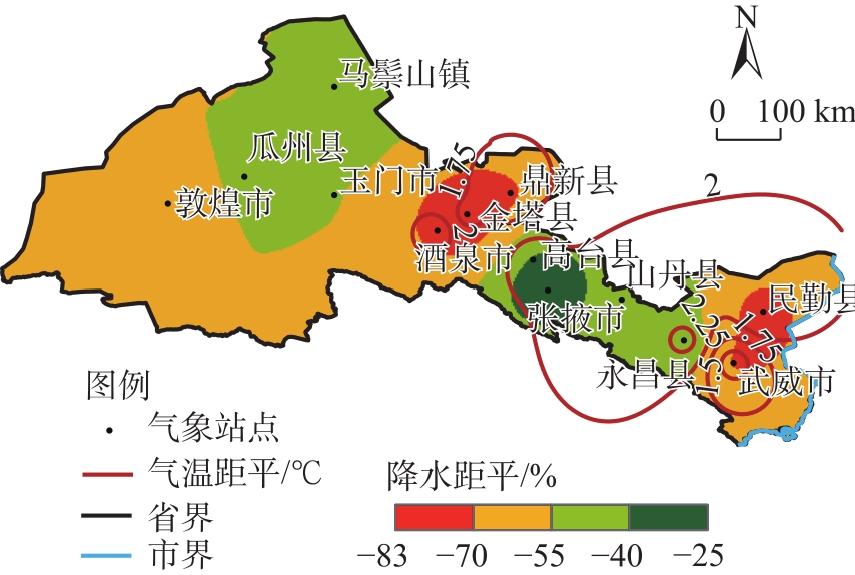
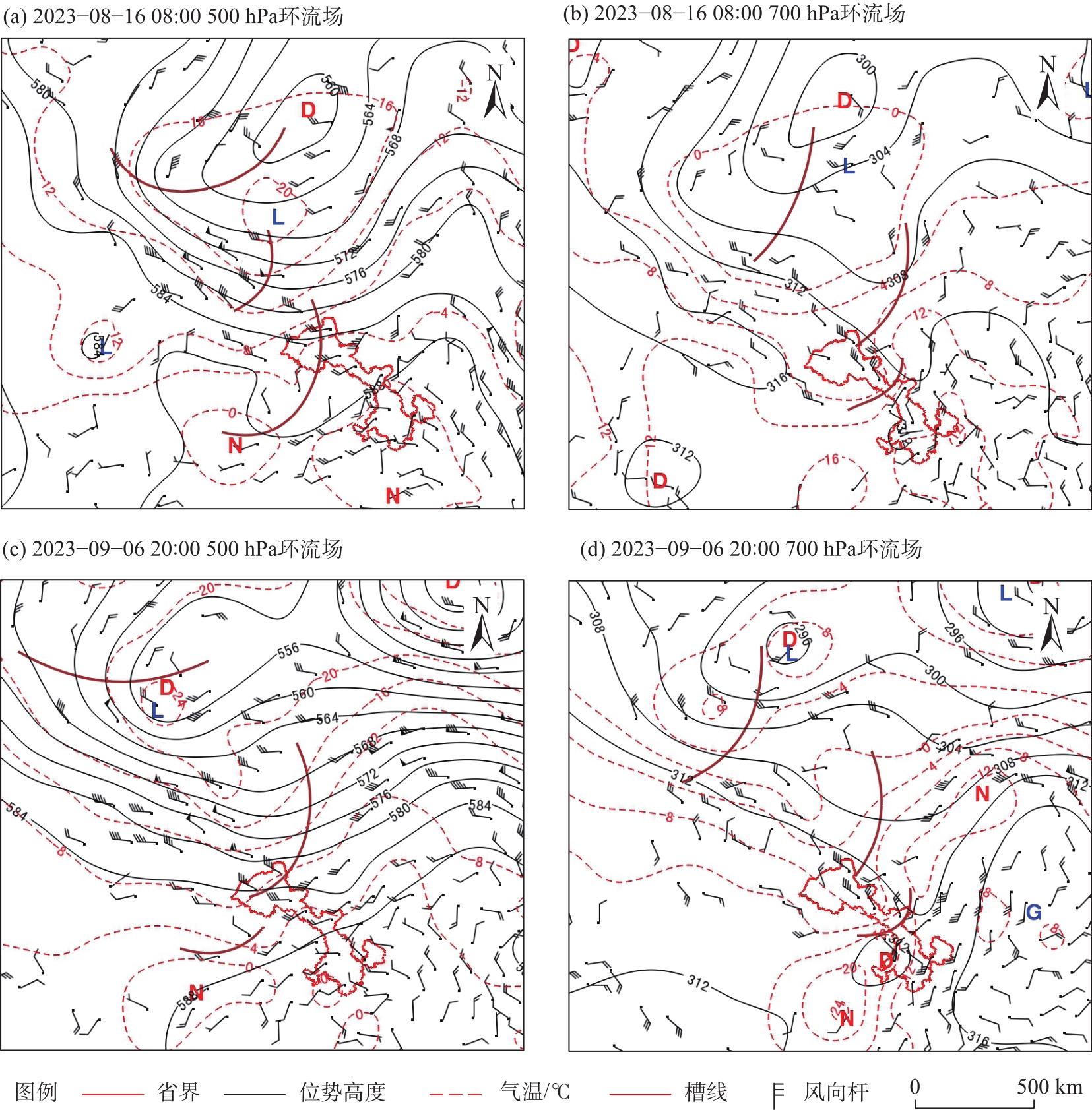
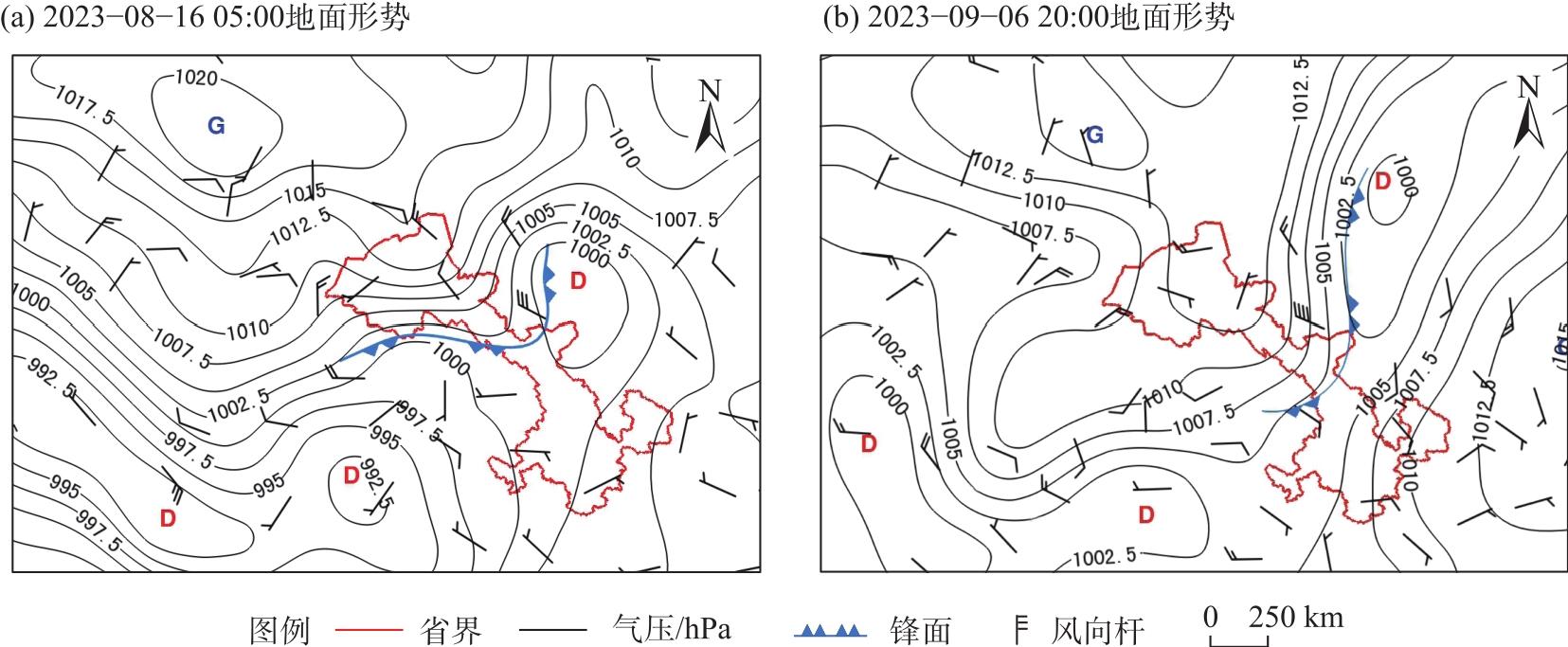
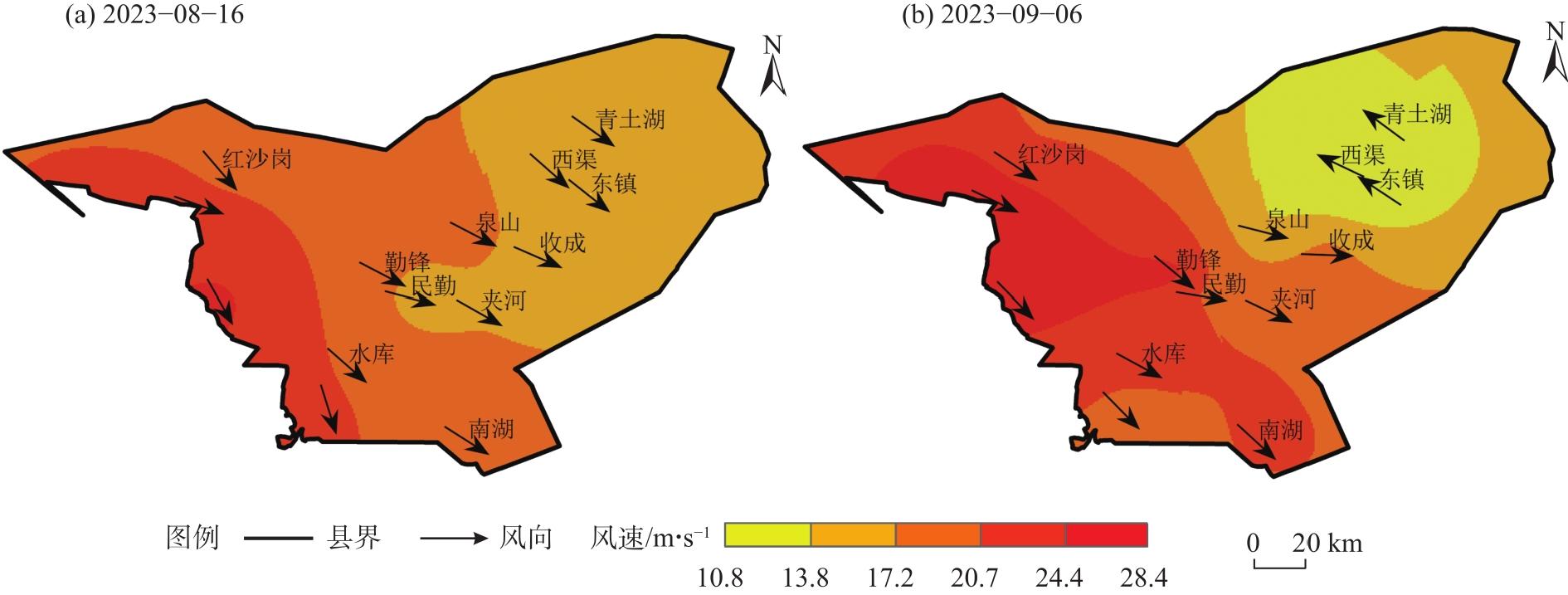
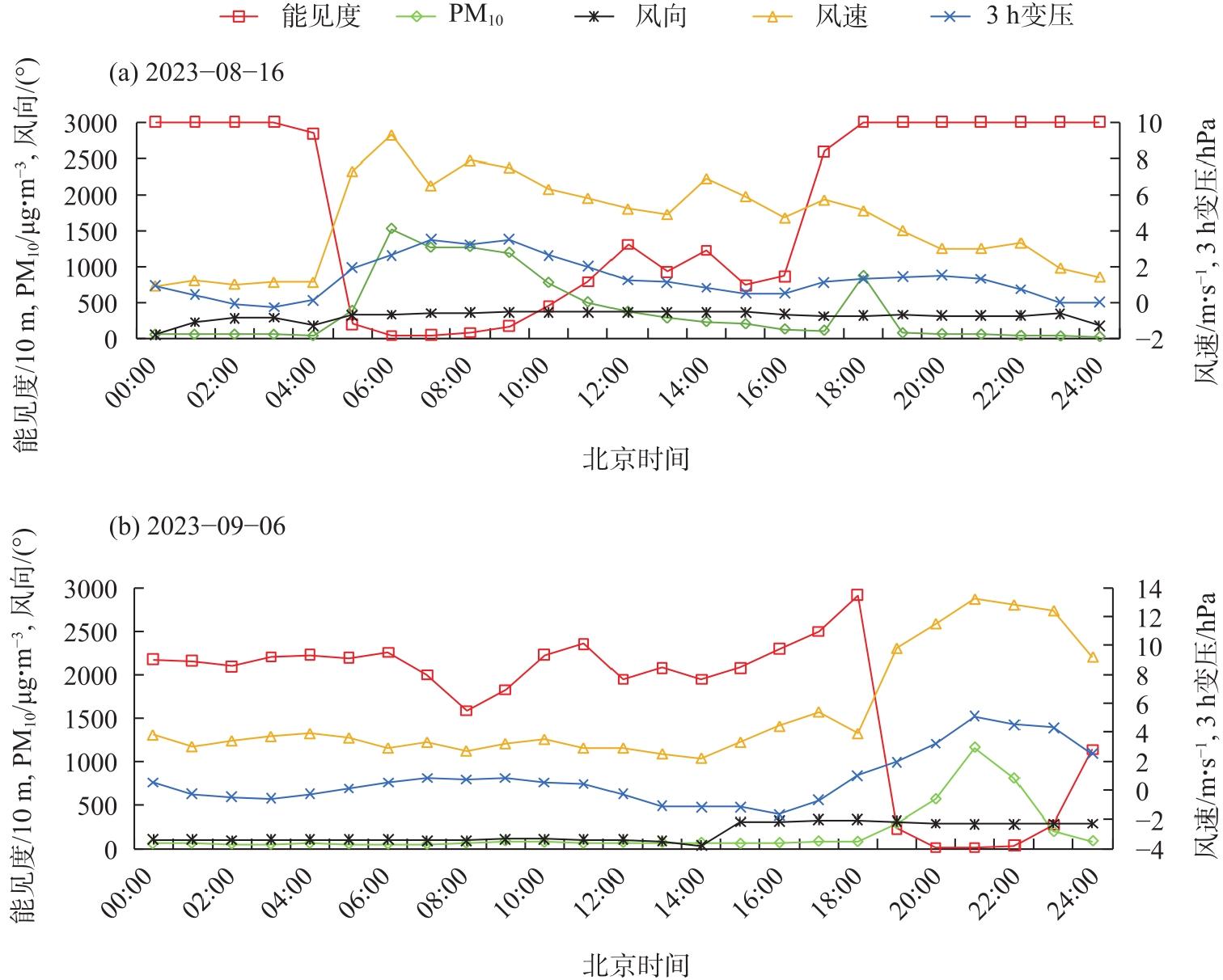
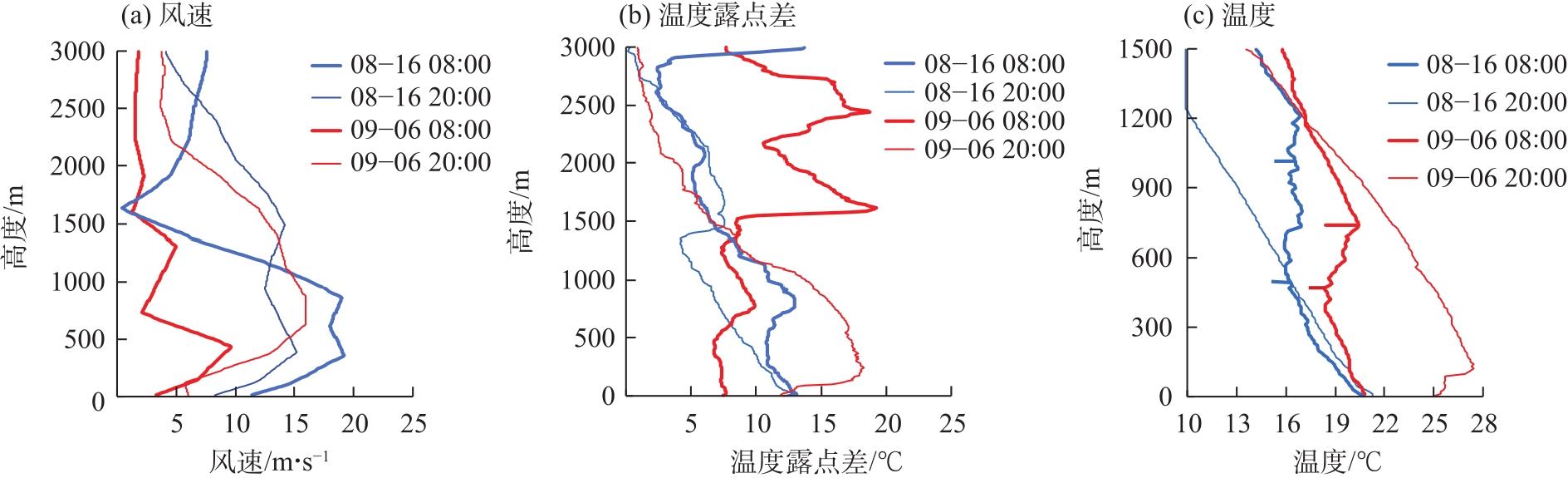
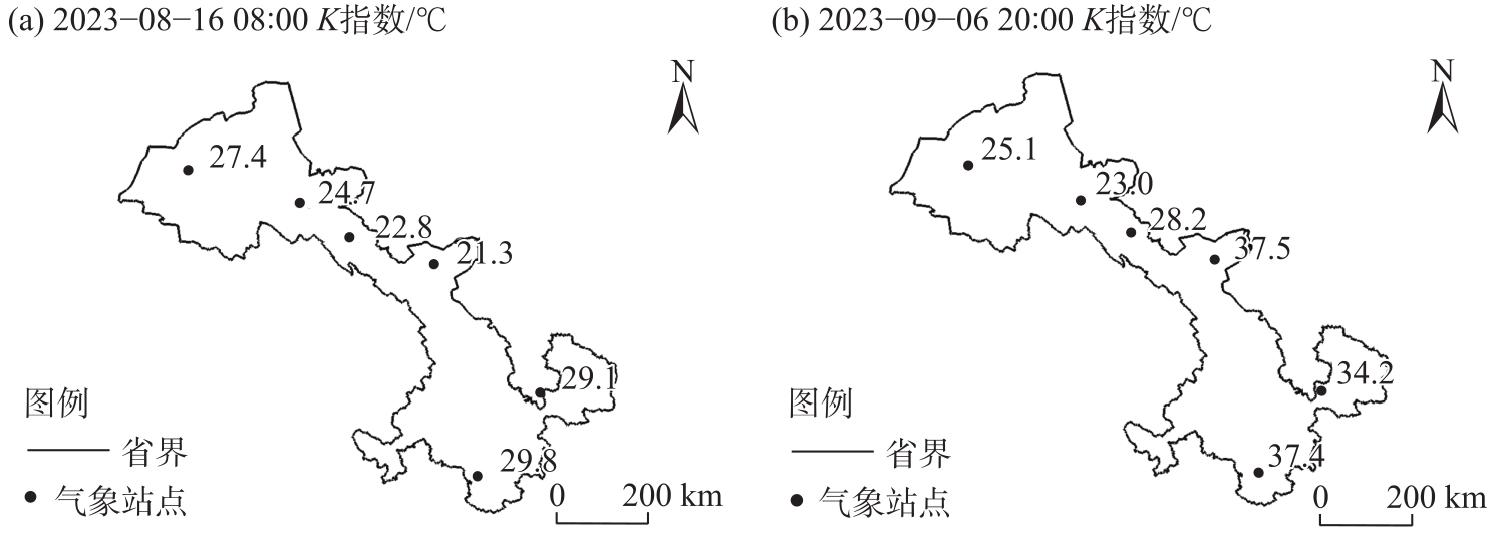
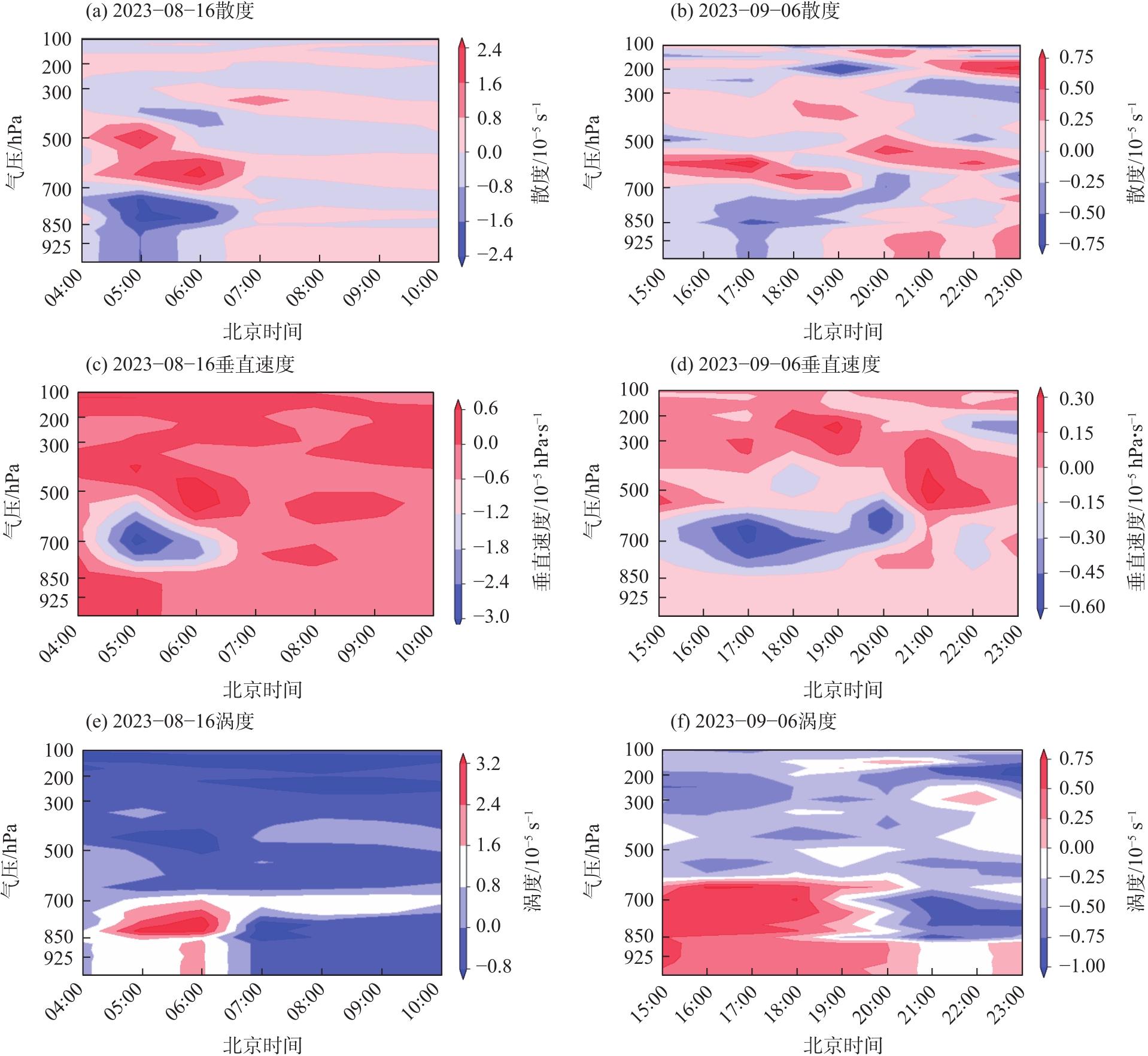
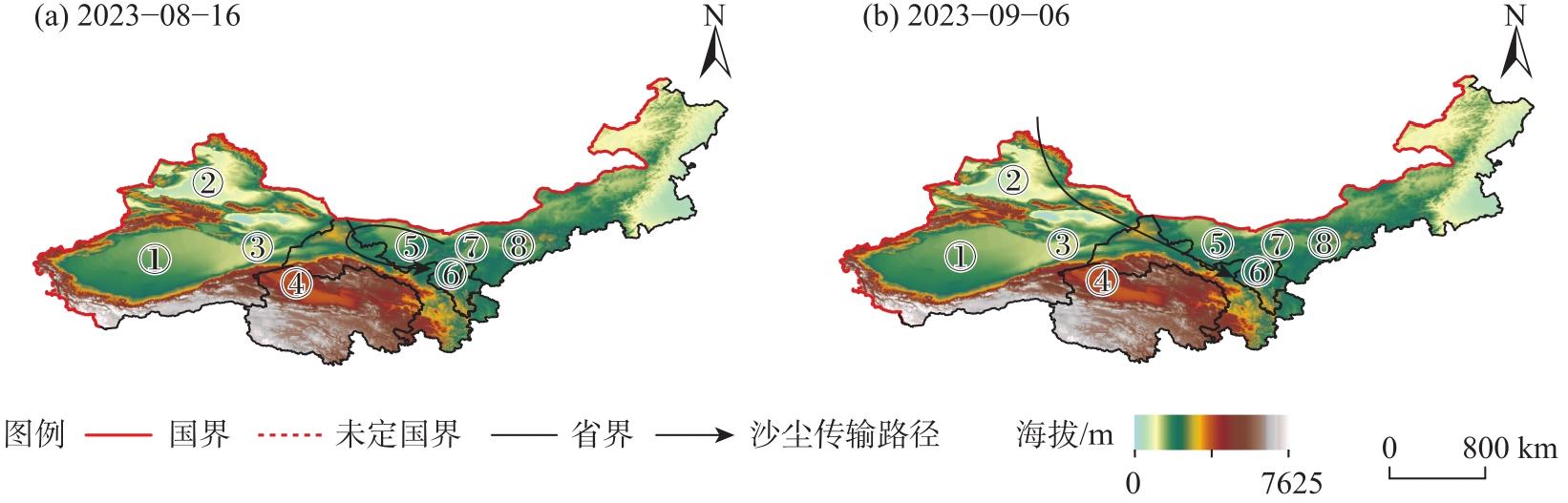
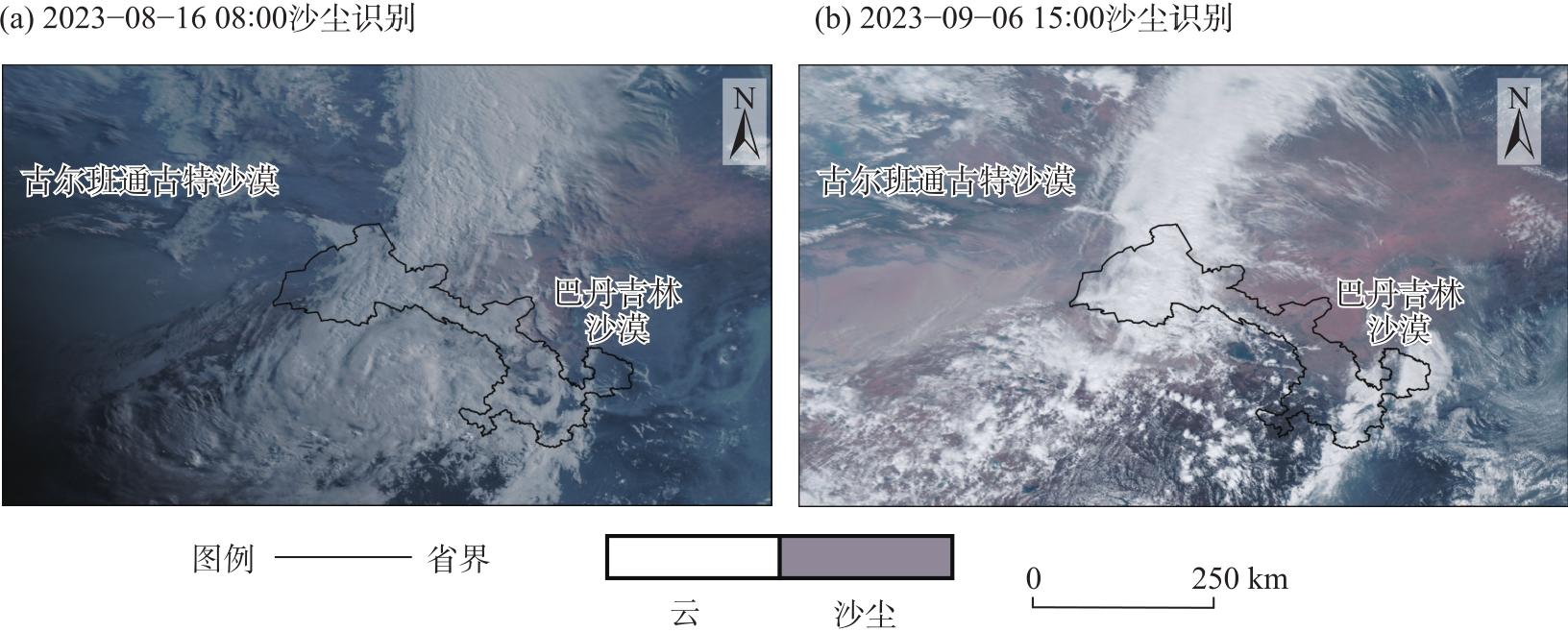
In the summer of 2023, the Hexi Corridor, northwest China experienced its most intense regional high-temperature drought in nearly 60 years, accompanied by frequent wind and dust events. Notably, on September 6—7, Minqin County recorded its most severe sandstorm in almost 40 years. This study investigates two significant sandstorm events (on August 16, on September 6—7) in the Hexi Corridor during the summer and autumn of 2023. The evolution of meteorological elements, synoptic conditions, and boundary layer characteristics preceding the events is analyzed. The sources and transport pathways of dust are determined using the HYSPLIT model’s backward trajectory analysis and Sunflower 8 dust monitoring. The findings are as follows: (1) The regional high temperatures and drought provided ample material conditions for sandstorm development. (2) Synoptic analysis reveals that low-pressure troughs between 65°-85°E and 50°-58°N, combined with a stepped trough pattern from eastern Xinjiang to the Hexi Corridor and mesoscale shear, contributed to the events. At 500 hPa, the cold center intensity was ≤−20 ℃; at 700 hPa, it was ≤0 ℃. The mid-level jet exceeded 20 m·s−1, the low-level jet exceeded 14 m·s−1, and the K index was ≥21 ℃. Convergence occurred below 700 hPa (divergence ≤-0.75×10⁻⁵ s−1), and divergence occurred between 700-650 hPa (divergence ≥0.75×10⁻⁵ s−1). Ascending motion was observed between 800-600 hPa with intensity ≤−0.6 hPa·s−1. Below 700 hPa was a region of positive vorticity with intensity ≥0.75×10⁻⁵ s−1. (3) When the dust source is primarily local, near-surface humidity is the key factor influencing sandstorm intensity. (4) Compared to spring events, sandstorms in summer and autumn require stronger vertical motion, higher wind speeds, and larger 3 h pressure differentials for formation.
表1 河西走廊夏秋季与春季沙尘暴要素对比Tab. 1 Comparison of sandstorm elements in Hexi Corridor in summer, autumn and spring |
| 沙尘暴发生季节 | 影响系统 | 中低空急流/m·s-1 | 垂直速度/10-5 hPa·s-1 | 近地层风速/m·s-1 | 冷锋前后3 h变压差/hPa | |||
|---|---|---|---|---|---|---|---|---|
| 500 hPa | 地面 | 500 hPa | 700 hPa | |||||
| 春季 | 长波槽、横槽 | 冷锋、蒙古气旋 | 20 | 12 | -0.2 | 7.2 | 4.0 | |
| 夏秋季 | 阶梯槽、短波槽 | 冷锋、中尺度切变 | 20 | 14 | -0.3 | 9.0 | 6.0 | |
| [1] |
钱莉, 李岩瑛, 杨永龙, 等. 河西走廊东部强沙尘暴分布特征及飑线天气引发强沙尘暴特例分析[J]. 干旱区地理, 2010, 33(1): 29-36.
[
|
| [2] |
涂爱琴, 王珍珠, 朱庚华, 等. 2021年3月中国北方两次强沙尘天气污染特征[J]. 干旱气象, 2023, 41(4): 607-619.
[
|
| [3] |
钱莉, 姚玉璧, 杨鑫, 等. 河西走廊盛夏一次沙尘暴天气过程成因[J]. 中国沙漠, 2016, 36(2): 458-466.
[
|
| [4] |
段伯隆, 刘新伟, 郭润霞, 等. “3·15”北方强沙尘暴天气成因分析[J]. 干旱气象, 2021, 39(4): 541-553.
[
|
| [5] |
赵慧华, 罗晓玲, 李岩瑛, 等. 河西走廊东部武威市2023年极端天气气候特征分析[J]. 中南农业科技, 2024, 45(8): 126-128.
[
|
| [6] |
尹晓惠. 我国沙尘天气研究的最新进展与展望[J]. 中国沙漠, 2009, 29(4): 728-733.
[
|
| [7] |
马柱国, 符淙斌, 杨庆, 等. 关于我国北方干旱化及其转折性变化[J]. 大气科学, 2018, 42(4): 951-961.
[
|
| [8] |
李耀辉, 张书余. 我国沙尘暴特征及其与干旱关系的研究进展[J]. 地球科学进展, 2007, 22(11): 1169-1176.
[
|
| [9] |
花丛, 刘超, 张碧辉. 影响北京的两次沙尘过程传输特征对比分析[J]. 中国沙漠, 2019, 39(6): 99-107.
[
|
| [10] |
吴硕秋, 马晓燕. 利用风云四、MODIS及CALIPSO卫星资料分析西北沙尘过程的垂直和水平分布特征[J]. 环境科学学报, 2020, 40(8): 2892-2901.
[
|
| [11] |
叶洽, 郑小慎, 赵尚玉. 2021年中国北部特大沙尘天气的遥感监测与路径分析[J]. 遥感学报, 2023, 27(8): 1821-1833.
[
|
| [12] |
张春燕, 李岩瑛, 马幸蔚, 等. 河西走廊不同强度槽型沙尘暴垂直动量传输特征分析[J]. 地球科学进展, 2022, 37(9): 925-936.
[
|
| [13] |
狄潇泓, 刘新伟, 沙宏娥, 等. 河西走廊一次强沙尘暴动力机制分析[J]. 干旱区资源与环境, 2016, 30(8): 145-151.
[
|
| [14] |
王锡稳, 刘治国, 黄玉霞, 等. 河西走廊盛夏一次强沙尘暴天气综合分析[J]. 气象, 2006, 32(7): 102-109.
[
|
| [15] |
贺沅平, 张云伟, 顾兆林. 特强沙尘暴灾害性天气的特征及触发机制的研究进展和展望[J]. 中国环境科学, 2021, 41(8): 3511-3522.
[
|
| [16] |
张春燕, 李岩瑛, 曾婷, 等. 河西走廊东部冬季沙尘暴的典型个例及气候特征分析[J]. 气象, 2019, 45(9): 1227-1237.
[
|
| [17] |
胡雯婕, 马莉, 吴秀芹, 等. 毛乌素沙地上空沙尘暴的前向轨迹及其影响范围[J]. 北京大学学报(自然科学版), 2021, 57(6): 1161-1171.
[
|
| [18] |
|
| [19] |
|
| [20] |
王淦泉, 沈霞. 风云四号辐射成像仪及其数据在卫星气象中的应用[J]. 自然杂志, 2018, 40(1): 1-11.
[
|
| [21] |
李云. 风云卫星在沙尘天气监测中的业务应用[J]. 卫星应用, 2018(11): 24-28.
[
|
| [22] |
张强, 王胜. 论特强沙尘暴(黑风)的物理特征及其气候效应[J]. 中国沙漠, 2005, 25(5): 675-681.
[
|
| [23] |
魏倩, 隆霄, 田畅, 等. 民勤一次沙尘暴天气过程的近地层气象要素多尺度特征分析[J]. 干旱区研究, 2018, 35(6): 1352-1362.
[
|
| [24] |
雷正翠, 郑媛媛, 刘银峰, 等. 2018年常州一次罕见持续性雾-霾天气分析[J]. 气象, 2019, 45(8): 1123-1134.
[
|
| [25] |
毛曳, 张恒德, 朱彬. 2016冬季京津冀一次持续重度霾天气过程分析[J]. 环境科学, 2021, 42(8): 3615-3621.
[
|
| [26] |
阿不力米提江·阿布力克木, 李娜, 赵克明, 等. 塔里木盆地一次“东灌”沙尘暴大气边界层特征[J]. 沙漠与绿洲气象, 2019, 13(5): 55-61.
[
|
| [27] |
赵瑾, 张春燕, 陈静, 等. 2024年春季河西走廊一次强沙尘暴天气成因及沙尘传输特征分析[J]. 农业灾害研究, 2024, 14(10): 201-203.
[
|
| [28] |
费兵强, 吴波, 殷婕, 等. 1964—2020年毛乌素沙地新垦耕地和弃耕地空间格局变化及其对荒漠化的影响[J]. 干旱区地理, 2025, 48(4): 661-672.
[
|
| [29] |
王俊秀, 王俊杰, 韩仙桃, 等. 基于多源数据的2021年3月呼和浩特严重沙尘污染天气特征分析[J]. 气象与环境学报, 2023, 39(4): 17-24.
[
|
| [30] |
沈晓玲, 岑璐琳, 章超钦, 等. 一次阵风锋及锋后极端大风的多种型号雷达观测特征分析[J]. 干旱气象, 2025, 43(1): 114-125.
[
|
/
| 〈 |
|
〉 |