



|
史继清(1988-),女,硕士研究生,副研级高工,主要从事农业气象灾害方面的研究. E-mail: shijiqing10@126.com |
收稿日期: 2024-07-19
修回日期: 2024-09-05
网络出版日期: 2026-03-11
基金资助
中国气象局公共气象服务中心创新基金项目(M2021015)
区域创新发展联合基金重点支持项目(U23A2006)
西藏自治区科技创新基地建设项目(XZ202401YD0008)
西藏自治区科技计划重点研发及转化项目(XZ202401ZY0065)
Trend analysis of seasonal changes in Xizang based on climate change and new seasonal division
Received date: 2024-07-19
Revised date: 2024-09-05
Online published: 2026-03-11
关键词: 开始日期; 小波分析; 趋势分析; 经验正交函数(EOF); 西藏
史继清 , 罗珍 , 益西卓玛 , 刘赛 , 李积宏 , 旦增益嘎 , 甘臣龙 . 气候变化及新四季划分方法下的西藏季节变化趋势分析[J]. 干旱区地理, 2025 , 48(7) : 1141 -1152 . DOI: 10.12118/j.issn.1000-6060.2024.437
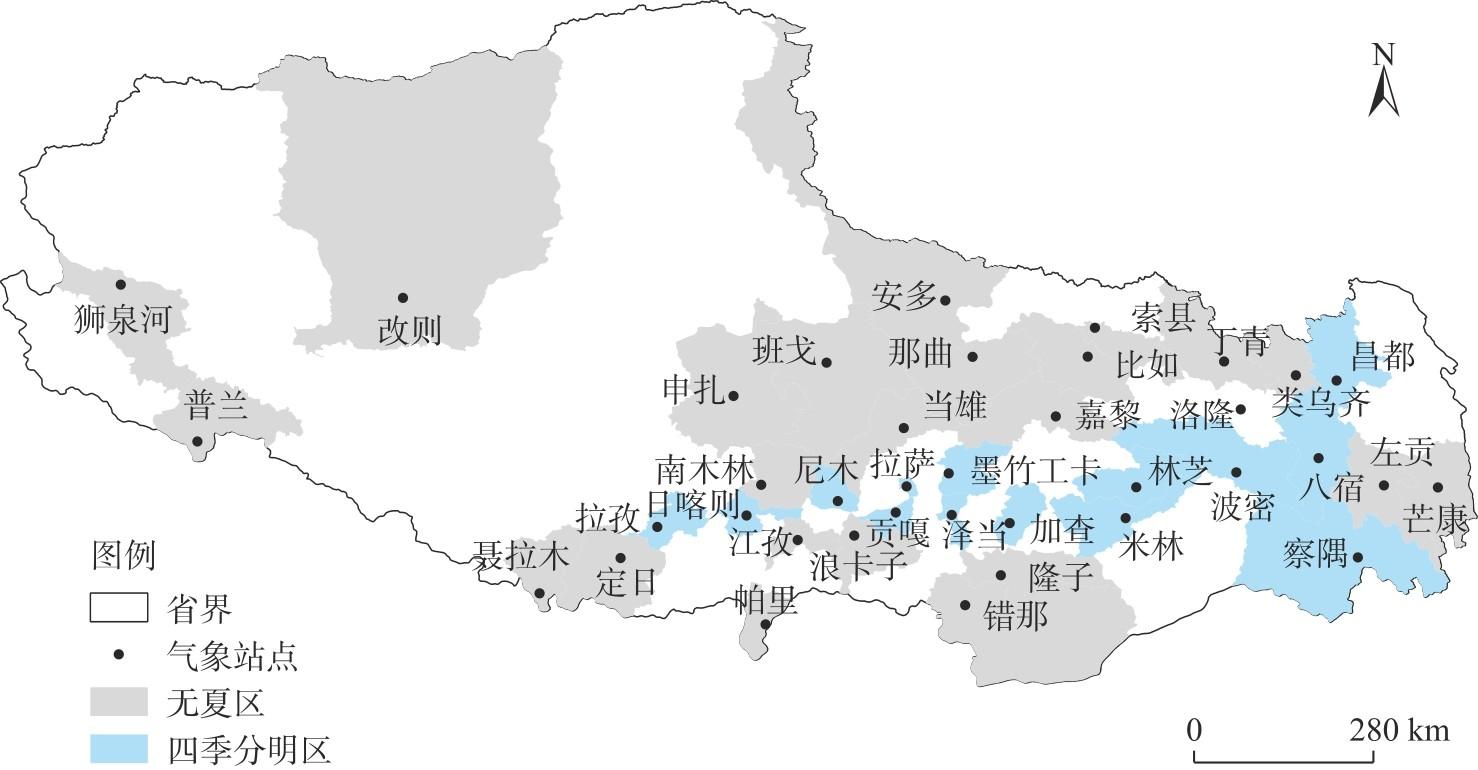
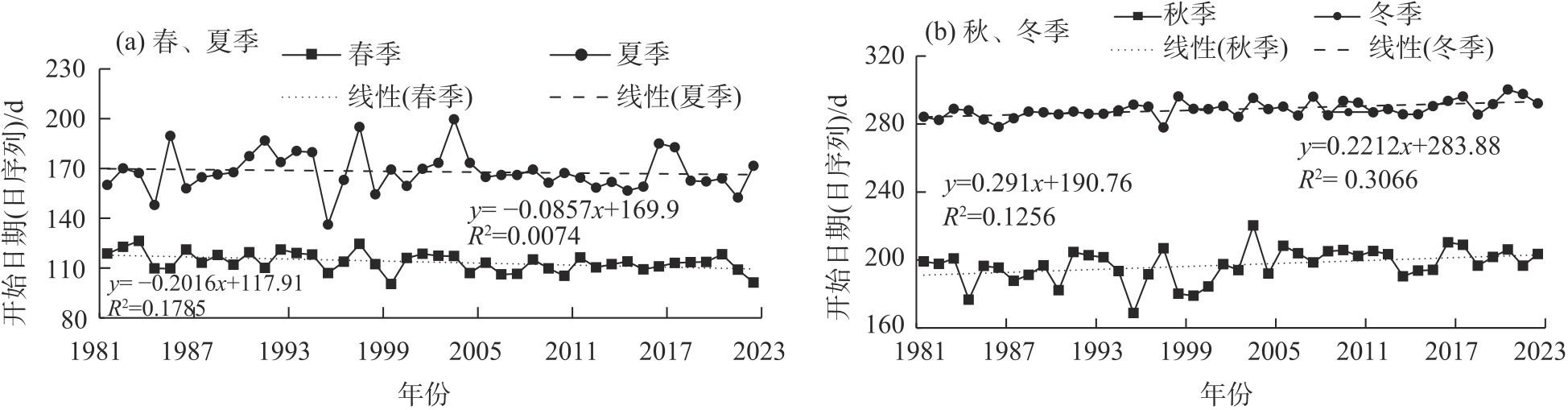
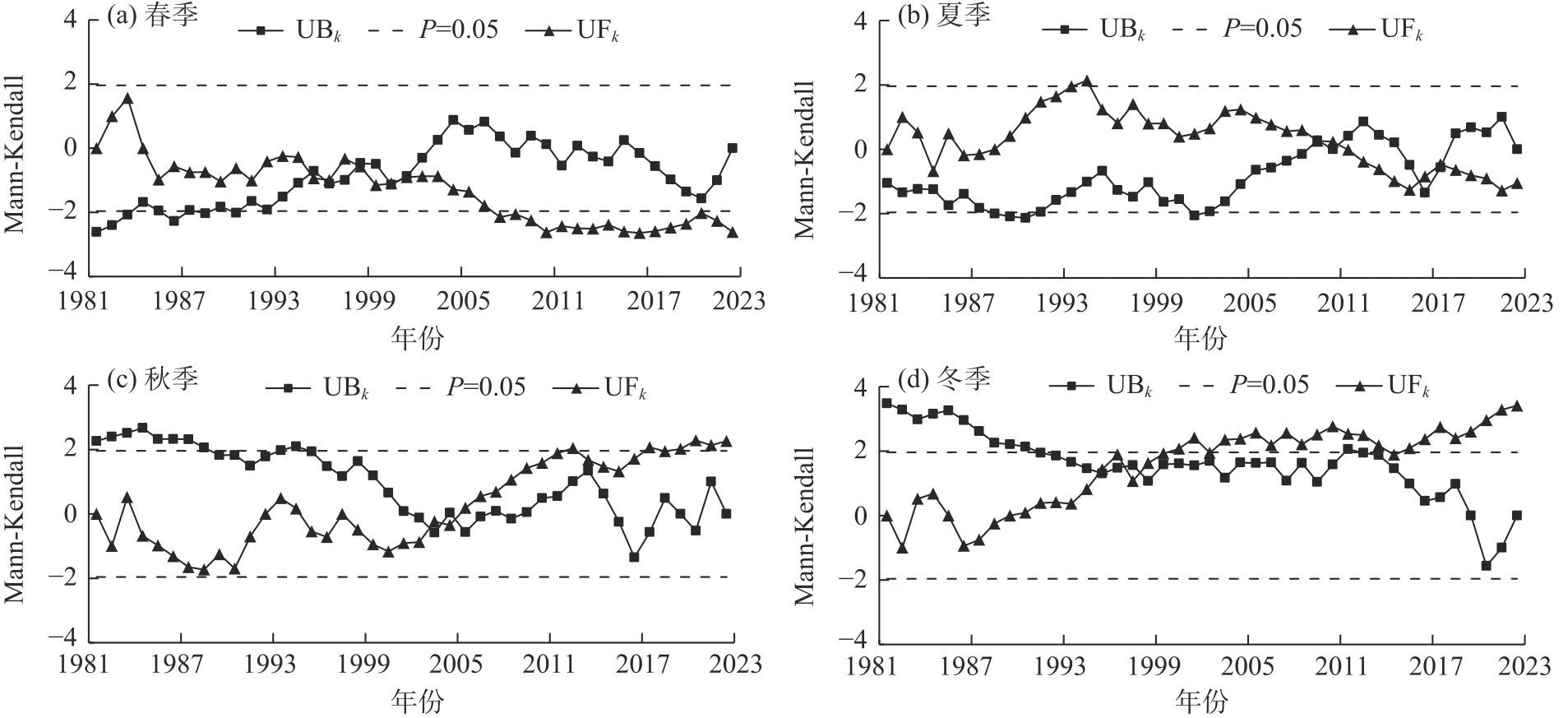
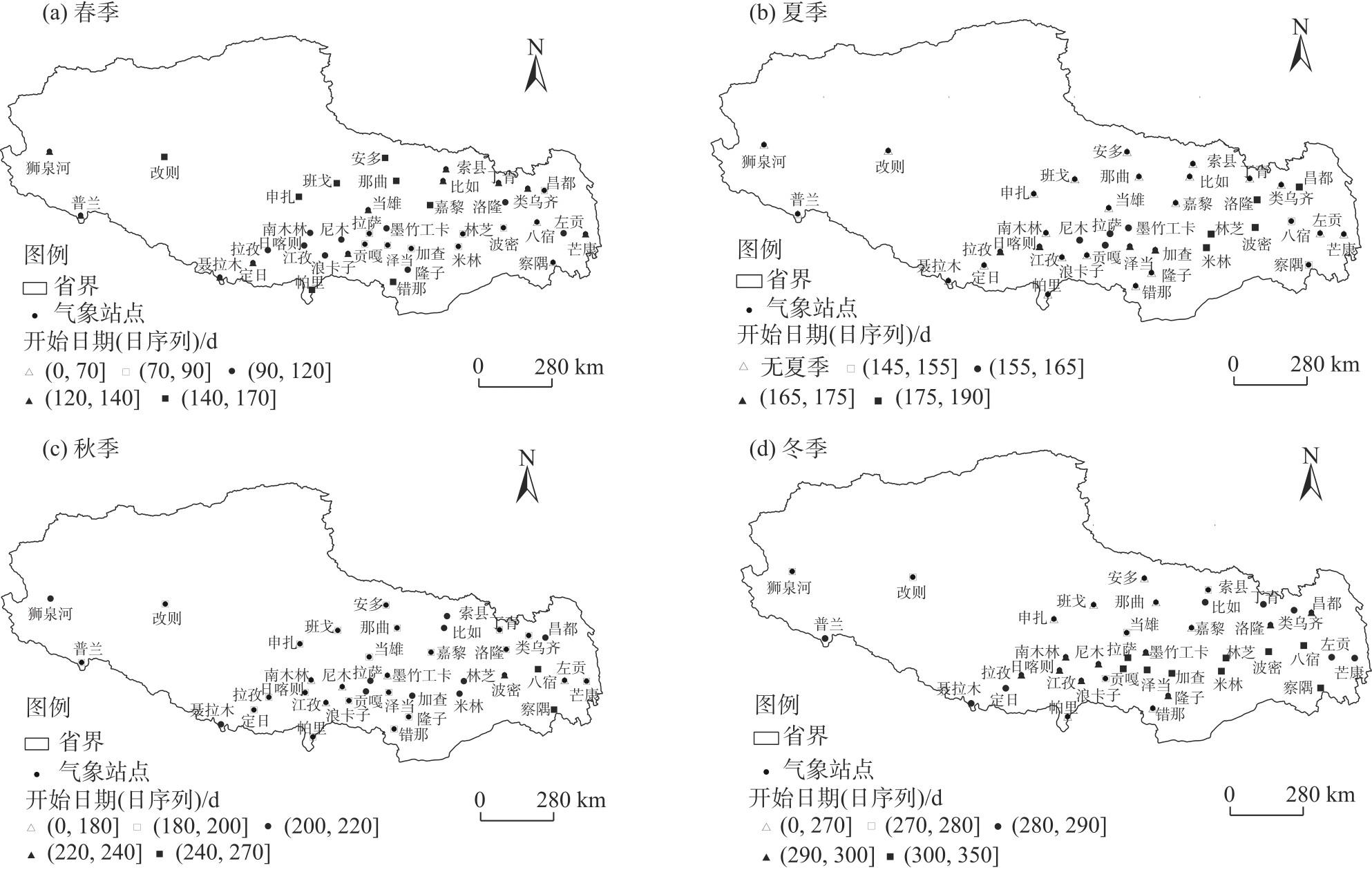
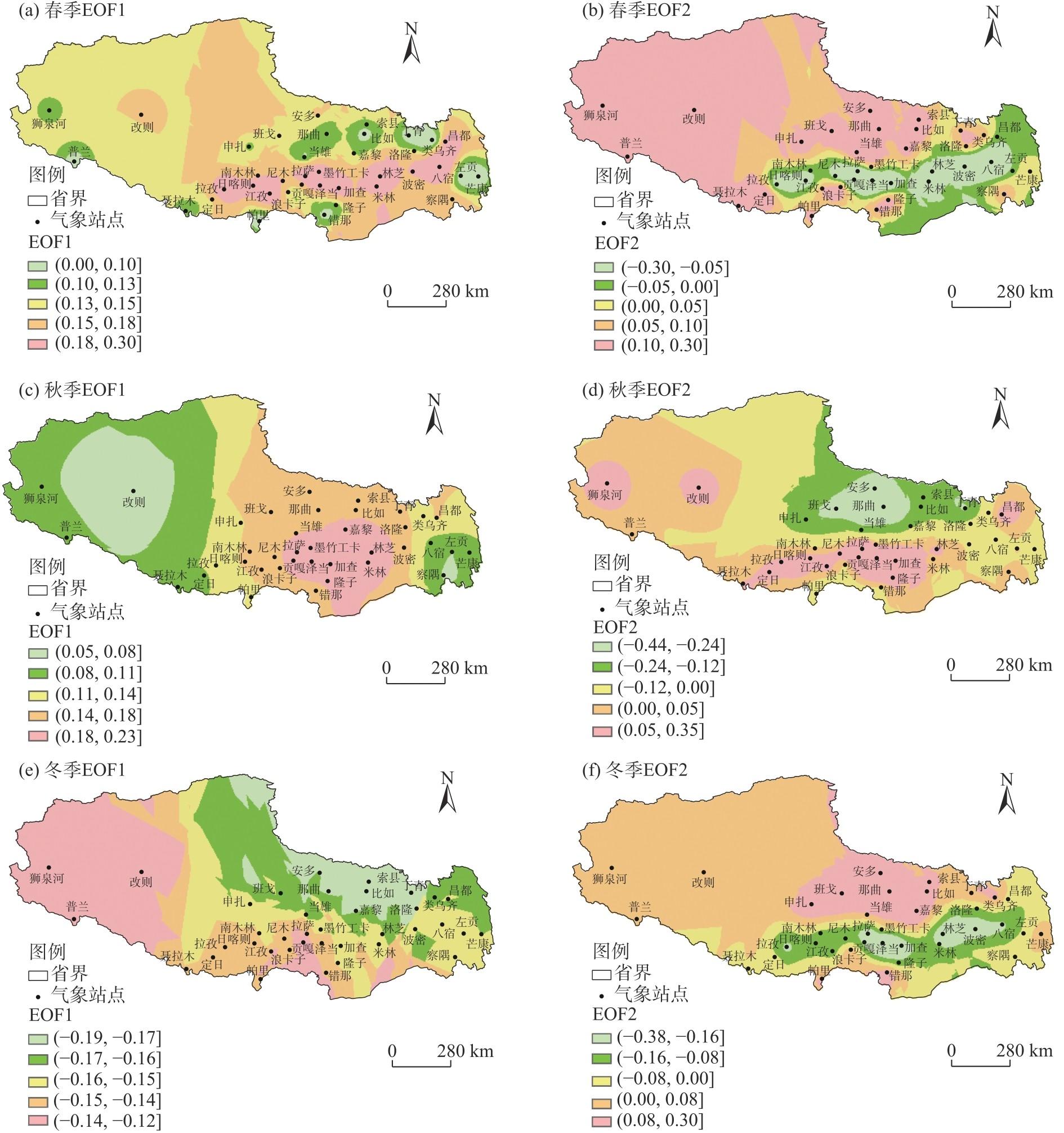
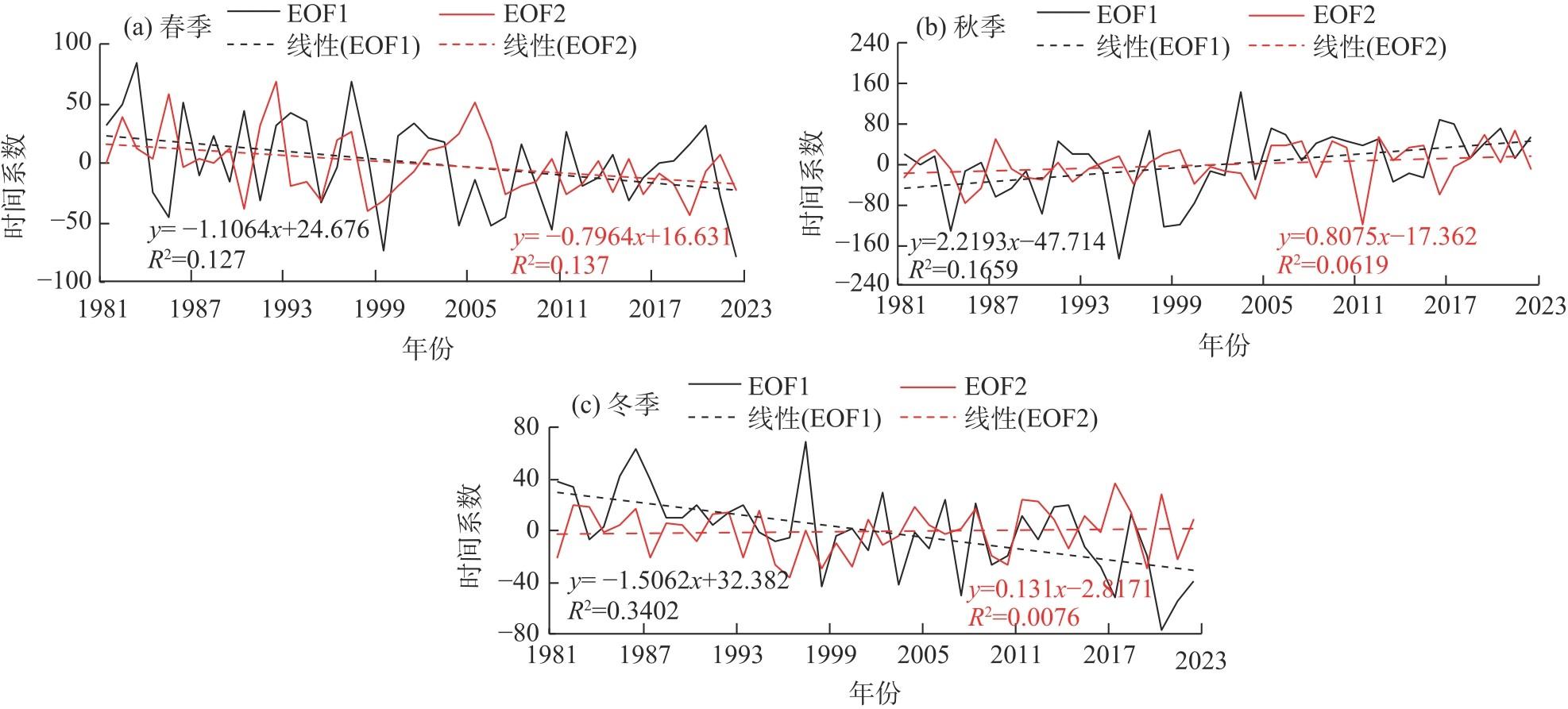
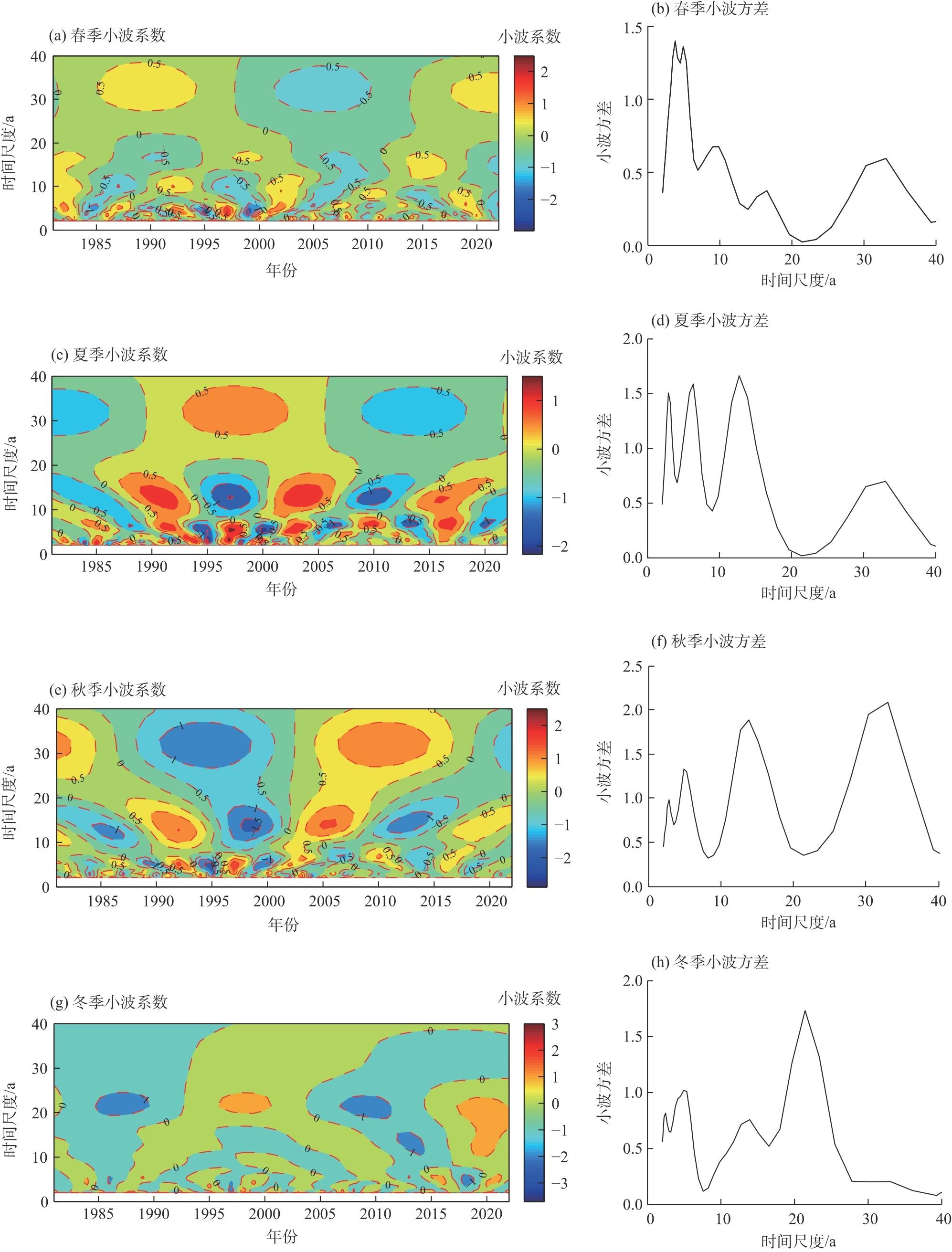
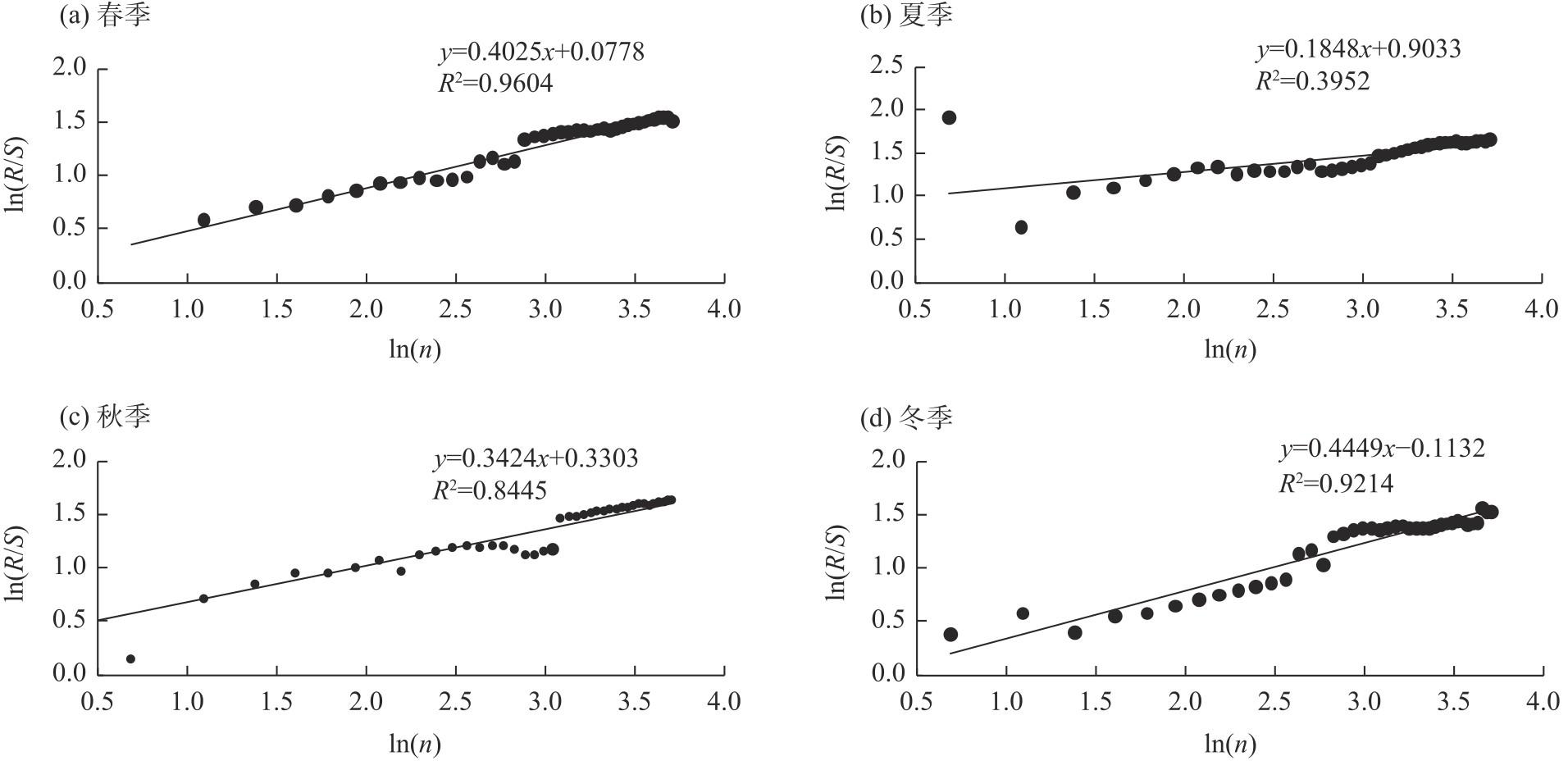
This study analyzes daily temperature data from 38 meteorological stations in Xizang, China, covering the period from 1981 to 2023. A new method for seasonal division in Xizang was employed to categorize the four seasons, and the regional climate changes, temporal shifts in the start dates of each season, and trends in seasonal changes were examined. The results show the following. (1) Areas with four distinct seasons in Xizang are primarily found along the Yarlung Zangbo River and in Nyingchi City, whereas regions with less distinct seasonal variations (including areas without a summer season) are mainly situated in the western and northern parts of Xizang as well as in the high-altitude regions of the Himalayas. (2) In Xizang, the beginning of spring and summer tends to occur earlier, whereas the onset of autumn and winter tends to be delayed. Notably, the start date of spring was significantly earlier in 2000, whereas the onset of autumn and winter was significantly delayed in 2003 and 1995, respectively. (3) Regarding the timing of seasonal starts, the first empirical orthogonal function (EOF1) for spring and autumn exhibited a pattern of “northwest low and southeast high in spring, and middle high and both sides low in autumn”. In spring, the second EOF (EOF2) presented a contrasting distribution pattern of “northwest positive and southeast negative”, whereas in autumn, EOF2 showed an opposite spatial distribution pattern characterized by “southwest positive and northeast negative”. The EOF1 in winter revealed a “high in the north and low in the southwest” pattern, whereas the EOF2 shared similarities with that of spring’s EOF2. (4) Looking ahead, we anticipate that the start dates of spring and summer will be delayed, whereas those for autumn and winter will be advanced.
表1 四季分明区存在夏季的年份Tab. 1 Years when there is summer in the areas with four distinct seasons |
| 站点 | 年代 | ||||
|---|---|---|---|---|---|
| 20世纪 80年代 | 20世纪 90年代 | 21世纪 00年代 | 21世纪 10年代 | 21世纪 20年代 | |
| 洛隆 | 0 | 0 | 1 | 4 | 2 |
| 墨竹工卡 | 0 | 1 | 1 | 3 | 2 |
| 泽当 | 6 | 8 | 6 | 5 | 3 |
| 昌都 | 6 | 5 | 6 | 9 | 3 |
| 拉萨 | 5 | 7 | 7 | 8 | 3 |
| 尼木 | 1 | 3 | 4 | 4 | 0 |
| 波密 | 6 | 5 | 10 | 10 | 3 |
| 林芝 | 3 | 3 | 6 | 7 | 3 |
| 米林 | 0 | 1 | 8 | 8 | 3 |
| 拉孜 | 1 | 2 | 3 | 3 | 2 |
| 日喀则 | 0 | 1 | 2 | 5 | 3 |
| 贡嘎 | 8 | 7 | 8 | 8 | 3 |
| 加查 | 7 | 8 | 7 | 10 | 3 |
| 八宿 | 9 | 10 | 10 | 10 | 3 |
| 察隅 | 9 | 10 | 10 | 10 | 3 |
表2 经验正交函数(EOF)前5个载荷量方差贡献率及累计方差贡献率Tab. 2 Variance contribution rates and cumulative variance contribution rates of the first five loads of EOF |
| 季节 | EOF | 方差贡献率/% | 累计方差贡献率/% |
|---|---|---|---|
| 春季 | 第一载荷量 | 30.5 | 30.5 |
| 第二载荷量 | 14.5 | 45.0 | |
| 第三载荷量 | 10.4 | 55.4 | |
| 第四载荷量 | 7.6 | 63.0 | |
| 第五载荷量 | 5.9 | 68.9 | |
| 秋季 | 第一载荷量 | 30.9 | 30.9 |
| 第二载荷量 | 11.0 | 41.9 | |
| 第三载荷量 | 9.7 | 51.6 | |
| 第四载荷量 | 6.3 | 57.9 | |
| 第五载荷量 | 4.6 | 62.4 | |
| 冬季 | 第一载荷量 | 35.6 | 35.6 |
| 第二载荷量 | 12.1 | 47.8 | |
| 第三载荷量 | 10.1 | 57.9 | |
| 第四载荷量 | 8.1 | 66.0 | |
| 第五载荷量 | 5.1 | 71.1 |
| [1] |
范思睿, 范广洲, 赖欣, 等. 1961—2007年青藏高原四季开始日期的变化趋势分析[J]. 气候与环境研究, 2013, 18( 1): 71- 79.
[
|
| [2] |
王雷, 吴正方, 杜海波, 等. 1961—2010年东北地区四季开始日及长短变化特征分析[J]. 气象科学, 2014, 34( 5): 499- 507.
[
|
| [3] |
|
| [4] |
姚愚, 李蕊, 郑建萌, 等. 1961—2017年云南季节变化特征分析[J]. 气象科学, 2020, 40( 6): 849- 858.
[
|
| [5] |
解明恩, 姚愚, 段玮, 等. 低纬高原气候季节变化特征研究-以云南昆明大理为例[J]. 热带气象学报, 2023, 39( 2): 171- 182.
[
|
| [6] |
曲学斌, 赵岳冀, 王彦平, 等. 1961—2016年内蒙古四季开始日期及长度变化特征[J]. 中国农学通报, 2019, 35( 26): 129- 134.
[
|
| [7] |
郁珍艳, 范广洲, 华维, 等. 气候变暖背景下我国四季开始时间的变化特征[J]. 气候与环境研究, 2010, 15( 1): 73- 82.
[
|
| [8] |
张磊, 宋莹华, 潘婕, 等. 1962—2013年山东临沂四季变化特征分析[J]. 中国农学通报, 2015, 31( 17): 228- 235.
[
|
| [9] |
刘玉莲. 1961—2010年黑龙江省气候季节时空分布及其变化特征[J]. 气象与环境学报, 2015, 31( 2): 89- 96.
[
|
| [10] |
张美玲. 滕州市近40年的四季变化[J]. 山东气象, 2004, 24( 2): 14- 15.
[
|
| [11] |
马彬, 张勃. 基于格点数据的1961—2016年中国气候季节时空变化[J]. 地理学报, 2020, 75( 3): 458- 469.
[
|
| [12] |
张静, 吕军, 项瑛, 等. 江苏省四季变化的分析[J]. 气象科学, 2008, 28( 5): 568- 572.
[
|
| [13] |
张世轩, 张璐, 孙树鹏, 等. 全球变暖情况下中国季节的变化[J]. 高原气象, 2011, 30( 3): 659- 667.
[
|
| [14] |
宋善允, 王鹏祥. 西藏气候[M]. 北京: 气象出版社, 2013: 11-13, 385- 387.
[
|
| [15] |
史继清, 甘臣龙, 边多, 等. 1981—2015年西藏全区气候季节的变化[J]. 冰川冻土, 2018, 40( 6): 1110- 1119.
[
|
| [16] |
汤懋苍, 钟海玲, 李栋梁. 青藏铁路沿线的四季划分及其温度变化分析[J]. 高原气象, 2003, 22( 5): 440- 444.
[
|
| [17] |
范思睿, 范广洲, 董一平, 等. 青藏高原四季划分方法探讨[J]. 高原山地气象研究, 2011, 31( 2): 1- 11.
[
|
| [18] |
史继清, 周刊社, 张东东, 等. 西藏地区一种新的四季划分方法[J]. 干旱区地理, 2024, 47( 5): 773- 784.
[
|
| [19] |
史继清, 豆永丽, 杨霏云, 等. 西藏地区潜在蒸散量时空格局特征及影响因素研究[J]. 干旱区研究, 2021, 38( 3): 724- 732.
[
|
| [20] |
史继清, 边多, 杨霏云, 等. 西藏地区潜在蒸散量变化特征及灰色模型预测初探[J]. 干旱区地理, 2021, 44( 6): 1570- 1579.
[
|
| [21] |
史继清, 豆永丽, 张歆平, 等. 西藏青稞生育期干旱强度变化特征分析[J]. 中国农业气象, 2023, 44( 9): 834- 844.
[
|
| [22] |
张志高, 孙梓欣, 张秀丽, 等. 1960—2020年黄河流域气候生长季时空演变及成因分析[J]. 干旱区研究, 2023, 40( 10): 1537- 1546.
[
|
| [23] |
甘臣龙. 基于作物生育期的潜在蒸散的时空演变特征及R/S分析[J]. 西藏科技, 2015( 5): 53- 56.
[
|
| [24] |
史继清, 甘臣龙, 周刊社, 等. 西藏青稞主要种植区干旱时空分布及致灾危险性评估[J]. 干旱区地理, 2023, 46( 7): 1098- 1110.
[
|
| [25] |
张宝堃. 中国季节之分配[J]. 地理学报, 1934, 1( 1): 29- 74.
[
|
| [26] |
林蓉, 李菲. 1951—2011年辽宁省气候季节变化特征分析[J]. 现代农业科技, 2014( 20): 226- 228, 234.
[
|
/
| 〈 |
|
〉 |