



|
刘丹琪(2000-),女,硕士研究生,主要从事城市绿色旅游、旅游可持续发展研究. E-mail: xjqxylc0324@126.com |
收稿日期: 2024-09-13
修回日期: 2024-11-19
网络出版日期: 2026-03-11
基金资助
甘肃省“创新之星”基金项目(2023KYZZ-S202)
西北师范大学研究生科研基金项目(KYZZS2025201)
Measurement and evaluation of green development efficiency of tourism transportation industry based on the DEA-Malmquist index model: A case of Lanzhou City
Received date: 2024-09-13
Revised date: 2024-11-19
Online published: 2026-03-11
关键词: 绿色发展效率; 旅游交通业; DEA-Malmquist指数模型; 兰州市
刘丹琪 , 杨阿莉 , 辜友骞 . 基于DEA-Malmquist指数模型的旅游交通业绿色发展效率测度与评价——以兰州市为例[J]. 干旱区地理, 2025 , 48(11) : 2062 -2071 . DOI: 10.12118/j.issn.1000-6060.2024.553
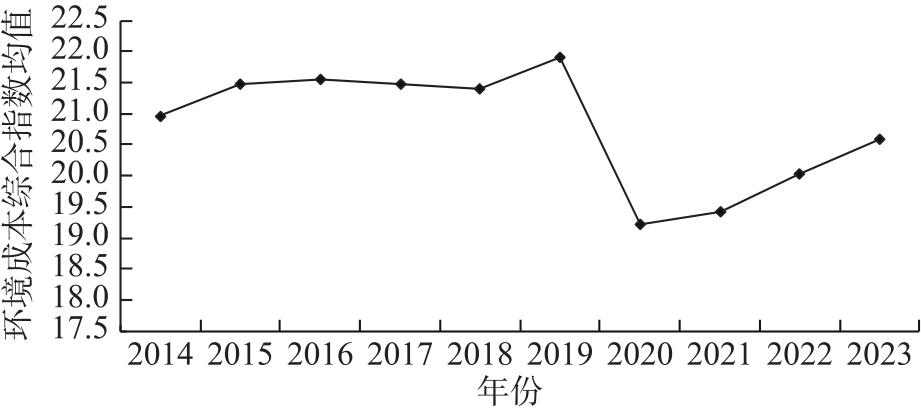
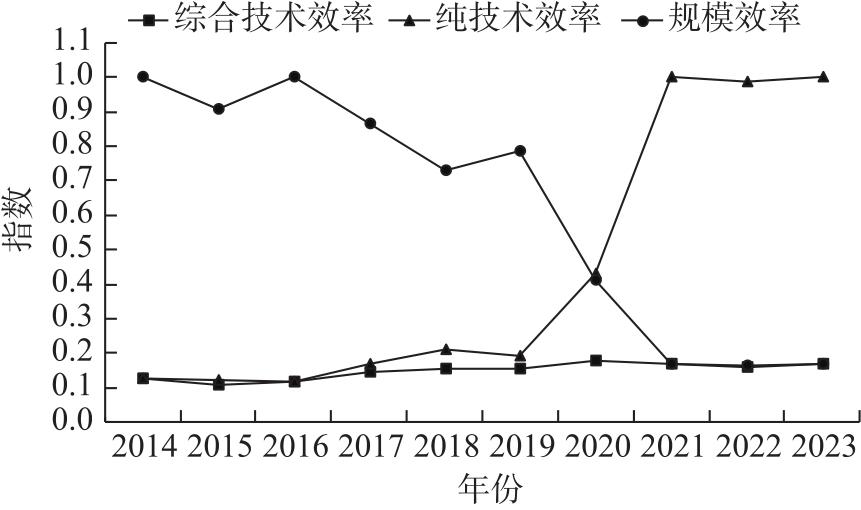
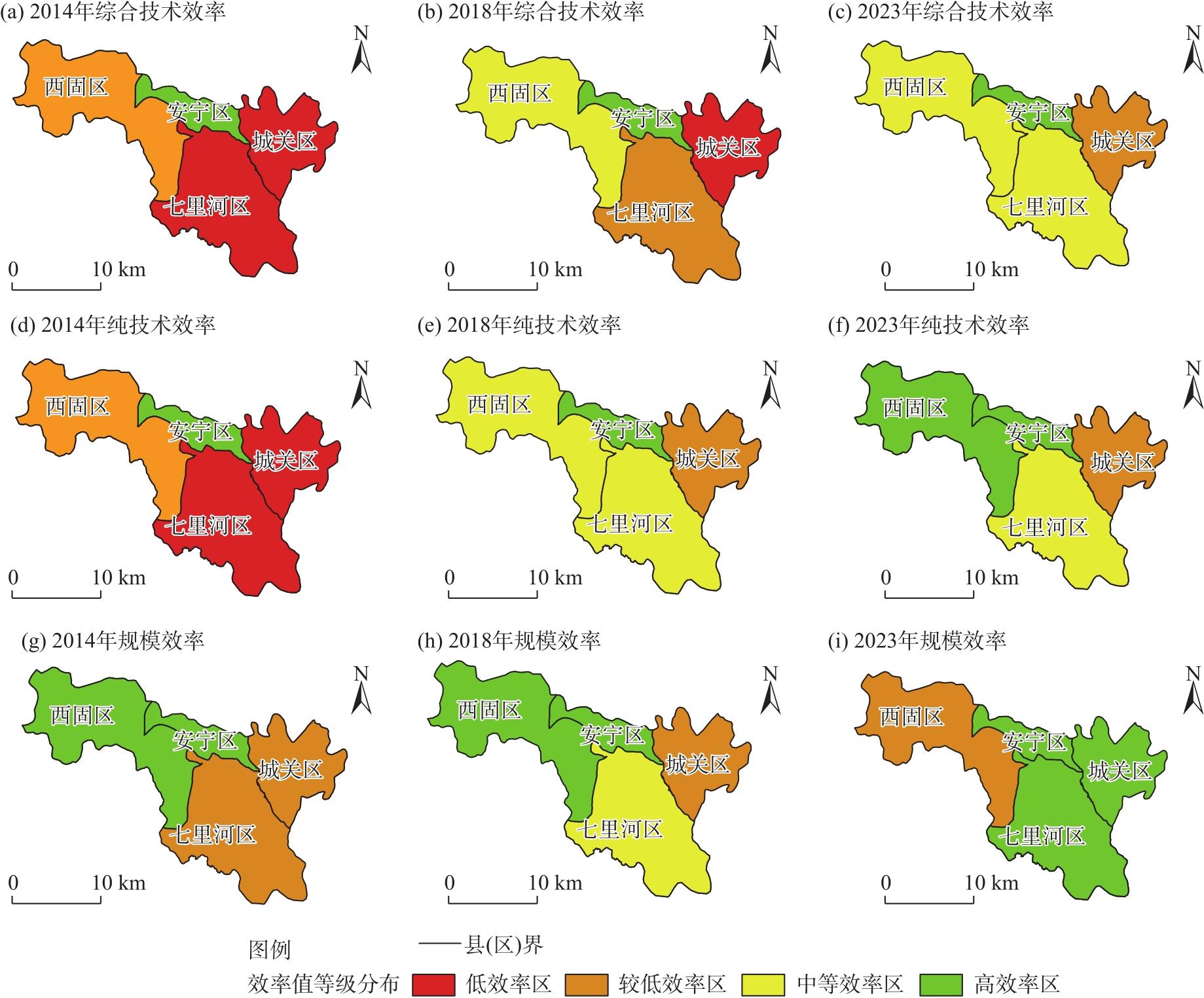
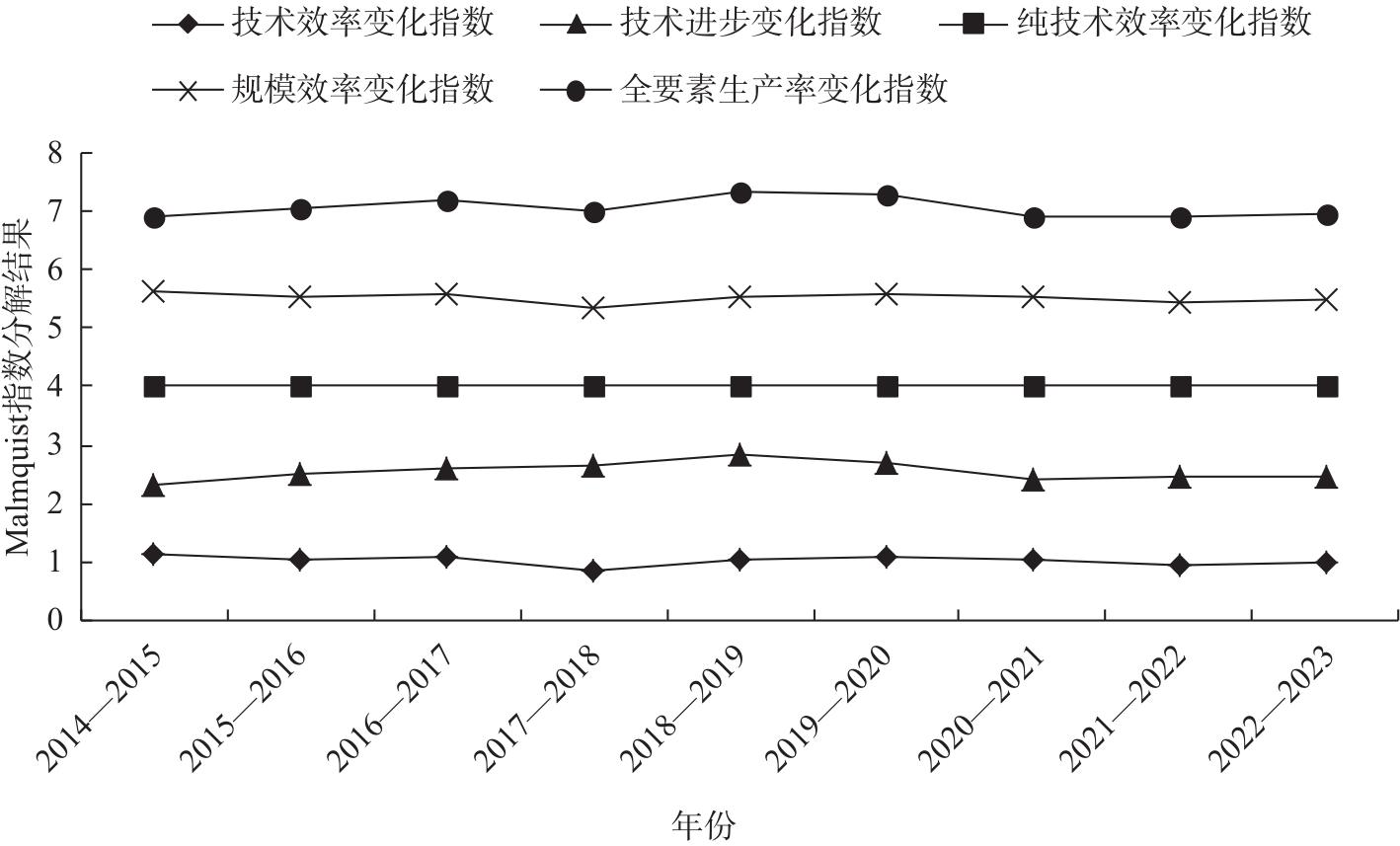
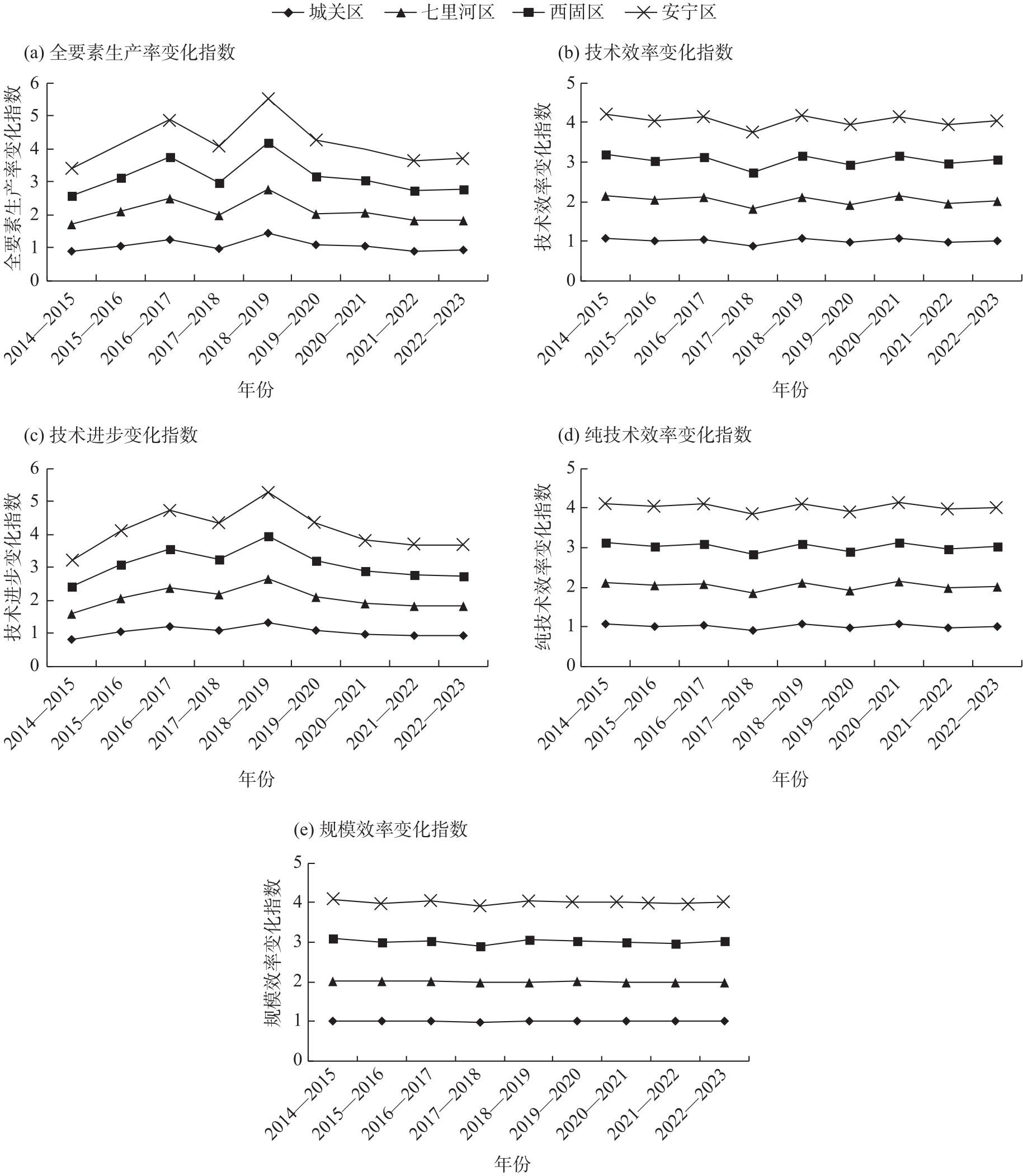
Green development in tourism transportation industry represents both a new breakthrough for the advancement of high-quality tourism development and a significant embodiment of ecological civilization construction. Accordingly, this study takes the Lanzhou City, a critical transportation hub city in western China, as a case study, employing the entropy weight method and the DEA-Malmquist index model to measure and evaluate the green development efficiency of the tourism transportation industry of Lanzhou from 2014 to 2023. The following findings were obtained: (1) In terms of spatiotemporal evolution, temporally, the comprehensive environmental cost index of Lanzhou’s tourism transportation industry demonstrates a downward trajectory, which is accompanied by enhanced green development efficiency and a generally positive development trend. In a spatial sense, the green development efficiency of tourism transportation industry in Lanzhou’s main urban areas follows a distribution pattern in which Anning District displays the highest efficiency, followed sequentially by Xigu District, Qilihe District, and Chengguan District. (2) Using the Malmquist index decomposition results, the total factor productivity of Lanzhou’s tourism transportation industry experienced slow overall growth, with Chengguan District registering the least growth and Qilihe District achieving the most. The research results can provide a reference for optimizing the green development of the tourism transportation industry in Lanzhou City and promoting regional ecological protection.
表1 兰州市旅游交通业绿色发展效率评价指标体系Tab. 1 Evaluation indicator system for green development efficiency of tourism transportation industry in Lanzhou City |
| 指标 | 一级指标 | 二级指标 | 三级指标 | 单位 | 属性 |
|---|---|---|---|---|---|
| 投入 | 劳动投入 | 人力资源储备 | 年末从业人员数量 | 104人 | + |
| 科技投入 | 科技事业费用支出 | 环保技术研发、合作交流支出 | 104元 | + | |
| 绿色出行技术推广支出 | 104元 | + | |||
| 资源投入 | 资源投入综合指数 | 总用水量 | 104 m3 | + | |
| 总用电量 | 104 kWh | + | |||
| 石油、燃油、石油液化气供应量 | 104 bbl | - | |||
| 资本投入 | 资本存量 | 固定资产投资额 | 104元 | + | |
| 产出 | 绿色GDP | 经济效益 | GDP | 104元 | + |
| 环境成本综合指数 | 交通废气排放量 | 104 t | - | ||
| 交通噪音产出量 | 104 dB | - | |||
| 交通固体废弃物排放量 | 104 t | - |
注:“+”表示正向指标;“-”表示负向指标。 |
表2 2023年兰州市各主城区的旅游交通业绿色发展效率Tab. 2 Green development efficiency of tourism transportation industry in the main urban districts of Lanzhou City in 2023 |
| 地区 | 综合技术效率 | 纯技术效率 | 规模效率 | 规模报酬 |
|---|---|---|---|---|
| 城关区 | 0.2917 | 0.3077 | 0.9480 | 规模报酬递增 |
| 七里河区 | 0.5181 | 0.5343 | 0.9696 | 规模报酬递增 |
| 西固区 | 0.7939 | 1.0000 | 0.7939 | 规模报酬不变 |
| 安宁区 | 1.0000 | 1.0000 | 1.0000 | 规模报酬不变 |
| 兰州市 | 0.1673 | 1.0000 | 0.1673 | 规模报酬不变 |
| [1] |
刘雨婧, 唐健雄. 中国旅游业绿色发展效率时空演变特征及影响机理[J]. 自然资源学报, 2022, 37(3): 681-700.
[
|
| [2] |
|
| [3] |
郇庆治. 习近平生态文明思想的科学体系研究[J]. 马克思主义与现实, 2023(1): 16-25.
[
|
| [4] |
谢晓如, 朱竑, 黄剑. 中国旅游业绿色发展的挑战与出路[J]. 旅游学刊, 2023, 38 (11): 5-8.
[
|
| [5] |
|
| [6] |
|
| [7] |
|
| [8] |
段志坚. 旅游交通需求预测方法研究综述[J]. 交通科技与管理, 2021(18): 234-236.
[
|
| [9] |
石彩霞, 贺小荣. “双碳”目标下黄河流域城市绿色发展效率测度及提升路径[J]. 干旱区地理, 2024, 47(3): 528-538.
[
|
| [10] |
郭向阳, 穆学青, 明庆忠, 等. 中国旅游交通碳排放格局及影响因素解析[J]. 地理与地理信息科学, 2022, 38(2): 129-136.
[
|
| [11] |
|
| [12] |
|
| [13] |
睢党臣, 张扬, 孟望生. 黄河流域经济绿色发展效率测度及其空间分异研究[J]. 统计与决策, 2023, 39(2): 116-119.
[
|
| [14] |
黄晶, 徐志超. 技术创新对绿色发展的空间效应与传导机制——基于长三角城市群的经验证据[J]. 工业技术经济, 2024, 43(2): 98-105.
[
|
| [15] |
赵杨, 王京, 潘为华. 中国省域新型城镇化水平与绿色发展水平的区域特征及其影响机制[J]. 经济地理, 2023, 43(9): 1-9.
[
|
| [16] |
|
| [17] |
|
| [18] |
|
| [19] |
胡志毅. 基于DEAMalmquist模型的中国旅行社业发展效率特征分析[J]. 旅游学刊, 2015, 30(5): 23-30.
[
|
| [20] |
方应波. 我国绿色发展评价指标体系研究综述——基于文献计量与社会网络分析[J]. 科技管理研究, 2021, 41(18): 73-79.
[
|
| [21] |
郝淑双, 朱喜安. 中国区域绿色发展水平影响因素的空间计量[J]. 经济经纬, 2019, 36(1): 10-17.
[
|
| [22] |
张宇果. 城市群绿色发展效率及影响因素研究[D]. 重庆: 重庆大学, 2019.
[
|
| [23] |
傅春, 欧阳欢蕤, 赵雪茹. 基于DEA及Malmquist指数模型的江西省绿色发展效率测度与评价[J]. 生态经济, 2020, 36(6): 51-57, 172.
[
|
| [24] |
孟望生, 刘华桢, 张扬. 黄河流域七大城市群绿色发展效率测度及特征分析[J]. 干旱区地理, 2023, 46(5): 846-856.
[
|
| [25] |
鹿晨昱, 黄萍, 张彤, 等. 甘肃省绿色发展效率时空演化与驱动因素研究[J]. 干旱区地理, 2023, 46(2): 305-315.
[
|
| [26] |
余焕, 雷敏, 马金晶, 等. 基于绿色GDP和生态效率的区域可持续发展研究——以陕西省为例[J]. 干旱区地理, 2023, 46(2): 284-293.
[
|
| [27] |
凌娟. “绿色发展”国内外研究综述[J]. 中国市场, 2023(3): 55-57.
[
|
| [28] |
赵国甫, 赵家辉. 绿色发展研究综述[J]. 环境保护与循环经济, 2022, 42(11): 4-6, 10.
[
|
| [29] |
李晋红, 朱学昱. 基于DEA-Malmquist指数模型的绿色发展效率测度与评价——以甘肃省为例[J]. 湖北农业科学, 2022, 61(8): 184-191.
[
|
| [30] |
|
| [31] |
|
| [32] |
|
/
| 〈 |
|
〉 |