



Research progress on water purification function of wetland and its quantitative evaluation
Received date: 2024-06-05
Revised date: 2024-11-12
Online published: 2026-03-12
Copyright
The quantitative assessment of wetland water purification functions is important for wetland restoration and water environment management. Based on the literature review, the purification mechanisms of wetlands for suspended solids, organic matter and nutrients have been summarized. The types, advantages and disadvantages, and limiting factors of constructed wetlands were analyzed. The functions of constructed wetlands in purifying new pollutants and reducing greenhouse gas emissions need to be further enhanced. In addition, the quantitative assessment methods for the water purification function of natural wetlands have been summarized, and the driving factors and limiting factors of the hydrological, hydrodynamic and vegetation modules in the numerical simulation have been sorted out. Additionally, a notable contribution of this review is its focus on the advantages of assessing water purification functions from the perspective of wetland complexes within a watershed. This approach provides valuable insights for establishing appropriate pollutant concentration control thresholds, which are particularly relevant in the context of wetland ecological restoration projects, comprehensive water quality improvement efforts across entire watersheds, and the planning and implementation of water transfer projects for lake wetlands. Finally, the review proposes future research directions based on an analysis of current research trends and identified gaps in the field of wetland water purification studies. It suggests a strategic shift in focus from single wetland research to a broader watershed scale perspective that considers wetland complexes. The review also advocates for increasing the density of data monitoring in key water quality areas, establishing long-term and large-scale ecological databases, and developing integrated models of large-scale wetland complexes. These initiatives are conducive to enhancing the ecological construction level of the entire river watershed in China and the water purification capacity of wetlands.
Zhao Ziyue , Liu Xuemei , Zhang Guangxin , Wu Yanfeng , Dai Changlei , Xia Chunlong . Research progress on water purification function of wetland and its quantitative evaluation[J]. Wetland Science, 2025 , 23(3) : 634 -644 . DOI: 10.13248/j.cnki.wetlandsci.20240157
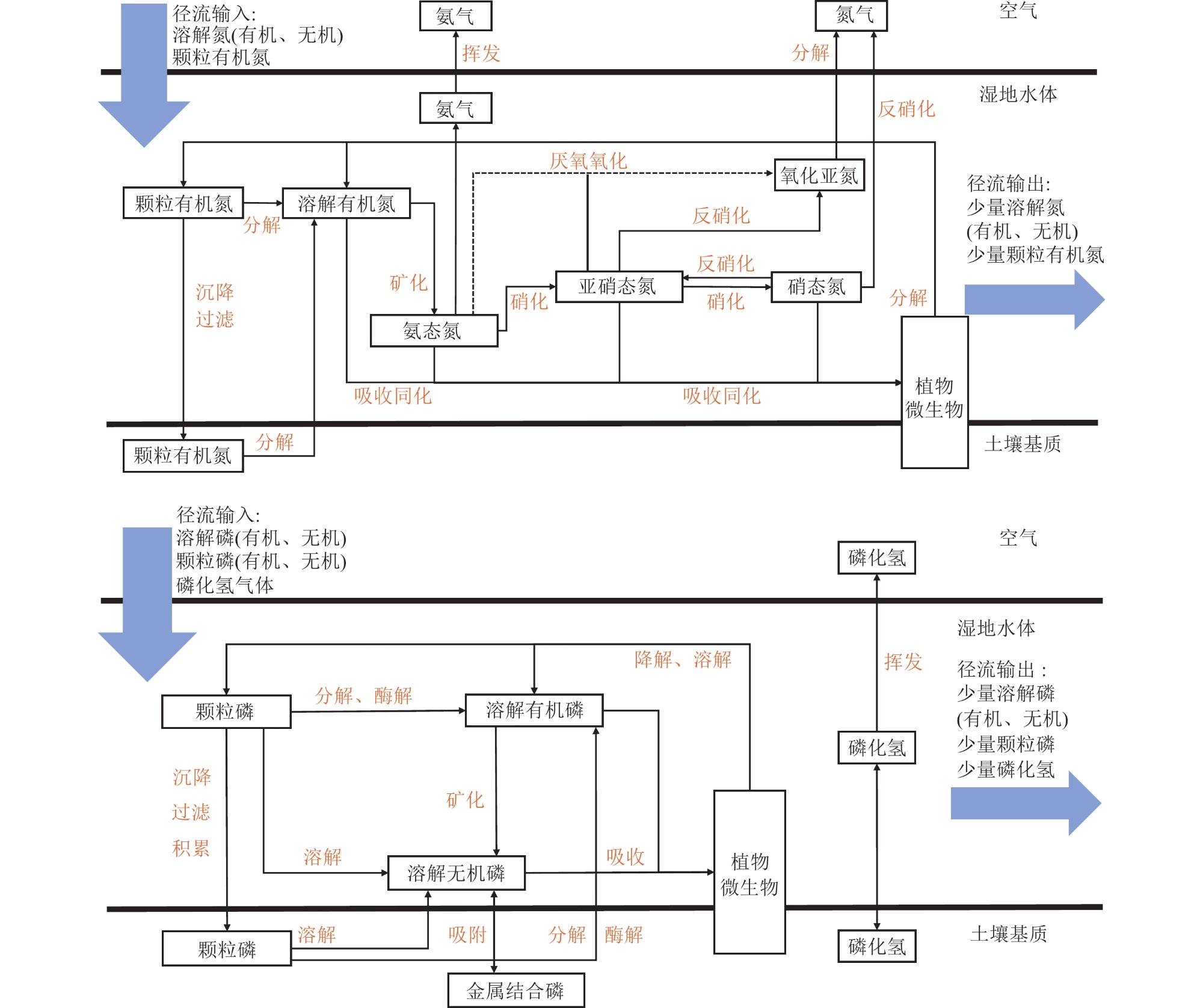
1 Components of wetlands and their influence mechanisms on water purification processes湿地各组成部分及其对水质净化过程的影响机制 |
2 Types and basic attribute characteristics of artificial wetlands人工湿地类型及基本属性特征 |
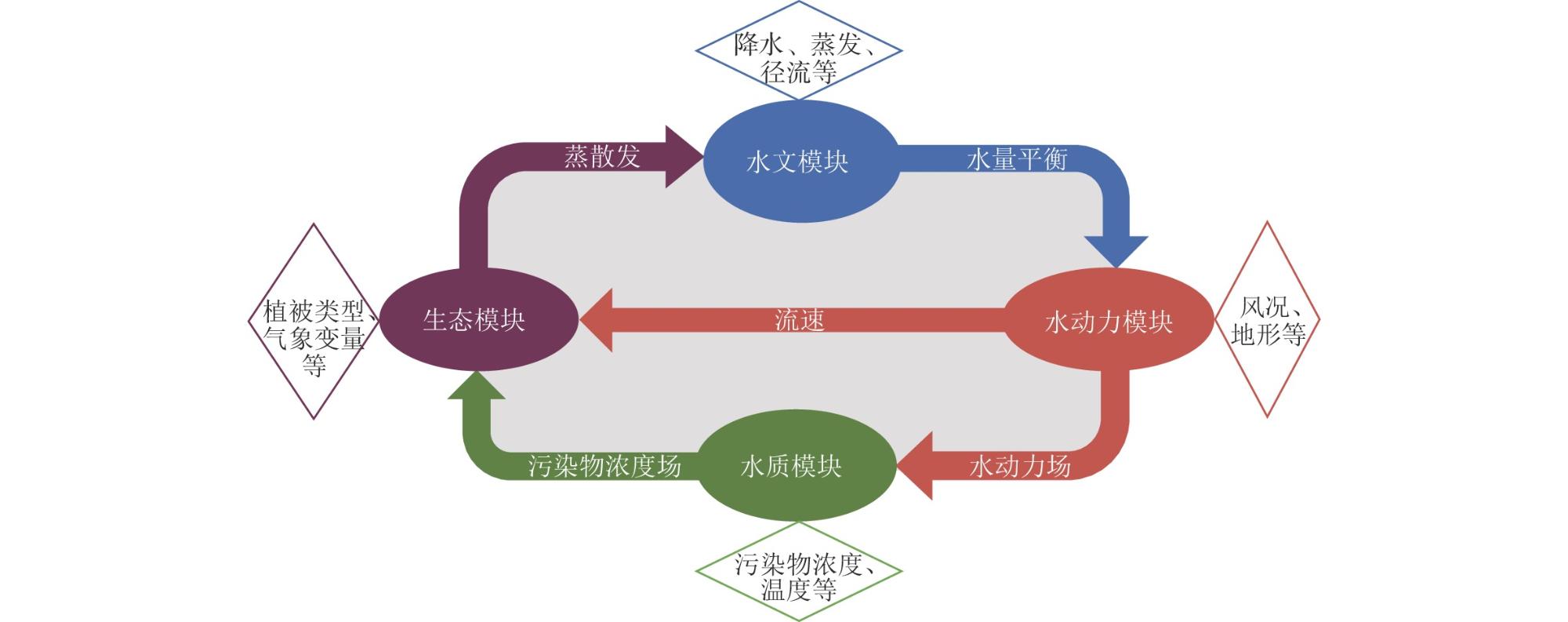
3 Commonly used hydrodynamic-water quality purification assessment models常用的水动力-水质净化评估模型 |
| 模型 | 适用空间 | 变量 | 优点 | 不足 |
| WASP | 三维 | 藻类、叶绿素a、溶解氧、营养盐、浮游植物 | 结构灵活、功能强大 | 计算配置要求高、沉积物模块简化 |
| MIKE3 | 三维 | 溶解氧、浮游动物、藻类、营养盐 | 对大型水体的模拟精度高 | 无反硝化过程解析、 不能解释藻类爆发 |
| ERSEM | 三维 | 细菌、藻类、营养盐、浮游动植物、有机物、鱼类 | 可以进行浮游层与地层模拟 | 只用于大型水体与湖泊湿地 |
| EFDC | 三维 | 水位、温度、溶解氧、水生植被、藻类、碳 | 模拟水动力、水质、水生态过程 | 要求基础数据种类多数量大 |
| MOHID | 三维 | 浮游动植物、藻类、营养盐、溶解氧、有机物 | 模拟方式灵活 | 未将营养盐与重金属间的关系联系 |
| CE-QUAL-W2 | 二维 | 藻类、营养盐、溶解氧、有机碳、水生植被、碎屑 | 模拟沉积层与沉积物的交互关系 | 未考虑微生物影响 |
| 1 |
| 2 |
| 3 |
| 4 |
| 5 |
| 6 |
| 7 |
| 8 |
| 9 |
| 10 |
| 11 |
| 12 |
| 13 |
| 14 |
| 15 |
| 16 |
| 17 |
| 18 |
| 19 |
| 20 |
| 21 |
| 22 |
| 23 |
| 24 |
| 25 |
| 26 |
| 27 |
| 28 |
| 29 |
| 30 |
| 31 |
| 32 |
| 33 |
| 34 |
| 35 |
| 36 |
| 37 |
| 38 |
| 39 |
| 40 |
| 41 |
| 42 |
| 43 |
| 44 |
| 45 |
| 46 |
| 47 |
| 48 |
| 49 |
| 50 |
| 51 |
| 52 |
| 53 |
| 54 |
| 55 |
| 56 |
| 57 |
| 58 |
| 59 |
| 60 |
| 61 |
| 62 |
| 63 |
| 64 |
| 65 |
| 66 |
| 67 |
| 68 |
| 69 |
| 70 |
| 71 |
| 72 |
| 73 |
| 74 |
| 75 |
| 76 |
| 77 |
| 78 |
| 79 |
| 80 |
| 81 |
/
| 〈 |
|
〉 |