Determination of CO2 content in high-temperature geothermal reservoirs: A combined method of temperature-flow pressure well testing and two-phase flow simulation
|
LIU Jun,male,born in 1986,senior engineer,focusing on geothermal development. E-mail:liujun02@cnnp.com.cn |
Received date: 2025-03-26
Revised date: 2025-04-12
Online published: 2025-11-06
Supported by
National Natural Science Foundation of China(U2344226)
National Natural Science Foundation of China(42472364)
CNNC’s centralized R & D project “Research on Key Technologies of geothermal exploration, development and utilization”
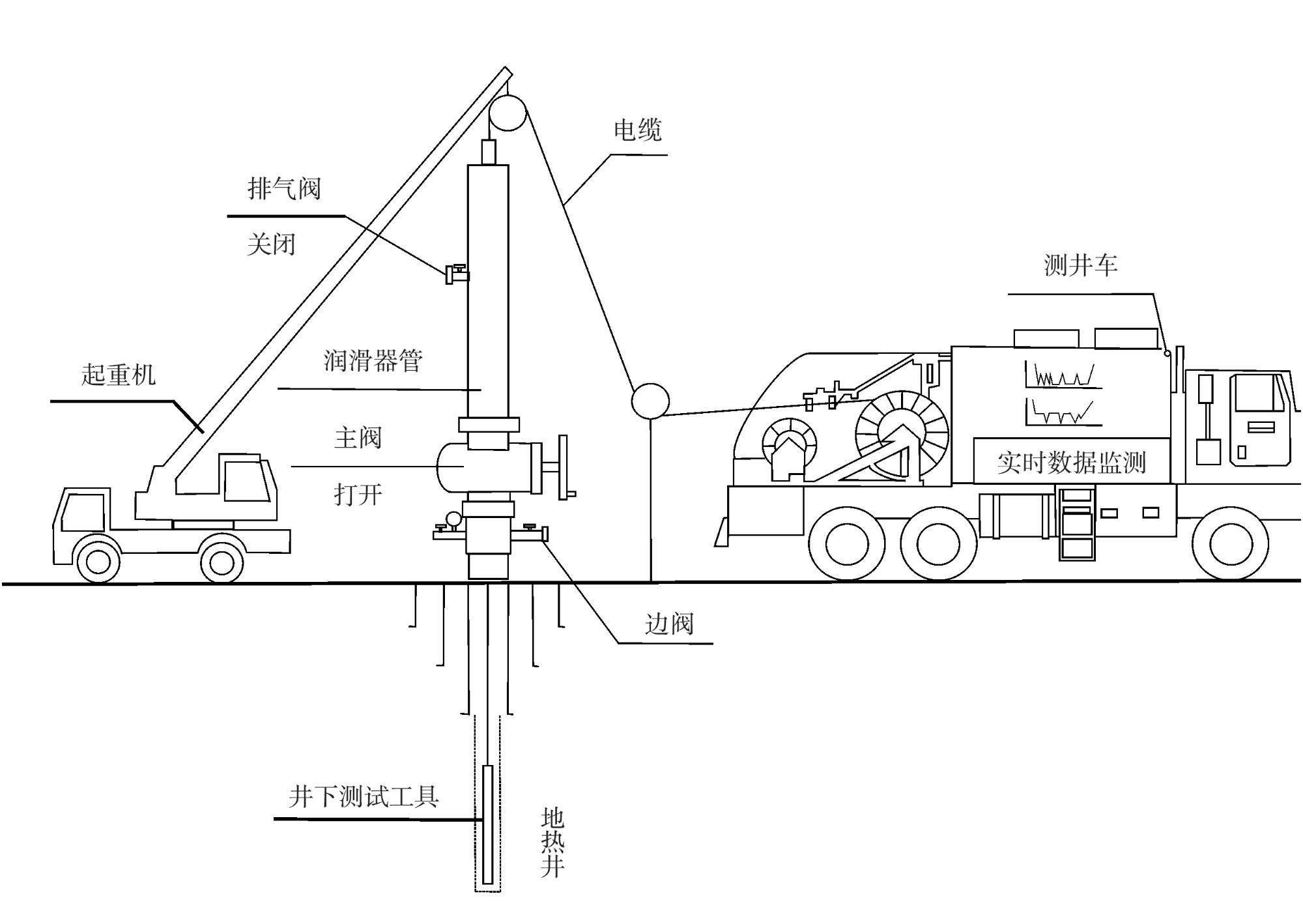
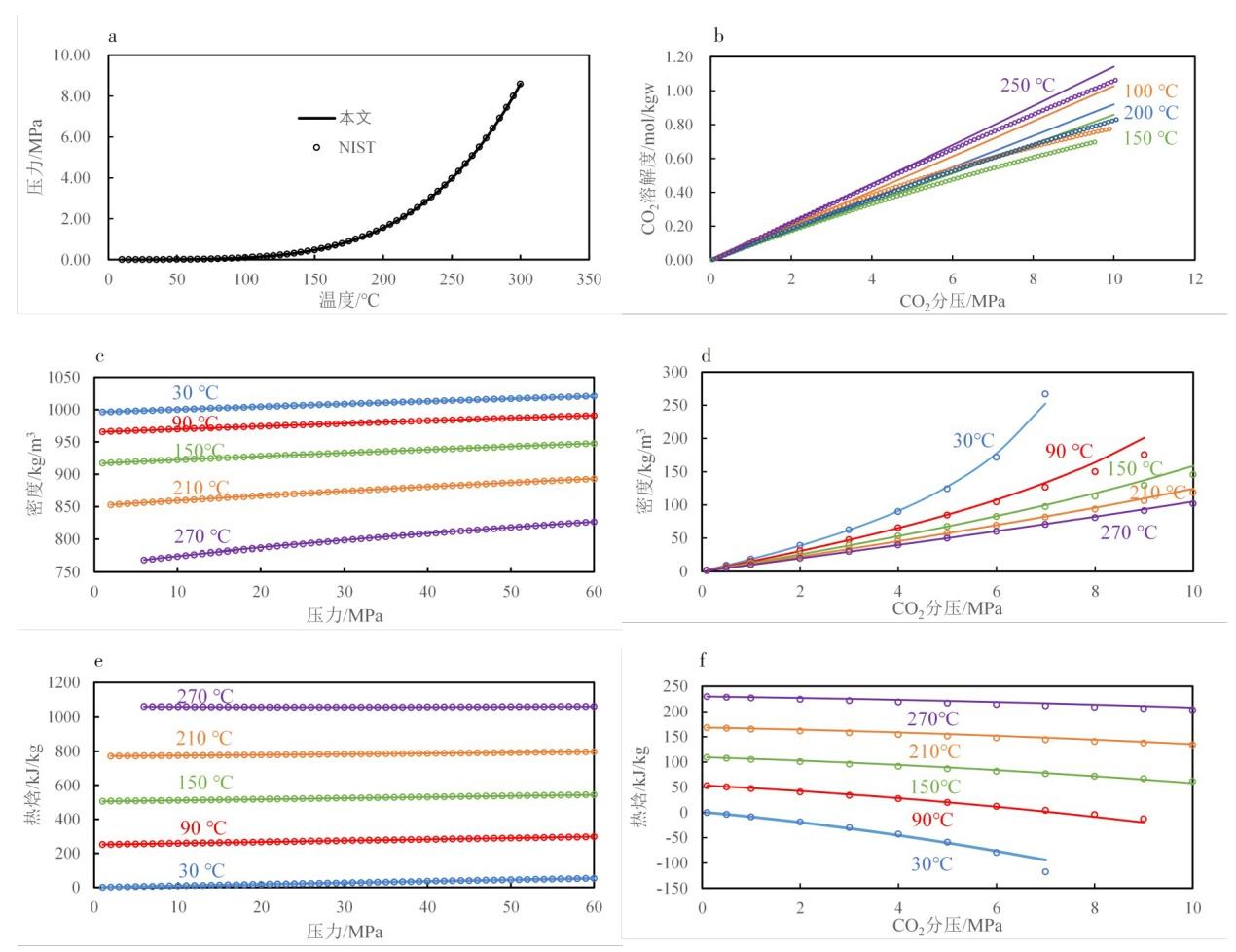
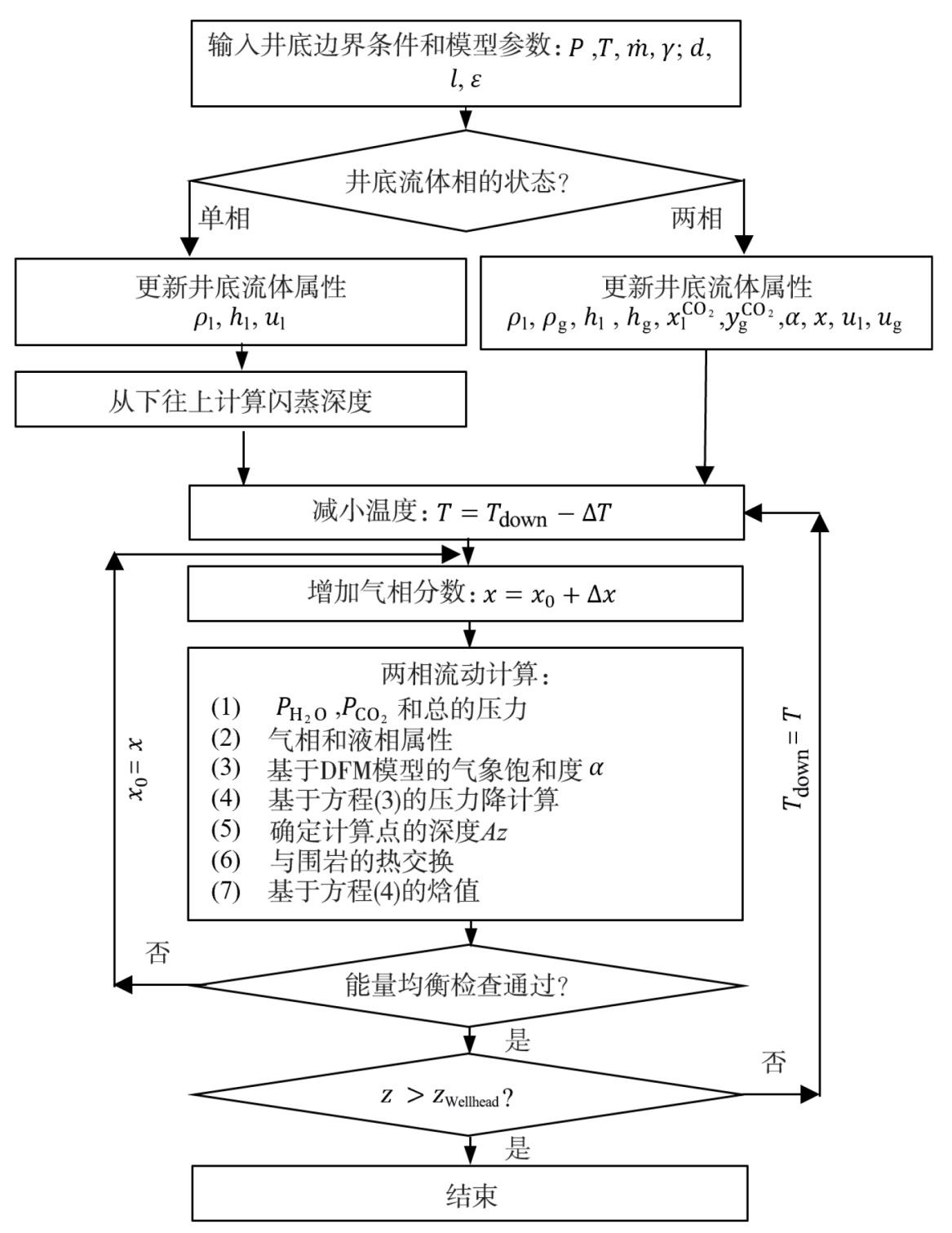
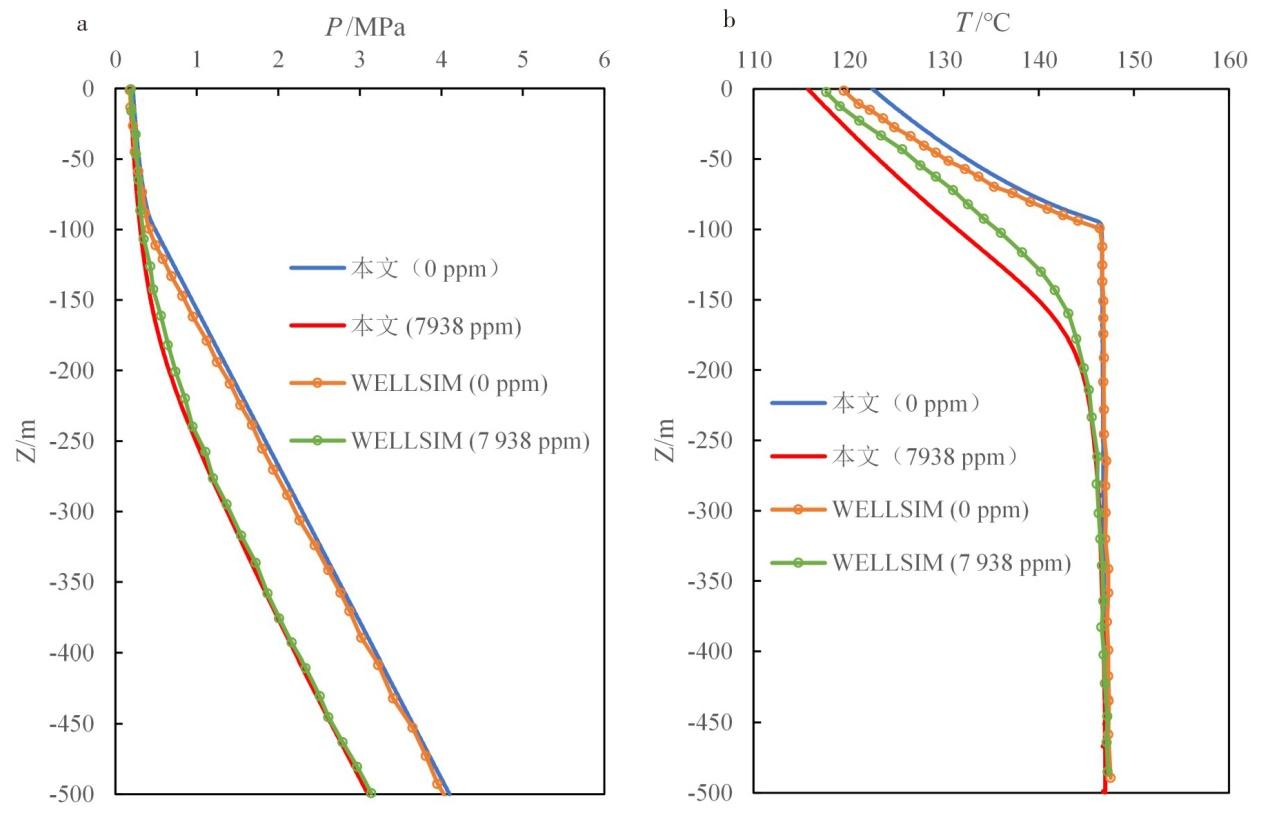
CO2 is the main component of non-condensable gas in high-temperature geothermal fluid and its existence still have important impact on geothermal development. Determining its content in high-temperature geothermal fluid is of great significance for geothermal development. The conventional sampling and testing analysis of CO2 content determination has some drawbacks, such as insufficient sampling representativeness,cumbersome implementation process and high sampling cost. Based on the pressure-temperature measurement in the wellbore during discharge tests and two-phase flow calculation, this paper proposed a new method to determine CO2 content in the geothermal reservoirs. This method only uses a large number of relatively reliable measured data of temperature and pressure, it has low cost, strong practicability and good reliability. This paper first describes the pressure-temperature measurement during discharge tests. Then constructs a model that solves the two-phase flow in the geothermal wellbore, which was verified by comparison with the commercial software WELLSIM, and determine CO2 content by using both the wellbore pressure-temperature measurement and model calculation data. Finally, the method was tested and verified by using the measured data from Gulu geothermal field in Tibet and the Ziledaer geothermal field in Turkey, and the CO2 contents in the geothermal reservoir were determined to be 1.1 % and 3.2 % respectively.
LIU Jun , LEI Hongwu , SUN Guoqiang , XIE Yingchun , BAI Bing . Determination of CO2 content in high-temperature geothermal reservoirs: A combined method of temperature-flow pressure well testing and two-phase flow simulation[J]. World Nuclear Geoscience, 2025 , 42(3) : 607 -618 . DOI: 10.3969/j.issn.1672-0636.2025.03.011
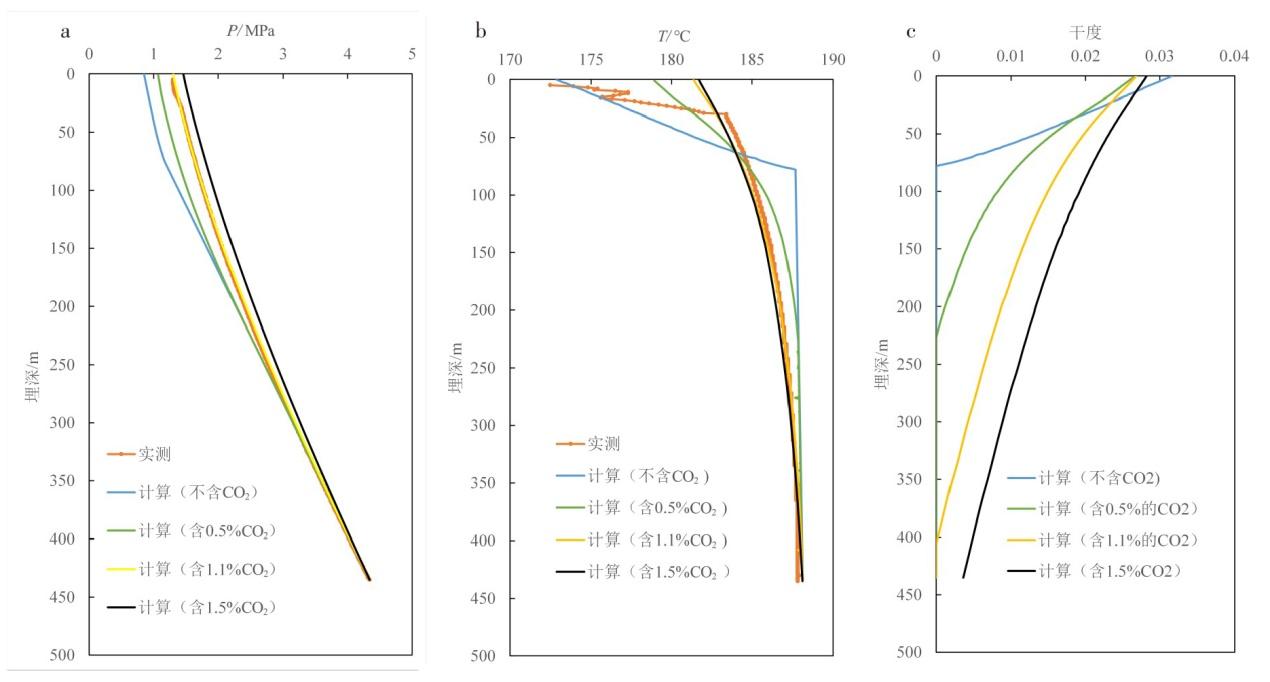
表1 西藏谷露地热田井筒两相流动计算输入参数Table 1 Input parameters for two-phase flow calculation in the Gulu geothermal field |
| 模型参数 | 取值 |
|---|---|
| 井筒直径/m | 0.22 |
| 井筒套管长度/m | 435 |
| 套管底部位置压力/MPa | 4.34 |
| 套管底部位置温度/℃ | 188.1 |
| 质量速率/(kg·s-1) | 86.94 |
| 套管底部位置CO2质量分数 | 反演 |
| 套管摩擦系数/m | 4.5×10⁻⁵ |
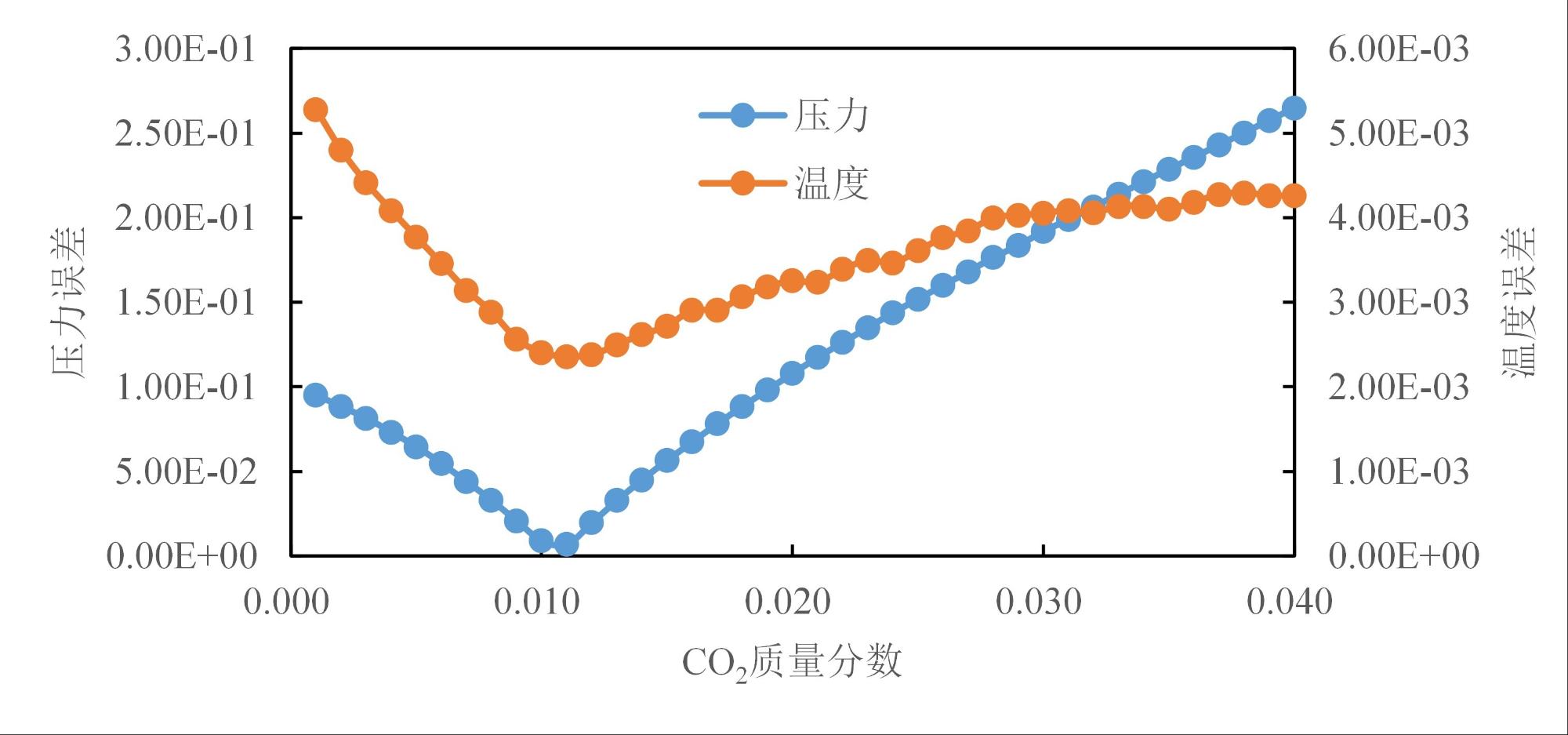
图5 谷露地热田不同CO2含量计算与测量相对误差Fig. 5 Relative error for different CO2 content between calculations and measurements in the Gulu geothermal field |
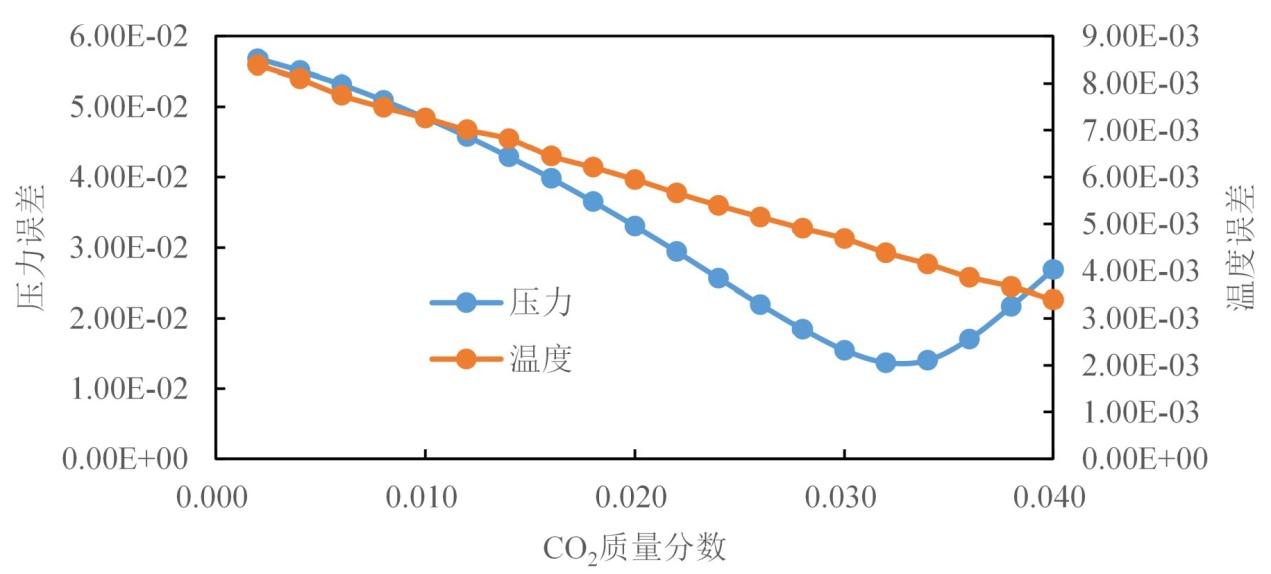
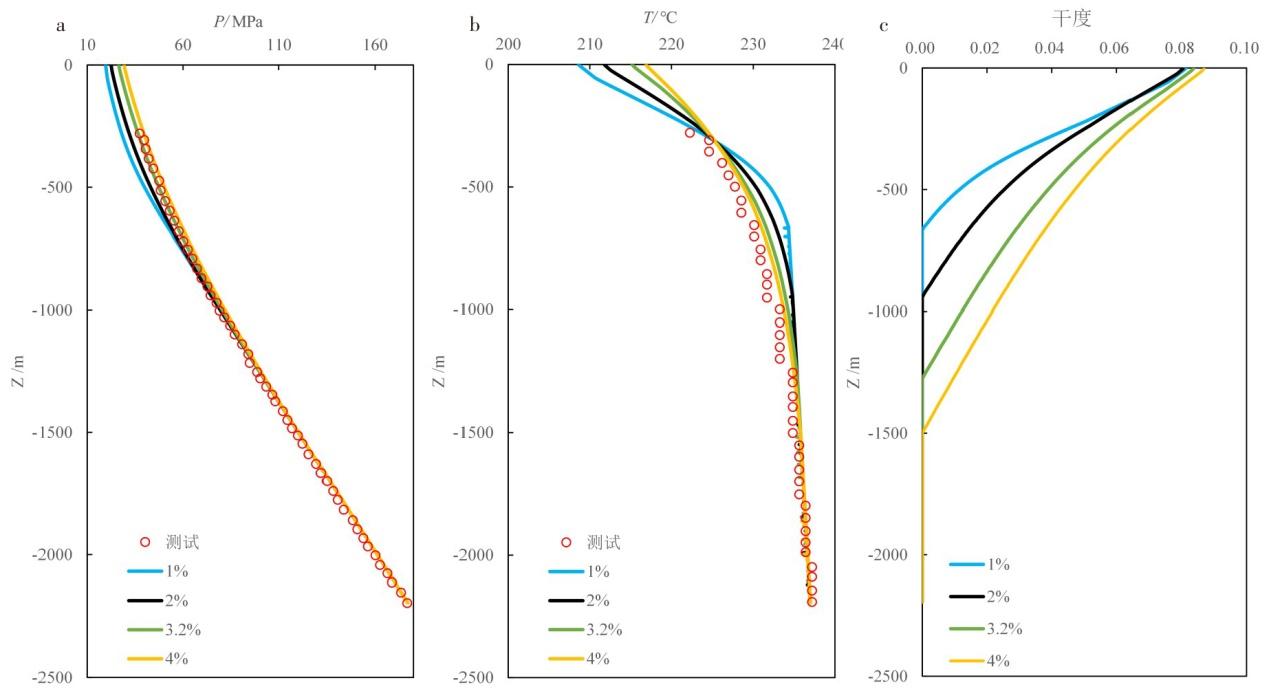
表2 土耳其克孜勒代尔地热田井筒两相流动计算输入参数Table 2 Input parameters for two-phase flow calculation in the Kizildere geothermal filed,Turkey |
| 模型参数 | 取值 |
|---|---|
| 井筒直径/m | 0.24 |
| 井筒套管长度/m | 2 195 |
| 套管底部位置压力/MPa | 17.7 |
| 套管底部位置温度/℃ | 237 |
| 质量速率/(kg·s-1) | 49.4 |
| 套管底部位置CO2质量分数 | 反演 |
| 套管摩擦系数/m | 4.5×10⁻⁵ |
| 1 |
张渡, 李臻. 西藏羊八井地热电站闪蒸蒸汽中不凝结气体的测定[J]. 热力发电, 1982(8):30-37.
|
| 2 |
|
| 3 |
|
| 4 |
|
| 5 |
吴儒杰, 郑冉, 张松, 等. 西藏谷露地热田ZK401高温地热井钻井工艺技术[J]. 世界核地质科学, 2024, 41(1):117-128.doi:10.3969/j.issn.1672-0636.2024.011
|
| 6 |
张松, 郝伟林, 胡先才, 等. 地热井温度测井在热储层分析中的应用[J]. 世界核地质科学, 2023, 40(3):843-851.
|
| 7 |
|
| 8 |
|
| 9 |
|
| 10 |
雷宏武, 白冰, 崔银祥, 等. 高温地热生产井碳酸钙结垢定量评价:两相流动——以西藏羊八井为例[J]. 地球科学, 2023, 48(3): 923-934.
|
| 11 |
|
| 12 |
|
| 13 |
|
| 14 |
|
| 15 |
|
| 16 |
|
| 17 |
刘昭. 西藏尼木-那曲地热带典型高温地热系统形成机理研究[D]. 北京: 中国地质科学院, 2014.
|
| 18 |
郑克棪, 郑帆. 中国地热发电产业前景探讨[J]. 中外能源, 2020, 25(11):17-23.
|
| 19 |
高洪雷, 胡志华, 万汉平, 等. 西藏谷露地热田地热地质特征[J]. 地球科学, 2023, 48(3):1014-1029.
|
| 20 |
|
/
| 〈 |
|
〉 |