



基于多源降水融合资料的伊犁河流域极端降水特征
|
古丽扎尔·莫明(1998-),女,硕士研究生,主要从事空间信息分析与应用研究. E-mail: gz2233711745@163.com |
收稿日期: 2025-03-25
修回日期: 2025-07-08
网络出版日期: 2026-03-12
基金资助
新疆维吾尔自治区天山英才高层次领军人才项目(2022TSYCLJ0003)
新疆维吾尔自治区重点研发计划项目(2023B03019-1)
第三次新疆综合科学考察项目(2022xjkk0601)
Precipitation characteristics in Yili River Basin at different time scales based on multisource precipitation fusion data
Received date: 2025-03-25
Revised date: 2025-07-08
Online published: 2026-03-12
古丽扎尔·莫明 , 杨涛 , 杨莲梅 , 卢新玉 . 基于多源降水融合资料的伊犁河流域极端降水特征[J]. 干旱区研究, 2025 , 42(11) : 1949 -1965 . DOI: 10.13866/j.azr.2025.11.01
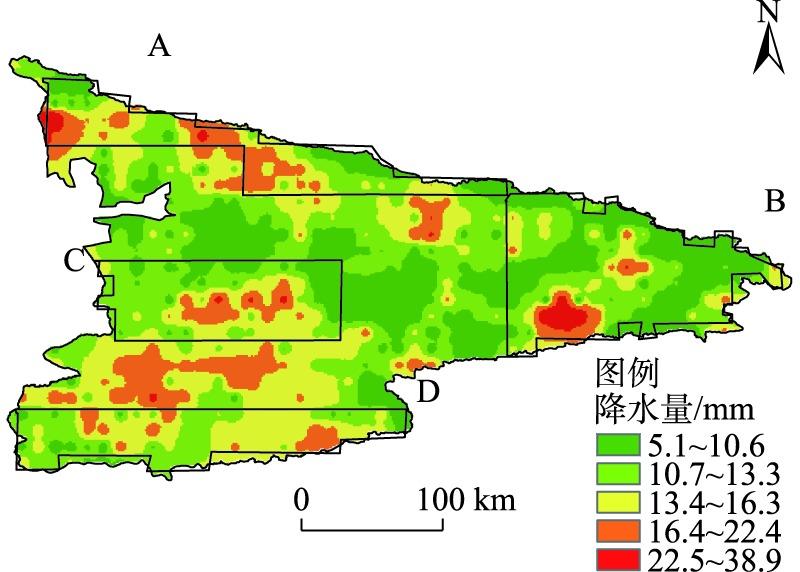
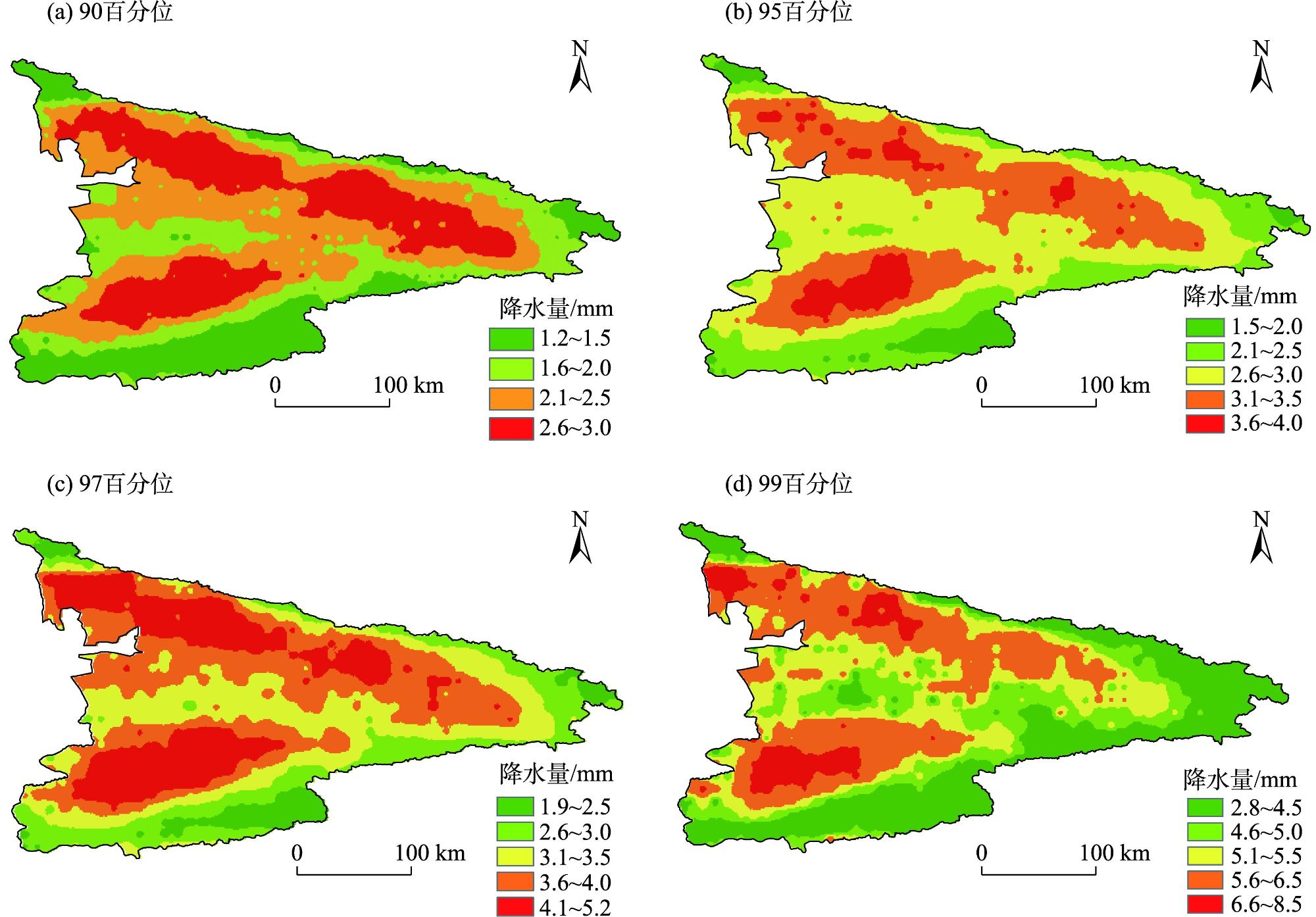
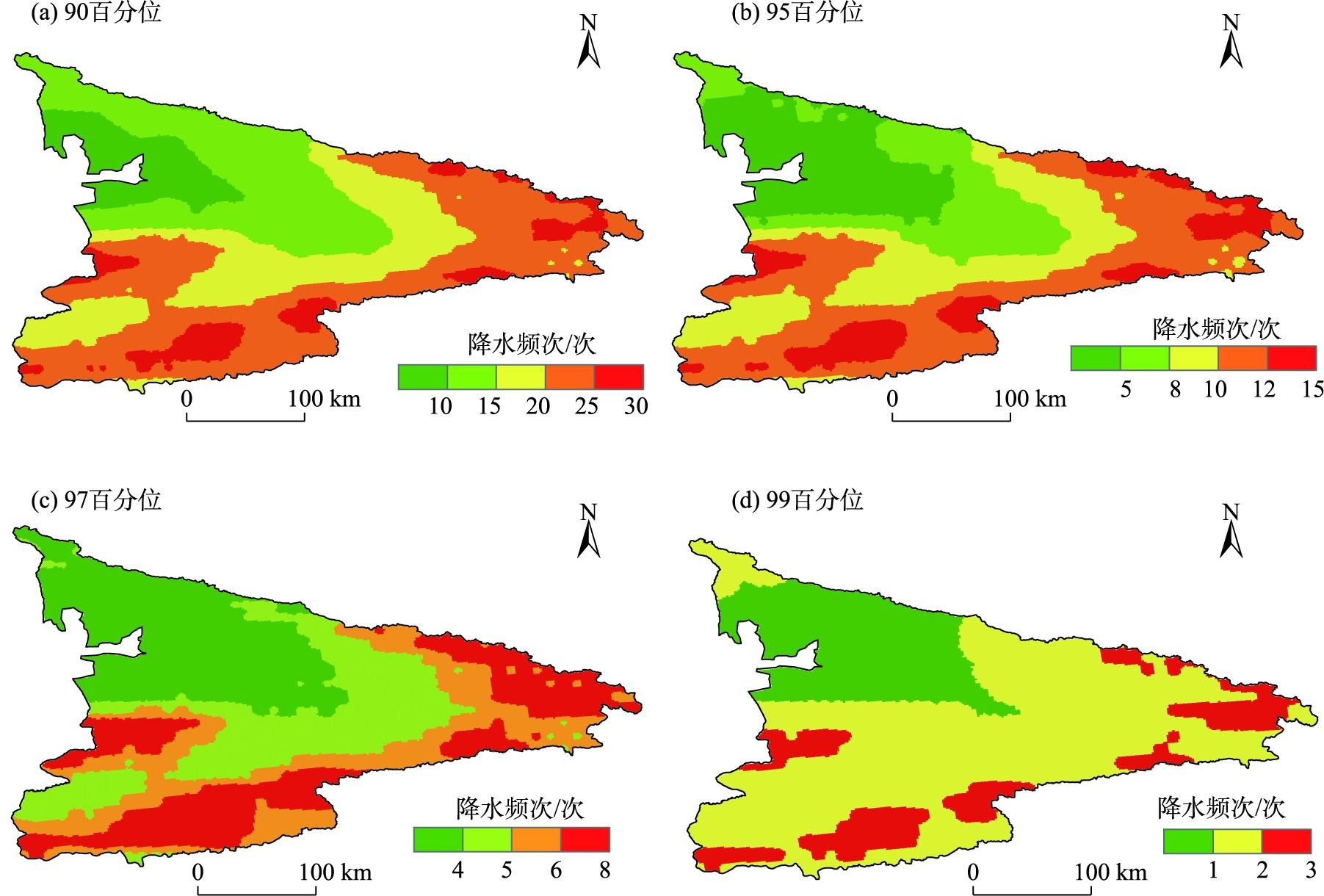
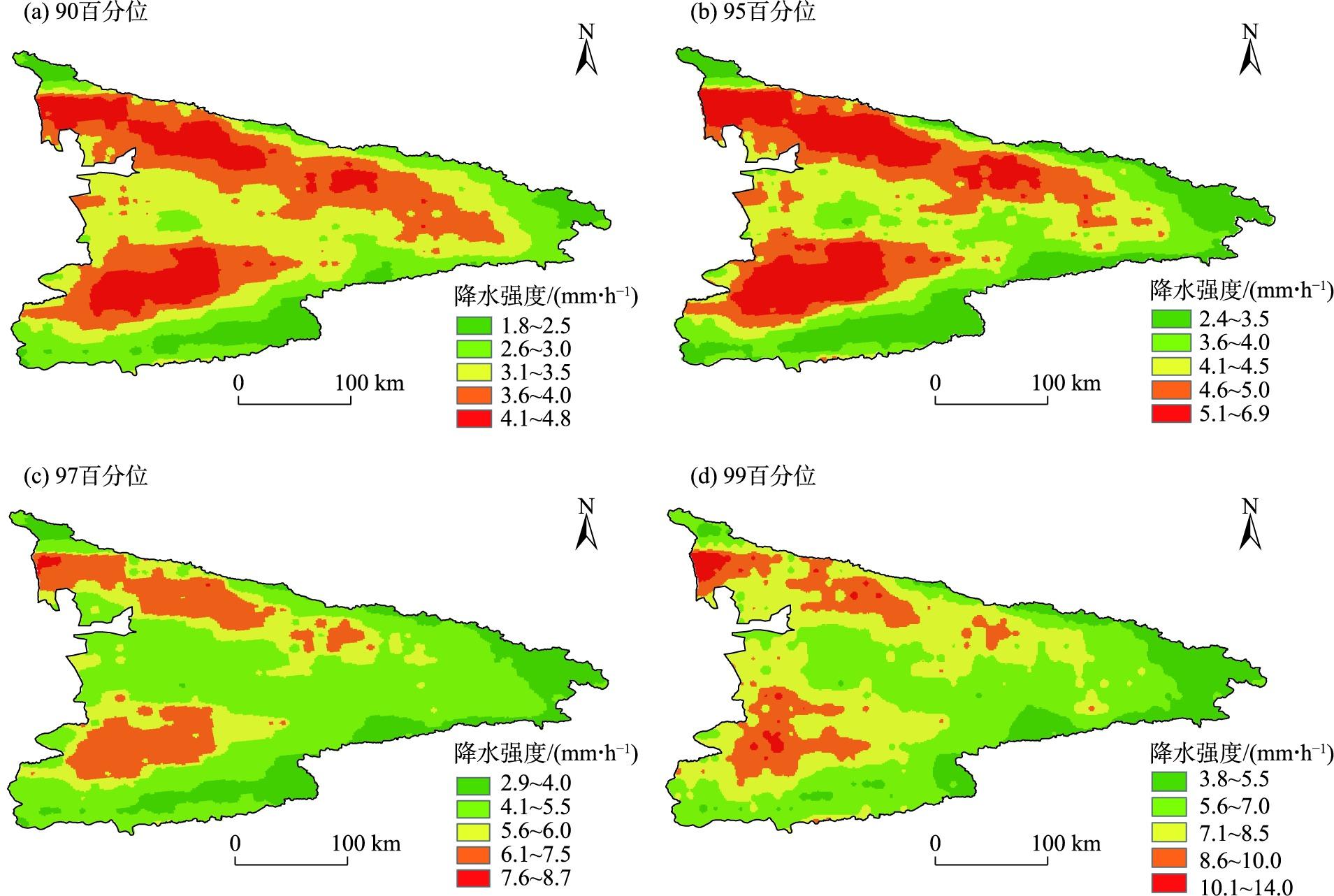
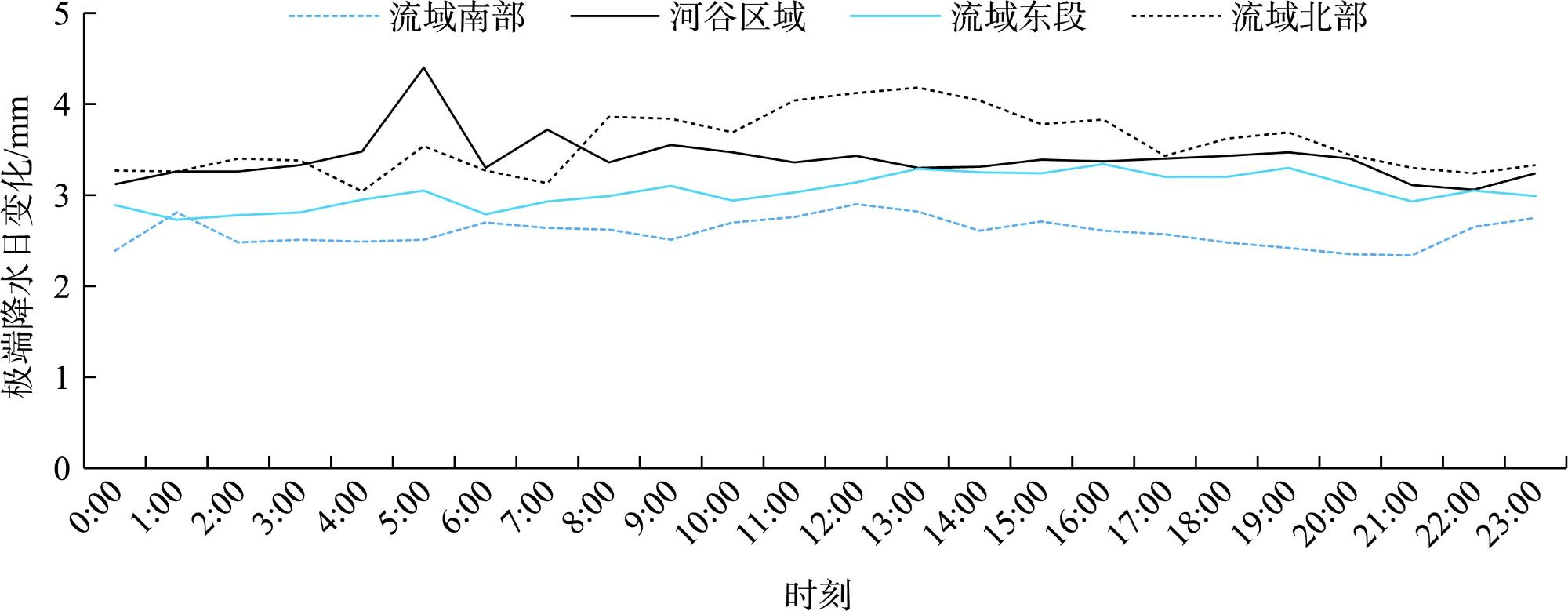
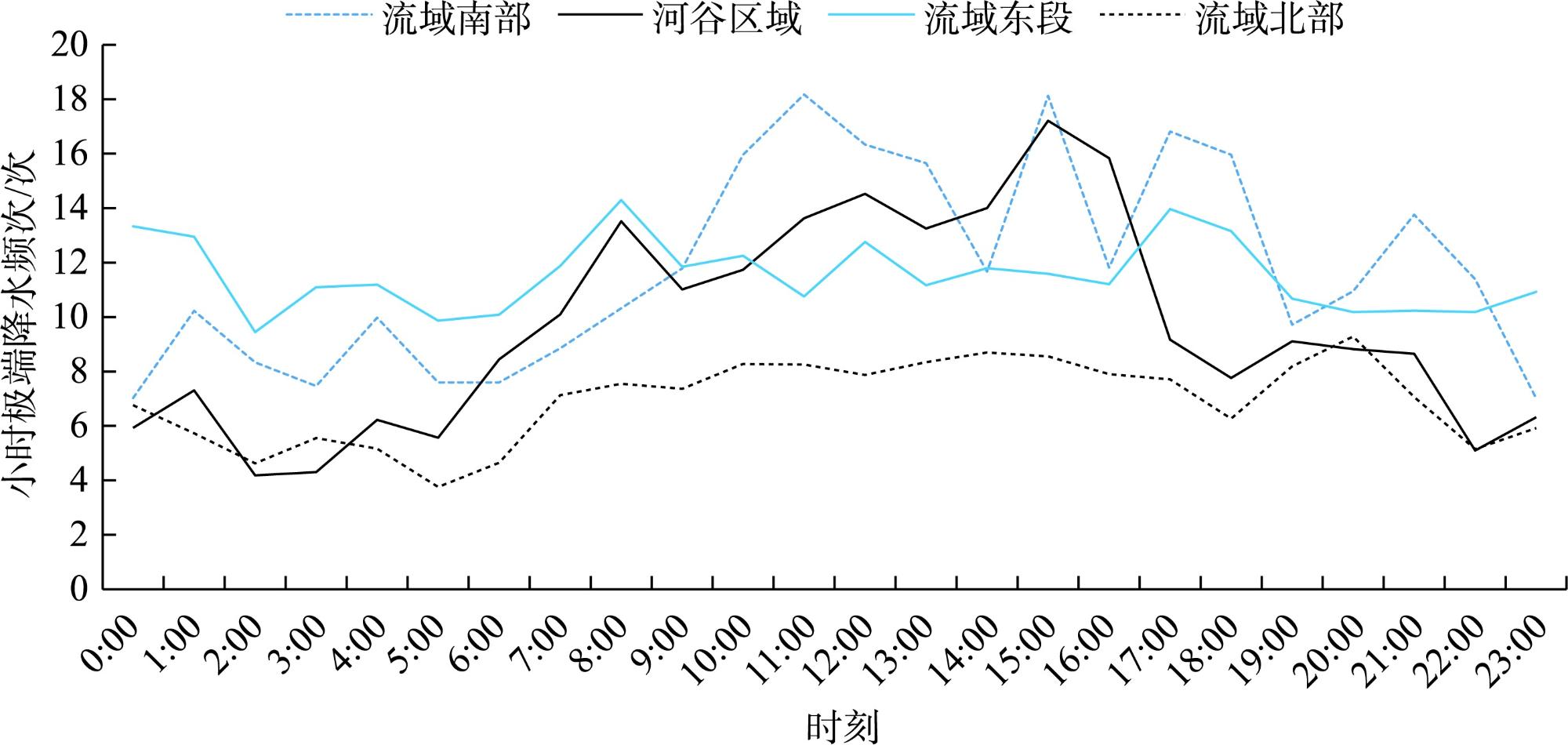
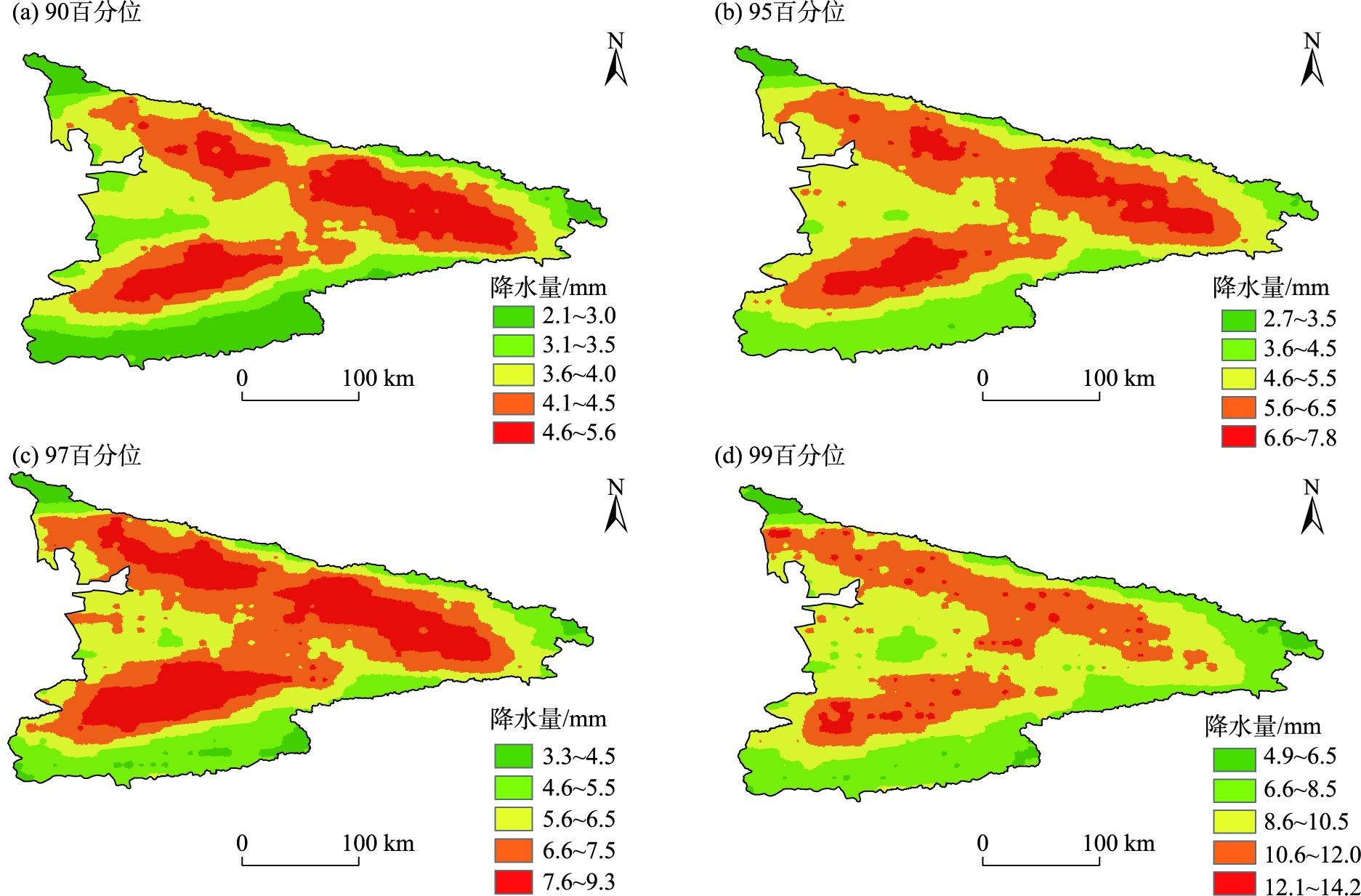
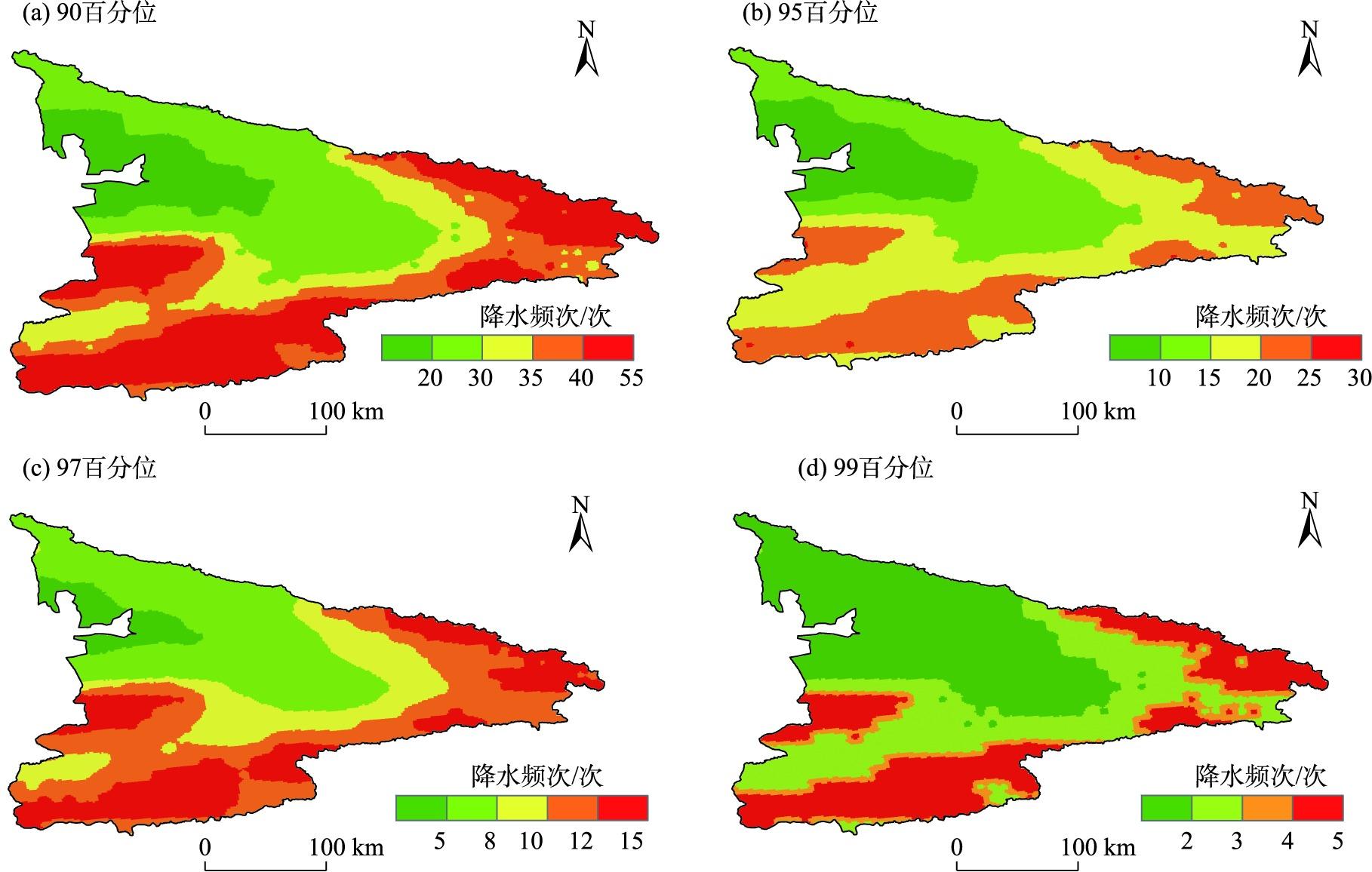
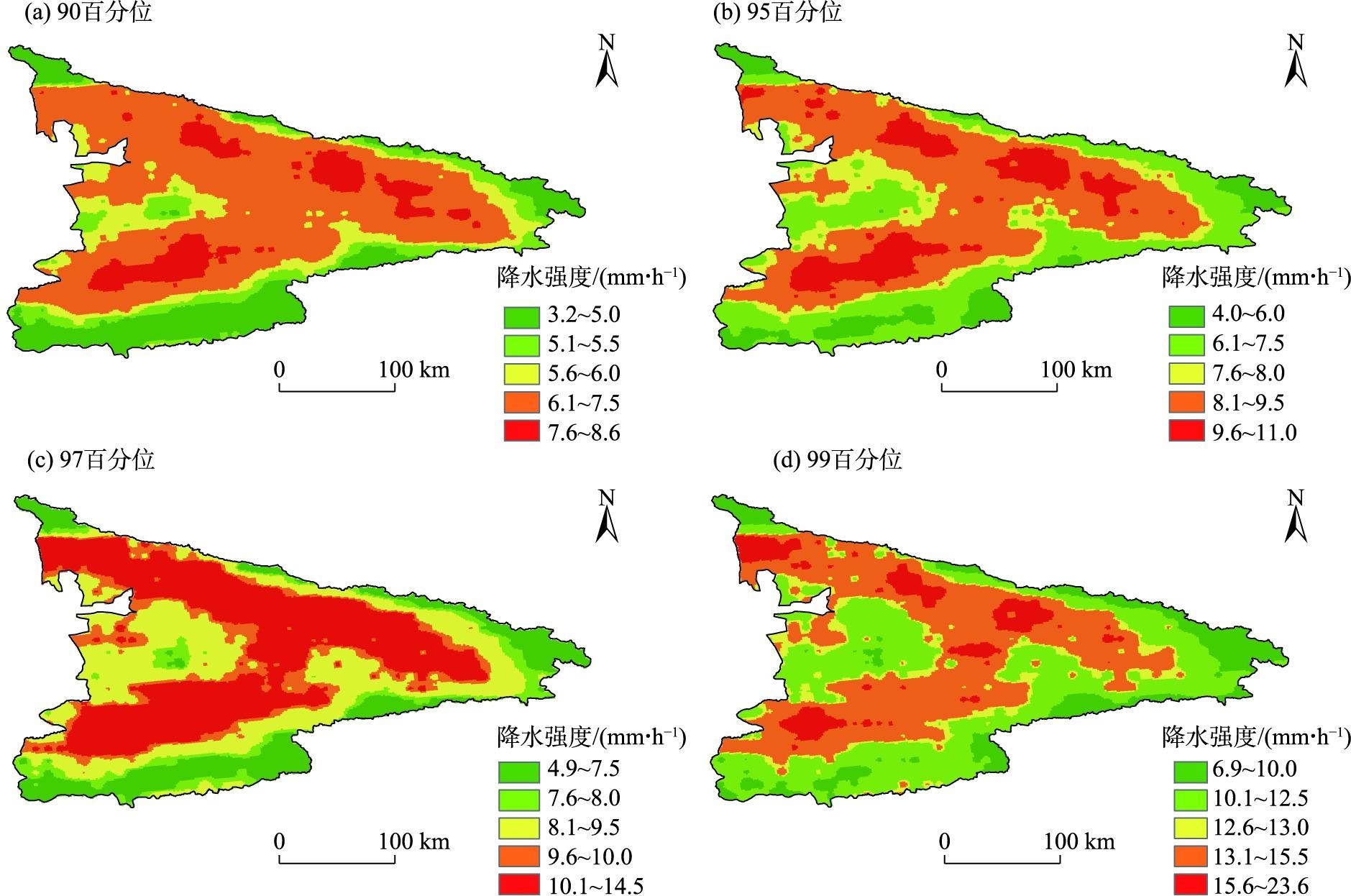
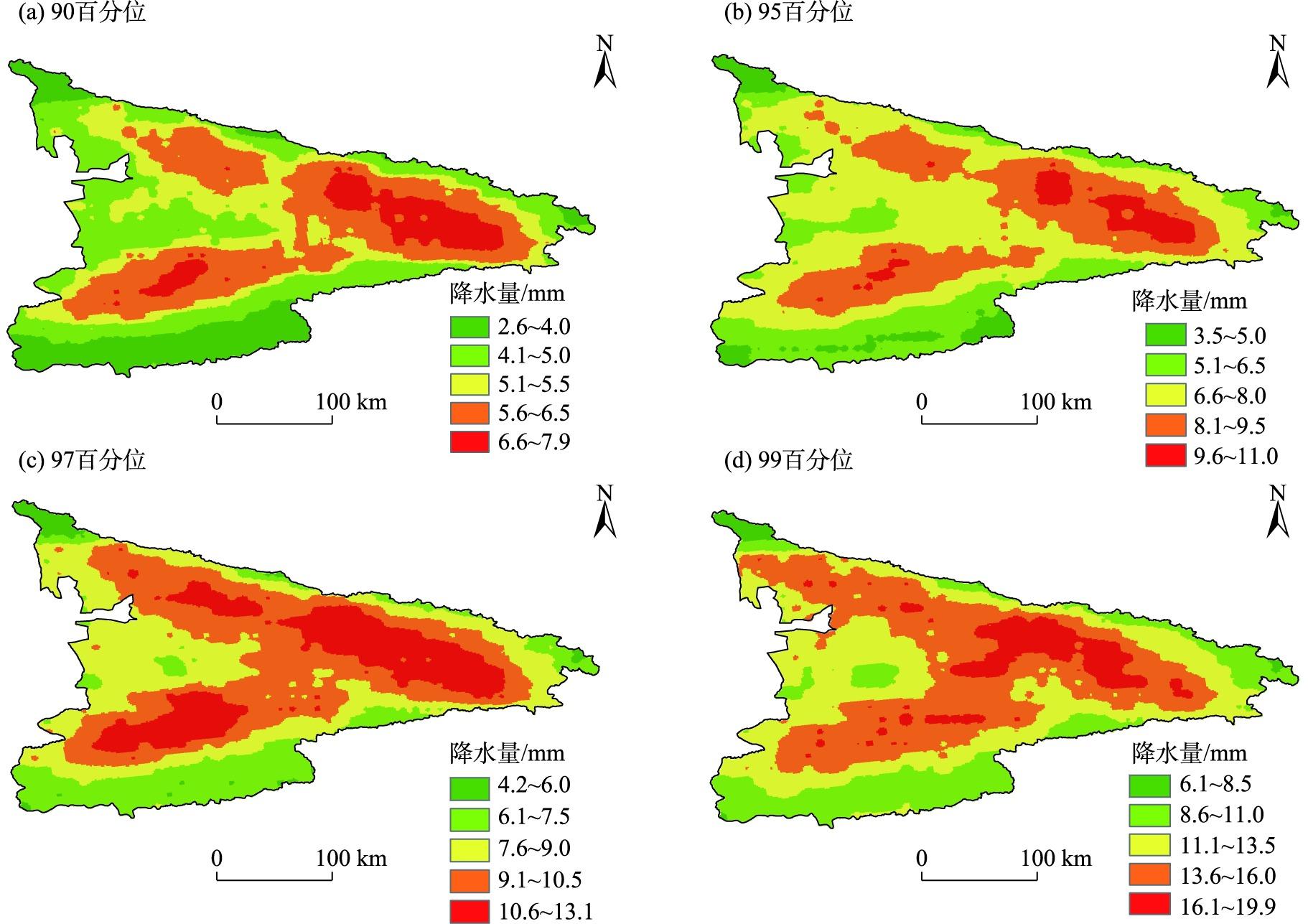
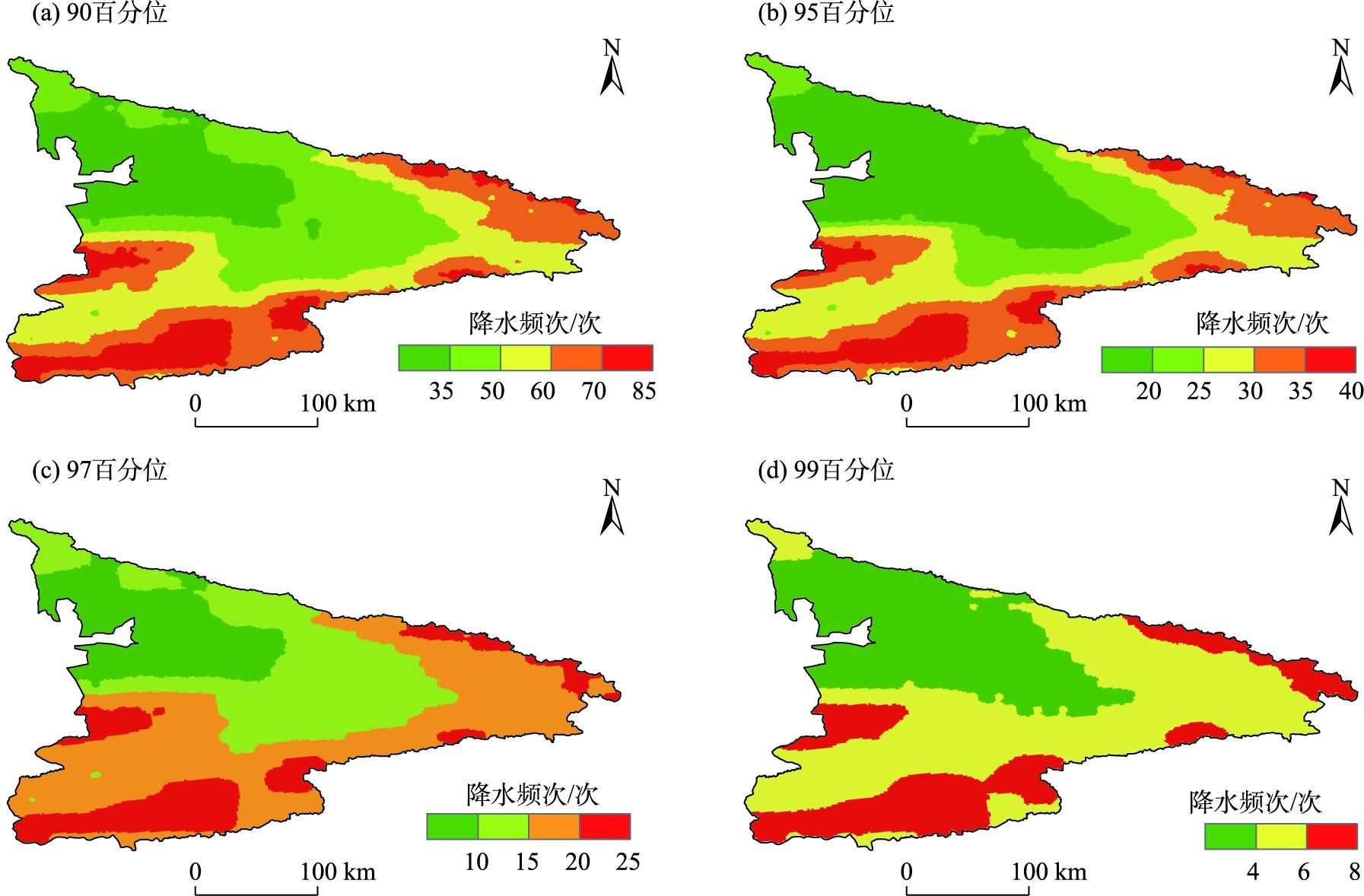
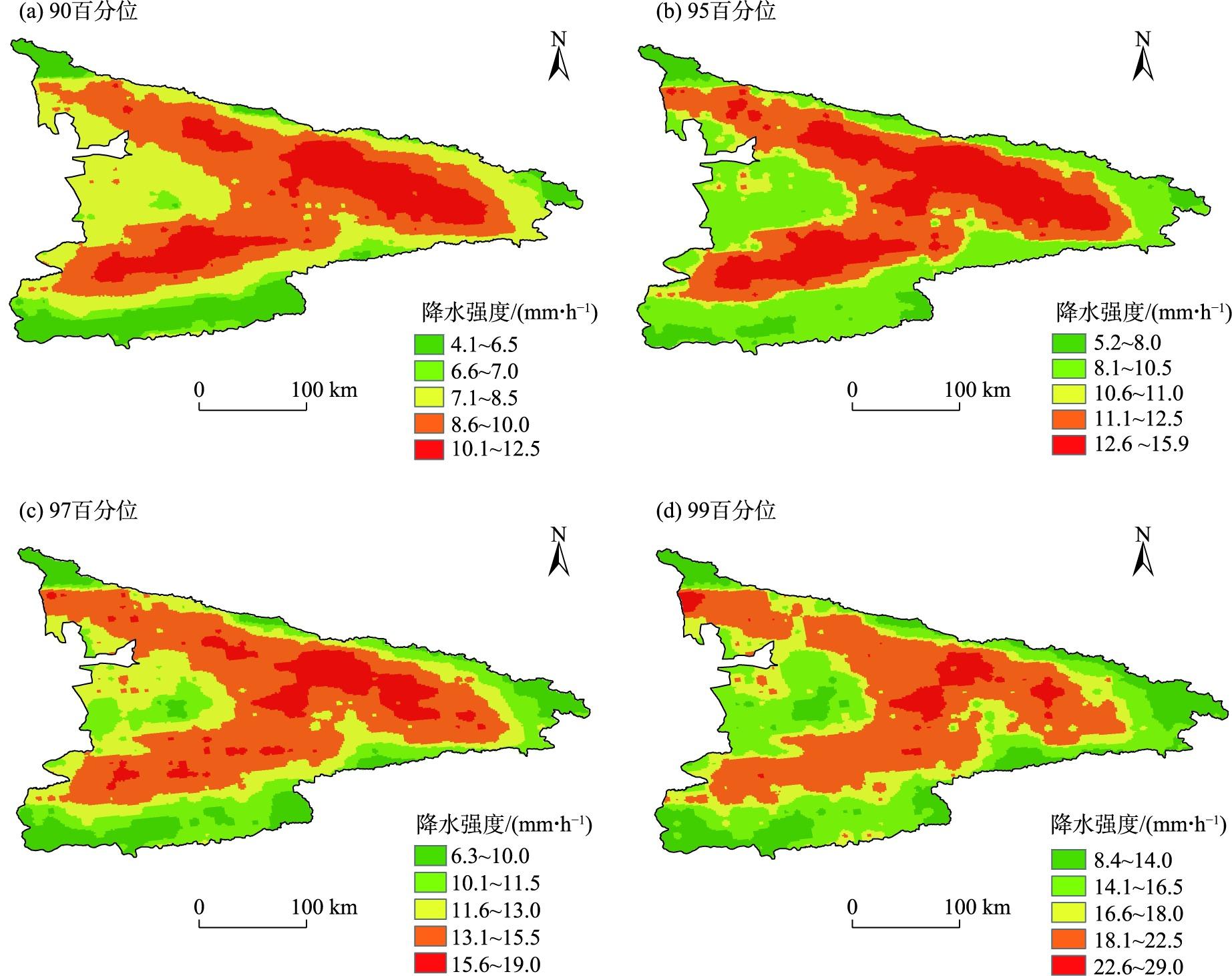
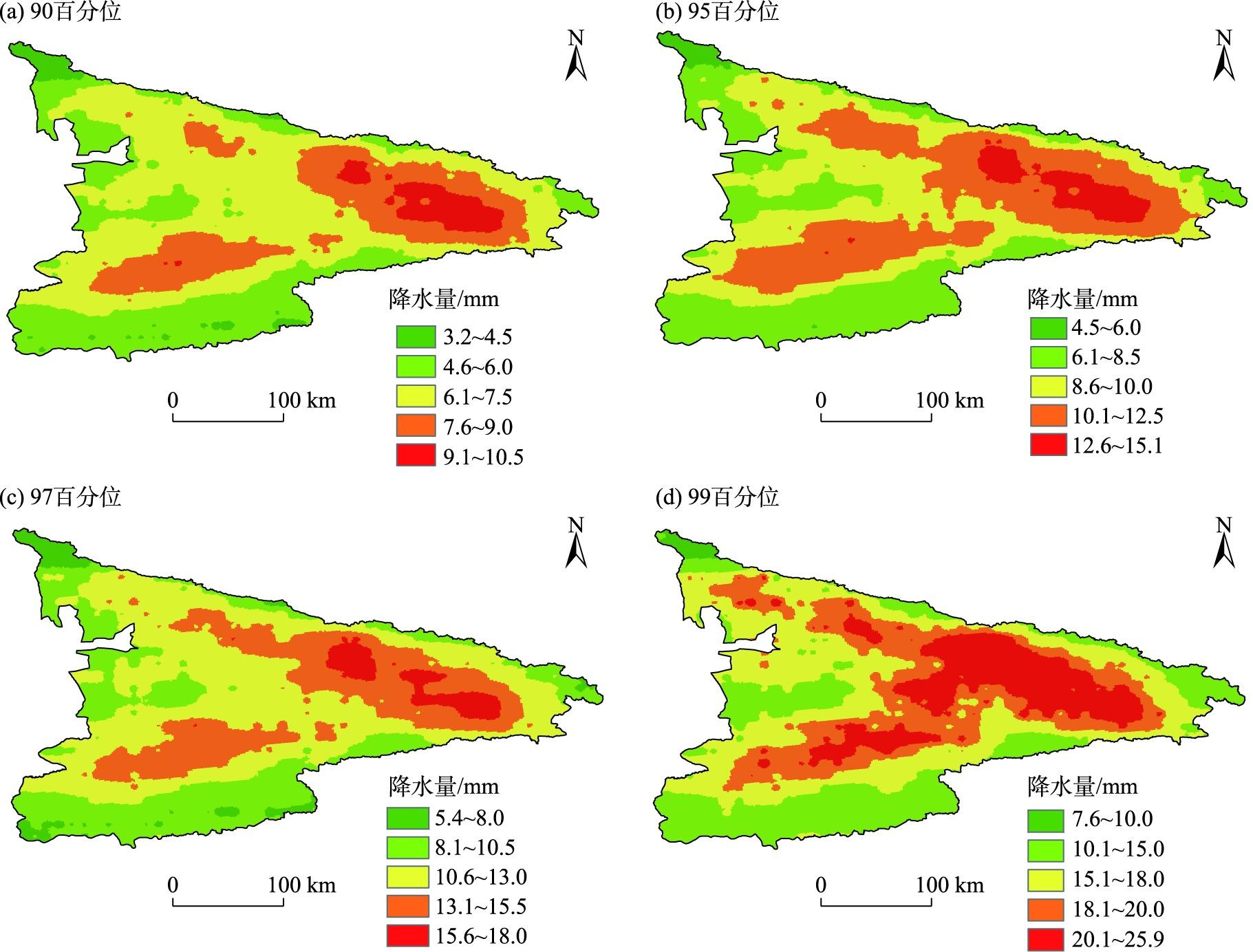
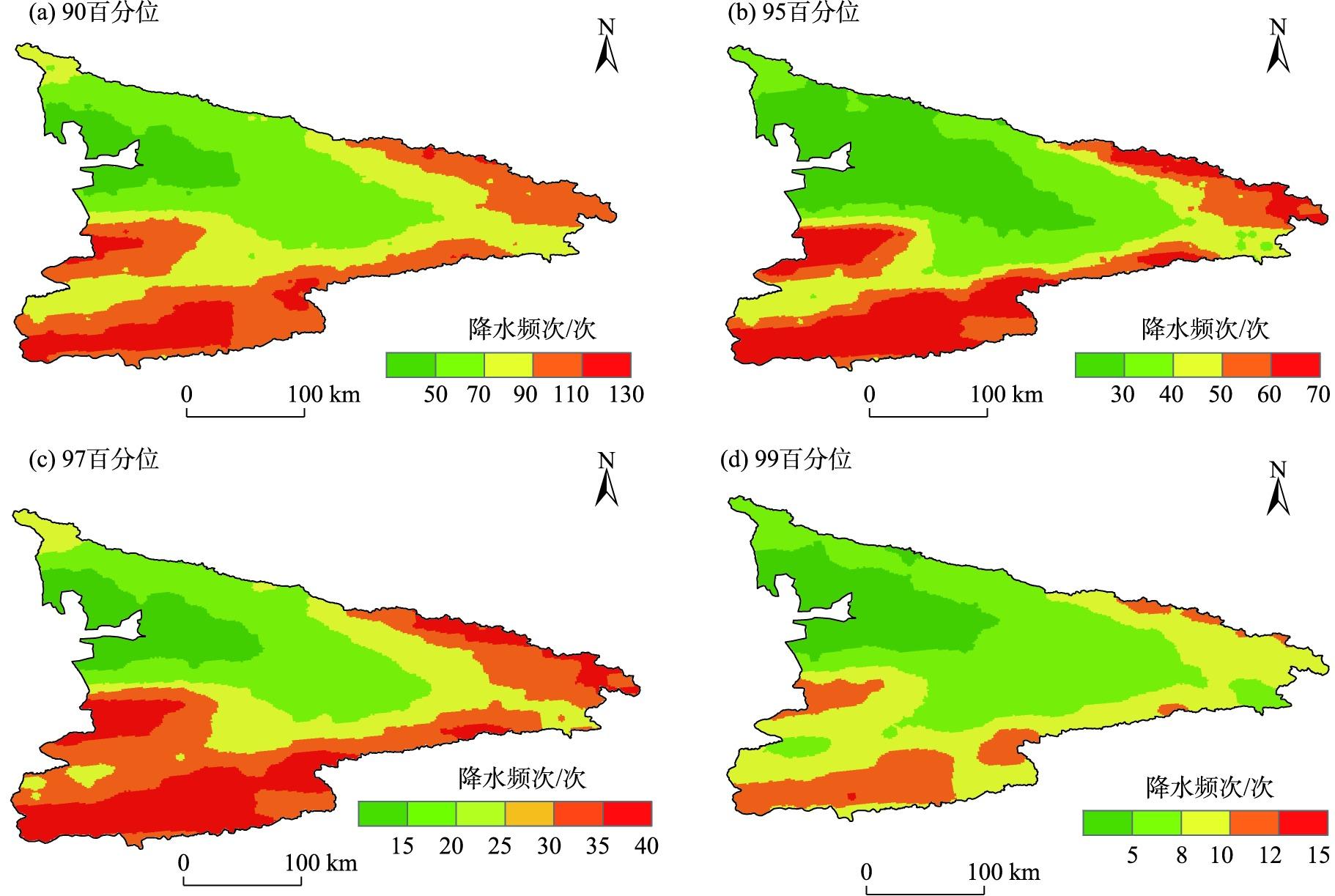
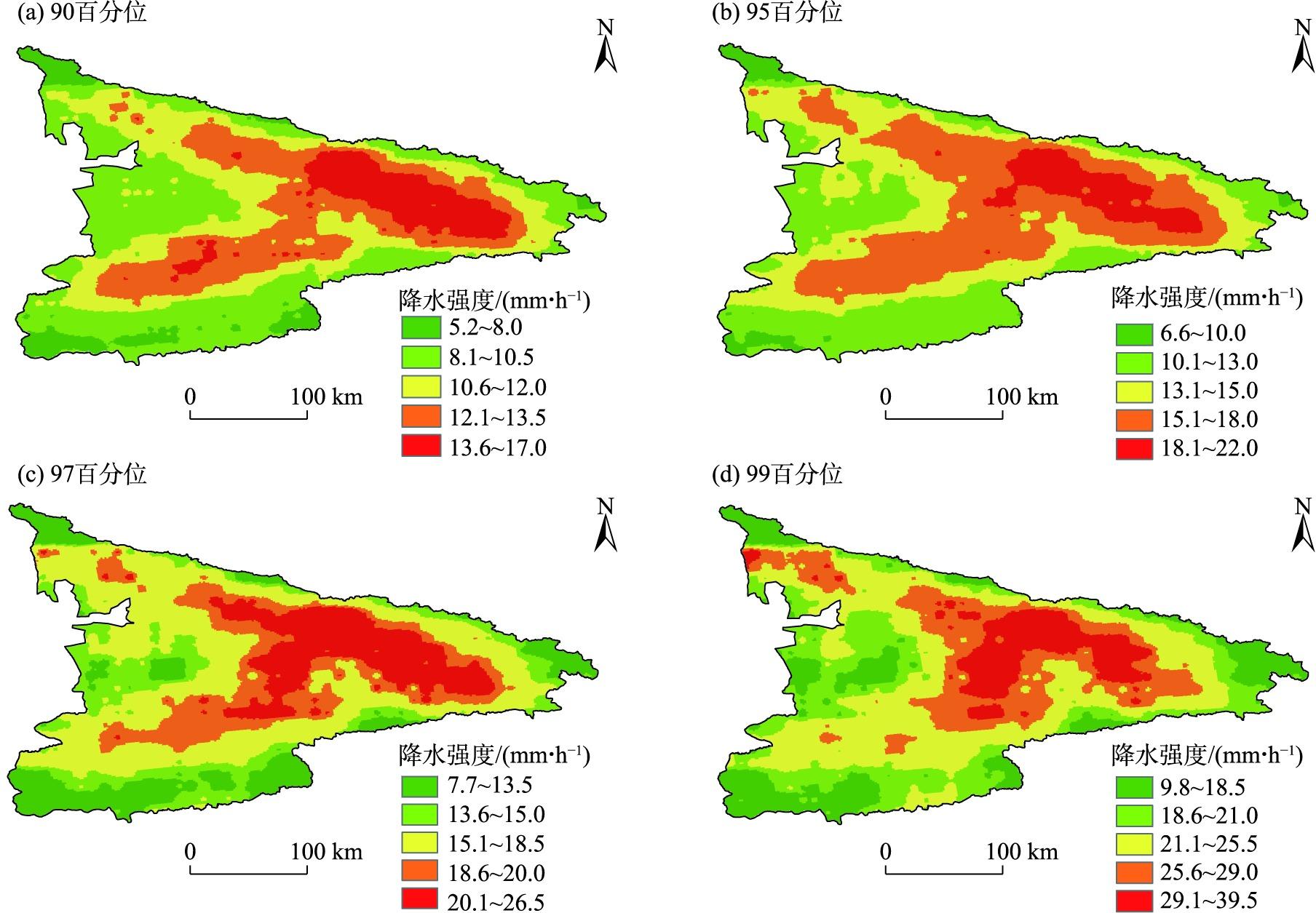
The Ili River Basin is the area with the highest precipitation in the Tianshan Mountains and frequently experiences heavy precipitation. Studying the fine characteristics of the precipitation at different time scales can advance meteorological forecasting and flood control. Using the hourly precipitation data from nearly 300 regional automatic stations in the Ili River Basin during the warm season (May-August) from 2010 to 2021, taking the latest generation of the Global Precipitation Measurement Mission satellite precipitation product as the initial field, and taking the actual precipitation as the observation field, this study combines the bias-corrected IMERG precipitation estimates with the rain gauge observations through optimal interpolation (OI). The probability density function-OI two-step fusion correction method yielded high-resolution (0.1°×0.1°) hourly multi-source precipitation fusion data, from which the extreme precipitation characteristics in the Ili River Basin were analyzed. The results show that: (1) extreme hourly precipitation events (22.5-38.9 mm) occur in the northern and eastern high-altitude mountainous areas of the basin, whereas the extreme precipitation intensity is stronger in the mid-altitude plain areas at 2000 m. The spatial distribution of the extreme intensity is similar to that of the extreme precipitation thresholds but exhibits a different frequency distribution; specifically, a gradual increase of frequency with altitude. (2) The diurnal variation of hourly extreme precipitation is largest in the northern part of the basin, second-largest in the Wusun Mountain area, third-largest in the eastern section, and smallest in the southern part of the basin. In contrast, the diurnal variation of extreme precipitation frequency is largest in the southern part of the basin, followed by the Wusun Mountain area, the eastern section, and the northern part. (3) The hourly extreme precipitation (EP1 h) threshold ranges from 1.2 to 8.5 mm. The three-hourly extreme precipitation (EP3 h) threshold is distributed similarly to that of EP1h, showing a gradual decrease from the mid-altitude area to the high-altitude mountainous area of the basin. The thresholds of the EP6 h and EP12 h gradually decrease from 2000 m and 3000 m to the high-altitude areas.
| [1] |
姚莉, 赵声蓉, 赵翠光, 等. 我国中东部逐时雨强时空分布及重现期的估算[J]. 地理学报, 2010, 65(5): 293-300.
[
|
| [2] |
吕新生, 周雅蔓, 余行杰, 等. 1961—2019年新疆暴雨山洪灾害损失的时空变化特征[J]. 沙漠与绿洲气象, 2021, 15(4): 42-49.
[
|
| [3] |
潘仕球, 唐小琴, 唐熠, 等. 桂北地区前汛期两次极端降水成因对比分析[J]. 气象研究与应用, 2023, 44(4): 36-43.
[
|
| [4] |
陈仁升, 沈永平, 毛炜峄, 等. 西北干旱区融雪洪水灾害预报预警技术: 进展与展望[J]. 地球科学进展, 2021, 36(3): 233-244.
[
|
| [5] |
刘晶, 周玉淑, 杨莲梅, 等. 伊犁河谷一次极端强降水事件水汽特征分析[J]. 大气科学, 2019, 43(5): 959-974.
[
|
| [6] |
秦贺, 陈春艳, 阿不力米提江·阿布力克木, 等. 新疆暖季短时强降水特征[J]. 干旱区研究, 2019, 36(6): 1440-1449.
[
|
| [7] |
许文涛, 唐文坚, 王协康, 等. 暴雨山洪监测技术研究进展与发展趋势[J]. 长江科学院院报, 2023, 40(4): 79-87.
[
|
| [8] |
詹昌洵, 张挺, 蒋嘉伟. 基于多源数据的山区小流域降水融合模型[J]. 水科学进展, 2025, 35(1): 74-84.
[
|
| [9] |
覃晓东, 朱仟, 周东旸, 等. 基于深度学习的多源降水数据融合方法及其应用[J]. 人民长江, 2023, 54(11): 68-75.
[
|
| [10] |
袁子玥. 新疆伊犁河流域极端气候特征及其与植被生产力关系分析[D]. 呼和浩特: 内蒙古农业大学, 2024.
[
|
| [11] |
李建, 宇如聪, 孙溦. 中国大陆地区小时极端降水阈值的计算与分析[J]. 暴雨灾害, 2013, 32(1): 11-16.
[
|
| [12] |
陈妙霖, 毛文书, 师春香, 等. 1991—2020年西南湿季小时极端降水特征与区域差异[J]. 成都信息工程大学学报, 2022, 37(4): 435-441.
[
|
| [13] |
周雅蔓, 赵勇, 刘晶. 我国新疆北部地区夏季极端降水事件的特征分析[J]. 冰川冻土, 2020, 42(2): 598-608.
[
|
| [14] |
郭玉琳, 赵勇, 张同文, 等. 新疆天山山区夏季极端降水的日变化特征[J]. 沙漠与绿洲气象, 2023, 17(2): 44-51.
[
|
| [15] |
杨莲梅, 张云惠, 黄艳, 等. 新疆短时极端降水诊断分析暨预报手册[M]. 北京: 气象出版社, 2020.
[
|
| [16] |
曾勇, 杨莲梅. 新疆西部“6.16”强降水过程的中尺度分析[J]. 暴雨灾害, 2020, 39(1): 41-51.
[
|
| [17] |
杨青, 姚俊强, 赵勇, 等. 伊犁河流域水汽含量时空变化及其和降水量的关系[J]. 中国沙漠, 2013, 33(4): 1174-1183.
[
|
| [18] |
王颖慧, 丁建丽, 李晓航. 伊犁河流域土地利用/覆被变化对生态系统服务价值的影响——基于强度分析模型[J]. 生态学报, 2022, 42(8): 3106-3118.
[
|
| [19] |
杨霞, 张俊兰, 华烨, 等. 新疆伊犁河谷不同季节降水的日变化特征[J]. 干旱气象, 2021, 39(3): 394-405.
[
|
| [20] |
卢新玉, 刘艳, 王秀琴, 等. 新疆地区多源降水融合试验[J]. 干旱区研究, 2020, 37(5): 1223-1232.
[
|
| [21] |
李艳忠, 庄稼成, 白鹏, 等. 中国不同气候区多源遥感降水融合与性能综合评估[J]. 地理研究, 2022, 41(12): 3335-3351.
[
|
| [22] |
曹孟, 刘艳丽, 陈鑫, 等. 基于星地融合降水的中小流域洪水模拟[J]. 水利水运工程学报, 2023(3): 47-56.
[
|
| [23] |
龙柯吉, 王皓, 郭旭, 等. 夏季中国区域逐10分钟降水融合产品检验评估[J]. 成都信息工程大学学报, 2023, 38(1): 57-63.
[
|
| [24] |
王福增, 温凯, 何山, 等. 多源降水量数据融合分析及评价[J]. 兰州大学学报(自然科学版), 2023, 59(5): 647-654.
[
|
| [25] |
董旭光, 顾伟宗, 曹洁, 等. 山东省汛期小时极端强降水分布和变化特征[J]. 气象, 2017, 43(8): 953-961.
[
|
| [26] |
杨霞, 周鸿奎, 赵克明, 等. 1991—2018年新疆夏季小时极端降水特征[J]. 高原气象, 2020, 39(4): 762-773.
[
|
| [27] |
杨春, 张勇, 张亚萍, 等. 近25 a重庆地区小时降水时空分布特征分析[J]. 暴雨灾害, 2020, 39(1): 71-80.
[
|
| [28] |
陈圆圆, 宋晓东, 黄敬峰, 等. 基于地面站点观测降水资料的中国区域日降水融合产品精度评价[J]. 自然资源学报, 2016, 31(6): 1004-1014.
[
|
| [29] |
李昕阳, 杜军凯, 胡新功, 等. 基于多种趋势分析方法的降水演变趋势分析[J]. 水电能源科学, 2023, 41(10): 14-18.
[
|
/
| 〈 |
|
〉 |