



吐哈地区沙尘天气时空演变特征及气候影响因子
|
白松竹(1979-),女,副研级高级工程师,主要从事天气预报及研究工作. E-mail: bszxjhm@sina.com |
收稿日期: 2025-04-02
修回日期: 2025-08-19
网络出版日期: 2026-03-12
基金资助
上海合作组织科技伙伴计划及国际科技合作计划项目“中亚区域气候变化科学评估报告编制”(2023E01022)
国家自然科学基金面上项目(41975015)
Spatiotemporal evolution characteristics of windblown sand weather and its climatic driving mechanisms in the Tuha Area
Received date: 2025-04-02
Revised date: 2025-08-19
Online published: 2026-03-12
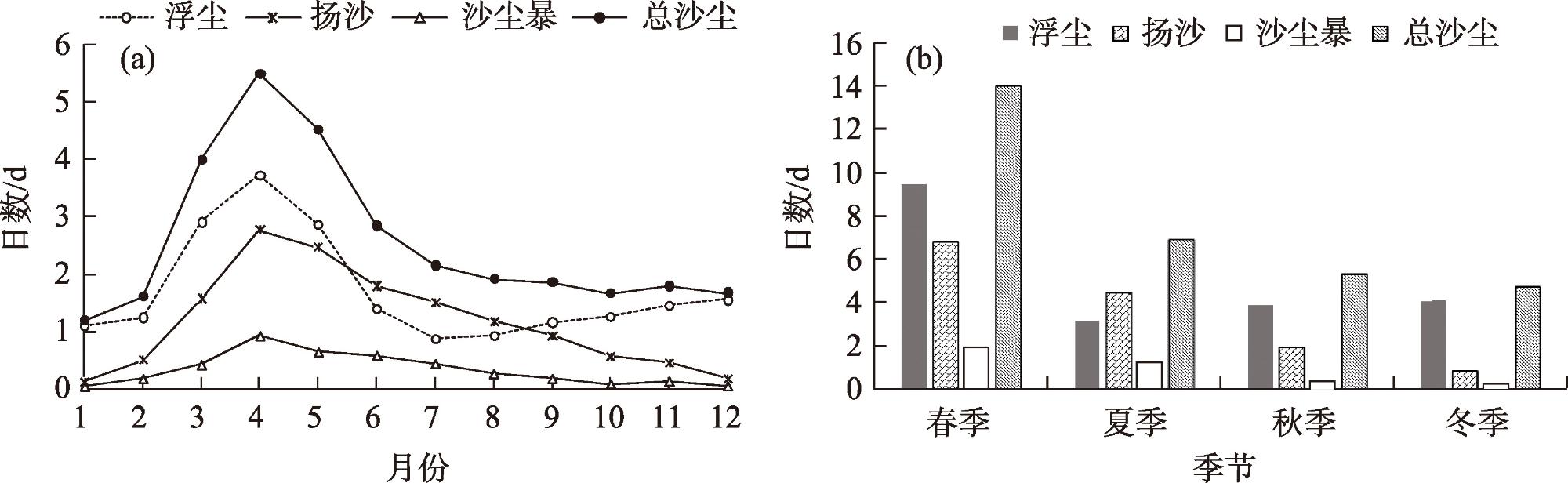
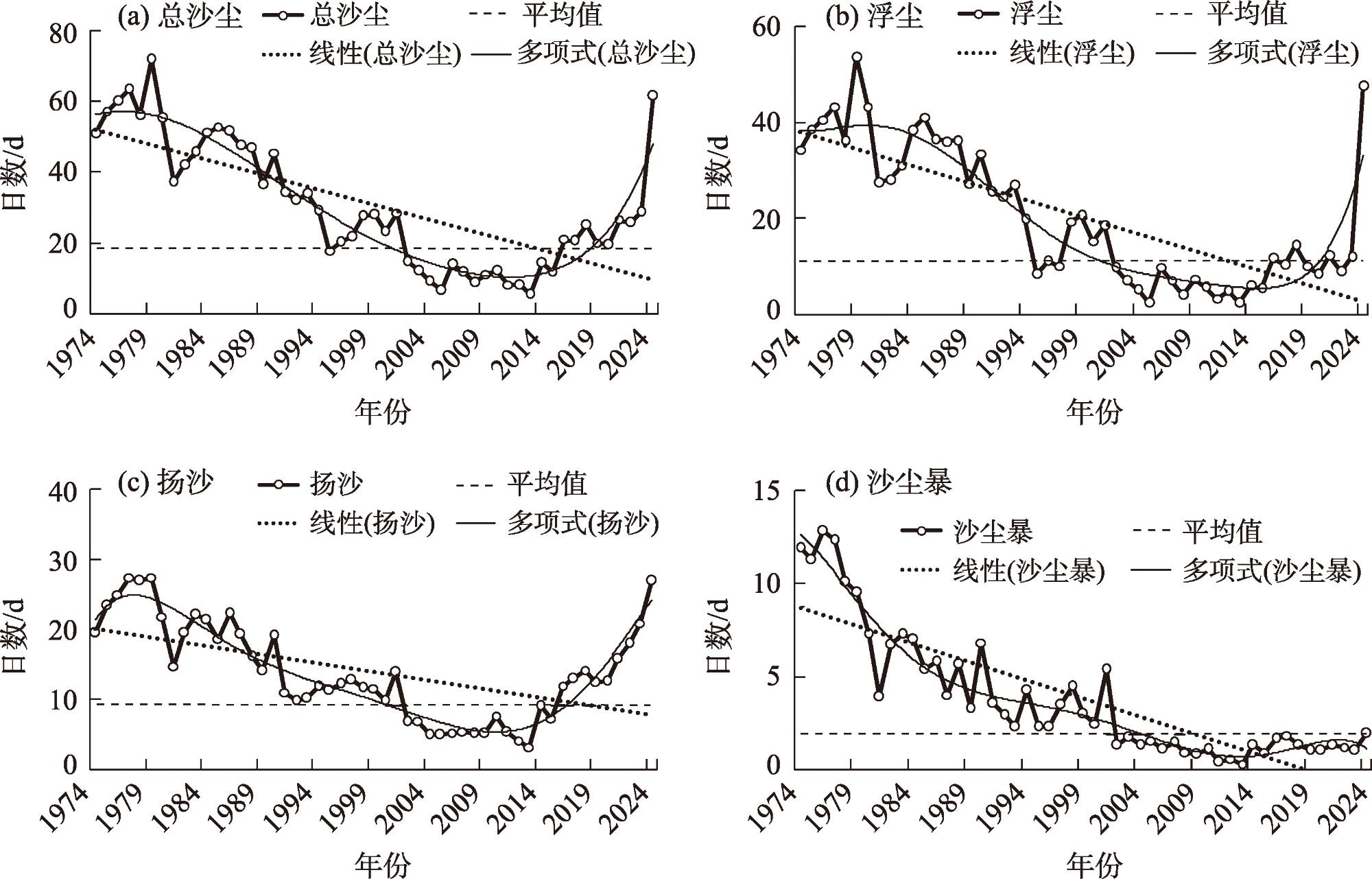
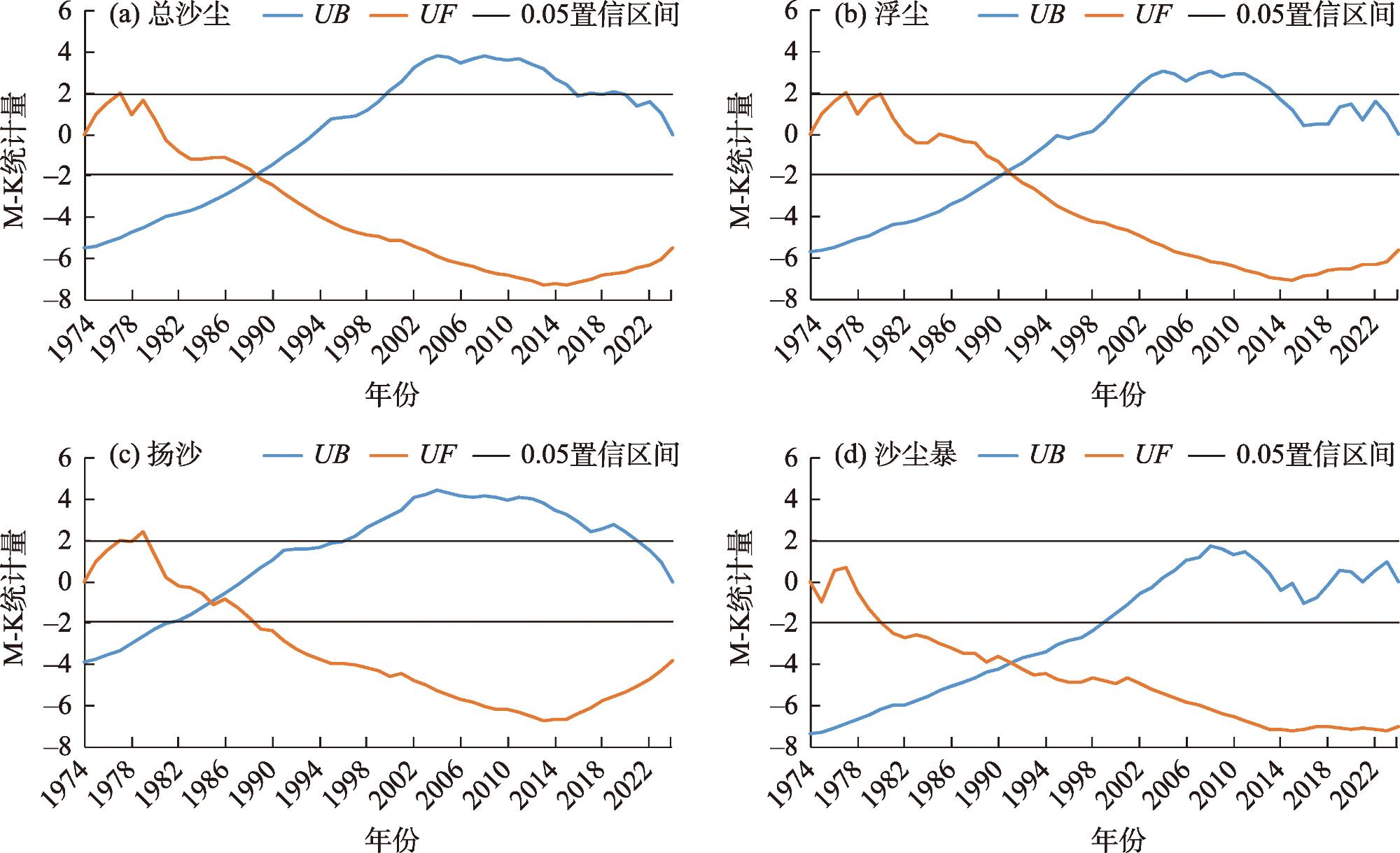
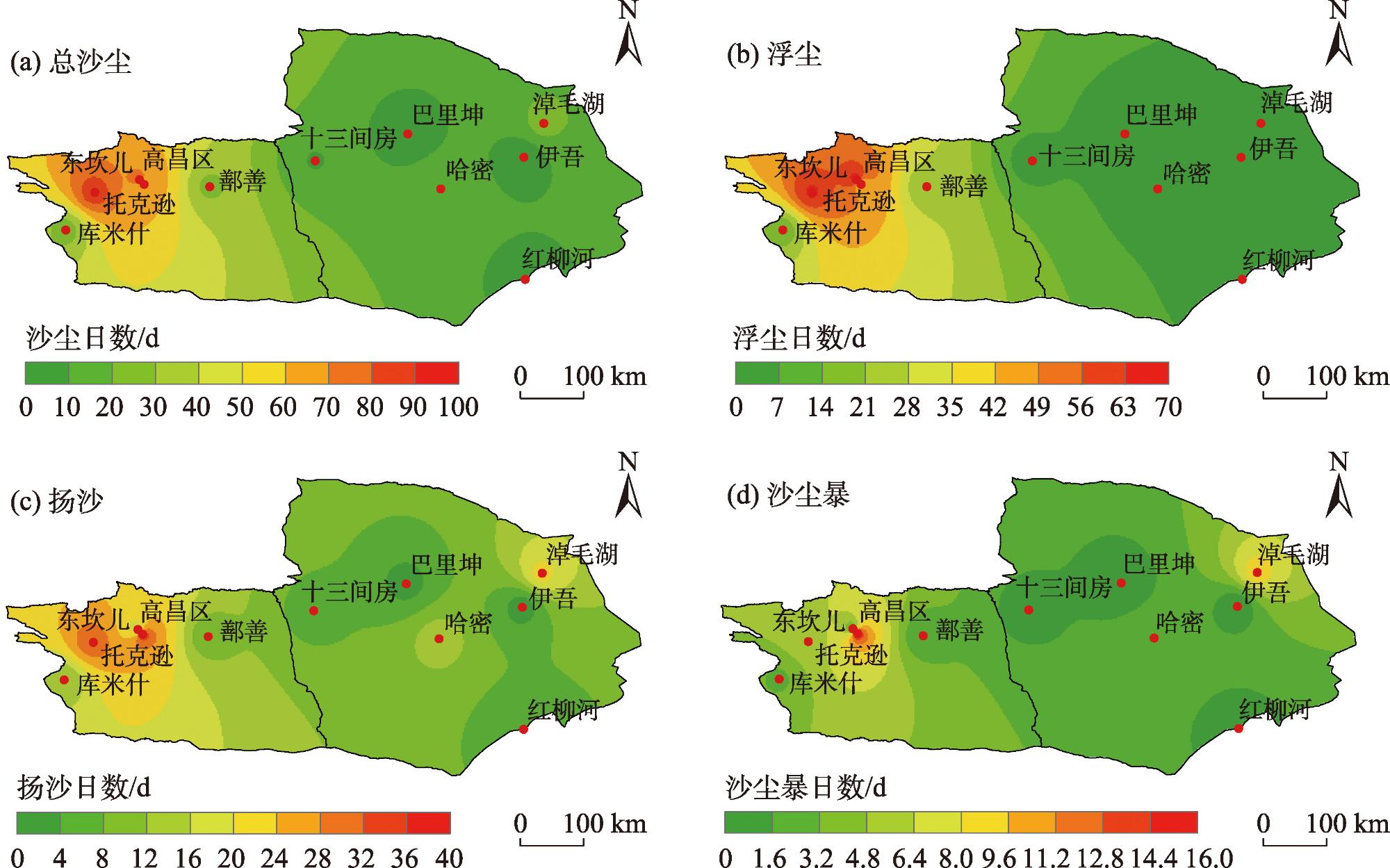
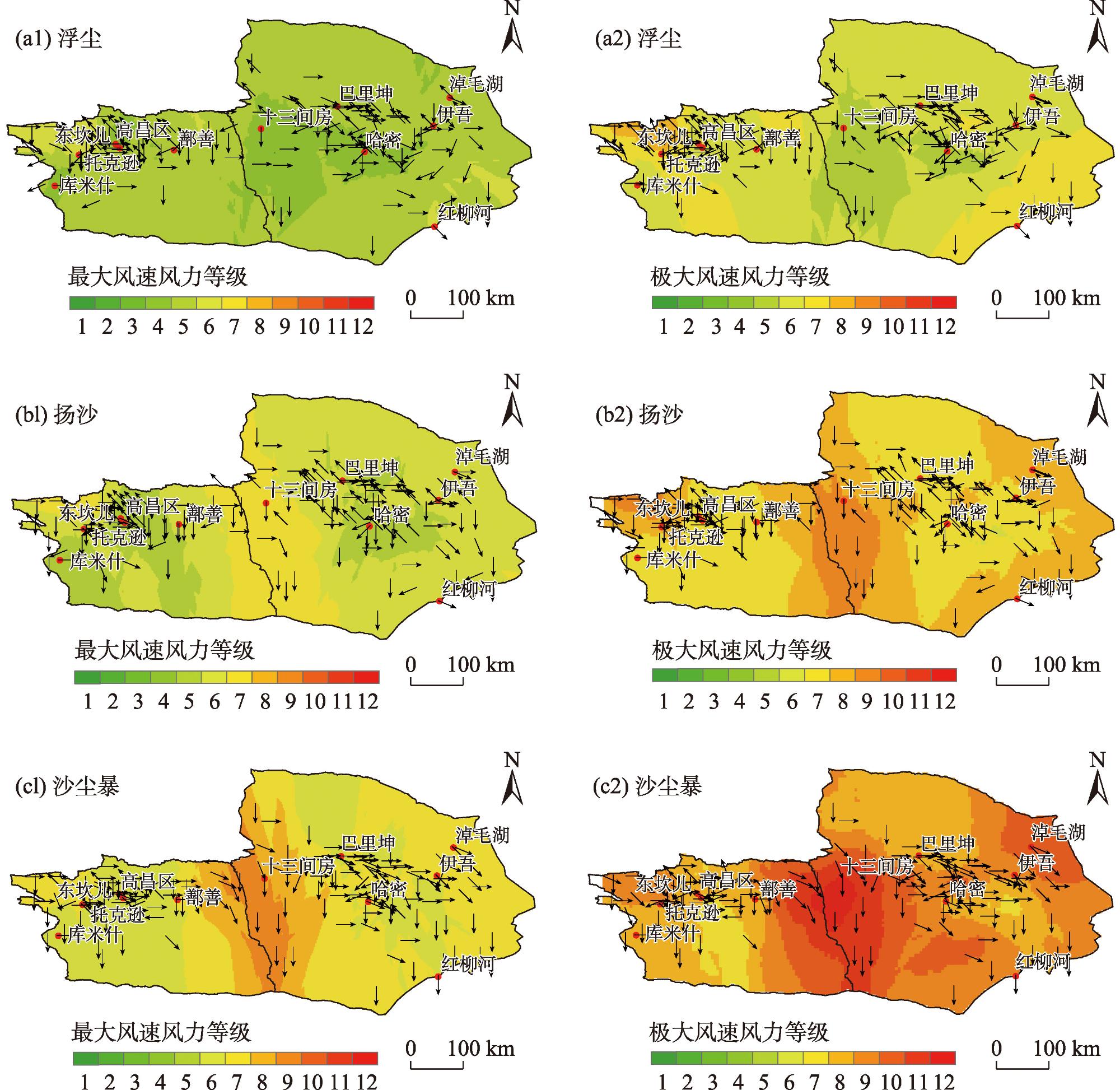
利用1974—2024年吐哈地区11个国家气象站地面气象观测资料和192个区域站的风向、风速观测资料,分析了该区沙尘天气的时空变化特征及其与气象要素的相关关系。结果表明:(1) 该区年沙尘天气中浮尘天气发生频率最高,沙尘暴最少,扬沙天气居中;春季是沙尘天气高发期,扬沙和沙尘暴夏季次多,冬季最少;而浮尘天气秋季次多,夏季最少。(2) 沙尘天气日数呈西多东少、盆地多山区少的分布特征;吐鲁番市托克逊和高昌区是浮尘天气高发区域,扬沙和沙尘暴主要集中在托克逊、东坎儿站和淖毛湖站,哈密市巴里坤、伊吾等山区沙尘天气很少;不同区域沙尘天气风向和风速分布也存在显著差异。(3) 近50 a沙尘天气日数整体呈减少趋势,其中浮尘天气减少速率最快,为7.1 d·(10a)-1;20世纪70年代沙尘天气最多,2013年最少,近10 a总沙尘、浮尘、扬沙日数均呈显著增多趋势;年沙尘、浮尘、扬沙日数突变年分别为1991年、1995年和1991年,沙尘暴日数突变特征不明显。(4) 沙尘日数与大风日数、平均风速呈显著正相关,与平均气温呈显著负相关,而与降水量、日照时数等无明显相关性。
白松竹 , 姚俊强 , 马依拉古丽 , 李岩瑛 , 马幸蔚 , 杜江 . 吐哈地区沙尘天气时空演变特征及气候影响因子[J]. 干旱区研究, 2025 , 42(10) : 1791 -1801 . DOI: 10.13866/j.azr.2025.10.04
This study uses ground meteorological observation data from 11 national meteorological stations and 192 regional stations in the Tuha Area, spanning from 1974 to 2024, to analyze the spatiotemporal variations of sand-dust weather and its correlation with meteorological factors. The results reveal the following: (1) Floating dust is the most frequently occurring sand-dust weather event in the area, followed by blowing sand; sandstorms occur least frequently. The peak period for sand-dust weather is in spring. Blowing sand and sandstorms are more common in summer and the least in winter, whereas floating dust is more frequent in autumn than in summer. (2) The distribution of sand-dust weather days shows a pattern of higher occurrence in the west compared to the east, and more prevalence in basins than in mountainous areas. High-incidence areas for floating dust include Tuokexun and Gaochang District of Turpan City. Blowing sand and sandstorms are mainly concentrated around the Tuokexun-East Kan’er Station and Naomaohu Station, whereas mountainous regions such as Barkol and Yiwu in Hami City experience very few sand-dust weather events. In addition, significant differences exist in wind direction and speed associated with sand-dust weather across different regions. (3) Over the past 50 years, the total number of sand-dust weather days has shown an overall decreasing trend, with floating dust decreasing at the fastest rate of 7.1 days per decade. The 1970s recorded the highest sand-dust weather, whereas 2013 recorded the lowest. In the past decade, the total number of days with sand-dust, floating dust, and blowing sand has significantly increased. Abrupt changes in the annual counts of sand-dust, floating dust, and blowing sand occurred in 1991, 1995, and 1991, respectively, whereas the trend for sandstorm days did not exhibit a clear abrupt change. (4) The number of sand-dust days shows a significant positive correlation with both the number of strong wind days and average wind speed, a significant negative correlation with average temperature, and no clear correlation with precipitation or sunshine duration.
图3 1974—2024年吐哈地区不同强度沙尘日数年际变化Fig. 3 Interannual variations of sand-dust days with different intensities in Tuha Aera from 1974 to 2024 |
表1 1974—2024年吐哈地区不同沙尘强度日数年、季线性趋势Tab. 1 Linear trends of annual and seasonal dusty days with different sand-dust intensities in Tuha Aera from 1974 to 2024 /[d·(10a)-1] |
| 日数 | 年 | 春季 | 夏季 | 秋季 | 冬季 |
|---|---|---|---|---|---|
| 总沙尘 | -8.5** | -3.5** | -1.6 | -1.2 | -2.5** |
| 浮尘 | -7.1** | -3.0** | -0.8 | -1.0 | -2.5** |
| 扬沙 | -2.5 | -1.2 | -1.0 | -0.3 | -0.1 |
| 沙尘暴 | -2.0** | -1.0** | -0.6** | -0.2** | -0.1 |
注:**为通过α=0.05的显著性检验。 |
表2 吐哈地区沙尘日数与各气象要素相关系数Tab. 2 Correlation coefficients between dusty days and meteorological elements in Tuha Area |
| 平均气温 | 最高气温 | 最低气温 | 降水量 | 平均相对湿度 | 大风日数 | 平均风速 | |
|---|---|---|---|---|---|---|---|
| 沙尘日数 | -0.58** | -0.55** | -0.63** | -0.16 | 0.19 | 0.77** | 0.74** |
| 浮尘日数 | -0.60** | -0.59** | -0.65** | -0.09 | 0.28 | 0.75** | 0.67** |
| 扬沙日数 | -0.41* | -0.39* | -0.48* | -0.24 | -0.02 | 0.72** | 0.77** |
| 沙尘暴日数 | -0.73** | -0.65** | -0.79** | -0.17 | 0.26 | 0.79** | 0.67** |
| 气候倾向率 | 0.54 ℃·(10a)-1** | 0.43 ℃·(10a)-1** | 0.72 ℃·(10a)-1** | 0.66 mm·(10a)-1 | -1.00%·(10a)-1* | -3.52 d·(10a)-1* | -0.07 m·s-1·(10a)-1* |
注:*表示通过α=0.05的显著性检验;**表示通过α=0.01的显著性检验。 |
| [1] |
中央气象局. 地面气象观测规范[M]. 北京: 气象出版社, 1979: 21-27.
[China Meteorological Administration. Ground Meteorological Observation Specifications[M]. Beijing: China Meteorological Press, 1979: 21-27. ]
|
| [2] |
|
| [3] |
|
| [4] |
|
| [5] |
|
| [6] |
|
| [7] |
|
| [8] |
|
| [9] |
|
| [10] |
|
| [11] |
Mohammad Reza Mansouri Daneshvar, Seyed Javad Rasouli, Aliasghar Dehqanpour Aliaqa. An overview of the transboundary dust events in southeastern Turkmenistan near the border of Iran (Sarakhs-Badkhyz region)[J]. Environmental Systems Research, 2025, 14(1): 1.
|
| [12] |
|
| [13] |
李玲萍, 李岩瑛, 孙占峰, 等. 河西走廊东部沙尘暴特征及地面气象因素影响机制[J]. 干旱区研究, 2019, 36(6): 1457-1465.
[
|
| [14] |
徐路扬, 翟亮, 王媛媛, 等. 多源遥感数据在北京春季沙尘天气监测中的应用评估[J]. 干旱气象, 2023, 41(2): 318-327.
[
|
| [15] |
田文君, 薛一波, 张小啸, 等. 2021年春季塔里木盆地典型沙尘天气过程气溶胶垂直分布及传输[J]. 干旱区研究, 2025, 42(1): 14-26.
[
|
| [16] |
高泽田, 胡秀清, 张小曳, 等. 基于FY-4A卫星遥感数据分析2021年3次沙尘暴特征[J]. 气象科技, 2022, 50(4): 536-543.
[
|
| [17] |
曹译丹, 马敏劲, 康国强, 等. 西北一次强沙尘天气的数值模拟及其诊断[J]. 干旱区研究, 2024, 41(2): 318-327.
[
|
| [18] |
Elham Mobarak Hassan,
|
| [19] |
李丹华, 张强, 卢国阳, 等. 我国北方一次典型强沙尘暴过程的延伸期数值预报能力分析[J]. 干旱气象, 2023, 41(6): 944-951.
[
|
| [20] |
|
| [21] |
买买提艾力·买买提依明, 霍文, 杨兴华, 等. 新疆沙尘暴研究进展[J]. 沙漠与绿洲气象, 2022, 16(2): 1-7.
[
|
| [22] |
魏文寿, 张璞, 高卫东, 等. 新疆沙尘暴源区的气候与荒漠环境变化[J]. 中国沙漠, 2003, 23(5): 483-487.
[
|
| [23] |
姜萍, 徐洁, 陈鹏翔, 等. 南疆近57年沙尘暴变化特征分析[J]. 干旱区资源与环境, 2019, 33(2): 105-111.
[
|
| [24] |
李红军, 汤浩. 北疆春季沙尘暴极多与极少年环流场特征[J]. 沙漠与绿洲气象, 2017, 11(1): 35-40.
[
|
| [25] |
何清, 杨青, 李红军. 新疆40年来气温、降水和沙尘天气变化[J]. 冰川冻土, 2003, 25(4): 423-427.
[
|
| [26] |
王瑾杰, 丁建丽, 张子鹏. 基于遥感生态指数的吐哈地区生态环境变化研究[J]. 干旱区地理, 2022, 45(5): 1591-1603.
[
|
| [27] |
李锋, 易实, 卢英. 库车石油气象预报服务指标分析和气象灾害防御对策[J]. 现代商贸工业, 2008, 20(1): 288-290.
[
|
| [28] |
唐礼俊, 朱红波. 浅析新疆石油钻井安全影响因素与防范措施[J]. 科技与创新, 2024(19): 132-134.
[
|
| [29] |
朱翠玲. 沙漠石油钻机系统风险分析与安全评价研究[D]. 荆州: 长江大学, 2017.
[
|
| [30] |
赵亚洲, 李生宇, 王世杰, 等. 2001—2020年新疆风沙环境致灾潜力特征[J]. 中国沙漠, 2023, 43(3): 274-283.
[
|
| [31] |
郑乐娟, 张志军, 张慧琴, 等. 吐鲁番盆地近30年沙尘天气分布特征[J]. 新疆气象, 2003, 26(2): 12-14.
[
|
| [32] |
白松竹, 王磊, 李如琦, 等. 基于新型垂直观测资料的一次强沙尘暴过程特征分析[J]. 沙漠与绿洲气象, 2025, 19(4): 19-27.
[
|
| [33] |
李成刚, 高泽吉, 陈智. “双碳”背景下吐哈油田绿色转型发展的探索与思考[J]. 油气田地面工程, 2022, 41(12): 1-5.
[
|
| [34] |
王俊. 哈密盆地水资源优化配置研究[J]. 中国水能及电气化, 2025(4): 33-39.
[
|
| [35] |
丁裕国, 江志红. 气象数据时间序列信号处理[M]. 北京: 气象出版社, 1998: 194-201.
[
|
| [36] |
魏凤英. 现代气候统计诊断与预测技术[M]. 北京: 气象出版社, 2007: 64-69.
[
|
| [37] |
梅雪英, 杨扬, 方建德. 上海地区酸雨类型格局转变研究[J]. 长江流域资源与环境, 2010, 19(9): 1075-1079.
[
|
| [38] |
孙宽, 孙雪岩, 唐艳, 等. 青海省多年地表感热通量的时空变化特征[J]. 干旱区研究, 2024, 41(1): 36-49.
[
|
| [39] |
玛依热·艾海提, 周元逸, 赵海军, 等. 南疆西部沙尘天气长期变化及突变特征分析[J]. 沙漠与绿洲气象, 2023, 17(3): 107-115.
[
|
| [40] |
|
| [41] |
|
| [42] |
杨雪艳, 张丽, 袭祝香, 等. 东北地区春季沙尘天气变化特征及其与大气环流变化的关系[J]. 气象与环境学报, 2018, 34(4): 75-83.
[
|
| [43] |
陶健红. 西北地区沙尘天气的时空特征及影响因素分析[J]. 中国沙漠, 2009, 29(2): 327-334.
[
|
| [44] |
杨婕, 赵天良, 程叙耕, 等. 2000—2019年中国北方地区沙尘暴时空变化及其相关影响因素[J]. 环境科学学报, 2021, 41(8): 2966-2975.
[
|
| [45] |
薛一波, 张小啸, 雷加强, 等. 北非埃及地区风蚀沙尘时空变化研究[J]. 干旱区研究, 2023, 40(6): 896-904.
[
|
| [46] |
孙玉华, 杜峰. 莎车县沙尘天气与大风事件的关联性研究[J]. 沙漠与绿洲气象, 2024, 18(6): 25-31.
[
|
/
| 〈 |
|
〉 |