



伊犁河流域农户对高标准农田建设成效的评价
|
黄伟豪(2000-),男,硕士研究生,主要从事干旱区生态环境与可持续发展研究方向. E-mail: 15777761544@163.com |
收稿日期: 2024-12-16
修回日期: 2025-01-24
网络出版日期: 2025-08-14
基金资助
第三次新疆综合科学考察项目(2022xjkk0504)
Evaluation of farmers’ perspective on the effectiveness of high-standard farmland construction in the Ili River Basin
Received date: 2024-12-16
Revised date: 2025-01-24
Online published: 2025-08-14
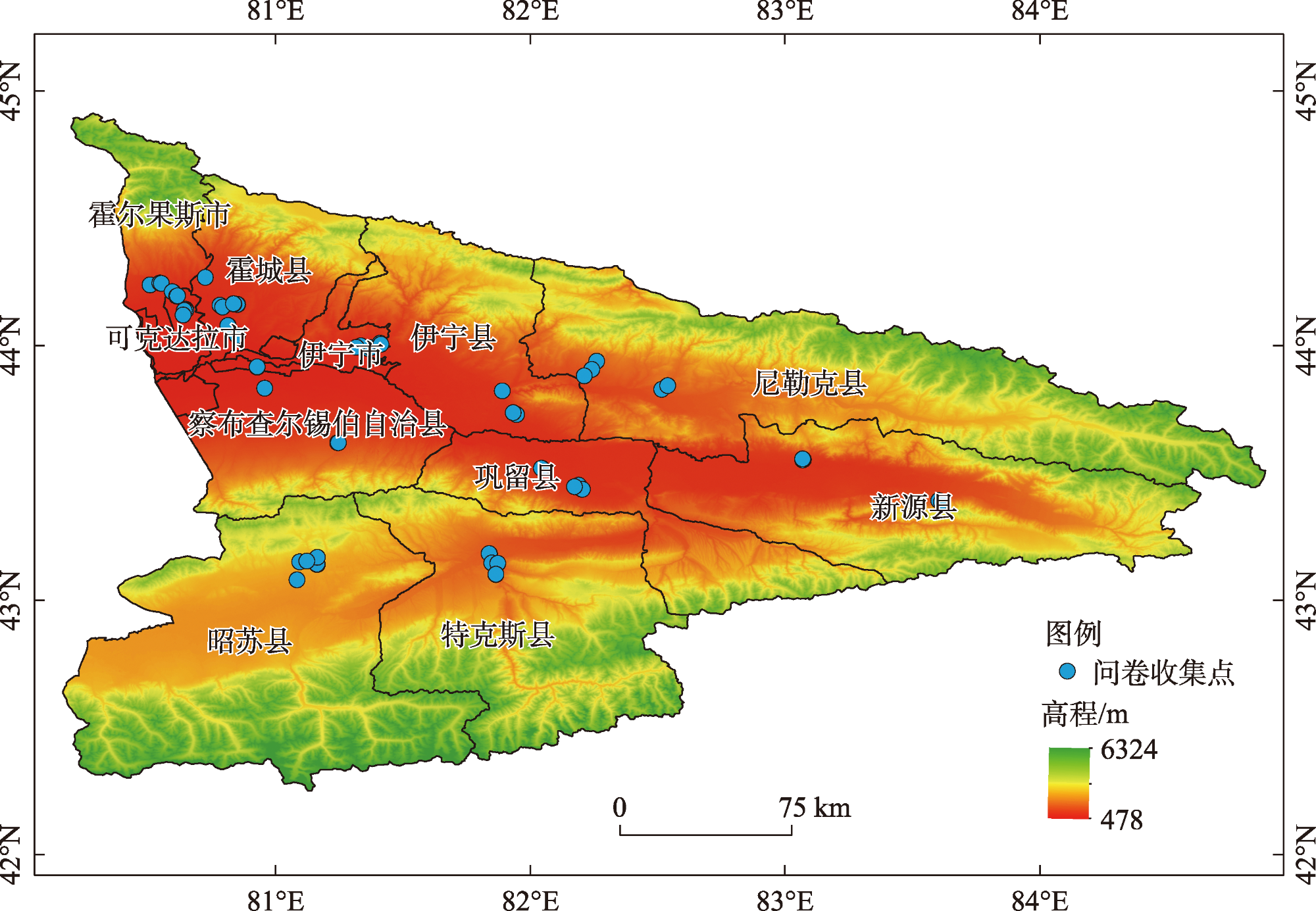
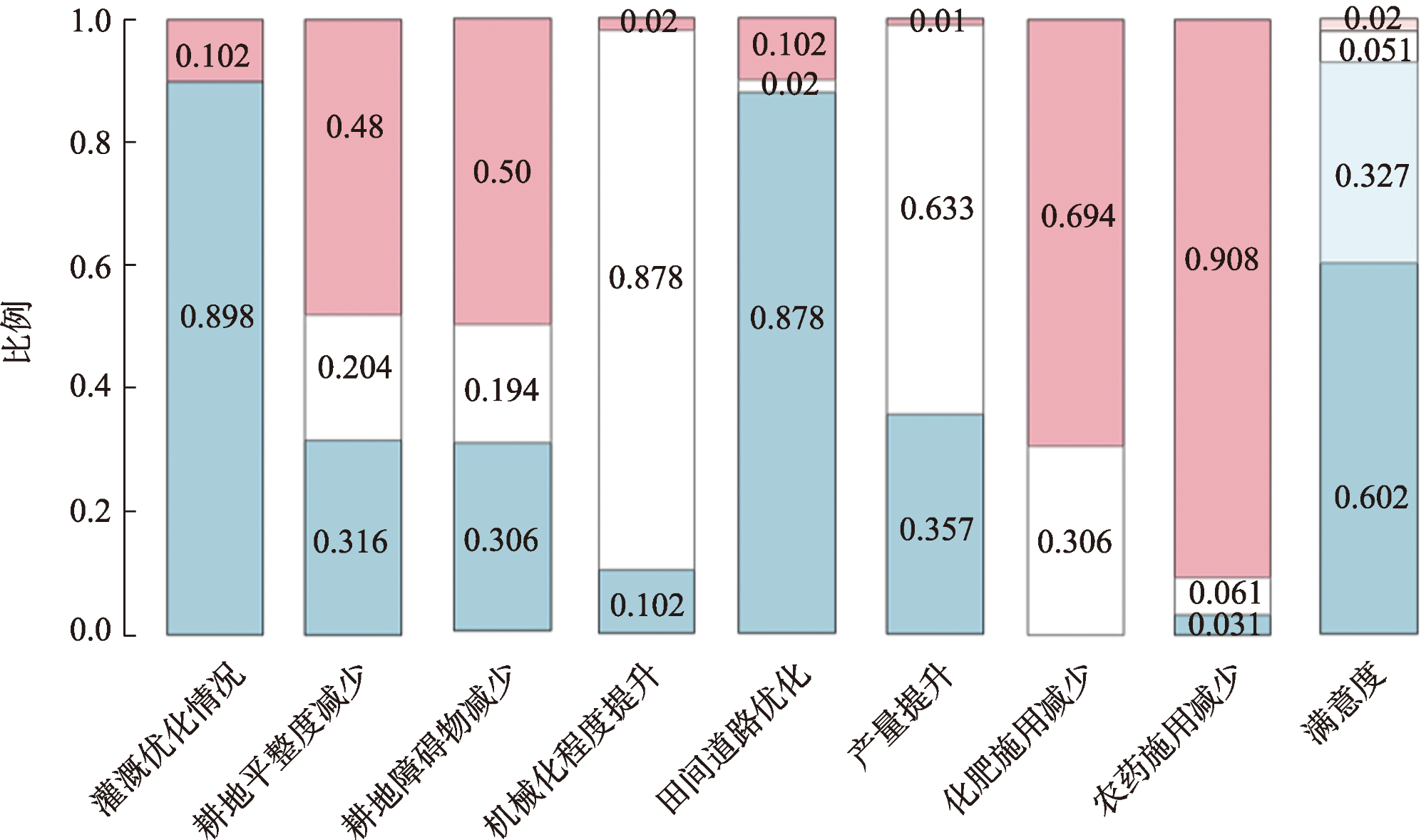
充分利用水资源进行高标准农田建设是当前伊犁河流域农业发展的重要任务之一。然而,目前缺乏农户对已开展的高标准农田建设的评价研究。本文通过对伊犁河流域11个县市98户实施高标准农田建设的农户进行调查,从农户的视角对流域高标准农田建设成效进行评价。对高标准农田建设满意或非常满意的农户占92.9%,分别有89.9%、99.9%、52.1%、50%、87.7%和98.0%的农户认为高标准农田建设在灌溉条件优化、农作物产量提升、耕地平整度提高、耕地障碍物减少、田间道路优化和机械化水平提高方面取得明显成效,仅有9.2%和30.6%的农户认为高标准农田建设以后减少了农药和化肥施用。与小规模种植农户(种植规模<6.667 hm2)相比,大规模种植农户(>6.667 hm2)对提升耕地平整度、减少障碍物、修建田间道路、提高机械化水平、减少农药施用和提升产量方面的感知更明显。汉族和少数民族农户对高标准农田建设的总体满意度均较高,但与少数民族农户相比,汉族农户对产量提升和田间道路优化方面的感知更为明显。本研究表明农户对于伊犁河流域高标准农田建设总体满意度较高,尤其在灌溉条件提升、田间道路优化和机械化提升和产量提升方面取得了明显的成效。建议后续逐步提升流域高标准农田建设的生态化水平,从而促进流域农业发展的绿色生态转型。
黄伟豪 , 兰珊 , 张艺圩 , 张恒瑞 , 曹文馨 , 赵心玥 , 郭雅欣 , 陈朋朋 , 李少帅 , 吴文良 , 王庆刚 . 伊犁河流域农户对高标准农田建设成效的评价[J]. 干旱区研究, 2025 , 42(4) : 766 -774 . DOI: 10.13866/j.azr.2025.04.16
Utilizing abundant water resources for high-standard farmland construction is a key task in agricultural development in the Ili River Basin. However, there is limited research evaluating these projects from farmers’ perspectives. This study surveyed 98 farmers from 11 counties in the Ili River Basin who are involved in high-standard farmland construction to assess the effectiveness of these projects. The results show that 92.9% of the farmers expressed satisfaction or strong satisfaction with the projects. Specifically, 89.9%, 99.9%, 52.1%, 50%, 87.7%, and 98.0% of the farmers acknowledged significant improvements in irrigation conditions, crop yield, land leveling, reduction of field obstacles, field road construction, and mechanization levels, respectively. Only 9.2% and 30.6% perceived reductions in pesticide and fertilizer use after the projects. Compared with small-scale farmers (cultivating <6.667 hm2), large-scale farmers (cultivating >6.667 hm2) have a more pronounced perception of improvements in land leveling, reduction of field obstacles, field road construction, mechanization levels, pesticide use reduction, and yield improvement. Both Han and minority ethnic farmers expressed high overall satisfaction with the projects. However, Han farmers perceived more significant improvements in yield and field road construction than minority ethic farmers. This study indicates that farmers in the Ili River Basin are generally satisfied with the high-standard farmland constructions, particularly improvements in irrigation conditions, field road construction, mechanization levels, and yield improvement. It is recommended to gradually enhance the ecological aspects of high-standard farmland constructions to promote the green transformation of agricultural development in the region.
图3 农户对伊犁河流域高标准农田建设成效的评价注:在灌溉优化情况、田间道路优化、机械化程度提升、耕地平整度减少和耕地障碍物减少中蓝色表示明显优化、提升或减少,白色表示有所优化、提升或减少,红色表示无优化、提升。在产量提升、化肥施用减少和农药施用减少中蓝色表示提升或减少30%以上,白色表示提升或减少30%以下,红色表示无提升或减少。在满意度中蓝色表示非常满意,浅蓝色表示满意,白色表示较为满意,浅红色表示一般,红色表示不满意,图中比例为0。 Fig. 3 Farmers’ evaluation of the effectiveness of high-standard farmland construction in the Yili River Basin |
表1 不同种植规模农户对高标准农田建设成效评价的比较Tab. 1 Comparison of evaluations on the effectiveness of high-standard farmland construction by farmers with different crop cultivation scales |
| 变量 | 农户类型 | P值 | |||
|---|---|---|---|---|---|
| 小规模 | 大规模 | ||||
| 产量 | 无提高 | 0(0.0%) | 1(2.1%) | 6.323 | P=0.026 |
| 提高30%以下 | 38(74.5%) | 24(51.1%) | |||
| 提高30%以上 | 13(25.5%) | 22(46.8%) | |||
| 灌溉优化 | 明显优化 | 49(96.1%) | 39(83.0%) | 3.263 | P=0.045 |
| 有所优化 | 0(0.0%) | 0(0.0%) | |||
| 无优化 | 2(3.9%) | 8(17.0%) | |||
| 耕地平整度 | 无提升 | 32(62.7%) | 15(31.9%) | 16.135 | P<0.001 |
| 有所提升 | 12(23.5%) | 8(17.0%) | |||
| 明显提升 | 7(13.7%) | 24(51.1%) | |||
| 障碍物减少 | 无提升 | 33(64.1%) | 16(34.0%) | 17.880 | P<0.001 |
| 有所提升 | 12(23.5%) | 7(14.9%) | |||
| 明显提升 | 6(11.8%) | 24(51.1%) | |||
| 机械化程度 | 无提升 | 0(0.0%) | 2(3.9%) | 14.838 | P<0.001 |
| 有所提升 | 51(100.0%) | 35(74.5%) | |||
| 明显提升 | 0(0.0%) | 10(21.3%) | |||
| 田间道路优化 | 无优化 | 8(15.6%) | 0(0.0%) | 8.036 | P=0.018 |
| 有所优化 | 2(3.9%) | 2(4.3%) | |||
| 明显优化 | 41(80.3%) | 45(95.7%) | |||
| 化肥施用减少 | 无减少 | 39(76.5%) | 29(61.7%) | 1.864 | P=0.172 |
| 减少30%以下 | 12(23.5%) | 18(38.3%) | |||
| 减少30%以上 | 0(0.0%) | 0(0.0%) | |||
| 农药施用减少 | 无减少 | 51(100.0%) | 38(80.9%) | 10.754 | P<0.01 |
| 减少30%以下 | 0(0.0%) | 6(12.8%) | |||
| 减少30%以上 | 0(0.0%) | 3(6.4%) | |||
| 总体满意度 | 不满意 | 0(0.0%) | 0(0.0%) | 0.552 | P=0.907 |
| 一般 | 1(2.0%) | 1(2.1%) | |||
| 较满意 | 2(3.9%) | 3(6.4%) | |||
| 满意 | 18(35.3%) | 14(29.8%) | |||
| 非常满意 | 30(58.8%) | 29(61.7%) | |||
注:小规模种植农户为种植规模小于6.667 hm2的农户,大规模种植农户的种植规模大于6.667 hm2。 |
表2 不同民族农户对高标准农田建设成效评价的比较Tab. 2 Comparison of evaluations on the effectiveness of high-standard farmland construction by farmers from different ethnic groups |
| 变量 | 农户类型 | P值 | |||
|---|---|---|---|---|---|
| 少数民族 | 汉族 | ||||
| 产量 | 无提高 | 0(0.0%) | 1(1.96%) | 22.440 | P<0.001 |
| 提高30%以下 | 41(87.2%) | 21(41.2%) | |||
| 提高30%以上 | 6(12.8%) | 29(56.9%) | |||
| 灌溉优化 | 明显优化 | 45(95.7%) | 43(84.3%) | 2.352 | P=0.125 |
| 有所优化 | 0(0.0%) | 0(0.0%) | |||
| 无优化 | 2(4.3%) | 8(15.7%) | |||
| 耕地平整度 | 无提升 | 28(59.6) | 19(37.3%) | 5.576 | P=0.062 |
| 有所提升 | 6(12.8%) | 14(27.5%) | |||
| 明显提升 | 13(27.7%) | 18(35.3%) | |||
| 障碍物减少 | 无提升 | 29(61.7%) | 20(39.2%) | 5.278 | P=0.075 |
| 有所提升 | 6(12.8%) | 13(25.5%) | |||
| 明显提升 | 12(25.5%) | 18(35.3%) | |||
| 机械化程度 | 无提升 | 0(0.0%) | 2(3.9%) | 3.489 | P=0.175 |
| 有所提升 | 44(93.6%) | 42(82.4%) | |||
| 明显提升 | 3(6.4%) | 7(13.7%) | |||
| 田间道路优化 | 无优化 | 8(17%) | 0(0.0%) | 9.527 | P<0.001 |
| 有所优化 | 2(4.3%) | 2(3.9%) | |||
| 明显优化 | 37(78.7%) | 49(96.1%) | |||
| 化肥施用减少 | 无减少 | 33(70.2%) | 35(68.6%) | <0.001 | P=1.000 |
| 减少30%以下 | 14(29.8%) | 16(31.4%) | |||
| 减少30%以上 | 0(0.0%) | 0(0.0%) | |||
| 农药施用减少 | 无减少 | 45(95.7%) | 44(86.3%) | 3.521 | P=0.172 |
| 减少30%以下 | 2(4.3%) | 4(7.8%) | |||
| 减少30%以上 | 0(0.0%) | 3(5.9%) | |||
| 总体满意度 | 不满意 | 0(0.0%) | 0(0.0%) | 3.660 | P=0.301 |
| 一般 | 0(0.0%) | 2(3.9%) | |||
| 较满意 | 1(2.1%) | 4(7.8%) | |||
| 满意 | 16(34.0%) | 16(31.4%) | |||
| 非常满意 | 30(63.8%) | 29(56.9%) | |||
| [1] |
谢德体. 国外土地整理实践及启示[J]. 国土资源, 2007(9): 30-33.
[
|
| [2] |
|
| [3] |
|
| [4] |
|
| [5] |
|
| [6] |
伍新木, 杨莹. 日本国土开发利用及对我国的启示[J]. 中国人口·资源与环境, 2006, 16(4): 138-142.
[
|
| [7] |
|
| [8] |
|
| [9] |
|
| [10] |
|
| [11] |
唐亚娣. 高标准农田建设项目绩效评价研究——以盐城市盐都区项目为例[D]. 南京: 南京农业大学, 2022.
[
|
| [12] |
赵智慧, 周梦茜, 尹峰峰. 我国高标准农田建设成效、存在的问题及改进建议[J]. 农村经济与科技, 2022, 33(21): 46-49.
[
|
| [13] |
曹博, 赵芝俊. 引入PPP模式的高标准农田建设及财政支持体系创新[J]. 地方财政研究, 2017(4): 99-105.
[
|
| [14] |
王海燕. 高标准基本农田建设效益评价体系研究综述[J]. 华北自然资源, 2022(5): 135-138.
[
|
| [15] |
|
| [16] |
郝潘潘, 刘志有. 新疆绿洲土地利用隐性形态与土地生态安全协调特征——以伊犁河谷为例[J]. 干旱区研究, 2024, 41(9): 1605-1614.
[
|
| [17] |
周武臣, 解炳海. 新疆伊犁高标准农田建设成效与问题建议[J]. 中国农业综合开发, 2022(1): 50-52.
[
|
| [18] |
张应良, 龚燕玲. 高标准农田建设参与对农民种粮收益的影响——基于农业新质生产力的中介作用[J]. 南京农业大学学报(社会科学版), 2024, 24(3): 110-124.
[
|
| [19] |
李雨亭. 粮食安全背景下农户参与高标准农田建设行为研究——以安徽省庐江县为例[D]. 合肥: 安徽农业大学, 2023.
[
|
| [20] |
李春艳. 山东单县高标准农田建设成效、存在问题与建议[J]. 中国农业综合开发, 2024(3): 45-46.
[
|
| [21] |
蒋盼, 陈加林. 高标准农田建设面临的问题及解决路径——以四川省崇州市为例[J]. 现代农机, 2024(2): 68-71.
[
|
| [22] |
|
| [23] |
|
| [24] |
李芳, 王芳莉. 加快推进少数民族聚居团场经济发展——以新疆兵团第九师团结农场为例[J]. 人民论坛, 2015(8): 224-225.
[
|
| [25] |
李海兵, 刘昌龙. 兵团南疆少数民族聚居团场经济社会发展成效、问题及对策思路[J]. 新疆农垦经济, 2016(2): 26-29.
[
|
| [26] |
|
| [27] |
张军. 黑土区防护林土壤质量评价及其土壤细菌多样性研究[D]. 哈尔滨: 东北林业大学, 2020.
[
|
/
| 〈 |
|
〉 |