



Accessibility of medical facilities in Lanzhou City from the perspective of the elderly population
Received date: 2024-08-17
Revised date: 2024-09-27
Online published: 2026-03-11
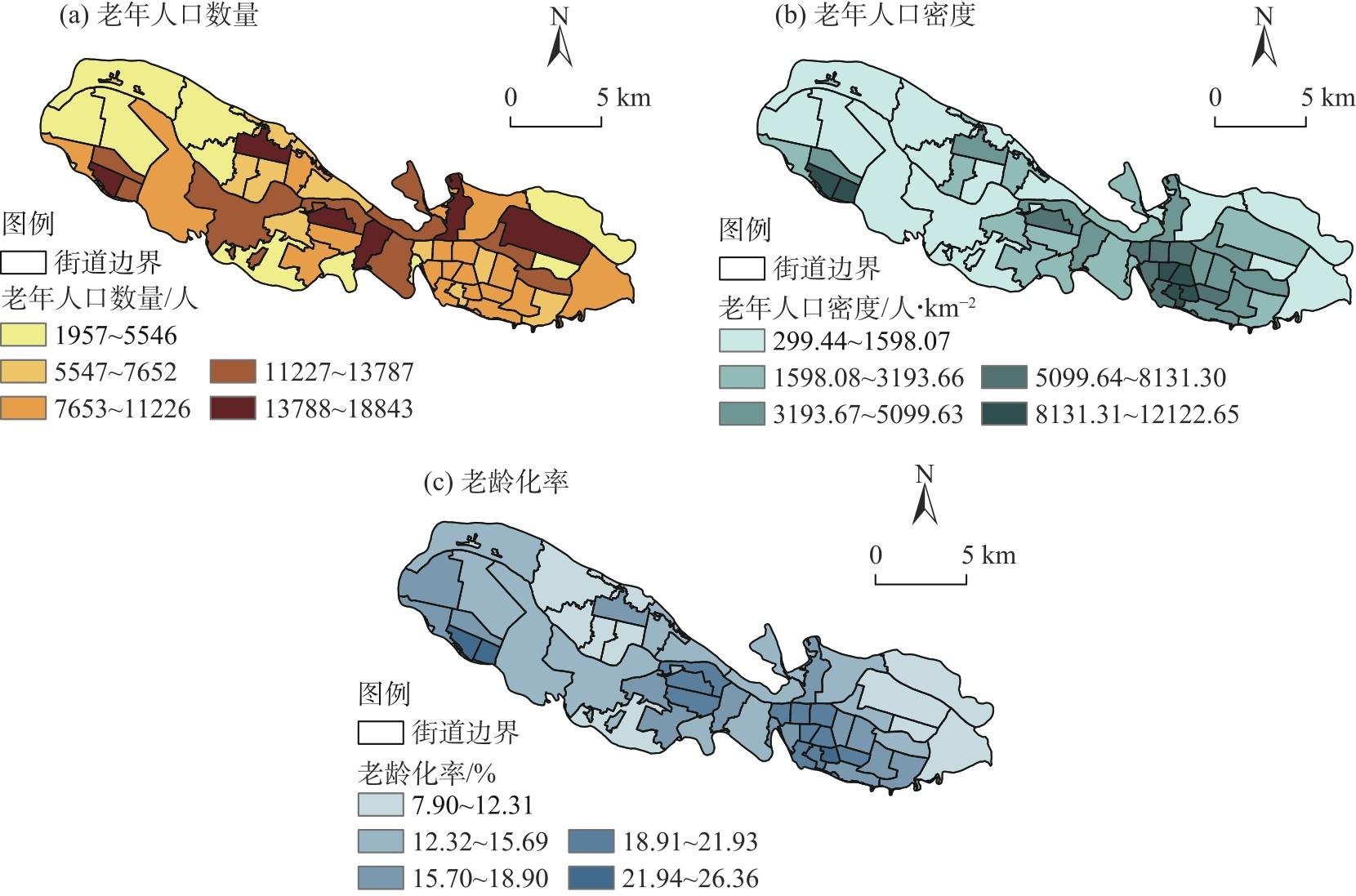
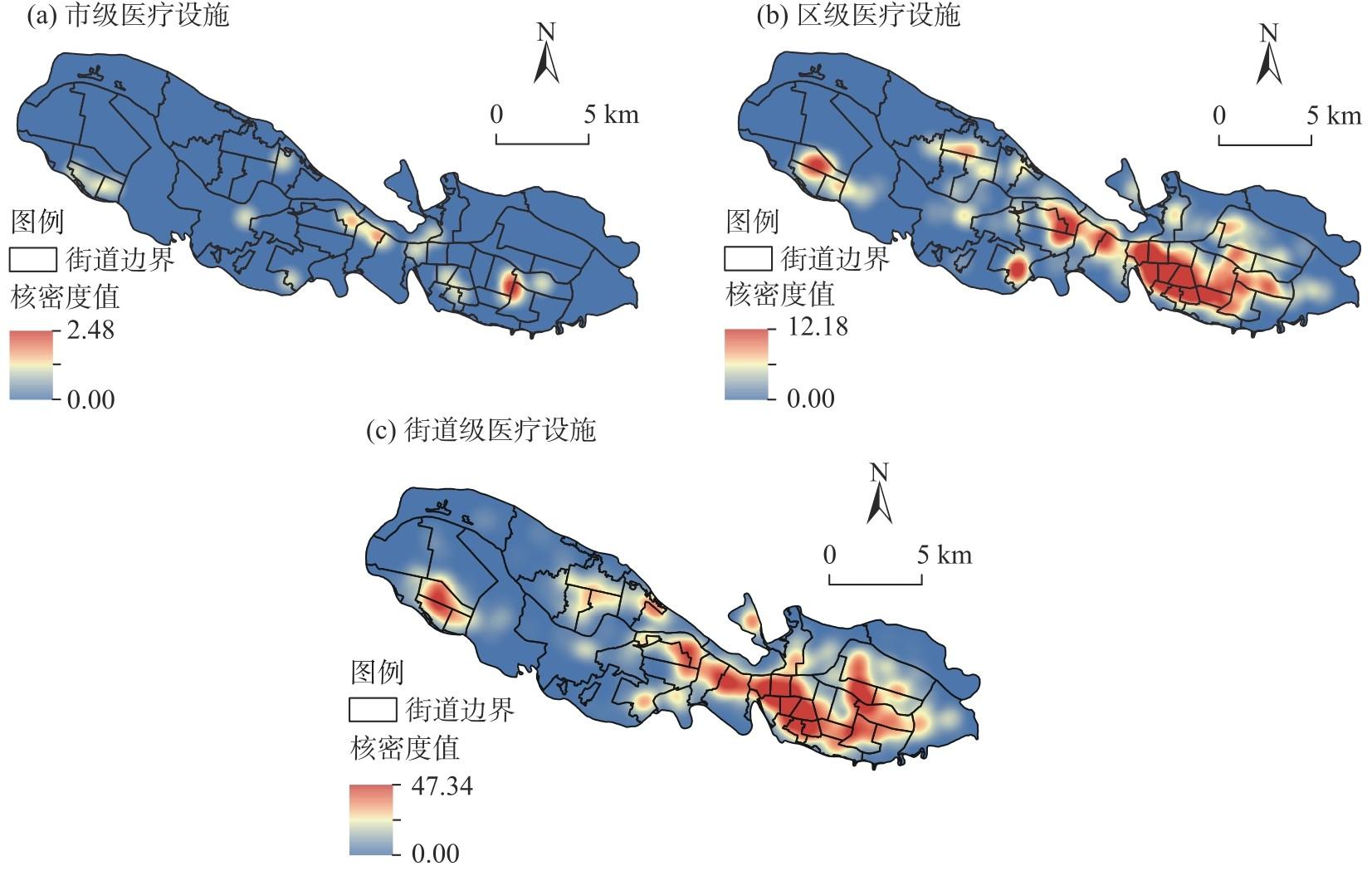
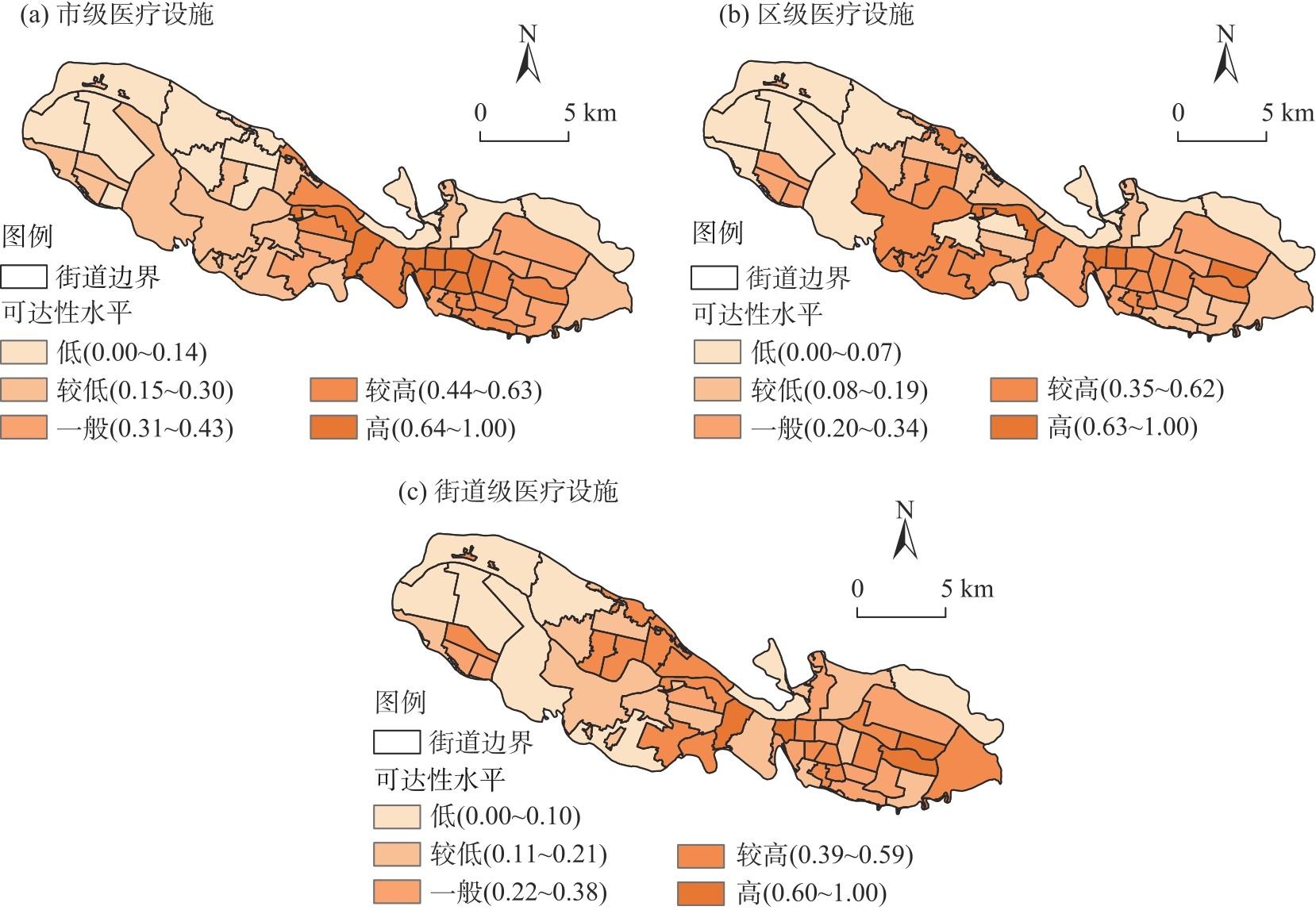
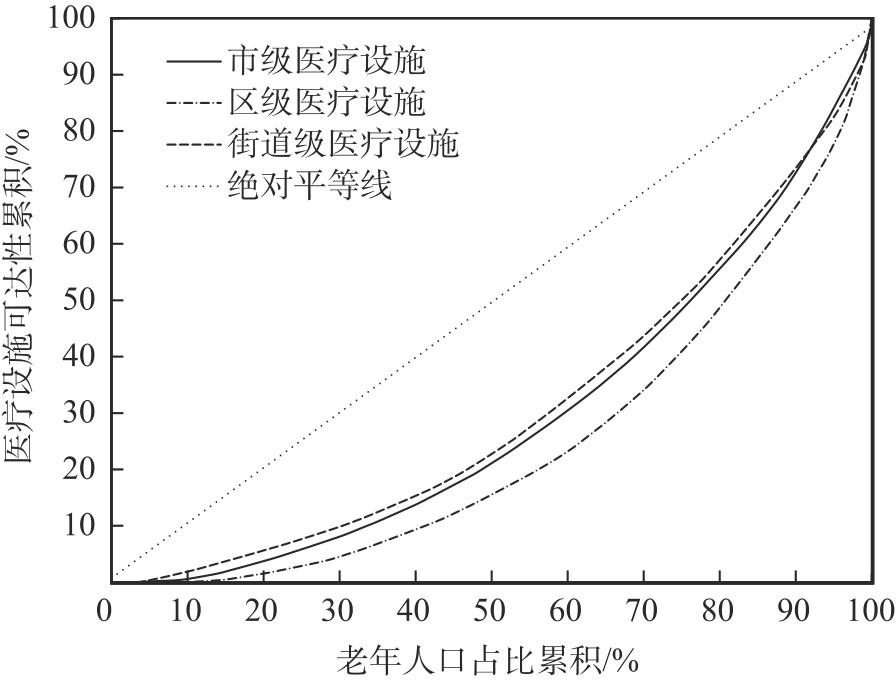
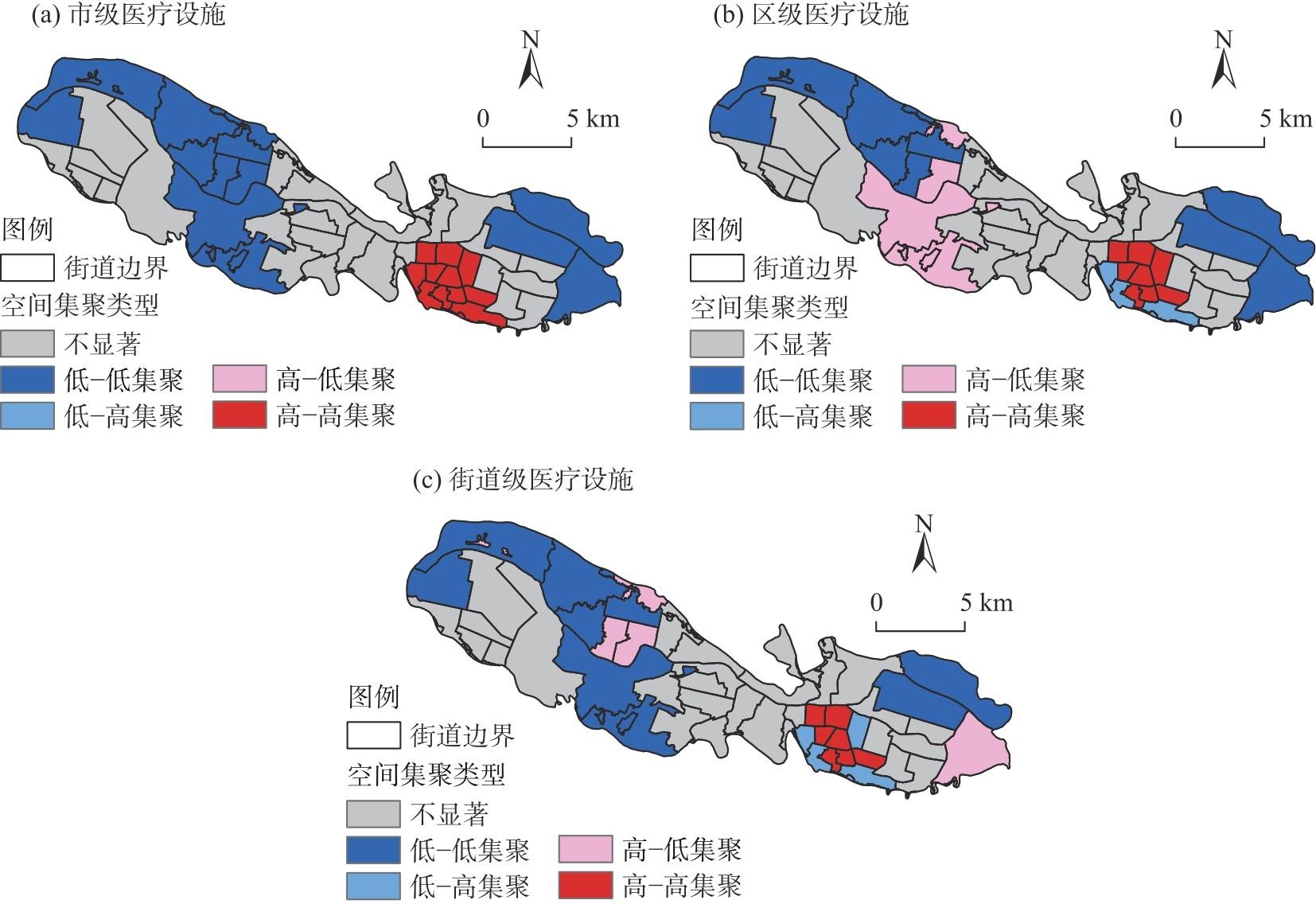
In the context of an aging population and the “healthy China” strategy, the rational allocation of urban medical facilities is crucial for enhancing the health and well-being of the elderly. This study utilizes multi-source data, including the Seventh National Census, points of interest for medical facilities, and path planning, along with methodologies such as the average nearest neighbor, an improved two-step floating catchment area method, and bivariate local spatial autocorrelation analysis, to investigate the accessibility of medical treatment for the elderly and the alignment of supply and demand in Lanzhou City, Gansu, China in 2020. The results reveal the following. (1) The elderly population in Lanzhou is unevenly distributed, exhibiting a “ual core” structure characterized by varying density and aging rates. (2) The spatial clustering patterns of medical facilities differ by level: city-level facilities exhibit a “single-center” structure, district-level facilities follow a “one main, multiple secondary” distribution pattern, and street-level facilities adopt a “multi-center” distribution pattern. (3) Accessibility to medical facilities varies significantly among different levels, Specifically, the city and district levels show considerable unevenness, street-level facilities have the broadest range of high-accessibility areas, even though some streets remain low-accessibility “blind spots”. (4) The uneven distribution of medical facilities leads to a mismatch between the elderly population and available medical services at the city, district, and street levels. These research results offer valuable insights for the rational allocation of urban medical facilities and the development of healthy cities.
Key words: elderly population; medical facilities; accessibility; matching degree; Lanzhou City
Xueya BAI , Zhibin ZHANG , Xiaomin MA , Huaying LI , Lanxing FU . Accessibility of medical facilities in Lanzhou City from the perspective of the elderly population[J]. Arid Land Geography, 2025 , 48(7) : 1317 -1327 . DOI: 10.12118/j.issn.1000-6060.2024.495
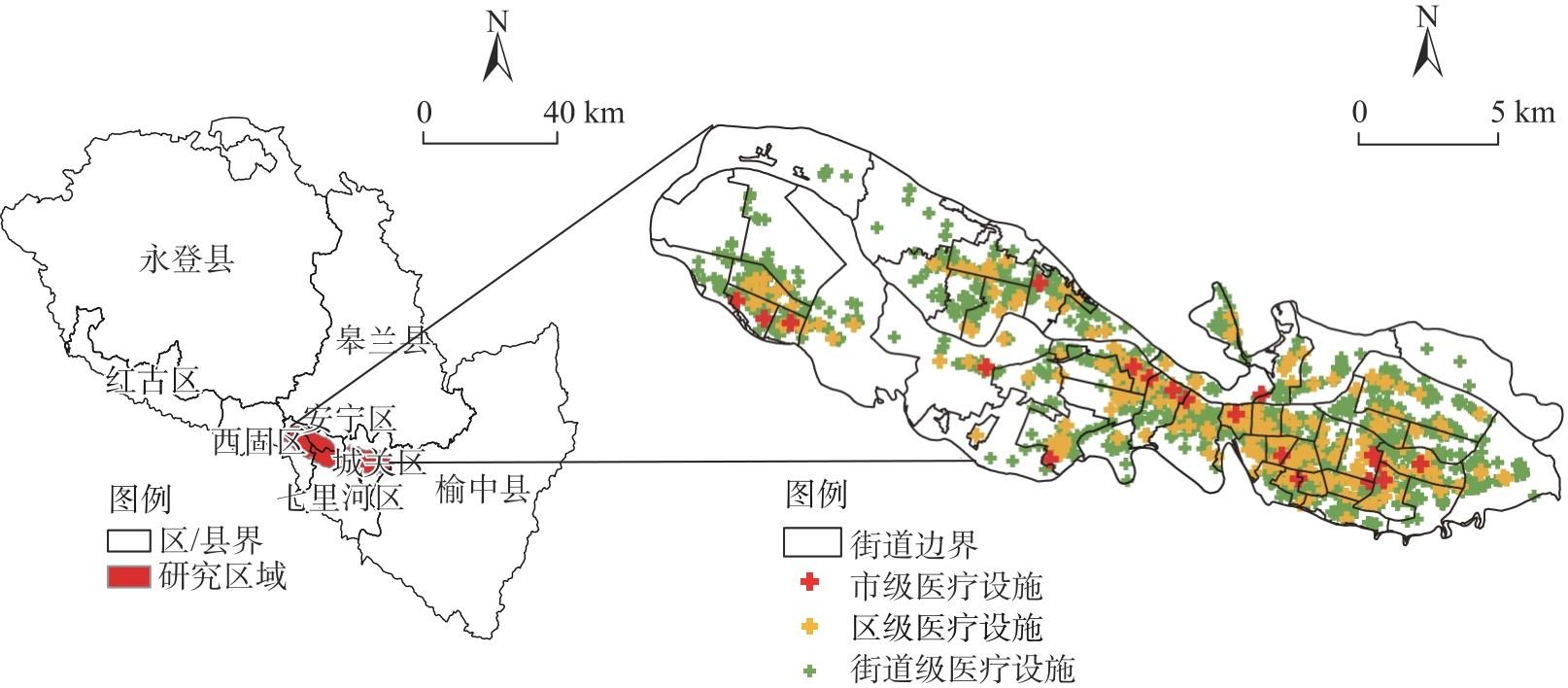
表1 兰州市医疗设施的描述性统计Tab. 1 Descriptive statistics of medical facilities in Lanzhou City |
| 等级 | 类型 | 服务能力/人 | 数量/个 |
|---|---|---|---|
| 市级 | 三级甲等医院 | - | 19 |
| 区级 | 一般性综合医院 | 300 | 75 |
| 专科医院 | 100 | 193 | |
| 街道级 | 社区卫生院 | 20 | 190 |
| 诊所 | 10 | 833 | |
| 药店 | 10 | 799 |
表2 兰州市各级医疗设施不同时间阈值内覆盖老年人口比例Tab. 2 Proportion of elderly population covered by medical facilities at each level within various time thresholds in Lanzhou City /% |
| 各级医疗设施 | t≤15 min | 15<t≤30 min | 30<t≤60 min | t>60 min |
|---|---|---|---|---|
| 市级医疗设施 | 7.42 | 56.55 | 34.10 | 1.93 |
| 区级医疗设施 | 28.02 | 65.28 | 6.70 | 0.00 |
| 街道级医疗设施 | 91.61 | 8.39 | 0.00 | 0.00 |
注:t为就医通勤时间。 |
| [1] |
高晓路, 吴丹贤, 许泽宁, 等. 中国老龄化地理学综述和研究框架构建[J]. 地理科学进展, 2015, 34(12): 1480-1494.
[
|
| [2] |
|
| [3] |
申悦, 史祎雯, 王虹翔, 等. 医疗设施可达性对患者就医空间的影响研究——基于上海市医院患者调查的实证[J]. 城市发展研究, 2019, 26(12): 46-52, 61.
[
|
| [4] |
申悦, 李亮. 医疗资源可达性与居民就医行为研究进展[J]. 科技导报, 2020, 38(7): 85-92.
[
|
| [5] |
|
| [6] |
|
| [7] |
|
| [8] |
赵立志, 廖筱萱, 王佩玉. 居家养老模式下城市基层医疗设施配置研究——以北京城市副中心为例[J]. 城市发展研究, 2022, 29(8): 14-19.
[
|
| [9] |
张纯, 李晓宁, 满燕云. 北京城市保障性住房居民的就医可达性研究——基于GIS网络分析方法[J]. 人文地理, 2017, 32(2): 59-64.
[
|
| [10] |
陶印华, 申悦. 医疗设施可达性空间差异及其影响因素——基于上海市户籍与流动人口的对比[J]. 地理科学进展, 2018, 37(8): 1075-1085.
[
|
| [11] |
|
| [12] |
胡舒云, 陆玉麒, 胡国建, 等. 基于多源大数据的深圳市医疗设施可达性与公平性测算[J]. 经济地理, 2021, 41(11): 87-96.
[
|
| [13] |
许婧雪, 张文忠, 谌丽, 等. 基于弱势群体需求的北京服务设施可达性集成研究[J]. 人文地理, 2019, 34(2): 64-71.
[
|
| [14] |
高瑗, 原新. 老龄化背景下中老年人口的健康转变模式特征及其应对[J]. 河北学刊, 2018, 38(3): 170-175.
[
|
| [15] |
王德, 任熙元. 日常流动视角下的上海市实有人口分布与流动性构成[J]. 城市规划学刊, 2019(2): 36-43.
[
|
| [16] |
胡莉蓉, 何深静, 苏世亮. 深圳市公共住房居民就医可达性——基于互联网地图服务和改进两步移动搜索法[J]. 热带地理, 2024, 44(2): 226-235.
[
|
| [17] |
陈全, 幸丽君, 孙桂英, 等. 城市老年健康资源空间公平性——以武汉市中心城区为例[J]. 资源科学, 2023, 45(7): 1424-1439.
[
|
| [18] |
钟少颖, 杨鑫, 陈锐. 层级性公共服务设施空间可达性研究——以北京市综合性医疗设施为例[J]. 地理研究, 2016, 35(4): 731-744.
[
|
| [19] |
|
| [20] |
林琳, 马飞. 广州市人口老龄化的空间分布及趋势[J]. 地理研究, 2007, 26(5): 1043-1054.
[
|
| [21] |
曹开军, 商宁, 王秘秘. 中国西北五省乡村旅游重点村时空分布格局与可达性分析[J]. 干旱区地理, 2023, 46(7): 1196-1205.
[
|
| [22] |
周海涛, 马钰松, 樊亚宇, 等. 内蒙古红色旅游资源空间分布及可达性分析[J]. 干旱区地理, 2023, 46(5): 814-822.
[
|
| [23] |
仝德, 孙裔煜, 谢苗苗. 基于改进高斯两步移动搜索法的深圳市公园绿地可达性评价[J]. 地理科学进展, 2021, 40(7): 1113-1126.
[
|
| [24] |
程敏, 黄维维. 基于高斯两步移动搜索法的上海市养老设施空间可达性评价[J]. 复旦学报(自然科学版), 2020, 59(2): 129-136.
[
|
| [25] |
|
| [26] |
黄建中, 吴萌. 特大城市老年人出行特征及相关因素分析——以上海市中心城为例[J]. 城市规划学刊, 2015(2): 93-101.
[
|
| [27] |
|
| [28] |
|
| [29] |
顾宗倪, 罗小龙. 县域养老设施发展水平的空间不匹配研究——以江苏省为例[J]. 人文地理, 2024, 39(1): 40-47, 112.
[
|
| [30] |
马璐, 张志斌. 兰州市老龄人口空间分布及其形成机制[J]. 人文地理, 2015, 30(6): 132-137.
[
|
| [31] |
马晓敏, 张志斌, 公维民, 等. 兰州市制造业空间格局演化及驱动因子识别[J]. 地理科学, 2023, 43(3): 519-529.
[
|
| [32] |
郭燕, 张志斌, 陈龙, 等. 居住自选择视角下城市建成环境对通勤模式选择的影响——以兰州市主城区为例[J]. 干旱区地理, 2024, 47(2): 307-318.
[
|
| [33] |
|
| [34] |
李花, 张志斌, 王伟军. 兰州市大中型超市的空间分布格局及其影响因素[J]. 经济地理, 2016, 36(9): 85-93.
[
|
/
| 〈 |
|
〉 |