



Spatio-temporal variations of atmospheric precipitable water in the Qinghai Plateau in the past 60 years
Received date: 2024-10-24
Revised date: 2025-01-18
Online published: 2026-03-11
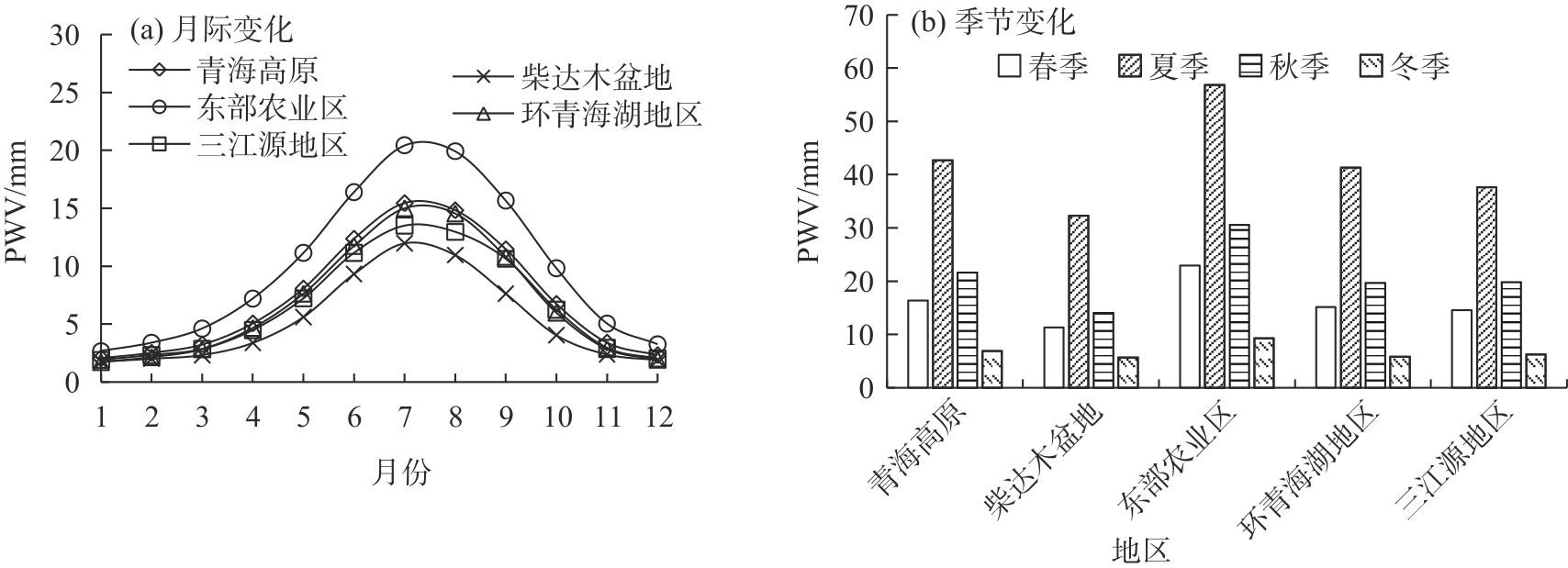
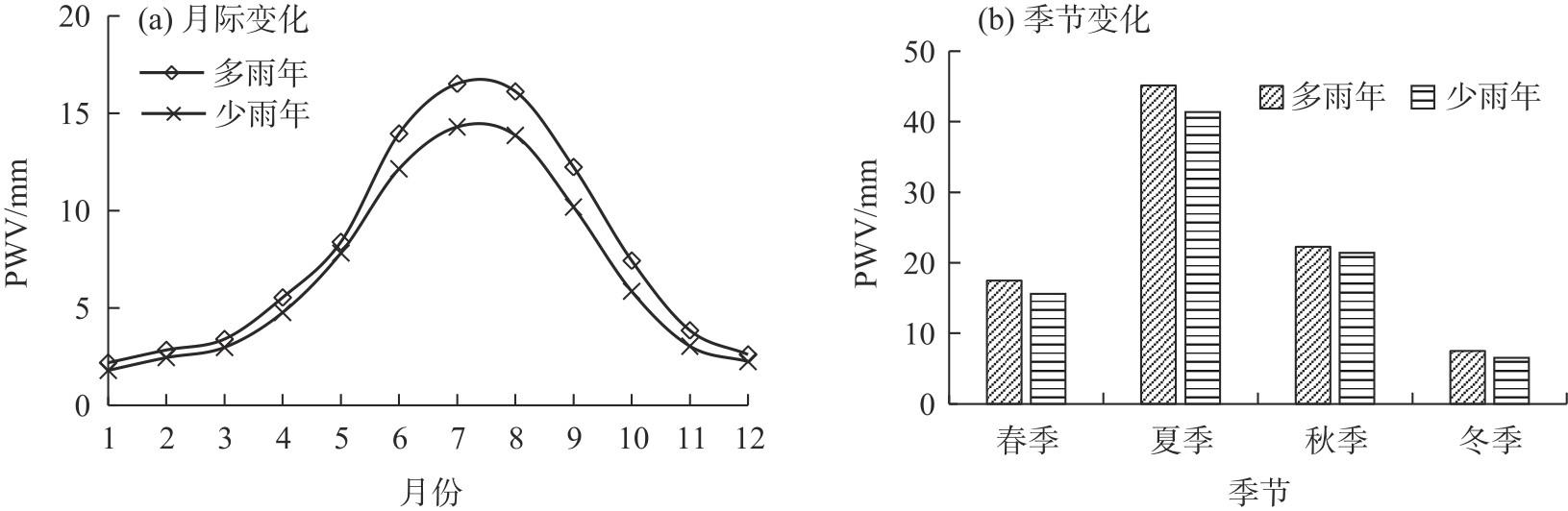
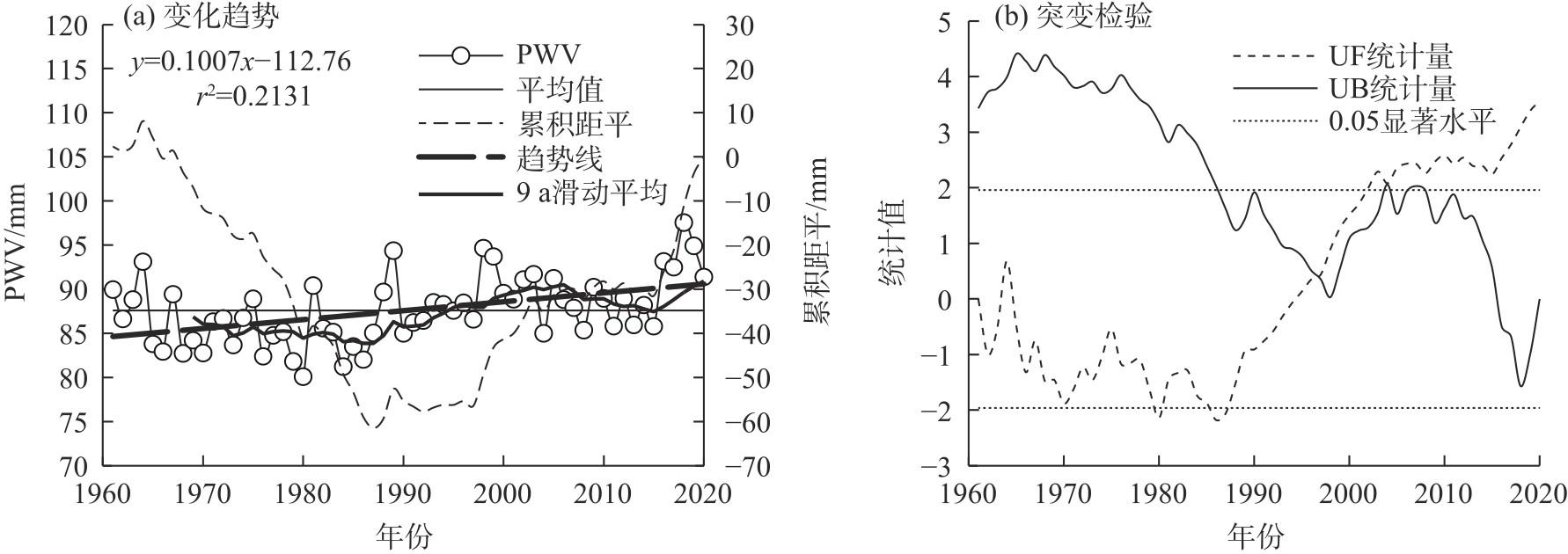
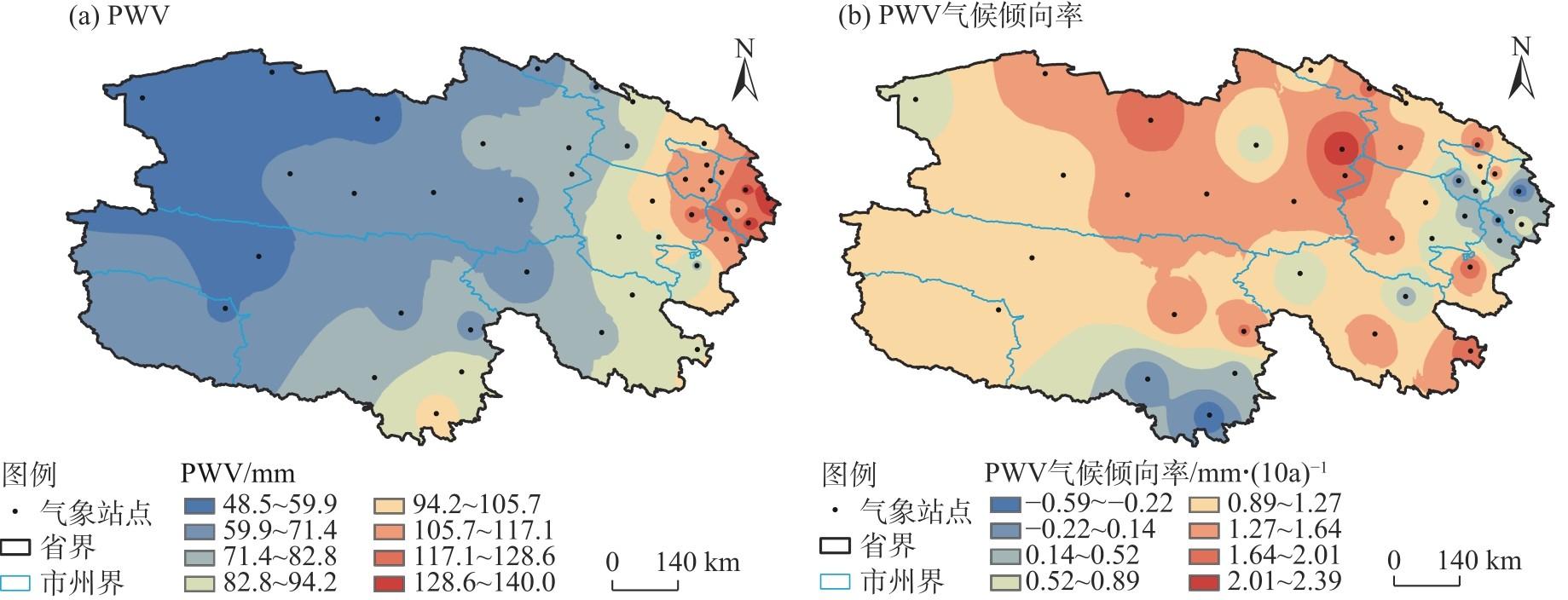
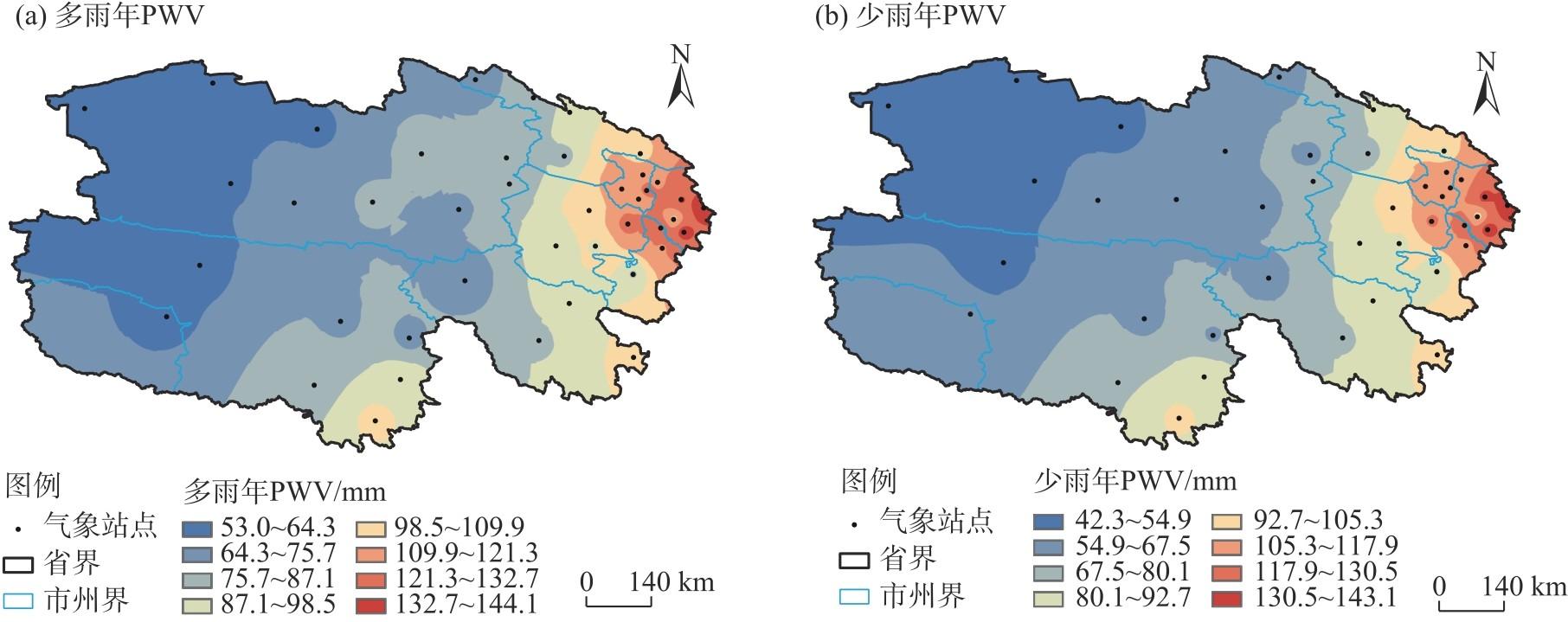
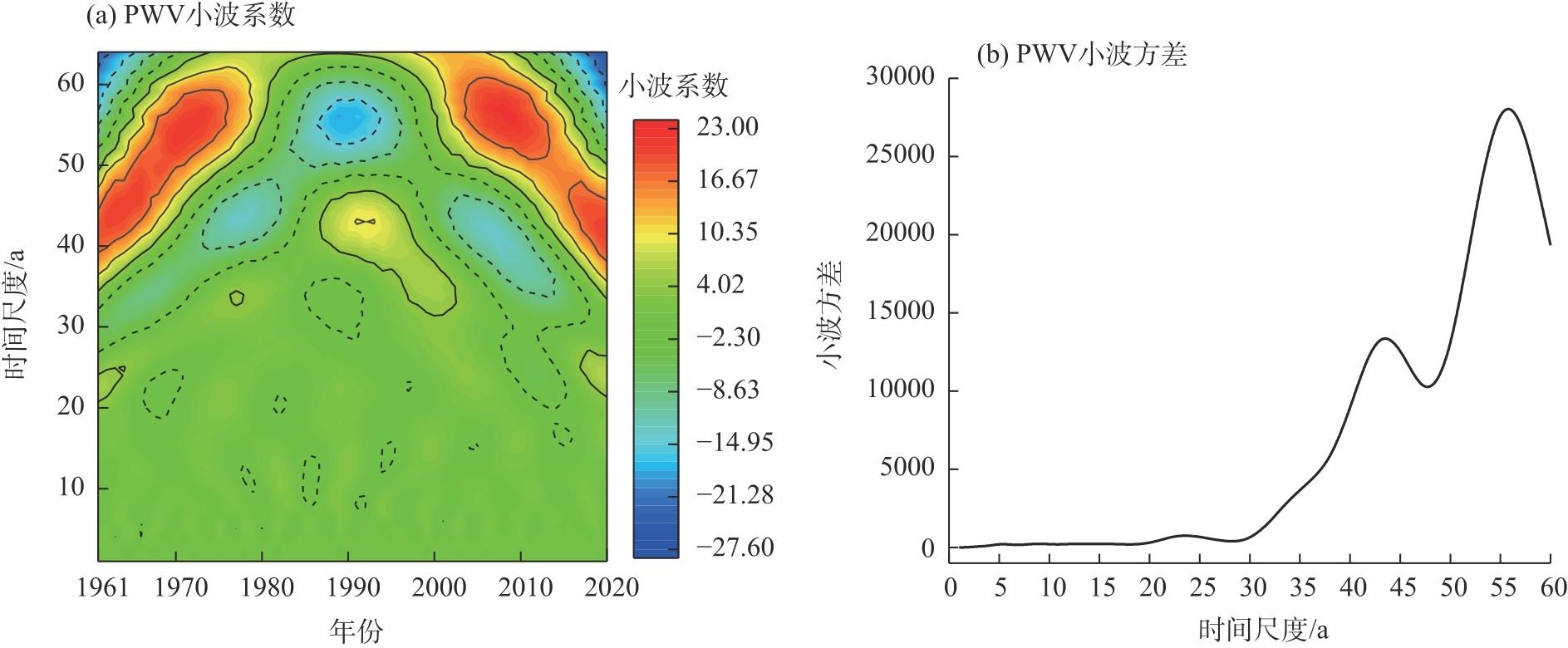
Based on data from 42 surface meteorological stations in Qinghai Province, China from 1961 to 2020, the temporal and spatial distribution characteristics of precipitable water vapor (PWV) on the Qinghai Plateau were calculated and analyzed using an empirical formula between PWV and surface water vapor pressure. Results showed a clear increasing trend in PWV, with maximum values in summer, exhibiting a unimodal distribution. Spatially, PWV increased from west to east and from north to south, with high values in the eastern agricultural area and low values in the Qaidam Basin. Seasonal maxima were observed in the eastern agricultural area, while the minimum occurred in winter. Vertical spatial variation showed the opposite trend, generally increasing from east to west and from south to north, with the smallest values at the eastern and southern edges of the province, and the largest values at the eastern lake region, central Qaidam Basin, and northeastern Qinghai. The annual mean PWV on the Qinghai Plateau exhibited both abrupt and periodic variations, with a significant change detected in 1997. Periodic variations were most pronounced on the 6-10 year timescale. The Hurst exponent values were all greater than 0.8, indicating strong persistence and a high probability that the current upward trend will continue in the future. Correlation analysis revealed that PWV had the lowest correlation with the Asian Meridional Circulation Index and the highest correlation with the Arctic Oscillation Index.
Junlan YI , Xian ZHANG , Donglin QI , wei XU , Pingping XIN . Spatio-temporal variations of atmospheric precipitable water in the Qinghai Plateau in the past 60 years[J]. Arid Land Geography, 2025 , 48(10) : 1736 -1746 . DOI: 10.12118/j.issn.1000-6060.2024.652
表1 青海高原大气可降水量(PWV)年和四季统计Tab. 1 Statistics of annual and four-season precipitable water vapor (PWV) in the Qinghai Plateau |
| 时间 尺度 | 平均值 /mm | 最大值 /mm | 最小值 /mm | 气候倾向率 /mm·(10a)-1 | 相关系数(r) |
|---|---|---|---|---|---|
| 全年 | 87.6 | 97.6 | 80.1 | 1.01 | 0.46** |
| 春季 | 16.4 | 20.1 | 14.2 | -0.02 | -0.02 |
| 夏季 | 42.7 | 50.0 | 39.0 | 0.49 | 0.36** |
| 秋季 | 21.6 | 24.5 | 17.6 | 0.36 | 0.37** |
| 冬季 | 6.9 | 8.6 | 5.2 | 0.17 | 0.43** |
注:**、*分别表示在0.01、0.05水平上显著相关。下同。 |
表2 青海高原PWV与海拔(HB)、纬度(WD)和经度(JD)的关系Tab. 2 Relationship between PWV and altitude (HB), latitude (WD), and longitude (JD) in Qinghai Plateau |
| 年份类型 | 回归方程 | 复相关系数 | F |
|---|---|---|---|
| 多年 平均 | PWV=67.791+3.689WD-7.537JD-0.023HB | 0.949 | 115.440 |
| 多雨年 | PWV=52.185+3.833WD-7.313JD-0.023HB | 0.955 | 129.785 |
| 少雨年 | PWV=46.880+4.180WD-8.296JD-0.025HB | 0.947 | 109.588 |
表3 青海高原PWV年和季节的Hurst指数Tab. 3 Annual and seasonal Hurst indices of PWV in the Qinghai Plateau |
| 指数 | 全年 | 春季 | 夏季 | 秋季 | 冬季 |
|---|---|---|---|---|---|
| Hurst指数 | 0.910 | 0.593 | 0.825 | 0.802 | 0.904 |
表4 青海高原年PWV和大气环流指数的相关系数Tab. 4 Correlation coefficient between annual PWV and atmospheric circulation index in the Qinghai Plateau |
| 指标 | 年降 水量 | 年平均 气温 | 亚洲纬向 环流指数 | 亚洲经向 环流指数 | 西藏高原 -2指数 | 北极涛 动指数 |
|---|---|---|---|---|---|---|
| 相关系数 | 0.58** | 0.52** | -0.037 | -0.064 | 0.103 | 0.261* |
表5 青海高原PWV和气候因子变化趋势Tab. 5 Trends in PWV and climate factors in the Qinghai Plateau |
| 要素 | 1961—1997年 | 1997—2020年 | |||
|---|---|---|---|---|---|
| 平均值 | 气候倾向率 | 平均值 | 气候倾向率 | ||
| PWV | 86.1 mm | 0.15 mm·(10a)-1 | 89.9 mm | 0.75 mm·(10a)-1 | |
| 北极涛动 | 5.0 | -5.0 | 23.6 | 9.4 | |
| 平均气温 | 1.8 ℃ | 0.21 ℃·(10a)-1 | 3.1 ℃ | 0.31 ℃·(10a)-1 | |
| 降水量 | 348.2 mm | 1.4 mm·(10a)-1 | 375.2 mm | 39.3 mm·(10a)-1 | |
| [1] |
姜萍, 胡列群, 许婷婷. 近60 a新疆大气水分亏缺的时空变化特征[J]. 干旱区地理, 2023, 46(1): 1-10.
[
|
| [2] |
刘晶, 周雅蔓, 杨莲梅, 等. 2016年伊犁河谷大气可降水量变化特征及其与降水的关系[J]. 干旱气象, 2019, 37(4): 565-576.
[
|
| [3] |
黄露, 范广洲, 赖欣, 等. 1978—2015年青藏高原大气可降水量的变化特征[J]. 西南大学学报(自然科学版), 2018, 40(2): 94-103.
[
|
| [4] |
王继昌, 姚永强, 杨国安. 西藏物玛与新疆卡拉苏天文候选点的气象条件[J]. 天文研究与技术, 2008, 5(4): 404-414.
[
|
| [5] |
王晶星, 刘煜, 宋腾飞, 等. 大理洱海东岸山区天文气象条件初步统计分析: 2016至2017年大气季节特征[J]. 大理大学学报, 2018, 3(6): 30-33.
[
|
| [6] |
刘浩, 詹杰, 李建玉, 等. 青海德令哈大气气溶胶光学特征及可降水量分析[J]. 大气与环境光学学报, 2016, 60(3): 172-181.
[
|
| [7] |
张永婧, 王盘兴, 姚永强, 等. 中国天文气象条件的地域分布[J]. 中国科学: 物理学力学天文学, 2010, 40(10): 1302-1314.
[
|
| [8] |
邓李才, 杨帆, 何飞, 等. 冷湖赛什腾山光学天文台址勘选结果及暗夜保护[J]. 青海科技, 2022, 29(3): 46-59.
[
|
| [9] |
方文维, 朱紫云, 林日新. 我国大气可降水量变化特征分析[J]. 海峡科学, 2019, 151(7): 19-24, 32.
[
|
| [10] |
黄小燕, 王圣杰, 王小平. 1960—2015年中国西北地区大气可降水量变化特征[J]. 气象, 2018, 44(9): 1191-1199.
[
|
| [11] |
张扬, 李宝富, 陈亚宁. 1970—2013年西北干旱区空中水汽含量时空变化与降水量的关系[J]. 自然资源学报, 2018, 33(6): 1043-1055.
[
|
| [12] |
赵世康, 穆振侠, 李刚, 等. 新疆大气可降水量时空演变特征及其与降水转化关系[J]. 干旱区研究, 2025, 42(2): 191-201.
[
|
| [13] |
唐仲涛, 李甫, 张青, 等. 1961年—2020年祁连山地区大气可降水量变化分析[J]. 青海科技, 2021, 28(6): 113-118, 124.
[
|
| [14] |
鲁同所, 舒善杰, 廖偲含, 等. 近30年拉萨市大气可降水量变化特征研究[J]. 昆明理工大学学报(自然科学版), 2021, 46(3): 47-55.
[
|
| [15] |
强安丰, 汪妮, 解建仓, 等. 三江源区大气可降水量时空特征及其与降水关系[J]. 干旱气象, 2019, 37(1): 22-30.
[
|
| [16] |
校瑞香, 祁栋林, 周万福, 等. 1971—2010年青海高原不同功能区可降水量的变化特征[J]. 冰川冻土, 2014, 36(6): 1456-1464.
[
|
| [17] |
张娟, 肖宏斌, 徐维新, 等. 1971—2010年柴达木盆地可降水量变化特征及其与气象条件分析[J]. 资源科学, 2013, 35(11): 2289-2297.
[
|
| [18] |
梅成红, 胡垚, 管琴, 等. 青海地区ERA5大气可降水量分布特征及性能分析[J]. 青海科技, 2023, 30(3): 164-170.
[
|
| [19] |
秦鑫, 赵姝慧, 马嘉理, 等. 辽宁地区大气可降水量与降水关系的研究[J]. 气象, 2020, 46(1): 80-88.
[
|
| [20] |
徐爽, 胡鹏宇, 贾越, 等. 2020—2021年沈阳地区4次短时强降水过程的大气可降水量变化对比分析[J]. 气象与环境学报, 2023, 39(2): 28-34.
[
|
| [21] |
李红梅, 李作伟, 王振宇, 等. 青海高原不同生态功能区气候突变时间的比较分析[J]. 冰川冻土, 2012, 34(6): 1388-1393.
[
|
| [22] |
杨景梅, 邱金桓. 用地面湿度参量计算我国整层大气可降水量及有效水汽含量方法的研究[J]. 大气科学, 2002, 26(1): 9-22.
[
|
| [23] |
张学文. 可降水量与地面水汽压力的关系[J]. 气象, 2004, 30(2): 9-11.
[
|
| [24] |
魏凤英. 现代气候统计诊断与预测技术[M]. 北京: 气象出版社, 2007: 18, 63-66, 99-104.
[
|
| [25] |
汤国安, 杨昕. ArcGIS地理信息系统空间分析试验教程[M]. 2版. 北京: 科学出版社, 2012: 289-291.
[
|
| [26] |
顾骏强, 施能, 薛根元. 近40年浙江省降水量、雨日的气候变化[J]. 应用气象学报, 2002, 13(3): 322-329.
[
|
| [27] |
杜军, 高佳佳, 陈涛, 等. 1981—2023年雅鲁藏布江流域大气饱和水汽压差变化及影响因素[J]. 气候变化研究进展, 2024, 20(5): 544-557.
[
|
| [28] |
顾玮, 古丽·加帕尔, 尹瀚民, 等. 新疆南疆地区太阳能资源时空分布特征及区划研究[J]. 干旱区地理, 2021, 44(6): 1665-1675.
[
|
| [29] |
杨清, 陈伟, 王俊, 等. 气候变暖背景下安徽省地震时空特征与气象因子关系研究[J]. 安徽农学通报, 2022, 28(3): 169-172.
[
|
| [30] |
燕振宁, 马学谦. 青海高原不同地区大气水汽含量的对比分析[J]. 干旱气象, 2018, 36(3): 365-372, 422.
[
|
| [31] |
刘凯, 聂格格, 张森. 中国1951—2018年气温和降水的时空演变特征研究[J]. 地球科学进展, 2020, 313(11): 1113-1126.
[
|
/
| 〈 |
|
〉 |