



Estimation of evaporation loss from typical lakes in the Kumukuli Basin, East Kunlun Mountains
Received date: 2024-03-13
Revised date: 2024-03-26
Online published: 2026-03-11
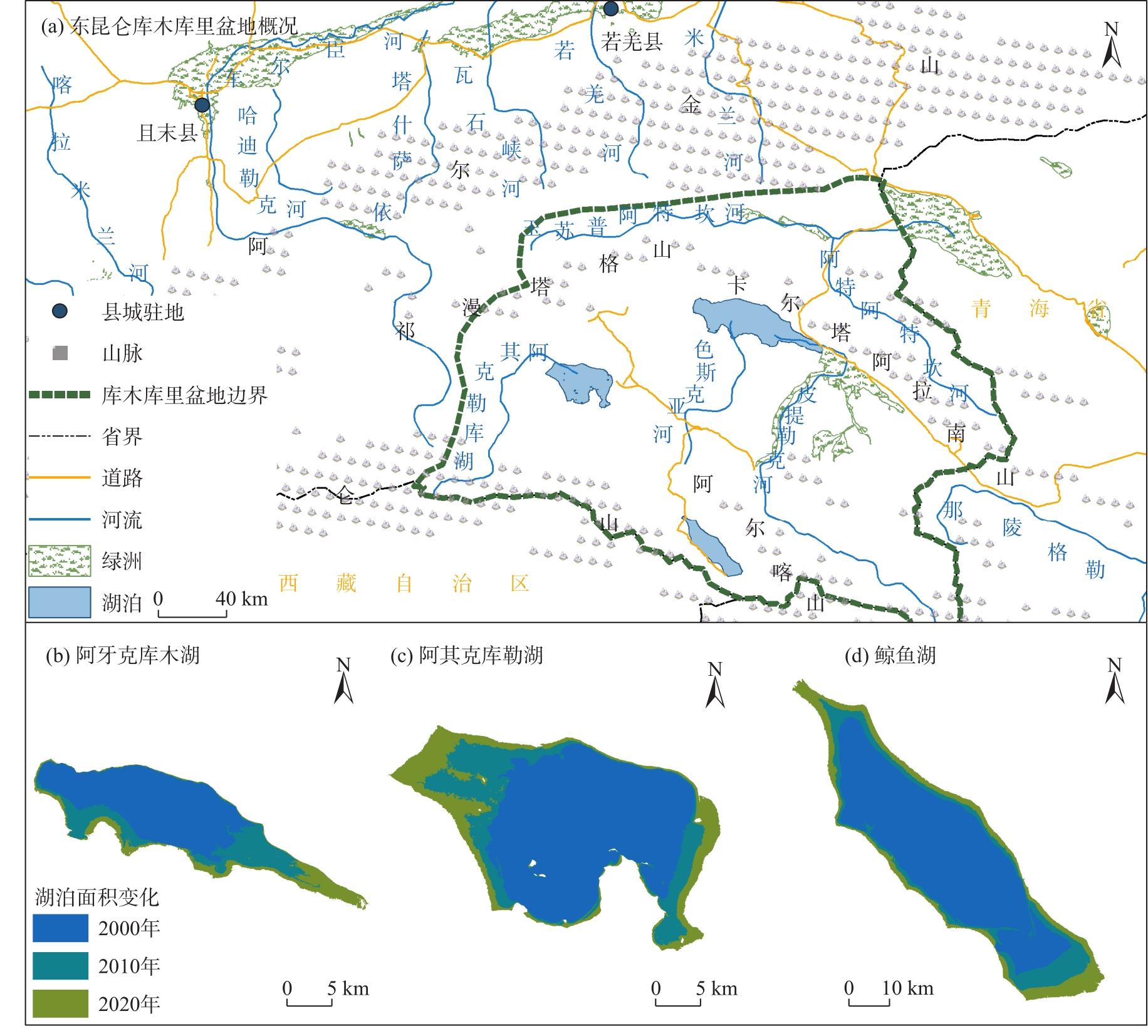
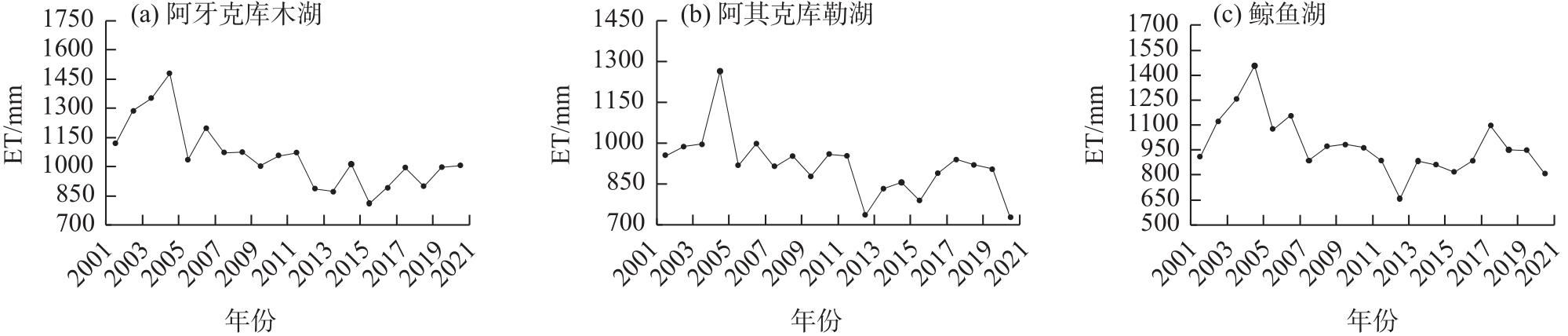
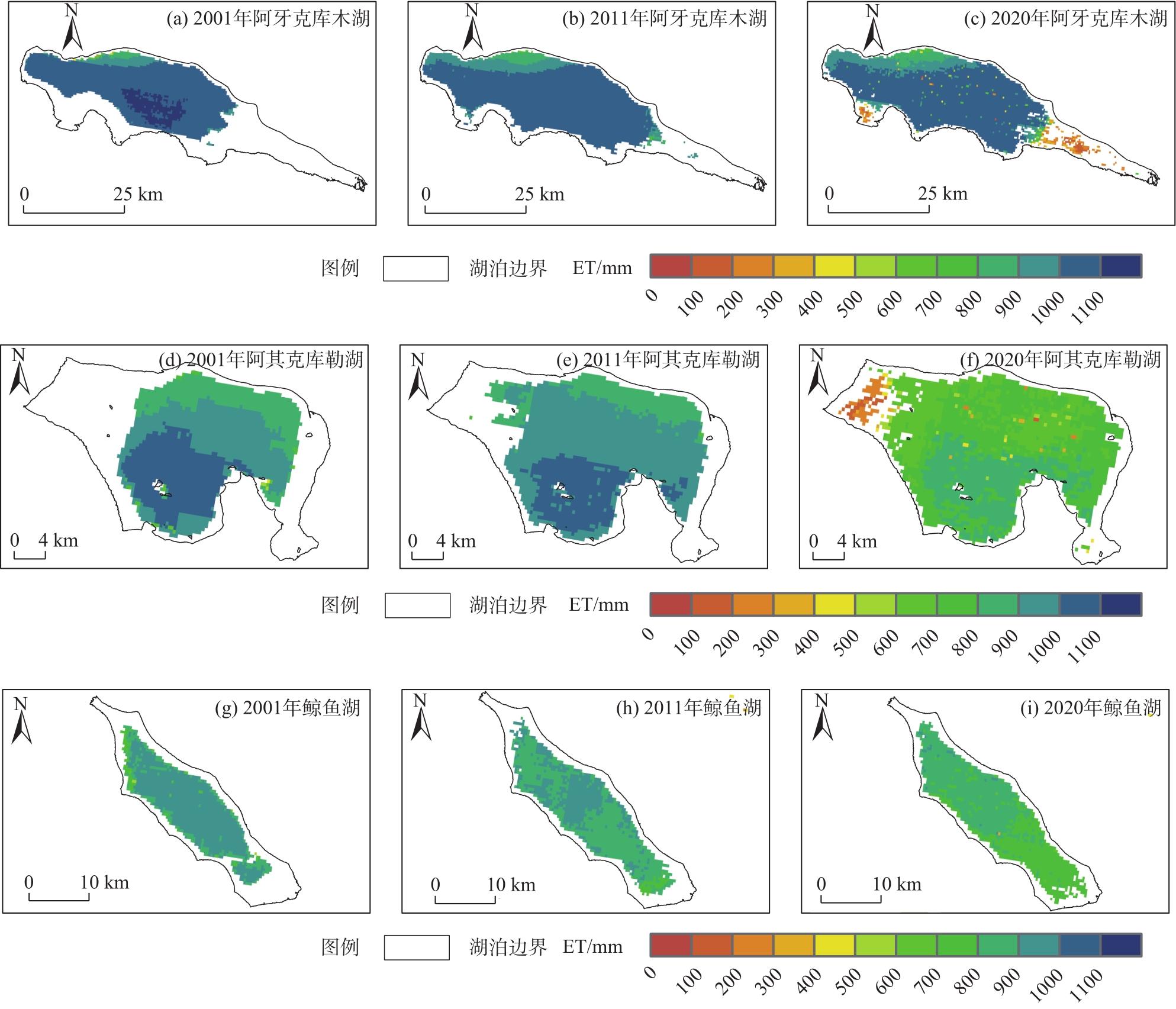
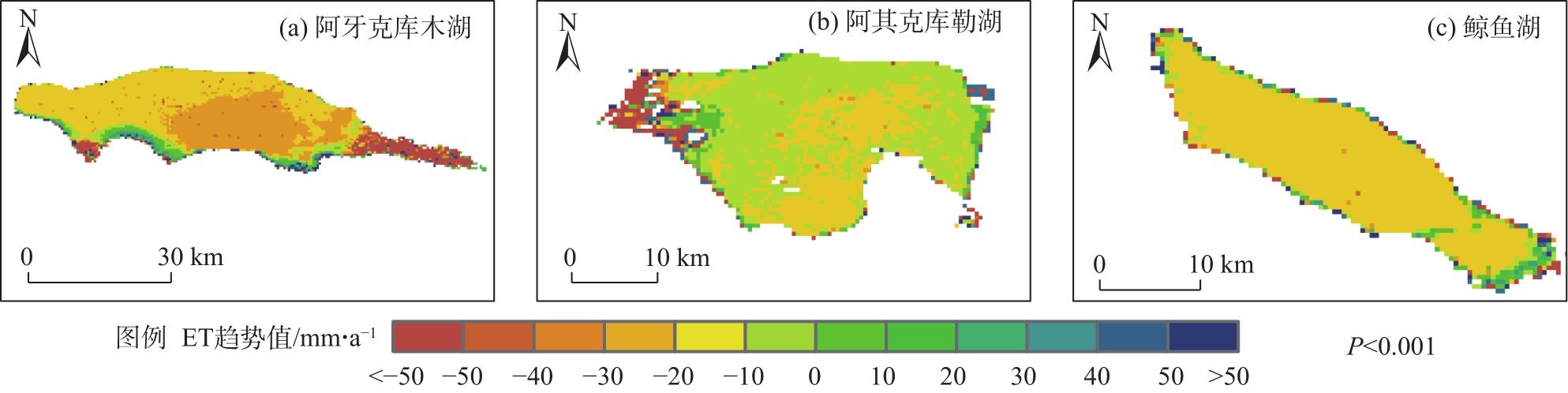
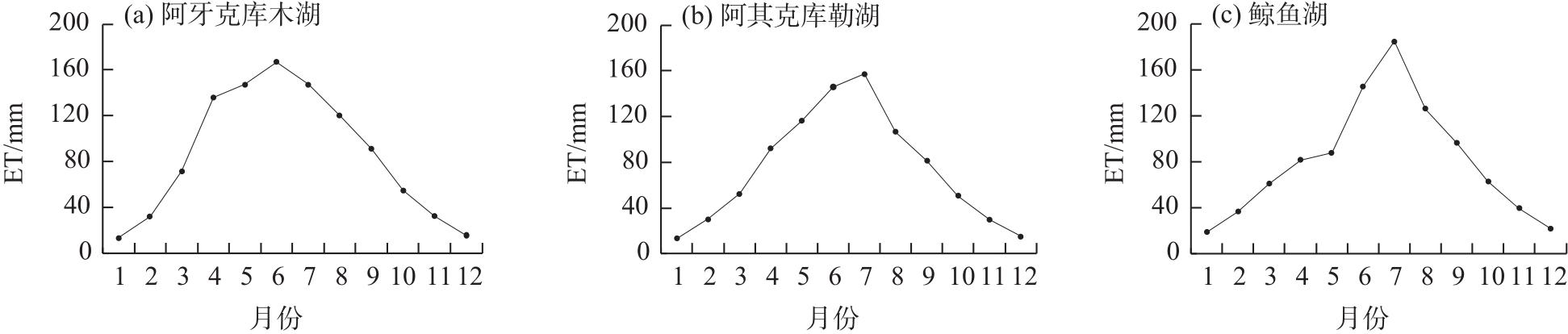
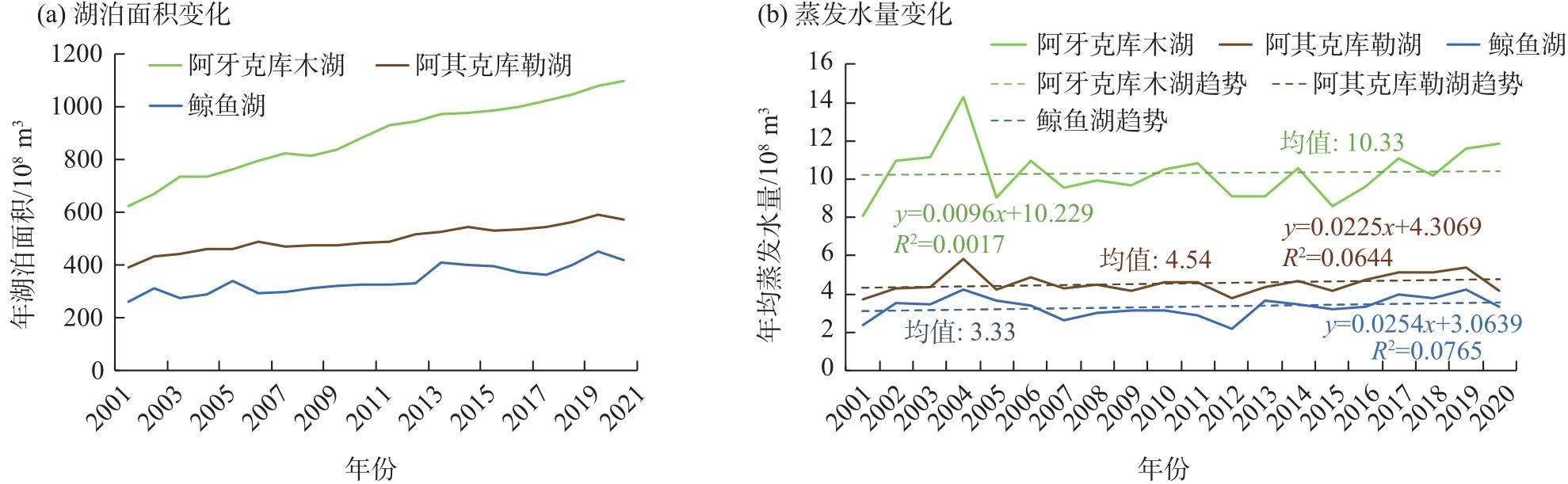
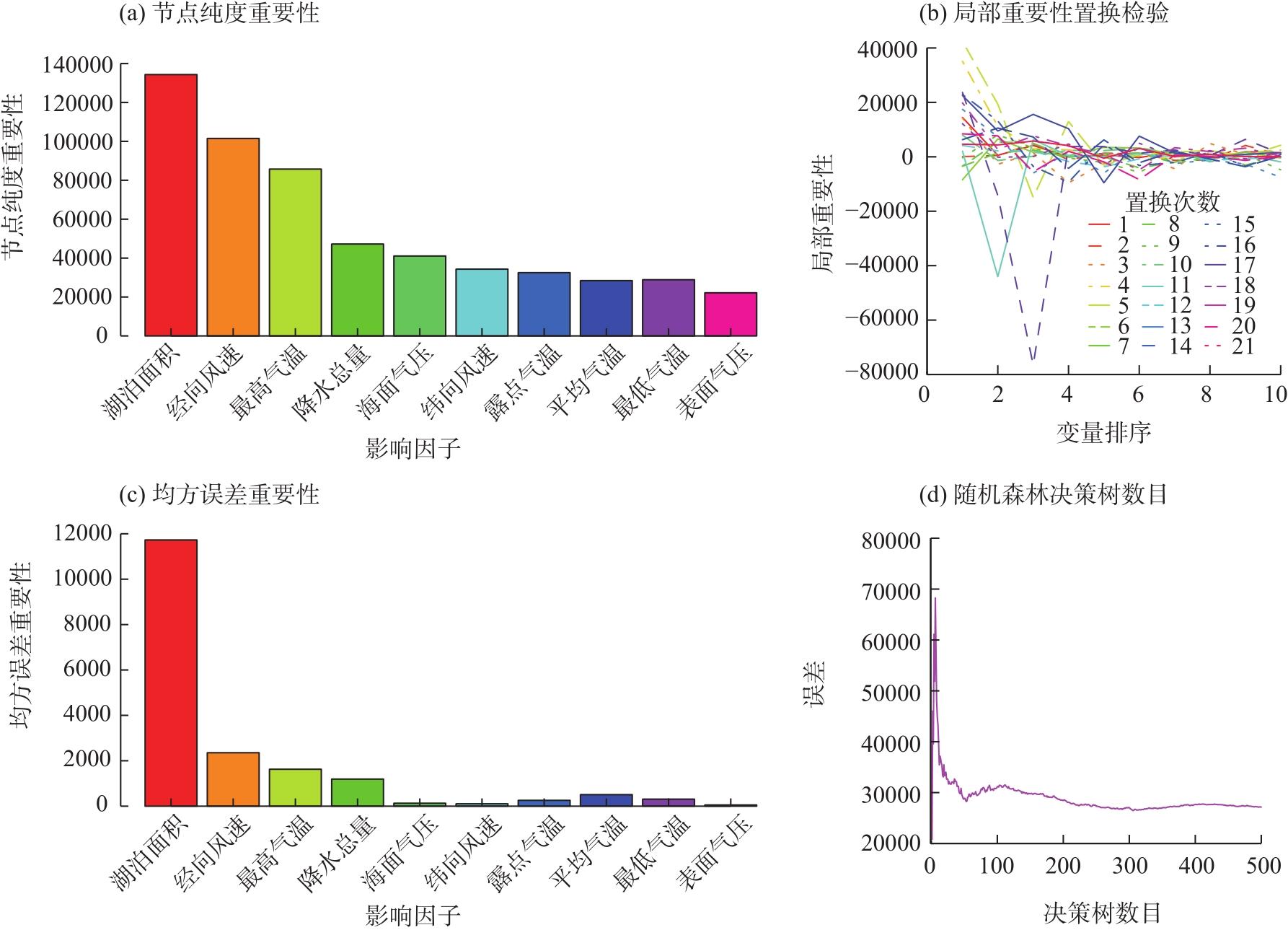
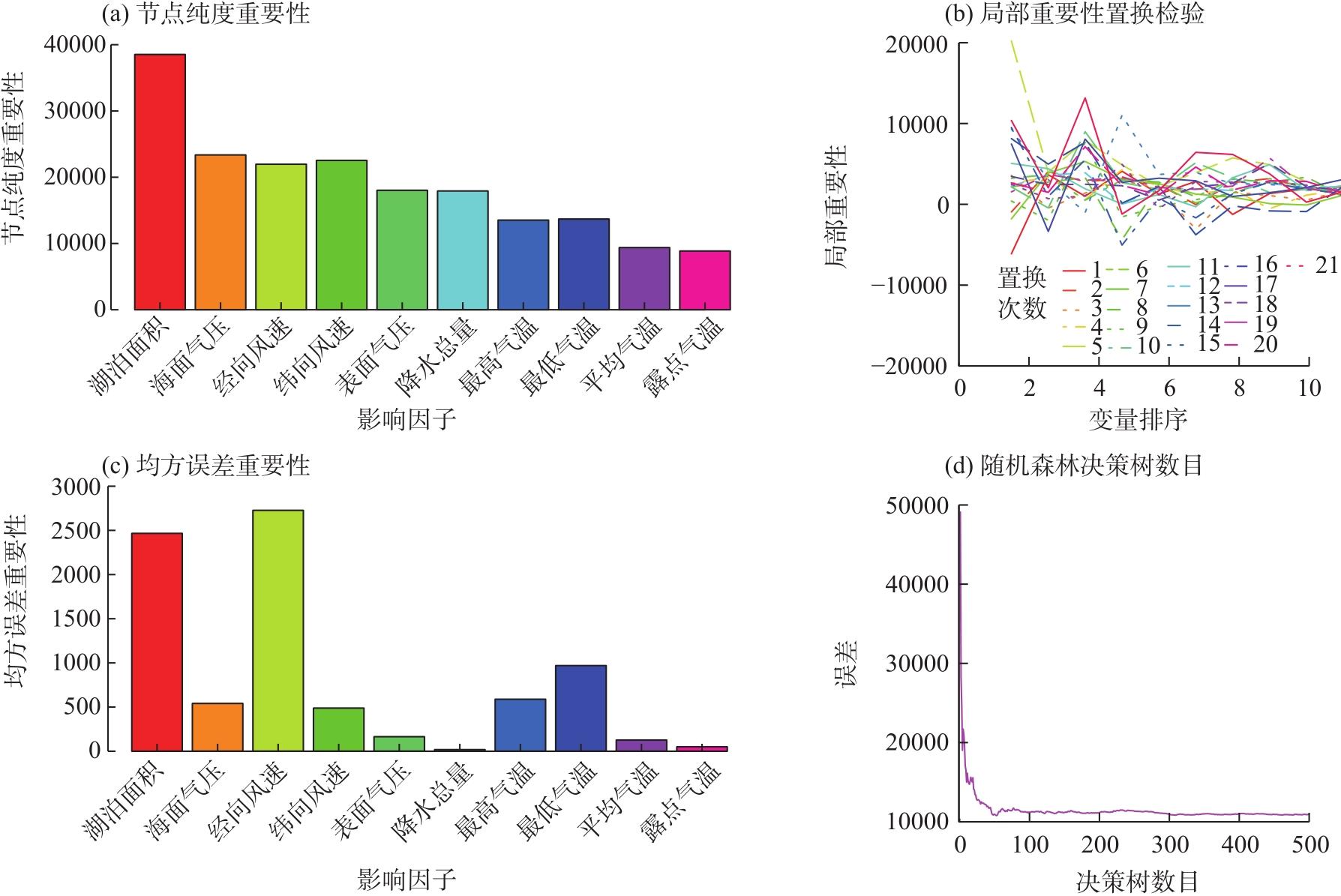
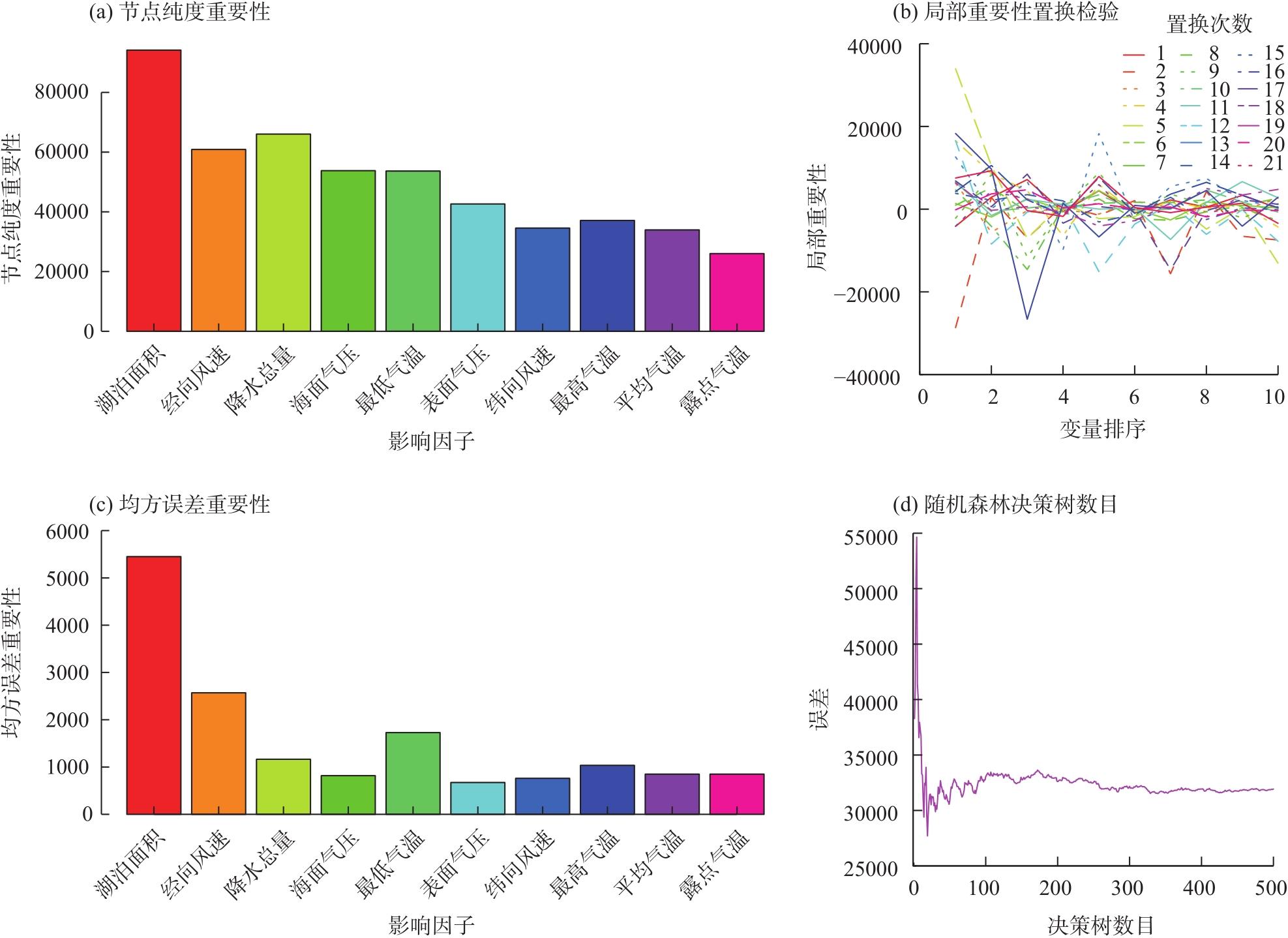
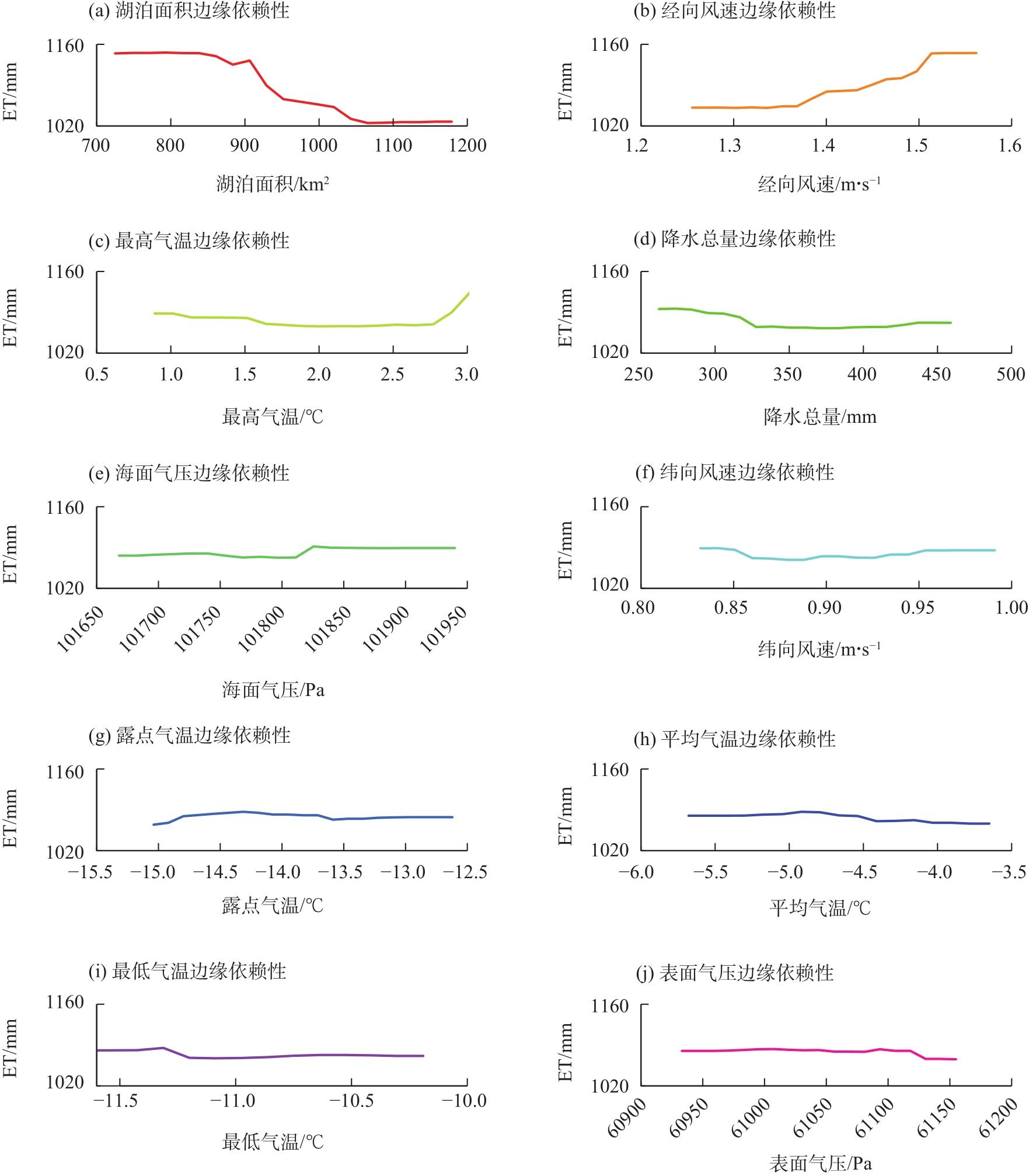
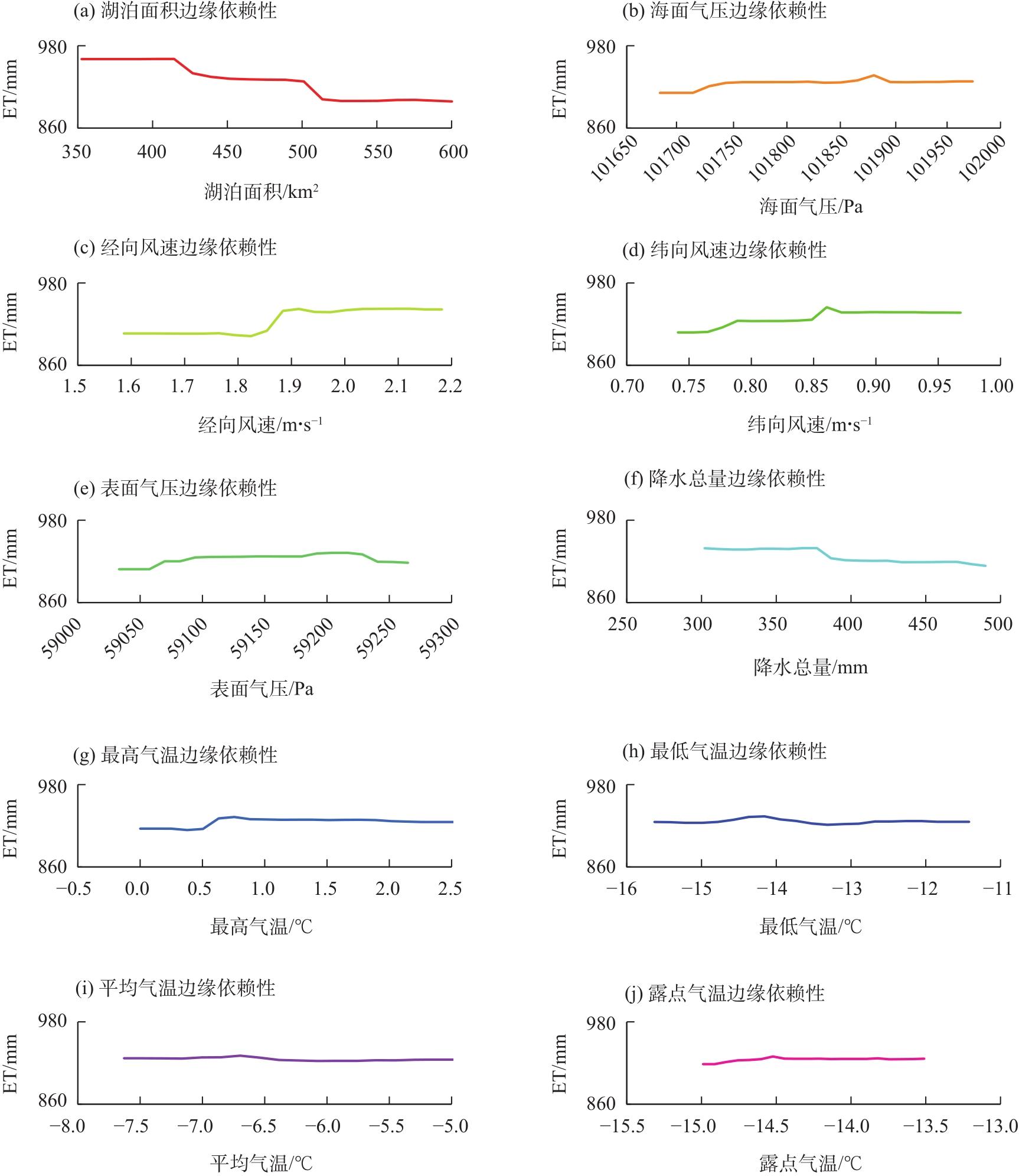
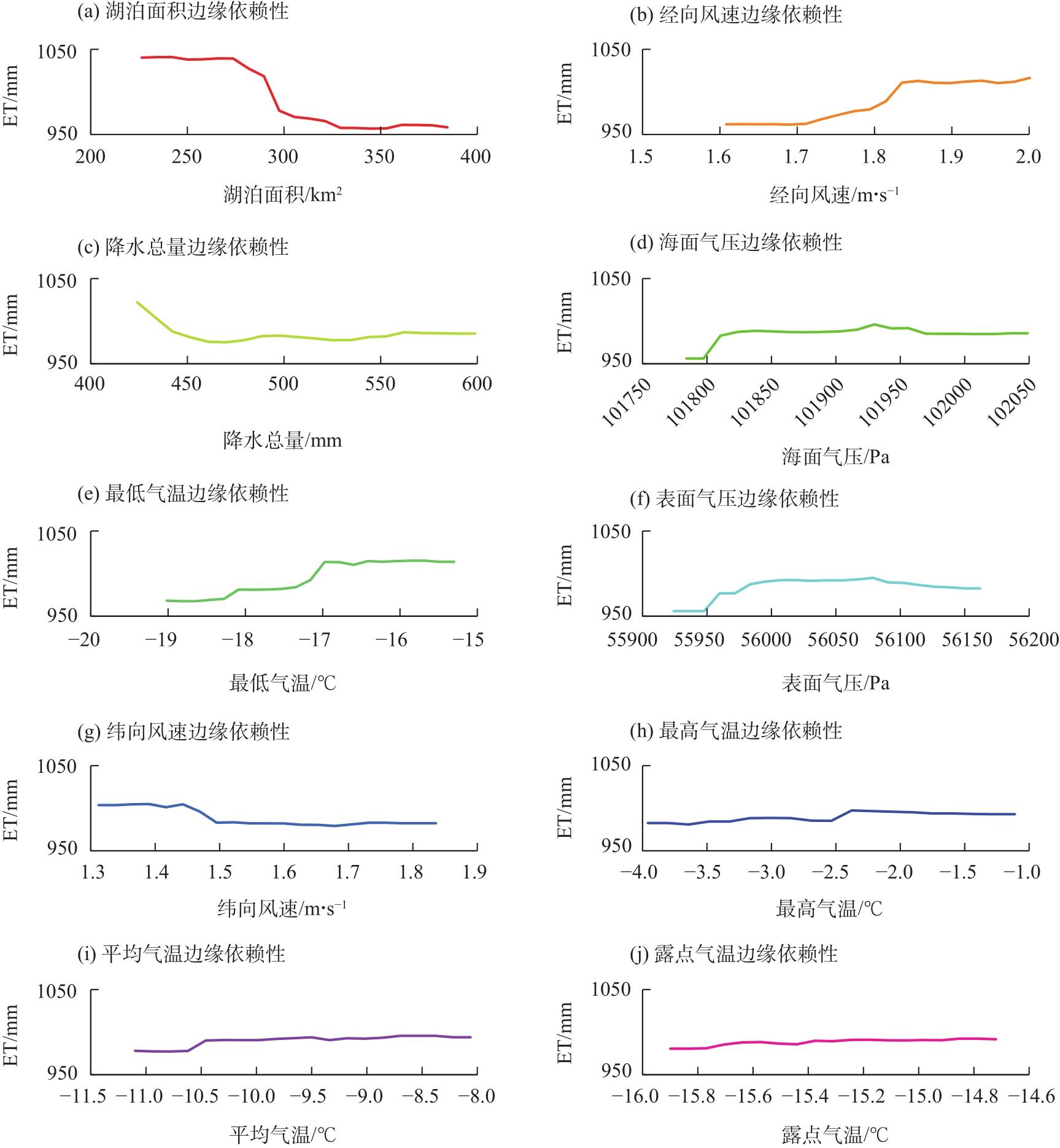
Estimating lake water evaporation losses is of significant importance for addressing water scarcity in arid regions and for the protection of lake ecosystems. This study analyzed the spatiotemporal variations of actual evapotranspiration (ET) in three typical lakes within the Kumukuli Basin of East Kunlun Mountains over the past 20 years. Using empirical formulas, we estimated the evaporation losses and applied a random forest model to identify potential factors influencing changes in lake water evaporation. This study examines the spatiotemporal variation in ET of typical lakes in the Kumukuli Basin of East Kunlun Mountains using PML-V2 data, estimates water loss due to lake evaporation through empirical formulas, and explores the influencing factors of lake ET changes using a random forest model. Key findings include (1) From 2001 to 2020, the annual ET of Ayakkum Lake, Aqqikkol Lake, and Whale Lake exhibited a fluctuating trend, initially increasing, then decreasing, and subsequently showing a gradual increase, with peak and trough occurring in 2004 and 2012, respectively. (2) The ET of the three lakes demonstrated an inverted U-shaped pattern within the year, with Ayakkum Lake peaking in June and the other two lakes in July. Aqqikkol Lake exhibited a relatively gentle increase, while Whale Lake saw a significant rise from May to July, reaching 48.45 mm·month-1. (3) During the same period, the evaporation water volume of the three lakes increased, with Ayakkum Lake recording the highest at 10.33×10⁸ m³·a-1, followed by Aqqikkol Lake at 4.54×10⁸ m³·a-1, and Whale Lake at 3.33×10⁸ m³·a-1. (4) Analysis using the random forest model indicates that lake area significantly influences evaporation volume. Additional factors, including increases in wind speed, maximum temperature, and precipitation, also drive evaporation changes, contributing over 45% cumulatively.
Zhi LI , Chenggang ZHU , Jiayou WANG , Yongchang LIU , Chuan WANG , Xueqi ZHANG , Shiru HAN , Gonghuan FANG . Estimation of evaporation loss from typical lakes in the Kumukuli Basin, East Kunlun Mountains[J]. Arid Land Geography, 2024 , 47(8) : 1263 -1276 . DOI: 10.12118/j.issn.1000-6060.2024.166
| [1] |
|
| [2] |
|
| [3] |
|
| [4] |
|
| [5] |
|
| [6] |
艾尔肯·图尔荪, 玉素甫江·如素力, 崔一爽, 等. 2000—2019年新疆大型湖泊湖冰物候时空变化特征[J]. 干旱区地理, 2022, 45(5): 1440-1449.
[
|
| [7] |
|
| [8] |
于革, 赖格英, 薛滨, 等. 中国西部湖泊水量对未来气候变化的响应——蒙特卡罗概率法在气候模拟输出的应用[J]. 湖泊科学, 2004, 16(3): 193-202.
[
|
| [9] |
|
| [10] |
|
| [11] |
|
| [12] |
|
| [13] |
|
| [14] |
|
| [15] |
|
| [16] |
|
| [17] |
|
| [18] |
|
| [19] |
|
| [20] |
|
| [21] |
|
| [22] |
|
| [23] |
|
| [24] |
柯长青. 湖泊遥感研究进展[J]. 海洋湖沼通报, 2004(4): 81-86.
[
|
| [25] |
|
| [26] |
|
| [27] |
刘鸿波, 董理, 严若婧, 等. ERA5 再分析资料对中国大陆区域近地层风速气候特征及变化趋势再现能力的评估[J]. 气候与环境研究, 2021, 26(3): 299-311.
[
|
| [28] |
刘婷婷, 朱秀芳, 郭锐, 等. ERA5再分析降水数据在中国的适用性分析[J]. 干旱区地理, 2022, 45(1): 66-79.
[
|
| [29] |
|
| [30] |
|
| [31] |
|
| [32] |
|
| [33] |
|
| [34] |
|
| [35] |
|
| [36] |
|
| [37] |
|
| [38] |
|
| [39] |
陈军, 汪永丰, 郑佳佳, 等. 中国阿牙克库木湖水量变化及其驱动机制[J]. 自然资源学报, 2019, 34(6): 1345-1356.
[
|
/
| 〈 |
|
〉 |