



Analysis of the coordinated development of tourism economy and high-speed transportation under the integration of “transportation and tourism”: Based on Guanzhong Plain urban agglometration
Received date: 2023-07-02
Revised date: 2023-09-05
Online published: 2026-03-11
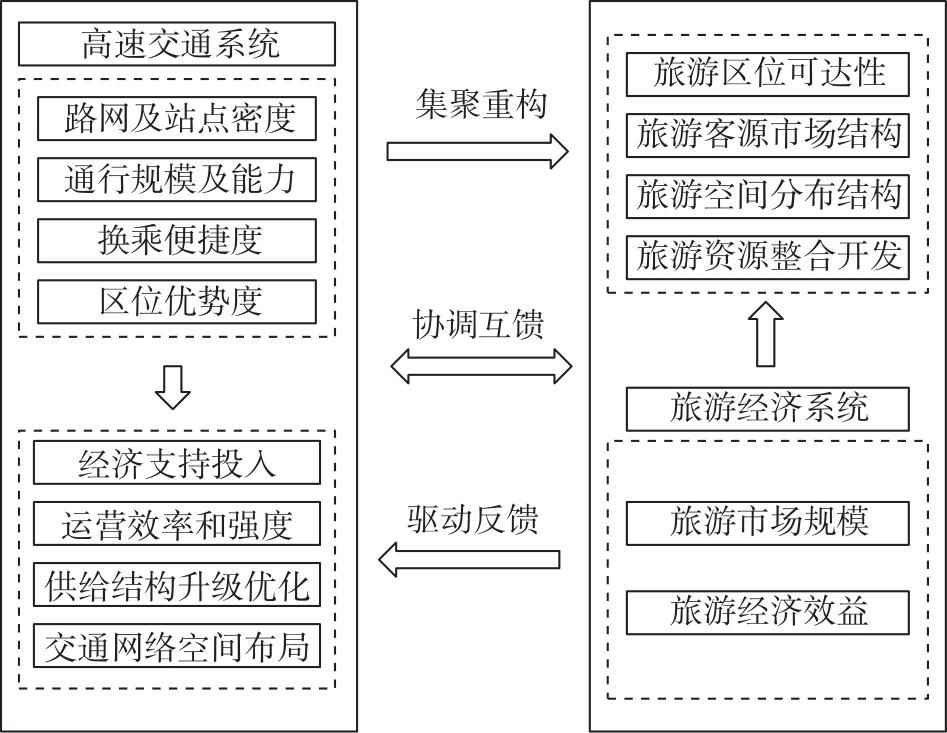
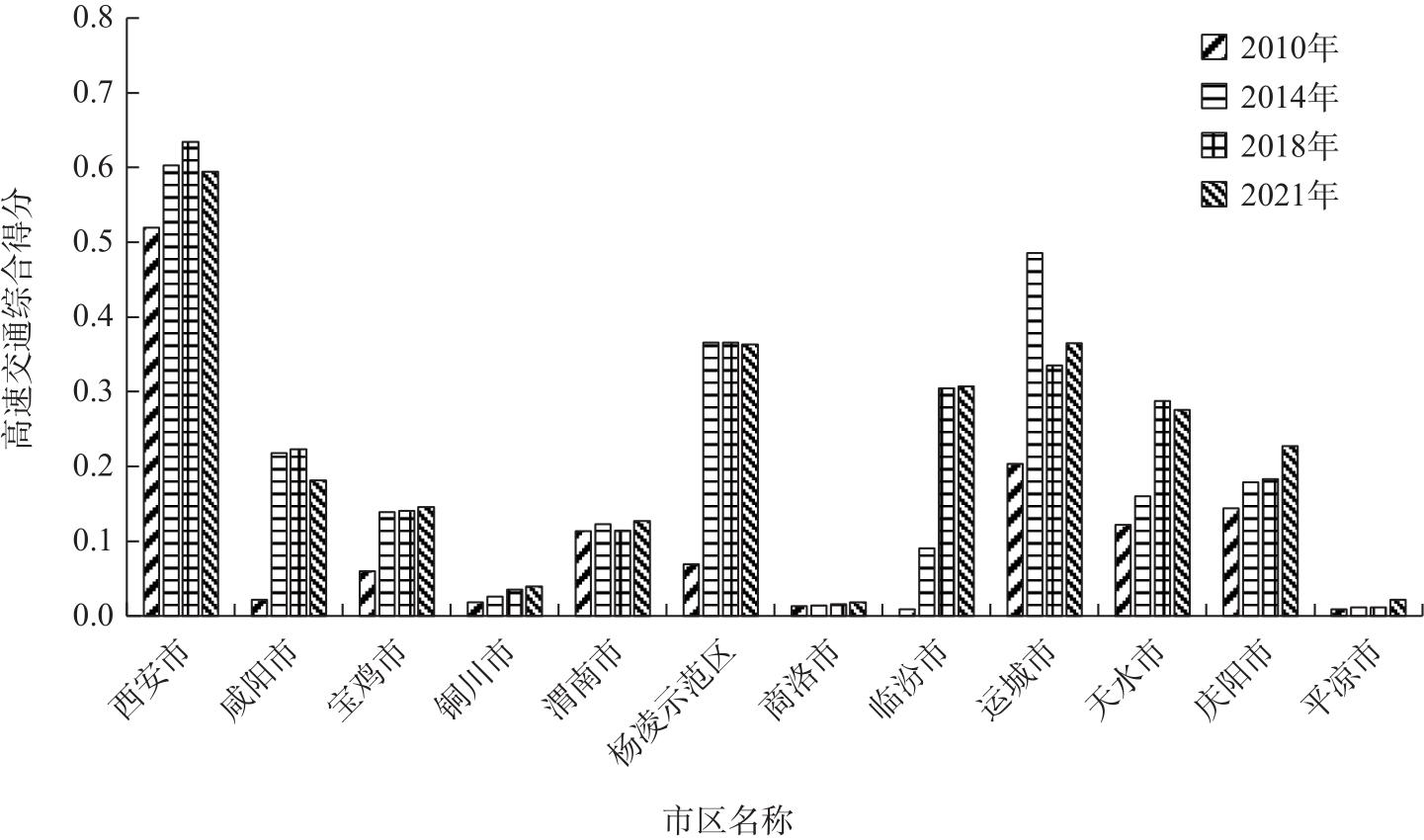
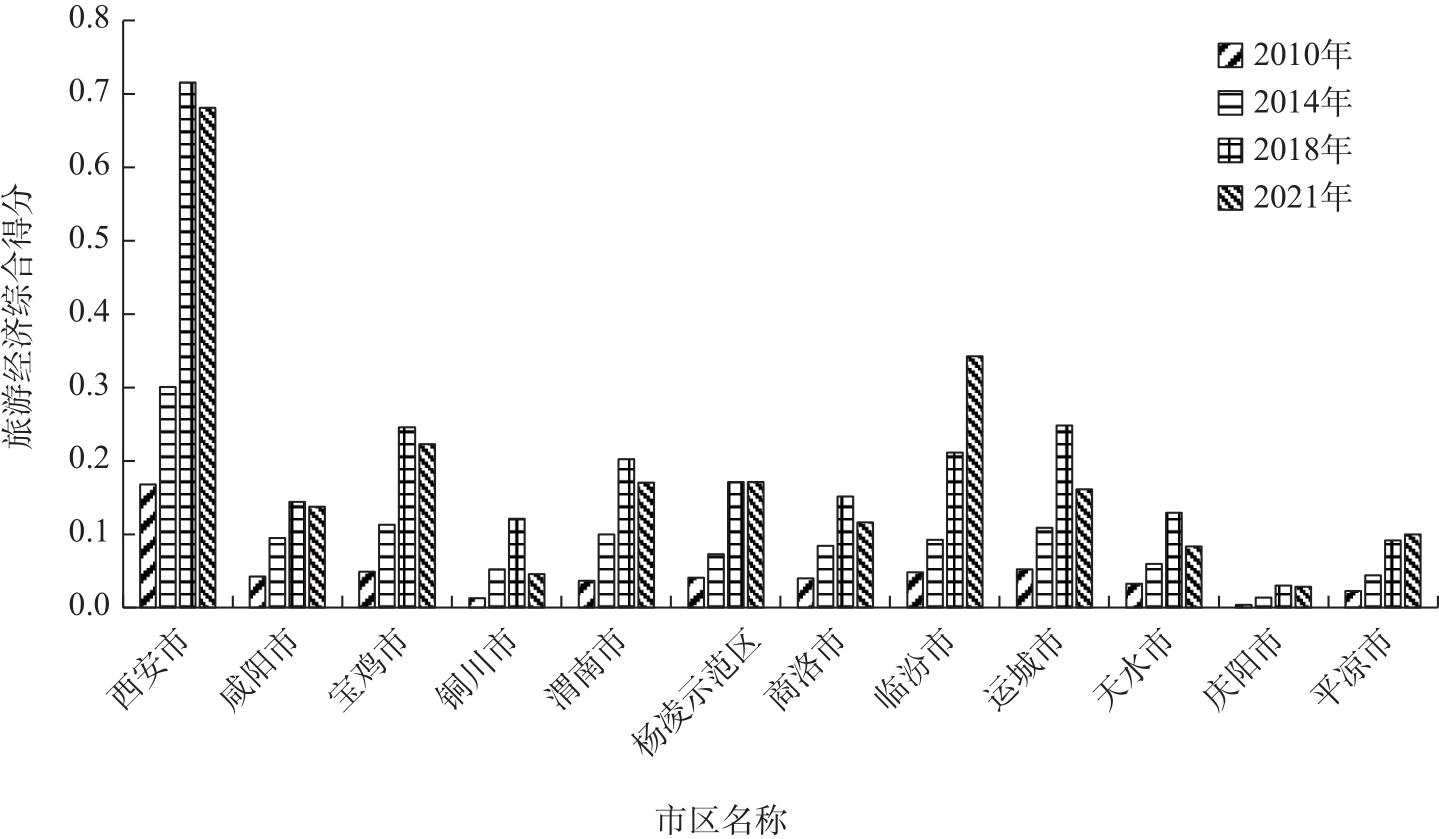
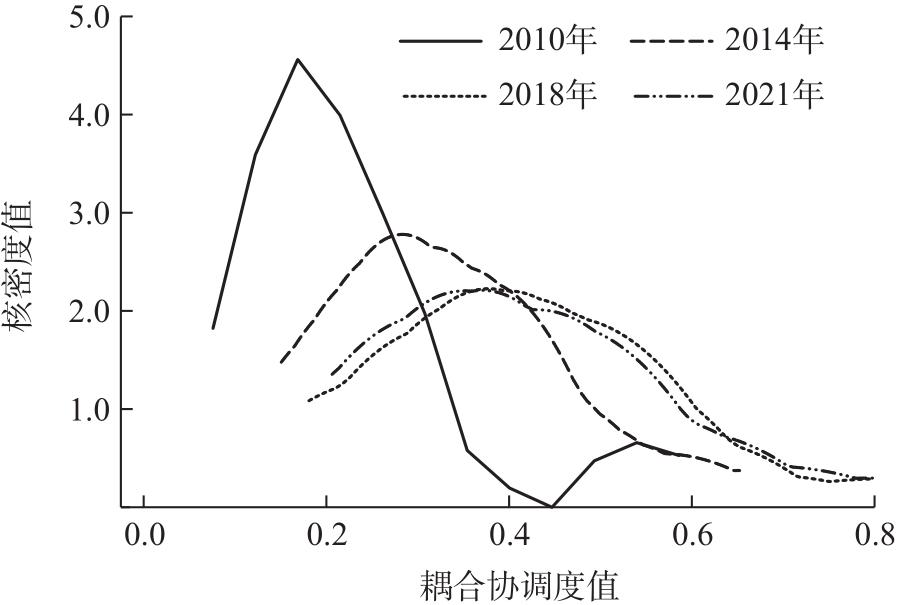
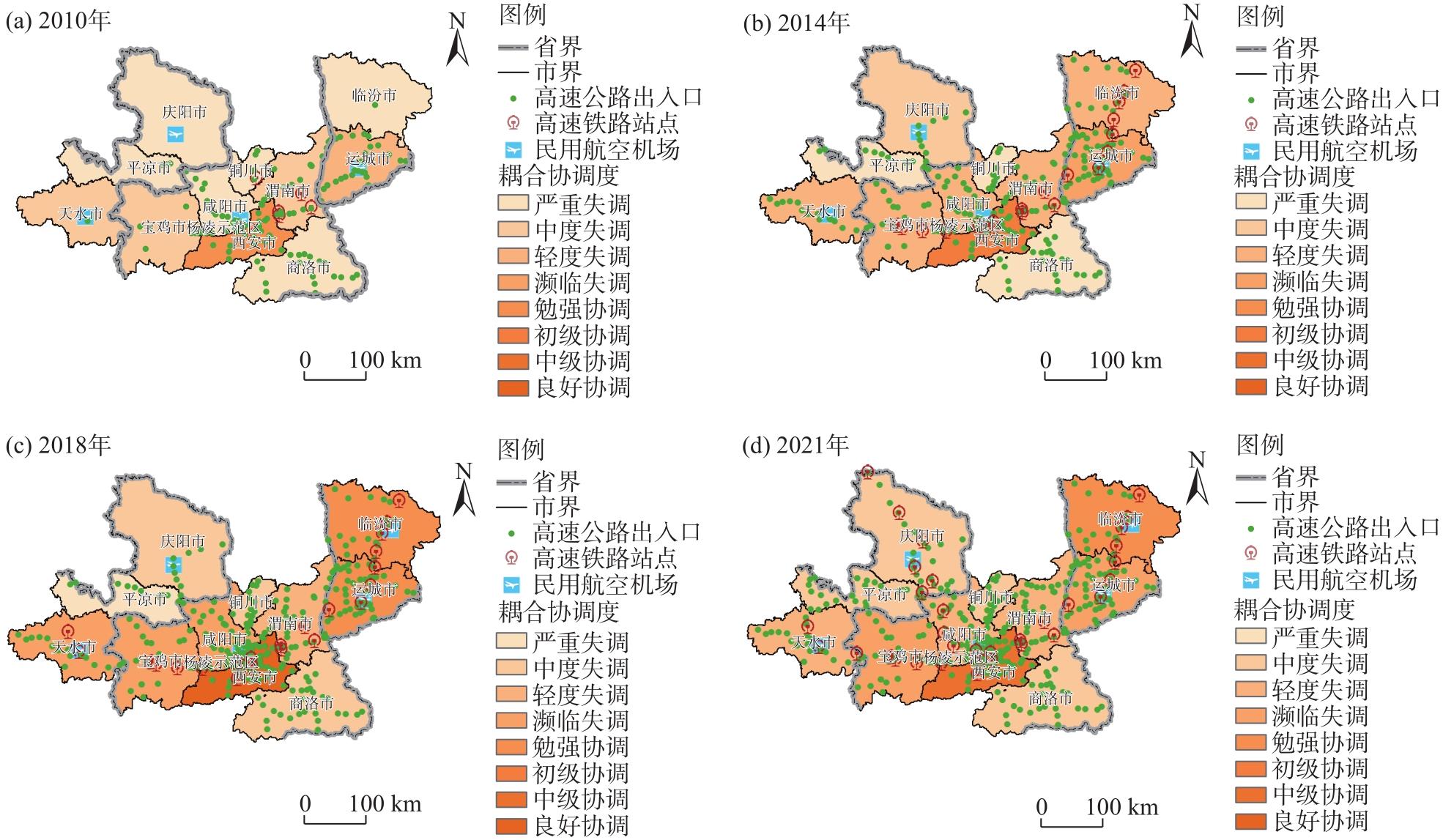
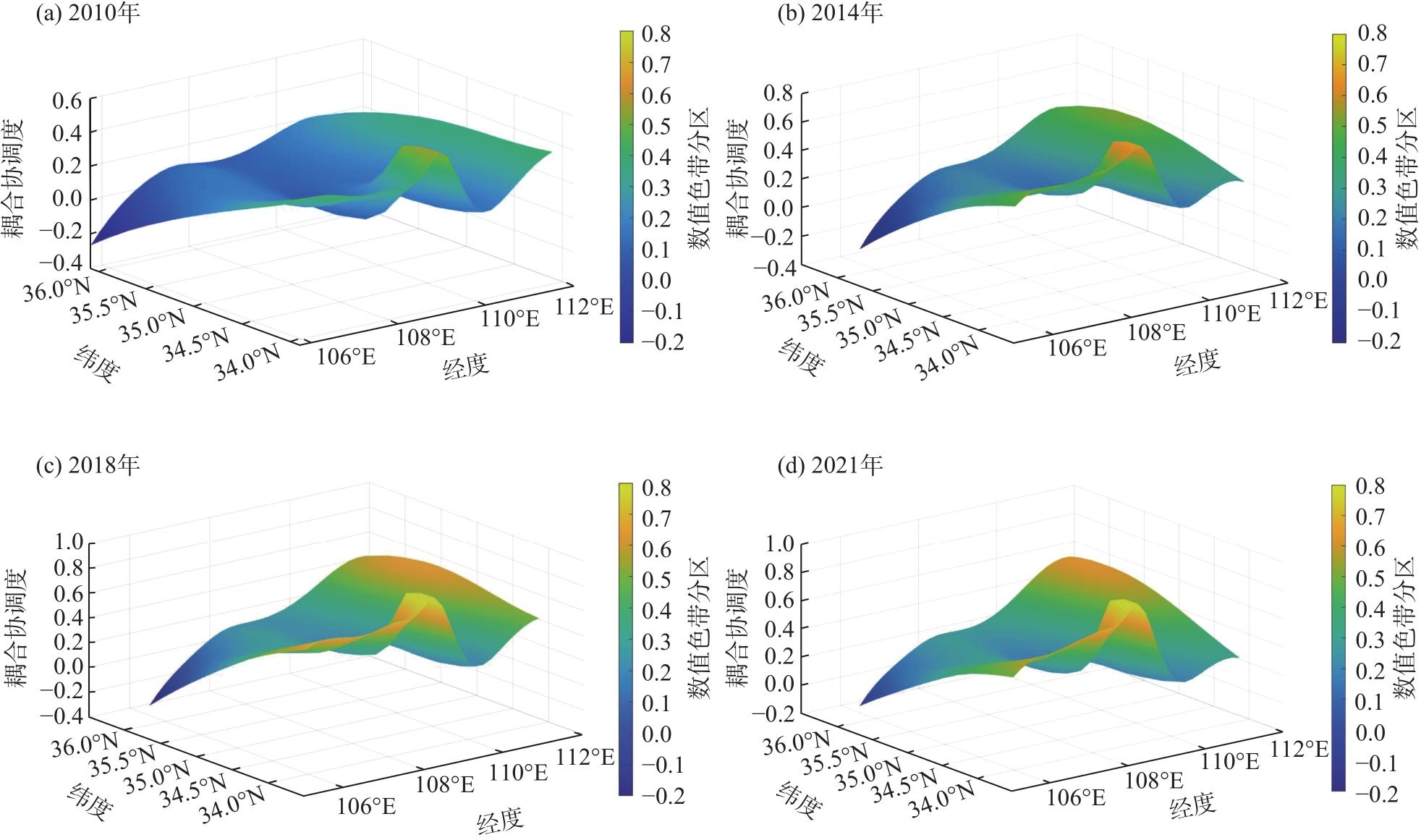
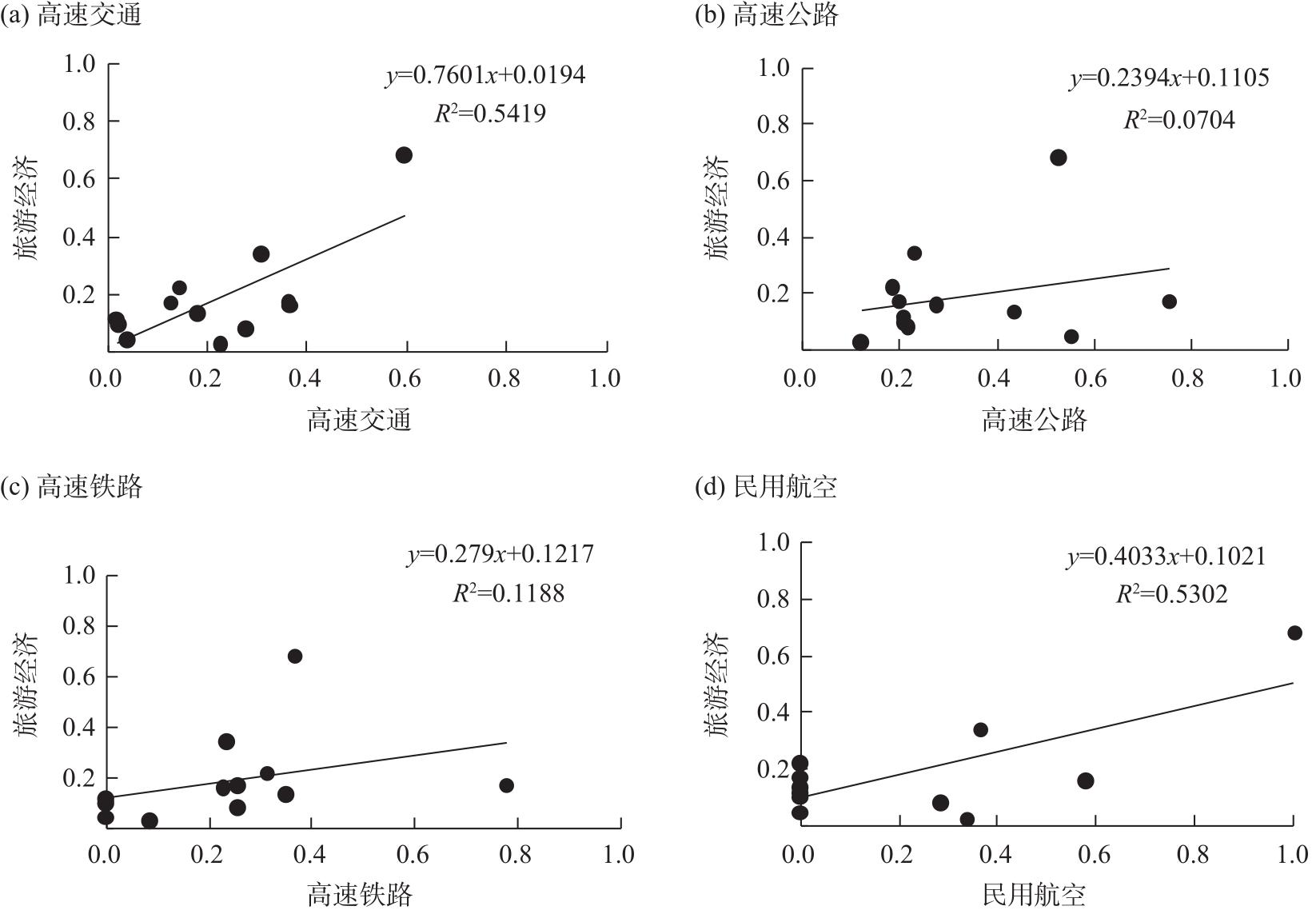
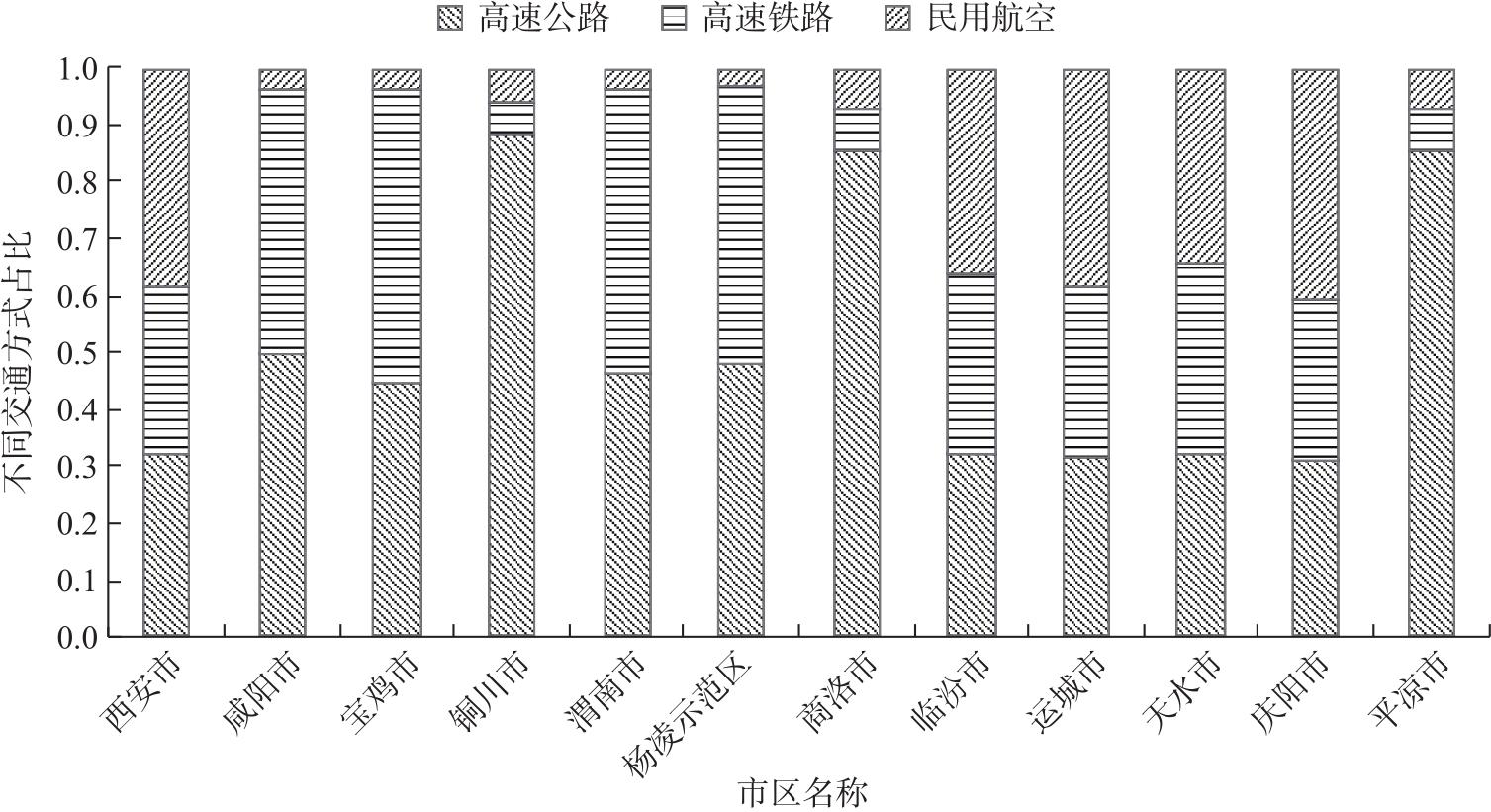
Guanzhong Plain urban agglometration are significant hubs for tourism resources in western China, and the development of its many tourism resources and balanced socioeconomic development require the support of high-speed transport and other infrastructure. In the context of the strategy of a strong transportation country and the development of “transportation and tourism integration”, theoretical research and empirical analysis on promoting the coordinated development of high-speed transportation and the tourism economy can provide support for transforming and upgrading transportation and tourism industries in urban agglomerations. This study focuses on the Guanzhong Plain urban agglometration, utilizing a comprehensive evaluation index system of high-speed transportation and tourism economy. It employs methods such as the entropy value method, the coupling coordination model, and the kernel density function to analyze the comprehensive development of high-speed transportation and the tourism economy. It also analyzes the evolution trend of their coupling coordination over time and space dimensions and examines the differences in the coordinated development of various high-speed transportation modes and the tourism economy. The results show that: (1) The overall comprehensive level of high-speed transportation and tourism economy of Guanzhong Plain urban agglometration is increasing, but a significant developmental difference exists within the city cluster, presenting the phenomenon of uneven development of “one big, and other small”. (2) The high-speed transportation and tourism economy of the city cluster have not yet formed a clear pattern of coordinated development, with their coupling and coordination degree gradually rising over time and evolving to the pattern of “one circle, one axis, and three belts” in space. (3) Large differences exist in the coordination degree of the system and the marginal effect of the tourism economy among different high-speed transportation combinations, and the coupled coordination values of different high-speed transportation modes and the tourism economy differ. Hence, it is necessary to strengthen the overall collaborative effect of the city cluster transportation network, leverage the core driving role of Xi’an City, and accelerate the construction of the Guanzhong Plain urban agglometration high-speed transportation and the coordinated development pattern of the tourism economy.
Chao WANG , Ting LEI , Xiaosha MENG , Jianqiang FAN . Analysis of the coordinated development of tourism economy and high-speed transportation under the integration of “transportation and tourism”: Based on Guanzhong Plain urban agglometration[J]. Arid Land Geography, 2024 , 47(6) : 1015 -1025 . DOI: 10.12118/j.issn.1000-6060.2023.332
表1 高速交通评价指标体系Tab. 1 High-speed transportation evaluation index system |
| 系统 | 准则层 | 指标层 | 测算方式及评分标准 |
|---|---|---|---|
| 高速交通 | 高速公路 | 路网密度 | 城市高速公路通车里程÷城市国土面积/km·km-2 |
| 路网比例 | 城市高速公路里程÷城市公路通车里程/% | ||
| 路口密度 | 城市高速进出口数量÷城市国土面积/个·km-2 | ||
| 区位优势度 | 高速路口距离行政中心平均距离为D。若D<20 km赋2分;20 km≤D<40 km赋1.5分;40 km≤D<60 km赋1分;D≥60 km赋0.5分;无高速赋0分 | ||
| 换乘便捷度 | 高速路口通往最近高铁站点、民用机场的平均通勤时间为t。若t<30 min赋2分;30 min≤t<60 min赋1.5分;60 min≤t<90 min赋1分;90 min≤t赋0.5分 | ||
| 高速铁路 | 路网密度 | 城市高速铁路通车里程÷城市国土面积/km·km-2 | |
| 站点密度 | 城市高铁站数量÷城市国土面积/个·km-2 | ||
| 站点等级 | 依据《全国铁路车站等级核定办法》中对站点等级的划分标准,整理出某城市二等级及以上等级站点比重/% | ||
| 区位优势度 | 高铁站点距离行政中心平均距离为D。若D<10 km赋2分;10 km≤D<30 km赋1.5分;D≥30 km赋1分;无高铁赋0分 | ||
| 换乘便捷度 | 区内各高铁站点通往最近高速路口、民用机场的平均通勤时间t。若t<15 min赋2分;15 min≤t<30 min赋1.5分;30 min≤t<45 min赋1分;45 min≤t赋0.5分 | ||
| 民用航空 | 机场等级 | 依据《民用机场飞行区技术标准》中对机场等级的划分标准,将机场等级分为4F、4E、4D、4C、3C级机场分别赋10、8、6、4、2分 | |
| 通行规模 | 全年飞机起降架次÷365/架次·d-1 | ||
| 通行效率 | 全年旅客吞吐量÷365/104人次·d-1 | ||
| 区位优势度 | 机场航站楼距离行政中心平均距离为D。若D<10 km赋2分;10 km≤D<30 km赋1.5分;D≥30 km赋1分;无机场赋0分 | ||
| 换乘便捷度 | 机场航站楼通往最近高铁站点、高速路口的平均通勤时间为t。若t<60 min赋2分;60 min≤t<120 min赋1.5分;120 min≤t<180 min赋1分;180 min≤t赋0.5分 |
表3 不同的组合类型和发展模式Tab. 3 Different combination types and development patterns |
| 交通组合类型 | 发展模式 | 研究城市数量 | 排名 |
|---|---|---|---|
| 高速公路+高速铁路+民用航空 | 多元协调 | 西安市、临汾市、运城市、天水市、庆阳市 | 1 |
| 高速公路+高速铁路 | 二元互补 | 咸阳市、宝鸡市、渭南市、杨凌示范区 | 2 |
| 高速公路 | 单一孤立 | 平凉市、商洛市、铜川市 | 3 |
| [1] |
汤放华, 时新镇, 龚蓉. 快速交通对城市可达性及经济联系影响研究——以湖南省为例[J]. 长江流域资源与环境, 2022, 31(1): 49-58.
[
|
| [2] |
王新越, 芦雪静, 朱文亮. 我国主要旅游城市旅游业发展影响因素分析与评价[J]. 经济地理, 2020, 40(5): 198-209.
[
|
| [3] |
郭向阳, 穆学青, 明庆忠, 等. 旅游地快速交通优势度与旅游流强度的空间耦合分析[J]. 地理研究, 2019, 38(5): 1119-1135.
[
|
| [4] |
郭向阳, 穆学青, 明庆忠, 等. 长江经济带高速交通系统对城市旅游生产率的影响效应分析[J]. 经济地理, 2021, 41(12): 213-222.
[
|
| [5] |
王雨飞, 徐海东, 王光辉. 快速交通网络化影响下的城市空间关联与经济溢出效应研究——以航空及高铁网络为例[J]. 中国管理科学, 2023, 31(6): 207-220.
[
|
| [6] |
|
| [7] |
|
| [8] |
王娟, 刘赛. 长江中游城市群综合交通与旅游经济协调发展研究[J]. 经济问题, 2018(8): 111-118.
[
|
| [9] |
王超, 武丽敏. 基于“双碳”视角的丝绸之路经济带交通碳减排驱动因素分析[J]. 干旱区资源与环境, 2024, 38(2): 9-19.
[
|
| [10] |
达成, 张富涛, 钱勇生, 等. 关中平原城市群“交通-产业-环境”耦合协调发展的动态演化特征分析[J]. 干旱区地理, 2022, 45(3): 955-965.
[
|
| [11] |
|
| [12] |
|
| [13] |
|
| [14] |
|
| [15] |
樊建强, 韩凌云, 王超. 交通基础设施门槛下旅游业与区域经济联动发展的实证分析——以关中城市群为例[J]. 西安理工大学学报, 2022, 38(2): 194-200.
[
|
| [16] |
郭向阳, 穆学青, 丁正山, 等. “交旅”融合下旅游效率与高速交通协调格局研究——以长三角41市为例[J]. 地理研究, 2021, 40(4): 1042-1063.
[
|
| [17] |
郭向阳, 穆学青, 明庆忠. 云南省旅游经济与交通系统耦合空间态势分析[J]. 经济地理, 2017, 37(9): 200-206.
[
|
| [18] |
王超, 怀旭, 伍佳妮. 公铁联运下我国中西部地区低碳运输实证研究[J]. 交通运输系统工程与信息, 2023, 23(4): 24-33.
[
|
| [19] |
吴磊, 焦华富, 叶雷. 皖南国际文化旅游示范区旅游经济与交通耦合协调发展的时空特征[J]. 地理科学, 2019, 39(11): 1822-1829.
[
|
| [20] |
王兆峰, 黄冬春. 环长株潭城市群旅游经济—交通运输—城镇化的耦合协调及影响因素分析[J]. 湖南师范大学自然科学学报, 2023, 46(1): 100-108.
[
|
/
| 〈 |
|
〉 |