Remote Sensing for Natural Resources >
Exploring the influence of China’s urban population size on carbon dioxide emission intensity based on the Bayesian causal forest model
Received date: 2024-01-02
Revised date: 2024-04-06
Online published: 2026-06-03
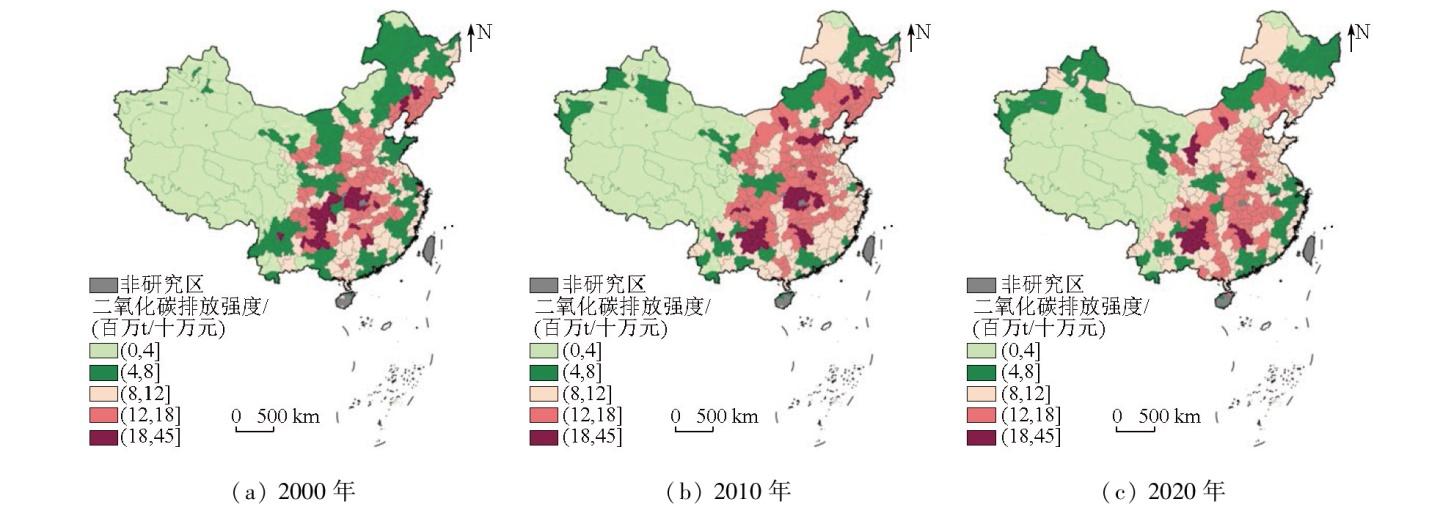
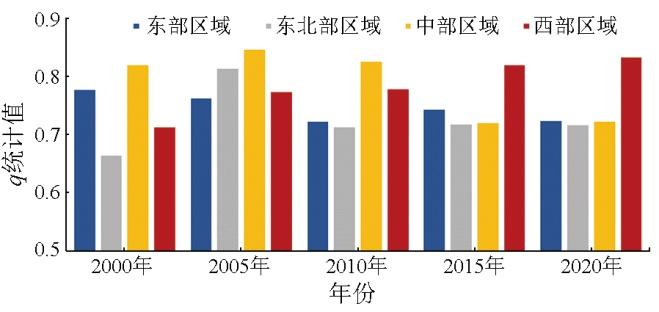
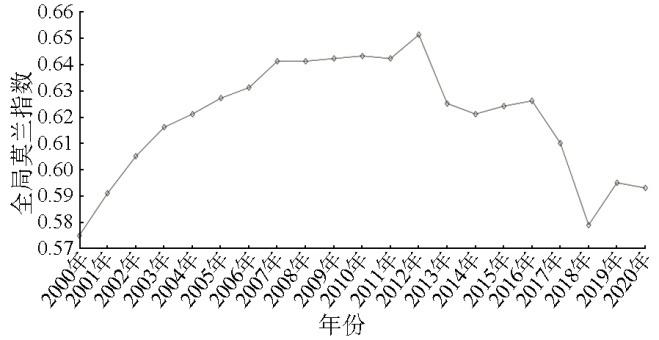
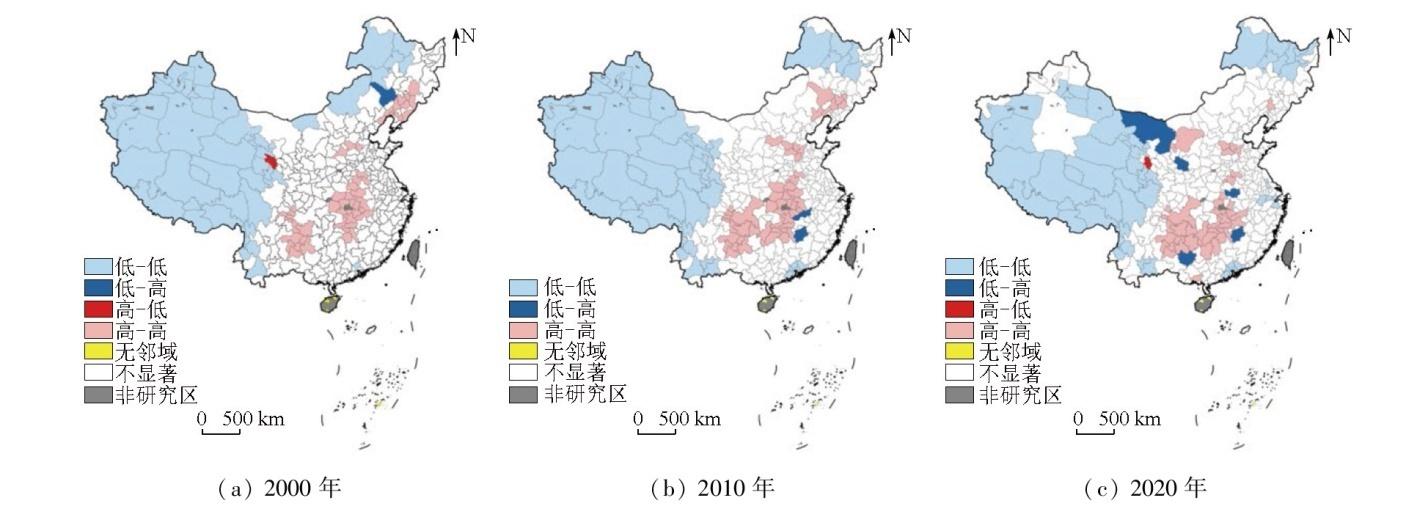
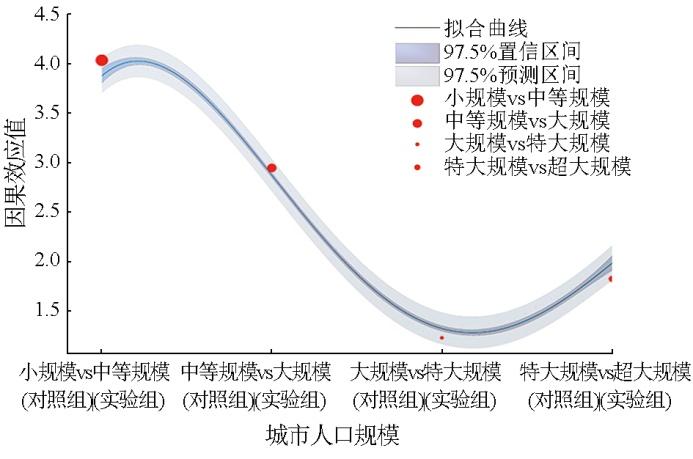
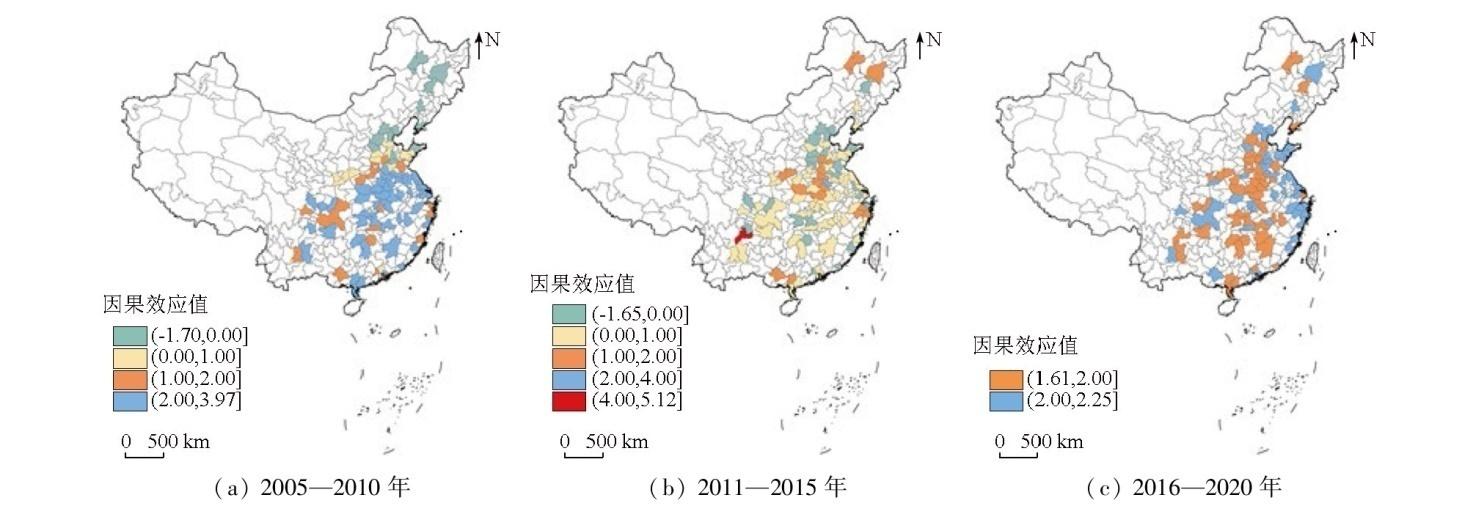
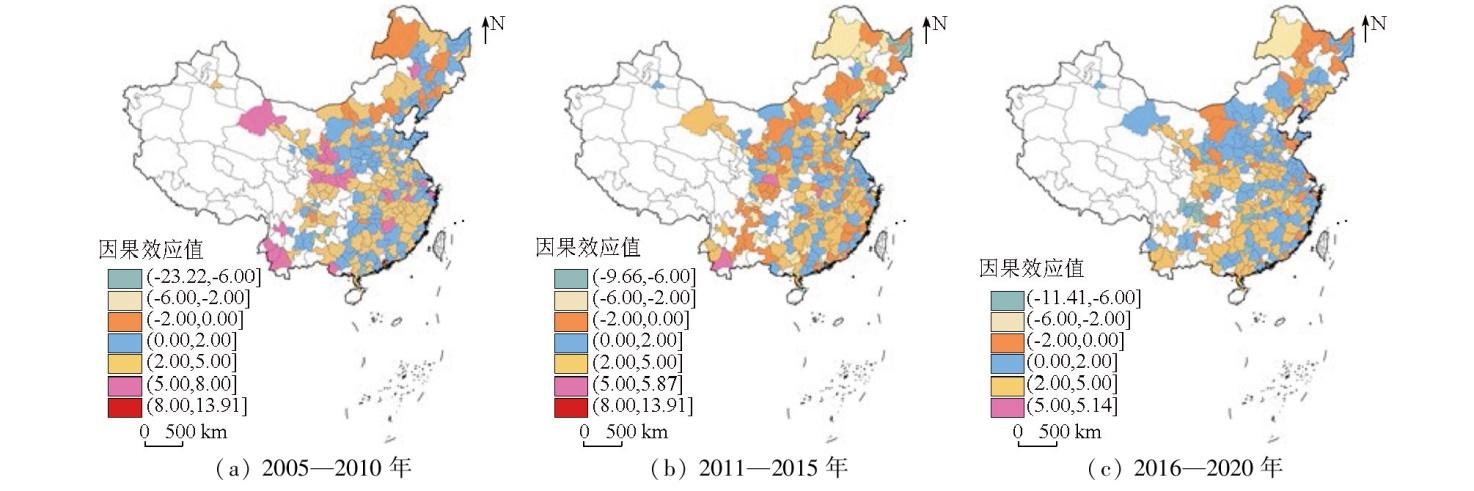
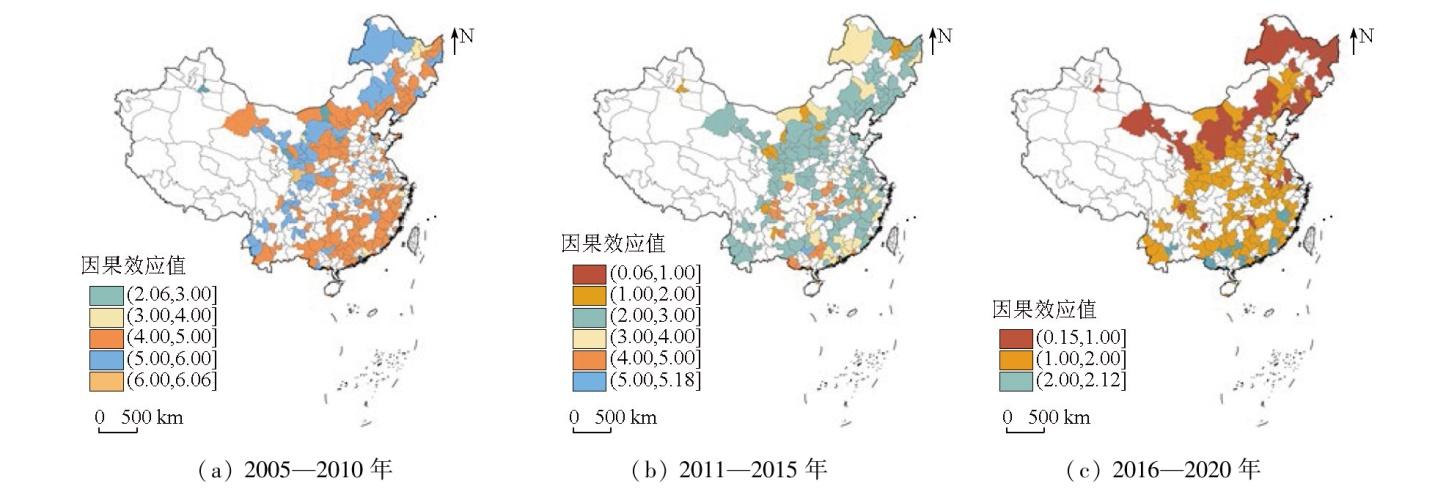
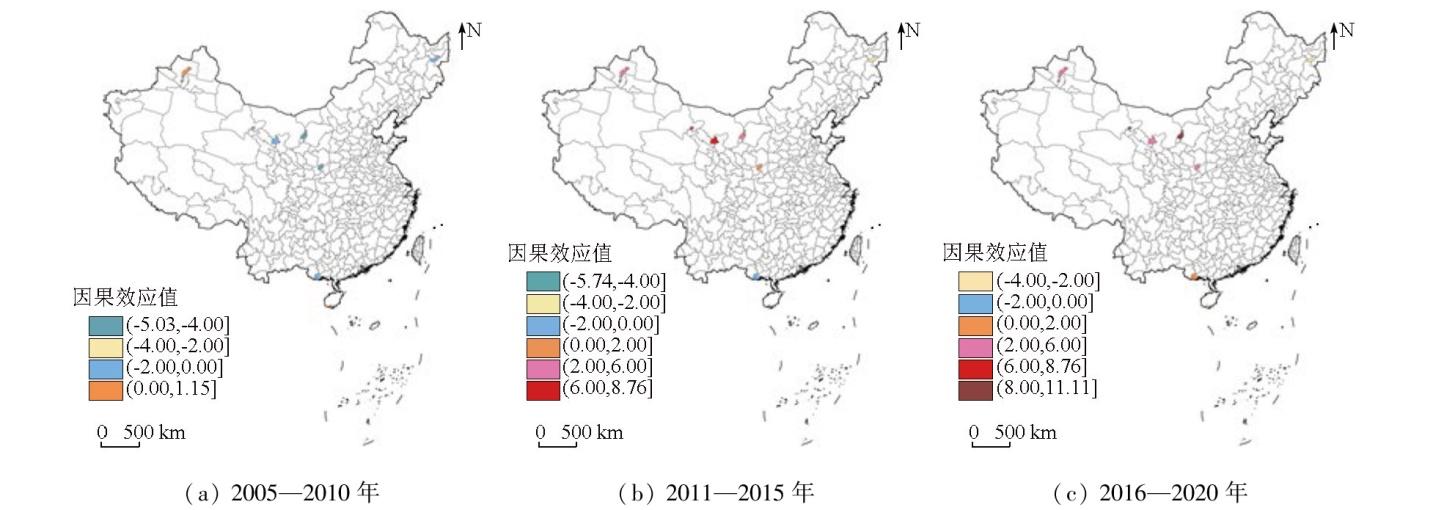
Under severe global climate change, achieving carbon peak and neutrality goals is of great significance. Exploring the influence of a specific factor on carbon dioxide (CO2) emission intensity while controlling other driver variables remains a challenge. With CO2 emission intensity data at the prefecture-level city scale as a data source, this study analyzed the spatial heterogeneity and spatial correlation of CO2 emission intensity using the geodetector model and the spatial autocorrelation method, respectively. Using the constructed Bayesian causal forest model, and controlling other drivers, this study obtained the causal effects of China’s urban population size on CO2 emission intensity from 2005 to 2020, presenting a U-shaped curve. Accordingly, this study explored the influence mechanism of China’s urban population size on CO2 emission intensity. Based on the above analysis, this study proposed reasonable emission reduction policy recommendations for different regions, serving as a reference to enhance urban sustainable development.
TIAN Lijun , CHAO Hui , WANG Chunlei , JIAO Linlin . Exploring the influence of China’s urban population size on carbon dioxide emission intensity based on the Bayesian causal forest model[J]. Remote Sensing for Natural Resources, 2025 , 37(3) : 183 -191 . DOI: 10.6046/zrzyyg.2024003
表1 变量的选取及来源Tab.1 Selection and sources of variables |
| 变量类型 | 数据名称 | 数据来源 | |
|---|---|---|---|
| 因变量 | 二氧化碳排放强度 (百万t/十万元) | 二氧化碳排放总量/百万t | https://www.yearbookchina.com/navibooklist-N2016120537-1.html |
| GDP/十万元 | https://doi.org/10.6084/m9.figshare.17004523.v1 | ||
| 解释变量 | 人口数据/人 | LandScan人口栅格数据集(30″空间分辨率) https://landscan.ornl.gov | |
| 协变量 | 用电数据/(kW·h) | https://doi.org/10.6084/m9.figshare.17004523.v1[24] | |
| 能源消耗总量(标煤)/万t | 《全国能源统计年鉴》《中国城市统计年鉴》 https://www.yearbookchina.com/navibooklist-n3020013309-1.html http∶//www.stats.gov.cn/tjsj/ | ||
| 气温/℃ | 美国国家海洋和大气管理局国家环境信息中心 https://www.ncei.noaa.gov/data/global-summary-of-the-day/archive/ | ||
| 城镇化率 | 《中国城市统计年鉴》 http∶//www.stats.gov.cn/tjsj/ | ||
| 家庭液化石油气/t | |||
| 公路客运量/万人 | |||
| 年末实有公共汽电车运营数/辆 | |||
| 科技支出/万元 | |||
| 建成区绿化覆盖率 | |||
| 第一产业占地区生产总值比重 | |||
| 第二产业占地区生产总值比重 | |||
| 第三产业占地区生产总值比重 | |||
| [1] |
|
| [2] |
陈思宇, 魏思琪, 都瓦拉. 中国省域碳排放及其影响因素时空特征分析——基于MGWR模型的研究[J]. 内蒙古科技与经济, 2022(5):3-7.
|
| [3] |
李建豹, 黄贤金, 吴常艳, 等. 中国省域碳排放影响因素的空间异质性分析[J]. 经济地理, 2015, 35(11):21-28.
|
| [4] |
袁长伟, 乔丹, 杨颖芳, 等. 中国省域交通碳排放强度空间分异与聚类分析[J]. 环境工程, 2018, 36(7):185-190.
|
| [5] |
俞雅乖, 沈盼熠, 李瑜婷. 国家级城市群建筑业碳排放量及其分解效应的空间分异[J]. 新疆财经, 2022(4):19-28.
|
| [6] |
郭禹辰, 王凯艳, 刘梦月. “碳中和”背景下流通业碳减排成熟度测度及空间异质性[J]. 商业经济研究, 2023(1):175-178.
|
| [7] |
张丽琼, 何婷婷. 1997—2018年中国农业碳排放的时空演进与脱钩效应——基于空间和分布动态法的实证研究[J]. 云南农业大学学报(社会科学) 2022, 16(1):78-90.
|
| [8] |
程进. 长三角城市群大气污染格局的时空演变特征[J]. 城市问题, 2016(1):23-27.
|
| [9] |
|
| [10] |
|
| [11] |
|
| [12] |
孙蒙, 李长云, 邢振方, 等. 碳中和目标下中国碳排放关键影响因素分析及情景预测[J]. 高电压技术, 2023, 49(9):4011-4022.
|
| [13] |
程钰, 张悦, 王晶晶. 中国省域碳排放绩效时空演变与技术创新驱动研究[J]. 地理科学, 2023, 43(2):313-323.
|
| [14] |
崔艳芳, 张国兴. 黄河流域资源型城市碳排放影响因素与达峰预测研究[J]. 人民黄河, 2023, 45(2):9-14.
|
| [15] |
高庆先, 高文欧, 马占云, 等. 大气污染物与温室气体减排协同效应评估方法及应用[J]. 气候变化研究进展, 2021, 17(3):268-278.
|
| [16] |
蒋金荷. 中国碳排放关键驱动因子的分析和政策反思——基于LMDI:1995—2010[J]. 资源与生态学报, 2013, 4(4):304-310.
|
| [17] |
李健, 景美婷, 苑清敏. 绿色发展下区域交通碳排放测算及驱动因子研究——以京津冀为例[J]. 干旱区资源与环境, 2018, 32(7):36-42.
|
| [18] |
潘植强, 梁保尔. 旅游业碳排放强度分布及其驱动因子的时空异质研究——基于30个省(市、区)2005—2014年的面板数据分析[J].人文地理, 2016, 31(6):152-158.
|
| [19] |
石建屏, 李新, 罗珊, 等. 中国低碳经济发展的时空特征及驱动因子研究[J]. 环境科学与技术, 2021, 44(1):228-236.
|
| [20] |
王小辉. 陕西省人为源碳排放时空演变动力机制与减排潜力研究[D]. 西安: 陕西师范大学, 2018.
|
| [21] |
王兴民, 吴静, 白冰, 等. 中国CO2排放的空间分异与驱动因素——基于198个地级及以上城市数据的分析[J]. 经济地理, 2020, 40(11):29-38.
|
| [22] |
魏振香, 吴晓娟. 山东省农业低碳发展及驱动因素分析[J]. 河南科学, 2021, 39(11):1878-1886.
|
| [23] |
张京玉. 影响中国能源消耗碳排放因素分析——基于LMDI分解模型[J]. 煤炭经济研究, 2019, 39(11):23-28.
|
| [24] |
|
| [25] |
辛龙, 孙慧, 王慧, 等. 基于地理探测器的绿色经济效率时空分异及驱动力研究[J]. 中国人口·资源与环境, 2020, 30(9):128-138.
|
| [26] |
国务院. 国务院关于调整城市规模划分标准的通知[EB/OL].(2014-11-20)[2023-06-20]. https://www.gov.cn/zhengce/content/2014-11/20/content_9225.htm.
State Council. Circular of the State Council on the adjustment of the criteria for classifying the size of cities[EB/OL].(2014-11-20)[2023-06-20]. https://www.gov.cn/zhengce/content/2014-11/20/content_9225.htm.
|
| [27] |
|
| [28] |
邹磊, 刘慧媛, 王飞宇, 等. 长江中游城市群绿色发展水平的地区差异及其影响因素[J]. 中国科学:地球科学, 2022, 52(8):1462-1475.
|
/
| 〈 |
|
〉 |