
Review Article

Sustainable smart city and Sustainable Development Goals (SDGs): A review

  • Z. R. M. Abdullah KAISER , a, b, * ,
  • Apu DEB c
Expand
  • aDepartment of Urban and Public Affairs, University of Louisville, Louisville, Kentucky, 40208, the United States
  • bDepartment of Public Administration, University of Chittagong, Chittagong, 4331, Bangladesh
  • cDepartment of Public Policy & Administration, Florida International University, Miami, 33199, the United States
* E-mail address: (Z. R. M. Abdullah KAISER).

Received date: 2024-08-23

  Accepted date: 2025-01-05

  Online published: 2025-08-13

Copyright

This is an open access article under the CC BY-NC-ND license (http://creativecommons.org/licenses/by-nc-nd/4.0/).

Abstract

The rapid urbanization and increasing challenges are faced by cities globally, including climate change, population growth, and resource constraints. Sustainable smart city (also referred to as “smart sustainable city”) can offer innovative solutions by integrating advanced technologies to build smarter, greener, and more livable urban environments with significant benefits. Using the Web of Science (WoS) database, this study examined: (i) the mainstream approaches and current research trends in the literature of sustainable smart city; (ii) the extent to which the research of sustainable smart city aligns with Sustainable Development Goals (SDGs); (iii) the current topics and collaboration patterns in sustainable smart city research; and (iv) the potential opportunities for future research on the sustainable smart city field. The findings indicated that research on sustainable smart city began in 2010 and gained significant momentum in 2013, with China leading, followed by Italy and Spain. Moreover, 59.00% of the selected publications on the research of sustainable smart city focus on SDG 11 (Sustainable Cities and Communities). Bibliometric analysis outcome revealed that artificial intelligence (AI), big data, machine learning, and deep learning are emerging research fields. The terms smart city, smart cities, and sustainability emerged as the top three co-occurring keywords with the highest link strength, followed by frequently co-occurring keywords such as AI, innovation, big data, urban governance, resilience, machine learning, and Internet of Things (IoT). The clustering results indicated that current studies explored the theoretical foundation, challenges, and future prospects of sustainable smart city, with an emphasis on sustainability. To further support urban sustainability and the attainment of SDGs, the future research of sustainable smart city should explore the application and implications of AI and big data on urban development including cybersecurity and governance challenges.

Cite this article

Z. R. M. Abdullah KAISER , Apu DEB . Sustainable smart city and Sustainable Development Goals (SDGs): A review[J]. Regional Sustainability, 2025 , 6(1) : 100193 . DOI: 10.1016/j.regsus.2025.100193

1. Introduction

A massive urbanization movement is taking place all over the world and the United Nations (UN) projects that by 2050, around 6×10⁹ people or approximately 68.00% of the global population, will live in cities, mostly in developing countries (UN, 2024a). This substantial demographic shift has placed enormous strain on urban infrastructure and resources, making it challenging for cities to address sustainability issues and manage socio-economic, political, and environmental concerns (Mensah, 2019; Kaiser, 2023a). To address these challenges and meet public service demands, scholars have highlighted the importance of the integration of sustainable smart city concepts and innovations in urban development (Allam and Dhunny, 2019; Yigitcanlar et al., 2019; Wang et al., 2022; Yigitcanlar et al., 2024). Through the use of cutting-edge technologies and data analytics, sustainable smart city initiatives can optimize resource use, improve public services, strengthen urban resilience, and raise the general standard of living in urban areas (Kaiser, 2024).
Although the implementation of sustainable smart city can improve urban life, the associated risks of these technologies such as urban equity and environmental justice were concerned (Sharifi et al., 2024). Therefore, scholars and policymakers underscored the dire need to ensure sustainable development principles in the implementation of sustainable smart city projects (Castelnovo et al., 2016; Lytras and Visvizi, 2018; Huovila et al., 2019; Kaiser, 2024). Besides, since the adoption of the UN’s Sustainable Development Goals (SDGs), the integration of sustainable smart city concept has become more crucial (UN, 2024b). The World Commission on Environment and Development (1987) defined that “sustainable development refers to meeting present needs without compromising the ability of future generations to meet their own”. The fundamental objective of the sustainable smart city (also referred to as “smart sustainable city”) concept is to follow the principles of sustainable development and adopt smart technologies such as artificial intelligence (AI), big data, and Internet of Things (IoT) to enhance the well-being and livability of citizens (Allam and Dhunny, 2019; Yigitcanlar et al., 2024). Implementing sustainable smart city can improve energy management, ensure public safety, and lessen urban congestion (Ahad et al., 2020).
Prior bibliometric studies offer valuable insights into various aspects of sustainable smart city, including definitions, challenges, and frameworks. For instance, Höjer and Wangel (2015) highlighted the importance of defining sustainable smart city to avoid misunderstandings. To address the ambiguity surrounding the concept, Huovila et al. (2019) identified key components for sustainable smart city and discussed the appropriate circumstances for their implementation. The implementation of sustainable smart city has also brought up challenges to governance, technology, and economy (Höjer and Wangel, 2015; Silva et al., 2018). In addition to theoretical studies on the topic, several scholars have conducted distinct empirical analyses. For instance, Bibri and Krogstie (2017) provided a thorough analysis of the literature on sustainable smart city to discover current practices and study gaps, while Wu et al. (2022) used scientometric analysis to investigate the field of sustainable smart city for urban sustainability.
Previous studies have addressed the different dimensions of sustainable smart city (Perera et al., 2017; Silva et al., 2018; Ahad et al., 2020). It is yet to explore the comprehensive bibliometric nature of the topic. This study aims to provide a clear distinction between smart city, sustainable city, and sustainable smart city, which has not been explored in prior studies. In addition, we examined the association between the literature of sustainable smart city and SDGs. To fill the knowledge gap in the current literature, this study addressed four key research questions: (i) what are the mainstream approaches and current research trends in the literature of sustainable smart city? (ii) to what extent does the research of sustainable smart city align with SDGs? (iii) which topics and collaboration patterns are most frequently discussed in the selected literature? and (iv) what potential opportunities exist for future research on the sustainable smart city field?

2. Literature review

2.1. Sustainable city, smart city, and sustainable smart city

Sustainable city concentrates on reducing environmental effects, preserving resources, and ensuring social equity to create sustainable and environmentally friendly urban areas (Sodiq et al., 2019). On the other hand, a smart city is a technologically advanced urban area that leverages information and communication technology (ICT) and other strategies to enhance the quality of life, improve urban services, and promote efficiency (Toh, 2022; Agboola et al., 2023). The concepts of sustainable city and smart city are integrated into the broader framework of sustainable smart city. The sustainable smart city concept not only speeds up services and enhances urban life by integrating cutting-edge technologies, but also ensures environmental protection and promotes social equity and cohesion (Silva et al., 2018; Yigitcanlar et al., 2019; Ahad et al., 2020). For instance, smart grids, smart transportation, smart healthcare, and smart infrastructure help to reduce carbon emissions, optimize resource use, and create safer environments for future generations. Although the concepts of sustainable city, smart city, and sustainable smart city are closely interconnected, they exhibit some subtle differences. Table 1 provides a detailed comparison of the three concepts, highlighting their unique characteristics.
Table 1 Comparison of sustainable city, smart city, and sustainable smart city.
Criteria Sustainable city Smart city Sustainable smart city Source
Definition Concentrating on reducing environmental effects, preserving resources, and advancing social equity for a sustainable and eco-friendly urban environment. Advanced technology and data-driven approaches are utilized to optimize urban services, improve efficiency, and foster economic development. Incorporating both sustainability goals and advanced technologies to attain equitable urban development and simultaneously solve environmental, social, and economic concerns for improving citizens’ quality of life. Ahvenniemi et al. (2017); Bibri and Krogstie (2017); Haarstad (2017); Angelidou et al. (2018); Martin et al. (2018); Sodiq et al. (2019); Kaiser (2024)
Core focus field Attaining SDGs, resource and ecological conservation, environmental sustainability, and social equity. Urban efficiency was powered by innovative and advanced technology and the collection and optimization of data. Incorporating environmental goals alongside technological advancements to achieve balanced urban development.
Primary goal Reducing environmental degradation and emissions, promoting green space and infrastructure, and supporting community well-being. Improving efficiency by utilizing ICT and innovation, enhancing urban services, and promoting economic growth. Utilizing digital tools to promote sustainable urban growth with an emphasis on ecological and social equity objectives.
Main challenge Conflicting with development, ensuring funding, maintaining a consistent policy commitment, and promoting social inclusion. Digital divide, potential corporate dominance, initial high cost, techno-centric focus, and limited citizen engagement. Keeping a balance between SDGs and technology adoption, while ensuring equitable urban benefits and co-benefits.
Approach Prioritizing policy-oriented frameworks and focusing on regulations and standards. Highly relying on data analytics, smart grids, IoT, and smart devices to manage urban functions. Integrating rules and regulations with data-driven insights to ensure sustainable urban development.
Technological integration Primarily focusing on green technologies and sustainable infrastructure for sustainability. Intensive and extensive use of ICT, IoT, AI, and data analytics for urban management. High emphasis on using technology to attain sustainable and equitable urban outcomes.
Environmental emphasis Highly emphasis on reducing carbon footprint, promoting green spaces, and conserving resources and biodiversity. Frequently ignoring environmental targets and focusing more on social and economic advancement. Emphasizing the need to bridge technology and environmental sustainability.
Social equity Aiming to improve the quality of life, reduce inequality, and strengthen social infrastructure. Concentrating mostly on affluent and educated demographics and potentially overlooking marginalized communities. Striving to integrate social inclusion by making technology accessible and beneficial to all.
Assessment framework Urban sustainability frameworks focus on environmental and quality-of-life indicators. Smart city frameworks prioritize technology deployment, efficiency, and economic growth. Comprehensive frameworks assess both environmental and technological impacts.
Resilienc to climate change Concentrating on sustainable infrastructure to mitigate climate risks like flooding, global warming, and extreme weather events. Technology-driven resilience strategies including predictive analytics and early-warning systems. Combining green infrastructure and predictive technology for comprehensive climate resilience.
Data privacy and security Less focusing on data privacy and security, as data collection is minimal. Extensive data collection raises privacy and security concerns, with varying levels of privacy protection. Emphasizing on ethical data practices and balancing data utilization with strong privacy protections.
Biodiversity conservation Focusing on preserving natural habitats and expanding green spaces. Less emphasis on biodiversity and more on urban efficiency. Integrating biodiversity conservation with technology to monitor and protect urban flora, fauna, and efficiency.
Circular economy approach Highly emphasizing recycling, use of renewable energy, and sustainable consumption. Limited implementation of circular economy principles. Optimizing waste reduction through the integration of smart technology and the widespread adoption of circular economy practices.
Partnership Promoting local and global partnerships with environmental organizations. Focusing on high tech-industry partnerships and often neglecting non-profit engagement. Encouraging inclusive partnerships across public, private, and non-profit sectors for shared urban development goals.

Note: SDGs, Sustainable Development Goals; ICT, information and communication technology; IoT, Internet of Things; AI, artificial intelligence.

2.2. Association between sustainable smart cities and SDGs

In 2015, the UN adopted 17 SDGs. The objective of SDG 11 (Sustainable Cities and Communities) is to make urban areas inclusive, safe, resilient, and sustainable by addressing challenges such as urban sprawl, urban poverty, environmental degradation, and limited access to essential services (Kaiser et al., 2024). This goal underscores the critical role of government initiatives and community engagement in achieving the sustainable development of urban areas through strategies like congestion pricing and the expansion of green spaces (UN, 2024b).
Furthermore, other SDGs are closely related to the sustainable smart city. For example, SDG 9 (Industry, Innovation and Infrastructure) is related to the sustainable smart city, which advocates for sustainable industrialization, resilient infrastructure, and fostering innovation. Similarly, SDG 7 (Affordable and Clean Energy) seeks to ensure universal access to affordable, reliable, and modern energy through the development of smart grids and smart homes in cities. Al-Raeei (2024) suggested that AI and machine learning techniques can predict patterns, trends, and anomalies in energy usage in real time by retrieving and analyzing data from sensors. By leveraging these technologies, cities can reduce energy waste, optimize resource management, and enhance urban sustainability efforts in line with SDG 7.
In the context of climate change and environmental management, the sustainable smart city is also associated with SDG 13 (Climate Action). A key challenge in achieving this goal is the unpredictability of natural disasters, which hinders effective disaster management (Kaiser, 2023b). However, advanced technologies such as AI can analyze large datasets, including weather patterns (e.g., rainfall trends), geological data (e.g., seismic activity), and demographic information (e.g., population density in vulnerable areas) to identify flood-prone zones, and earthquake risks and vulnerabilities. By modelling, AI can make predictions and notify authorities of possible hazards, enabling them to take preventative actions to lessen the effects of disasters as well as mitigate climate-related challenges (Son et al., 2023; Al-Raeei, 2024).
In summary, the study of sustainable smart city can achieve SDGs and enhance the quality of life and well-being through the integration of cutting-edge technologies. The implementation of sustainable smart city initiatives should not be limited to the adoption of technology alone; rather, their contributions must align with achieving broader objectives, such as social, economic, and environmental sustainability.

3. Research method

The bibliometric analysis is an effective method to examine and evaluate a large number of articles. This analysis allows us to understand the evolution of a specific field (Donthu et al., 2021; Long et al., 2022). Unlike a systematic review, this method can analyze large datasets by quantitative techniques, providing performance evidence, and generating a more reliable map of scientific advancement (Ellegaard, 2018; Deb and Sultana, 2024). We utilized this approach to examine the intellectual framework of sustainable smart city and SDGs in the selected literature to identify emerging trends, journal performances, collaboration patterns, and research components.
Science mapping is an essential approach to examining the interactions among research components, focusing on intellectual connections and structural relationships (Donthu et al., 2021). This approach helps identify the main themes within a topic and allows for the identification of current research gaps, thereby guiding future studies.

3.1. Paper selection

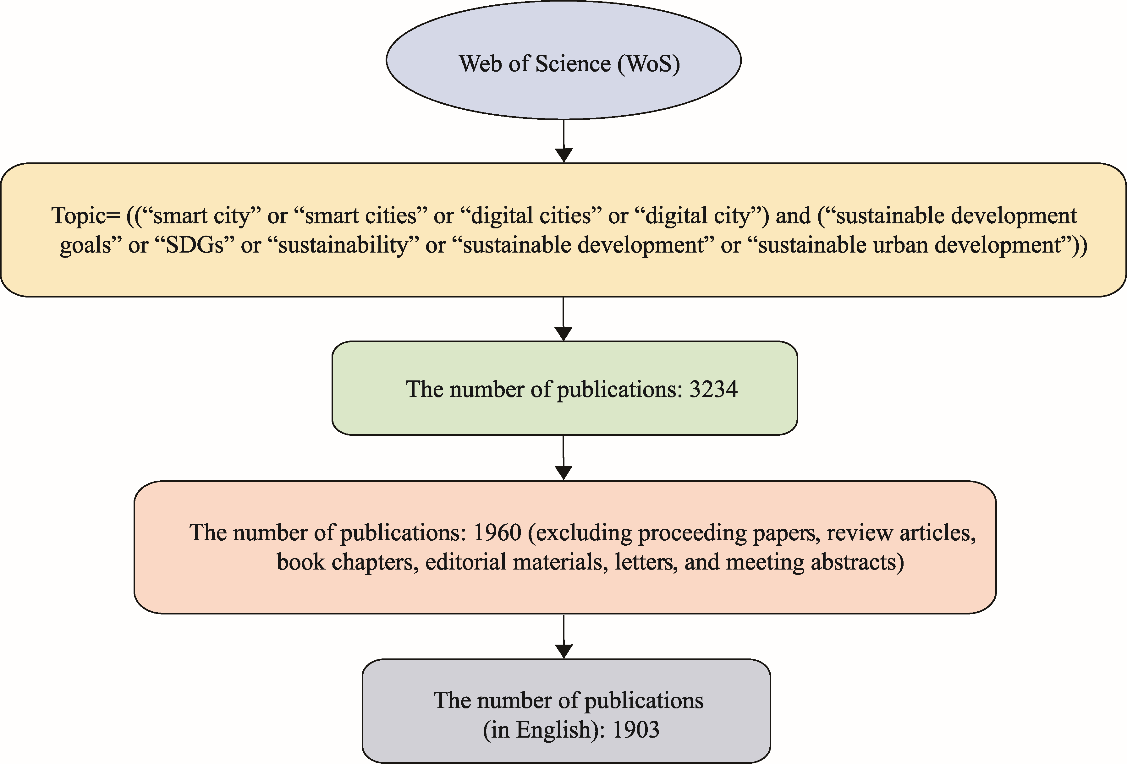
We utilized the Web of Science (WoS) database to retrieve relevant literature and understand the current status and future research potentials of sustainable smart city. The WoS database is a compilation of scholarly publications and an organized database with enhanced metadata and complete citation links designed to meet diverse information needs. As the largest citation index and abstract platform, the WoS database can offer extensive citation data across various academic disciplines (Birkle et al., 2020). Using the relevant keywords (Fig. 1), we identified 3234 documents, including published articles, book chapters, editorials, and conference papers, published from 1 January 2010 to 9 June 2024. We used the maximum number of keywords based on the published literature of sustainable smart city to ensure that no relevant publications are excluded. We only included peer-reviewed publications since they undergo a rigorous blind peer review process and follow stringent quality control measures (Mele and Belardinelli, 2019; Deb and Chen, 2024). After excluding non-English publications, we retrieved 1903 publications for our final analysis.
Fig. 1. Data extraction process.

3.2. Data analysis

The bibliometric analysis outcome was divided into two parts. The first part involves the descriptive analysis. We processed and categorized the data based on indicators extracted from the literature. The “Biblioshiny” default package from the R Studio was used. This tool is essential for uncovering relevant bibliometric data, such as annual publication trends, scientific production by country, document sources, author impact, and productivity.
In the second part, we used VOSviewer software to analyze the scientific evidence. VOSviewer software can facilitate the visualization of large datasets, making it easier to comprehend extensive data and offer three options for analysis: cited references, authors, and publication sources. Its user-friendly interface enhances the examination and interpretation of bibliometric maps, including bibliographic coupling, co-authorship analysis, co-citation analysis, and co-word analysis (Bhatnagar and Sharma, 2022).

4. Results and discussion

4.1. Descriptive statistics

This study assessed the impact of academic research on a specific topic by descriptive analysis (Donthu et al., 2021; Islam et al., 2022) including examining annual publication trends, geographic distribution, document sources, and highly cited papers to gain insights into the current state of sustainable smart city. Citations serve as a metric to measure influence, while the number of publications reflects productivity.

4.1.1. Trend analysis of publications

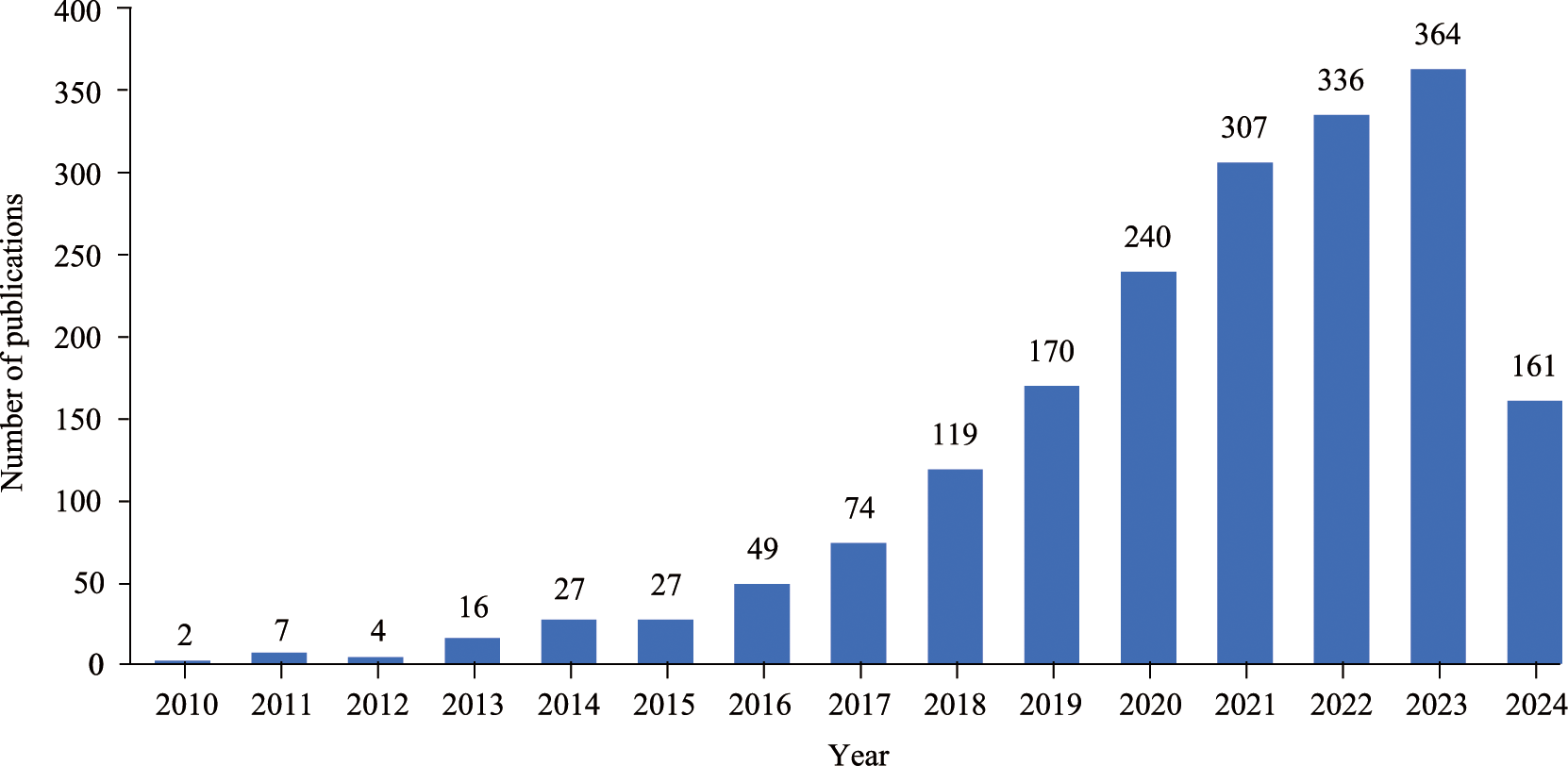
Figure 2 demonstrates the publication trends of the selected documents on sustainable smart city. The annual growth rate of publications on sustainable smart city remained relatively low until 2012. However, research in this field gained significant momentum beginning in 2013, with a notable peak in 2023. Though the first five months of 2024 suggested a possible decline in publication output, this trend might change by the end of this year. Scholars argued that the sharp increase in publications may be attributed to the adoption of SDGs and the incorporation of city-scale assessments in the 5th Assessment Report of the Intergovernmental Panel on Climate Change (Sharifi, 2021). Previous bibliometric studies on smart cities also found that research on smart cities started in 2010 and the topic gained significant attention from 2013 (Guo et al., 2019; Zhao et al., 2019; Bajdor and Starostka-Patyk, 2021).
Fig. 2. Number of publications related to sustainable smart city from January 2010 to June 2024.

4.1.2. Relationship between publications and Sustainable Development Goals (SDGs)

Scholars have highlighted the need for sustainable smart city initiatives to achieve SDGs through urban transformation (Sharifi et al., 2024). As expected, 59.00% of the selected publications on the research of sustainable smart city focused on SDG 11, 9.00% of the selected publications were related to SDG 13, while SDG 12 (Responsible Consumption and Production), SDG 7, and SDG 9 shared a similar percentage of documents, each accounting for 5.00% of the selected publications (Table 2). Despite the importance of collaboration and partnerships among agencies and countries in achieving SDGs, the research of sustainable smart city has largely overlooked SDG 17 (Partnerships for the Goal) and SDG 2 (Zero Hunger). Similarly, although sustainable smart city is vital to achieve SDG 10 (Reduce Inequality) and SDG 8 (Decent Work and Economic Growth) through technological advancements, scholars have paid less attention to these fields.
Table 2 Number of publications related to SDGs in the selected publications during 2010-2024.
SDGs Number of publications Percentage (%)
SDG 11: Sustainable Cities and Communities 1124 59.07
SDG 13: Climate Action 172 9.04
SDG 12: Responsible Consumption and Production 103 5.41
SDG 7: Affordable and Clean Energy 96 5.05
SDG 9: Industry, Innovation and Infrastructure 93 4.89
SDG 15: Life on Land 51 2.68
SDG 3: Good Health and Well-Being 47 2.47
SDG 4: Quality Education 43 2.26
SDG 6: Clean Water and Sanitation 24 1.26
SDG 1: No Poverty 12 0.63
SDG 2: Zero Hunger 11 0.58
SDG 8: Decent Work and Economic Growth 10 0.53
SDG 14: Life below Water 3 0.16
SDG 10: Reduced Inequalities 2 0.11
SDG 16: Peace, Justice and Strong Institutions 2 0.11
SDG 5: Gender Equality 1 0.05
In the context of the association between SDGs and sustainable smart city, prior research has attempted to evaluate how SDGs are institutionalized in the concept of sustainable smart city (Blasi et al., 2022) and develop conceptual and sociological models that facilitate the transformation of city into sustainable smart city (Kutty et al., 2020; Kolesnichenko et al., 2021). Some studies focused on specific smart technologies that can help achieve SDGs. For example, Shehab et al. (2021) underscored the importance of 5G networks in facilitating and attaining SDGs by enabling real-time data transmission and increasing efficiency.
Sharifi et al. (2024) contended that while sustainable smart city initiatives might help achieve SDGs, we must consider trade-offs such as cybersecurity and privacy risks, infrastructure upgrade costs, and biased decision-making. Therefore, Beck et al. (2023) highlighted the importance of stakeholders to reduce these trade-offs and argued that this might be a way to promote urban sustainability by gaining stakeholder consensus.
In addition to conceptual research, other studies analyzed specific smart city to offer insights into the implications and obstacles of implementing smart city technologies (Martin et al., 2018; Mora et al., 2019). Notably, scholars selected cities from China (like Shenzhen, Hangzhou, and Beijing) and Europe (like Barcelona, Amsterdam, Copenhagen, Stockholm, and Helsinki) as cases (Dameri et al., 2019; Joss et al., 2019; Mora et al., 2019). Studies also used a variety of keywords to describe the relationship between sustainable smart city and SDGs, including social dimensions such as quality of life, urban equity, social inclusion, digital gap, and citizen participation (De Guimarães et al., 2020; Blasi et al., 2022; Sharifi et al., 2024).

4.1.3. Most productive countries, journals and highly cited publications

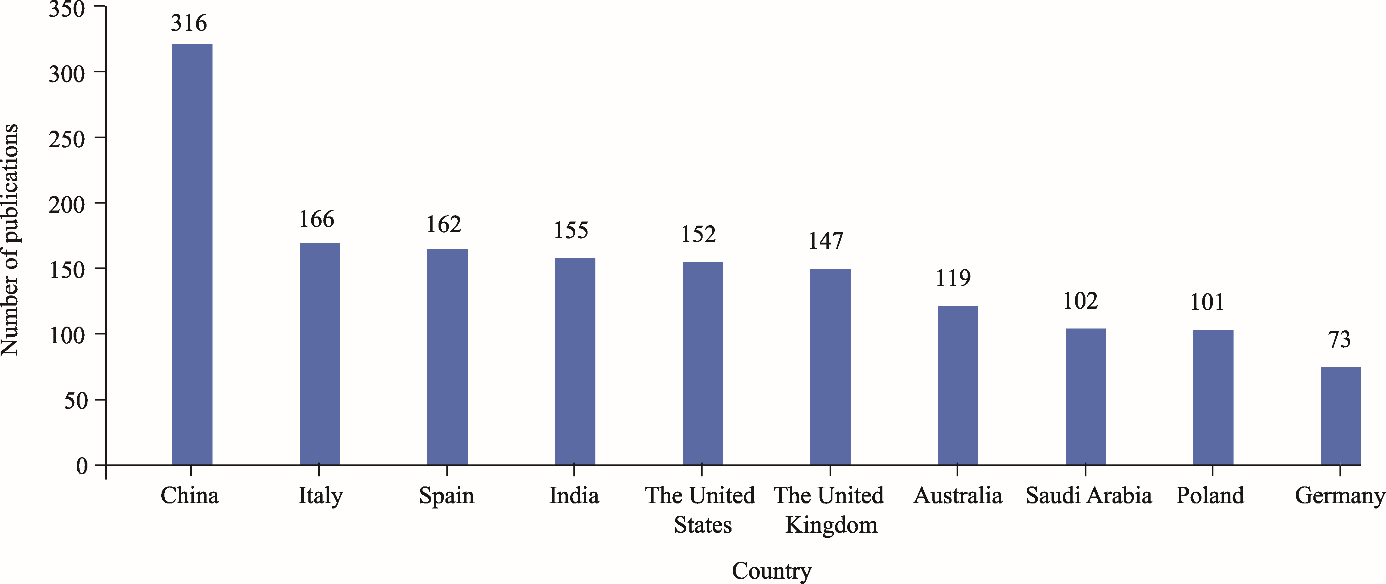
We categorized publications based on the location of the authors’ institutions at the time of publication, which are shown in Figure 3. The geographical distribution of the selected publications helps to understand the variation in policy and regional significance in sustainable smart city research (Shang and Jin, 2023). Figure 3 highlights the top 10 countries by the number of publications, with China leading the field in sustainable smart city research (316 publications), followed by Italy with 166 publications and Spain with 162 publications. India, the United States, and the United Kingdom hold similar numbers of publications, with a range from 147 to 155. These 10 countries accounted for 78.00% of all 1903 publications, with notably 50.00% from European countries. Italy had the greatest number of smart cities across Europe, including small villages, whereas currently, 290 large cities in China had smart city pilot projects (Dameri et al., 2019). Although African countries did not appear in the top 10 list, Agboola and Findikgil (2023) suggested that this region is also contributing to the discourse on sustainable smart city. Moreover, this outcome suggested that research on sustainable smart city is not confined to industrialized countries, researchers in other countries also focusing on the topic such as India. Specifically, the potential of advanced technologies such as 5G, AI, and IoT in addressing urbanization challenges has received the attention of scholars, who have conducted empirical research in the earlier stated countries. However, scholars have also raised concerns about the high implementation costs of smart city projects and their adoption in less economically stable countries (Silva et al., 2018).
Fig. 3. Top 10 countries with the most publications related to sustainable smart city during 2010-2024.
Table 3 presents the performance of the top 10 journals in the research of sustainable smart city. The results showed that Sustainability leads in the total number of publications during 2010-2024, followed by Sustainable Cities and Society. Notably, Journal of Urban Technology had the highest number of citations despite fewer publications. Additionally, while Cities and Journal of Cleaner Production have published fewer documents, they had significant impacts in the field of sustainable smart city, with 3571 and 2218 citations, respectively. The top 10 journals accounted for 36.00% of the publications selected for this study, demonstrating their substantial impact on the study of sustainable smart city.
Table 3 Performance of the top 10 journals related to sustainable smart city during 2010-2024.
Journal name Number of publications Percentage (%) Total citations
Sustainability 289 15.19 4205
Sustainable Cities and Society 86 4.52 3378
Energies 61 3.21 930
Smart Cities 60 3.15 1101
Cities 54 2.84 3571
Journal of Cleaner Production 42 2.21 2218
IEEE Access 34 1.79 731
Journal of Urban Technology 24 1.26 4385
Sensors 21 1.10 465
Applied Sciences 19 1.00 72
In addition to considering a country’s contributions and authors’ productivity, it is essential to recognize the significance of individual works. The number of citations a publication received serves as a key indicator of its impact and importance within the field. Publications with a high number of citations are generally regarded as more influential than those with few or no citations (Culnan, 1986; Shang and Jin, 2023).
Table 4 presents the top 10 cited articles, including the source journals, total citations, and years of publication. The results exhibited that the top 2 most cited articles were from Journal of Urban Technology, while the third article was from Urban Studies. Three of the top 10 articles were published in Cities. The article of “Smart cities in Europe” published in Journal of Urban Technology was the most cited, with 1733 citations. Specifically, Caragliu et al. (2011) used empirical data to operationalize smart cities and identified the potential of ICT for public services, multimodal accessibility, creative class, and educational attainment in the development of sustainable smart city.
Table 4 Top 10 cited articles related to sustainable smart city during 2010-2024.
Article title Authors and publication year Journal name Total citations Average annual citations
Smart cities in Europe Caragliu et al. (2011) Journal of Urban Technology 1733 124
Smart cities: Definitions, dimensions, performance, and initiatives Albino et al. (2015) Journal of Urban Technology 1495 150
Smart mentality: The smart city as disciplinary strategy Vanolo (2014) Urban Studies 690 63
What are the differences between sustainable and smart cities? Ahvenniemi et al. (2017) Cities 642 80
Towards an effective framework for building smart cities: Lessons from Seoul and San Francisco Lee et al. (2014) Technological Forecasting and Social Change 458 42
Smart cities: A conjuncture of four forces Angelidou (2015) Cities 413 41
Introducing the “15-Minute City”: sustainability, resilience and place identity in future post-pandemic cities Moreno et al. (2021) Smart Cities 408 102
Applications of big data to smart cities Al Nuaimi et al. (2015) Journal of Internet Services and Applications 407 41
On big data, artificial intelligence, and smart cities Allam and Dhunny (2019) Cities 397 66
Programming environments: Environmentality and citizen sensing in the smart city Gabrys (2014) Environment and Planning D: Society and Space 374 34
The second most-cited article “Smart cities: definitions, dimensions, performance, and initiatives” has received 1495 citations (Albino et al., 2015). This article aimed to define “smart” in the context of cities, using various indicators such as smart economy, smart governance, and smart people and compared cities by examining initiatives in places like Seattle (the United States) and Quebec (Canada).
The third most-cited article, “Smart mentality: the smart city as disciplinary strategy”, critiqued the operationalization of the term “smart city” and explained how politicians use it for their agendas (Vanolo, 2014). More specifically, the author described the naturalization and depoliticization of the concept and explored how cities tackle environmental and developmental challenges.
Ahvenniemi et al. (2017) found that smart cities tend to focus more on social and economic aspects, whereas urban sustainability frameworks are more aligned with measuring environmental sustainability. Lee et al. (2014) also sought to find an effective framework for smart city, using Seoul (South Korea) and San Francisco (the United States) as case studies. Other studies have explored various aspects of sustainable smart city concept (Angelidou, 2015), the challenges and benefits of integrating big data into sustainable smart city applications (Al Nuaimi et al., 2015; Allam and Dhunny, 2019), and how to understand smart city concept.

4.2. Co-occurrence and co-citation analyses

4.2.1. Evolution of research topics

The advancement of scientific research can be traced through the keywords in published articles and the shifting focus areas in the literature. This process allows us to identify emerging research topics and their impacts over time. Keyword trend analysis reveals which subjects have received attention from the scientific community, highlighting their relevance and influence over time (Shang and Jin, 2023).
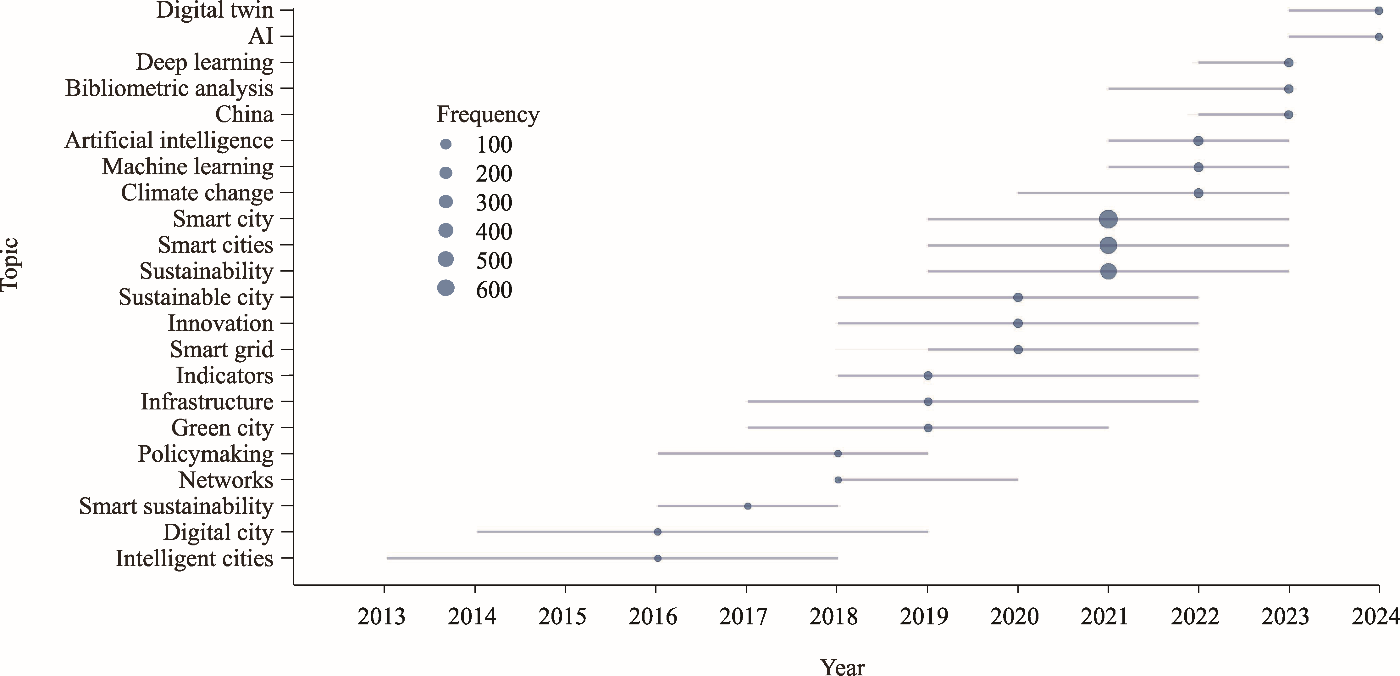
From Figure 4 we can see that, since 2021, deep learning, machine learning, and AI have emerged as primary focus fields among scholars. The future of urban development will be significantly impacted by these fields. The adoption of these advanced technologies can improve the quality of life and ensure safety, security, sustainability, and efficiency. For instance, Al-Raeei (2024) suggested that integrating AI into urbanization would facilitate the achievement of SDGs by reducing emissions from traffic, improving energy efficiency, and mitigating disaster impacts. Javed et al. (2022) argued that this technological integration is essential to create a true sustainable smart city in the future, which includes smart life (smart communication and smart transportation), smart citizens (empowered individuals actively participating in governance and innovation), smart environment (smart power management and smart waste management), and smart governance (smart services and smart public safety).
Fig. 4. Evolution of topics related to sustainable smart city during 2013-2024. Line indicates the duration of topic’s influence. AI, artificial intelligence. Both “AI” and “artificial intelligence” were regarded as emerging topics because publications used the abbreviated and full form of these two terms.

4.2.2. Co-occurrence of keywords

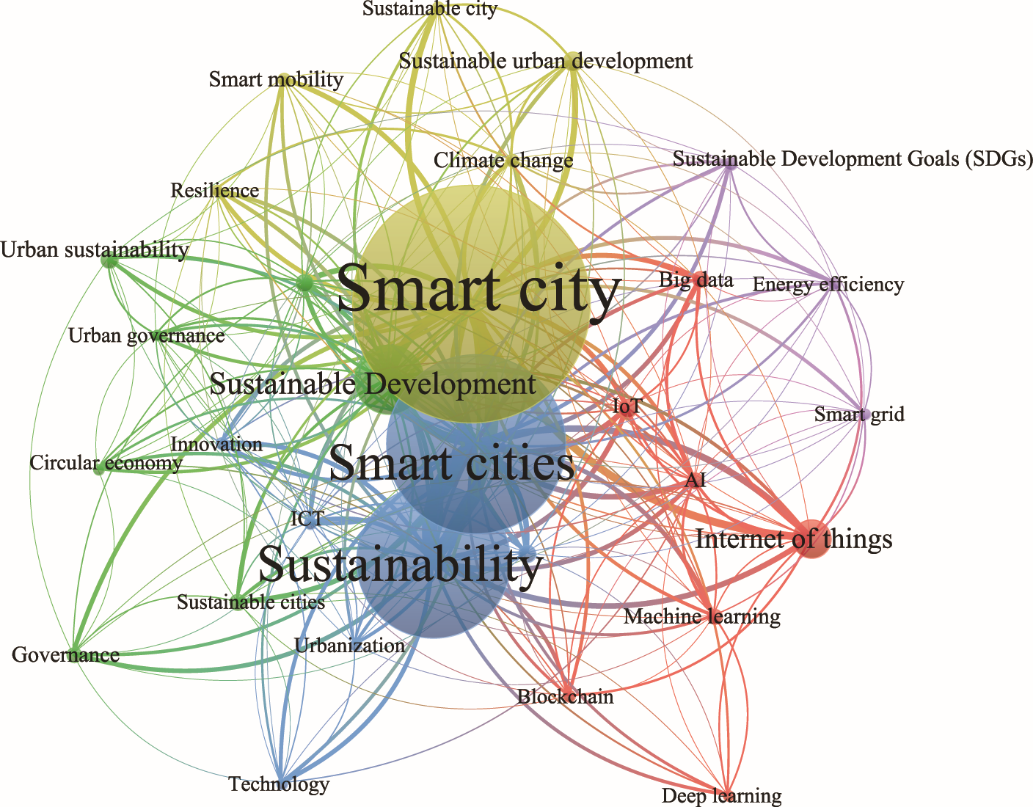
Keyword analysis is crucial for understanding the main themes of the selected publications and tracking the evolution of study topics (Zhang et al., 2012; Shang and Jin, 2023). Figure 5 presents the results of this analysis, focusing on keywords with a minimum of 24 occurrences. Each cluster contained multiple co-occurrences of keywords related to smart cities and sustainability. A keyword is deemed more central if it appeared in more publications and exhibited higher centrality for specific terms.
Fig. 5. Co-occurrence of keywords related to sustainable smart city during 2010-2024. IoT, Internet of Things; ICT, information and communication technology. “IoT” and “Internet of Things” were regarded as co-occurred keywords because publications used the abbreviated and full form of these two keywords. Node represents the keyword; the larger the dot is, the more frequently the keyword occurs. Line represents the relationship between keywords; the thicker the line, the stronger the relationship. Color represents the cluster of related keywords. Each cluster represents the number of keywords and their strong connection. Keywords that co-occur frequently or have strong connections are grouped together.
The terms of smart city, smart cities, and sustainability showed the top 3 occurrence and link strength, given that they were part of the search string. Beyond the primary keywords, the most frequently co-occurring and strongly linked keywords included AI, innovation, big data, urban governance, resilience, machine learning, and IoT.
The findings suggested that most scholars in this field emphasized the importance of big data, AI, IoT, innovation, and technology for creating integrated systems and intelligently managing information. Moreover, the results indicated that the technological and environmental aspects of the sustainable smart city and SDGs have received comparatively more attention.

4.2.3. Co-citation analysis of references

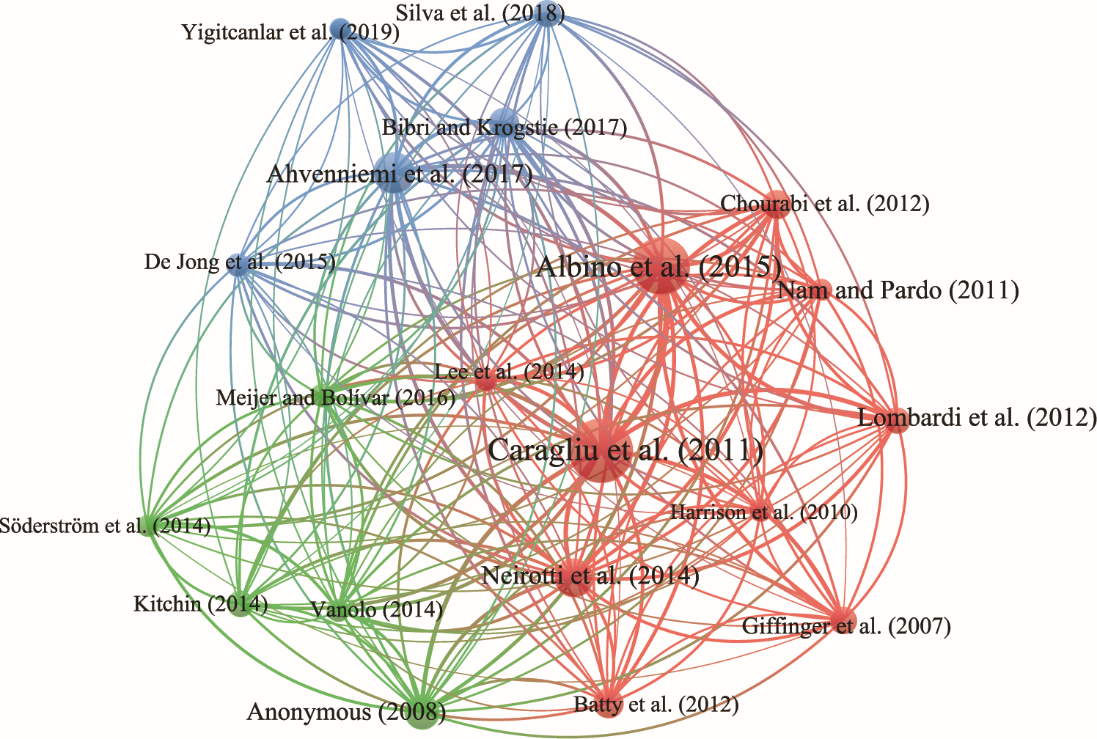
Co-citation analysis is essential for understanding the evolution of a topic by exploring the association between cited references (Donthu et al., 2021). This method can measure how often publications are referenced together and help identify the literature that is most recognized by peers (Trujillo and Long, 2018). Through this analysis, we can pinpoint the publications on sustainable smart city that have garnered the most interest from researchers. Figure 6 presents the studies with at least 88 citations.
Fig. 6. Co-citation analysis of highly cited publications related to sustainable smart city during 2010-2024. Node represents the cited publications; the larger the dot is, the more frequently the publication is co-cited. Line represents the relationship between cited references; the thicker the line, the stronger the relationship. Color represents the cluster of related cited references. Red-marked cluster on the map represents the theoretical foundation for further research on smart city assessment, blue-marked cluster focuses on the distinctions between smart and sustainable cities, and green-marked cluster represents various approaches to smart city governance and analyzes the conceptual and disciplinary foundations of the subject.
Studies of Caragliu et al. (2011), Neirotti et al. (2014), and Albino et al. (2015) had the high overall link strength and were the most frequently co-cited references. Caragliu et al. (2011) introduced the concept of a smart city and reviewed various performance parameters, Neirotti et al. (2014) developed a coverage index based on a taxonomy of smart city application domains, while Albino et al. (2015) assessed indicators related to urban smartness and outlined the essential characteristics of smart cities. In Figure 6, the red-marked cluster represents the theoretical foundation for further research on smart city assessment. The dark blue-marked cluster focuses on the distinctions between smart and sustainable cities, including indicators for measuring urban sustainability, as well as big data and IoT applications within smart cities. Studies of Ahvenniemi et al. (2017) and Bibri et al. (2017) had the highest overall link strength and were the most co-cited references in the cluster. Ahvenniemi et al. (2017) examined the differences between smart and sustainable cities, while Bibri et al. (2017) delved into integrating big data and context-aware technologies in sustainable urban development.
In the green-marked cluster, Meijer and Bolívar (2016) showed the strongest overall link strength. Their research explored various approaches to smart city governance and analyzed the conceptual and disciplinary foundations of the subject. Other scholars in this cluster discussed the future of smart cities, corporate initiatives for smart city development, and the European Union’s vision for advancing smart cities (Kitchin, 2014; Söderström, 2014).
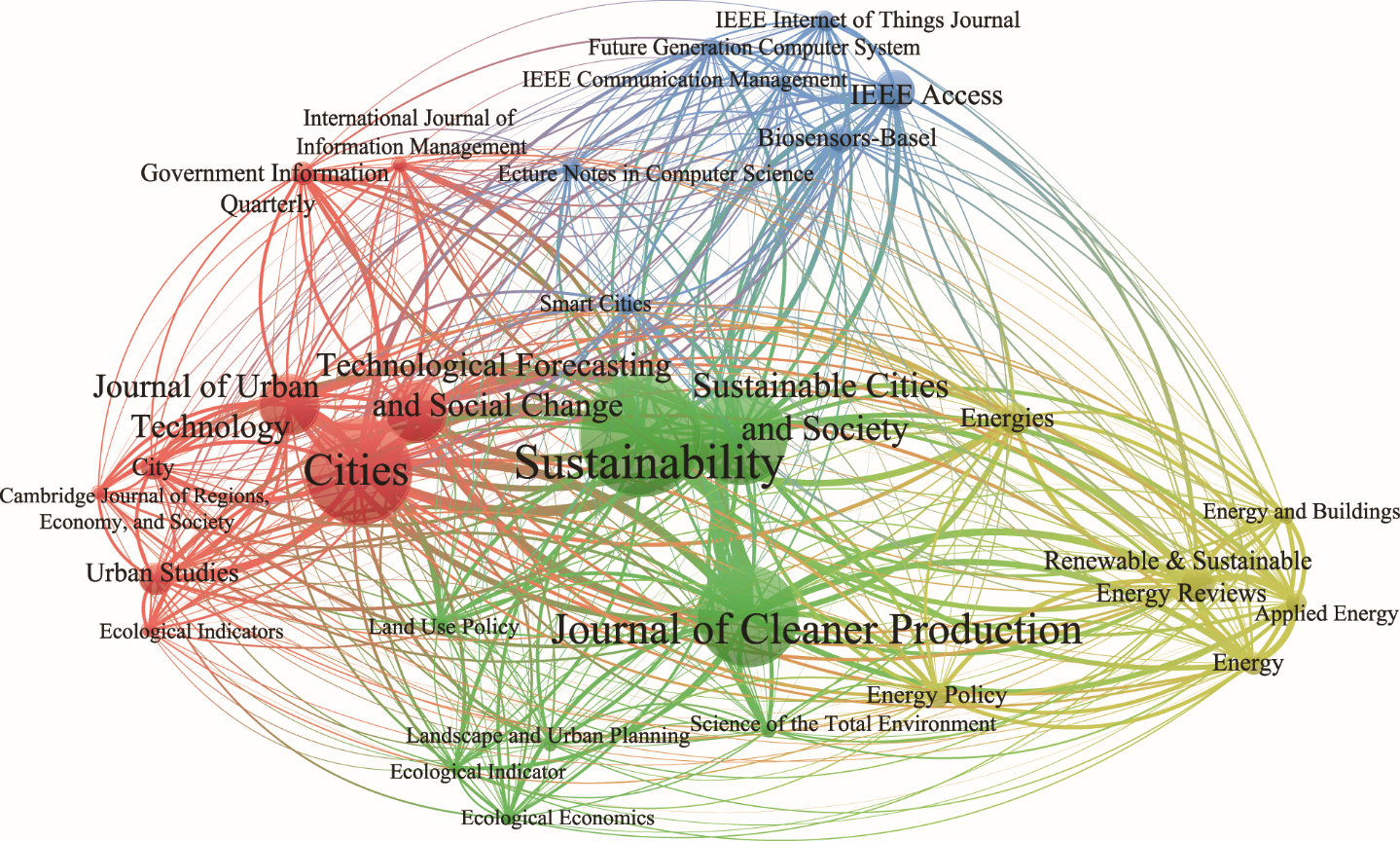
Figure 7 presents the publication sources that scholars in the field of sustainable smart city have frequently co-cited. In the green-marked cluster, Journal of Cleaner Production exhibited the highest link strength, followed by Sustainability and Sustainable Cities and Society. In the red-marked cluster, Cities had the highest link strength, while Journal of Urban Technology and Technological Forecasting and Social Change had slightly lower link strengths. These results suggested that scholars primarily rely on mainstream smart city journals for their research. Co-cited publications from the engineering field (blue-marked cluster) were very few, while the co-cited sources in the yellow-marked cluster focused on energy research.
Fig. 7. Co-citation analysis of publication sources related to sustainable smart city during 2010-2024. Node represents the journal; the larger the dot, the more frequently the journal co-cited. Line represents the relationship between journals; the thicker the line, the stronger the relationship. Color represents the cluster of related journals. Green-marked cluster represents sustainability and planning field, red-marked cluster represents environment and urban study field, blue-marked cluster represents engineering field, and yellow-marked cluster represents energy research field.

4.3. Bibliographic coupling

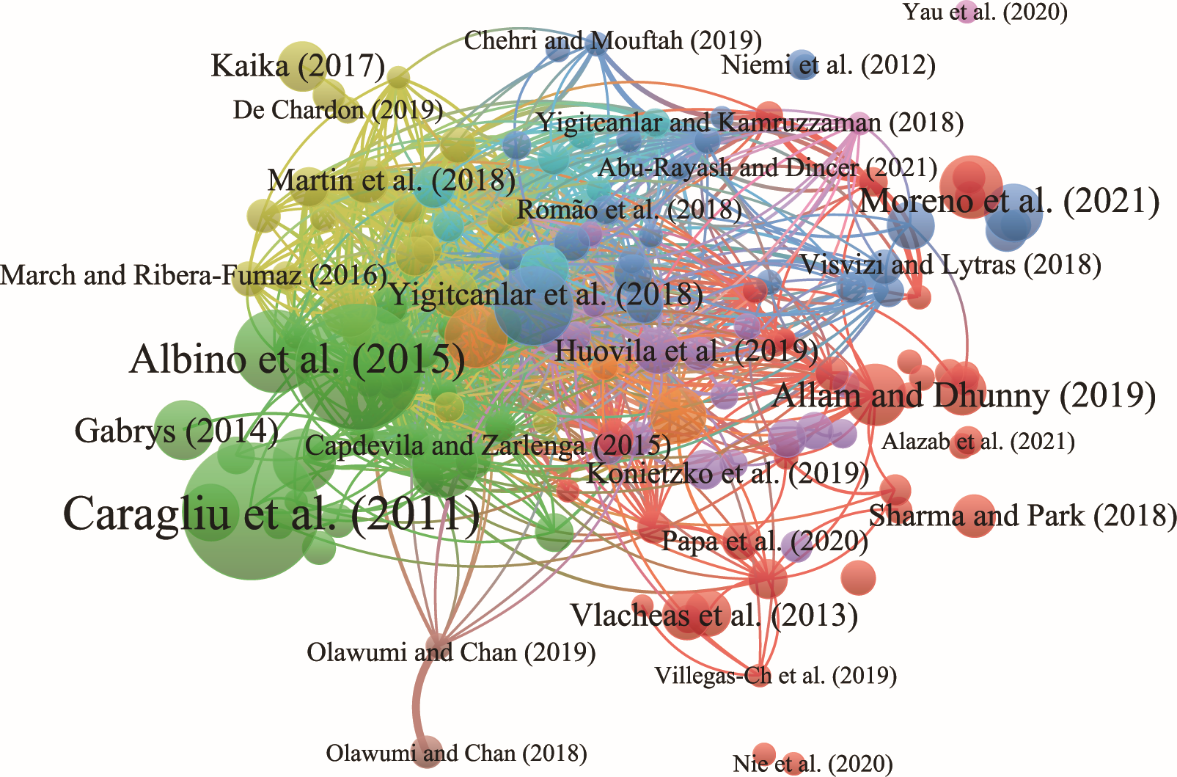
Bibliographic coupling is a science mapping technique based on the assumption that two publications sharing similar references also have related content. This analysis is particularly effective when applied within a specific timeframe, since it classifies publications into thematic clusters based on mutual references (Donthu et al., 2021; Deb and Sultana, 2024). It is a crucial method to find research gaps by highlighting areas with fewer coupled papers. We chose publications with a minimum of 60 citations and finalized 145 publications, which were divided into 9 clusters. Since we found some publications overlap among some clusters, we consolidated them into four clusters (Fig. 8; Table 5). Each cluster represents a fundamental research topic or field, facilitating the identification of research hotspots and potential directions for future studies. In addition, we identified sub-themes of these clusters, which are presented in Table 6.
Fig. 8. Co-citation network of the publications related to sustainable smart city during 2010-2024. Node represents the publication; the larger the dot, the more frequently the publication co-cited. Line represents the relationship between publications; the thicker the line, the stronger the relationship. Color represents the cluster of related publication. Each cluster represents the number of publications and their strong connection. Publications that co-occur frequently or have strong connections are grouped together.
Table 5 Cluster analysis results of the selected publications during 2010-2024.
Cluster Focus Total items Authors and publication year Top cited article Total citations
Cluster 1 Sustainable smart city and sustainability 40 Ahvenniemi et al. (2017) What are the differences between sustainable and smart cities? 642
Akande et al. (2019) The Lisbon ranking for smart sustainable cities in Europe 166
Hoang et al. (2021) Integrating renewable sources into energy system for smart city as a sagacious strategy towards clean and sustainable process 247
De Guimarães et al. (2020) Governance and quality of life in smart cities: Towards sustainable development goals 156
Lazaroiu and Roscia (2012) Definition methodology for the smart cities model 360
Lytras and Visvizi (2018) Who uses smart city services and what to make of it: Toward interdisciplinary smart cities research 198
Visvizi and Lytras (2018) Rescaling and refocusing smart cities research: from mega cities to smart villages 137
Huovila et al. (2019) Comparative analysis of standardized indicators for smart sustainable cities: What indicators and standards to use and when? 234
Yigitcanlar et al. (2018) Understanding ‘smart cities’: Intertwining development drivers with desired outcomes in a multidimensional framework 262
Yigitcanlar and Kamruzzaman (2018) Does smart city policy lead to sustainability of cities? 188
Cluster 2 Future of sustainable smart city 55 Al Nuaimi et al. (2015) Applications of big data to smart cities 407
Alavi et al. (2018) IoT-enabled smart cities: State-of-the-art and future trends 175
Allam and Dhunny (2019) On big data, artificial intelligence, and smart cities 397
Chen and Han (2018) Water quality monitoring in smart city: A pilot project 331
Bibri (2018) The IoT for smart sustainable cities of the future: An analytical framework for sensor-based big data applications for environmental sustainability 408
Moreno et al. (2021) Introducing the “15-Minute City”: Sustainability, resilience and place identity in future post pandemic cities 263
Papa et al. (2020) E-health and wellbeing monitoring using smart healthcare devices: An empirical investigation 157
Perera et al. (2017) Fog computing for sustainable smart cities: A survey 236
Sharma and Park (2018) Blockchain based hybrid network architecture for the smart city 201
Vlacheas et al. (2013) Enabling smart cities through a cognitive management framework for the IoT 252
Cluster 3 Theoretical foundation of sustainable smart city 27 Albino et al. (2015) Smart cities: Definitions, dimensions, performance, and initiatives 1495
Angelidou (2015) Smart cities: A conjuncture of four forces 413
Anttiroiko et al. (2014) Smart cities in the new service economy: Building platforms for smart services 158
Bifulco et al. (2016) ICT and sustainability in smart cities management 157
Caragliu et al. (2011) Smart cities in Europe 173
Castelnovo et al. (2016) Smart cities governance: The need for a holistic approach to assessing urban participatory policy making 148
Gabrys (2014) Programming environments: Environmentality and citizen sensing in the smart city 374
Lee et al. (2014) Towards an effective framework for building smart cities: Lessons from Seoul and San Francisco 458
Gil-Garcia et al. (2016) Conceptualizing smartness in government: An integrative and multi-dimensional view 166
Vanolo (2014) Smart mentality: The smart city as disciplinary strategy 690
Zygiaris (2013) Smart city reference model: Assisting planners to conceptualize the building of smart city innovation ecosystems 349
Cluster 4 Sustainable smart city practices and
challenges
23 Datta (2015) New urban utopias of postcolonial India: ‘Entrepreneurial urbanization’ in Dholera smart city, Gujarat 320
Joss et al. (2019) The smart city as global discourse: Storylines and critical junctures across 27 cities 174
Kaika (2017) ‘Don’t call me resilient again!’: the New Urban Agenda as immunology… or … what happens when communities refuse to be vaccinated with ‘smart cities’ and indicators 273
Klopp and Petretta (2017) The urban sustainable development goal: Indicators, complexity and the politics of measuring cities 257
Martin et al. (2018) Smart and sustainable? Five tensions in the visions and practices of the smart-sustainable city in Europe and North America 223
Mora et al. (2019) Strategic principles for smart city development: A multiple case study analysis of European best practices 169
Table 6 Sub-themes of the four identified clusters from selected publications during 2010-2024.
Cluster Focus Sub-theme
Cluster 1 Sustainable smart city and sustainability Sustainable development
Renewable energy
Quality of life
Resilience
Smart city models
Standardized indicators
Interdisciplinary research
Cluster 2 Future of sustainable smart city AI applications
Water quality monitoring systems
Environmental sustainability
Post-pandemic city planning
E-health
Fog computing
Blockchain architectures
Cluster 3 Theoretical foundation of sustainable smart city Smart city definitions
Smart services
ICT and sustainability
Urban governance
Participatory policymaking
Citizen sensing
Smart governance
Cluster 4 Sustainable smart city practices and challenges Entrepreneurial urbanization
Global smart city discourse
Urban resilience
Urban indicators
Smart-sustainable city visions
Best practices in smart city development

4.3.1. Cluster 1: sustainable smart city and sustainability

Cluster 1 focused on the relationship between sustainable smart city and sustainability (Table 5). It included 40 publications that examined the intersection of smart city, sustainable development, and SDGs. This cluster explored the connections between smart city and sustainable development, particularly in fields such as urban governance, renewable energy promotion, and green development. Lazaroiu and Roscia (2012) and Ahvenniemi et al. (2017) discussed how various smart city initiatives contribute to sustainable development and the achievement of SDGs. Some studies within this cluster explored strategies to integrate renewable energy sources into smart city energy systems and underscored the importance of green initiatives (Visvizi and Lytras, 2018; Hoang et al., 2021). Other research investigated smart city governance and the quality of public services (Lytras and Visvizi, 2018; De Guimarães et al., 2020).
This cluster also examined the indicators and regulations necessary for advancing smart city, focusing on standard criteria, policy outcomes, and the complex frameworks that drive sustainable smart city projects. Yigitcanlar and Kamruzzaman (2018) discussed how smart city policies and various governance initiatives contribute to urban sustainability and SDGs. Huovila et al. (2019) identified the standard criteria for sustainable smart city and established the most relevant indicators.

4.3.2. Cluster 2: future of sustainable smart city

From Table 5 we can see that Cluster 2 concentrated on exploring the future of sustainable smart city, which is a prominent area in sustainable smart city literature. This cluster consisted of 55 publications that assessed the current and future potential applications of big data, AI, and IoT in smart cities, as well as environmental sustainability, e-health, water quality monitoring, fog computing, and blockchain architectures. Al Nuaimi et al. (2015) and Allam and Dhunny (2019) examined the influence of big data on the implementation of smart cities and their potential contributions in the future. Many studies underscored the important role of IoT in shaping the future of sustainable smart cities (Vlacheas et al., 2013; Alavi et al., 2018; Moreno et al., 2021). The integration of AI and IoT across various urban sectors is anticipated to make cities smarter, more sustainable, and more livable. Additionally, research emphasized that e-health and well-being monitoring through smart devices will be critical to the future of sustainable smart cities. Furthermore, Sharma and Park (2018) discussed the pivotal role of various smart technologies, including blockchain, in constructing sustainable smart cities in the future.

4.3.3. Cluster 3: theoretical foundation of sustainable smart city

Cluster 3 involved 27 publications that focused on the theoretical foundation of sustainable smart city (Table 5). This cluster provided the foundational aspects of smart city, including definitions, dimensions, performance metrics, and governance frameworks and underscored the importance of creating a robust theoretical and practical base for sustainable smart city initiatives. Albino et al. (2015) and Gil-Garcia et al. (2016) offered detailed definitions, dimensions, and methods for measuring smart city. Meanwhile, Lee et al. (2014) and Bifulco et al. (2016) explored smart city management across different regions, focusing on the implementation of various policies and frameworks. Additionally, some studies asserted that a participatory approach is crucial for making smart city more accessible and sustainable (Caragliu et al., 2011). Many studies in this cluster emphasized environmental issues and highlighted the challenges of balancing smartness with sustainability (Zygiaris, 2013; Gabrys, 2014; Bifulco et al., 2016).

4.3.4. Cluster 4: sustainable smart city practices and challenges

Cluster 4 highlighted various sustainable smart city practices and challenges (Table 5). This cluster included 23 publications that discussed the practical implementation and issues surrounding sustainable smart city. It addressed sustainable smart city initiatives’ political and social dimensions, urban policy, urban development plans, and environmental challenges. Scholars in this cluster examined the expectations, practices, and challenges of sustainable smart city. For example, Martin et al. (2018) provided strategic principles for smart city development in Europe and America and discussed five key challenges in the practical application of smart city. Mora et al. (2019) argued that Europe sets the benchmark for best practices in sustainable smart cities, where many cities have successfully implemented smart city initiatives, demonstrating that smart city is no longer a utopian vision but a tangible reality.

5. Future research directions

Sustainable smart city is an emerging topic, and scholars are trying to explore the different theoretical and empirical aspects of the notion. However, there are some fields that have remained underexplored, or researchers have not given them sufficient attention. First, innovation is central to sustainable smart city, so more research is needed to understand its bidirectional relationship with urban development. Smart governance including smart government, mobility, health, and co-creation is critical for managing smart city and contributing to sustainable and livable environments. The decision-making and the implementation of sustainable smart city projects are closely linked to politics and public administration, but there is a noticeable lack of research on the topic. Future research should address the role of emerging technologies and their implication for attaining other goals, such as ensuring gender equality, reducing poverty, and establishing peace, justice, and strong institutions.
Second, despite being a developed country, cities in the United States have yet to implement sustainable smart city concept. Future researches need to explore the factors that prevent the communities of the United States from adopting cutting-edge technologies in public service provision. Similarly, there remains a gap in comprehensive studies from African and South American regions. Future studies need to explore the potentials, challenges, and opportunities to adopt sustainable smart city initiatives in these regions.
Third, the findings also revealed a research collaboration gap between developing and developed countries. Cross-country cooperation is beneficial for increasing productivity and generating new ideas. In addition, scholars can learn from each other by sharing the data and knowledge. For example, countries with sophisticated smart city technologies, such as Singapore and South Korea, can impart knowledge to those who are just starting out.
Fourth, significant investment is required for the infrastructural development of sustainable smart city, such as advanced transit systems and energy-efficient structures. Countries can reduce individual costs and expand access to high-quality innovations through joint investments. It is crucial to explore the impacts and challenges of collaborative investment on sustainable smart city development in future studies.
Fifth, existing studies often fail to assess citizen satisfaction and adequately address risks associated with advanced technologies, such as data security, ideological manipulation, and digital divide. There is also a need for comprehensive reference designs and models to ensure the seamless integration of urban systems. Future research should focus on how big data influence urban development to support sustainable smart city projects, addressing SDGs 3 and 11 by integrating resilience, health recovery, and social infrastructure sustainability. Adaptation of evaluation methods to meet the financial and developmental needs of cities will enhance the relevance and resilience of cities to achieve SDGs 8 and 10.

6. Conclusions

This bibliometric review examined the development trend of sustainable smart city and its relationship with SDGs. This study revealed that the research of sustainable smart city has gained significant attention since 2013, with notable contributions from China, Italy, Spain, India, the United States, and the United Kingdom. The research overall focused on sustainability and urban development studies, with particularly emphasis on the applications of smart city in sustainable urban planning. While there was a strong focus on SDG 11, the literature revealed gaps in addressing SDGs related to poverty alleviation, gender equality, and reducing disparities.
This study contributes to the academic studies on smart cities, urban policy and planning, sustainable development, and SDGs, and provided practical insights for professionals and policymakers. The findings highlighted the importance of aligning strategies with evolving trends in smart city, with a strong emphasis on sustainable development. This study helps to the integration of sustainability into strategic planning and decision-making for integrating smart city development. Forecasting future trends allow policymakers to understand the trajectory of technological progress, enabling the formulation of urban policies that promote the responsible adoption of smart city initiatives while incorporating sustainable development principles.
This bibliometric analysis also has some limitations. First, we used the WoS database to retrieve the data. Some relevant studies may have been omitted by not incorporating other indexing services such as Scopus and Google Scholar. Thus, the selected publications could be broadened by combining multiple platforms such as Scopus and Google Scholar. The integration of multiple databases will allow the creation of a strong and transparent dataset. Second, the results are based on topic-specific keywords rather than searching all fields, leading to a potential trade-off between data completeness and accuracy. Even though we attempted to include as many keywords as possible to obtain the documents from the WoS database, some other crucial keywords might have been left out, which would have led to the relevant publications being excluded. Finally, future studies should consider data papers, patents, internet publications, and other sources to further diversify the literature on sustainable smart city.

Authorship contribution statement

Z. R. M. Abdullah KAISER: conceptualization, formal analysis, visualization, writing - original draft, and writing - review & editing; and Apu DEB: methodology, software, validation, visualization, writing - original draft, and writing - review & editing. All authors approved the manuscript.

Declaration of conflict of interest

The authors affirm that they have no known financial or interpersonal conflicts that would have appeared to have an impact on the research presented in this study.
[1]
Abu-Rayash A., Dincer I., 2021. Development of integrated sustainability performance indicators for better management of smart cities. Sust. Cities Soc. 67, 102704, doi: 10.1016/j.scs.2020.102704.

[2]
Agboola O.P., Bashir F.M., Dodo Y.A., et al., 2023. The influence of information and communication technology (ICT) on stakeholders’ involvement and smart urban sustainability. Environ. Adv. 13, 100431, doi: 10.1016/j.envadv.2023.100431.

[3]
Agboola O.P., Findikgil M.M., 2023. A comparative framework analysis of the strategies, challenges and opportunities for sustainable smart cities. In: Sharma, R., Shishodia, A., Gupta, A., (eds.). Fostering Sustainable Development in the Age of Technologies. Leeds: Emerald Publishing Limited, 187-211.

[4]
Ahad M.A., Paiva S., Tripathi G., et al., 2020. Enabling technologies and sustainable smart cities. Sust. Cities Soc. 61, 102301, doi: 10.1016/j.scs.2020.102301.

[5]
Ahvenniemi H., Huovila A., Pinto-Seppä I., et al., 2017. What are the differences between sustainable and smart cities? Cities. 60, 234-245.

[6]
Akande A., Cabral P., Gomes P., et al., 2019. The Lisbon ranking for smart sustainable cities in Europe. Sust. Cities Soc. 44, 475-487.

[7]
Al Nuaimi E., Al Neyadi H., Mohamed N., et al., 2015. Applications of big data to smart cities. J. Internet. Serv. Applications. 6, doi: 10.1186/s13174-015-0041-5.

[8]
Alavi A.H., Jiao P., Buttlar W.G., et al., 2018. Internet of things-enabled smart cities: State-of-the-art and future trends. Measurement. 129, 589-606.

[9]
Alazab M., Lakshmanna K., Reddy T., et al., 2021. Multi-objective cluster head selection using fitness averaged rider optimization algorithm for IoT networks in smart cities. Sustain. Energy Technol. Assess. 43, 100973, doi: 10.1016/j.seta.2020.100973.

[10]
Albino V., Berardi U., Dangelico R.M., 2015. Smart cities: Definitions, dimensions, performance, and initiatives. J. Urban. Technol. 22(1), 3-21.

[11]
Allam Z., Dhunny Z.A., 2019. On big data, artificial intelligence and smart cities. Cities. 89, 80-91.

[12]
Al-Raeei M., 2024. The smart future for sustainable development: Artificial intelligence solutions for sustainable urbanization. Sustain. Dev. doi: 10.1002/sd.3131.

[13]
Angelidou M., 2015. Smart cities: A conjuncture of four forces. Cities. 47, 95-106.

[14]
Angelidou M., Psaltoglou A., Komninos N., et al., 2018. Enhancing sustainable urban development through smart city applications. J. Sci. Technol. Policy Manag. 9(2), 146-169.

[15]
Anttiroiko A.V., Valkama P., Bailey S.J., 2014. Smart cities in the new service economy: Building platforms for smart services. AI Soc. 29, 323-334.

[16]
Bajdor P., Starostka-Patyk M., 2021. Smart city: A bibliometric analysis of conceptual dimensions and areas. Energies. 14(14), 4288, doi: 10.3390/en14144288.

[17]
Batty M., Axhausen K.W., Giannotti F., et al., 2012. Smart cities of the future. The European Physical Journal Special Topics. 214, 481-518.

[18]
Beck D., Ferasso M., Storopoli J., et al., 2023. Achieving the sustainable development goals through stakeholder value creation: Building up smart sustainable cities and communities. J. Clean Prod. 399, 136501, doi: 10.1016/j.jclepro.2023.136501.

[19]
Bhatnagar S., Sharma D., 2022. Evolution of green finance and its enablers: A bibliometric analysis. Renew. Sustain. Energ. Rev. 162, 112405, doi: 10.1016/j.rser.2022.112405.

[20]
Bibri S.E., Krogstie J., 2017. Smart sustainable cities of the future: An extensive interdisciplinary literature review. Sust. Cities Soc. 31, 183-212.

[21]
Bibri S.E., 2018. The IoT for smart sustainable cities of the future: An analytical framework for sensor-based big data applications for environmental sustainability. Sust. Cities Soc. 38, 230-253.

[22]
Bifulco F., Tregua M., Amitrano C.C., et al., 2016. ICT and sustainability in smart cities management. Int. J. Public Sect. Manag. 29(2), 132-147.

[23]
Birkle C., Pendlebury D.A., Schnell J., et al., 2020. Web of Science as a data source for research on scientific and scholarly activity. Quant. Sci. Stud. 1(1), 363-376.

[24]
Blasi S., Ganzaroli A., De Noni I., 2022. Smartening sustainable development in cities: Strengthening the theoretical linkage between smart cities and SDGs. Sust. Cities Soc. 80, 103793, doi: 10.1016/j.scs.2022.103793.

[25]
Capdevila I., Zarlenga M.I., 2015. Smart city or smart citizens? The Barcelona case. J. Strategy Manag. 8(3), 266-282.

[26]
Caragliu A., Del Bo C., Nijkamp P., 2011. Smart cities in Europe. J. Urban Technol. 18(2), 65-82.

[27]
Castelnovo W., Misuraca G., Savoldelli A., 2016. Smart cities governance: The need for a holistic approach to assessing urban participatory policy making. Soc. Sci. Comput. Rev. 34(6), 724-739.

[28]
Chehri A., Mouftah H.T., 2019. Autonomous vehicles in the sustainable cities, the beginning of a green adventure. Sust. Cities Soc. 51, 101751, doi: 10.1016/j.scs.2019.101751.

[29]
Chen Y.H., Han D.W., 2018. Water quality monitoring in smart city: A pilot project. Autom. Constr. 89, 307-316.

[30]
Chourabi H., Nam T., Walker S., et al., 2012. Understanding smart cities: An integrative framework. In: 2012 45th Hawaii International Conference on System Sciences. Hawaii: IEEE, 2289-2297.

[31]
Culnan M.J., 1986. The intellectual development of management information systems, 1972-1982: A co-citation analysis. Manage. Sci. 32(2), 156-172.

[32]
Dameri R.P., Benevolo C., Veglianti E., et al., 2019. Understanding smart cities as a global strategy: A comparison between Italy and China. Technol. Forecast. Soc. Change. 142, 26-41.

[33]
Datta A., 2015. New urban utopias of postcolonial India: ‘Entrepreneurial urbanization’ in Dholera smart city, Gujarat. Dialogues Hum. Geogr. 5(1), 3-22.

[34]
De Chardon C.M., 2019. The contradictions of bike-share benefits, purposes and outcomes. Transp. Res. Pt. A-Policy Pract. 121, 401-419.

[35]
De Guimarães J.C.F., Severo E.A., Júnior L.A.F., et al., 2020. Governance and quality of life in smart cities: Towards sustainable development goals. J. Clean Prod. 253, 119926, doi: 10.1016/j.jclepro.2019.119926.

[36]
De Jong M., Joss S., Schraven D., et al., 2015. Sustainable-smart-resilient-low carbon-eco-knowledge cities; making sense of a multitude of concepts promoting sustainable urbanization. J. Clean Prod. 109, 25-38.

[37]
Deb A., Chen C., 2024. Mapping the field of climate finance research: A bibliometric analysis. J. Sustain. Finance Invest. 1-23.

[38]
Deb A., Sultana H., 2024. Urban resilience: Assessment of performance and science mapping from a climate change perspective. Sustain. Environ. 10(1), 2388936, doi: 10.1080/27658511.2024.2388936.

[39]
Donthu N., Kumar S., Mukherjee D., et al., 2021. How to conduct a bibliometric analysis: An overview and guidelines. J. Bus. Res. 133, 285-296.

[40]
Ellegaard O., 2018. The application of bibliometric analysis: Disciplinary and user aspects. Scientometrics. 116(1), 181-202.

[41]
Gabrys J., 2014. Programming environments: Environmentality and citizen sensing in the smart city. Environ. Plan. D-Soc. Space. 32(1), 30-48.

[42]
Giffinger R., Fertner C., Kramar H., et al., 2007. City-ranking of European medium-sized cities. Cent. Reg. Sci. Vienna UT. 9(1), 1-12.

[43]
Gil-Garcia J.R., Zhang J., Puron-Cid G., 2016. Conceptualizing smartness in government: An integrative and multi-dimensional view. Gov. Inf. Q. 33(3), 524-534.

[44]
Guo Y.M., Huang Z.L., Guo J., et al., 2019. Bibliometric analysis on smart cities research. Sustainability. 11(13), 3606, doi: 10.3390/su11133606.

[45]
Haarstad H., 2017. Constructing the sustainable city: Examining the role of sustainability in the ‘smart city’ discourse. J. Environ. Pol. Plan. 19(4), 423-437.

[46]
Harrison C., Eckman B., Hamilton R., et al., 2010. Foundations for smarter cities. IBM J. Res. Dev. 54(4), 1-16.

[47]
Hoang A.T., Pham V.V., Nguyen X.P., 2021. Integrating renewable sources into energy system for smart city as a sagacious strategy towards clean and sustainable process. J. Clean Prod. 305, 127161, doi: 10.1016/j.jclepro.2021.127161.

[48]
Höjer M., Wangel J., 2015. Smart sustainable cities:Definition and challenges. In: Hilty, L.M., Aebischer, B., (eds.). ICT Innovations for Sustainability. Cham: Springer, 333-349.

[49]
Huovila A., Bosch P., Airaksinen M., 2019. Comparative analysis of standardized indicators for smart sustainable cities: What indicators and standards to use and when? Cities. 89, 141-153.

[50]
Islam M.M., Chowdhury M.A.M., Begum R.A., et al., 2022. A bibliometric analysis on the research trends of climate change effects on economic vulnerability. Environ. Sci. Pollut. Res. 29(39), 59300-59315.

[51]
Javed A.R., Shahzad F., Rehman S., et al., 2022. Future smart cities: Requirements, emerging technologies, applications, challenges, and future aspects. Cities. 129, 103794, doi: 10.1016/j.cities.2022.103794.

[52]
Joss S., Sengers F., Schraven D., et al., 2019. The smart city as global discourse: Storylines and critical junctures across 27 cities. J. Urban Technol. 26(1), 3-34.

[53]
Kaika M., 2017. ‘Don’t call me resilient again!’: the New Urban Agenda as immunology… or… what happens when communities refuse to be vaccinated with ‘smart cities’ and indicators. Environ. Urban. 29(1), 89-102.

[54]
Kaiser Z.R.M.A., 2023a. Failing to attain sustainable development in Bangladesh: A potential comprehensive strategy for sustainability. Sustain. Dev. 31(4), 3086-3101.

[55]
Kaiser Z.R.M.A., 2023b. Analysis of the livelihood and health of internally displaced persons due to riverbank erosion in Bangladesh. J. Migration Health. 7, 1-10.

[56]
Kaiser Z.R.M.A., 2024. Smart governance for smart cities and nations. Journal of Economy and Technology. 2, 216-234.

[57]
Kaiser Z.R.M.A., Sakil A.H., Akter F., 2024. Urban poverty:causes, current trends, consequences, and pathways to sustainable solutions. In: Baikady, R., Sajid, S.M., Przeperski, J., (eds.). The Palgrave Handbook of Global Social Problems. London: Palgrave Macmillan, 1-17.

[58]
Kitchin R., 2014. The real-time city? Big data and smart urbanism. GeoJournal. 79, 1-14.

[59]
Klopp J.M., Petretta D.L., 2017. The urban sustainable development goal: Indicators, complexity and the politics of measuring cities. Cities. 63, 92-97.

[60]
Kolesnichenko O., Mazelis L., Sotnik A., et al., 2021. Sociological modeling of smart city with the implementation of UN sustainable development goals. Sustain. Sci. 16(2), 581-599.

[61]
Konietzko J., Bocken N., Hultink E.J., 2019. Circular ecosystem innovation: An initial set of principles. J. Clean Prod. 253, 119942, doi: 10.1016/j.jclepro.2019.119942.

[62]
Kutty A.A., Abdella G.M., Kucukvar M., et al., 2020. A system thinking approach for harmonizing smart and sustainable city initiatives with United Nations sustainable development goals. Sustain. Dev. 28(5), 1347-1365.

[63]
Lazaroiu G.C., Roscia M., 2012. Definition methodology for the smart cities model. Energy. 47(1), 326-332.

[64]
Lee J.H., Hancock M.G., Hu M.C., 2014. Towards an effective framework for building smart cities: Lessons from Seoul and San Francisco. Technol. Forecast. Soc. Chang. 89, 80-99.

[65]
Lombardi P., Giordano S., Farouh H., et al., 2012. Modelling the smart city performance. Innovation: The European Journal of Social Science Research. 25(2), 137-149.

[66]
Long S., Lucey B., Kumar S., et al., 2022. Climate finance: What we know and what we should know? Journal of Climate Finance. 1, 100005, doi: 10.1016/j.jclimf.2023.100005.

[67]
Lytras M.D., Visvizi A., 2018. Who uses smart city services and what to make of it: Toward interdisciplinary smart cities research. Sustainability. 10(6), 1998, doi: 10.3390/su10061998.

[68]
March H., Ribera-Fumaz R., 2016. Smart contradictions: The politics of making Barcelona a self-sufficient city. Eur. Urban Reg. Stud. 23(4), 816-830.

[69]
Martin C.J., Evans J., Karvonen A., 2018. Smart and sustainable? Five tensions in the visions and practices of the smart-sustainable city in Europe and North America. Technol. Forecast. Soc. Change. 133, 269-278.

[70]
Meijer A., Bolívar M.P.R., 2016. Governing the smart city: A review of the literature on smart urban governance. Int. Rev. Adm. Sci. 82(2), 392-408.

[71]
Mele V., Belardinelli P., 2019. Mixed methods in public administration research: Selecting, sequencing, and connecting. J. Public Adm. Res. Theory. 29(2), 334-347.

[72]
Mensah J., 2019. Sustainable development: Meaning, history, principles, pillars, and implications for human action: Literature review. Cogent Soc. Sci. 5(1), 1653531, doi: 10.1080/23311886.2019.1653531.

[73]
Mora L., Deakin M., Reid A., 2019. Strategic principles for smart city development: A multiple case study analysis of European best practices. Technol. Forecast. Soc. Change. 142, 70-97.

[74]
Moreno C., Allam Z., Chabaud D., et al., 2021. Introducing the “15-Minute City”: Sustainability, resilience and place identity in future post-pandemic cities. Smart Cities. 4(1), 93-111.

[75]
Nam T., Pardo T.A., 2011. Conceptualizing smart city with dimensions of technology, people, and institutions. In: Proceedings of the 12th Annual International Digital Government Research Conference: Digital Government Innovation in Challenging Times. New York: Association for Computing Machinery, 282-291.

[76]
Neirotti P., De Marco A., Cagliano A.C., et al., 2014. Current trends in smart city initiatives: Some stylised facts. Cities. 38, 25-36.

[77]
Nie X.T., Fan T.Y., Wang B., et al., 2020. Big data analytics and IoT in operation safety management in under water management. Comput. Commun. 154, 188-196.

[78]
Niemi R., Mikkola J., Lund P., 2012. Urban energy systems with smart multi-carrier energy networks and renewable energy generation. Renew. Energy. 48, 524-536.

[79]
Olawumi T.O., Chan D.W., 2018. Identifying and prioritizing the benefits of integrating BIM and sustainability practices in construction projects: A Delphi survey of international experts. Sust. Cities Soc. 40, 16-27.

[80]
Olawumi T.O., Chan D.W., 2019. Critical success factors for implementing building information modeling and sustainability practices in construction projects: A Delphi survey. Sustain. Dev. 27(4), 587-602.

[81]
Papa A., Mital M., Pisano P., et al., 2020. E-health and wellbeing monitoring using smart healthcare devices: An empirical investigation. Technol. Forecast. Soc. Change. 153, 119226, doi: 10.1016/j.techfore.2018.02.018.

[82]
Perera C., Qin Y.R., Estrella J.C., et al., 2017. Fog computing for sustainable smart cities: A survey. ACM Comput. Surv. 50(3), 1-43.

[83]
Romão J., Kourtit K., Neuts B., et al., 2018. The smart city as a common place for tourists and residents: A structural analysis of the determinants of urban attractiveness. Cities. 78, 67-75.

[84]
Shang Q.Y., Jin X., 2023. A bibliometric analysis on climate finance: current status and future directions. Environ. Sci. Pollut. Res. 30, 119711-119732.

[85]
Sharifi A., 2021. Urban sustainability assessment: An overview and bibliometric analysis. Ecol. Indic. 121, 107102, doi: 10.1016/j.ecolind.2020.107102.

[86]
Sharifi A., Allam Z., Bibri S.E., et al., 2024. Smart cities and sustainable development goals (SDGs): A systematic literature review of co-benefits and trade-offs. Cities. 146, 104659, doi: 10.1016/j.cities.2023.104659.

[87]
Sharma P.K., Park J.H., 2018. Blockchain based hybrid network architecture for the smart city. Futur. Gener. Comp. Syst. 86, 650-655.

[88]
Shehab M.J., Kassem I., Kutty A.A., et al., 2021. 5G networks towards smart and sustainable cities: A review of recent developments, applications and future perspectives. IEEE Access. 10, 2987-3006.

[89]
Silva B.N., Khan M., Han K., 2018. Towards sustainable smart cities: A review of trends, architectures, components, and open challenges in smart cities. Sust. Cities Soc. 38, 697-713.

[90]
Söderström O., Paasche T., Klauser F., 2014. Smart cities as corporate storytelling. City. 18(3), doi: 10.1080/13604813.2014.906716.

[91]
Sodiq A., Baloch A.A., Khan S.A., et al., 2019. Towards modern sustainable cities: Review of sustainability principles and trends. J. Clean Prod. 227, 972-1001.

[92]
Son T.H., Weedon Z., Yigitcanlar T., et al., 2023. Algorithmic urban planning for smart and sustainable development: Systematic review of the literature. Sust. Cities Soc. 94, 104562, doi: 10.1016/j.scs.2023.104562.

[93]
Toh C.K., 2022. Smart city indexes, criteria, indicators and rankings: An in-depth investigation and analysis. IET Smart Cities. 4(3), 211-228.

[94]
Trujillo C.M., Long T.M., 2018. Document co-citation analysis to enhance transdisciplinary research. Sci. Adv. 4(1), e1701130, doi: 10.1126/sciadv.1701130.

[95]
UN (United Nations), 2024a. 68% of The World Population Projected to Live in Urban Areas by 2050. [2024-07-26]. https://www.un.org/development/desa/en/news/population/2018-revision-of-world-urbanization-prospects.html.

[96]
UN, 2024b. Sustainable Development. [2024-08-08]. https://sdgs.un.org/goals.

[97]
Vanolo A., 2014. Smartmentality: The smart city as disciplinary strategy. Urban Stud. 51(5), 883-898.

[98]
Villegas-Ch W., Palacios-Pacheco X., Luján-Mora S., 2019. Application of a smart city model to a traditional university campus with a big data architecture: A sustainable smart campus. Sustainability. 11(10), 2857, doi: 10.3390/su11102857.

[99]
Visvizi A., Lytras M.D., 2018. Rescaling and refocusing smart cities research: From mega cities to smart villages. J. Sci. Technol. Policy Manag. 9(2), 134-145.

[100]
Vlacheas P., Giaffreda R., Stavroulaki V., et al., 2013. Enabling smart cities through a cognitive management framework for the internet of things. IEEE Commun. Mag. 51(6), 102-111.

[101]
Wang B., Loo B.P., Huang G., 2022. Becoming smarter through smart city pilot projects: Experiences and lessons from China since 2013. J. Urban Technol. 29(4), 3-24.

DOI

[102]
World Commission on Environment and Development, 1987. Report of the World Commission on Environment and Development: United Nations. [2024-07-01]. https://digitallibrary.un.org/record/139811?v=pdf.

[103]
Wu Z.Z., Jiang M.Y., Li H., et al. 2022. Mapping the knowledge domain of smart city development to urban sustainability: A scientometric study. J. Urban Technol. 28(1-2), 29-53.

[104]
Yau K.A., Peng S., Qadir J., et al., 2020. Towards smart port infrastructures: Enhancing port activities using information and communications technology. IEEE Access. 8, 83387-83404.

[105]
Yigitcanlar T., Kamruzzaman M., 2018. Does smart city policy lead to sustainability of cities? Land Use Pol. 73, 49-58.

[106]
Yigitcanlar T., Kamruzzaman M., Buys L., et al., 2018. Understanding ‘smart cities’: Intertwining development drivers with desired outcomes in a multidimensional framework. Cities. 81, 145-160.

[107]
Yigitcanlar T., Kamruzzaman M., Foth M., et al., 2019. Can cities become smart without being sustainable? A systematic review of the literature. Sust. Cities Soc. 45, 348-365.

[108]
Yigitcanlar T., Senadheera S., Marasinghe R., et al., 2024. Artificial intelligence and the local government: A five-decade scientometric analysis on the evolution, state-of-the-art, and emerging trends. Cities. 152, 105151, doi: 10.1016/j.cities.2024.105151.

[109]
Zhang J., Xie J., Hou W.L., et al., 2012. Mapping the knowledge structure of research on patient adherence: Knowledge domain visualization based co-word analysis and social network analysis. PloS One. 7(4), e34497, doi: 10.1371/journal.pone.0034497.

[110]
Zhao L., Tang Z.Y., Zou X., 2019. Mapping the knowledge domain of smart-city research: A bibliometric and scientometric analysis. Sustainability. 11(23), 6648, doi: 10.3390/su11236648.

[111]
Zygiaris S., 2013. Smart city reference model: Assisting planners to conceptualize the building of smart city innovation ecosystems. J. Knowl. Econ. 4, 217-231.

Outlines

/