



Health assessment of farmland shelterbelts in northern Xinjiang: A case study of the 150th regiment in Mosuowan
Received date: 2025-04-24
Revised date: 2025-11-11
Online published: 2026-03-12
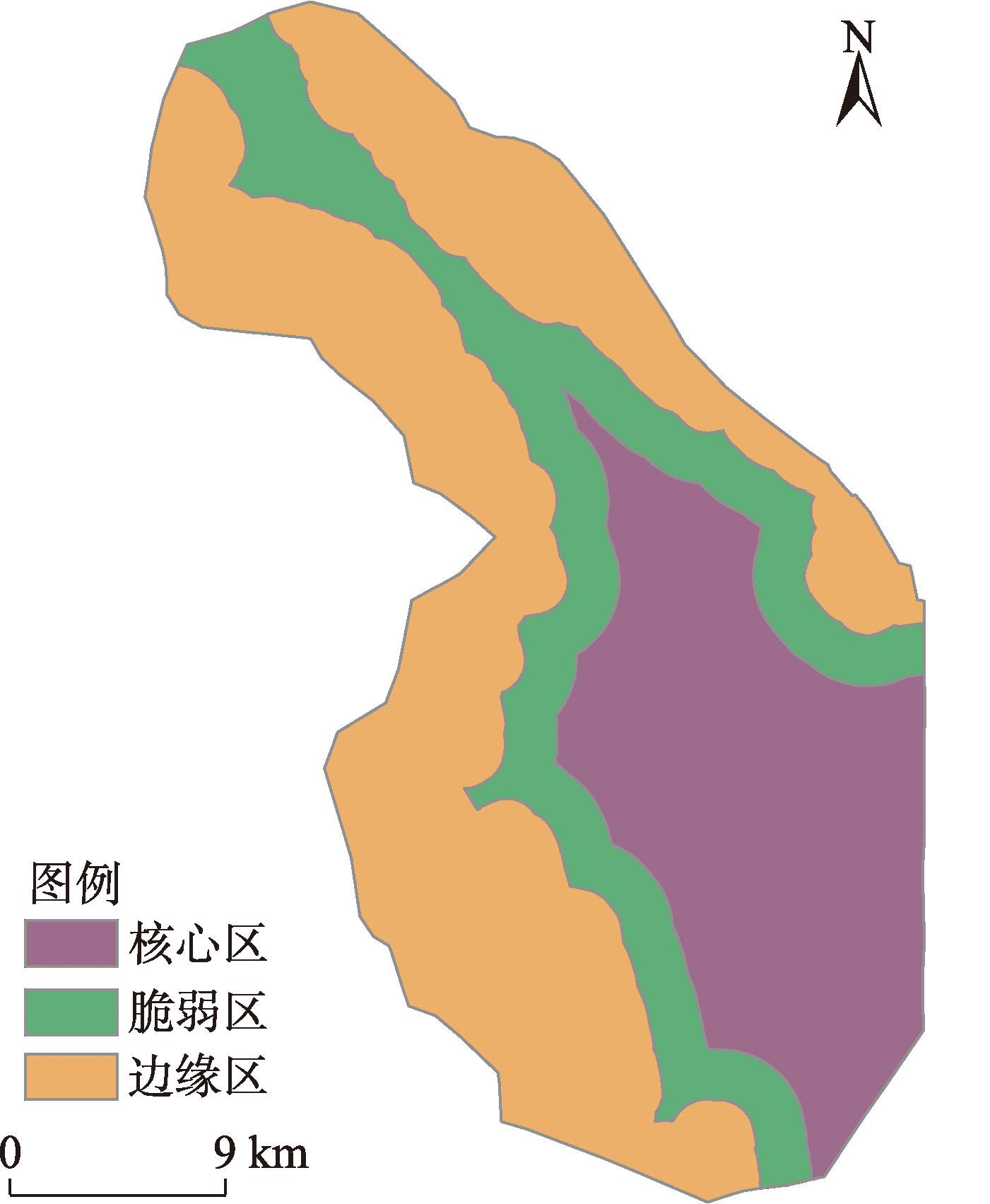
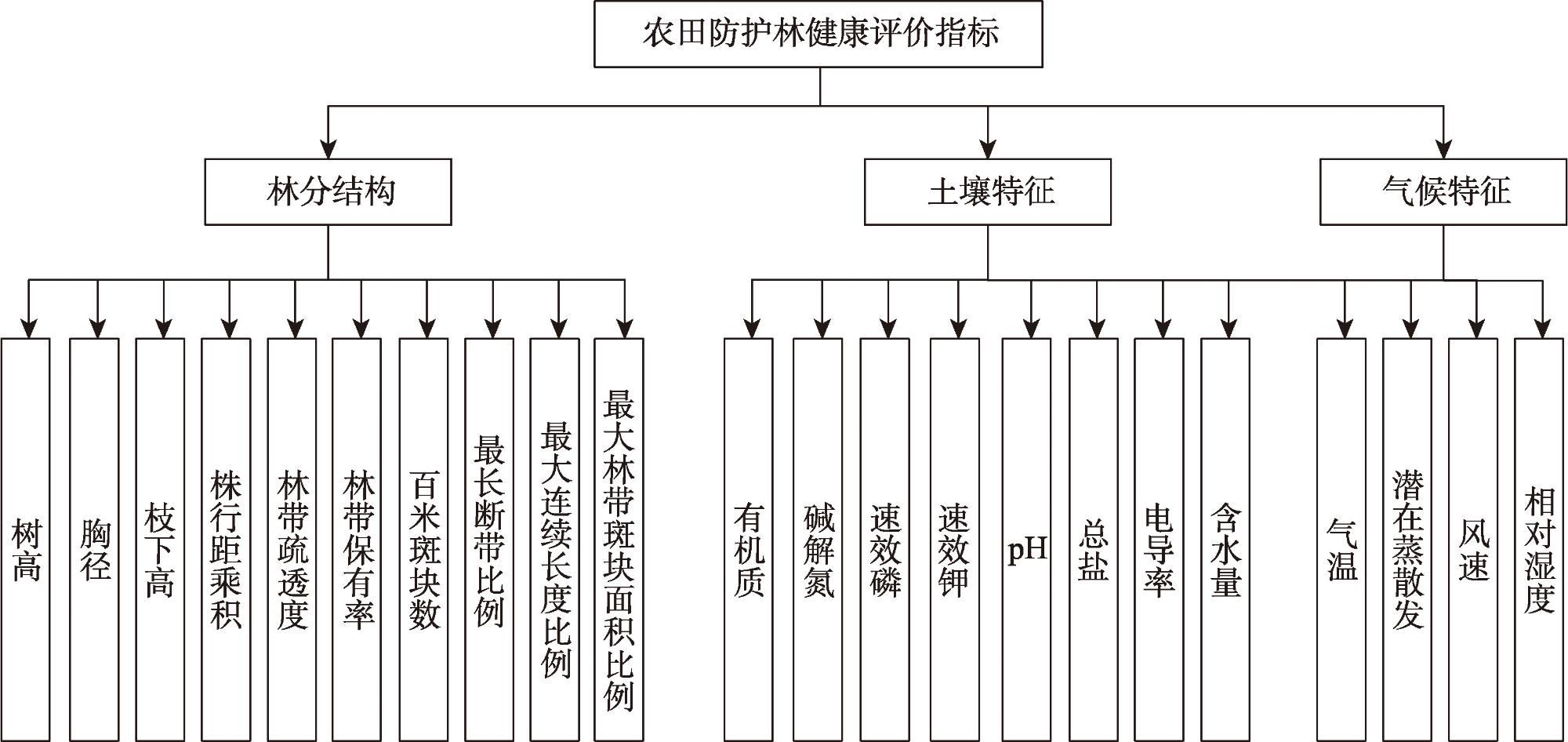
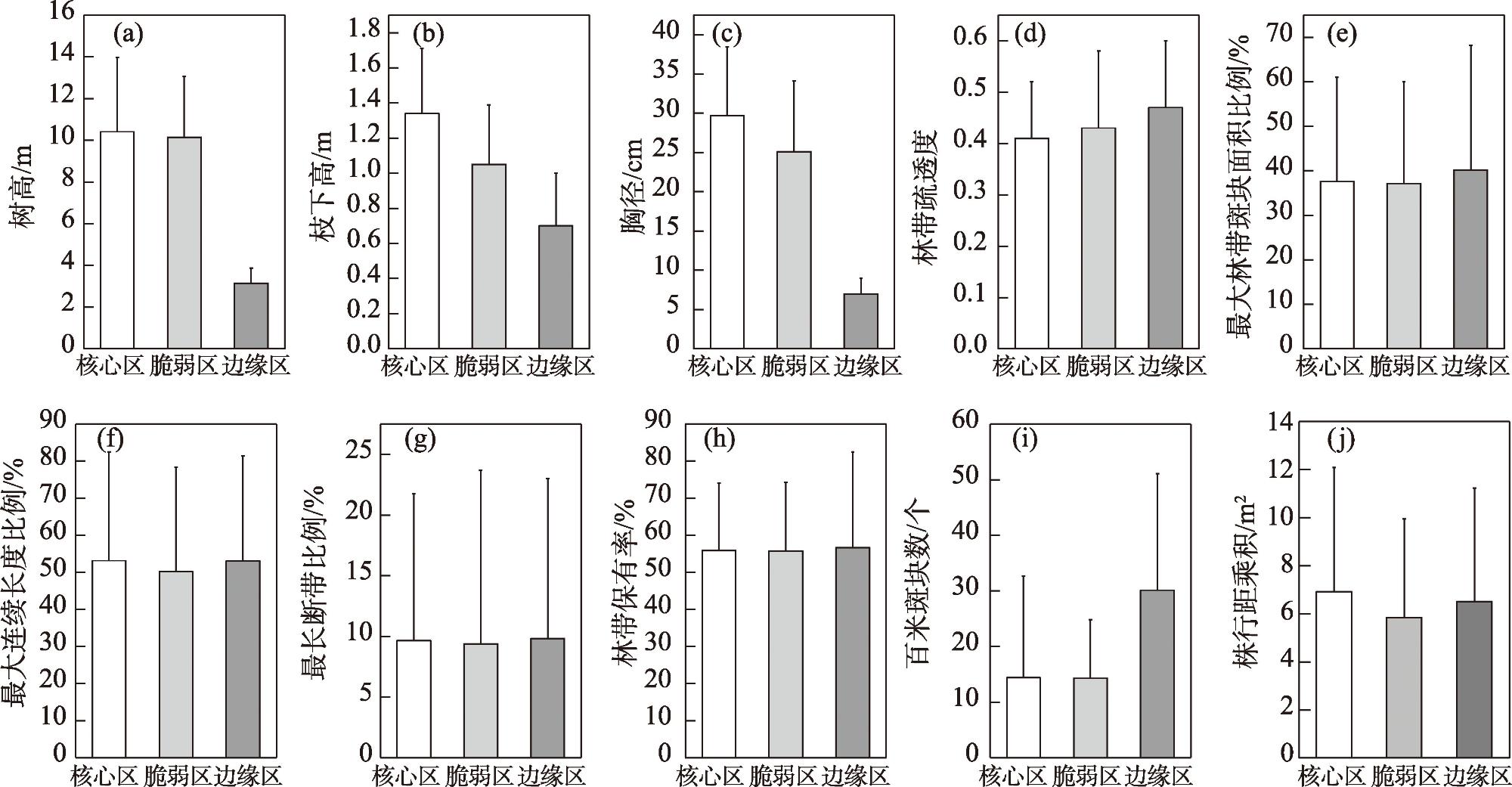
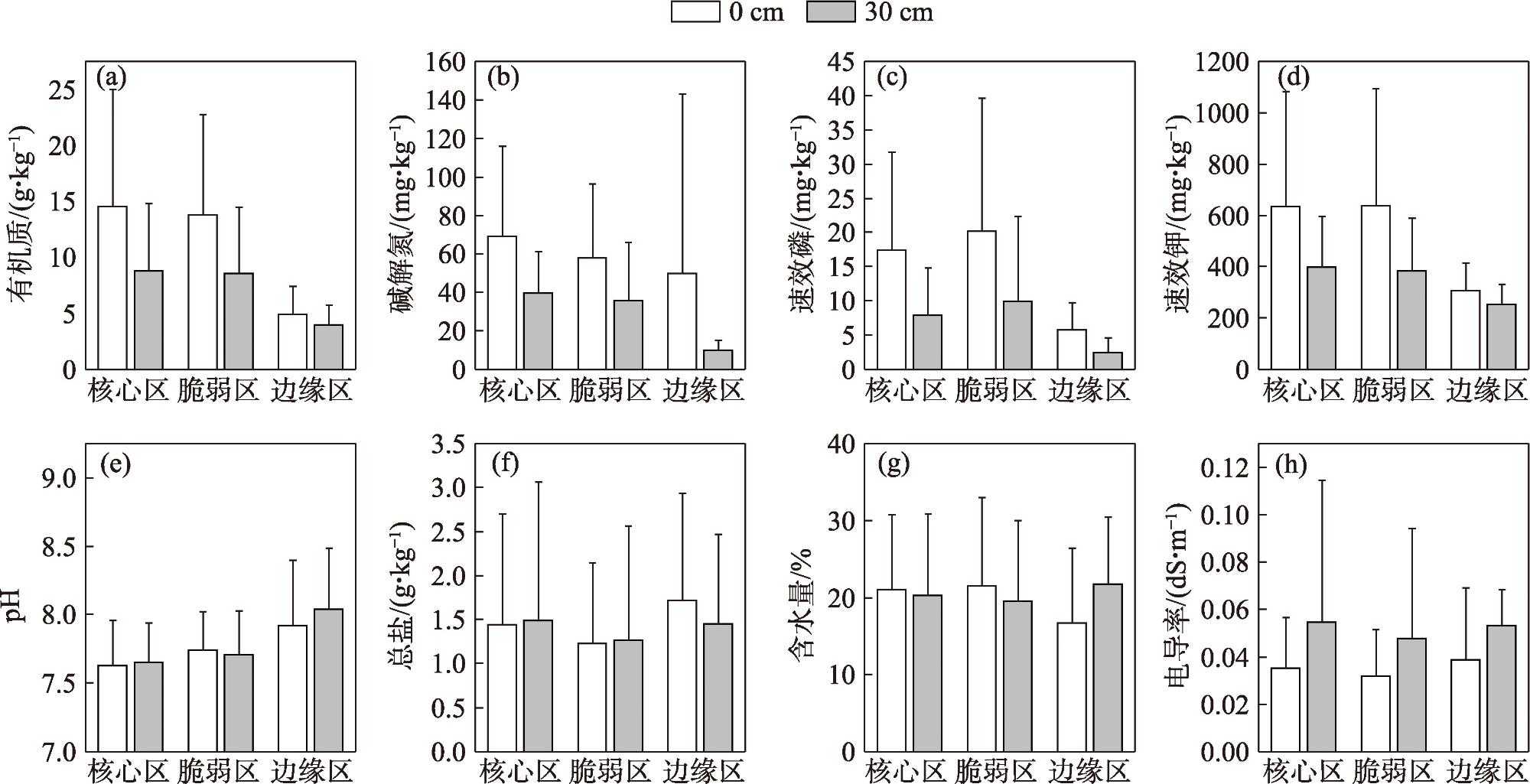
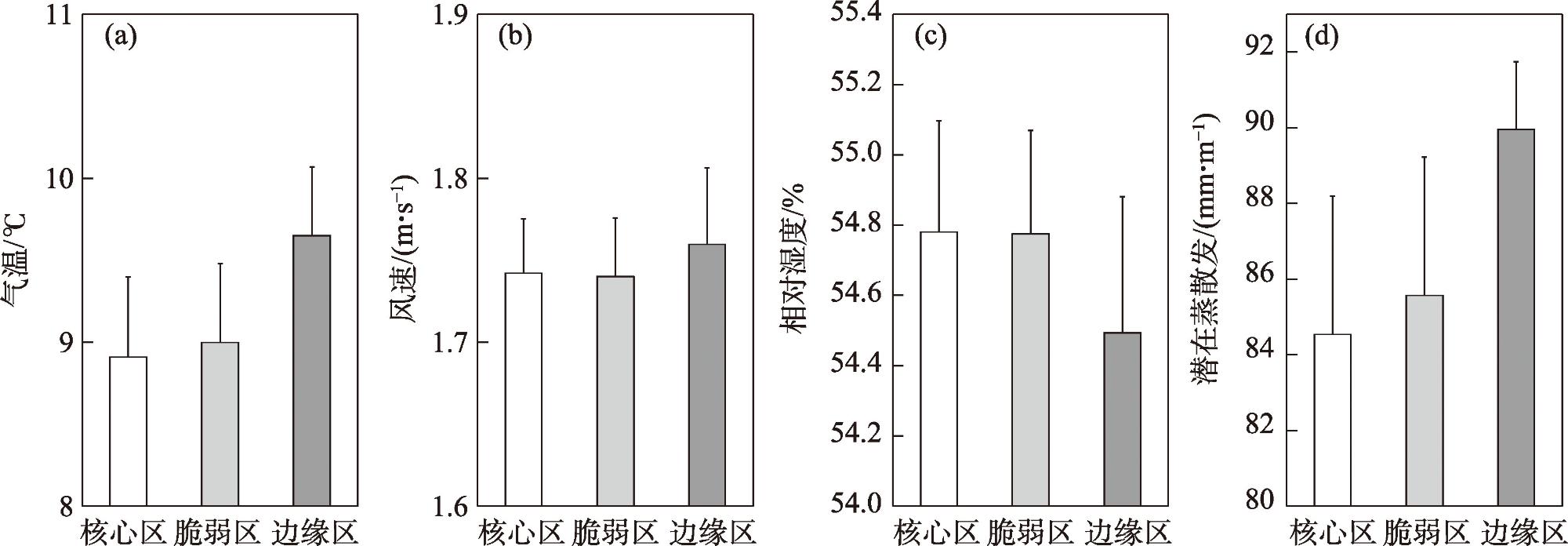
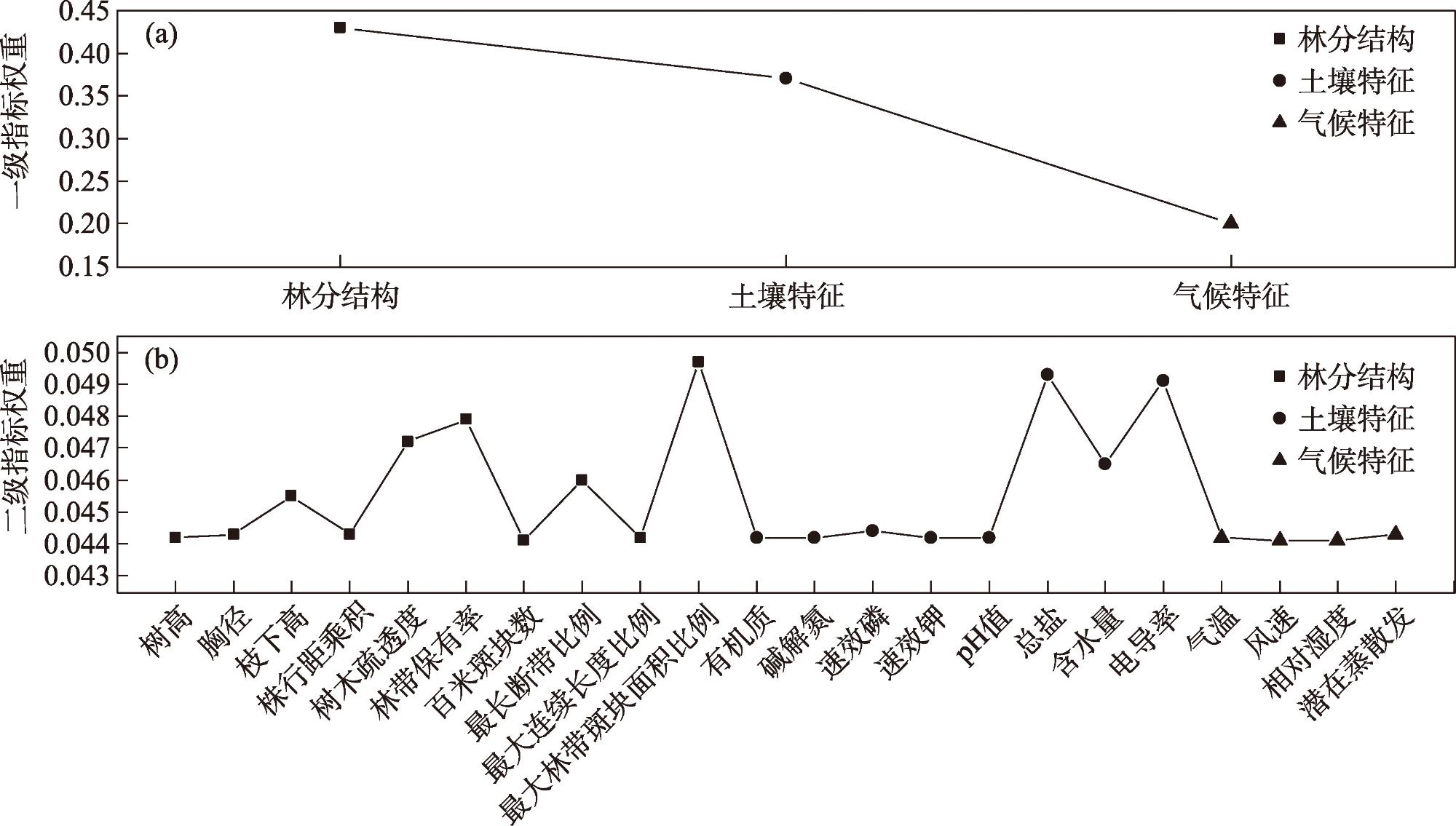
The health of farmland shelterbelts is crucial for ensuring the sustainable development of agriculture. This study focused on the 150th Regiment of the Mosuowan Reclamation Area as the study area and constructed a farmland shelterbelt health evaluation system comprising three first-level indicators (stand structure, soil characteristics, and climatic characteristics) and 22 second-level indicators. The entropy method was used to calculate the indicator weights and the shelterbelt health index, and the health status of the shelterbelts in the study area was analyzed. The results showed that the farmland shelterbelts in the study area exhibited significant gradient degradation, following a “core-vulnerable-edge” pattern. Overall, the farmland shelterbelts were unhealthy, with a health index of 0.4810. Among them, the core area (health index=0.7227) and the vulnerable area (health index=0.7667) were classified as healthy, while the edge area (health index=0.2167) was unhealthy. Targeted soil improvement is necessary for the degraded forest belts in the core area. Forest belt repair and phosphate fertilizer supplementation should be prioritized in the vulnerable area, and systematic management of salinized land is required in the edge area. This evaluation system provides a multidimensional assessment tool for the precise restoration of degraded shelterbelts in arid areas and effectively supports the scientific decision-making of systematic restoration projects for degraded forest stands.
Key words: farmland shelterbelts; health evaluation; index system; oasis; Gurbantunggut Desert
ZHANG Yongping , WANG Yongdong , ZHOU Zhibin , SHAN Jidong . Health assessment of farmland shelterbelts in northern Xinjiang: A case study of the 150th regiment in Mosuowan[J]. Arid Zone Research, 2025 , 42(12) : 2343 -2354 . DOI: 10.13866/j.azr.2025.12.16
表1 研究分区生态指标健康指数Tab. 1 Study area ecological index health index table |
| 指标级 | 健康指数 | |||||||
|---|---|---|---|---|---|---|---|---|
| 一级指标 | 二级指标 | 核心区 | 脆弱区 | 边缘区 | ||||
| 林分结构 | 树高 | 15.143 | 0.57 | 16.357 | 0.55 | 6.342 | 0.49 | |
| 胸径 | 15.104 | 16.315 | 6.326 | |||||
| 枝下高 | 14.7 | 15.879 | 6.157 | |||||
| 株行距乘积 | 15.084 | 16.293 | 6.318 | |||||
| 树木疏透度 | 14.179 | 15.316 | 5.939 | |||||
| 林带保有率 | 13.973 | 15.093 | 5.852 | |||||
| 百米斑块数 | 15.144 | 16.358 | 6.343 | |||||
| 最长断带比例 | 14.535 | 15.7 | 6.088 | |||||
| 最大连续长度比例 | 15.143 | 16.357 | 6.343 | |||||
| 最大林带斑块面积占比 | 13.442 | 14.52 | 5.63 | |||||
| 土壤特征 | 有机质 | 15.143 | 0.64 | 16.357 | 0.83 | 6.342 | 0.16 | |
| 碱解氮 | 15.128 | 16.34 | 6.336 | |||||
| 速效磷 | 15.065 | 16.273 | 6.31 | |||||
| 速效钾 | 15.138 | 16.352 | 6.34 | |||||
| pH值 | 15.125 | 16.338 | 6.335 | |||||
| 总盐 | 13.57 | 14.658 | 5.684 | |||||
| 含水量 | 14.395 | 15.55 | 6.029 | |||||
| 电导率 | 13.604 | 14.695 | 5.698 | |||||
| 气候特征 | 气温 | 15.131 | 0.97 | 16.344 | 0.92 | 6.337 | 0 | |
| 风速 | 15.134 | 16.348 | 6.339 | |||||
| 相对湿度 | 15.144 | 16.358 | 6.343 | |||||
| 潜在蒸散发 | 15.109 | 16.321 | 6.328 | |||||
表2 研究分区综合健康指数与等级Tab. 2 Study on the comprehensive health index and grade of the partition |
| 区域 | 健康指数 | 健康等级 | 面积/km2 | 面积比例/% |
|---|---|---|---|---|
| 核心区 | 0.7227 | 健康 | 132.04 | 29.27 |
| 脆弱区 | 0.7667 | 健康 | 95.27 | 21.12 |
| 边缘区 | 0.2167 | 不健康 | 223.78 | 49.61 |
| 全区域 | 0.4809 | 不健康 | 451.10 |
| [1] |
高志义. 我国防护林建设与防护林学的发展[J]. 北京林业大学学报, 1997, 19(S1): 67-73.
[
|
| [2] |
李鹏辉, 徐丽萍, 刘笑, 等. 基于三维生态足迹模型的天山北麓绿洲生态安全评价[J]. 干旱区研究, 2020, 37(5): 1337-1345.
[
|
| [3] |
毛东雷, 蔡富艳, 杨雪峰, 等. 新疆策勒绿洲——沙漠过渡带不同下垫面风场特征[J]. 干旱区研究, 2019, 36(5): 1117-1126.
[
|
| [4] |
吴祥云, 孙晓辉, 李玉航, 等. 风沙区农田防护林构建多样性及景观效益分析[J]. 东北林业大学学报, 2005, 33(2): 10-11.
[
|
| [5] |
钱剑平, 赵建平, 桂东伟, 等. 策勒绿洲生态与灌溉用水对地下水埋深的影响[J]. 水土保持通报, 2018, 38(1): 96-102.
[
|
| [6] |
李志忠, 韩洪凌. 天山北麓的水资源利用与绿洲稳定性——以玛纳斯河流域为例[J]. 干旱区资源与环境, 2004, 18(8): 139-142.
[
|
| [7] |
王艳艳, 封心志, 郝金秀, 等. 干旱区长期不同灌溉模式及灌溉量对绿洲农田生态系统盐分分布的影响[J]. 农业资源与环境学报, 2024, 41(6): 1251-1259.
[
|
| [8] |
秦东旭, 李中华, 徐敏, 等. 植被与水平衡要素的时空演变及交互关系[J]. 中国工程科学, 2024, 26(6): 140-156.
[
|
| [9] |
曹尤淞, 李生宇. 北疆农田防护林衰退现状及治理对策——以石河子市150团为例[J]. 中国水土保持, 2020(3): 14-17.
[
|
| [10] |
崔桂鹏, 党宏忠, 熊伟, 等. 对“三北”工程区退化林修复策略的思考[J]. 林业科学, 2025, 61(1): 10-16.
[
|
| [11] |
林魏巍. 克拉玛依杨树人工林主要病虫害发生的景观驱动因素研究[D]. 北京: 北京林业大学, 2023.
[
|
| [12] |
肖建明, 石长春, 魏道伟, 等. 毛乌素沙地退化防护林成因分析与修复改造建议[J]. 灌溉排水学报, 2022, 41(S1): 34-38.
[
|
| [13] |
孔同伟, 王帅, 刘滨辉. 农田防护林更新改造对土壤团聚体特征和可蚀性的影响[J]. 中南林业科技大学学报, 2022, 42(11): 128-140.
[
|
| [14] |
宋立宁, 朱教君, 郑晓. 基于沙地樟子松人工林衰退机制的营林方案[J]. 生态学杂志, 2017, 36(11): 3249-3256.
[
|
| [15] |
高岗, 秦富仓, 姚云峰, 等. 农牧交错带小流域防护林水源涵养功能研究[J]. 干旱区资源与环境, 2009, 23(8): 180-185.
[
|
| [16] |
于金涛, 雷静品, 王鹏程, 等. 秭归县防护林健康评价指标体系的建立及应用[J]. 生态学报, 2015, 35(7): 2094-2104.
[
|
| [17] |
乔一娜, 曹双成, 石孟迪, 等. 基于层次分析法的毛乌素榆林沙区防护林健康评价体系研究[J]. 林草资源研究, 2024(2): 109-115.
[
|
| [18] |
|
| [19] |
梁元也, 范连连, 马学喜, 等. 新疆北部六种草地类型土壤碳氮磷生态化学计量特征[J]. 干旱区研究, 2024, 41(10): 1708-1718.
[
|
| [20] |
魏亚娟, 刘美英, 解云虎, 等. 吉兰泰盐湖防护体系建立38 a以来土壤养分特征[J]. 干旱区研究, 2023, 40(5): 747-755.
[
|
| [21] |
张彬, 郑新军, 王玉刚, 等. 1990—2022年天山北坡地区不同开垦年限耕层土壤盐分变化[J] 干旱区研究, 2024, 41(9): 1435-1445.
[
|
| [22] |
张紫淇, 杨丽莉, 何新林, 等. 滴灌水盐氮调控对棉田水肥盐运移及棉花产量的影响[J] 干旱区研究, 2024, 41(5): 876-893.
[
|
| [23] |
胡焕琼, 李利, 于军, 等. 四翅滨藜和多枝柽柳对土壤干旱的响应差异[J] 干旱区研究, 2023, 40(12): 2007-2015.
[
|
| [24] |
|
| [25] |
|
| [26] |
|
| [27] |
|
| [28] |
|
| [29] |
鲍士旦. 土壤农化分析[M]. 北京: 中国农业出版社, 2000.
[
|
| [30] |
鲁绍伟, 刘凤芹, 余新晓, 等. 北京市八达岭林场森林生态系统健康性评价[J]. 水土保持学报, 2006, 20(3): 79-82, 105.
[
|
| [31] |
|
| [32] |
|
| [33] |
王青, 李富程, 李国蓉, 等. 基于“压力-状态-响应”框架的长江上游防护林健康评价[J]. 长江流域资源与环境, 2010, 19(8): 953-958.
[
|
/
| 〈 |
|
〉 |