



Effects of storage methods on the seed germination and viability of Ammopiptanthus nanus with different colors
Received date: 2025-01-06
Revised date: 2025-04-08
Online published: 2025-08-13
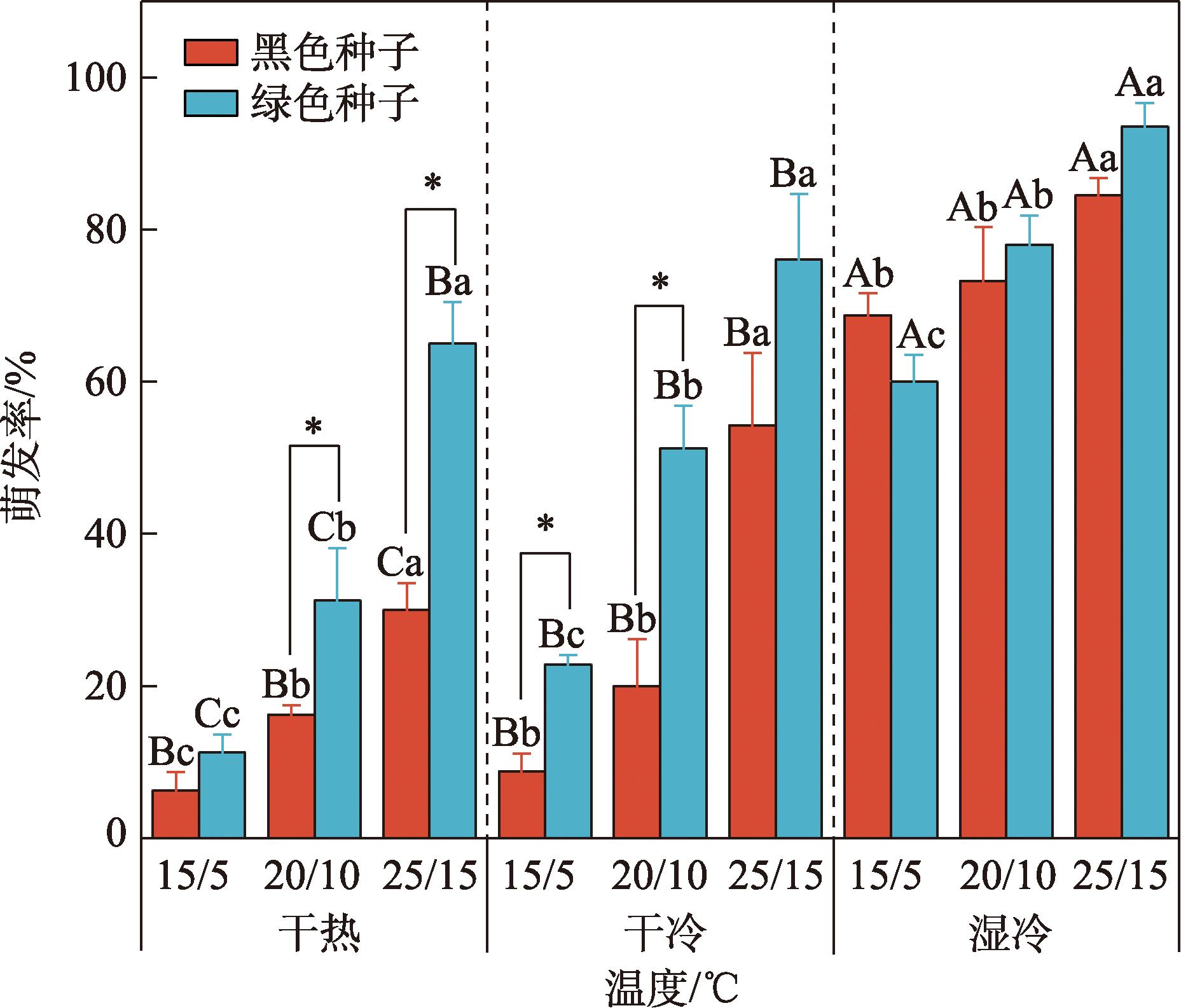
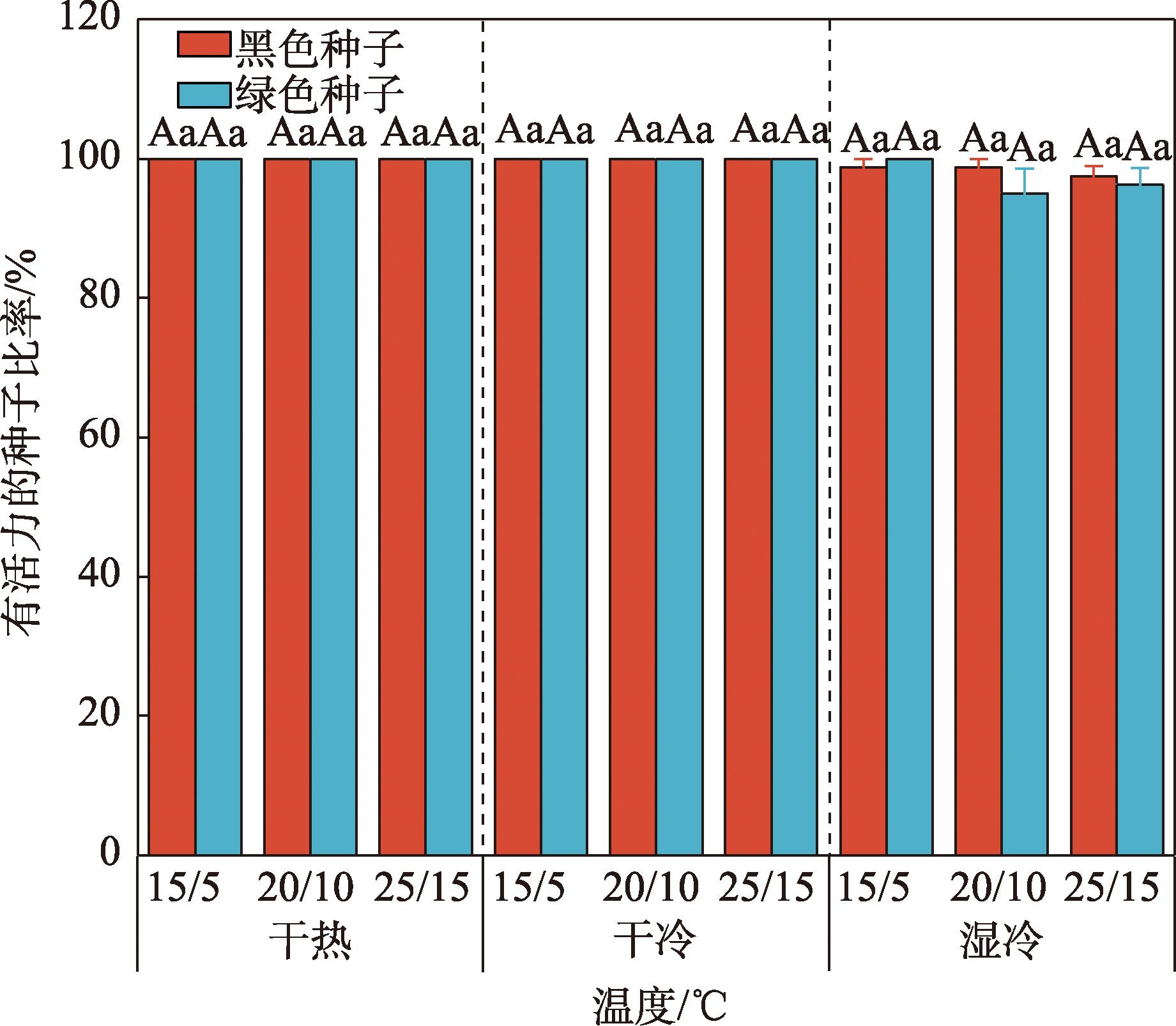
Ammopiptanthus nanus is an endangered evergreen shrub that is endemic to the desert area of Central Asia. It exhibits strong cold and drought resistance, serves as a model species for examining the mechanisms of plant adaptation to extreme environments, and is a focus of conservation research in desert biodiversity. In this study, black and green Ammopiptanthus nanus seeds were used to study the germination and viability of newly harvested seeds and their storage by three methods. The results indicated that the germination rate of the newly harvested seeds increased with an increase in temperature, and the viability of the newly harvested seeds reached 100%. There was a significant difference in the germination of seeds with the two colors under dry-cold and -hot storage conditions, with green seeds showing significantly higher germination rates compared with black seeds (P<0.05). However, there was no significant difference in germination under wet-cold storage conditions. Wet-cold storage promoted seed germination, whereas dry-cold and -hot storage resulted in inhibition. The three storage methods had little effect on the viability of either color seed, and viability after storage was >95%. Temperature and humidity are important ecological factors that influence seed germination and viability in Ammopiptanthus nanus. The difference in seed germination represents a strategy for adapting to harsh habitats, which is conducive to increasing its survival and reproduction ability. Wet-cold storage increases the seed germination rate and maintains viability, thus providing valuable technical guidance for the conservation of germplasm resources and nursery breeding.
Key words: Ammopiptanthus nanus; seed germination; seed viability; storage method
LIN Zhiye , WANG Jiancheng , ZHU Chenglin , SU Zhihao . Effects of storage methods on the seed germination and viability of Ammopiptanthus nanus with different colors[J]. Arid Zone Research, 2025 , 42(7) : 1291 -1300 . DOI: 10.13866/j.azr.2025.07.12
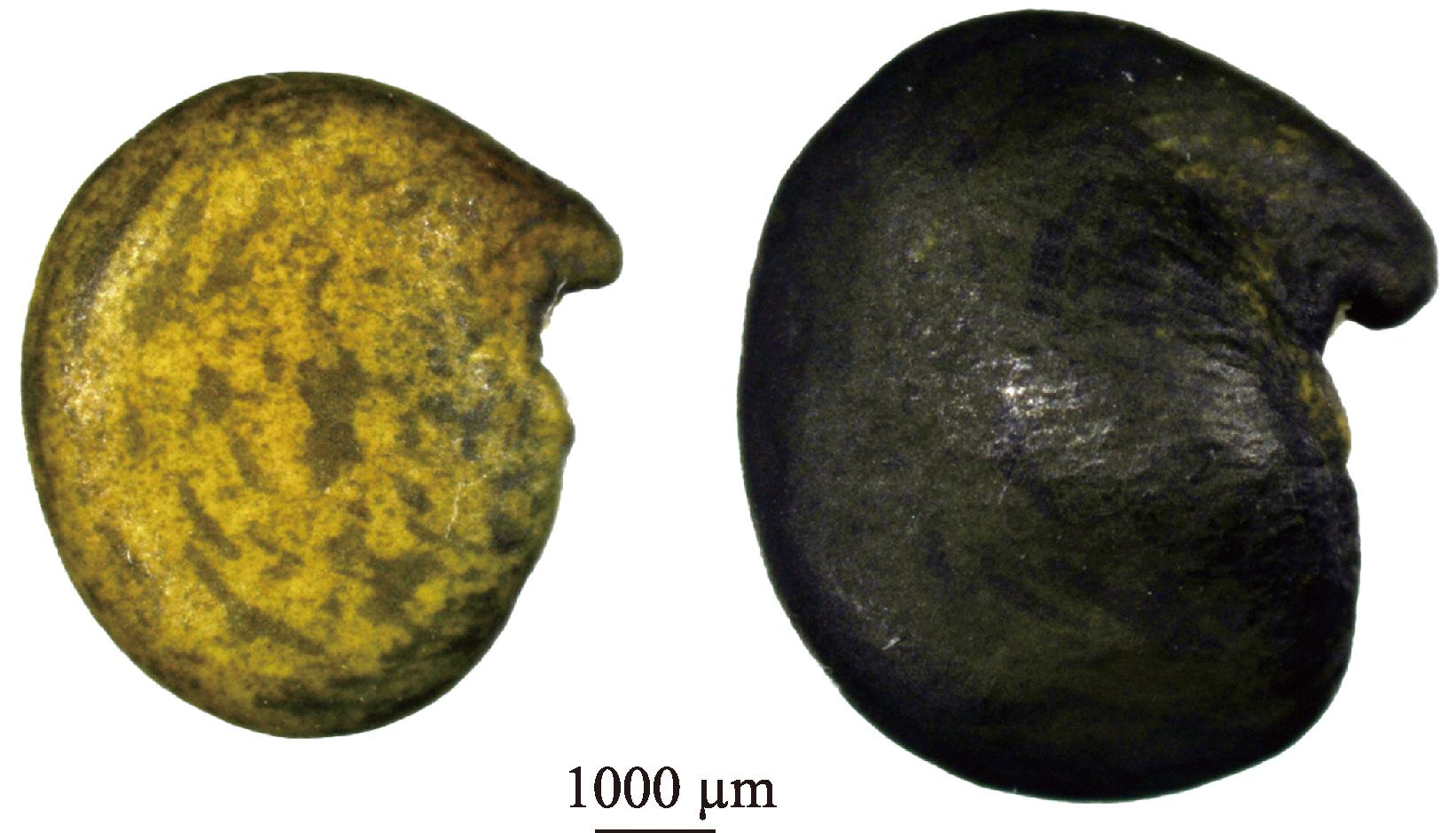
表1 新疆沙冬青不同颜色种子的特征Tab. 1 Characteristics of Ammopiptanthus nanus seeds with different colors |
| 长/mm | 宽/mm | 厚/mm | 百粒重/g | |
|---|---|---|---|---|
| 黑色种子 | 6.14±0.13a | 5.42±0.15a | 1.77±0.05a | 3.87±0.15a |
| 绿色种子 | 4.96±0.14b | 4.20±0.17b | 1.81±0.05a | 3.12±0.02b |
注:同列不同小写字母表示差异显著(P<0.05)。 |
表2 新采收新疆沙冬青不同颜色种子在不同温度下的萌发率与活力Tab. 2 Germination percentage and viability of newly harvested seeds of Ammopiptanthus nanus with different colors under different temperatures |
| 萌发率/% | 种子活力/% | ||||||
|---|---|---|---|---|---|---|---|
| 15/5 ℃ | 20/10 ℃ | 25/15 ℃ | 15/5 ℃ | 20/10 ℃ | 25/15 ℃ | ||
| 黑色种子 | 11±3.2Ca | 39±12.5Ba | 79±6.6Aa | 100±0.0Aa | 100±0.0Aa | 100±0.0Aa | |
| 绿色种子 | 17±6.8Ca | 54±8.9Ba | 75±5.5Aa | 100±0.0Aa | 100±0.0Aa | 100±0.0Aa | |
注:对于同一颜色种子,不同大写字母表示在不同培养温度下差异显著(P<0.05);对于同一培养温度,不同小写字母表示不同颜色种子之间的差异显著(P<0.05)。 |
图3 新疆沙冬青不同颜色种子在不同温度与贮藏方式下的萌发率注:同一颜色及同一培养温度下,不同大写字母表示不同贮藏方式间萌发率差异显著(P<0.05);同一颜色及同一贮藏方式下,不同小写字母表示不同培养温度间萌发率差异显著(P<0.05);同一培养温度及同一贮藏方式下,*表示不同颜色的种子萌发率差异显著(P<0.05)。 Fig. 3 The germination rate of different colors seeds of Ammopiptanthus nanus under different temperature and storage methods |
表3 种皮颜色、温度和贮藏方式对新疆沙冬青种子萌发率的影响Tab. 3 Analysis of variance for the effects of seed coat color, temperature and storage methods on the seed germination percentage of Ammopiptanthus nanus |
| 偏差来源 | 自由度 | 均方 | F值 | P值 |
|---|---|---|---|---|
| 种皮颜色 | 1 | 3584.222 | 36.398 | <0.001 |
| 温度 | 2 | 8568.431 | 87.014 | <0.001 |
| 贮藏方式 | 2 | 16084.222 | 163.338 | <0.001 |
| 种皮颜色×温度 | 2 | 550.931 | 5.595 | 0.006 |
| 种皮颜色×贮藏方式 | 2 | 720.889 | 7.321 | 0.002 |
| 温度×贮藏方式 | 4 | 319.535 | 3.245 | 0.019 |
| 种皮颜色×温度×贮藏方式 | 4 | 118.410 | 1.202 | 0.320 |
| [1] |
|
| [2] |
|
| [3] |
李孙玲, 景跃波, 李淑芳, 等. 狭域珍稀濒危植物茶果樟种子生活力测定研究[J]. 西部林业科学, 2021, 50(3): 131-134, 143.
[
|
| [4] |
陈远征, 马祥庆. 濒危植物生殖生态学研究进展[J]. 中国生态农业学报, 2007, 15(1): 186-189.
[
|
| [5] |
何中声, 刘金福, 洪伟, 等. 不同处理对格氏栲种子发芽的影响[J]. 北京林业大学学报, 2012, 34(2): 66-70.
[
|
| [6] |
杨期和, 葛学军, 叶万辉, 等. 矮沙冬青种子特性和萌发影响因素的研究[J]. 植物生态学报, 2004, 28(5): 651-656.
[
|
| [7] |
|
| [8] |
|
| [9] |
杨阳, 王海洋, 马立辉. 濒危植物树枫杜鹃的结实及种子萌发特性[J]. 林业科学, 2020, 56(10): 173-183.
[
|
| [10] |
|
| [11] |
乐新贵, 王正伟, 宁馨, 等. 苦槠传播体的萌发特性与种子休眠类型[J]. 植物研究, 2022, 42(4): 688-693.
[
|
| [12] |
常海文, 张凤兰, 杨忠仁, 等. 沙葱种子贮藏陈化过程中的生理生化应答反应[J]. 植物生理学报, 2015, 51(7): 1075-1081.
[
|
| [13] |
|
| [14] |
帕如扎·哈力木拉提, 赵晓英, 成鹏. 新疆4种锦鸡儿属植物种子生活力和萌发对积雪下埋放的响应[J]. 植物科学学报, 2023, 41(4): 513-520.
[
|
| [15] |
吴琴霞, 胡宇辰, 陈颖, 等. 不同品种文冠果种子萌发对低温储藏的响应[J]. 广西植物, 2024, 44(3): 541-553.
[
|
| [16] |
韩玉竹, 曾兵, 伍莲, 等. 不同贮藏条件对苦荬菜种子活力的影响[J]. 河南农业科学, 2011, 40(7): 138-143.
[
|
| [17] |
张玉林, 尹本丰, 陶冶, 等. 冻融过程对荒漠短命植物种子萌发的影响[J]. 生态学杂志, 2021, 40(2): 301-312.
[
|
| [18] |
杨晗, 刘鸿飞, 杨合龙, 等. 贮藏温度和种子含水量对扁穗冰草种子质量的影响[J]. 草业科学, 2016, 33(10): 2033-2040.
[
|
| [19] |
郭欢欢, 刘勇, 吴成亮, 等. 国外林木种子休眠与贮藏的研究进展[J]. 西北林学院学报, 2017, 32(4): 133-138.
[
|
| [20] |
李晓玲, 温浩然, 程岁寒, 等. 水淹和不同贮藏方法对中华蚊母树种子萌发及其生理特征和幼苗生长活力的影响[J]. 西北植物学报, 2017, 37(10): 2033-2041.
[
|
| [21] |
李明远, 赵晓英, 艾赛提, 等. 种子附属物及贮藏方式对4种野生灌木种子萌发和生活力的影响[J]. 草原与草坪, 2021, 41(5): 93-98.
[
|
| [22] |
卫宝瑞. 不同贮藏处理对西洋参裂口种子品质的影响[D]. 长春: 吉林农业大学, 2021.
[
|
| [23] |
中国科学院中国植物志编写员会. 中国植物志: 第42卷第2分册[M]. 北京: 科学出版社, 1998: 396-397.
[Editorial Committee of Flora of China, Chinese Academy of Sciences. Flora of China: 42(2)[M]. Beijing: Science Press, 1998: 388-397.]
|
| [24] |
|
| [25] |
|
| [26] |
|
| [27] |
高志海, 刘生龙, 仲述军, 等. 矮沙冬青引种栽培试验研究[J]. 甘肃林业科技, 1995(1): 28-31, 34.
[
|
| [28] |
焦培培. 濒危植物矮沙冬青生殖生物学研究[D]. 阿拉尔: 塔里木大学, 2007.
[
|
| [29] |
常晖, 程秋香, 李吟平, 等. 黄芪种子种皮颜色和大小与种子活力相关性研究[J]. 种子, 2015, 34(8): 95-97, 104.
[
|
| [30] |
齐雪峰, 孙群, 杨力钢, 等. 种皮颜色对乌拉尔甘草种子质量的影响[J]. 种子, 2007, 26(7): 31-33.
[
|
| [31] |
张颖娟, 王玉山, 李绍舜. 贮藏条件和时间对西鄂尔多斯5种荒漠植物种子萌发的影响[J]. 林业科学, 2011, 47(1): 36-41.
[
|
| [32] |
马淼, 杨坤, 赵红艳. 新疆沙冬青种子特性分析及萌发条件的优化选择[J]. 种子, 2007, 26(3): 7-9.
[
|
| [33] |
吕艳贞, 聂宇婷, 张昭, 等. 紫花苜蓿种子耐贮藏性综合评价及关键指标筛选[J]. 草地学报, 2024, 32(4): 1131-1141.
[
|
| [34] |
杨鹏鹏. 乌恰县近60年气象要素变化分析[J]. 西北水电, 2018(6): 13-16.
[
|
| [35] |
任永霞, 郭郁频, 刘贵河, 等. 三种野豌豆属牧草种子萌发期抗旱性的研究[J]. 作物杂志, 2016(3): 158-162.
[
|
| [36] |
国际种子检验协会. 1996国际种子检验规程[M]. 北京: 中国农业出版社, 1999.
[International Seed Testing Association. International Rules for Seed Testing 1996[M]. Beijing: China Agriculture Press, 1999.]
|
| [37] |
帕如扎·哈力木拉提, 崔国楹, 赵晓英, 等. 4种野生植物种子萌发对短期室温干贮藏的响应[J]. 中国野生植物资源, 2022, 41(12): 5-9.
[
|
| [38] |
郭聪聪, 沈永宝, 史锋厚. 温度对白皮松种子萌发过程中储藏物质代谢及酶活性的影响[J]. 南京林业大学学报(自然科学版), 2023, 47(6): 25-34.
[
|
| [39] |
刘美芹, 卢存福, 尹伟伦. 珍稀濒危植物沙冬青生物学特性及抗逆性研究进展[J]. 应用与环境生物学报, 2004, 10(3): 384-388.
[
|
| [40] |
刘文, 刘坤, 张春辉, 等. 种子萌发的积温效应——以青藏高原东缘的12种菊科植物为例[J]. 植物生态学报, 2011, 35(7): 751-758.
[
|
| [41] |
白梦杰, 陶奇波, 韩云华, 等. 十种荒漠植物种子萌发对温度的响应[J]. 草业学报, 2019, 28(12): 53-62.
[
|
| [42] |
|
| [43] |
|
| [44] |
屈燕, 区智, 夏樱, 等. 不同前处理对总状绿绒蒿种子萌发特性的影响[J]. 种子, 2018, 37(2): 5-9, 13.
[
|
| [45] |
马文宝, 谭敦炎, 薛建辉, 等. 果实(种子)多态性及生态学意义[J]. 四川林业科技, 2011, 32(6): 34-43.
[
|
| [46] |
热依拉穆·麦麦提吐尔逊, 哈里布努尔, 艾沙江·阿不都沙拉木. 异质生境下黑果枸杞异形果实的种子休眠及萌发特性[J]. 干旱区研究, 2023, 40(7): 1152-1163.
[
|
| [47] |
高悦, 秦启娟, 严佳玥, 等. 萹蓄两种异型种子萌发及幼苗的生长特性[J]. 草业科学, 2024, 41(7): 1660-1667.
[
|
| [48] |
王艳梅, 张小雪, 朱秀征, 等. 林木种子休眠与萌发机制研究进展[J]. 林业科学, 2021, 57(10): 128-144.
[
|
| [49] |
布海丽且姆·阿卜杜热合曼. 中国干旱区18种豆科植物和短命植物囊果苔草的种子萌发特性研究[D]. 北京: 中国科学院大学, 2015.
[
|
| [50] |
贾风勤. 积雪处理和室内干燥贮藏对6种荒漠植物种子活力的影响[J]. 种子, 2017, 36(10): 46-49.
[
|
| [51] |
|
| [52] |
岳红娟, 仝川, 朱锦懋, 等. 濒危植物南方红豆杉种子雨和土壤种子库特征[J]. 生态学报, 2010, 30(16): 4389-4400.
[
|
| [53] |
白事麟, 吕雅雅, 师小军. 不同生境和基质对经过牛消化道的新疆野苹果种子萌发和幼苗生长的影响[J]. 干旱区研究, 2024, 41(5): 821-829.
[
|
| [54] |
刘飞, 庞晶晶, 张克亮. 加拿大红叶紫荆种子休眠与萌发特性[J]. 江苏农业科学, 2023, 51(3): 161-165.
[
|
| [55] |
李得新, 张道远, 张刘伟, 等. 短命植物尖喙牻牛儿苗春萌和秋萌植株种子生物学特性研究[J]. 干旱区研究, 2020, 37(6): 1562-1568.
[
|
| [56] |
贾风勤, 黄敏桃, 邓利, 等. 干旱、盐分和酸胁迫对药用植物马利筋和苋菜种子萌发的影响[J]. 干旱区研究, 2025, 42(2): 312-320.
[
|
| [57] |
王桔红, 马瑞君, 陈文. 冷层积和室温干燥贮藏对河西走廊8种荒漠植物种子萌发的影响[J]. 植物生态学报, 2012, 36(8): 791-801.
[
|
| [58] |
刘丽萍, 张东智, 张冲, 等. 黑果枸杞抗逆性及栽培育种研究进展[J]. 生物技术通报, 2016, 32(10): 118-127.
[
|
/
| 〈 |
|
〉 |