



Spatial and temporal variation of drought in Northwest China based on CMIP6 model
Received date: 2023-11-18
Revised date: 2024-01-21
Online published: 2024-06-20
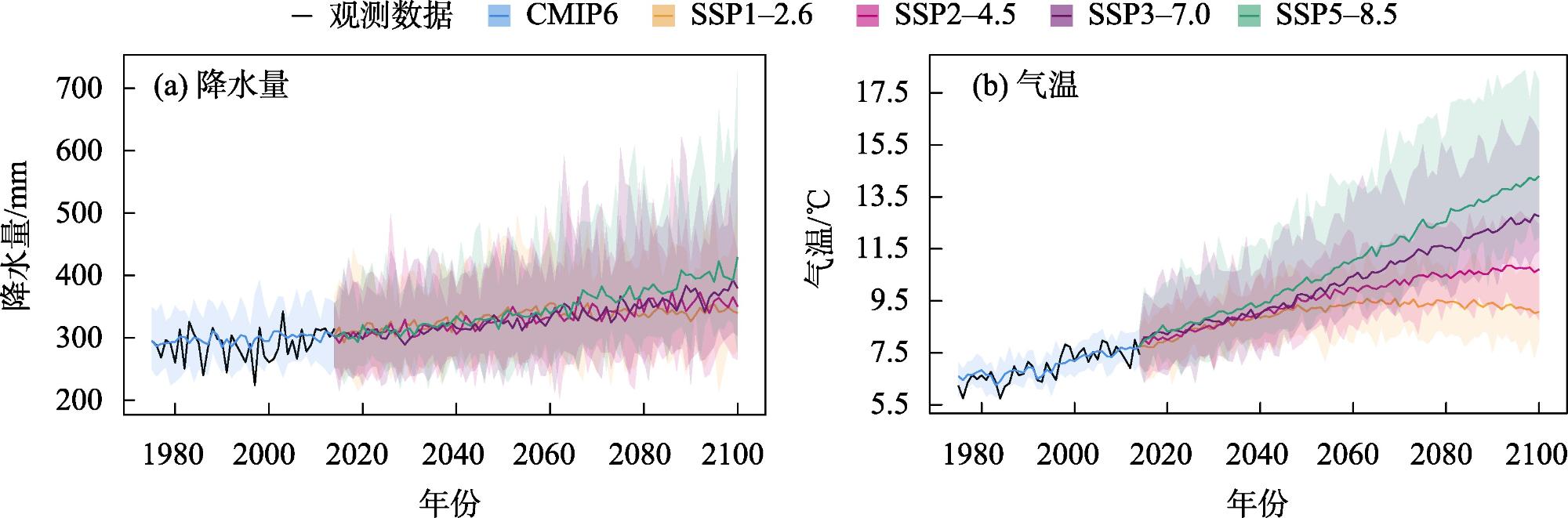
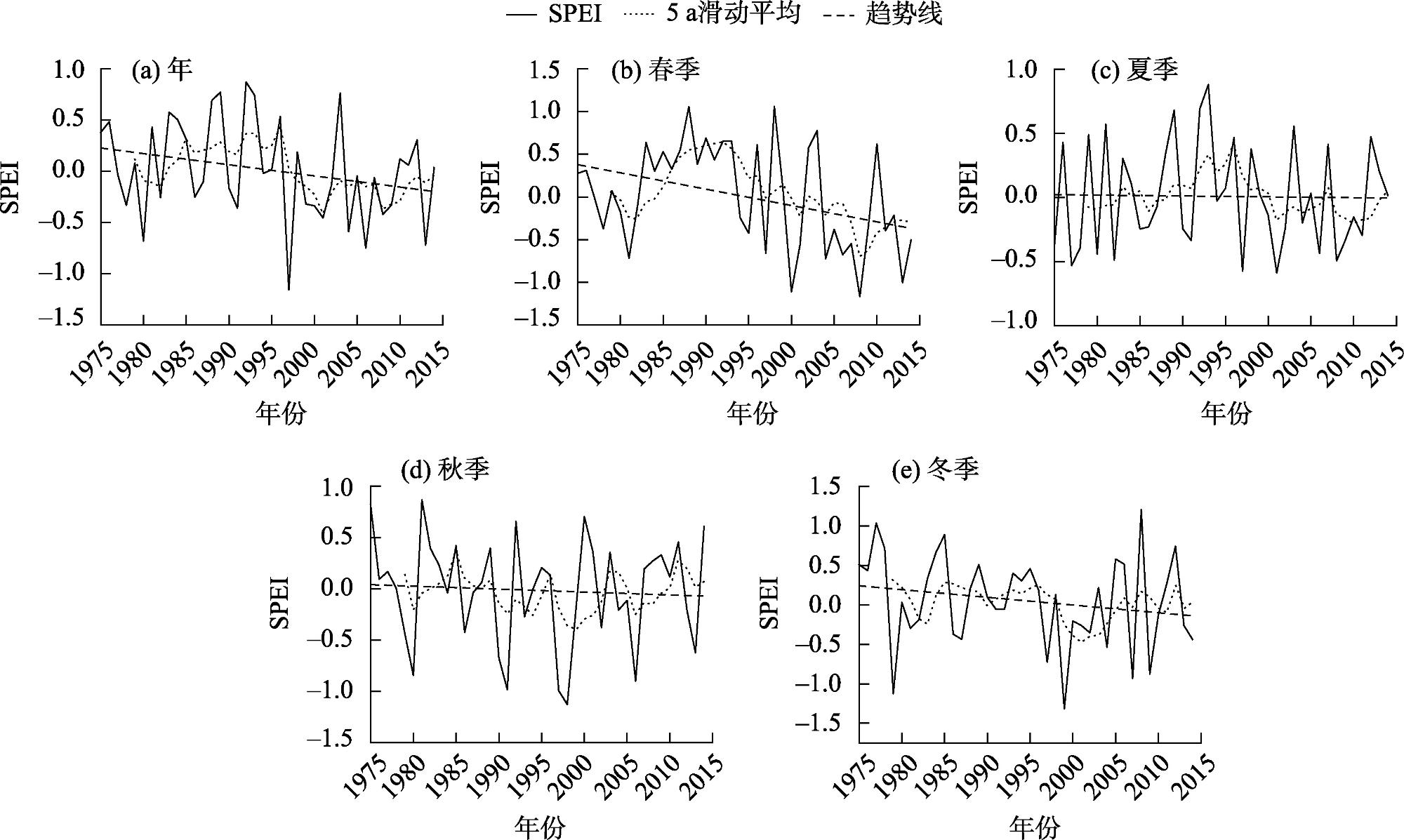
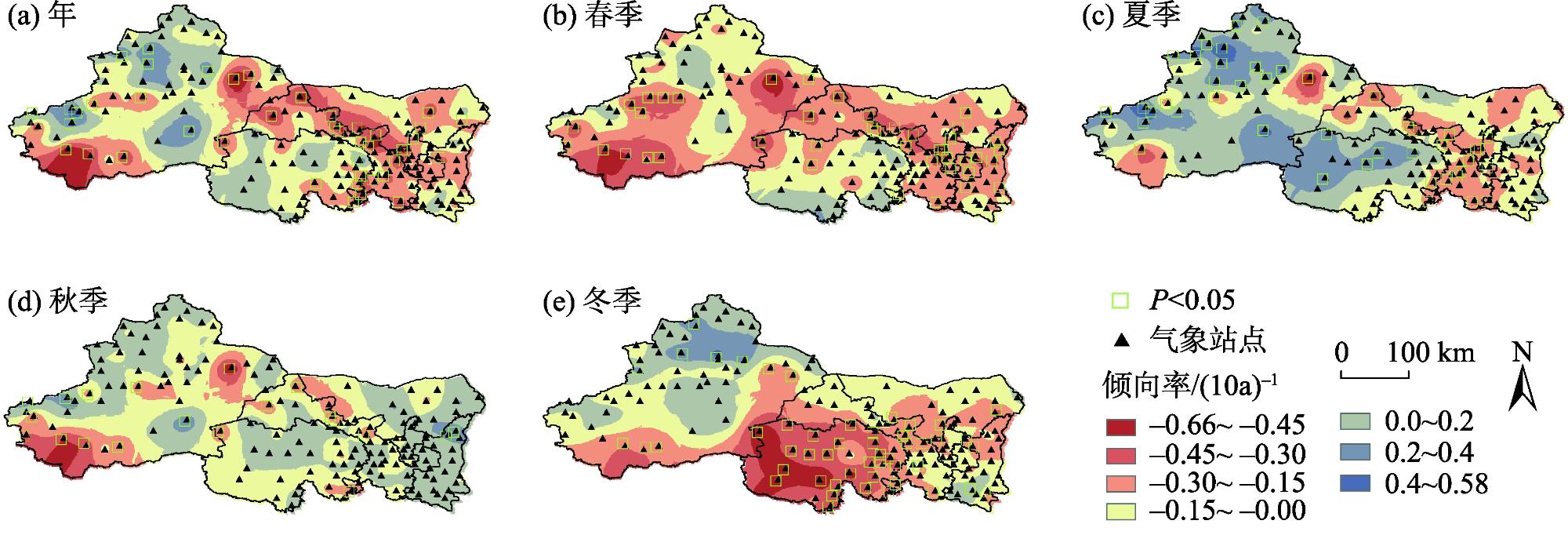
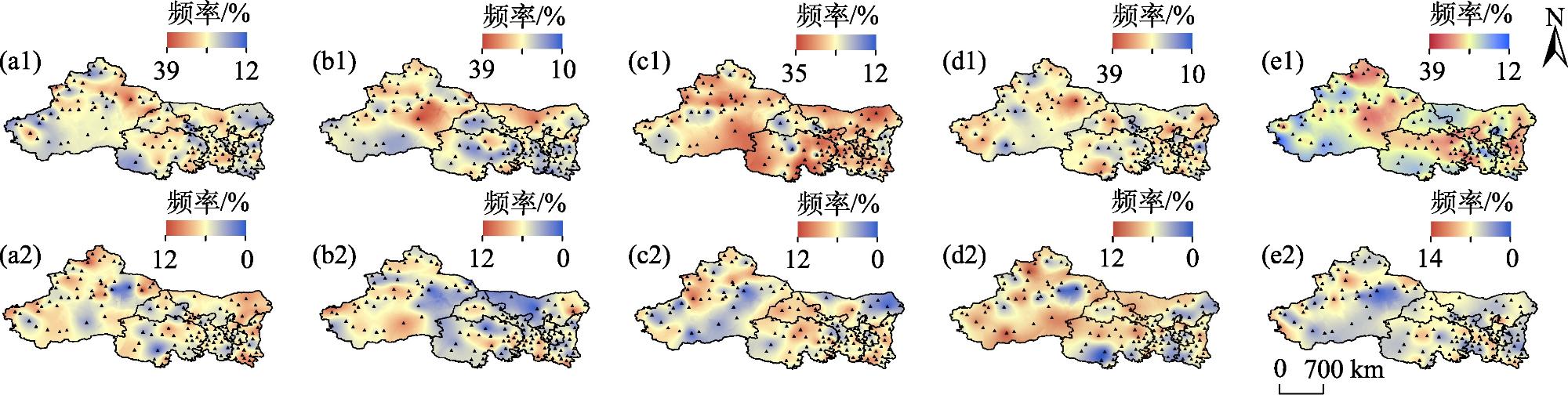
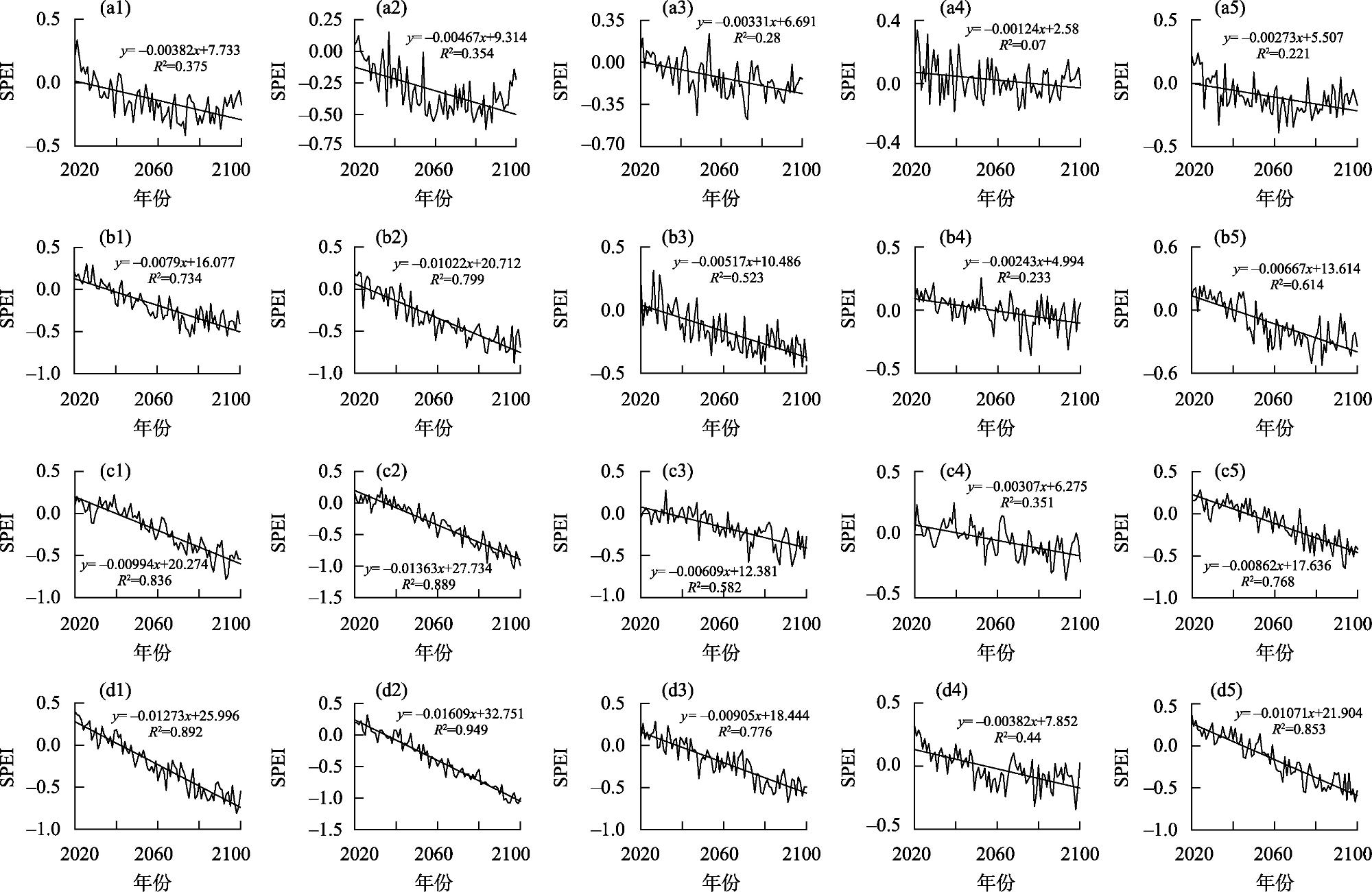
Based on data from 152 meteorological stations in Northwest China and 16 climate models of CMIP6, the CMIP6 model data were bias-corrected using the RoMBC method. The Standardized Precipitation Evapotranspiration Index (SPEI) was then constructed to analyze the spatial and temporal distribution and variation of drought in Northwest China under the historical and future scenarios (SSP1-2.6, SSP2-4.5, SSP3-7.0, SSP5-8.5). The results are as follows: (1) Under the historical scenario, the northwest area experienced a notable increase in both the temperature and precipitation. The temperature and precipitation have been rising at a rate of 0.15-0.74 ℃ and 2.71-14.83 mm per decade, respectively, and the same is expected for future scenarios. (2) From 1975 to 2014, the annual and seasonal SPEI in Northwest China decreased overall. The maximum decline rate in spring was 0.19 per decade. Droughts in most areas were increasingly intense throughout the year, particularly in spring and winter. In terms of drought frequency in Northwest China, mild and moderate droughts appeared more than severe and extreme droughts, and this type of natural disaster was more frequent in the east of the country than in the west. (3) From 2020 to 2100, Northwest China is likely to suffer from droughts, but there are no distinct drought characteristics identified in the research under the SSP1-2.6 scenario. The northwest region is expected to experience an increase in the number of droughts, trends in drought, and drought frequency under the other three scenarios. The most severe drought conditions were observed under the SSP5-8.5 scenario. This study provides insights into the spatial and temporal development of drought in Northwest China using meteorological and model data. The findings can serve as a basis for drought risk assessment, scientific water resources management, and agricultural production in the region.
Key words: SPEI; spatial-temporal pattern of drought; CMIP6; Northwest China
SHAN Jian'an , ZHU Rui , YIN Zhenliang , YANG Huaqing , ZHANG Wei , FANG Chunshuang . Spatial and temporal variation of drought in Northwest China based on CMIP6 model[J]. Arid Zone Research, 2024 , 41(5) : 717 -729 . DOI: 10.13866/j.azr.2024.05.01
表1 CMIP6中16个GCMs模式基本信息Tab. 1 Basic information of 16 GCMs models in CMIP6 |
| 模式名称 | 研发机构 | 格点数/个 |
|---|---|---|
| ACCESS-CM2 | 澳大利亚联邦科学与工业研究组织 | 192×144 |
| ACCESS-ESM1-5 | 澳大利亚联邦科学与工业研究组织 | 192×144 |
| CanESM5 | 加拿大环境署 | 128×64 |
| CMCC-ESM2 | 欧洲地中海气候变化中心 | 288×192 |
| EC-Earth3 | 欧盟地球系统模式联盟 | 512×256 |
| FGOALS-g3 | 中国科学院大气物理研究所 | 180×80 |
| GFDL-ESM4 | 美国大气海洋局 | 288×180 |
| INM-CM4-8 | 俄罗斯科学院计算数学研究所 | 180×120 |
| INM-CM5-0 | 俄罗斯科学院计算数学研究所 | 180×120 |
| IPSL-CM6A-LR | 皮埃尔-西蒙拉普拉斯研究所 | 144×143 |
| MIROC6 | 日本海洋地球科学与技术处 | 256×128 |
| MPI-ESM1-2-HR | 德国气候和地球系统研究中心 | 384×192 |
| MPI-ESM1-2-LR | 德国马普气象研究所 | 192×96 |
| MRI-ESM2-0 | 日本气象厅气象研究所 | 320×160 |
| NorESM2-MM | 挪威气候中心 | 288×192 |
| TaiESM1 | “中研院” | 288×192 |
表2 SPEI干旱等级变化Tab. 2 SPEI drought grade change |
| 干旱等级 | SPEI值 |
|---|---|
| 无旱 | SPEI>-0.5 |
| 轻旱 | -1.0<SPEI≤-0.5 |
| 中旱 | -1.5<SPEI≤-1.0 |
| 重旱 | -2.0<SPEI≤-1.5 |
| 特旱 | SPEI≤-2.0 |
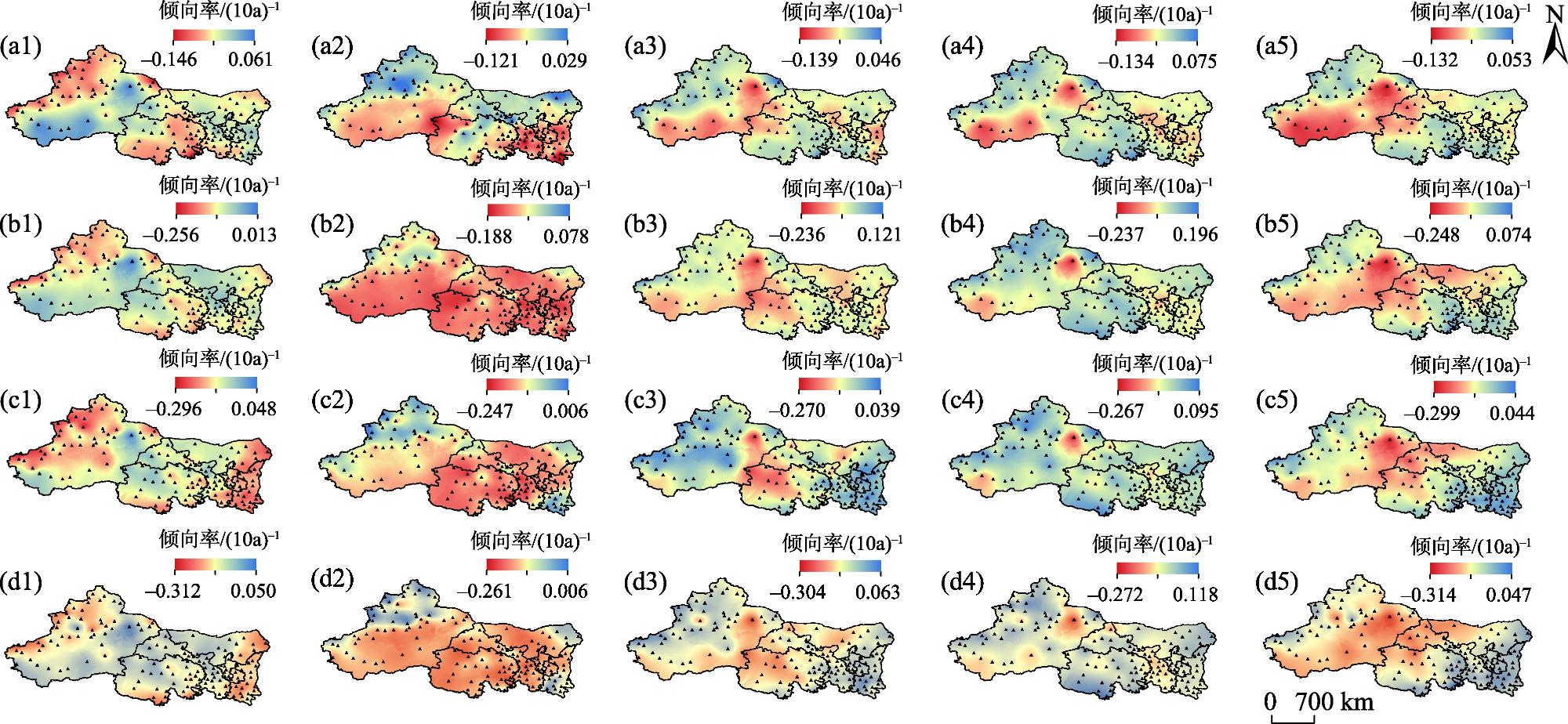
图8 不同情景2020—2100年西北地区年尺度和季节尺度SPEI年际变化趋势注:a为SSP1-2.6,b为SSP2-4.5,c为SSP3-7.0,d为SSP5-8.5;1为年,2为春季,3为夏季,4为秋季,5为冬季。下同。 Fig. 8 The interannual variation trend of SPEI at annual and seasonal scales in Northwest China from 2020 to 2100 under different scenarios |
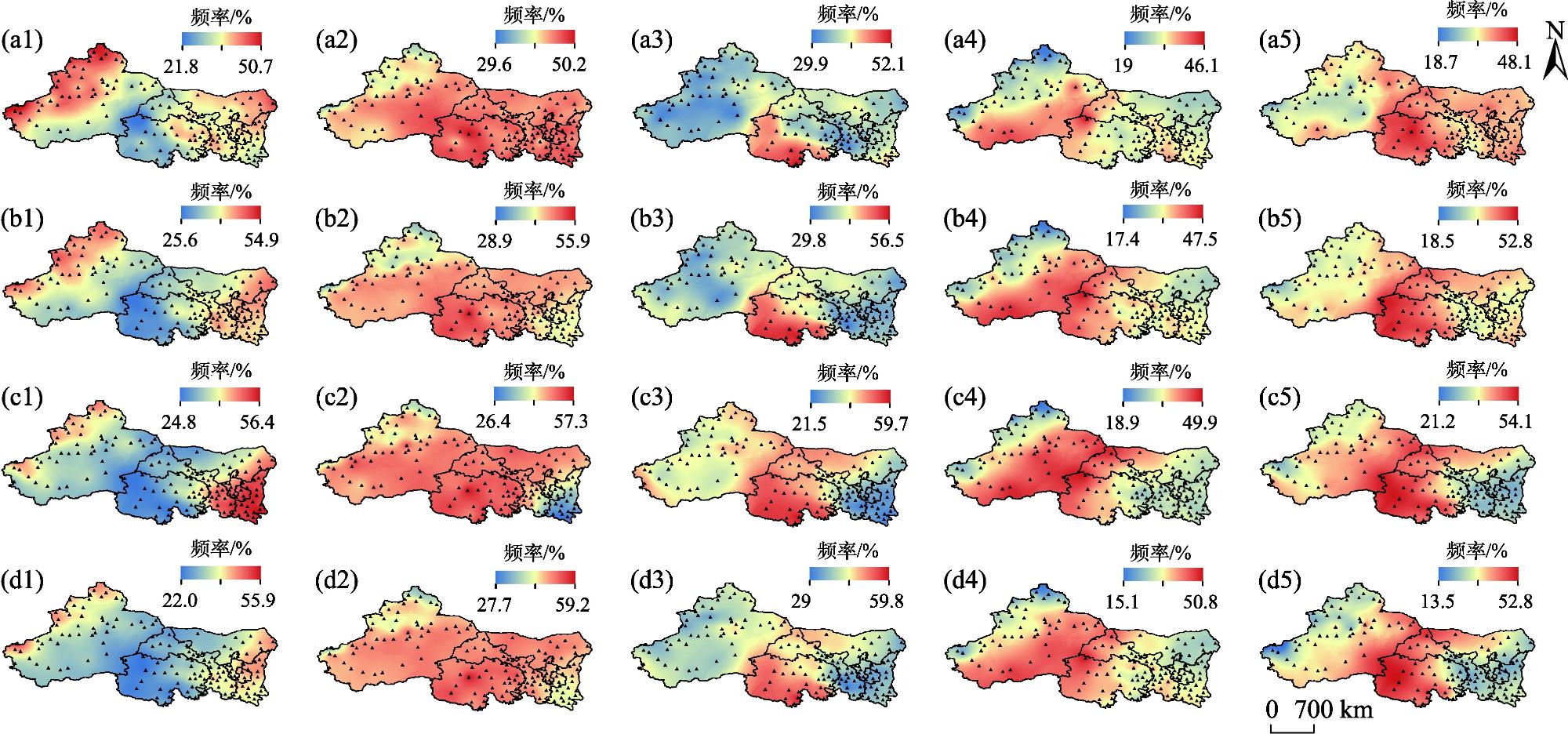
表3 不同情景下年和季节尺度不同干旱类型发生频率Tab. 3 The frequency of different drought types at annual and seasonal scales under different scenarios /d |
| SSP1-2.6 | SSP2-4.5 | SSP3-7.0 | SSP5-8.5 | |||||||||||||||||
|---|---|---|---|---|---|---|---|---|---|---|---|---|---|---|---|---|---|---|---|---|
| 轻旱 | 中旱 | 重旱 | 特旱 | 轻旱 | 中旱 | 重旱 | 特旱 | 轻旱 | 中旱 | 重旱 | 特旱 | 轻旱 | 中旱 | 重旱 | 特旱 | |||||
| 年 | 20.17 | 14.77 | 7.14 | 2.04 | 20.57 | 15.37 | 7.51 | 2.08 | 20.88 | 15.5 | 7.4 | 1.91 | 21.17 | 16.82 | 8.27 | 1.83 | ||||
| 春 | 17.46 | 12.4 | 5.78 | 1.61 | 18.24 | 13.12 | 6.09 | 1.71 | 18.66 | 13.04 | 5.88 | 1.51 | 18.66 | 13.69 | 6.67 | 1.8 | ||||
| 夏 | 15.4 | 10.16 | 4.6 | 1.16 | 15.84 | 10.81 | 4.72 | 1.24 | 16.84 | 11.31 | 4.89 | 1.14 | 16.23 | 10.89 | 4.77 | 1.21 | ||||
| 秋 | 17.08 | 12.17 | 5.61 | 1.63 | 17.57 | 12.59 | 5.96 | 1.67 | 17.7 | 12.39 | 5.7 | 1.48 | 17.59 | 13.42 | 6.7 | 1.76 | ||||
| 冬 | 17.68 | 12.62 | 6.04 | 1.64 | 18.52 | 13.67 | 6.47 | 1.7 | 19.14 | 13.73 | 6.38 | 1.51 | 19.09 | 14.52 | 7.04 | 1.66 | ||||
| [1] |
杨晋云, 张莎, 白雲, 等. 基于机器学习融合多源遥感数据模拟SPEI监测山东干旱[J]. 中国农业气象, 2021, 42(3): 230-242.
[
|
| [2] |
赵海燕, 张文千, 邹旭恺, 等. 气候变化背景下中国农业干旱时空变化特征分析[J]. 中国农业气象, 2021, 42(1): 69-79.
[
|
| [3] |
|
| [4] |
|
| [5] |
|
| [6] |
王鹏涛. 西北地区干旱灾害时空统计规律与风险管理研究[D]. 西安: 陕西师范大学, 2018.
[
|
| [7] |
陈亚宁, 李忠勤, 徐建华, 等. 中国西北干旱区水资源与生态环境变化及保护建议[J]. 中国科学院院刊, 2023, 38(3): 385-393.
[
|
| [8] |
|
| [9] |
|
| [10] |
张强, 高歌. 我国近50年旱涝灾害时空变化及检测预警服务[J]. 科技导报, 2004, 3(4): 109-114.
[
|
| [11] |
|
| [12] |
李伟光, 易雪, 侯美亭, 等, 基于标准化降水蒸散指数的华南干旱趋势研究[J]. 中国生态农业学报, 2012, 20(5): 643-649.
[
|
| [13] |
薛华柱, 李阳阳, 董国涛. 基于SPEI 指数分析河西走廊气象干旱时空变化特征[J]. 中国农业气象, 2022, 43(11): 923-934.
|
| [14] |
刘哲琼, 佘敦先, 夏军, 等. 黄土高原地区气象干旱动态格局演变及其对植被的影响[J]. 地理科学, 2023, 43(9): 1659-1671.
[
|
| [15] |
侯青青, 裴婷婷, 陈英, 等. 1986—2019年黄土高原干旱变化特征及趋势[J]. 应用生态学报, 2021, 32(2): 649-660.
[
|
| [16] |
姚俊强, 毛炜峄, 陈静, 等. 新疆气候“湿干转折”的信号和影响探讨[J]. 地理学报, 2021, 76(1): 57-72.
[
|
| [17] |
刘珂, 姜大膀. 基于两种潜在蒸散发算法的SPEI对中国干湿变化的分析[J]. 大气科学, 2015, 39(1): 23-36.
[
|
| [18] |
卢冬燕, 朱秀芳, 刘婷婷, 等. 2 ℃温升情景下中国气象干旱特征变化[J]. 干旱区地理, 2023, 46(8): 1227-1237.
[
|
| [19] |
胡实, 莫兴国, 林忠辉. 未来气候情景下我国北方地区干旱时空变化趋势[J]. 干旱区地理, 2015, 38(2): 239-248.
[
|
| [20] |
|
| [21] |
丁一汇, 柳艳菊, 徐影, 等. 全球气候变化的区域响应: 中国西北地区气候“暖湿化”趋势、成因及预估研究进展与展望[J]. 地球科学进展, 2023, 38(6): 551-562.
[
|
| [22] |
姚旭阳, 张明军, 张宇, 等. 中国西北地区气候转型的新认识[J]. 干旱区地理, 2022, 45(3): 671-683.
[
|
| [23] |
粟晓玲, 褚江东, 张特, 等. 西北地区地下水干旱时空演变趋势及对气象干早的动态响应[J]. 水资源保护, 2022, 38(1): 34-42.
[
|
| [24] |
孔蕊. 变化环境下西北地区草地地上碳储量演变及驱动力分析[D]. 南京: 南京林业大学, 2020.
[
|
| [25] |
李雅培, 朱睿, 刘涛, 等. 基于BCC-CSM2-MR模式的疏勒河流域未来气温降水变化趋势分析[J]. 高原气象, 2021, 40(3): 535-546.
[
|
| [26] |
|
| [27] |
周天军, 邹立维, 陈晓龙. 第六次国际耦合模式比较计划(CMIP6)评述[J]. 气候变化研究进展, 2019, 15(5): 445-456.
[
|
| [28] |
胡一阳, 徐影, 李金建, 等. CMIP6不同分辨率全球气候模式对中国降水模拟能力评估[J]. 气候变化研究进展, 2021, 17(6): 730-743.
[
|
| [29] |
黄文君. 中国西北干旱区干旱时空演变及预估[D]. 乌鲁木齐: 新疆大学, 2021.
[
|
| [30] |
王东, 张勃, 安美玲, 等. 基于SPEI的西南地区近53 a干旱时空特征分析[J]. 自然资源学报, 2014, 29(6): 1003-1016.
[
|
| [31] |
王兆礼, 黄泽勤, 李军, 等. 基于SPEI和NDVI的中国流域尺度气象干旱及植被分布时空演变[J]. 农业工程学报, 2016, 32(14): 177-186.
[
|
| [32] |
郑景云, 尹云鹤, 李炳元. 中国气候区划新方案[J]. 地理学报, 2010, 65(1): 3-12.
[
|
| [33] |
|
| [34] |
杨肖丽, 马慧君, 吴凡, 等. 基于CMIP6的全球及干旱带干旱时空演变[J]. 水资源保护, 2023, 39(2): 1004-6993.
[
|
| [35] |
|
| [36] |
|
| [37] |
田佳西. 西北地区气候暖湿化演变趋势及其对植被恢复影响研究[D]. 南京: 南京林业大学, 2023.
[
|
/
| 〈 |
|
〉 |